Itineraries
South Korea in 10 days: an itinerary through Seoul, Gyeongju, Busan and Jeju
We may earn a commission when you book through links on this page, at no extra cost to you. We don't visit or try the places we cover: we summarize published sources. How we work
Day by day
- Days 1-3Seoul: arrival, palaces, hanok alleys, market, Namsan, Hongdae
- Day 4KTX to Singyeongju, Gyeongju mounds and Cheomseongdae
- Days 5-7Busan: Haeundae, Gwangalli, colorful hill districts, sea temple, fish market
- Days 8-9Flight to Jeju: coast, crater, volcanic landscapes
- Day 10Flight Jeju to Seoul, then international flight
Where to sleep
- Seoul3 nights
- Gyeongju1 night
- Busan3 nights
- Jeju2 nights
In short
- Four stops: Seoul (days 1-3), Gyeongju (day 4), Busan (days 5-7), Jeju (days 8-9), then a flight to Seoul on day 10.
- The KTX high-speed train links Seoul and Busan in a little under three hours; Seoul to Singyeongju (Gyeongju) takes about 2 hours.
- Busan to Jeju is an internal flight of about one hour; a car is useful only on Jeju.
- Spring and fall are the most pleasant seasons; book the KTX and internal flights early for weekends and public holidays.
Doing South Korea in 10 days is the ideal format for a first visit. The country is compact, very well served by high-speed rail, and each region shows a different face: an ultramodern capital turned toward the future, an old royal city that keeps the memory of the Silla kingdom, a large seaside port and a volcanic island with landscapes of its own.
This itinerary links four stops: Seoul, Gyeongju, Busan and Jeju. It avoids pointless back-and-forth, limits changes of lodging and leaves time to wander. If you have less time for the capital, our 3-day Seoul itinerary details each day in depth.
Overview of the 10-day itinerary
Here is the general plan, before the day-by-day detail.
| Days | Stop | Main transport time |
|---|---|---|
| 1 to 3 | Seoul | Arrival at Incheon Airport |
| 4 | Gyeongju | KTX Seoul – Singyeongju, about 2 h |
| 5 to 7 | Busan | Train or bus from Gyeongju, about 1 h |
| 8 to 9 | Jeju | Flight Busan – Jeju, about 1 h |
| 10 | Return | Flight Jeju – Seoul, then international flight |
The principle is simple: you go down from the north to the southeast, then finish on the island before heading home. This loop avoids doubling back by train. It does assume a return flight from Seoul: allow a comfortable margin between your arrival in Seoul and your international departure, or sleep one last night near the airport.
Before booking, also check the entry rules for South Korea, as they depend on your nationality and the length of your stay. Entry rules depend on your passport. Check the official travel advice of your government before you book: travel.state.gov (US), GOV.UK (UK), travel.gc.ca (Canada), Smartraveller (Australia) (checked November 2026).
Days 1 to 3: Seoul, the capital with two faces
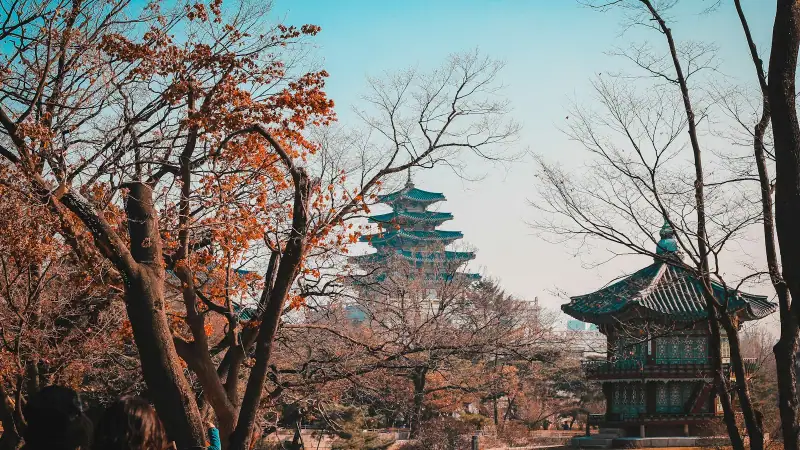
Seoul is the country’s natural gateway, and three days let you grasp the essentials without exhausting yourself.
Day 1: arrival and the historic center. After landing at Incheon Airport, reach the center by AREX train, bus or taxi: allow about an hour. Drop your bags, then spend the end of the day on a first walk around the palaces and the Jongno district. Keep the first evening light: jet lag makes itself felt.
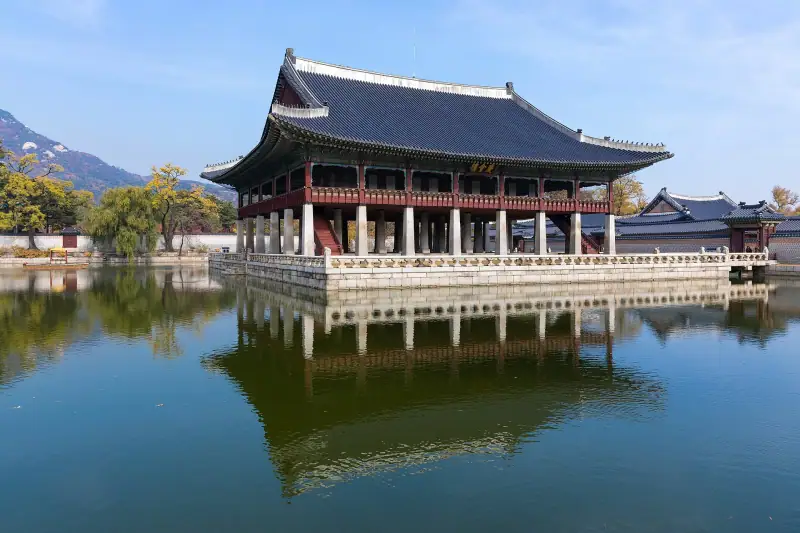
Day 2: palaces, hanok and food. The morning is ideal for a large Joseon dynasty royal palace, before the groups arrive. In the afternoon, wander the alleys of the traditional-house neighborhoods, then finish at a covered market. Our guide to Seoul’s markets and Gwangjang street food will help you choose what to try.
Day 3: a modern contrast. Treat yourself to a trip up Namsan Tower for the panorama, then explore a younger neighborhood like Hongdae or Seongsu: cafés, shops, street music. If the Demilitarized Zone intrigues you, the day excursion is possible, but it replaces an entire day: read our article on the DMZ and its excursion from Seoul before deciding.
To choose your base neighborhood, see our comparison on where to stay in Seoul. Lodging near a subway station saves precious time.
Hotels in Seoul
Compare lodging in Seoul by dates, budget and proximity to the subway.
Day 4: Gyeongju, the former capital of the Silla kingdom
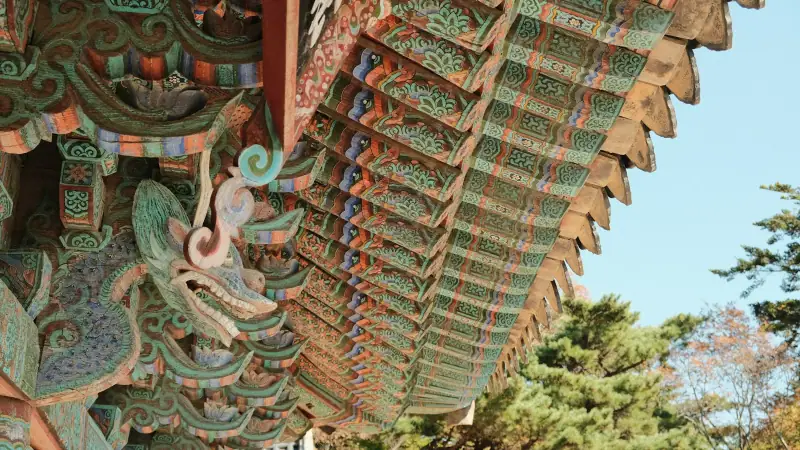
On the fourth day, change atmosphere completely. Take the KTX in Seoul to Singyeongju station, a trip of about two hours. This station is away from the center: a bus or taxi is needed to reach the historic city.
Gyeongju was the capital of the Silla kingdom for nearly a thousand years. There you find grassy burial mounds in the middle of the streets, a small 7th-century stone tower, Cheomseongdae, known as one of the oldest observatories in East Asia, and temples nestled in the hills. In the evening, the pond and the pavilions of Donggung Palace light up: it is the best moment of the day.
A single night is enough for a ten-day itinerary, provided you drop your bags early. Rent a bike to get between the sights of the center; the city is flat and pleasant to explore. To go further, read our guide to visiting Gyeongju and its highlights.
If you travel in midsummer, schedule the burial-mound visit in the morning or late afternoon: the sun is strong and there is little shade.
Days 5 to 7: Busan, the big seaside city
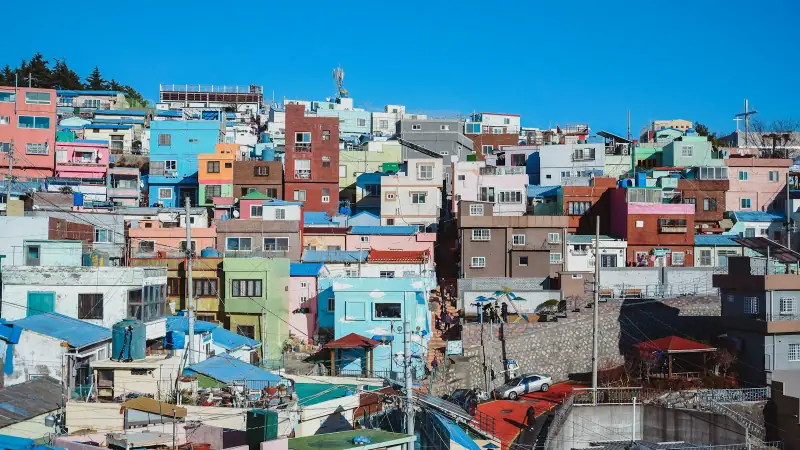
On the fifth day, reach Busan from Gyeongju by train or bus, a trip of about an hour depending on the mode. The country’s second city, Busan is a large port stretched between hills and beaches, with a more relaxed atmosphere than Seoul.
Day 5: settling in and the waterfront. Drop your things then head to Haeundae Beach for a first walk. In the evening, Gwangalli Beach offers a nice panorama of the Gwangan Bridge, lit up at nightfall.
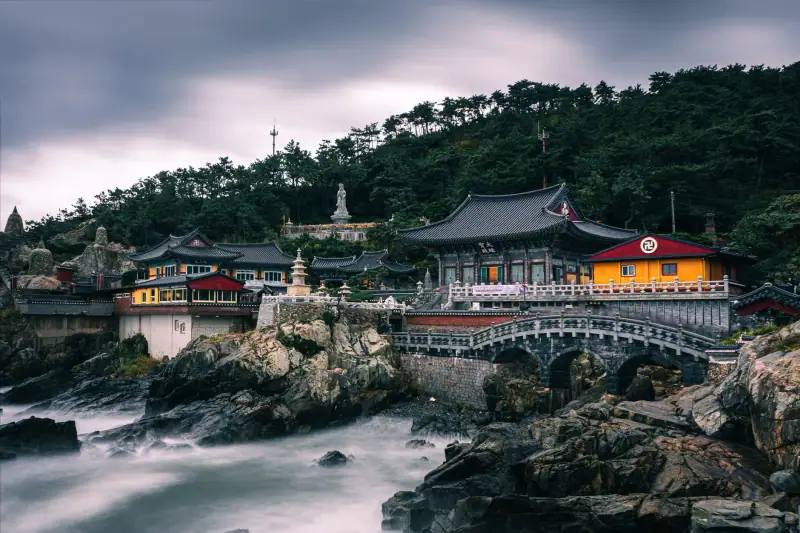
Day 6: colorful neighborhoods and a temple on the sea. Devote the day to the hillside neighborhoods with colorful houses, then to the Buddhist temple overlooking the coast, a rare example of a temple built at the water’s edge. Check the hours before you come; they vary by season.
Day 7: markets and seafood. Busan is known for its seafood. Wander through a large fish market, try hotteok, the sweet street pancake, and let the smell of grills guide you. To know everything about the stops, see our article on visiting Busan and its highlights.
Guided tours in Busan
To discover the neighborhoods, temples and coast with a local guide, compare tours and excursions in Busan.
Days 8 and 9: Jeju Island, volcanic nature
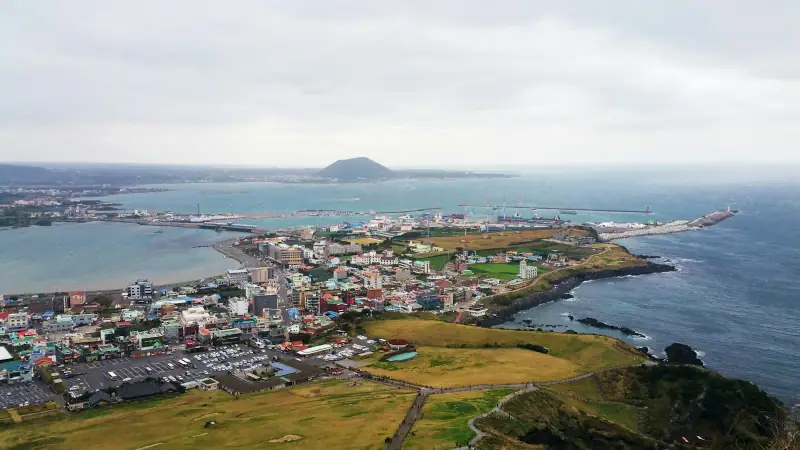
On the eighth day, fly to Jeju Island. The flight from Busan-Gimhae Airport takes about an hour, making it one of the fastest domestic trips in the country. Jeju is a volcanic island dominated by Hallasan, with dark coasts, cliffs, beaches and craters.
Day 8: the coast and volcanic landscapes. On arrival, rent a car or organize your trips by bus: the island is large and public transport serves some sights poorly. Use the afternoon for a first walk on the coast and a sunset over the ocean.
Day 9: crater, forest or hike. Depending on your energy, choose between an easy climb to a crater, a walk on the coastal trails or exploring the lava caves. Keep warm clothes even in spring: wind is frequent. Our guide to visiting Jeju Island details the sights not to miss.
Day 10: back to Seoul and the international flight
On the last day, return to Seoul by a Jeju – Seoul flight of about an hour. The route is one of the busiest in the world: departures are frequent, but weekends and public holidays fill up quickly. Book early.
Keep a safety margin for the international flight. A delay in Jeju, caused by wind or fog, can push back your domestic flight. If your international flight leaves late morning, plan instead to return to Seoul the day before. In that case, shorten Jeju to a single night or drop a night in Busan.
Variations to suit your wishes
This itinerary is a base, readily adapted.
- More nature: replace Gyeongju with Seoraksan National Park, on the east coast. Our article on visiting Seoraksan and Sokcho will help you judge the effort and transport.
- More food: add Jeonju, a city known for its cuisine, between Seoul and the south. To go further into the Korean table, read our guide to Korean cuisine and typical dishes.
- More time for Seoul: drop Jeju, and gain two days for the capital and its surroundings.
- With family: keep a relaxed pace, and skip Gyeongju if the children are young. One more night in Busan is more restful.
Getting from one stop to the next
The country is well equipped, but a few rules make life easier.
- The KTX links Seoul and Busan in a little under three hours. It also serves Gyeongju, via Singyeongju station. Book ahead for weekends.
- The subway runs in the big cities. A rechargeable transit card saves buying a ticket for every ride.
- Domestic flights are useful for Jeju: fast, frequent, sometimes inexpensive if you book early.
- Luggage: travel light. There are many subway stairs, and station lockers are handy between stops.
To understand everything about cards, trains and buses, read our guide to getting around South Korea.
Budget and season: what to know
Ten days in South Korea represent a mid-level budget, higher than in some neighboring countries but reasonable if you eat local. Meals in small restaurants and markets remain affordable, city-center hotels cost more, and domestic flights vary a lot by date. Our article on the budget for a trip to South Korea gives ballpark figures.
As for the season, spring and fall are the most pleasant. Summer is hot and humid, with a rainy season, and winter is cold on the mainland. Our guide on when to go to South Korea details these periods. Travel insurance is also advisable, especially if you plan hikes or car travel on Jeju Island.
Tips for making this route work
- Book the KTX and domestic flights early, especially for weekends and Korean public holidays.
- Limit hotel changes: a base of three nights in Seoul and in Busan reduces fatigue.
- Visit museums and palaces in the morning, when queues are shorter.
- Keep a half day free: the unexpected is part of the charm of travel.
- Download a map and translation app before you leave, to find your way easily in stations.
- Check the closing days of sights: some museums close one day a week, often Monday.
In short, this route offers an excellent overview of the country: a vibrant capital, ancient heritage, a dynamic coast and a wild island, all in ten days, without endless travel. It suits a first visit well, and it will probably make you want to come back.
Frequently asked questions
Is 10 days enough to visit South Korea?
Yes, for a first discovery. Ten days let you combine the capital, a historic city, a big coastal city and an island without rushing. Beyond four stops, travel takes up too much time.
How long does it take to get from Seoul to Busan?
The KTX high-speed train links Seoul and Busan in a little under three hours, depending on the train. It is the simplest and most comfortable option. Book ahead for weekends and public holidays.
Do you need to rent a car for this itinerary?
No, not for Seoul, Gyeongju and Busan: the train, subway and buses are enough. A car is only useful on Jeju Island, where public transport serves the coasts and the interior less well. Check the driving-permit requirements for your country with official sources and the rental company.
How do you get from Busan to Jeju?
The simplest is the domestic flight: it takes about one hour between Busan-Gimhae Airport and Jeju Airport. Compare low-cost airlines and book early for weekends, which are in high demand among South Koreans.
What is the best time to do this itinerary?
Spring and fall are the most pleasant: mild temperatures, clear skies, colorful landscapes. Summer is hot, humid and rainy, winter cold on the mainland. Our guide to the best time to go details each season.
Can you replace Gyeongju or Jeju with another stop?
Yes. If you like mountains, Seoraksan National Park, near Sokcho, is a good substitute for Jeju. For culture and food, Jeonju is an interesting alternative. You just need to allow for the extra travel time.
More South Korea guides
Keep reading
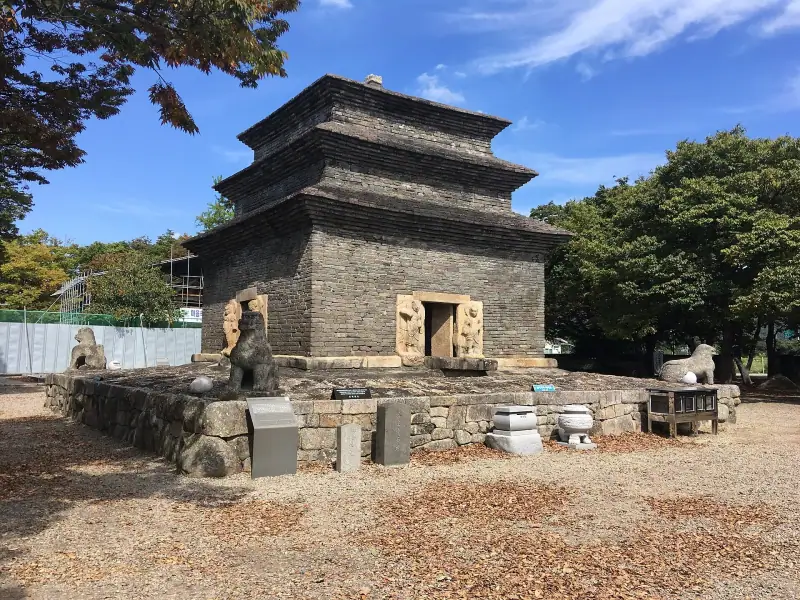
Visiting Gyeongju: the highlights of the Silla capital
Visiting Gyeongju, South Korea: Bulguksa Temple, Seokguram Grotto, Daereungwon mounds, Wolji Pond, Yangdong village. Tips, transport and planning.
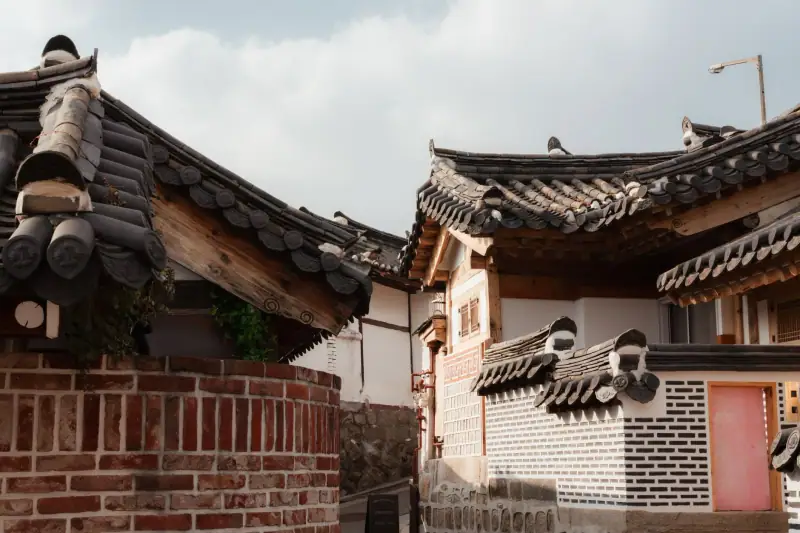
Sleeping in a hanok in South Korea: a guide to Jeonju, Seoul and Gyeongju
Spending a night in a hanok in South Korea: where to stay in Jeonju, Seoul and Gyeongju, comfort, ondol, budget, etiquette and booking tips.
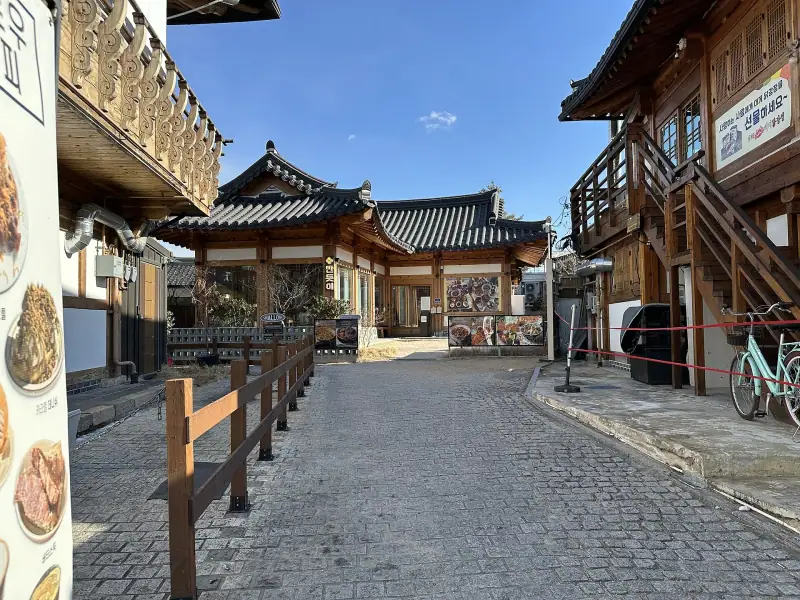
Where to stay in Gyeongju without a car: Hwangnidan-gil or Bomun?
Hwangnidan-gil or Bomun for a car-free stay in Gyeongju? Comparison of the two areas: access to sights, buses, hanok or lakeside hotel, booking tips.
Ready-made
South Korea itineraries
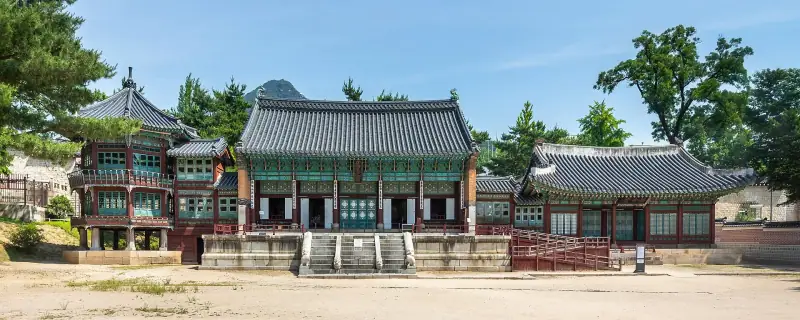
7 days
4 days
3 days
Seoul in 3 days: a day-by-day itinerary to see it all
Seoul in 3 days: palaces, hanok districts, markets, Namsan, Hongdae and the DMZ. A day-by-day itinerary with transport, tips and neighborhood picks.