Plan your trip
When to go to South Korea? Seasons, weather and best months
We may earn a commission when you book through links on this page, at no extra cost to you. We don't visit or try the places we cover: we summarize published sources. How we work
In short
- Spring (April-May) and fall (late September to early November) are generally the most pleasant, and also the busiest: book early.
- Cherry blossoms usually bloom between late March and early April, first in the south then in Seoul; dates vary from year to year.
- The summer monsoon (jangma) usually runs from late June to late July; August and September can bring typhoons, mostly to the south and Jeju.
- Seollal and Chuseok follow the lunar calendar: trains and buses fill up and some shops close for a few days.
Choosing when to go to South Korea shapes the trip a lot. The country has four very distinct seasons: a flowering spring, a hot and humid summer, a spectacular fall and a cold, dry winter. Depending on whether you dream of cherry trees, mountain hikes, beaches or markets lit up in the cold, the right month is not the same.
This guide helps you choose according to your priorities: weather, colors, budget, crowds and events.
South Korea’s climate in brief
South Korea is in East Asia, with a temperate climate marked by the influence of the monsoon. Seasonal contrasts are sharp: in summer, heat and humidity can be high, while in winter temperatures often drop below zero in the northern half of the country.
Four periods structure the year:
- Spring (March to May): mild temperatures, blossoms, a few days of possible fine dust.
- Summer (June to August): heat, humidity, monsoon from late June to July.
- Fall (September to November): clearer skies, pleasant coolness, red and golden foliage.
- Winter (December to February): dry cold, snow in the mountains, calm landscapes.
Geography matters too. The south, around Busan, Gyeongju and Jeju Island, is generally milder than Seoul and the mountainous east coast of Gangwon. Blooming and foliage dates follow this gradient: the south blooms earlier in spring, the north colors its trees earlier in fall.
Seoul in spring: cherry blossoms and mild temperatures
Spring is one of the most sought-after periods to visit Seoul. From late March and in April, cherry trees bloom in parks, along rivers and around the palaces. Days are mild, ideal for walking in the historic districts and enjoying terraces, with evenings still cool.
The pluses:
- Pleasant temperatures for visiting on foot.
- Blooms that spread from south to north over several weeks.
- Urban landscapes and palaces that are especially photogenic.
The constraints:
- Heavier crowds at emblematic sites during the bloom.
- Flight and hotel prices higher than in low season.
- Bloom dates vary from year to year: do not lock a trip to a single weekend.
- Fine dust episodes can affect air quality on some spring days.
Hotels in South Korea
Compare lodging in Seoul, Busan or Jeju on your dates: in cherry blossom and foliage season, the good places go fast.
Summer in South Korea: monsoon, heat and beaches
June marks the transition to summer. The monsoon, called jangma, generally sets in from late June to late July: frequent, sometimes violent rain, and strong humidity. July and August are the hottest months, with oppressive heat in the city, notably in Seoul.
It is nevertheless the holiday season for Koreans. The beaches of the east and south coasts are busy, and music festivals multiply. If you travel at this time, pack light clothing, a raincoat or umbrella, and organize your schedule with flexibility in case of heavy rain.
Worth knowing: August and September can also bring typhoons, which mostly affect the south and Jeju Island. They remain irregular from year to year, but it is wise to take travel insurance with cancellation cover and to follow local weather bulletins, as sea and air transport can be disrupted.
Jeju: the best time for the island
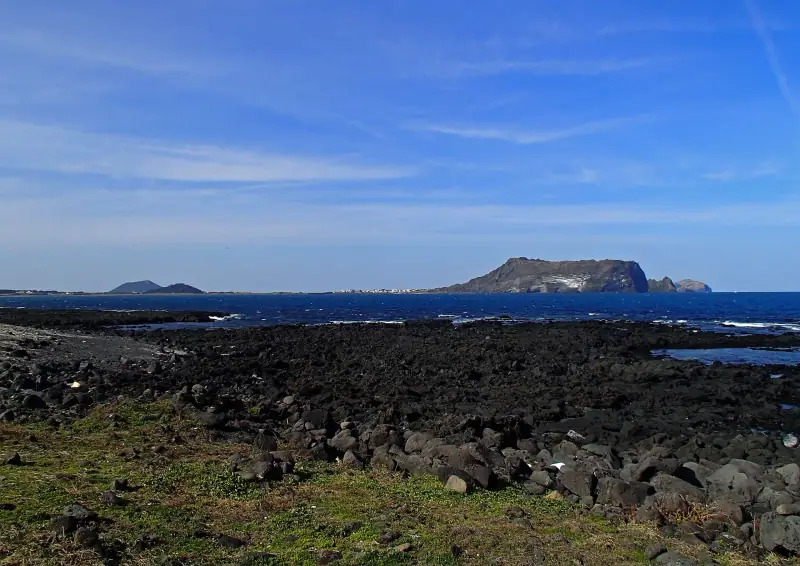
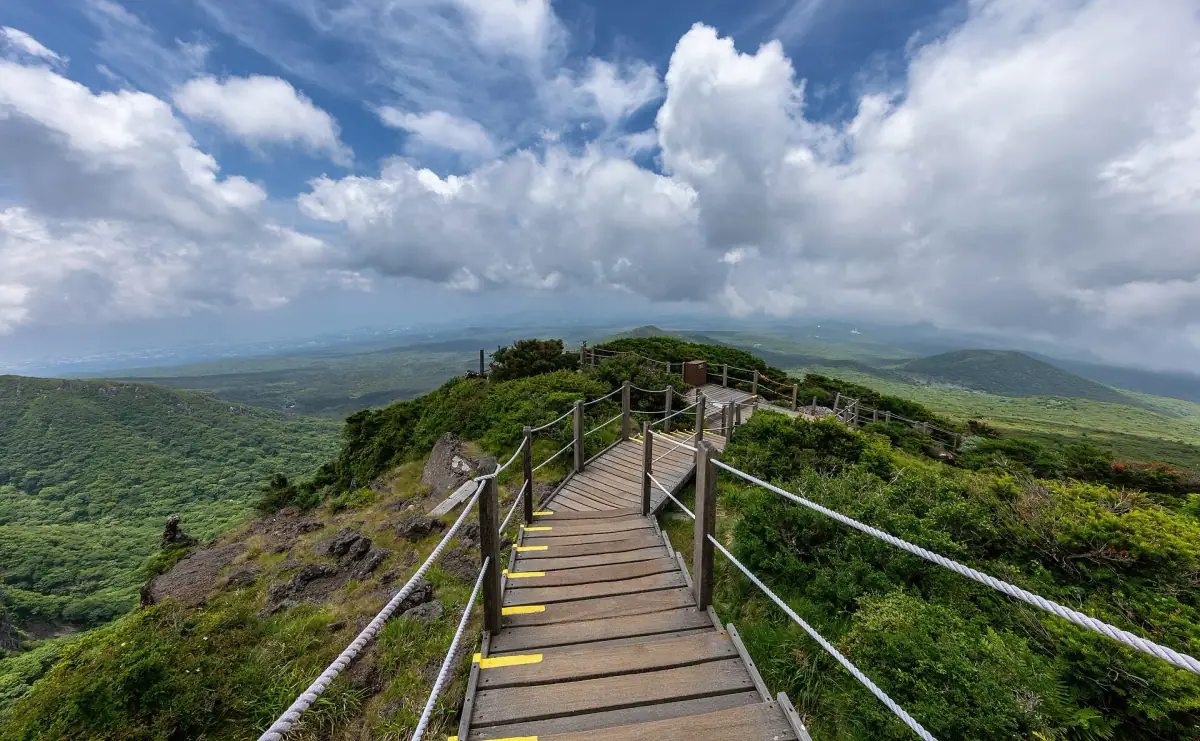
Jeju Island enjoys a milder climate than the mainland, with less severe winters and humid summers. Spring is especially appreciated there: you see fields of yellow flowers and green landscapes around the Hallasan volcano, which dominates the island.
Fall is also a fine period for hiking, with often clearer skies and comfortable temperatures. In summer, the sea is good for swimming, but heat, humidity and crowds increase. In winter, the island stays milder than Seoul, while being windy; the heights of Hallasan can be snowy.
In all cases, keep a margin in your schedule: the weather can change fast, and some mountain hikes depend on the conditions of the day.
Flights to South Korea
Compare flights to Seoul on your dates: booking early remains the best lever for the budget, especially in spring and fall.
Seoraksan and Gyeongju in fall: the foliage
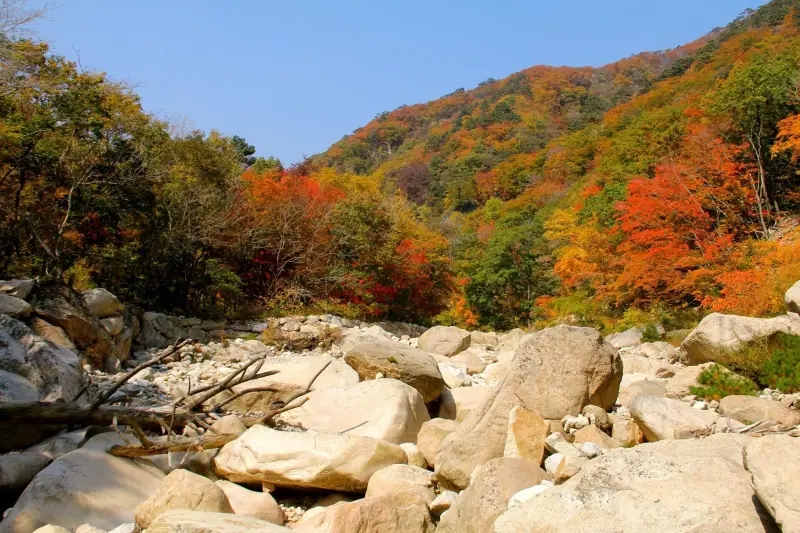
Fall is often considered the country’s most beautiful season. From late September to early November, foliage goes from green to red, orange and gold. Seoraksan National Park, in Gangwon, is one of the most renowned places to admire these colors, generally earlier at altitude than on the plain.
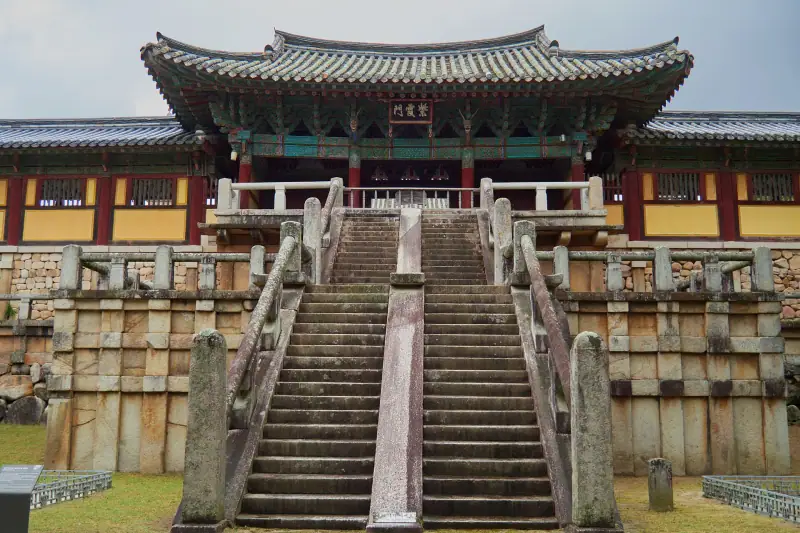
Further south, Gyeongju, former capital of the Silla kingdom, shows another face of fall: burial mounds, temples and gardens take on golden hues, with very pleasant walks on foot or by bike. As elsewhere, the date of peak colors varies from year to year; check local forecasts a few weeks before departure.
The pluses:
- Often clearer skies and comfortable temperatures for hiking.
- Especially spectacular mountain landscapes.
- Ideal conditions for combining Seoul, Gyeongju and the east coast.
The constraints:
- Heavy crowds in the national parks, especially on weekends.
- Lodging to book early in mountain areas.
- Temperatures that drop quickly in the evening and at altitude.
Winter in Seoul: dry cold and a calm mood
Winter is the coldest season: in Seoul, temperatures are often below zero in January, with dry air and a sometimes biting wind. In return, it is a calmer period at many sites, with generally more affordable rates outside holidays and festivals.
It is also the season of Korean underfloor heating (ondol), hot dishes and soups, which are part of the experience. You can ski and snowboard in the Gangwon mountains (our guide to skiing in South Korea compares the resorts), and the snowy landscapes of Seoraksan are much sought after by photographers.
Pack proper warm layers: coat, gloves, hat. Indoors is generally well heated, so dress in layers.
Busan: a milder climate all year
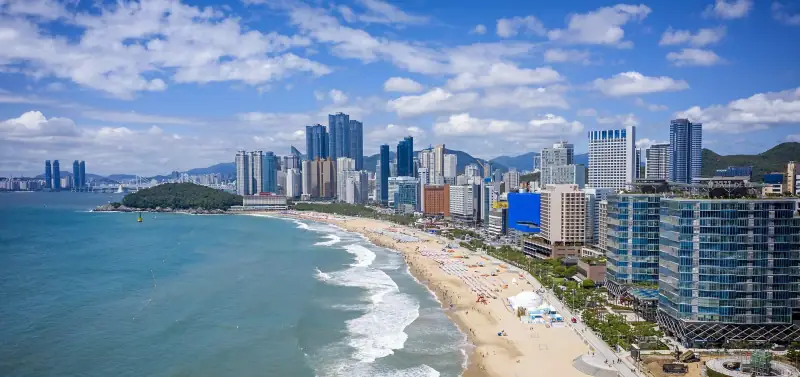
Busan, a big port city in the southeast, enjoys a more temperate climate than Seoul. Winters there are less harsh, and spring and fall are both very pleasant for exploring coastal districts, markets and beaches.
Summer is hot and humid, with heavier use of the shoreline. Fall, from September to November, is often an excellent compromise: mild temperatures, thinner crowds than in midsummer and conditions suited to a seaside stroll. In winter, it is a good option if you want to avoid the harshest cold of the north of the country.
Activities in South Korea
Guided tours, cooking, excursions from Seoul: activities to book in advance in high season.
Festivals, public holidays and crowds: dates to know
The Korean calendar has several public holidays that strongly influence your trip. The two most important are Seollal (Lunar New Year) and Chuseok (the harvest festival). The dates change every year, as they follow the lunar calendar.
During these periods:
- transport (trains, buses, domestic flights) is in very high demand and fills up well in advance;
- some shops and restaurants close for a few days, especially outside tourist areas;
- major tourist sites, however, can be lively and offer cultural activities.
Also think of school vacations and long weekends, which increase crowds at popular sites. Check the official calendar before booking your tickets and lodging.
Budget: when to travel cheaper?
Prices follow crowds. The most expensive periods are generally the cherry blossom spring, the foliage fall and the major festivals. Summer, in the middle of the monsoon, and winter outside holidays are often more accessible, for both flights and hotels.
A few tips to optimize your budget:
- book your flights several months ahead for spring and fall;
- favor midweek for visits to very busy sites;
- compare lodging, including in neighborhoods a little away from the center, well linked by subway;
- keep flexible dates to benefit from better offers.
For car rental, note that most travelers get around by train, subway and bus, which are very well developed in the country; a car is only useful for certain rural areas or for Jeju.
Which month to choose for your trip?
Here is a summary according to your priorities:
- Cherry blossoms and mildness: late March to April, preferably Seoul and the south of the country.
- Hiking and colors: late September to early November, with Seoraksan, Gyeongju and Jeju.
- Beaches and festivals: July and August, accepting heat, humidity and crowds.
- Budget and quiet: winter outside holidays, for a calmer trip.
- A balanced first trip: May, or October, often the best compromise between weather, landscapes and activities.
Whatever month you choose, before leaving check the entry rules for your passport on official sites, and consider travel insurance. Entry rules depend on your passport. Check the official travel advice of your government before you book: travel.state.gov (US), GOV.UK (UK), travel.gc.ca (Canada), Smartraveller (Australia) (checked November 2026).
Frequently asked questions
What is the best time to go to South Korea?
Spring (April-May) and fall (late September to early November) are generally the most pleasant: mild temperatures, clearer skies, cherry blossoms then colorful foliage. They are also the busiest periods, so book early.
When can you see cherry blossoms in South Korea?
Blooming generally takes place between late March and early April, first in the south of the country then in Seoul. Dates vary from year to year with the weather: check bloom forecasts a few weeks before departure.
When is the rainy season in South Korea?
The summer monsoon, called jangma, generally sets in from late June to late July, with frequent rain and high humidity. August and September can also be hit by typhoons, more rarely by violent episodes.
Is it very cold in winter in South Korea?
Yes, winter is cold and dry, with temperatures often below zero in Seoul and in the mountainous east. Mountain areas like Seoraksan get snow, while Busan and Jeju Island stay milder.
Should you avoid traveling during Seollal or Chuseok?
These two big family holidays bring a lot of travel across the country, full trains and buses, and the closing of some shops for a few days. They fall on variable dates: check the calendar for the year of your trip.
More South Korea guides
Keep reading
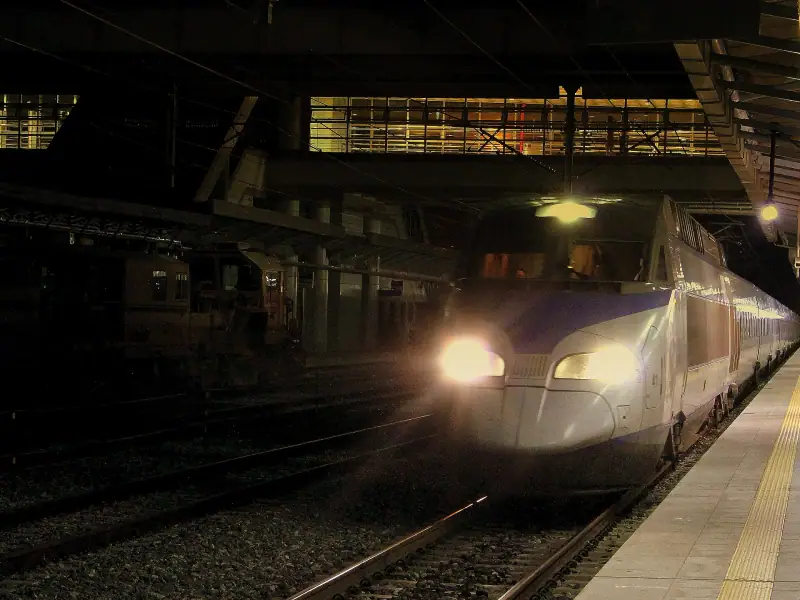
Getting around South Korea: KTX, buses, subway and T-money
How to get around South Korea: KTX, express buses, Seoul subway, T-money card, flights to Jeju and car rental. The practical transport guide.
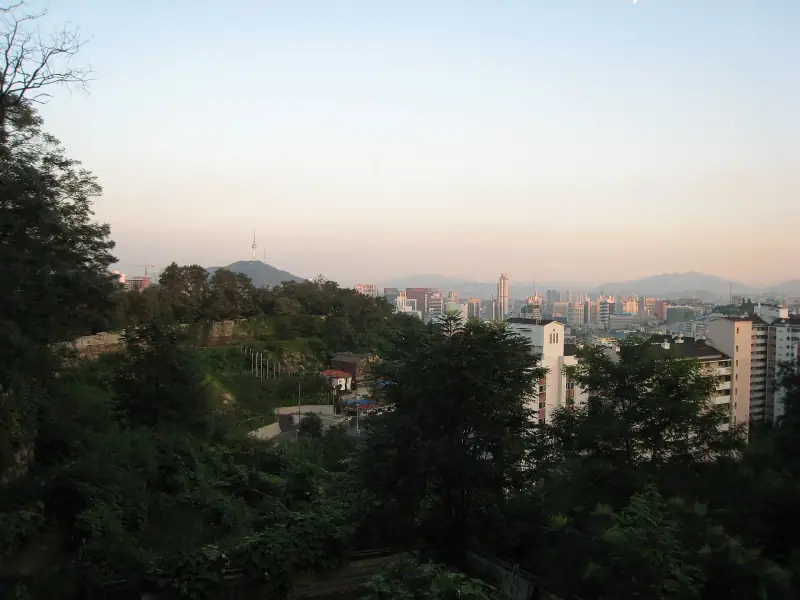
South Korea budget: real costs and 3 traveler profiles
What budget for South Korea? Costs by item (lodging, transport, meals, sights), three priced profiles and tips to spend less.
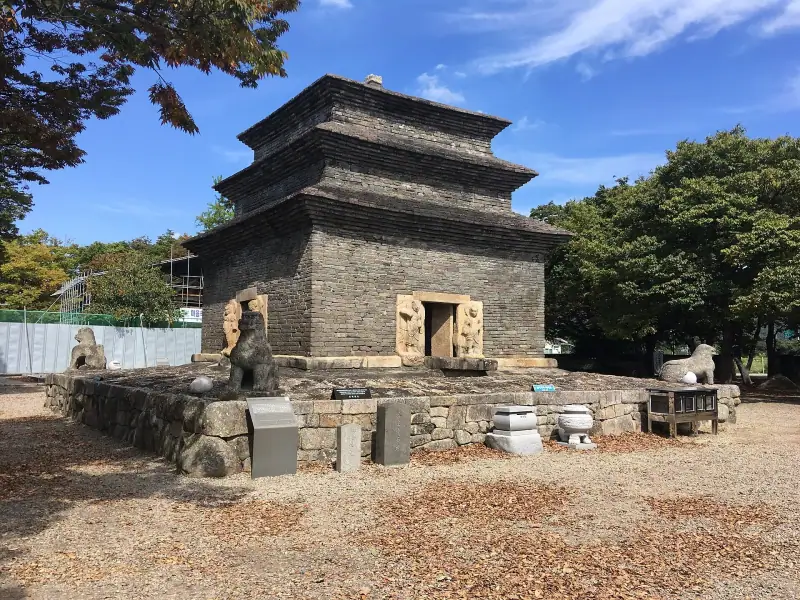
Visiting Gyeongju: the highlights of the Silla capital
Visiting Gyeongju, South Korea: Bulguksa Temple, Seokguram Grotto, Daereungwon mounds, Wolji Pond, Yangdong village. Tips, transport and planning.
Ready-made
South Korea itineraries
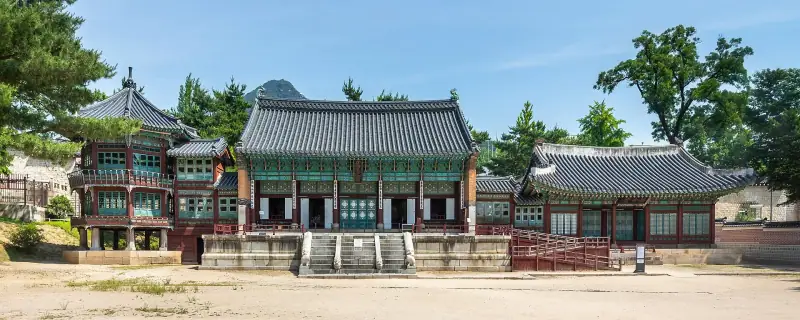
7 days
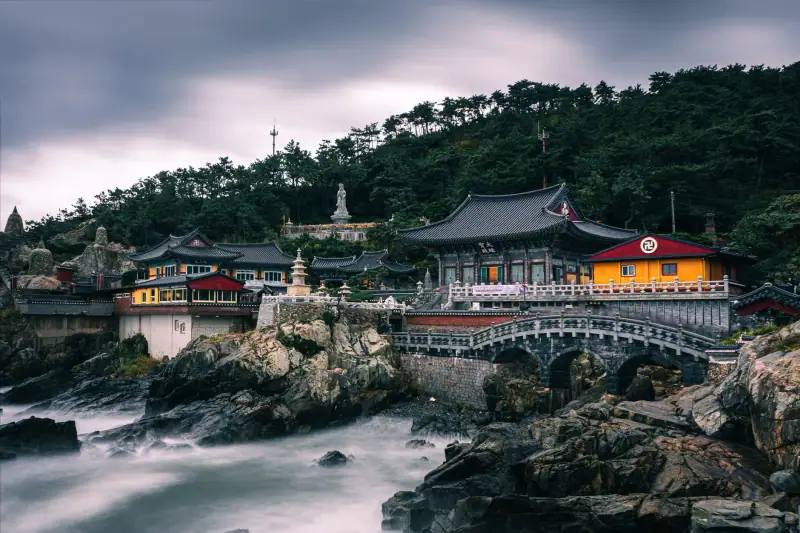
4 days
10 days
South Korea in 10 days: an itinerary through Seoul, Gyeongju, Busan and Jeju
SeoulGyeongjuBusanJeju