What to see
Visiting Jeju Island: the highlights of the volcanic island
We may earn a commission when you book through links on this page, at no extra cost to you. We don't visit or try the places we cover: we summarize published sources. How we work
In short
- Three days cover the classics: a Hallasan trail or an oreum, Seongsan Ilchulbong, a basalt coast and a beach; four to five days add Udo island and the lava tube.
- The flight from Seoul takes about an hour and is one of the busiest routes in the country; book ahead for weekends and school holidays.
- A car is the most flexible option; check the driving-license requirements for your country with the rental company.
- Access to the Hallasan summit trails is regulated and generally requires an online reservation.
Jeju is the big volcanic island south of the Korean peninsula, and the favorite vacation destination of South Koreans themselves. A volcano of more than 1,900 meters (6,230 ft) occupies its center, hundreds of small craters dot the slopes, and the coasts alternate basalt cliffs, light sand beaches and fishing villages. Several of its sites are UNESCO-listed under “Jeju Volcanic Island and Lava Tubes.”
The island combines well with a stay in the capital or Busan: see our 3-day Seoul itinerary and our guide to Busan’s highlights to build a complete trip. Here is what to see on Jeju, and how to organize it.
Preparing your stay on Jeju
Jeju is reached by plane from Seoul in about an hour, and from several other cities in the country. The airport is near Jeju-si, the main city in the north of the island. Seogwipo, on the south coast, is the other main place to stay: calmer, closer to several natural sites and the cliffs of the southern coast.
A few practical landmarks to prepare the trip well:
- Size of the island: it is easily covered by car, but the full loop by the coastal road is nearly 200 km (124 mi). Spread visits by area rather than crossing the island several times.
- Transport: the car offers the most freedom, as many sights are far from the centers. Buses exist but require patience, and taxis suit short trips.
- Weather: wind and clouds are frequent, especially on the heights. The volcano’s summit can be in the clouds while the coast is sunny.
- Period: see our guide to choosing when to go to South Korea, whose advice on the seasons also applies to the island.
For sleeping, two logics oppose each other. Jeju-si is ideal for late arrivals, restaurants and markets. Seogwipo, or a coastal village, suits those who favor nature and calm.
Hotels on Jeju
Jeju-si for city life, Seogwipo for the south coast and nature: compare the island's lodging on your dates.
Hallasan: climbing Jeju’s volcano
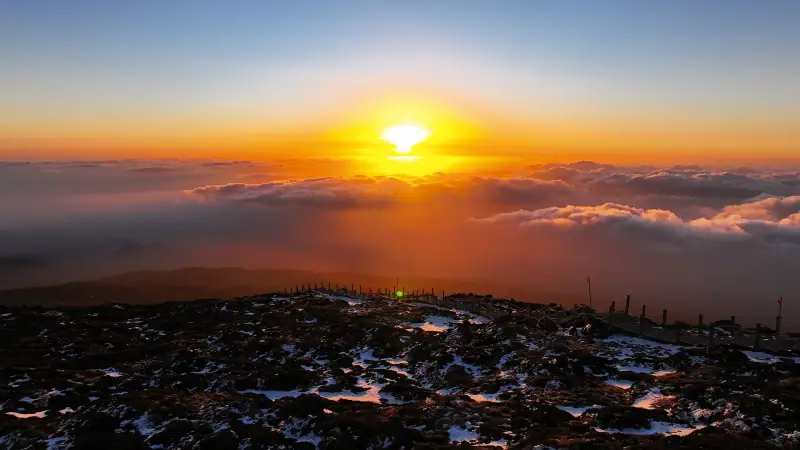
Hallasan is South Korea’s highest point, at about 1,950 meters (6,400 ft). This dormant volcano forms the island’s backbone, and its national park shelters vegetation that changes markedly with altitude: dense forests at the base, shrubs and high meadows higher up. It is part of the UNESCO-listed site.
Two main trails lead to the summit, one from the east side (Seongpanak), the other from the north side, toward Jeju-si (Gwaneumsa). At the end, a lake fills the summit crater. The hike is done in one day but requires real preparation: allow several hours of walking each way, good shoes and warm clothes, as wind and temperature change fast at altitude.
The trails leading to the summit are regulated: an online reservation is generally required, and cut-off times require you to go up and come back down within a set time. Find out about these rules before planning your day. If the summit does not tempt you, other shorter trails in the park offer fine forest walks with reasonable elevation gain.
For a more accessible alternative, the oreum, those small parasitic volcanic cones dotting the island (there are more than 360), let you climb in about an hour to a viewpoint over the fields, the sea and Hallasan.
Seongsan Ilchulbong: the sunrise cone
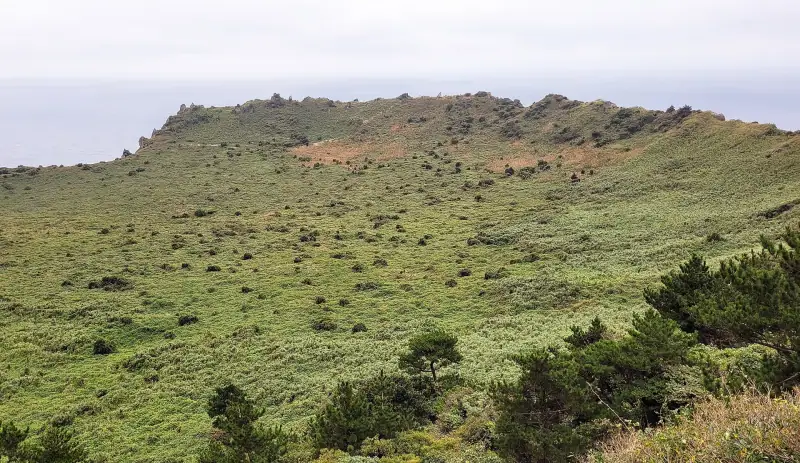
At the island’s eastern end, Seongsan Ilchulbong is a tuff cone from an underwater eruption, which rises from the sea like a natural fortress. Its name roughly means “sunrise peak,” and it is the island’s most renowned place to watch dawn. The site is UNESCO-listed.
A developed climb of about twenty minutes, with stairs, leads to the edge of the crater, wide and grass-covered. From there, the view takes in the coast, the fields and the ocean. The path is accessible to most walkers, but opening hours vary by season: for dawn, check access conditions before getting up very early.
The neighboring village keeps a remarkable tradition: that of the haenyeo, Jeju’s women divers. These women fish for seafood by free diving, without tanks, which they then sell or serve. Their know-how is listed as UNESCO intangible cultural heritage. Depending on the season and hours, some places offer small demonstrations, with dishes of fresh products.
Around the cone, the coast alternates black rocks, small coves and wind-swept open fields: this area combines easily with nearby Udo island.
Udo Island: a boat escape
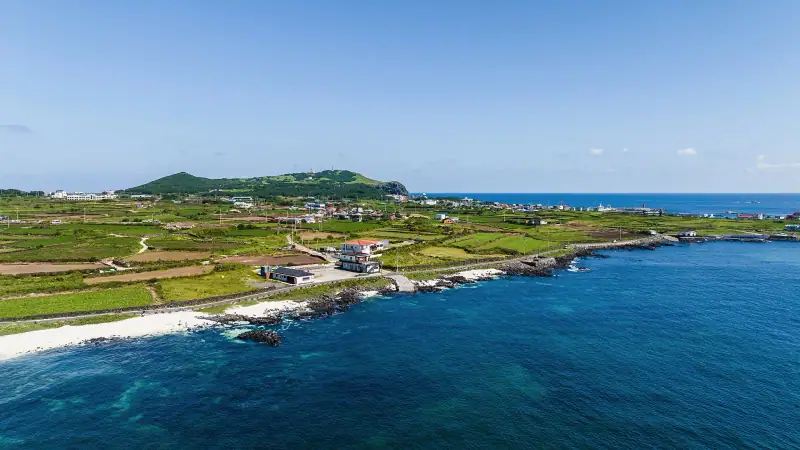
A few minutes by ferry from the east coast, Udo Island is a small island popular for a day trip. Its name evokes the shape of a lying cow, and it offers a landscape of fields bordered by black stone walls, beaches and low cliffs.
The best way to discover it is to circle the island by the coastal road, by bike, electric scooter or small rental vehicle, depending on what is offered there. Roads are narrow, traffic can concentrate in high season, and caution is needed on the curves as well as on shared bike paths.
You find small cafés, light-colored beaches and viewpoints over the coast. Allow half a day to a full day, planning the return by ferry before the end of the afternoon. Check ferry times and any vehicle restrictions in advance, which can change by season.
Excursions and tours on Jeju
Minibus tours, guided hikes, east or south coast visits: compare the activities offered on the island.
Manjanggul: going down into a lava tube
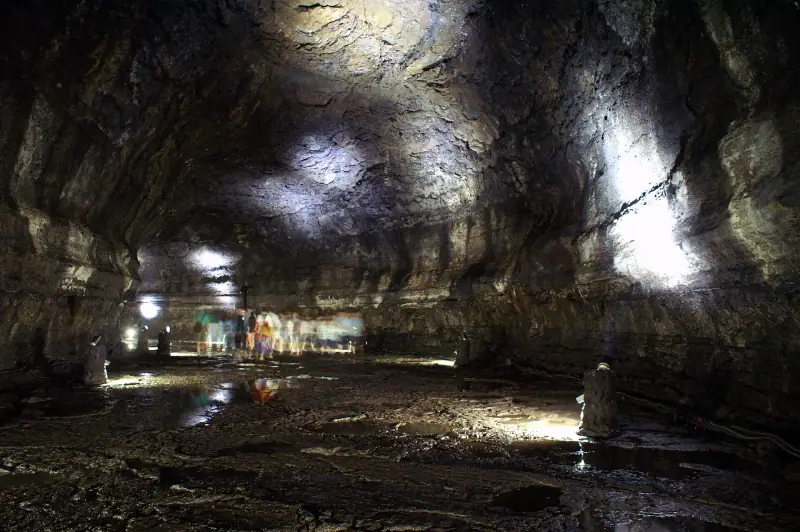
In the northeast of the island, Manjanggul is one of the longest lava tubes in the world, formed by lava flows that left large underground tunnels as they cooled. It too belongs to the UNESCO-listed site. Only part of the tunnel is open to visitors, but the walk is enough to give an idea of the scale of the place: high vaults, dark walls, uneven floor.
Inside, the temperature stays cool all year, even in summer: bring a light jacket and shoes with grip, as the floor can be wet and slippery. The visit is fairly short, but the atmosphere is very different from the outdoor landscapes. The site is generally closed one day a week and may be closed for conservation reasons: check the hours before traveling.
This stop combines well with a day in the northeast of the island, with beaches, villages and rapeseed fields in spring. The black stone walls, the basalt stone statues called dol hareubang and the small low-roofed houses recall the island culture.
Jusangjeolli, Jeongbang and the south coast around Seogwipo
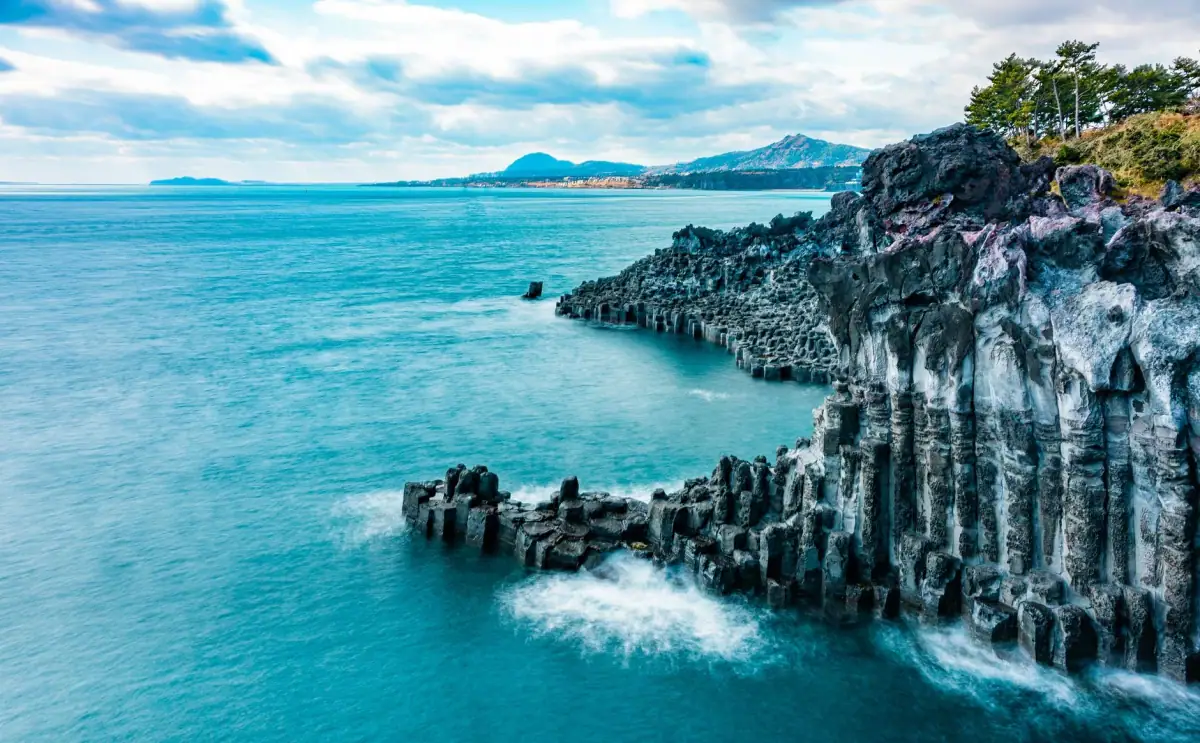
The island’s south coast, around Seogwipo, offers very fine coastal landscapes. The Jusangjeolli cliffs, near the Jungmun area, are made of regularly shaped basalt columns that plunge into the sea. They result from lava cooling rapidly on contact with water. A developed path lets you observe them without difficulty, and the rough sea makes a striking show on windy days.
In Seogwipo itself, Jeongbang Falls has the particularity of falling almost directly into the sea, which is rare. Other waterfalls, like Cheonjeyeon, are a short distance away and are visited on foot from a parking lot or a path of a few minutes.
The town is also a good starting point for fine coastal walks. The Jeju Olle trails, a network of paths running along much of the island’s shoreline, cross villages, fields and shores and let you walk half a day without difficulty. The trail markings are colorful and highly visible, and each section has its own character.
Jeju’s beaches: Hyeopjae, Hamdeok and the west coast
The island has fine light-sand beaches, in striking contrast with the black rocks. In the west, Hyeopjae is one of the best known, with clear turquoise water and the small island of Biyangdo visible offshore. In the northeast, Hamdeok offers a large arc of soft sand, calm waters and a pleasant setting for families.
Most swimming happens in summer, when the beach is supervised and services open. Off-season, the beach remains pleasant for a walk, but the water is cool and services are often closed. Respect the flags and the lifeguards’ instructions, as currents can be strong.
The west coast is also known for its sunsets, with clear viewpoints over the sea. Plan to end your day on the west coast to enjoy the evening light, then dine in a nearby village.
What to eat on Jeju
Jeju’s table is worth the trip. The most famous specialty is black pork (heukdwaeji), a meat with a firm texture and a pronounced taste, grilled at the table over charcoal. Seafood also has a large place: grilled fish, seafood soups and abalone dishes, fresh products often linked to the divers’ tradition.
Mandarins and their variants, like the hallabong, are emblematic of the island: you find them in winter in markets, as juice, in desserts or as souvenirs. For a general introduction to the country’s cuisine, see our guide to typical Korean dishes, which also presents the basic meals to know before ordering.
The traditional markets of Jeju-si and Seogwipo are good places to try several specialties cheaply. Choose stalls frequented by locals and ask for advice on the dishes of the day.
Flights to South Korea
To reach Seoul then Jeju, compare flights and book early for vacation periods.
A sample three-day itinerary
To organize your visits without rushing, here is a proposal that groups stops by area:
- Day 1: the east of the island. In the morning, Seongsan Ilchulbong cone; early afternoon, the divers’ village and a seafood meal; then Hamdeok Beach or the Manjanggul lava tube, as you prefer.
- Day 2: Hallasan or an oreum. A day of hiking if you have booked summit access, or a shorter walk up an oreum followed by a quiet end of day at the beach.
- Day 3: the south coast and the west. The Jusangjeolli cliffs and the Seogwipo waterfalls in the morning, then Hyeopjae Beach and a sunset on the west coast.
With one or two more days, add Udo island as a day trip and a few sections of the Olle trails. Always plan a margin for the weather: in case of clouds or rain, swap the days and keep the lava tube and markets for less favorable moments.
Practical tips before you go
- Reservation: the Hallasan summit trails and some highly sought-after lodging should be booked ahead, especially in high season and on long weekends.
- Car rental: check the driving-license requirements for your country with the rental company and official sources, and make sure you have suitable coverage.
- Respect for places: stay on marked trails, do not take stones or plants, and respect the peace of villages and divers.
- Weather: bring a windbreaker, even in summer. The weather changes fast, especially near the summits and on exposed coasts.
- Hours and access: opening hours, closing days and access rules change. Check them on official sites or with your host before each excursion.
Well prepared, a stop on Jeju brings a valuable contrast with the big cities: volcanoes, sea, walking and local food in a few days. It adds naturally to a trip between Seoul and Busan, and suits hikers as well as travelers who simply want a few days by the sea. To choose the best period, see our guide to the seasons, then book your flights and lodging according to your dates.
Frequently asked questions
How long do you need to visit Jeju Island?
Three days let you see the big classics: a Hallasan trail or an oreum, Seongsan Ilchulbong cone, a basalt coast and a beach. With four to five days, you add Udo island, the lava tube and slower days by the sea.
How do you get from Seoul to Jeju?
The plane is the simplest way: the flight from Seoul takes about an hour and the route is one of the busiest in the country, with many departures each day. Book ahead for weekends and school holiday periods.
Do you need to rent a car on Jeju?
It is the most flexible solution, as the sights are scattered across the island and local buses demand patience. Check the driving-license requirements for your country with the rental company and official sources before leaving. Without a car, taxis and organized tours remain possible.
Can you climb to the summit of Hallasan without a guide?
Yes, the trails are marked and the hike is done without a guide, but access to the trails leading to the summit is regulated and generally requires an online reservation. Leave early, bring water and warm clothes, and find out about weather conditions and descent cut-off times.
What is the best time to go to Jeju?
Spring and fall are the most pleasant for walking and enjoying the landscapes. Summer is hot and humid, with a rainy season and typhoon risks late in the season, while winter is cool, windy but often bright.
More South Korea guides
Keep reading
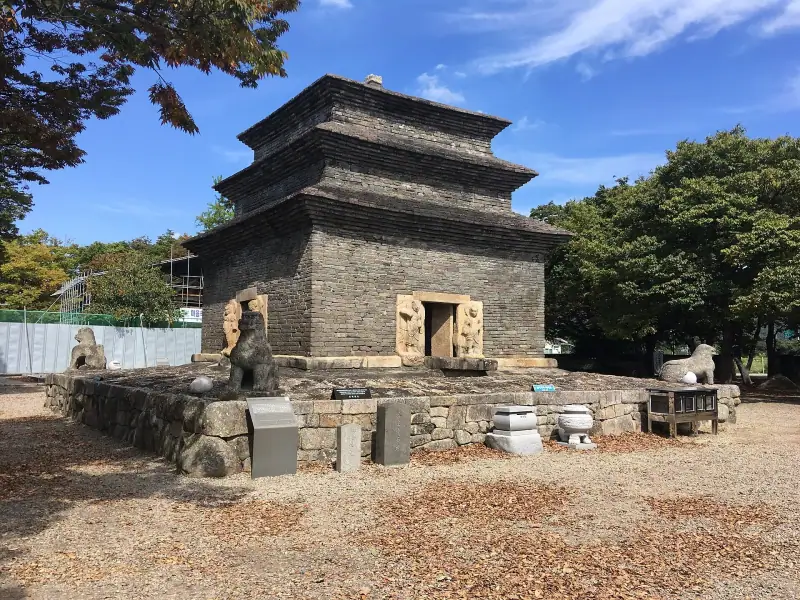
Visiting Gyeongju: the highlights of the Silla capital
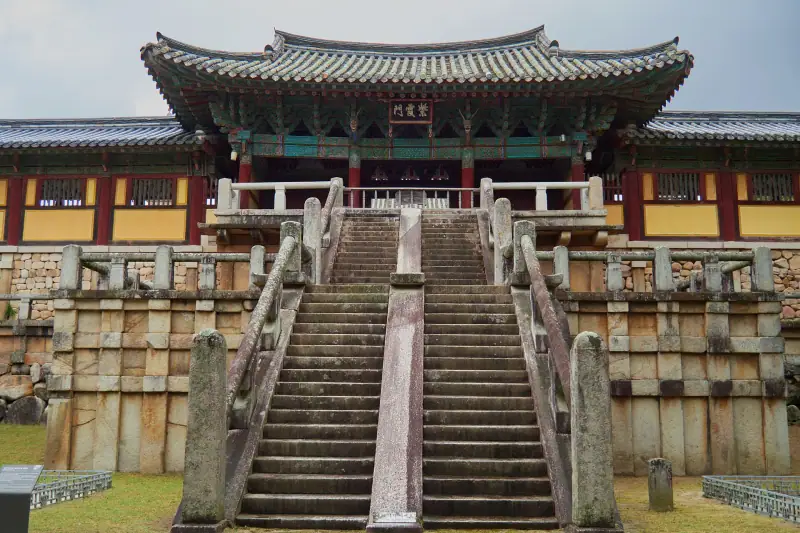
Visiting Gyeongju, South Korea: Bulguksa Temple, Seokguram Grotto, Daereungwon mounds, Wolji Pond, Yangdong village. Tips, transport and planning.
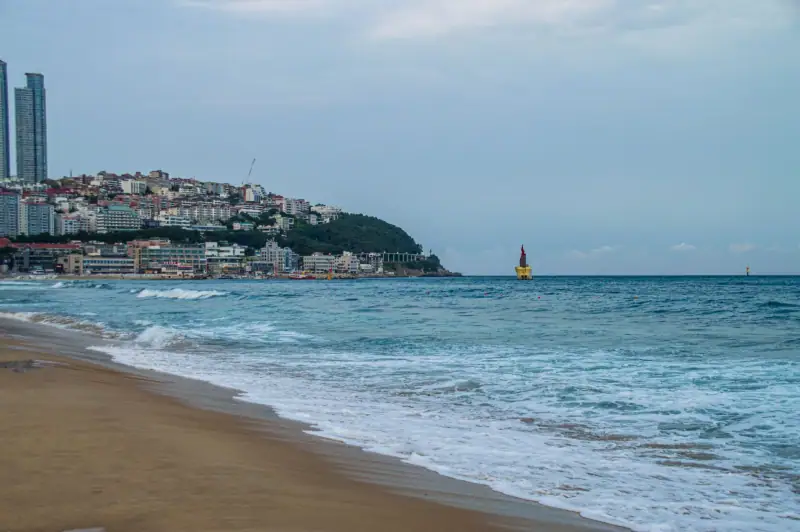
Visiting Busan: the 8 highlights of the big port city
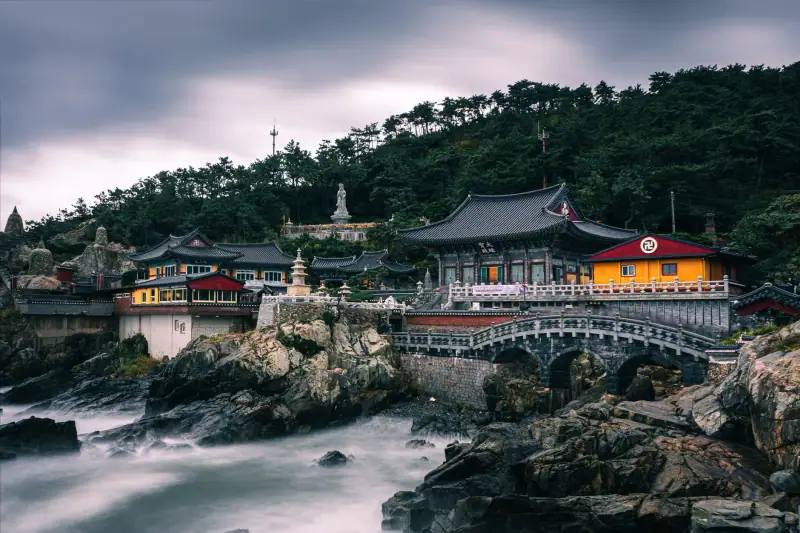
What to see in Busan? Haedong Yonggungsa Temple, Gamcheon village, Jagalchi Market, Haeundae Beach: highlights, transport tips and where to stay.
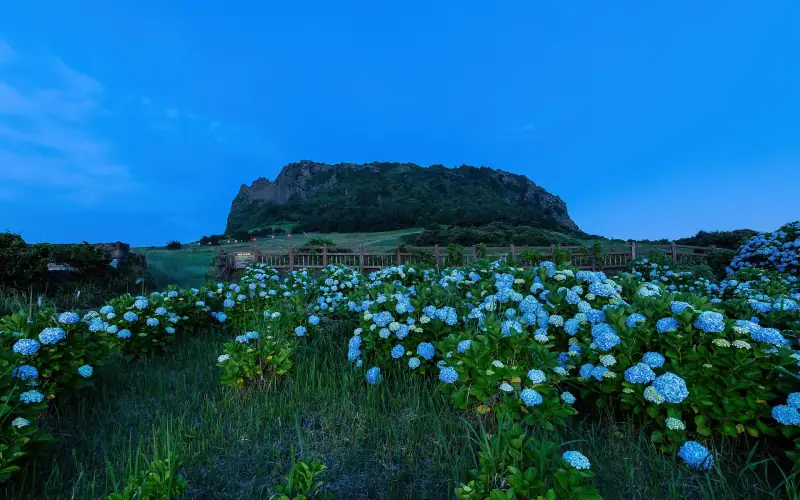
Complete guide to visiting South Korea: regions, highlights and tips
Plan your trip to South Korea: regions, cities, highlights, when to go, transport, lodging and budget, with all our detailed guides.
Ready-made
South Korea itineraries
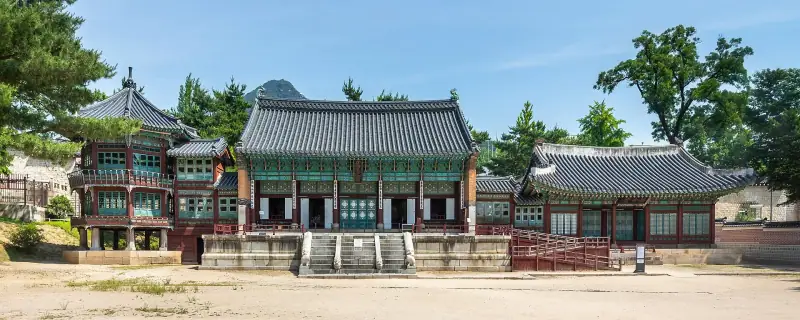
7 days
4 days
10 days
South Korea in 10 days: an itinerary through Seoul, Gyeongju, Busan and Jeju
SeoulGyeongjuBusanJeju