Itineraries
Seoul in 3 days: a day-by-day itinerary to see it all
We may earn a commission when you book through links on this page, at no extra cost to you. We don't visit or try the places we cover: we summarize published sources. How we work
Day by day
- Day 1Gyeongbokgung, Bukchon Hanok village, Insadong
- Day 2Changdeokgung and Huwon, Gwangjang Market, DDP, Namsan sunset
- Day 3Myeongdong, Hongdae, Han River evening; optional DMZ
In short
- Three days cover the classics: one or two palaces, a traditional-house district, a market, Namsan Tower and an evening in Hongdae.
- Incheon Airport is linked to central Seoul by express and all-stop trains, about one hour to Seoul Station.
- The Huwon secret garden at Changdeokgung is visited only on a guided tour at fixed times: book your slot ahead.
- The DMZ is reachable only on an organized tour, with passport check; access conditions can change for security reasons.
Seoul in 3 days is the ideal format for a first contact with the South Korean capital. The city mixes centuries-old palaces, alleys of traditional houses, steaming street-food markets and ultramodern neon-lit districts. Nothing forces you to see everything, but with a bit of organization, three days are enough to grasp its soul.
This itinerary is designed to limit travel: each day focuses on one area, and the subway easily links the stops. If you are unsure about the time of year, first see our guide to choosing when to go to South Korea.
Before you go: organizing your 3 days in Seoul
Seoul is a sprawling metropolis, crossed by the Han River, which separates the historic north from the more modern south. The old city’s essential sights are mostly north of the river, which makes a first stay easier: you can visit many on foot, combining a few subway stops.
A few practical landmarks:
- Arrival: Incheon Airport is linked to the center by an express train and an all-stop train, for a trip of about one hour to Seoul Station. Night buses and taxis complete the offer.
- Transport: get a rechargeable T-money-type card as soon as you arrive. It works on the subway, on buses and even in some shops.
- Closing days: palaces and museums generally close one day a week, often Monday or Tuesday depending on the site. Check the rest day before building your schedule, as it changes from place to place.
- Shoes: wear comfortable shoes. Between palaces, hills and markets, you easily walk several hours a day.
For the night, favor lodging near a subway station in the Jongno, Myeongdong or Hongdae area: you will save precious time each morning.
Hotels in Seoul
Choosing a hotel near a subway station in a central neighborhood saves time every day. Compare lodging on your dates.
Day 1: Gyeongbokgung, Bukchon and Insadong, historic Seoul
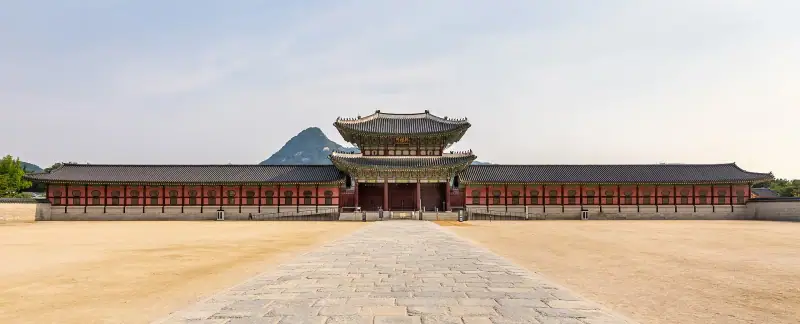
The first day plunges into the Joseon dynasty, which made Seoul its capital in the late 14th century. Everything happens in the Jongno district, where the sights are close enough to link on foot.
Gyeongbokgung Palace
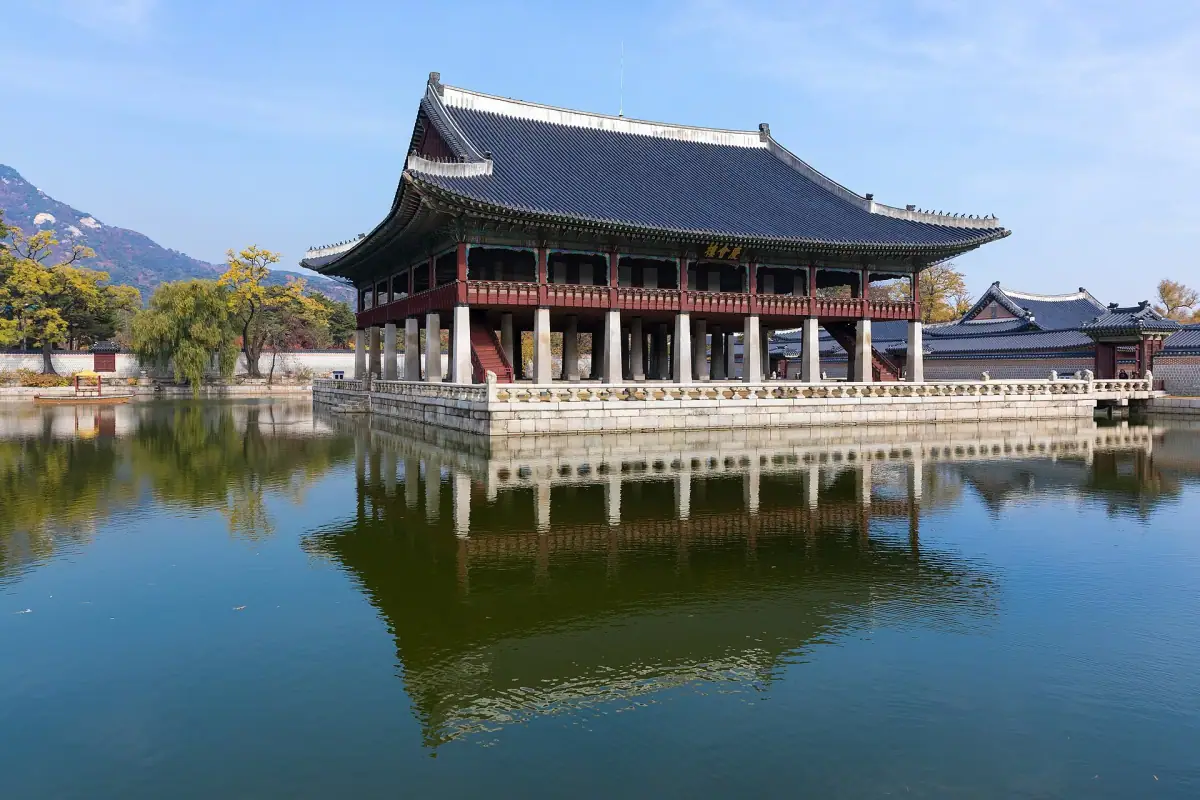
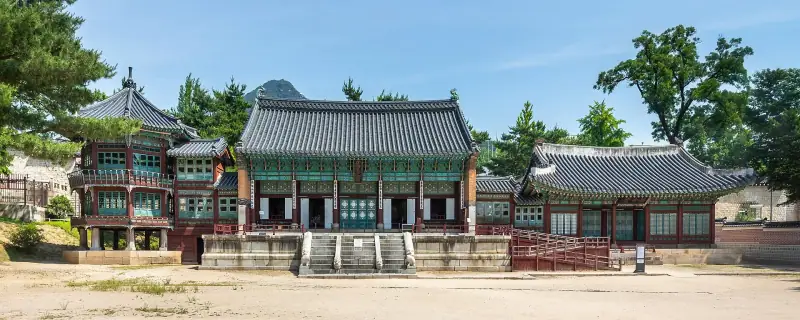
Start early with Gyeongbokgung, the largest and most emblematic of Seoul’s royal palaces. Founded in 1395, it was destroyed and rebuilt several times, and its large courtyards, curved-roof pavilions and Mount Bugaksan as a backdrop make a remarkable setting. If you arrive at opening time, you can catch the changing-of-the-guard ceremony at the main gate, when it takes place. Allow two hours for the visit.
The palace also houses museums on Korean history and folk traditions, useful for understanding what you then see in the city. Renting a hanbok, the traditional costume, is a very popular activity: entry to the palaces is often free for those who wear one, a rule to check at the time of your visit.
Bukchon Hanok Village
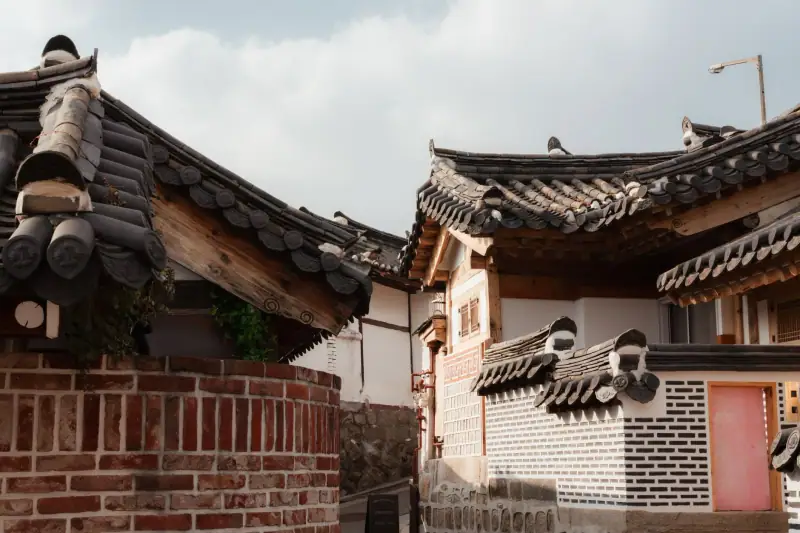
A few minutes’ walk away, Bukchon Hanok is a neighborhood of traditional tile-roofed houses lined up along sloping alleys between Gyeongbokgung and Changdeokgung. Some houses are still lived in: residents ask visitors to speak quietly and respect the hours posted there. The views over the rooftops and, in the distance, the downtown skyscrapers are one of the city’s most characteristic images.
Insadong, tea and crafts
Then head back down to Insadong, a pedestrian street lined with galleries, craft shops and traditional tea rooms. It is the perfect place for a break with a cup of jujube or yuzu tea, and to bring back souvenirs: hanji paper stationery, ceramics, fans or wooden objects.
Guided tours in Seoul
A local guide adds a lot of context in the palaces and traditional neighborhoods. Compare the guided tours and activities offered.
Day 2: Changdeokgung, Gwangjang and Namsan Tower
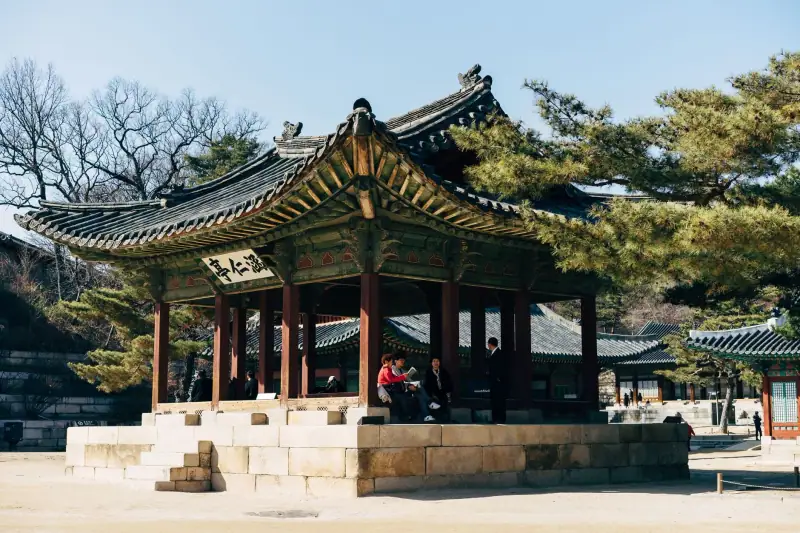
The second day mixes heritage, food and a panoramic view. It stays in the center, with a subway trip to Namsan late in the day.
Changdeokgung Palace and its secret garden
Devote the morning to Changdeokgung, another royal palace listed as a UNESCO World Heritage site. Its buildings blend into the terrain rather than following a strictly symmetrical plan, which gives it a very different charm from Gyeongbokgung. The garden at the back, called Huwon or “secret garden,” is visited only on a guided tour at fixed times: book your slot ahead, especially in spring and fall.
Gwangjang Market
For lunch, head to Gwangjang Market, one of Seoul’s oldest markets. The narrow aisles are filled with food stalls where you eat seated on stools: bindaetteok, crispy mung bean pancakes, kimbap, tteokbokki or beef tartare. Take your time and share several dishes. To better understand the specialties, read our guide to typical dishes of Korean cuisine.
Dongdaemun Design Plaza
In the afternoon, take the subway to Dongdaemun Design Plaza, often called DDP. This building with metallic curves, designed by architect Zaha Hadid, hosts design and fashion exhibitions. Even without going in, its futuristic silhouette is worth the detour, especially when lit at nightfall. The surrounding district is known for its big shopping centers open late.
Namsan Tower at sunset
End the day on Namsan hill, in the heart of the city. The N Seoul Tower towers over the capital: from its foot or its observation deck, the 360° view over the neighborhoods, the Han River and the mountains around the city is spectacular, especially at sunset. You can go up on foot via the paths, by cable car or by neighborhood bus. Along the way, the “love locks” hung on the railings have become an attraction in themselves.
Day 3: Myeongdong, Hongdae and the nightlife
The last day leaves more room for strolling, shopping and going out. Depending on your taste, you can also replace it with a DMZ excursion (see below).
Myeongdong, cosmetics and street food
Start with Myeongdong, the city’s top shopping district. Korean cosmetics shops, fashion stores and street-food stands line very busy streets, especially in the late afternoon. In the morning or early in the day, the neighborhood is calmer and lets you compare products without being jostled. Nearby, Myeongdong Cathedral, in the neo-Gothic style, offers a quiet break.
Flights to Seoul
Compare flights to Seoul on your dates: booking early remains the best lever to protect your budget, especially in high season.
The Hongdae district
In the afternoon, take the subway west of the center to Hongdae, the student district around Hongik University. It is known for its street artists, independent shops, original cafés and many bars and concert venues. The mood rises in the evening, with bands performing on the street and restaurants open late. It is an ideal setting for a Korean barbecue dinner with friends.
For a quieter alternative, Seongsu, a former industrial district turned hub of cafés and designer shops, offers a trendier and less noisy atmosphere.
An evening by the Han River
If you like walks at dusk, the Han River parks are a staple of local life. Seoulites come to picnic, cycle or order a meal delivered right onto the grass. In summer, in the evening, it is a very sociable way to end the stay.
Option: half a day at the DMZ
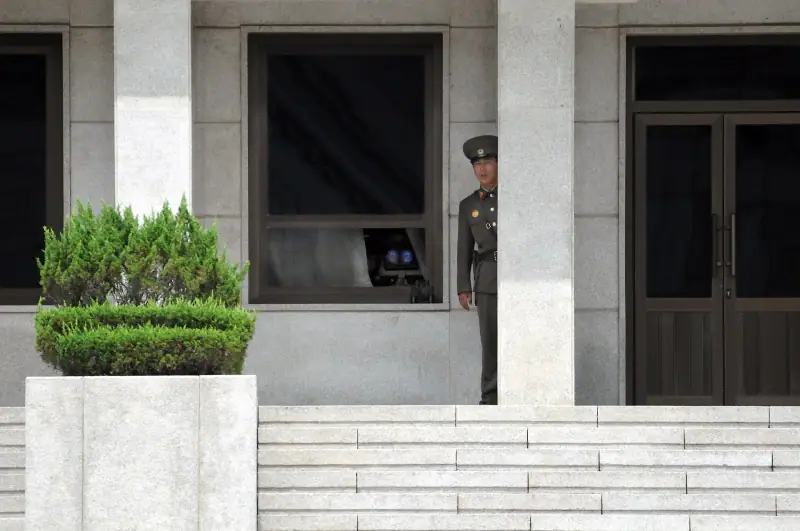
If the peninsula’s recent history interests you, you can replace part of day 3 with an excursion to the demilitarized zone (DMZ), which separates the two Koreas. It lies north of Seoul, about an hour by road from the capital depending on traffic. Access is only through an organized tour, with an identity check: bring your passport.
Depending on the package, the visit includes infiltration tunnels, observation posts and museums on the Korean War. The exact route and access conditions can change for security reasons: check with the organizer before booking. Allow half a day or a full day depending on the tour.
DMZ excursion
Access to the demilitarized zone is only possible with an organized visit. Compare tours departing from Seoul.
Budget, seasons and practical tips
Seoul can be visited on any budget. Meals in markets and small neighborhood restaurants remain affordable, while lodging and flights weigh most in the total. Prices vary strongly by season: spring and fall are the most expensive, winter the most accessible.
A few tips to optimize your stay:
- Book ahead the guided visit to the Huwon garden and, if needed, the DMZ excursion.
- Avoid weekends for the palaces and Bukchon, which are busier than on weekdays.
- Keep some change or a card: card payments are very common, but some market stalls prefer cash.
- Download a map app suited to Korea: standard maps are sometimes less accurate for pedestrian routes and transit.
- Respect local customs: take off your shoes in traditional lodgings, speak quietly in residential alleys and do not leave your chopsticks standing in the rice.
With these three well-filled days, you will have a balanced view of the capital: history, food, city views and nightlife. There will inevitably be reasons to come back, or to continue on to Busan, Gyeongju or Jeju Island.
Sources
- Visit Seoul (Seoul Tourism Organization): figures checked November 2026
Frequently asked questions
Are three days enough to visit Seoul?
Three days let you see the big classics: one or two palaces, a traditional-house district, a market, Namsan Tower and an evening in Hongdae. To go deeper into museums, quieter neighborhoods or a DMZ excursion, allow four to five days.
Which neighborhood should you choose to sleep in Seoul?
Myeongdong and Jongno are convenient for a first stay: close to the palaces, well served by the subway and rich in restaurants. Hongdae suits travelers who like lively evenings, while Itaewon and Seongsu appeal to those looking for a trendier atmosphere.
How do you get around Seoul?
The subway is the simplest way: it is dense, clean, signed in English and covers almost every sight. A rechargeable T-money-type card, also usable on buses, saves buying a ticket for each ride. Taxis remain affordable for short trips.
Do you need to book the DMZ visit in advance?
Yes. Access to the demilitarized zone is only through an organized tour, and places go fast in high season. Access conditions can change for security reasons: check with the organizer before booking.
What is the best season for a stay in Seoul?
Spring and fall are the most pleasant, with mild temperatures and colorful landscapes. Summer is hot and humid, winter cold and dry but bright. Our guide to the seasons details the advantages of each period.
More South Korea guides
Keep reading
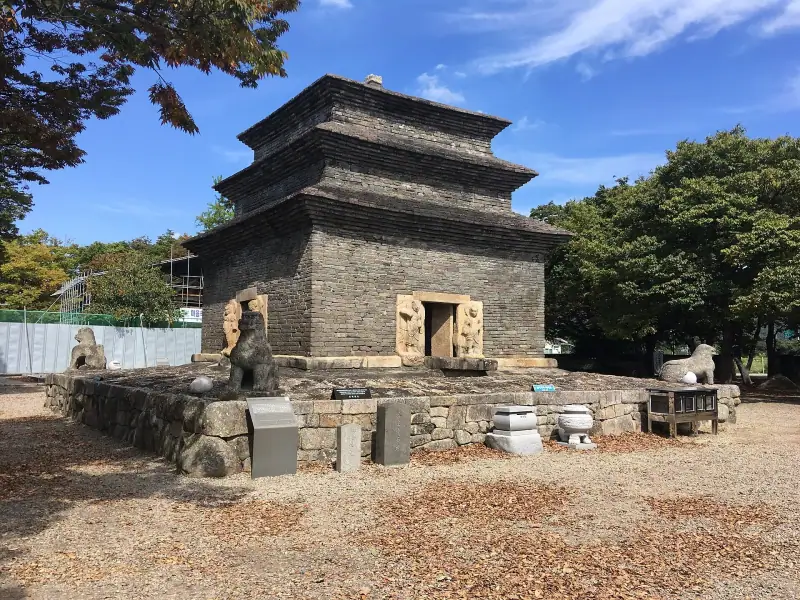
Visiting Gyeongju: the highlights of the Silla capital
Visiting Gyeongju, South Korea: Bulguksa Temple, Seokguram Grotto, Daereungwon mounds, Wolji Pond, Yangdong village. Tips, transport and planning.
Sleeping in a hanok in South Korea: a guide to Jeonju, Seoul and Gyeongju
Spending a night in a hanok in South Korea: where to stay in Jeonju, Seoul and Gyeongju, comfort, ondol, budget, etiquette and booking tips.
Where to stay in Gyeongju without a car: Hwangnidan-gil or Bomun?
Hwangnidan-gil or Bomun for a car-free stay in Gyeongju? Comparison of the two areas: access to sights, buses, hanok or lakeside hotel, booking tips.
Ready-made
South Korea itineraries
7 days
4 days
10 days
South Korea in 10 days: an itinerary through Seoul, Gyeongju, Busan and Jeju
SeoulGyeongjuBusanJeju