Plan your trip
South Korea budget: real costs and 3 traveler profiles
We may earn a commission when you book through links on this page, at no extra cost to you. We don't visit or try the places we cover: we summarize published sources. How we work
In short
- Flight excluded: tight budget about €50 to 70 (about $58 to 81) a day, mid-range €110 to 160 (about $130 to 185), high end from €250 (about $290).
- Over two weeks, expect roughly €700 to 1,000 (about $810 to 1,160) on a tight budget and €1,500 to 2,200 (about $1,740 to 2,550) in mid-range comfort, flight excluded.
- Meals, subway and natural sites are cheap; well-located lodging and the high-speed train weigh more. Tipping is not customary.
- Bank cards are very widely accepted, but keep a little cash for markets and street stalls.
The budget for a trip to South Korea often surprises travelers: you expect a very expensive country, close to Japan, and you find everyday life sometimes more affordable than expected, provided you know where the spending is concentrated. A neighborhood meal, a subway ride or a fast train ticket cost little; a well-located room in Seoul in peak season, a lot more.
This guide breaks down the real costs item by item (lodging, transport, meals, activities), offers three priced budget profiles (tight, comfort, high end) and gathers the tips that really lower the bill. All amounts are given as rounded estimates, in euros, based on a won worth a little less than a thousandth of a euro: prices change and exchange rates vary, so always check current prices before booking.
The main spending items of a stay in South Korea
Before going into detail, it helps to picture the breakdown of a typical budget. For most travelers, it looks like this:
- The international flight: often the first item, very variable depending on the season, the airline and how early you buy.
- Lodging: generally the second item, and the one you can play with the most (dorm, small business hotel, neighborhood hotel, hanok, luxury hotel).
- Meals: a modest item if you eat local, which climbs fast if you multiply themed restaurants or barbecues for two.
- Domestic transport: very cheap in town, more significant if you chain fast-train trips or rent a car.
- Activities: palaces, museums and temples are cheap; organized excursions, amusement parks and shows weigh more.
- Extras: mobile connection, insurance, shopping (Korean cosmetics, fashion) and nights out.
The classic trap is to count only the flight and the hotel, then be surprised by the accumulation of small daily expenses. Building in a margin of about 10% for the unexpected avoids bad surprises.
Lodging budget: from a simple room to a luxury hotel
Lodging is the item with the biggest gaps. In Seoul as in Busan, prices depend mostly on the neighborhood, proximity to a subway station and the season.
The ranges to know
- Hostel dorm: the cheapest option, very common in the capital’s student and tourist districts. Expect on the order of twenty euros (about $23) a night, sometimes less off-season.
- Simple private room or small business hotel: very common, offering compact but clean and well-equipped rooms. The typical range is between €40 and 80 (about $46 to 93) a night for two people in the main cities.
- Mid-range hotel: roughly €80 to 150 (about $93 to 175) a night, with a better location and more comfort.
- High-end hotels and big international chains: from €200 (about $230) a night, with much higher rates in the most renowned establishments.
- Hanok (traditional house) stay: a much-appreciated experience, but generally more expensive than an equivalent hotel, because capacities are limited.
In secondary cities like Gyeongju or Jeonju, rates are often a little lower than in Seoul, except on weekends and during festivals. To choose your capital neighborhood according to your travel style, see our guide to where to stay in Seoul.
Compare lodging in Seoul
Price gaps are large between neighborhoods and by date. Compare rooms and cancellation terms before booking.
What makes the price of a night vary
Several factors explain gaps that can be double for comparable rooms:
- The season: spring, with cherry blossoms, and fall, with foliage, are the most in-demand periods; summer and winter often offer better deals.
- The day of the week: weekends and Korean public holidays raise rates, especially on Jeju and in beach resorts.
- The location: a room next to a well-served subway station costs more, but saves time and transport money.
- Breakfasts: rarely included in business hotels, they are easily replaced by a visit to the convenience store or a bakery.
Transport budget: very affordable in town, heavier between cities
The Korean transport network is one of the country’s assets for the budget: efficient, punctual and cheap.
In town
The subway and buses of big cities are paid with a rechargeable T-money-type card. A basic ride costs on the order of €1 to 1.50 (about $1 to 2), with a supplement depending on distance traveled and advantageous transfers. On a sightseeing day with several rides, expect €3 to 6 (about $3 to 7). Taxis remain affordable for short rides, but they weigh fast in traffic jams or night trips. Our complete guide to getting around South Korea details how to use the card and the different networks.
Between cities
- High-speed train (KTX): the most comfortable way to link Seoul and Busan, but also the most expensive of the land modes. Expect to pay several tens of euros per trip.
- Intercity express bus: generally cheaper than the train and very comfortable, with wide seats. It is the classic budget option, at the price of a slightly longer trip.
- Classic trains: slower than the KTX but less costly, they suit trips where saving time is not essential.
- Domestic flights to Jeju: very frequent from Seoul, with fares that vary strongly by date. Book early, as prices climb quickly on weekends and in high season.
From the airport
To reach central Seoul from Incheon, the AREX express train or the airport buses cost clearly less than a taxi, which can come to several tens of euros. If you arrive very early or very late, compare the options in advance.
Renting a car
Renting is not essential on the mainland, where public transport is excellent. It can however be justified on Jeju Island. In that case, add the rental, fuel, parking and insurance to the budget, and check that your license is accepted. We do not put a direct link here: compare rental companies’ offers before booking and read the insurance conditions carefully.
Flights to South Korea
The plane ticket is often the biggest budget item. Compare airlines, stopovers and flexible dates to lower the bill.
Meals budget: eating local for little
This is probably the most pleasant item to optimize: everyday Korean cooking is tasty and inexpensive, and it is also the most authentic.
Price landmarks
- Street food and snacks (gimbap, skewers, pancakes, fritters): a few euros per portion, ideal for a quick lunch.
- Meal in a neighborhood restaurant (bibimbap, soup, stew, noodles): on the order of €6 to 10 (about $7 to 12) per person, often with unlimited small side dishes.
- Korean barbecue: generally ordered for two or more, it costs more, on the order of €15 to 30 (about $17 to 35) per person depending on the meat and drinks.
- More refined restaurant or temple cuisine: €25 to 50 (about $29 to 58) per person, or more in renowned places.
- Coffee: themed cafés are often pricier.
- Alcohol: beer and soju are popular at restaurants, but the bill climbs fast in the evening. Convenience stores are much cheaper.
To know what to order and how to compose your meals, our guide to Korean cuisine and typical dishes will help you order with confidence.
A typical low-cost day
Breakfast at the convenience store or bakery, a neighborhood lunch, a street snack in the afternoon and dinner at a popular restaurant come to around €20 to 30 (about $23 to 35) per day per person. Adding a barbecue or a few drinks, the bill quickly rises to €40 (about $46) or more.
Budget for activities and visits
Cultural activities are overall very accessible.
- Palaces, temples and museums: entry generally costs on the order of a few euros, sometimes less. Some sites offer discounts or free entry under certain conditions, for example for visitors in traditional dress in several palaces. Check the conditions there or on official sites.
- National parks and hikes: access is often free or very cheap, making it one of the best value-for-money items in the country. Our guide to visiting Seoraksan and Sokcho details this type of outing.
- Organized excursions: a guided day with transport (for example to the demilitarized zone) costs more, but saves handling logistics. See our guide on visiting the DMZ from Seoul.
- Shows, amusement parks and experiences: rates are variable and often higher, budget extra for these if you have particular wishes.
- Spas and public baths: a very Korean experience, cheaper than you might imagine in neighborhood establishments.
Excursions and activities in South Korea
For distant sites, an excursion with transport included can cost less than organizing it solo. Compare packages and reviews.
The three priced budget profiles
The amounts below are estimates per person per day, excluding the international flight, for a traveler sharing a room for two. They are rounded estimates, to adjust for the season and the exchange rate.
Tight profile: about €50 to 70 (about $58 to 81) per day
- Lodging: dorm or small room for two, €20 to 35 (about $23 to 41) per person.
- Transport: subway, buses and a few intercity trips by express bus, €5 to 10 (about $6 to 12).
- Meals: street food, neighborhood restaurants and convenience store, €15 to 25 (about $17 to 29).
- Activities: cheap sites, parks and walks, €5 to 10 (about $6 to 12).
Over two weeks, that gives a total of about €700 to 1,000 (about $810 to 1,160) per person. This profile suits travelers ready to stay simply and favor popular places.
Comfort profile: about €110 to 160 (about $130 to 185) per day
- Lodging: well-located mid-range hotel, €40 to 75 (about $46 to 87) per person.
- Transport: subway, occasional taxis and KTX for the big legs, €15 to 25 (about $17 to 29).
- Meals: a mix of neighborhood restaurants and good tables, €30 to 45 (about $35 to 52).
- Activities: visits, one or two guided excursions, €15 to 25 (about $17 to 29).
Over two weeks, expect €1,500 to 2,200 (about $1,740 to 2,550) per person. This is the most common balance for a first trip where you want comfort without excess.
High-end profile: from €250 (about $290) per day
- Lodging: luxury hotel or quality hanok, from €100 (about $115) per person.
- Transport: frequent taxis, first-class KTX on some trips, domestic flights.
- Meals: gourmet restaurants, quality barbecues, bars.
- Activities: private guides, shows, tailor-made experiences.
This profile has no real ceiling: it depends only on your wishes. Over two weeks, count at least €3,500 (about $4,060) per person, not including the flight.
And the flight?
Add the plane ticket, which varies strongly by period and how early you buy: on its own it is often several hundred euros per person. Our guide to choosing when to go to South Korea helps you aim for the most advantageous dates.
10 tips to spend less in South Korea
A few simple reflexes noticeably reduce the bill without sacrificing the experience.
- Book the flight early and be flexible: shifting your departure by a few days or accepting a stopover can make a real difference.
- Avoid peak crowds: national-holiday weeks, summer and the high cherry-blossom season push up hotels and flights.
- Stay near a subway station rather than in the heart of the most touristy district: you save on the night and the ride stays short.
- Use convenience stores: sandwiches, gimbap, instant soups, drinks and breakfasts there cost little and are good quality.
- Eat at lunch what others eat at dinner: many restaurants offer lunch menus clearly cheaper than the evening formulas.
- Choose the express bus over the KTX when the extra travel time is acceptable.
- Take advantage of free or cheap activities: hikes, markets, historic districts, parks and viewpoints cost almost nothing.
- Look into tourist passes: some transport or sightseeing passes can pay off if you chain many sites. Calculate before buying, as this is not always the case.
- Check your carrier’s international plan or use a travel eSIM or local SIM rather than paying roaming, often more expensive.
- Choose a bank card with no foreign fees: over a stay of several weeks, exchange commissions can add up to a not-insignificant sum.
Cash or card: how to pay
South Korea is one of the countries where contactless payment is most widespread. In the vast majority of shops, restaurants and transport, the international bank card is accepted, even for small amounts. Still keep a little cash for market stalls, some small restaurants and situations where the terminal is down.
To withdraw won, ATMs in airports, banks and convenience stores are the simplest solution. Compare the fees applied by your bank, and decline the conversion offered by the ATM or payment terminal: paying in won is generally cheaper than letting the merchant convert to your home currency.
Finally, check your card’s limit before leaving, as some expenses (hotels, train tickets) can reach high amounts in one go.
Expenses people often forget
Several items escape forecast budgets and weigh down the final total:
- Travel insurance: essential to cover medical costs, which can be high abroad. First check what your bank card covers.
- Mobile connection: a SIM card or eSIM costs a few euros to several tens depending on duration and data volume.
- Entry formalities: entry rules depend on your passport. Check the official travel advice of your government before you book: travel.state.gov (US), GOV.UK (UK), travel.gc.ca (Canada), Smartraveller (Australia) (checked November 2026).
- Luggage and shopping: Korean cosmetics and fashion are tempting, and you often come back with a heavier suitcase. Airlines sometimes charge for extra bags.
- Luggage lockers: a few euros a day in stations, useful between two lodgings.
- Nights out: bars, karaoke and evenings with friends are one of the great Korean pleasures, but they quickly raise the bill.
Key takeaways
The budget for South Korea is quite manageable: with about €50 to 70 (about $58 to 81) a day excluding the flight, you travel on a tight budget; with €110 to 160 (about $130 to 185), you treat yourself to a comfortable stay; beyond €250 (about $290), you enter the high end. Local meals, the subway and natural sites are cheap, while well-located lodging and the fast train weigh more. Book early, choose your dates well, eat like Koreans and keep a 10% margin: the country can be visited very well without breaking the bank. And remember to check current prices before booking, as all amounts in this guide are rounded estimates.
Frequently asked questions
What budget should you plan for two weeks in South Korea?
Excluding the international flight, roughly €700 to 1,000 (about $810 to 1,160) per person for two weeks on a tight budget (dorms or small rooms, simple meals, public transport), €1,500 to 2,200 (about $1,740 to 2,550) in mid-range comfort, and clearly more at the high end. These figures are rounded estimates: prices vary with the season, the exchange rate and your choices.
Is South Korea expensive?
Simple meals, the subway and the train are very affordable, while well-located hotels in Seoul in high season, fresh fruit and alcohol can cost a lot. The budget depends greatly on how you eat and sleep.
Can you pay by bank card in South Korea?
Yes, bank cards are very widely accepted, even for small amounts, and mobile payments are common. Still keep a little cash for some markets, street stalls or local buses. Check with your bank the foreign payment fees, which can weigh on a long stay.
What is the heaviest spending item?
For most travelers, it is the flight, then lodging. Once there, meals and transport remain manageable. Jeju Island is an exception if you rent a car, since the rental, fuel and parking add to the rest.
Should you tip in South Korea?
No, tipping is not customary and service is generally included. You should leave nothing at the restaurant, in taxis or at the hotel. A small extra is sometimes misunderstood; it is better to simply say thank you.
When should you go to pay less?
Periods of heavy crowds, notably summer vacations, national-holiday weekends and the red-foliage or cherry blossom season, push up flight and hotel prices. Shoulder seasons and winter, outside major holidays, are generally better value. Our guide on when to go details these periods.
More South Korea guides
Keep reading
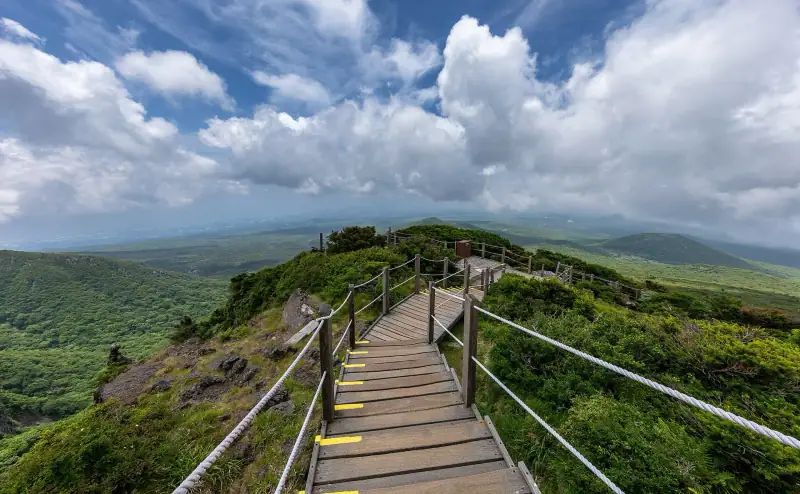
When to go to South Korea? Seasons, weather and best months
When to go to South Korea? Cherry blossoms, monsoon, typhoons, fall foliage, freezing winter: a season-by-season guide to choosing the right time.

Getting around South Korea: KTX, buses, subway and T-money
How to get around South Korea: KTX, express buses, Seoul subway, T-money card, flights to Jeju and car rental. The practical transport guide.
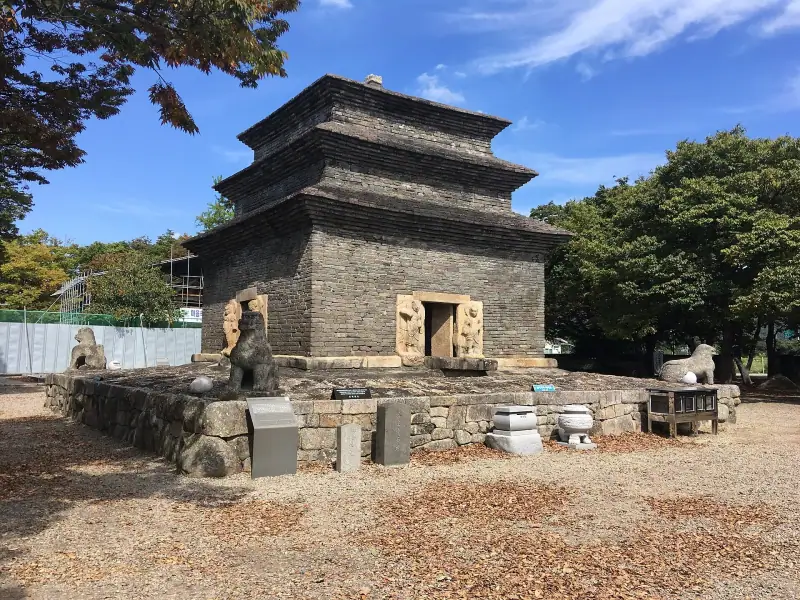
Visiting Gyeongju: the highlights of the Silla capital
Visiting Gyeongju, South Korea: Bulguksa Temple, Seokguram Grotto, Daereungwon mounds, Wolji Pond, Yangdong village. Tips, transport and planning.
Ready-made
South Korea itineraries
7 days
4 days
10 days
South Korea in 10 days: an itinerary through Seoul, Gyeongju, Busan and Jeju
SeoulGyeongjuBusanJeju