Where to stay
Where to stay in Seoul: the best neighborhoods for your trip
We may earn a commission when you book through links on this page, at no extra cost to you. We don't visit or try the places we cover: we summarize published sources. How we work
In short
- Myeongdong and Jongno are the simplest choices for a first visit: close to the palaces, well served by the subway and surrounded by restaurants.
- The palaces and old town are north of the Han River; Gangnam, to the south, is more modern and business-oriented.
- Hongdae and Seoul Station are linked to Incheon Airport by the AREX train, about one hour: handy with luggage or an early flight.
- Proximity to a subway station is the number one criterion; book early for spring and fall.
Where to stay in Seoul? The question deserves a pause, because the South Korean capital is an immense metropolis, spread across both sides of the Han River. The neighborhood you choose determines the length of your trips, the mood of your evenings and even the kind of room you will find. A well-placed hotel can save you an hour a day; a poorly served one can cost you that hour.
Good news: Seoul’s subway is dense, clean and signed in English, which makes most neighborhoods accessible. This guide compares the main areas to stay in, according to your traveler profile. To then organize your days, our 3-day Seoul itinerary builds on the same neighborhoods.
How to choose your neighborhood in Seoul
Before comparing addresses, a few criteria help you decide.
- Proximity to a subway station: this is criterion number 1. A room five minutes’ walk from a station beats a nicer room that is farther away. Transfers between lines can be long in big stations.
- North or south of the river: the north concentrates the palaces, markets and traditional houses. The south is more modern, more residential and business-oriented.
- Type of stay: culture and heritage, shopping, nightlife, food or just a stopover before a flight, each profile has its ideal neighborhood.
- Noise: party areas stay lively late into the night. If you are a light sleeper, ask for a high-floor or courtyard-side room.
- Room size: in Seoul, hotel rooms in the center are often compact. Check the surface area and space for suitcases before booking.
To choose the right travel period, which greatly influences prices, see our guide on when to go to South Korea.
Hotels in Seoul
Compare lodging by neighborhood and subway station, on your dates and budget.
Myeongdong: the most practical for a first stay
Located in the very center, north of the river, Myeongdong is the most convenient neighborhood for a first stay. It is served by the subway, linked to several lines nearby, and is within walking distance or a few stations of the great palaces, Namsan Tower and the historic center.
The neighborhood is known for its Korean cosmetics shops, fashion brands and street-food stands that set up in the late afternoon. The lodging offer is very wide, from small budget hotels to high-end establishments.
Who is it for? Travelers discovering Seoul, shopping fans and those who want to do everything on foot or a few stations away.
Worth knowing: the streets are very busy by day and in the evening. The neighborhood is practical, but it is also one of the city’s most touristy: you will see little local life there.
Jongno, Insadong and Bukchon: historic Seoul
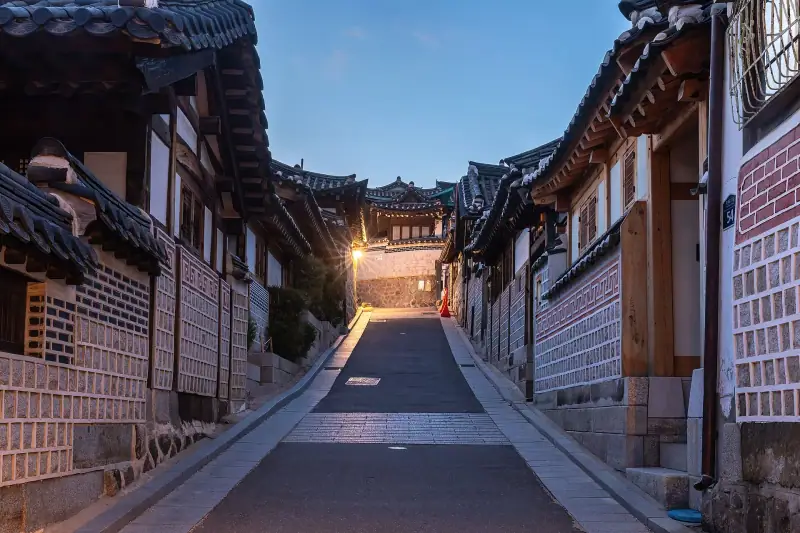
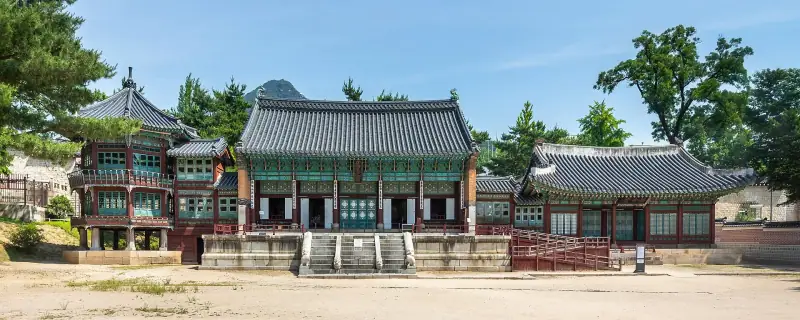
Further north, the Jongno area groups the palaces, the alleys of Insadong (galleries, tea rooms, crafts) and the traditional-house village of Bukchon. It is the ideal base for anyone who wants to see the great cultural sites in the morning, before the crowds.
This is also where you find most of the hanok converted into guesthouses. Sleeping in a traditional house, with an inner courtyard, woodwork and a heated floor, is an experience you will not find anywhere else in the city.
Staying in a hanok
A night in a traditional house is one of the most memorable experiences in Seoul. Compare the offers in the Jongno area.
Who is it for? History and heritage lovers, couples seeking a special atmosphere, travelers who like to get up early.
Worth knowing: hanok offer few rooms, and comfort differs from a standard hotel: you often sleep on a mattress laid on the floor, partitions are thin and the alleys are sloping. Nightlife stays calmer than elsewhere, which is an advantage if you are looking for rest.
Hongdae: student energy and nightlife
West of the center, Hongdae, around Hongik University, is the neighborhood of students, street artists, original cafés and bars. The mood is lively late into the night, with concerts, independent shops and many restaurants open late.
Hongdae is also very well placed for arrivals and departures: Hongik University station is served by the AREX train, which links Incheon Airport. With luggage, that is a big convenience.
Who is it for? Young travelers or groups, night owls, tight budgets (the offer of affordable hostels and hotels there is large).
Worth knowing: noise can last late on weekends. The palaces are a few subway stations away, not within walking distance.
Flights to Seoul
Compare flights on your dates: booking early helps keep the budget in hand, especially in spring and fall.
Gangnam: modern, practical and business-oriented
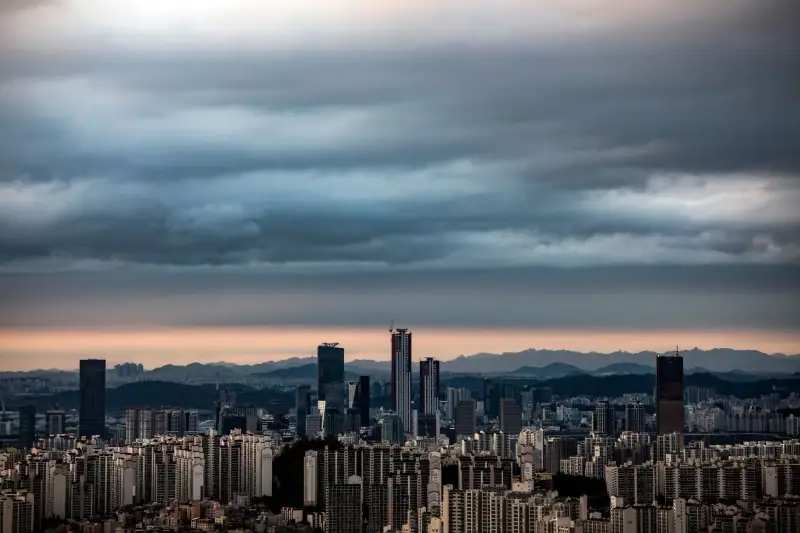
On the other side of the Han River, Gangnam embodies modern Seoul: glass towers, shopping centers, big avenues, trendy restaurants and cafés. The neighborhood is mostly used by a business clientele, but it also suits travelers who appreciate comfort and big hotels.
It is served by several subway lines, which lets you reach the historic center without difficulty, but the trip takes longer than from Myeongdong or Jongno. Count on a significant commute each morning if you mostly visit the palaces.
Who is it for? Business travelers, fans of shopping and contemporary food, those who favor more spacious rooms.
Worth knowing: the neighborhood is less picturesque than the north. It is quieter than Hongdae in the evening, but more impersonal.
Itaewon, Seongsu and trendy neighborhoods
Two other areas deserve a mention for travelers looking for a more alternative atmosphere.
- Itaewon is a cosmopolitan neighborhood, known for its international cuisine, bars and multicultural atmosphere. It is more central than you might think and well linked by subway.
- Seongsu, a former industrial district, has become a hub of cafés, designer shops and exhibition spaces set up in former factories. The mood is more creative and less touristy.
These areas suit a second stay or travelers who already know the classic sights and prefer to live like locals.
Quick comparison of neighborhoods
| Neighborhood | Atmosphere | Ideal for | Watch out for |
|---|---|---|---|
| Myeongdong | Commercial, central | First stay, shopping | Very touristy |
| Jongno / Bukchon | Historic, calm | Heritage, hanok | Few rooms |
| Hongdae | Student, festive | Nights out, small budgets | Night noise |
| Gangnam | Modern, business | Comfort, big hotels | Far from the palaces |
| Itaewon / Seongsu | Cosmopolitan, creative | Second stay | Less close to the sights |
Which type of lodging to choose?
Seoul offers a varied range, at every budget level.
- Hotels: from economy chain models to big luxury establishments. Rooms are often small in the city center but well equipped.
- Hostels: plentiful in Hongdae and the center, with dorms and private rooms. Practical for solo travel.
- Guesthouses and hanok: for cultural immersion, especially in Jongno and Bukchon.
- Apartments: useful for families and long stays, notably with a kitchen. Check local rules and cancellation terms.
- Saunas and jjimjilbang: these Korean public baths sometimes let you sleep there, very cheaply. It is a cultural experience, not comfortable lodging.
If you come with family, favor lodging with two beds or a family room: rooms with a large double bed are common, but those with several beds are less so.
Tips for booking your lodging in Seoul
A few simple reflexes avoid bad surprises.
- Book early for spring (cherry blossom season) and fall, the two most in-demand seasons.
- Check the actual distance to the subway station on a map, not just the “near the subway” line in the listing.
- Read recent reviews, especially on noise, cleanliness and soundproofing.
- Choose free cancellation when possible, while you finalize your flights and itinerary.
- Look at the services: luggage storage, breakfast, washing machine. These details count day to day.
- Plan a transfer from Incheon Airport: the AREX train, buses and taxis serve the center, for a trip of about an hour.
Food is also part of the trip: lodging near markets or lively neighborhoods makes meals easier. To find out what to try, read our guide to Korean cuisine and typical dishes.
Guided tours in Seoul
To discover a neighborhood with a local guide, compare walking tours and excursions departing from Seoul.
Making the right choice by profile
To sum up, here is a simple rule.
- First stay, short duration: Myeongdong or Jongno.
- Traditional atmosphere: a hanok in Bukchon or Ikseon-dong.
- Nightlife and small budget: Hongdae.
- Comfort and business: Gangnam.
- Alternative discovery stay: Seongsu or Itaewon.
Whatever your choice, keep one principle in mind: a simple, well-located place near the subway beats a more luxurious but isolated hotel. Seoul rewards travelers who limit their trips and leave time to stroll.
Frequently asked questions
What is the best neighborhood to stay in Seoul for a first visit?
Myeongdong and Jongno are the simplest choices for a first visit: they are close to the palaces and major sights, well served by the subway and surrounded by restaurants. Hongdae is better if you favor evenings out.
Should you stay north or south of the Han River?
The palaces and old town are north of the river, making it the best base for a cultural stay. The south, with Gangnam, is more modern, geared to business, shopping and restaurants. The subway easily links the two banks.
Can you sleep in a traditional Korean house in Seoul?
Yes, many hanok are converted into guesthouses, especially in the Bukchon and Ikseon-dong districts. You often sleep on a mattress laid on a heated floor. Rooms are generally few: book ahead.
Where should you stay in Seoul to be near the airport?
The Hongdae and Seoul stations are linked to Incheon Airport by the AREX train. Sleeping near one of them simplifies both arrival and departure, especially with luggage or an early-morning flight.
Is Seoul safe to stay in any neighborhood?
Seoul is reputed to be one of the safest big cities, including in the evening. The usual precautions apply in very busy areas. The main criterion remains proximity to a subway station, more than neighborhood safety.
More South Korea guides
Keep reading
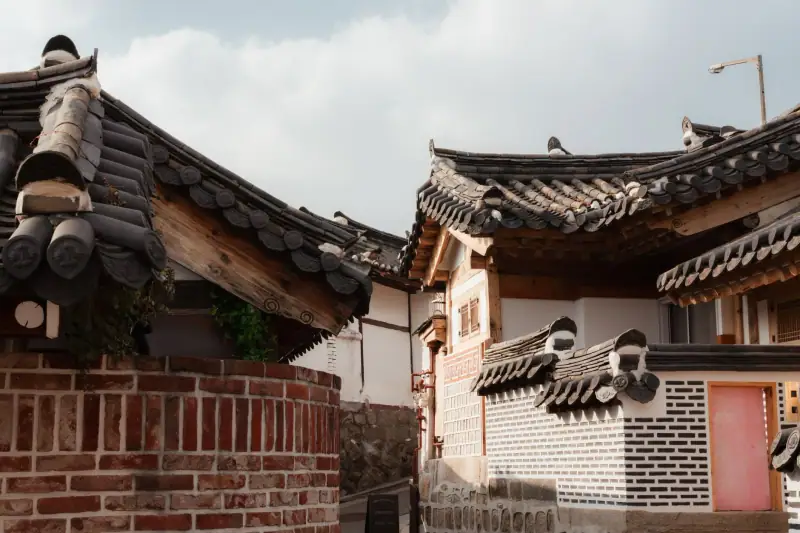
Sleeping in a hanok in South Korea: a guide to Jeonju, Seoul and Gyeongju
Spending a night in a hanok in South Korea: where to stay in Jeonju, Seoul and Gyeongju, comfort, ondol, budget, etiquette and booking tips.
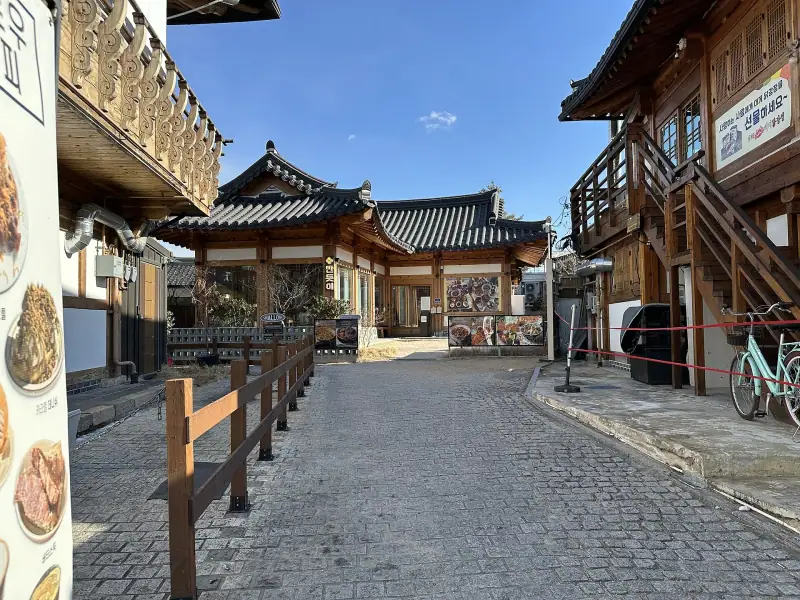
Where to stay in Gyeongju without a car: Hwangnidan-gil or Bomun?
Hwangnidan-gil or Bomun for a car-free stay in Gyeongju? Comparison of the two areas: access to sights, buses, hanok or lakeside hotel, booking tips.
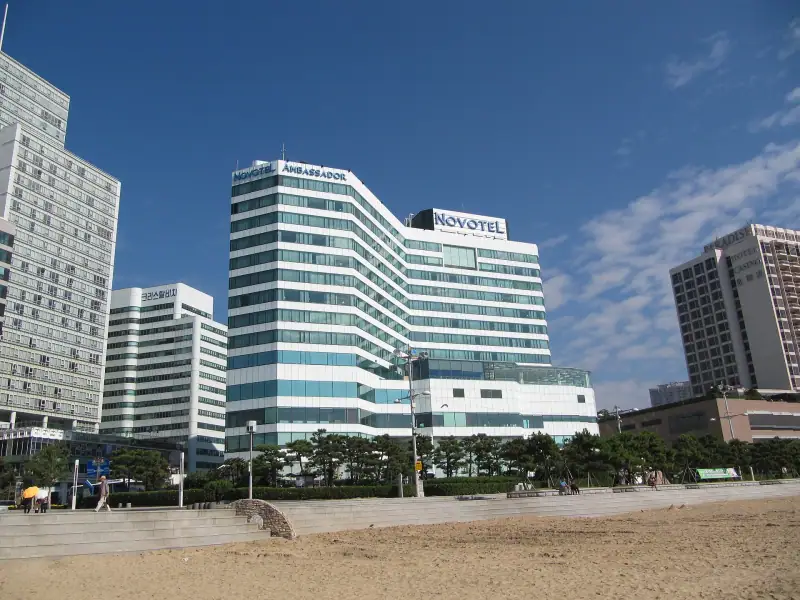
Where to stay in Busan: the best neighborhoods for your trip
Where to stay in Busan? Haeundae, Gwangalli, Seomyeon, Nampo, Busan Station: neighborhoods compared by traveler type, with subway access and booking tips.
Ready-made
South Korea itineraries
7 days
4 days
10 days
South Korea in 10 days: an itinerary through Seoul, Gyeongju, Busan and Jeju
SeoulGyeongjuBusanJeju