Itineraries
Busan and Gyeongju in 4 days: an itinerary in Korea's southeast
We may earn a commission when you book through links on this page, at no extra cost to you. We don't visit or try the places we cover: we summarize published sources. How we work
Day by day
- Day 1Arrive in Busan, Haeundae beach, evening by the bay
- Day 2Gamcheon, Jagalchi market, Nampo-dong, Gwangalli evening
- Day 3Train to Gyeongju, Daereungwon, Cheomseongdae, Wolji Pond lit at night
- Day 4Bulguksa and Seokguram, then back to Busan or Seoul
Where to sleep
- Busan2 nights
- Gyeongju1 night
In short
- Two nights in Busan and one in Gyeongju cover the classics of both cities in four days, without a car.
- The high-speed train from Busan takes about 35 minutes to Singyeongju station, away from the center; add 20 to 30 minutes by local bus or taxi.
- The express bus or a classic train takes about one hour to one hour 15 minutes between Busan and Gyeongju.
- Spring (cherry blossoms) and fall (foliage) are the most pleasant seasons for this route.
When planning a first trip to South Korea, you think of Seoul first. Yet the southeast of the country offers a valuable counterpoint: Busan, a big lively port with beaches, fish markets and colorful hills, and Gyeongju, the former capital of the Silla kingdom, where grassy burial mounds stand next to Buddhist temples. The two cities are close to each other and combine very well in four days.
This itinerary is designed for travelers who want to see the essentials without spending their days in transit. It follows a simple logic: two days for Busan, the city of the sea, then two days (one of them a transfer day) for Gyeongju, the heritage city, with three nights in all. To go deeper into each stop, see our detailed guides to Busan’s highlights and Gyeongju’s highlights.
Overview: the route at a glance
Here is the general outline of the stay, before the day-by-day detail:
- Day 1: arrive in Busan, settle in, Haeundae beach and the end of the day facing the bay.
- Day 2: Busan’s big classics: Gamcheon village, Jagalchi Market, the Nampo district, then an evening at Gwangalli.
- Day 3: leave for Gyeongju, historic center, burial mounds, Cheomseongdae Observatory and an illuminated Wolji Pond.
- Day 4: the Bulguksa and Seokguram temples, then back to Busan, Seoul or the airport.
This route suits travelers who arrive by plane in Busan or by train from Seoul. If you arrive at Seoul’s international airport, add a transit day at the start, or see our 3-day Seoul itinerary to begin with the capital. The full route, from the north to the south of the country, is detailed in our 10-day South Korea itinerary.
Before you go: landmarks that make the stay easier
A few practical points are worth settling before departure, as they determine how smoothly the four days go.
Transport. Busan has a clear, well-signed subway serving most sights. A rechargeable transit card, the same as in the rest of the country, saves buying a ticket for every ride and also works on buses and with taxis. Between Busan and Gyeongju, the train or the bus will do. Our guide to transport in South Korea details train types, reservations and cards.
Entry rules. Before booking flights, check the entry conditions and any electronic travel authorization steps: they change regularly. Entry rules depend on your passport. Check the official travel advice of your government before you book: travel.state.gov (US), GOV.UK (UK), travel.gc.ca (Canada), Smartraveller (Australia) (checked November 2026). Our article on South Korea entry requirements gives an overview.
Season. The southeast is a little milder than Seoul in winter, but hotter and more humid in summer. To choose your period, read our guide on when to go to South Korea.
Pace. For historic sites, do not overload the days: a temple visit, a museum and a walk are plenty for half a day. Opening hours and fares change with the season, so it is better to check them there or on official sites before going.
Day 1: arrival in Busan and a first evening by the sea
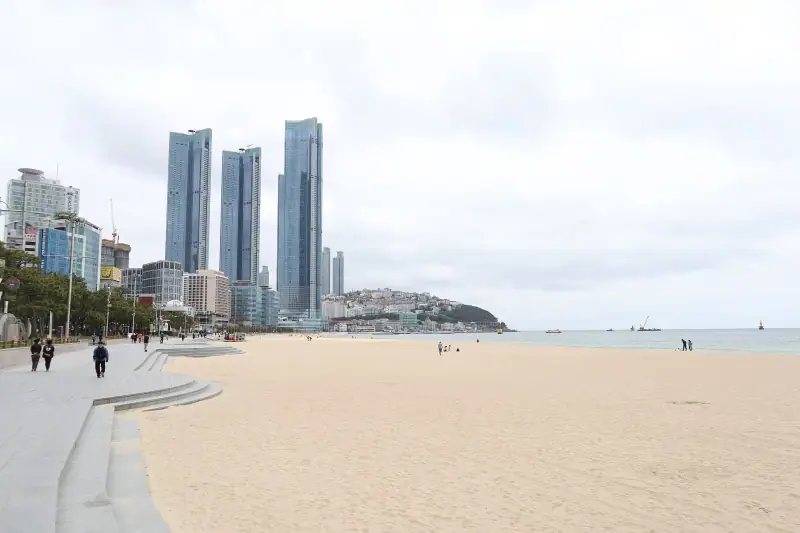
Busan is the country’s second city, a large port built between sea and mountains. Its amphitheater-like relief gives spectacular viewpoints, and life there is turned toward the water: boats, fish markets, urban beaches. If you arrive by train from Seoul, you get off at the central station; if you arrive by plane, subway and shuttle services link the airport to the center.
For the first day, stick to the essentials: drop your bags, then head to Haeundae Beach, the city’s most famous. This long strip of sand lined with skyscrapers is very lively in summer, quieter off-season. A walk along the waterfront, a coffee facing the waves and dinner in the neighborhood are enough for an easy first evening.
The choice of neighborhood to sleep in changes the feel of the stay. Haeundae suits those who want the beach and modern hotels; Seomyeon is a very convenient hub for the subway and nightlife; Nampo and its surroundings suit those who prefer the port’s historic center. Our guide to where to stay in Busan, neighborhood by neighborhood will help you decide.
Hotels in Busan
Haeundae, Gwangalli, Seomyeon or Nampo: compare Busan lodging by neighborhood and dates.
Day 2: Gamcheon, Jagalchi, Nampo and Gwangalli Bay
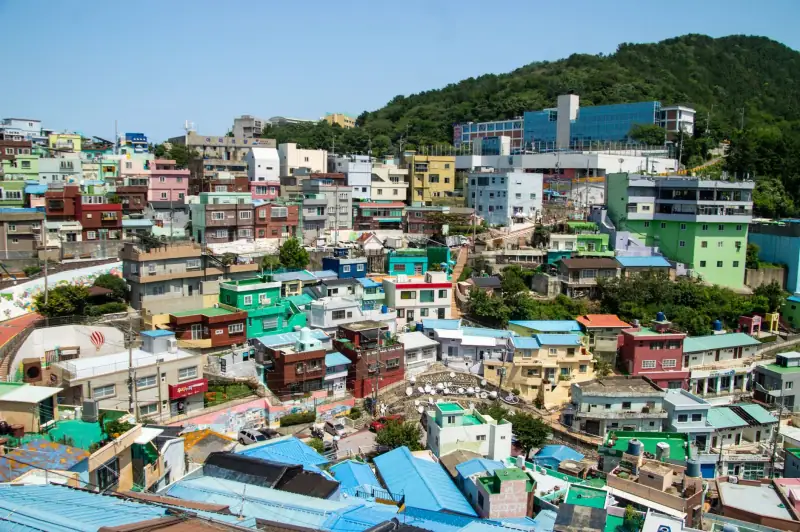
The second day is devoted to the big urban classics. Start early, because the best-known sites are packed by midday.
Morning: Gamcheon Culture Village. This neighborhood clinging to a hillside is famous for its colorful houses stacked in tiers, narrow alleys and street art. It was born after the Korean War, when refugees settled on these slopes. You explore on foot, with many ups and downs: good shoes are essential. Allow about two hours, and keep in mind it is a lived-in neighborhood, where people speak quietly.
Lunch: Jagalchi Market. The country’s largest seafood market sits at the edge of the port. Stalls of fish, shellfish and live crustaceans line the entrance, and restaurants upstairs or nearby prepare the fish on request. The atmosphere is noisy, damp and very local. If raw fish does not appeal, many grilled or soup dishes are offered. Our guide to Korean cuisine and typical dishes will help you navigate menus.
Afternoon: Nampo-dong and BIFF Square. This neighborhood is the historic heart of the port, with its shopping lanes, arcades and street food stalls. Here you can try hotteok, the sweet pancake filled with seeds and sugar, and other street snacks. The streets are easy to cover on foot, and you can linger in the shops and cafés.
Evening: Gwangalli Beach. Reach the beach by subway, then settle on the promenade as daylight fades. The long Gwangan Bridge opposite lights up gradually, and the waterfront fills with outdoor cafés and restaurants. It is an excellent place to have dinner facing the bay, with a more intimate feel than Haeundae.
A temple by the sea: an option to add
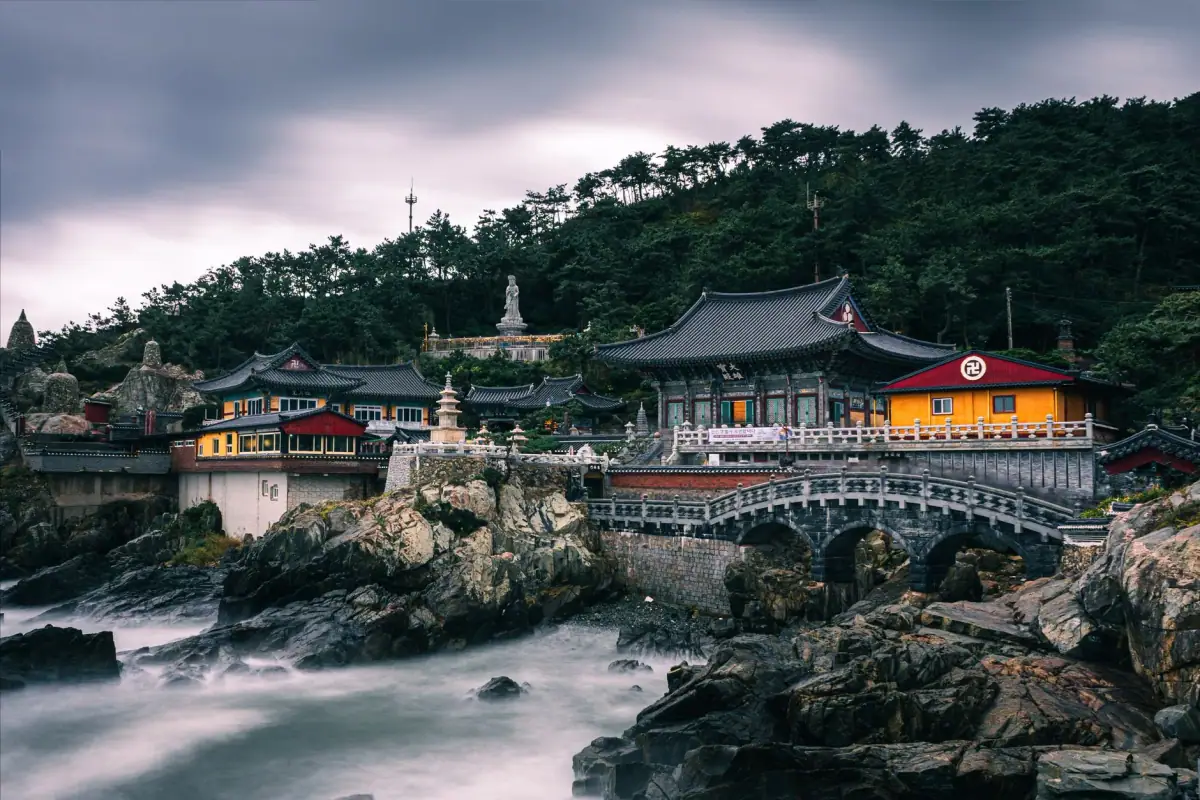
If you have a bit of extra energy, or prefer to replace Gamcheon with a more peaceful visit, Haedong Yonggungsa Temple is one of Busan’s best-known images: a Buddhist temple built on the rocks, directly facing the sea. It is east of the city, in a quieter area, and requires a bus or taxi ride. Allow about an hour and a half there, and arrive early in the morning to avoid the crowds.
Day 3: from Busan to Gyeongju, the former Silla capital
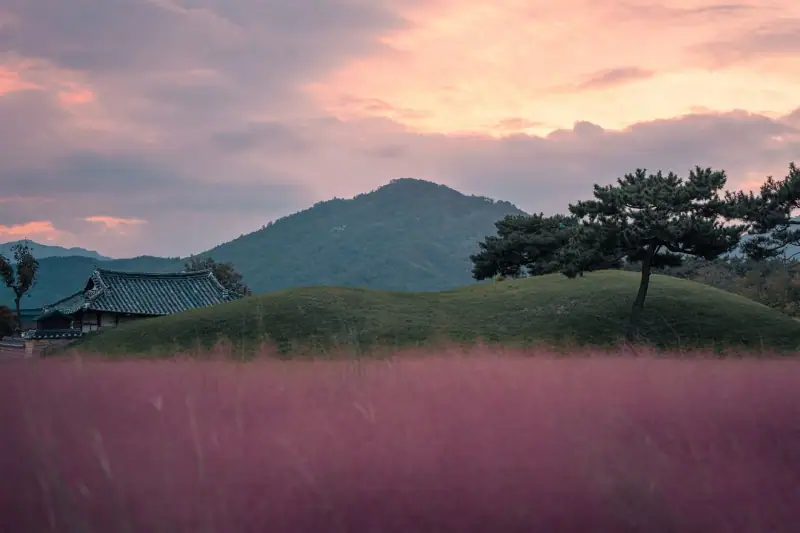
On the third day, the atmosphere changes completely. Gyeongju was the capital of the Silla kingdom for nearly a thousand years, and today the city has the look of an open-air museum: funerary hills among the streets, temples in the mountains, royal gardens by a lake.
The trip. From Busan, the high-speed train takes about 35 minutes to Singyeongju station, away from the city center: add 20 to 30 minutes by local bus or taxi to reach the historic heart. The express bus or a classic train takes about one hour to one hour 15 minutes. Leave mid-morning after dropping your things at the hotel or in a locker, and plan to have lunch in Gyeongju itself.
Early afternoon: Daereungwon Park. This park in the middle of the city gathers large burial mounds, the tombs of Silla’s rulers and nobles. One of these mounds, Cheonmachong, has been turned into a museum: you enter to discover the reconstructed burial chamber and objects from the excavations. The visit takes about an hour, but it is pleasant to stroll among the hills.
Cheomseongdae and Hwangnidan-gil. A few minutes’ walk away, Cheomseongdae, a small 7th-century stone tower, is generally presented as one of the oldest standing astronomical observatories in East Asia. Around it spreads a large field of flowers, rapeseed in spring and cosmos in fall. Then Hwangnidan-gil street, with its low traditional-style houses turned into cafés and shops, is ideal for a late-afternoon break.
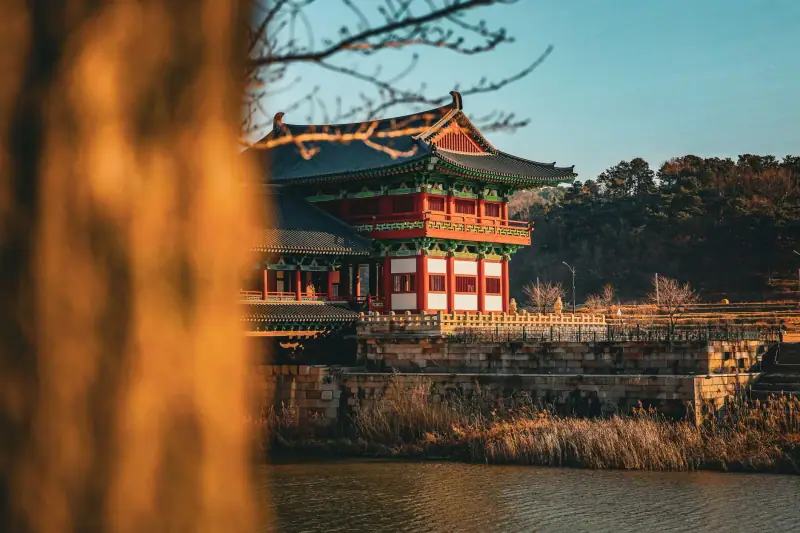
Evening: Wolji Pond. Donggung Palace and Wolji Pond, long known as Anapji, were the pleasure gardens of the Silla court. At nightfall the reconstructed pavilions light up and reflect on the water: it is the most striking moment of the visit. Check the evening opening hours, which vary by season.
Where to sleep in Gyeongju
Near the burial mounds and the historic center, everything is done on foot or by bike. Some places offer hanok-style rooms.
A night in a hanok, the traditional Korean house with a heated floor and bedding laid on the floor, is an experience to try at least once. Our article on sleeping in a hanok in South Korea explains what to expect.
Day 4: Bulguksa, Seokguram and the return
The last day is devoted to the temples, east of the city. Leave early: the morning calm changes everything, and you will avoid the groups.
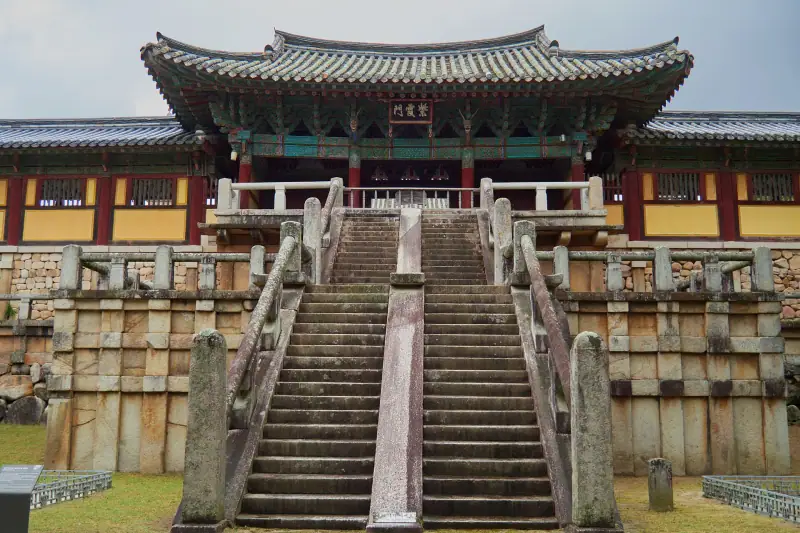
Bulguksa Temple. Built on the slopes of Mount Toham, this temple dates mostly from the 8th century, although it was destroyed and restored over the centuries. It is a UNESCO World Heritage site, together with the nearby Seokguram grotto. The stone terraces, the staircases leading to the pavilions and the two stone pagodas of the central courtyard are its strongest images. Allow an hour and a half to two hours.
Seokguram Grotto. A few kilometers higher up, a large granite Buddha statue rests in a stone chamber. It is protected behind glass, and its gaze is turned east, toward the sea. You go up by bus from the Bulguksa parking lot, or on foot by a forest path that is especially beautiful in fall. Bring walking shoes if you choose to walk.
Afternoon: return or one last stop. Depending on your schedule, several options are open to you:
- Return to Busan for one last evening or to take a plane or train to Seoul. The link takes from 35 minutes (fast train) to about 1 hour 15 minutes (bus).
- Go straight to Seoul from Singyeongju station by high-speed train, for about two hours of travel.
- Stay one last hour in Gyeongju for the National Museum, which gives the historical context of everything you have seen and is a good option on rainy days.
Book your return ticket in advance if you travel on a weekend or during holidays, as trains fill up quickly. If your international flight leaves from Seoul or Busan, keep a comfortable margin of several hours before takeoff.
Guided tours in Gyeongju and Busan
Guided circuits, day trips from Busan, temple visits: compare activities on your dates.
Variations: adapting the itinerary to your pace
This itinerary adapts easily to your wishes and the length of your stay.
More sea, less history. If you like beaches and city life, sleep three nights in Busan and do Gyeongju as a day trip. You can then add Haedong Yonggungsa Temple, Taejongdae Park with its cliffs and lighthouse, and the quieter Beomeosa Temple in the mountains.
More history, less city. If heritage is your passion, add a day (five days in total) to sleep two nights in Gyeongju. You will have time to rent a bike for the center, walk on Mount Namsan, dotted with Buddhist remains, and visit the traditional village of Yangdong, a UNESCO site.
With children. Busan’s beaches, seaside walks and the big Cheomseongdae field appeal to families. Avoid multiplying the uphill walks of Gamcheon and prefer days with a single main activity and plenty of breaks.
Traveling solo or as a couple. The evenings at Gwangalli and Wolji Pond are the most memorable. Keep room in the schedule to stroll and taste street specialties rather than filling every hour.
Budget and organization: what to expect
The southeast is generally cheaper than Seoul for lodging, especially off-season, but prices rise in summer in Busan and during the cherry blossoms in Gyeongju. Meals in family restaurants and markets remain affordable, while seaside hotels cost more.
The main spending items are:
- Transport between cities: the high-speed train costs more than the bus, but saves time. Compare the options according to your schedule.
- Lodging: two nights in Busan and one in Gyeongju, with a night in a hanok if you wish.
- Meals: one of the country’s great strengths is the quality of simple, inexpensive dishes.
- Entrance fees: temples and historic sites have moderate fares, which change from year to year.
For detailed, up-to-date amounts, see our budget for a trip to South Korea. Fares change regularly: allow a margin and check them before leaving.
Flights to South Korea
Seoul or Busan: compare flights on your dates and book early for the cherry blossom season and fall.
Practical tips for making these four days work
- Travel light. You change hotel and city once. A medium-size wheeled suitcase is enough, and station lockers are useful on the transfer day.
- Avoid weekends for Gamcheon and Jagalchi. Both sites are packed on Saturdays and Sundays, especially in good weather.
- Pack comfortable shoes. Busan’s hills and the temple paths of Gyeongju are hard on the legs.
- Keep a weather margin. The weather can turn in summer and early fall, with heavy rain and possible typhoons. In bad weather, swap the days and keep museums for the rainy hours.
- Prepare a suitable payment method. Bank cards are widely accepted, but a little cash is still useful in markets and small stalls.
- Consider travel insurance before you leave.
Final word
In four days, this route offers a very complete summary of Korea’s southeast: the sea, markets and urban life in Busan, then heritage, calm and evening light in Gyeongju. It is easy to organize, thanks to frequent train and bus links, and it fits naturally into a longer trip from Seoul. Choose your season, book your lodging early if you travel in high season, and leave a little room for improvisation: that is often where the best memories hide.
Frequently asked questions
Are four days enough to see Busan and Gyeongju?
Yes, with two nights in Busan then one night in Gyeongju. With one more night (five days), you spend two nights in Gyeongju. You will see the big classics of both cities without rushing, but not the more distant surroundings.
How do you get from Busan to Gyeongju?
The high-speed train takes about 35 minutes, the express bus or a classic train about one hour to one hour 15 minutes. Fast trains stop at Singyeongju station, away from the center: plan a bus or taxi to reach the old town. Check schedules on the day, as they vary by season.
Do you need to rent a car for this itinerary?
No, it is not necessary. Busan's subway, taxis, buses and the train are enough, and city driving is demanding for a first stay. A car is only useful if you want to explore the coast or the villages around Gyeongju freely.
Where should you sleep: Busan, Gyeongju, or both?
Both, if possible: two nights in Busan, one in Gyeongju. Busan offers the sea, restaurants and lively nightlife; Gyeongju offers calm, burial mounds and a small-town atmosphere. A day round trip is possible, but the illuminated city in the evening is one of the best moments of the visit.
What is the best season for this route?
Spring, with cherry blossoms, and fall, with foliage, are the most pleasant. Summer is hot and humid and Busan's beaches are very crowded; winter is cool and quiet, ideal for visiting historic sites without crowds.
Can you add Seoul to this itinerary?
Yes, it is even the most common pattern: a few days in Seoul, then the high-speed train to Busan or Gyeongju. The trip from Seoul takes about two to three hours depending on the destination. See our 10-day itinerary for a complete route.
More South Korea guides
Keep reading
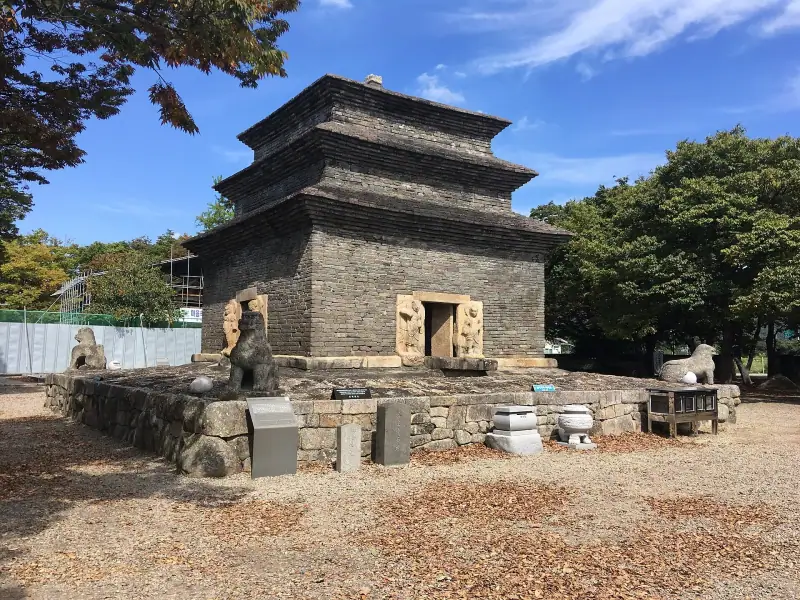
Visiting Gyeongju: the highlights of the Silla capital
Visiting Gyeongju, South Korea: Bulguksa Temple, Seokguram Grotto, Daereungwon mounds, Wolji Pond, Yangdong village. Tips, transport and planning.
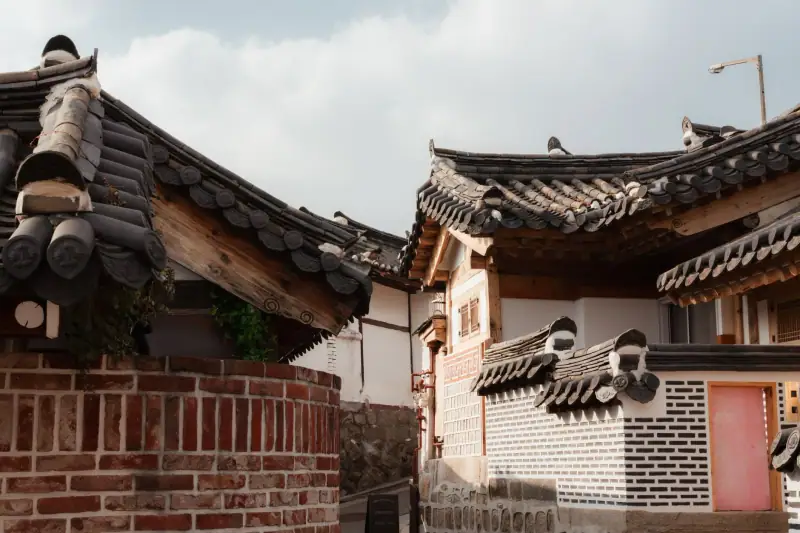
Sleeping in a hanok in South Korea: a guide to Jeonju, Seoul and Gyeongju
Spending a night in a hanok in South Korea: where to stay in Jeonju, Seoul and Gyeongju, comfort, ondol, budget, etiquette and booking tips.
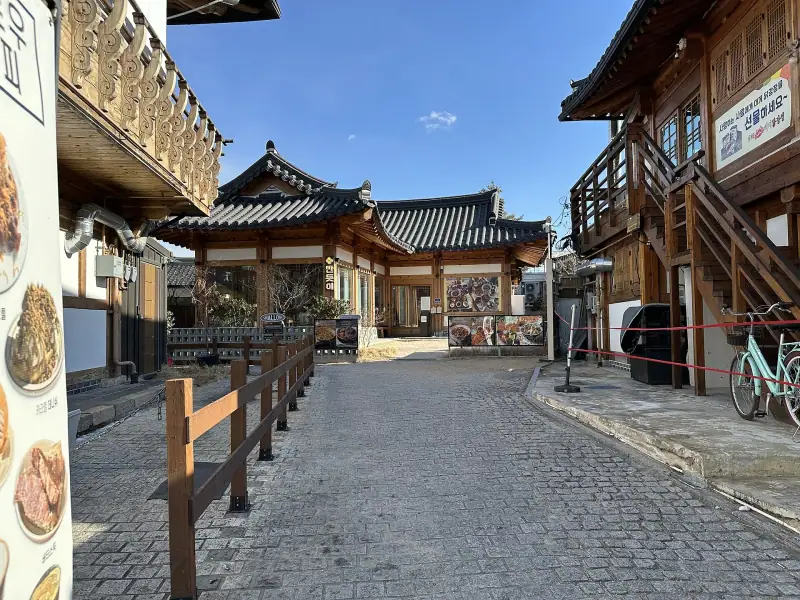
Where to stay in Gyeongju without a car: Hwangnidan-gil or Bomun?
Hwangnidan-gil or Bomun for a car-free stay in Gyeongju? Comparison of the two areas: access to sights, buses, hanok or lakeside hotel, booking tips.
Ready-made
South Korea itineraries
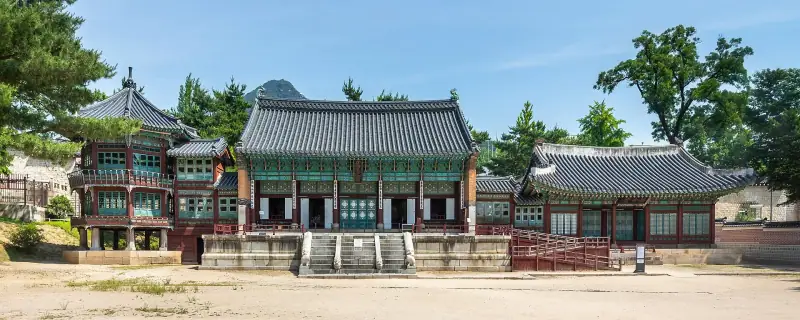
7 days
10 days
South Korea in 10 days: an itinerary through Seoul, Gyeongju, Busan and Jeju
SeoulGyeongjuBusanJeju
3 days
Seoul in 3 days: a day-by-day itinerary to see it all
Seoul in 3 days: palaces, hanok districts, markets, Namsan, Hongdae and the DMZ. A day-by-day itinerary with transport, tips and neighborhood picks.