Things to do
Visiting Seoraksan and Sokcho: hikes, temples and the East Sea
We may earn a commission when you book through links on this page, at no extra cost to you. We don't visit or try the places we cover: we summarize published sources. How we work
In short
- Plan two days and one night in Sokcho to combine a hike in the park with the coastal city; one day is possible but means a lot of travel.
- The express intercity bus links Seoul and Sokcho in about 2.5 to 3 hours; book ahead on weekends and in fall.
- Park access is generally free; some services, such as the cable car to Gwongeumseong, are paid.
- Fall, from about mid-October, is the most renowned season for foliage, and also the busiest.
Between the East Sea (known as the Sea of Japan in many countries) and the Taebaek range, the Seoraksan and Sokcho region is one of the most popular nature escapes for travelers in South Korea. On one side, a national park of jagged granite ridges, listed as a UNESCO biosphere reserve. On the other, a relaxed port city, known for its seafood and lively market.
This guide helps you organize your stay: how to come from Seoul, which hikes to choose for your level, what to see in Sokcho and how to build a balanced weekend of mountains, temples and local food.
Seoraksan: a national park with spectacular ridges
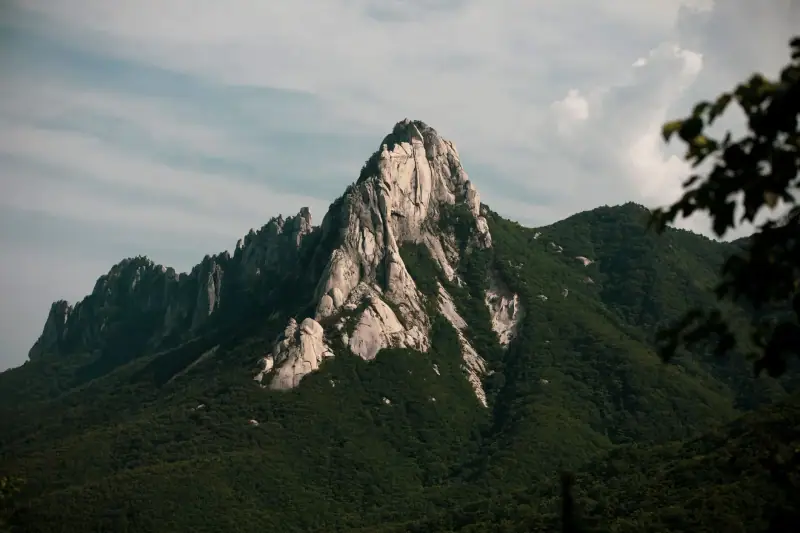
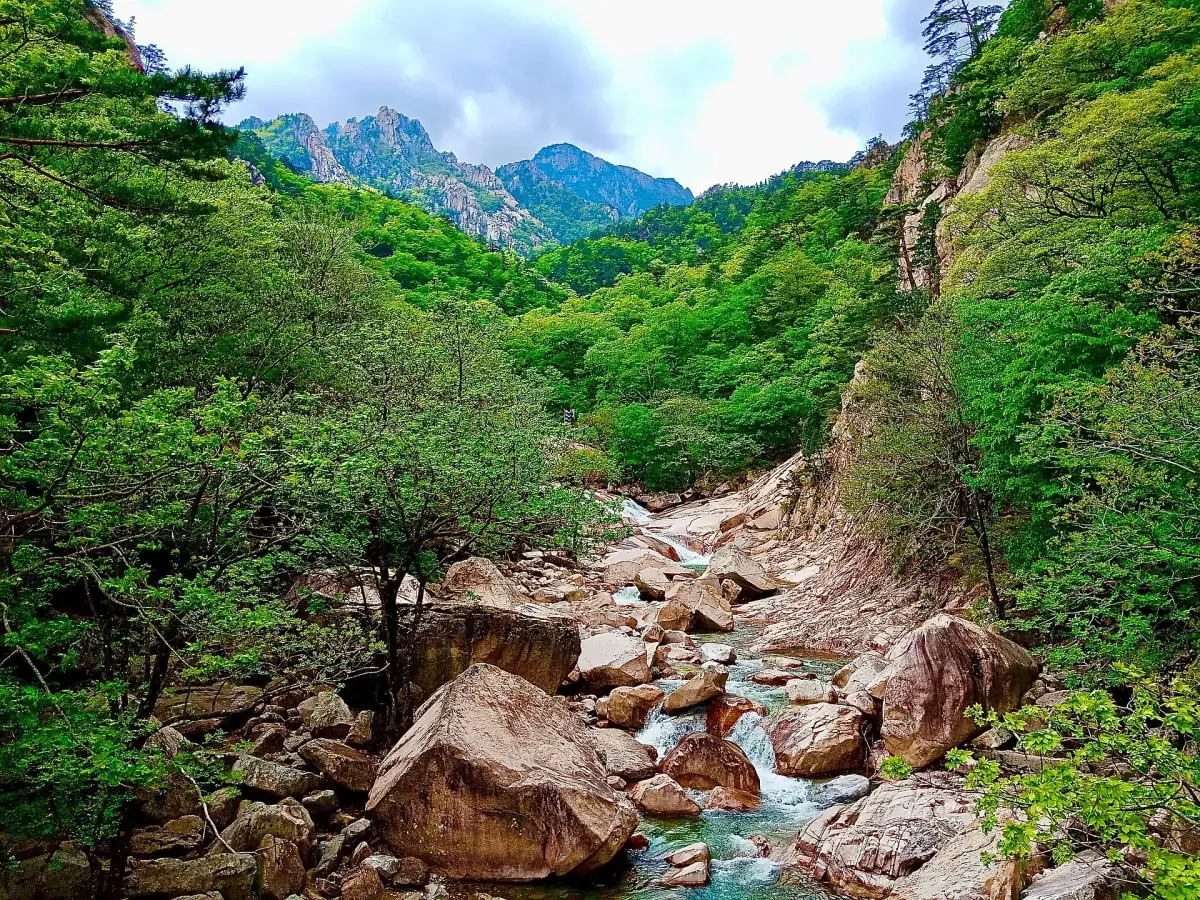
Located in Gangwon province, in the northeast of the country, Seoraksan National Park is famous for its rocky peaks, deep valleys, waterfalls and Buddhist temples. Its highest point, Daecheongbong, rises to about 1,700 meters (5,580 ft), making it one of the country’s highest summits.
The park is divided into large zones: Outer Seorak (Sokcho side, the most accessible, with most of the popular trails), Inner Seorak (wilder, accessible mostly to experienced hikers) and the Namseorak zone, to the south. Most foreign visitors focus on the outer part, easy to reach from Sokcho.
A few landmarks to prepare the visit well:
- Park entrance: access is generally free, but some services, such as the cable car, are paid.
- Equipment: good walking shoes, water, a windbreaker. Mountain weather changes fast, even in summer.
- Trails: follow the marked routes and respect any seasonal closures, notably in case of snow, fire risk or bad weather.
- Crowds: fall weekends attract huge numbers. Arrive early in the morning to avoid lines at the cable car and on the trails.
For a first stay, plan at least one full day in the park. If you like walking, two days let you combine a big hike with a quieter visit of the temples and valleys.
How to get from Seoul to Sokcho
Sokcho is on the east coast, northeast of Seoul. The most common and simplest route for a traveler is the express intercity bus: it links the capital to Sokcho in about two and a half to three hours, depending on traffic. Departures are frequent from Seoul’s bus terminals, but on weekends and during fall foliage periods, buses fill up: book your ticket ahead.
Once in Sokcho, the bus terminal serves as the starting point for the city and the park. City buses regularly serve the Seoraksan entrance, which avoids renting a car. Taxis are also a practical option for small groups, notably early in the morning or at the end of the day.
A few tips for organizing your trips:
- Leave Seoul early if you are not staying overnight, to enjoy the light and avoid weekend traffic jams.
- Sleep at least one night in Sokcho: it is much more comfortable than a day round trip.
- Allow a margin for the return, as Sunday evening buses can be full.
- Keep some cash or a transit card for local buses, in case of payment problems.
For the rest of your trip organization in Korea, our 3-day Seoul itinerary helps you structure your arrival before heading east.
Flights to South Korea
Compare flights to Seoul on your dates: Seoul is the gateway to Sokcho and Gangwon.
Seoraksan’s must-do hikes
The park offers easy walks as well as demanding climbs. Here are the most popular options, from the most accessible to the most athletic.
Sinheungsa and the bronze statue
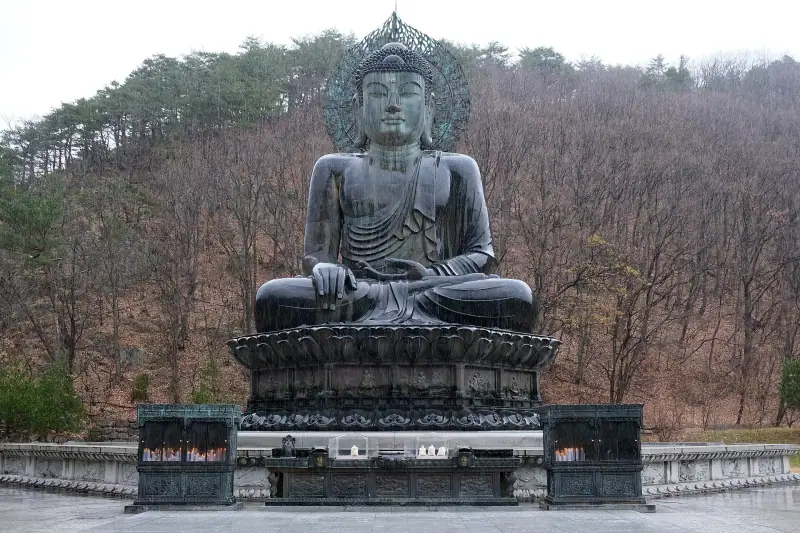
Sinheungsa Temple is the park’s natural gateway. It is famous for its large seated bronze Buddha, called the Unification Buddha, which stands out in front of the mountains. The walk from the park entrance is flat and accessible to all: it suits families, travelers short on time and anyone who prefers a quiet day.
From the temple, several trails head to steeper sites. It is also the most practical place to take time to look at the mountains, drink tea or simply enjoy the serene atmosphere.
The cable car and Gwongeumseong Fortress
A cable car lets you go up near the remains of Gwongeumseong Fortress, on the mountainside. It is the ideal solution to enjoy a spectacular panorama without excessive effort. A short final walk is still needed to reach the viewpoint, with stairs and sometimes steep passages.
The cable car is very popular: there is often a wait, especially in fall and on public holidays. Check the operating hours there, as it may be suspended in strong wind or bad weather.
Ulsanbawi: the big hike
Ulsanbawi is a monumental rock massif, considered one of the park’s emblematic hikes. The trail starts from the Sinheungsa area and climbs steadily, with a last section made of many metal staircases. The effort is real: allow half a day, plenty of water and good shoes.
The reward is a panorama over the surrounding peaks and, in clear weather, as far as the sea. Leave early and do not start the climb late: coming down at night is not recommended.
Biseondae and the valleys
For a medium-intensity walk, heading toward Biseondae lets you follow deep valleys, waterfalls and rocky pools. It is a fine option if Ulsanbawi seems too demanding, with an equally striking natural setting, especially at the time of fall colors.
Excursions from Seoul
Seoraksan and the east coast can also be visited on a day excursion from Seoul: a good plan if you are short on time.
Sokcho: the coastal city, between sea and food
Sokcho is a mid-sized city turned toward the sea. People come for the beachfront stroll, the fishing ports and the local cuisine. The atmosphere is much more relaxed than Seoul’s, making it a pleasant base after a day of walking.
The central market and seafood specialties
Sokcho Central Market (Jungang) is the ideal place to try local food. You find fish and seafood stalls, street-food stands and small restaurants. Among the specialties often cited in Sokcho:
- dakgangjeong, crispy fried chicken coated in a sweet-spicy sauce, very popular with visitors;
- raw fish and shellfish dishes, depending on the season;
- sundae, a stuffed Korean blood sausage, sometimes offered in a version typical of the region.
To find the dishes worth trying in the rest of the country, also see our guide to Korean cuisine and typical dishes.
Abai Village
Abai Village (Abai Maeul) is a historic neighborhood linked to refugees from the North during the Korean War. Its most original asset is a small ferry that crosses the channel pulled by hand along a cable: a local curiosity, easy to do in a few minutes. Around it you find alleys to explore and culinary specialties associated with the neighborhood.
Daepo Port and seaside walks
Daepo Port, north of the city, is a good place to see fishing boats and enjoy the fish restaurants. Elsewhere, Sokcho Beach and the seaside promenade offer a pleasant break at the end of the day, with a view of the mountains behind the city. Sunrises over the East Sea are especially appreciated in winter and spring.
Hotels in Sokcho
Compare lodging in Sokcho, a stone's throw from the sea and the buses to Seoraksan Park: in fall, rooms are booked early.
When to go to visit Seoraksan
Each season offers a different atmosphere. For a full picture of the country’s climates, see our guide on when to go to South Korea.
- Spring (April-May): the mountains turn green again, temperatures stay cool. Fewer people than in fall, but some high-altitude trails may remain closed.
- Summer (June-August): dense vegetation, well-fed waterfalls, but heat and humidity. Storms and the monsoon can disrupt hikes.
- Fall (October-November): the star season. Seoraksan is generally one of the first places in the country where foliage changes color, from about mid-October for the highest altitudes. Book early and arrive early.
- Winter (December-February): snowy landscapes and a peaceful mood. Slippery trails, proper equipment needed, and some access may be limited. If you come for snow, also see our tips on skiing in Pyeongchang, Yongpyong and the other Gangwon resorts.
Suggested itinerary: a weekend in Seoraksan and Sokcho
Here is a simple proposal for two days and one night, without a car.
Day 1: Seoul → Sokcho → Seoraksan
- Early-morning express bus from Seoul to Sokcho.
- Drop your bags at the lodging, then a local bus to the park.
- Walk to Sinheungsa Temple and the bronze statue.
- Cable car to Gwongeumseong if the weather allows.
- Return to Sokcho and a seafood or dakgangjeong dinner.
Day 2: hike or coastal city
- For walkers: early start toward Ulsanbawi, back in the early afternoon.
- For a calmer day: Abai Village, the central market, a walk on the beach.
- Bus back to Seoul in the late afternoon, allowing a margin.
This program slows down easily by adding an extra night. You can also extend to other destinations in the country, like Gyeongju or Busan, if you are building a broader route.
Practical tips before you go
- Booking: book the bus and lodging ahead in fall and on weekends.
- Money and payment: cards are widely accepted, but keep a little cash for small market stalls.
- Language: English is less widespread than in Seoul; a translation app and place names in Korean are useful.
- Mountain safety: follow the signs, do not leave the marked trails and check the weather before leaving.
- Respect for places: in temples, be discreet, dress properly and follow the posted instructions.
In short, Seoraksan and Sokcho form one of the best contrasts in the country: mountains, temples, sea and local food a few hours from Seoul. With a night there and a bit of organization, it is a memorable stay, whatever the season.
Frequently asked questions
How long do you need to visit Seoraksan and Sokcho?
Plan two days and one night in Sokcho to enjoy both a hike in the park and the coastal city. A single day is enough for an overview, but it means a lot of travel from Seoul.
How do you get from Seoul to Sokcho?
The simplest way is the express intercity bus, which links Seoul and Sokcho in about two and a half to three hours depending on traffic. Departures are frequent, but book ahead on weekends and in fall.
Is there an entrance fee for Seoraksan National Park?
Park access is generally free. Some services, such as the cable car to Gwongeumseong, are however paid: check fares and hours there or on the official site before coming.
What is the best time for Seoraksan?
Fall, from about mid-October, is the most renowned period for foliage, but also the busiest. Spring and summer are calmer, while winter offers snowy landscapes with sometimes difficult trails.
Do you need to be a strong walker to visit Seoraksan?
No, the park offers easy walks around Sinheungsa Temple and demanding hikes like Ulsanbawi. Choose according to your fitness and find out about trail conditions before leaving.
More South Korea guides
Keep reading
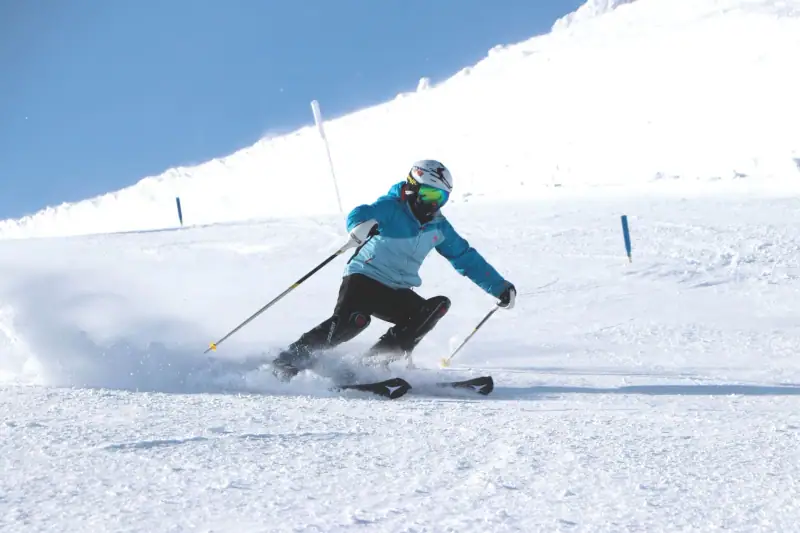
Skiing in South Korea: Pyeongchang, Yongpyong and the resorts near Seoul
Skiing in South Korea: Pyeongchang, Yongpyong, Alpensia, Vivaldi Park, Jisan and Gangchon. Which resort to choose, access from Seoul, season and tips.
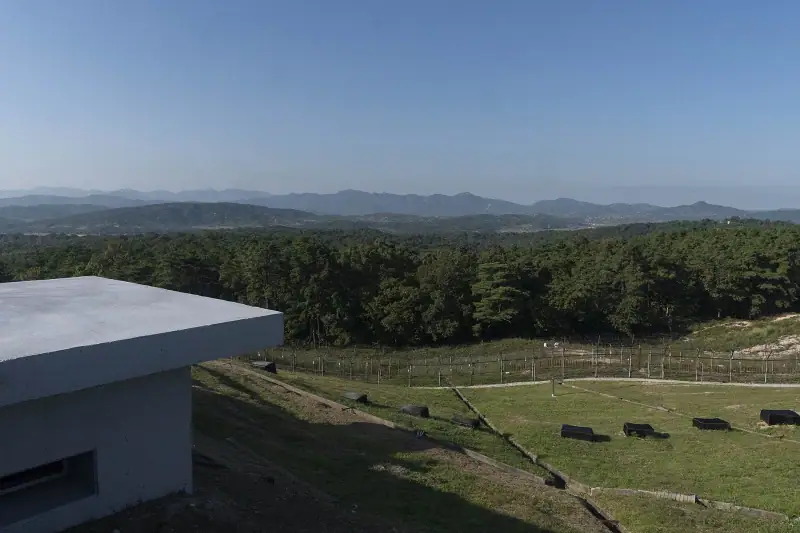
Visiting the DMZ from Seoul: tours, tips and booking
Visiting the DMZ from Seoul: types of tours, sights (Imjingak, Third Tunnel, observatory), JSA, dress code, booking and practical tips.
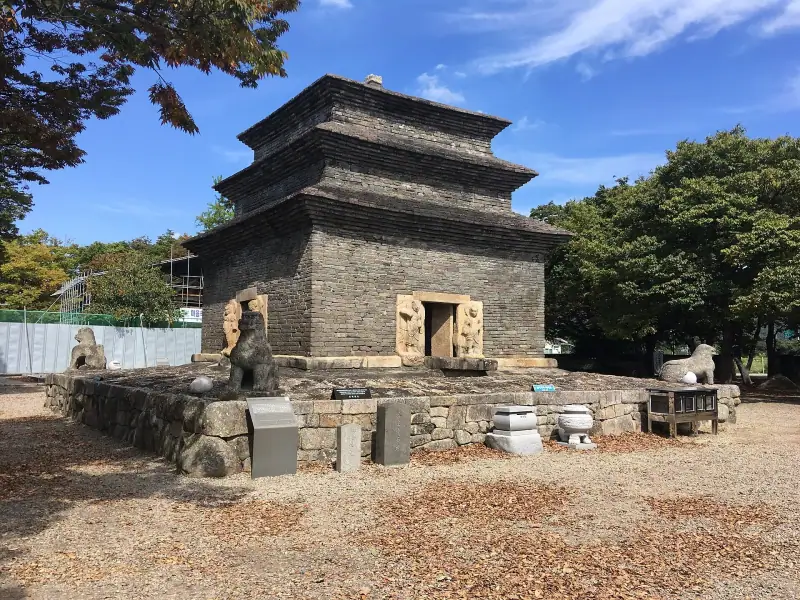
Visiting Gyeongju: the highlights of the Silla capital
Visiting Gyeongju, South Korea: Bulguksa Temple, Seokguram Grotto, Daereungwon mounds, Wolji Pond, Yangdong village. Tips, transport and planning.
Ready-made
South Korea itineraries
7 days
4 days
10 days
South Korea in 10 days: an itinerary through Seoul, Gyeongju, Busan and Jeju
SeoulGyeongjuBusanJeju