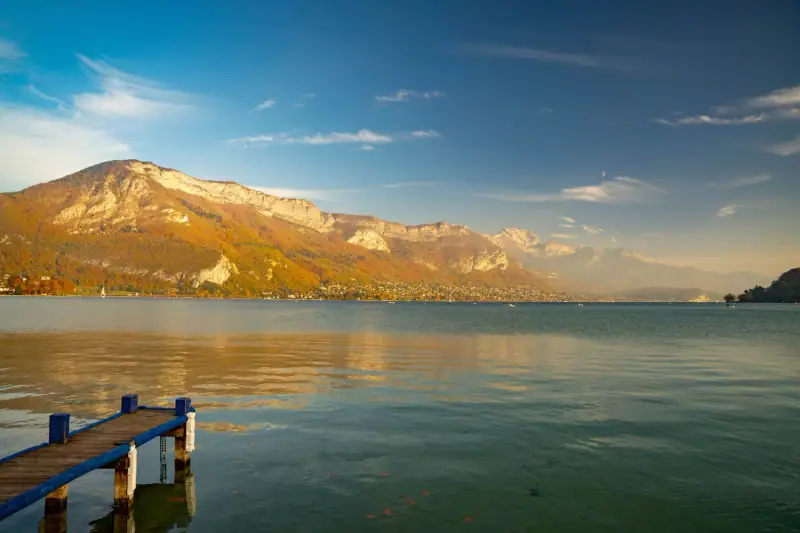
14 days
Mont Blanc and Switzerland in 14 days: a loop from Geneva by car
AnnecyChamonix-Mont-BlancZermattLucerneInterlakenMontreux
Can be adapted in the planner
Five countries, one road trip
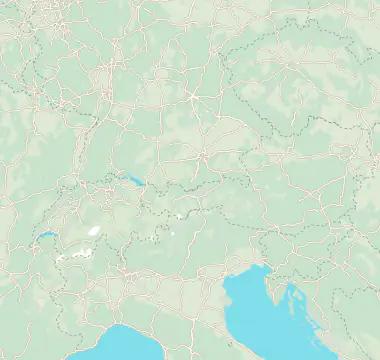
Switzerland, Austria, the Italian Dolomites and lakes, Savoie and Bavaria meet within a few hours of each other. This page shows which combinations fit in two or three weeks and what changes at each border.
We may earn a commission when you book through links on this page, at no extra cost to you. We don't visit or try the places we cover: we summarize published sources. How we work
Itineraries
Ready-made routes across several countries, with real drive times, the border crossings and where to sleep.
14 days
AnnecyChamonix-Mont-BlancZermattLucerneInterlakenMontreux
Can be adapted in the planner
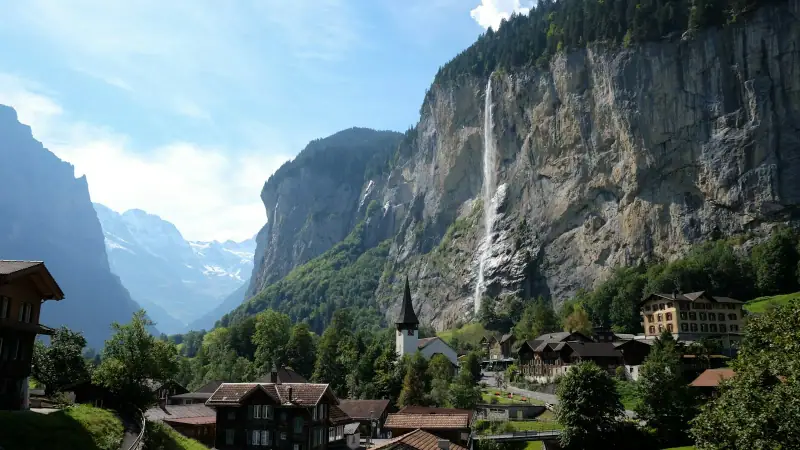
14 days
LucerneInterlakenZermattStresaBellagioOrtisei (Val Gardena)Innsbruck
Can be adapted in the planner
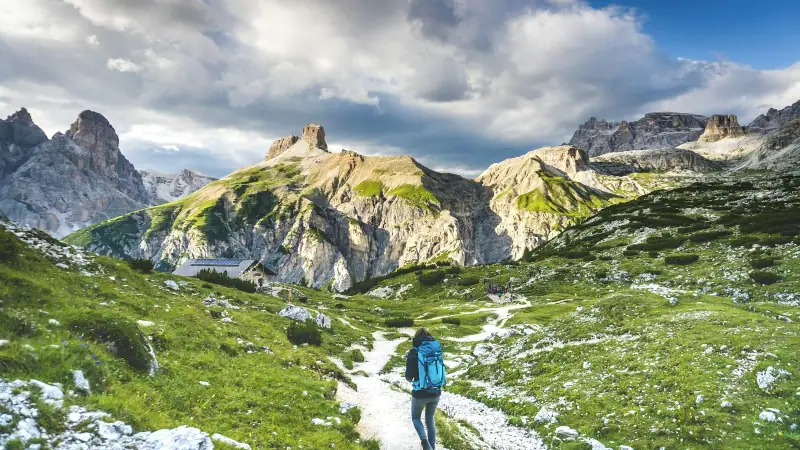
21 days
FüssenLucerneInterlakenZermattStresaBellagioRiva del GardaOrtisei (Val Gardena)Cortina d'AmpezzoInnsbruckBerchtesgaden
Can be adapted in the planner
The Alps cross five countries, and the distances between their famous bases are short. Geneva is 45 minutes from Annecy, and Innsbruck is 1 h 35 from Bolzano. Munich is 2 h from Innsbruck. Language and landscape change within a day’s drive.
Each region brings something different. Switzerland has the lakes, Zermatt, the Jungfrau region and Lucerne. Savoie adds Annecy and Chamonix-Mont-Blanc. Austria gives you Innsbruck, Salzburg and Hallstatt. The Dolomites offer high passes, huts and the towns of South Tyrol, and the Italian Lakes add villas, gardens and boat rides. Bavaria is the gentlest end of the tour, with Füssen, Garmisch-Partenkirchen and Berchtesgaden. If you want more on the Italian side, see our Italy page.
Some pairs work better than others. Switzerland and the Italian Lakes sit side by side, and the Dolomites lie between the lakes and Austria. Innsbruck, Bolzano and Munich form a tight triangle. Geneva to Innsbruck, at 6 h 35 (565 km, 351 mi), is the longest sensible leg, so Savoie fits best with Switzerland rather than as a link to the east.
Drive times on this page are real routing figures without border waits or winter pass closures.
We have three loops, each starting and ending at one airport:
Ten days fit two countries comfortably: Switzerland with the Italian Lakes, or Switzerland with Savoie. Plan three or four bases.
Two weeks allow two to four countries. The Geneva loop covers two in 14 days, with six bases and a longest day of 3 h 10 from Zermatt to Lucerne. The Zurich loop reaches three countries, with the longest legs being 4 h 15 from Bellagio to Ortisei (325 km, 202 mi) and 3 h 30 from Innsbruck back to Zurich. Keep a spare day in the Dolomites and the Jungfrau region, where weather decides.
Three weeks are what four countries need. The Munich loop has 11 bases and 20 nights. Savoie does not fit in it, since Annecy lies 7 h 45 from Munich.
The full window for lifts, huts and passes runs from mid-June to mid-September. The Dolomites guide says huts open gradually from mid-June and that hiking season runs from late June to late September. July and August are the busiest months, with prices 20 to 40% higher there.
September is the common answer. The Dolomites, Savoie and Austria guides all single it out, and the Switzerland guide rates September and October highest for the mix of scenery, crowds and price. In the Italian Lakes, the guide prefers mid-April to early June and September to mid-October. July and August days there reach 28 to 30 °C (82 to 86 °F), with sudden storms. Many villas and gardens close in winter.
In October, high huts and lifts begin to close and snow can return to the passes. The Savoie guide notes the Col de l’Iseran is closed in winter and reopens in the warm season on dates that vary. For Germany, the guide agrees on September and early October for fewer crowds. Read the regional guides for Switzerland, Austria, the Dolomites, the Italian Lakes, Savoie and Germany.
Costs vary a lot from one country to the next, and each figure below comes from the budget guide of its region. Flights, the rental car and fuel are not included, and no guide gives a rental price.
Add the vignettes and tolls in the next section to your car costs.
The figures below are published 2026 terms; check them again at booking.
Declare every country when you book. The authorization must appear on the rental agreement, and driving into a country not on it voids the rental company’s cover. Terms differ by company (2026):
Vans and luxury cars can be restricted. Compare the fees.
For Switzerland, Austria, Italy, France and Germany, a rental car is covered by the rental company’s insurance once the cross-border trip is authorized. There is no border insurance to buy, and you do not need a Green Card for this tour.
France (Crit’Air) and Germany (low-emission zones) require stickers in some cities; ask the rental company.
Carry your passport, your driving licence and the rental agreement showing every authorized country.
All five countries are in the Schengen area, Switzerland included, so none of the land borders on this tour has routine checks, and none is an external border where long summer queues build up. Switzerland is outside the EU customs union, so a customs check is possible. The EU Entry/Exit System (EES) applies when you land from outside Schengen, not at these land borders. ETIAS is not in operation as of November 2026; check travel-europe.europa.eu/etias_en.
Geneva Airport has a French sector, reached through a customs road from Ferney-Voltaire. A car rented on the French side is a French car (no guaranteed Swiss vignette, to be returned to the French side); one rented on the Swiss side is Swiss, vignette included.
International one-way fees are high and vary. Avis Austria lists €100 to €5,000 (~$116 to $5,800) for a drop-off in another country, and €15 to €100 (~$17 to $116) inside Austria; Sixt shows a fixed fee before you confirm (2026). A loop back to the pick-up airport is usually much cheaper, and all three itineraries on this page are loops. Otherwise, a one-way inside one country is safer.
For entry rules and driving licences, check the official advice of your own government: travel.state.gov (US), gov.uk/foreign-travel-advice (UK), travel.gc.ca/destinations (Canada) or smartraveller.gov.au (Australia).
Mountain roads set the pace more than distance does. High passes close in winter, among them the Great St Bernard, the Col de l’Iseran in Savoie and the Grossglockner road. Check road conditions before counting on one, and have an alternative.
Three places are better without a car. Zermatt is car-free: the car stops at Täsch, as our ski resorts guide puts it, and you continue by rail. In Lucerne, Interlaken and the Jungfrau region, trains, boats and funiculars do most of the work. On Lake Como, the lakeside road is narrow, winding and often congested, so the 7-day Italian lakes road trip recommends boats rather than the car, with ferries linking the villages. Old centers are often limited-traffic zones: park at the edge and walk in.
In the Dolomites, driving into the Braies valley is regulated from July 1 to September 15 between 9 am and 4 pm, and parking at popular trailheads such as Seceda fills early. The Savoie by car guide covers the French roads. No ferry crosses between regions on this tour; boats serve the lakes only.
The airports in this tour are Geneva (GVA), Zurich (ZRH), Munich (MUC), Innsbruck (INN), Salzburg (SZG), Milan Malpensa (MXP), Bergamo (BGY), Verona (VRN) and Venice (VCE). Our guides list Zurich, Geneva and Munich among the usual gateways of the Alps. Check airlines directly for routes from your city, since we do not list flights.
Arriving and leaving from the same airport avoids the one-way fee, and each loop on this page does that. An open-jaw ticket (arrive in one city, leave from another) only suits the Alps if the car is dropped at the airport where you picked it up, so check the one-way fee before you book it.
Jet lag is real after a transatlantic flight. Spend the first night close to the airport, and pick the car up the next morning once you have slept. The Geneva loop’s first drive is the shortest of the three: 40 minutes from the airport to Annecy.
| Jan | Feb | Mar | Apr | May | Jun | Jul | Aug | Sep | Oct | Nov | Dec | |
|---|---|---|---|---|---|---|---|---|---|---|---|---|
| Salzburg | ||||||||||||
| High °F (°C) | 362 | 394 | 468 | 5714 | 6418 | 7021 | 7323 | 7323 | 6619 | 5714 | 468 | 373 |
| Low °F (°C) | 23-5 | 25-4 | 320 | 373 | 468 | 5412 | 5714 | 5714 | 489 | 415 | 320 | 27-3 |
| Rain in (mm) | 3.180 | 2.870 | 3.795 | 3.075 | 5.1130 | 5.9150 | 5.9150 | 5.7145 | 4.3110 | 3.590 | 3.075 | 3.180 |
| Munich | ||||||||||||
| High °F (°C) | 362 | 394 | 468 | 5513 | 6418 | 7021 | 7323 | 7323 | 6418 | 5714 | 457 | 373 |
| Low °F (°C) | 23-5 | 25-4 | 30-1 | 373 | 457 | 5211 | 5513 | 5513 | 489 | 415 | 320 | 27-3 |
| Rain in (mm) | 2.870 | 2.460 | 3.180 | 2.870 | 4.7120 | 5.7145 | 5.7145 | 5.3135 | 3.795 | 3.180 | 2.870 | 2.870 |
Normals 1991–2020 at Salzburg and Munich: averages over 30 years, not a forecast. Source: NASA POWER (MERRA-2), grid of about 50 km. Figures computed by us in November 2026.
Or build your own
The Alps road trip planner works with the main stops of every country: pick your airports, your days and your pace, and it orders the stops with real drive times (border waits not included).
A 14-day example: 18 h 20 of travel in total (1282 km / 797 mi).
Open the planner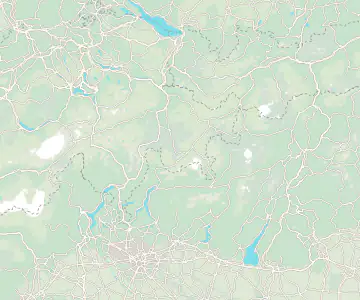
6 destinations
Each country or region of the trip has its own guides, itineraries and, often, its own planner.
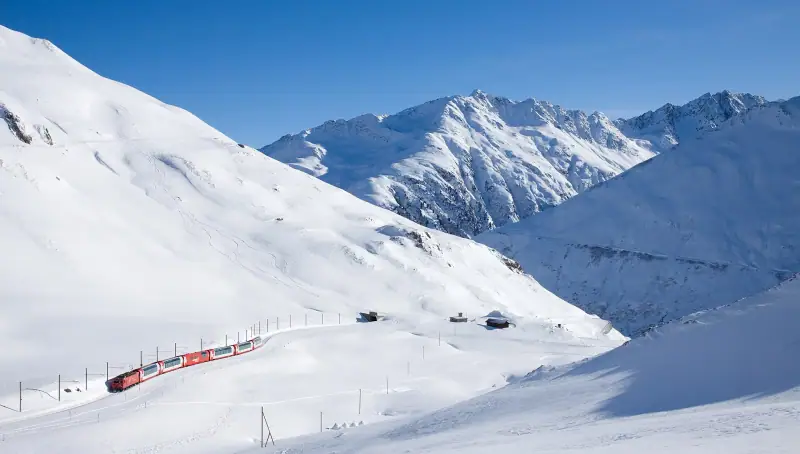
Lakes & Alps · Switzerland
Lake Geneva, the Bernese Oberland, Lucerne, the Matterhorn at Zermatt and the Italian-speaking south.
18 guides3 itinerariesTrip planner
Lakes, Zermatt, the Jungfrau region and Lucerne at the heart of the tour. Expensive, with a vignette to buy, and often best reached by rail.
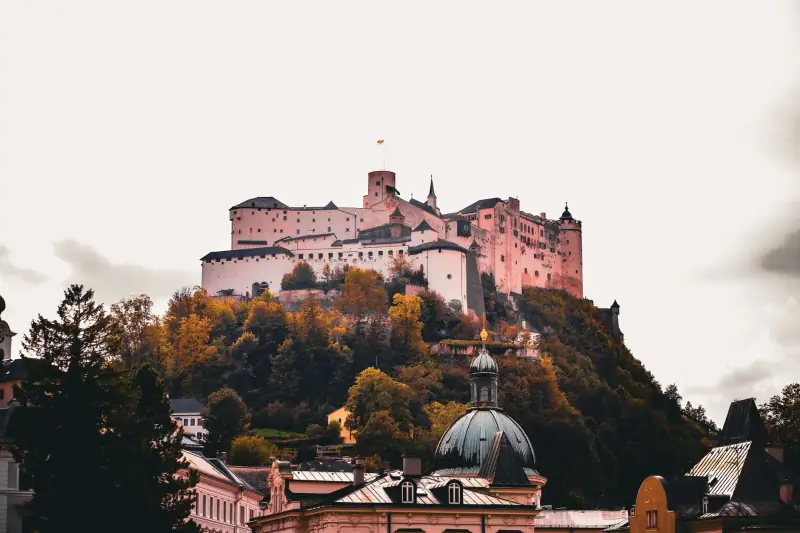
Vienna, lakes & Alps · Austria
Vienna, the Danube's Wachau valley, Salzburg, Hallstatt's lakes and the high roads of the Tyrol.
18 guides3 itinerariesTrip planner
Innsbruck, Salzburg and Hallstatt, a short hop from the Dolomites and Bavaria. Needs a digital vignette, with special tolls on some passes.
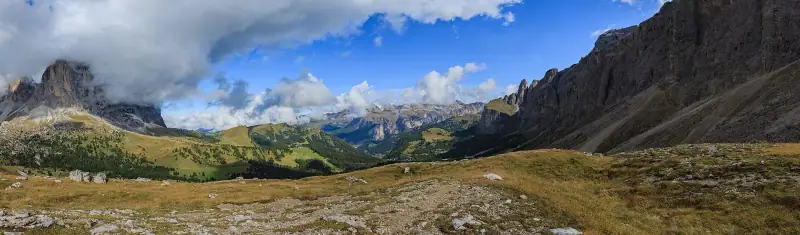
Italian Alps · Italy
Pale rock towers, high passes and valley towns a short drive apart. Short legs, long views.
20 guides5 itinerariesTrip planner
Jagged peaks, huts and high passes in South Tyrol and Veneto. Bolzano, Ortisei, Cortina and Canazei work as bases.
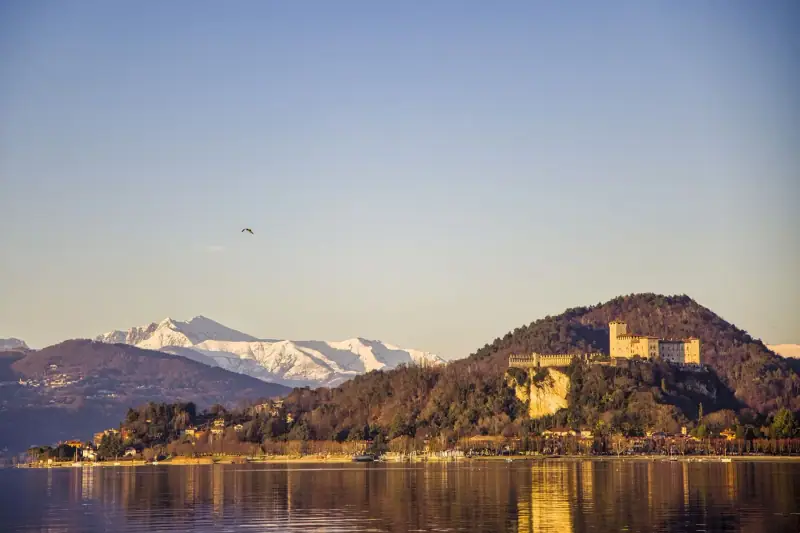
Como, Maggiore & Garda · Italy
Lake Como's villas, the Borromean Islands on Lake Maggiore and the lakeside towns of Garda, linked by roads and ferries.
18 guides3 itinerariesTrip planner
Maggiore, Como and Garda, with villas, gardens and boats. Easy to combine with Switzerland to the north and the Dolomites to the east.
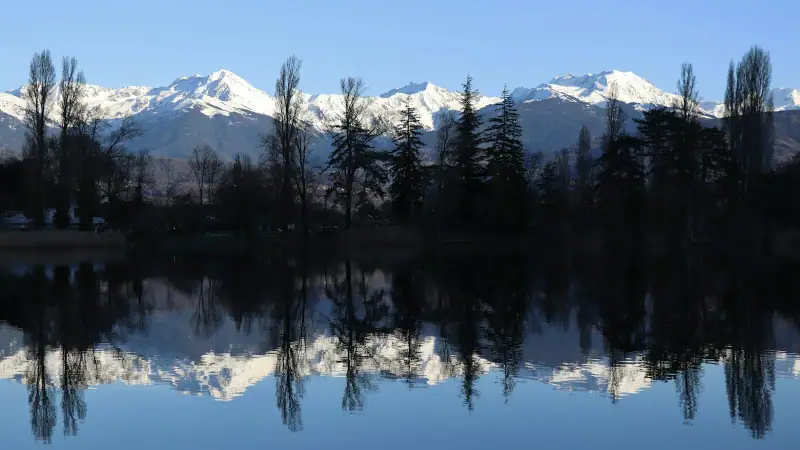
French Alps & lakes · France
Lake Annecy, Chambéry and Aix-les-Bains, Chamonix below Mont Blanc, and the high valleys of the Tarentaise and Maurienne.
18 guides3 itinerariesTrip planner
Annecy and Chamonix-Mont-Blanc, 45 minutes from Geneva. The French end of the tour, with motorway tolls and no vignette.
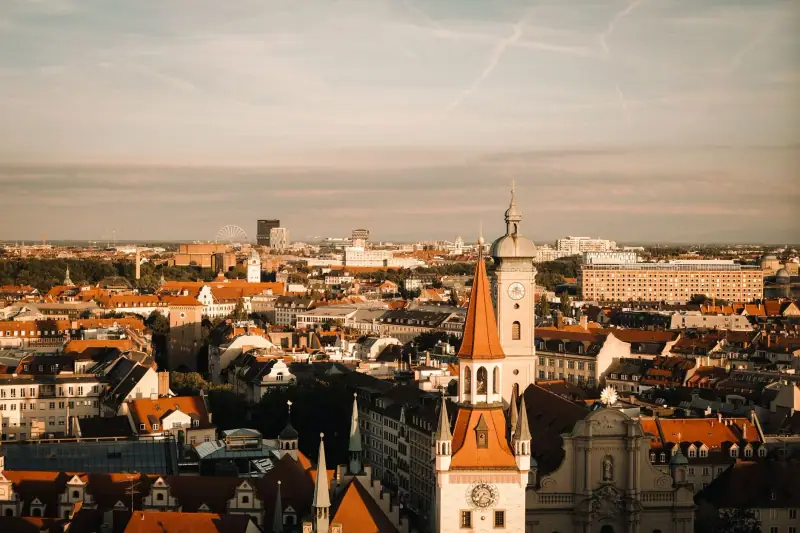
Cities, castles & Bavaria · Germany
Berlin, Munich and the castles of Bavaria, Dresden, Hamburg, Cologne and the Black Forest.
18 guides5 itinerariesTrip planner
Bavaria's Alpine edge: Füssen, Garmisch-Partenkirchen and Berchtesgaden, with Munich as the airport. No car toll.
Usually yes, if you declare each country at booking and the authorization appears on the rental agreement. Terms differ: Enterprise Switzerland lists France, Germany, Italy, Liechtenstein and Austria without extra charge, while Enterprise France charges €55 (~$64) per rental for neighboring countries (2026).
Not for Switzerland, Austria, Italy, France or Germany. Once the cross-border trip is authorized, the rental company's insurance covers the car, and there is no border insurance to buy.
Yes for motorways in both. The Swiss vignette is CHF 40 (2026) and valid for the calendar year. Austria's digital vignette costs €12.80 (~$15) for 10 days (2026). Swiss and Austrian rental cars normally carry their own; a car rented elsewhere does not.
There are no routine checks at the land borders, because all five countries are in the Schengen area. Switzerland is outside the EU customs union, so a customs check is possible. Keep your passport and the rental papers within reach.
Sometimes, but a drop-off in another country is often refused or carries a high fee. Avis Austria lists €100 to €5,000 for one (2026). A loop back to the pick-up airport is usually much cheaper.
September suits most regions: stable weather, open trails, thinner crowds and lower prices. Mid-June to mid-September is the full window for lifts, huts and high passes. July and August are the busiest and most expensive.