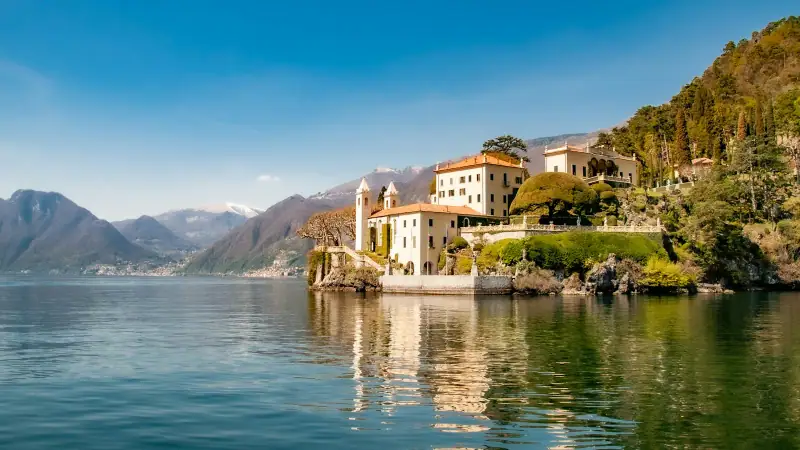
10 days
Italy in 10 days: the Italian Lakes and the Dolomites by car
BellagioSirmioneOrtisei (Val Gardena)Cortina d'Ampezzo
Can be adapted in the planner
7 regions, one road trip
Italy rewards a trip built on three to five regions, not seven. This page shows which ones fit together, how long the drives are and what to book first.
We may earn a commission when you book through links on this page, at no extra cost to you. We don't visit or try the places we cover: we summarize published sources. How we work
Itineraries
Ready-made routes across several regions, with real drive times, the ferries and where to sleep.
10 days
BellagioSirmioneOrtisei (Val Gardena)Cortina d'Ampezzo
Can be adapted in the planner
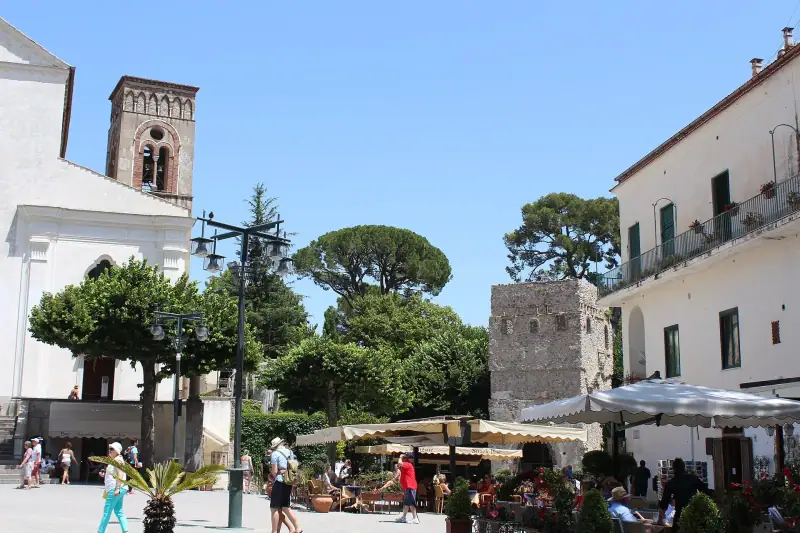
12 days
SorrentoAmalfiMatera (Basilicata)AlberobelloLecce
Can be adapted in the planner
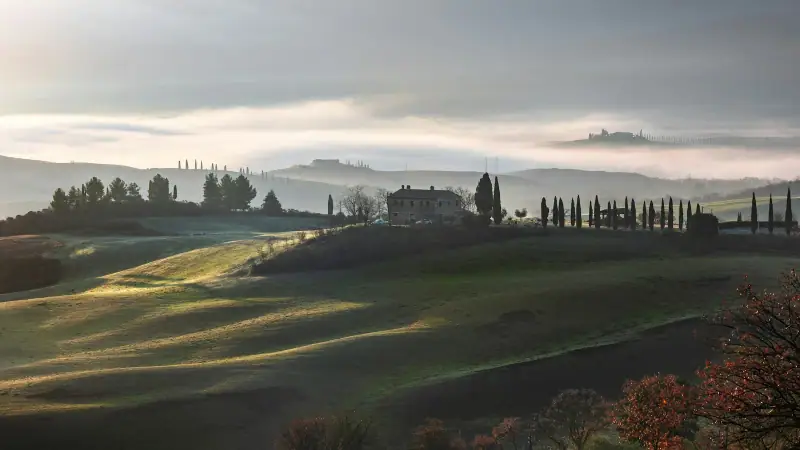
14 days
LuccaFlorenceSan GimignanoSienaPienzaAmalfi
Can be adapted in the planner
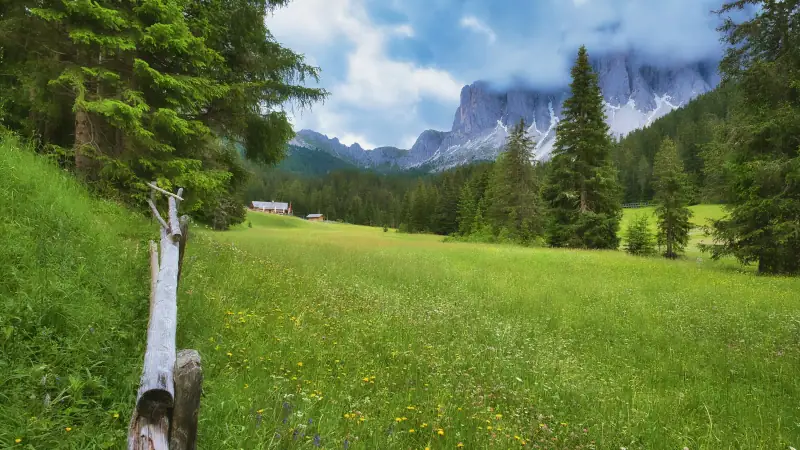
21 days
BellagioSirmioneOrtisei (Val Gardena)FlorenceSienaSorrentoMatera (Basilicata)Lecce
Can be adapted in the planner
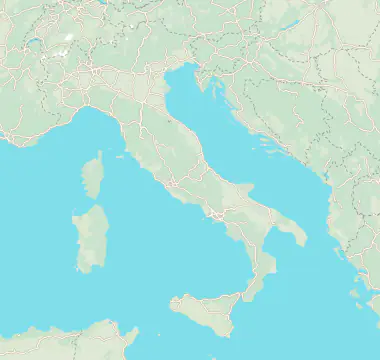
Each Italian region can fill a week, and each looks different: lake villas and ferries, Alpine passes, hill towns and vineyards, cliffside villages, then trulli and Matera in the south. Combining them gives contrast. The cost is time in the car, so choose neighbors.
Drive times below are real road figures between the main towns of each region. These pairings are practical:
The long jumps are Florence to Sorrento at 5 h 40 and 514 km (319 mi), and Florence to Matera at 7 h 45 and 702 km (436 mi). The extremes are Stresa to Sorrento at 9 h 30 and Stresa to Matera at 10 h 30 (1,019 km / 633 mi). Cross the whole country only in stages, as the 21-day route does.
Sicily and Sardinia are islands. Treat them as their own trips. Rome, Venice, Milan and Naples are not covered by our guides, except as airports.
10 days: two regions. The 10-day route links the Italian Lakes and the Dolomites with four bases: Bellagio (3 nights), Sirmione (2), Ortisei (2) and Cortina d’Ampezzo (2). It flies into Milan Malpensa and out of Venice.
12 days: the south. The 12-day southern route has five bases from Sorrento to Lecce, across the Amalfi Coast, Matera and Puglia. It flies into Naples and out of Bari. Sorrento to Matera is 3 h 35.
14 days: Tuscany and the Amalfi Coast. The 14-day route has six bases, five in Tuscany and Amalfi at the end, from Pisa to Naples. Only the Tuscany-to-coast transfer is long (Florence to Sorrento, 5 h 40).
21 days: about five regions. The 21-day route has eight bases in 20 nights across the lakes, the Dolomites, Tuscany, the Amalfi Coast and Puglia with Matera, from Milan Malpensa to Bari. It includes two long driving days.
May, June and September come up as the best compromise in the Italian Lakes, Tuscany, Amalfi Coast and Puglia guides. June and September overlap best across all regions, according to the 21-day route. July and August are the hottest and busiest months almost everywhere, so book cars and hotels early.
See the guides for the Italian Lakes, the Dolomites, Tuscany, the Amalfi Coast, Puglia and Sicily.
No guide gives a figure for all of Italy, and each region uses its own basis, so the figures below cannot be added up. They exclude flights.
The rental car is the item that varies most. Guides quote about €35 to €60 (~$41 to $70) a day in Puglia, about €39 (~$45) a day for a small car in Tuscany, and a small car from around €115 (~$135) a day in high season on the lakes. Puglia fuel is €1.80 to €2.00 per liter (about $8 to $9 per gallon), and the A14 toll across Puglia is €10 to €15 (~$12 to $17). The Sicily guide notes tolls on the A18 and A20 and a normally free A29, without amounts.
Car. A car is the practical choice between regions and in the countryside. Almost every historic center is a ZTL (limited traffic zone) with automatic fines, so park outside and choose lodging with parking. The Dolomites need a car, with winding pass roads, an A22 Brenner motorway toll and snow tires or chains from November to April. Read the Tuscany getting-around guide and the Puglia road trip.
One-way rentals. Picking up in one city and dropping off in another usually costs a drop-off fee. It varies by company and is higher across a border, so check it when you compare offers. The Puglia guide says one-way fees between Bari and Brindisi run about €20 to €80 (~$23 to $93).
Train and car. Leave the car where it is not needed. Florence, Pisa and Lucca work by train, and the Tuscany guides suggest renting only for the countryside. The Italian Lakes work without a car from Milan by train and boat; see the 5 days without a car. On the Amalfi Coast the road is a single cliff road: Sorrento to Salerno is about 60 km (37 mi) but can take hours in summer. A car makes most sense off-season there, and the 5 days without a car uses buses, ferries and trains.
Ferries and flights. Ferries on the Amalfi Coast are mostly seasonal and can be canceled in rough seas. Sicily and Sardinia are reached by plane or ferry, but our guides give no mainland crossing time, so check schedules before booking. The Sardinia guides note that flying saves time on a short stay. The Sicily road trip is a 14-day loop from Palermo, and the Sardinia road trip runs from Cagliari.
The big international gateways in the routes are Rome Fiumicino (FCO), Milan Malpensa (MXP) and Venice Marco Polo (VCE). Pisa-Galilei (PSA) is the main international airport in Tuscany, and Florence-Peretola mostly handles European flights. Naples Capodichino (NAP) serves the Amalfi Coast, and Bari (BRI) serves Puglia. Our guides list no flight routes, so compare options from your home airport.
An open-jaw ticket, arriving in one city and leaving from another, saves a long drive back. The routes use Milan in and Venice out, Pisa in and Naples out, Naples in and Bari out, or Milan in and Bari out. After a long flight, sleep the first night close to the airport and keep the first drive short.
For entry rules, visas and whether you need an International Driving Permit with your own licence, check the official government source of your own country.
| Jan | Feb | Mar | Apr | May | Jun | Jul | Aug | Sep | Oct | Nov | Dec | |
|---|---|---|---|---|---|---|---|---|---|---|---|---|
| High °F (°C) | 436 | 468 | 5513 | 6317 | 7021 | 7926 | 8429 | 8429 | 7524 | 6418 | 5412 | 457 |
| Low °F (°C) | 320 | 341 | 394 | 457 | 5412 | 6116 | 6619 | 6619 | 5714 | 5010 | 415 | 341 |
| Rain in (mm) | 1.640 | 1.845 | 2.050 | 3.075 | 3.385 | 3.180 | 2.870 | 3.075 | 3.385 | 3.795 | 3.795 | 2.460 |
Normals 1991–2020 at Sirmione: averages over 30 years, not a forecast. Source: NASA POWER (MERRA-2), grid of about 50 km. Figures computed by us in November 2026.
Or build your own
The Italy planner works with the main stops of every region: pick your airports, your days and your pace, and it orders the stops with real drive times.
A 14-day example: 16 h 10 of travel in total (1226 km / 762 mi).
Open the planner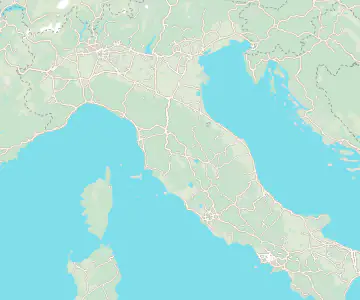
7 regions
Each region has its own guides, itineraries and, often, its own planner.
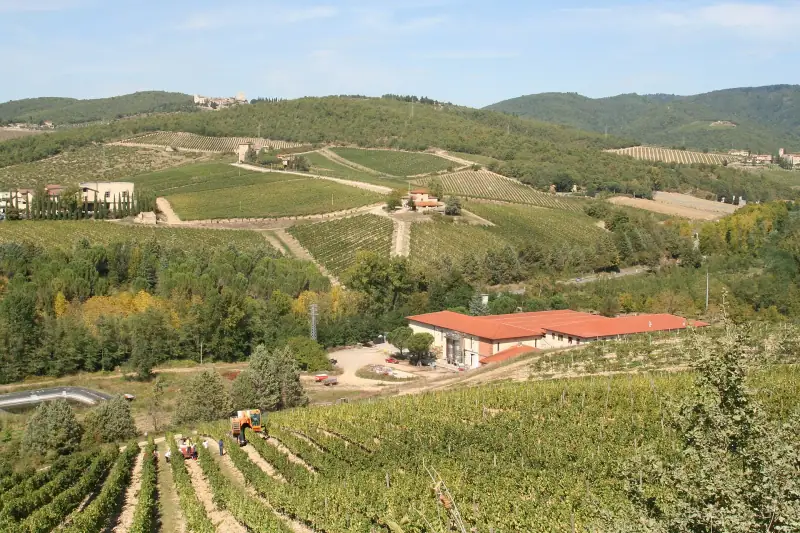
Hill towns & vineyards · Italy
Florence, Siena and the hill towns of the Val d'Orcia and Chianti, a short drive from one another.
18 guides4 itinerariesTrip planner
Florence, Siena, hill towns and the Val d'Orcia. Best by train in the cities and by car in the countryside.
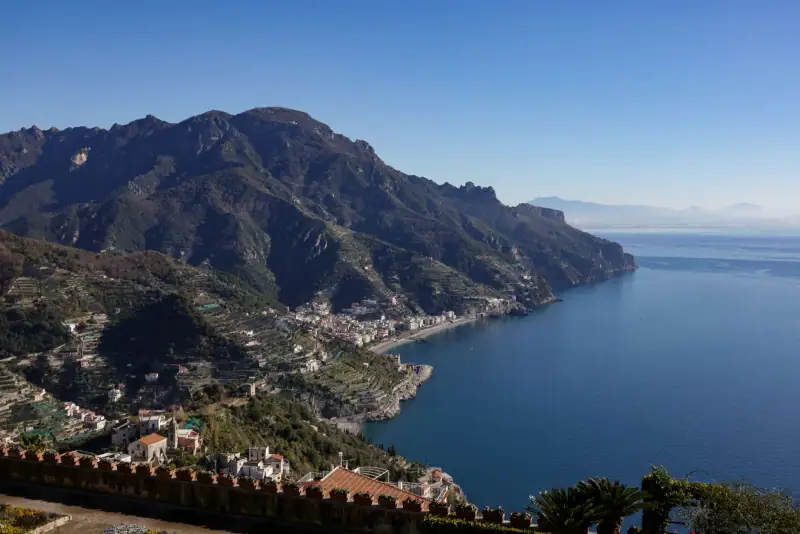
Cliffside villages · Italy
Positano, Amalfi and Ravello on their cliffs, Sorrento, Capri and Pompeii, on a coast where the road is part of the show.
18 guides3 itinerariesTrip planner
Cliff villages on one narrow road. Sorrento is 5 h 40 from Florence; in high season, buses and ferries are easier.
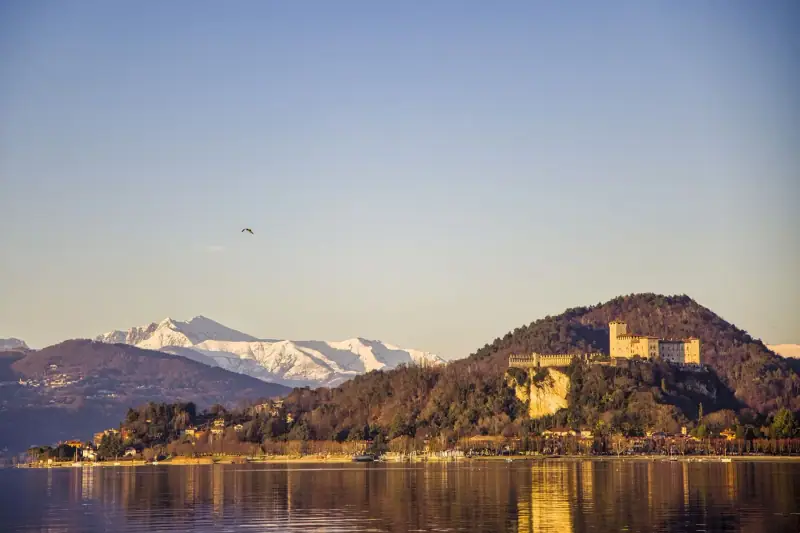
Como, Maggiore & Garda · Italy
Lake Como's villas, the Borromean Islands on Lake Maggiore and the lakeside towns of Garda, linked by roads and ferries.
18 guides3 itinerariesTrip planner
Villas, gardens and ferries on Como, Maggiore and Garda. Stresa is 3 h 55 from Bolzano and 4 h 15 from Florence.
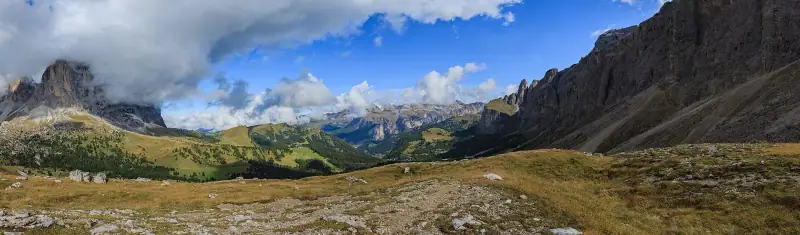
Italian Alps · Italy
Pale rock towers, high passes and valley towns a short drive apart. Short legs, long views.
20 guides5 itinerariesTrip planner
Pass roads and hiking from late June to late September. Bolzano is 3 h 55 from Stresa.
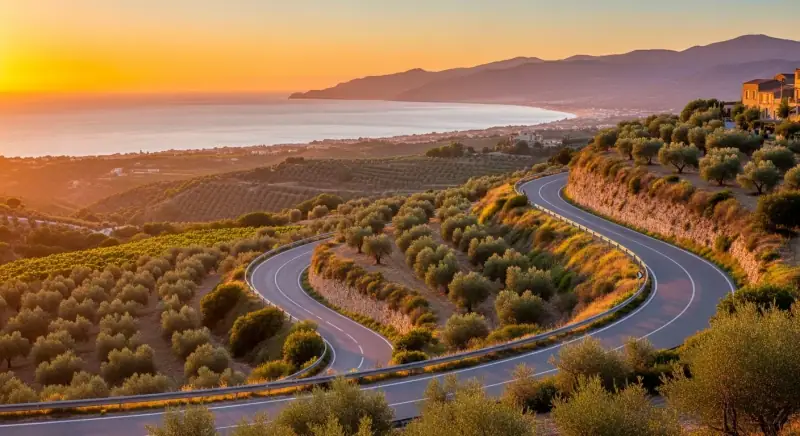
Volcanoes & baroque towns · Italy
Etna, Greek temples and baroque hill towns, linked by the coastal roads of Italy's largest island.
18 guides3 itinerariesTrip planner
An island add-on, not in the planner. Our guides cover a 14-day loop of about 1,300 km (810 mi) from Palermo.
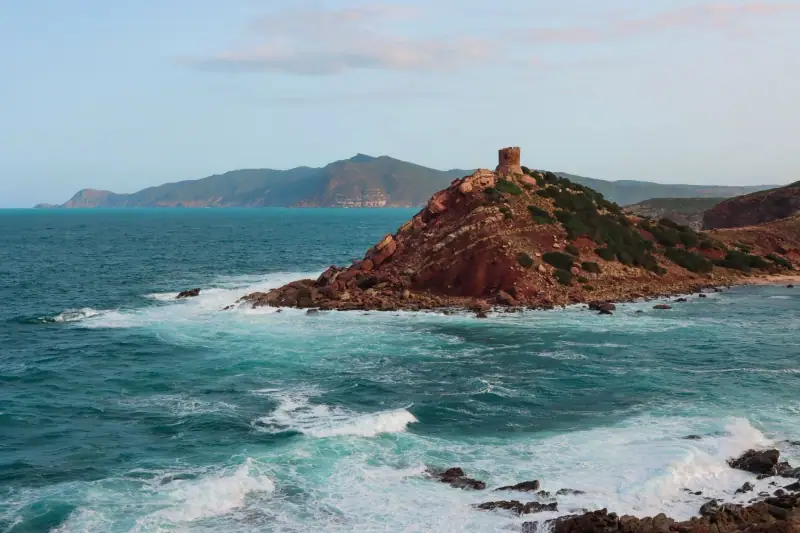
Mediterranean island · Italy
Turquoise coves, granite headlands and stone villages inland, on an island where the drive between beaches is part of the trip.
18 guides3 itinerariesTrip planner
Island add-on outside the planner. The loop from Cagliari is 12 to 14 days, 1,200 to 1,400 km (750 to 870 mi).
Southern Italy · Italy
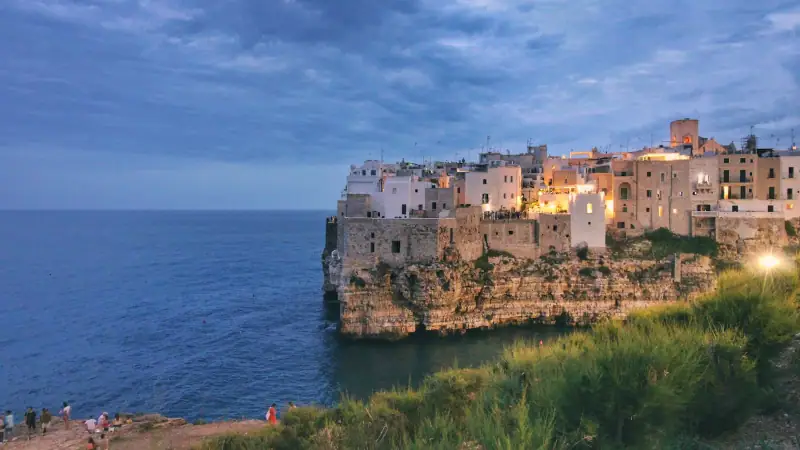
Whitewashed hill towns, trulli and two coastlines in the heel of Italy, with short drives between stops.
21 guides6 itinerariesTrip planner
Trulli, Bari, baroque Lecce and Salento beaches. Matera is 3 h 35 from Sorrento, 7 h 45 from Florence.
Two. The 10-day route links the Italian Lakes and the Dolomites with four bases (Bellagio, Sirmione, Ortisei, Cortina), flying into Milan and out of Venice.
Yes, in 14 days. Florence to Sorrento is 5 h 40 and 514 km (319 mi) by car. The 14-day route runs from Pisa to Naples with six bases and one long drive.
Between regions, yes. In cities you can leave it: Florence, Como and Maggiore work without one, and on the Amalfi Coast buses and ferries suit high season better.
Only as a separate stage. They are islands reached by plane or ferry, and our guides give no crossing time. Sicily needs about 14 days for a full loop, Sardinia 12 to 14.
A ZTL is a limited traffic zone in a historic center. Cameras fine vehicles automatically, and the rental company passes the fine on to you. Park outside or ask your hotel.
The routes use Milan Malpensa (MXP), Venice (VCE), Pisa (PSA), Naples (NAP) and Bari (BRI), arriving at one and leaving from another. Compare open-jaw tickets and the one-way car fee.