Plan your trip
Budget for a trip to Germany: real costs and 3 costed profiles
We may earn a commission when you book through links on this page, at no extra cost to you. We don't visit or try the places we cover: we summarize published sources. How we work
In short
- Excluding flights, expect to spend roughly €70 to 90 (about $80 to 105) per person per day as a thrifty traveler, €130 to 180 (about $150 to 210) for comfort and over €280 (about $325) for premium.
- Lodging is almost always the heaviest item, followed by intercity transport and then meals. Berlin, Leipzig and Dresden are clearly cheaper than Munich, Frankfurt or Hamburg.
- Since January 1, 2026, the Deutschlandticket costs €63 (about $73) per month: local and regional transport across the country, but not ICE and IC trains.
- Book long-distance trains early, stay slightly away from the center, and avoid Oktoberfest, trade fairs and Advent if the budget is tight.
Some travelers imagine Germany as an expensive destination, others as a cheap one. Reality lies in between, and depends mostly on three things: the city, the season and how you get around. A night in Munich during Oktoberfest is nothing like a night in Leipzig in February, and an ICE trip booked six weeks ahead sometimes costs less than a ticket bought the day before for a much shorter distance.
This guide breaks the budget down item by item, with prices gathered in 2026 from public sources, then offers three traveler profiles with daily per-person costs. The amounts are benchmarks: they move with dates and years, and we round them on purpose. Before booking, always check current rates with the providers.
What to remember at a glance
Excluding flights, a thrifty traveler can get by on €70 to 90 (about $80 to 105) a day, a “comfort” traveler on €130 to 180 (about $150 to 210), and a high-end traveler will easily exceed €280 (about $325) a day. The heaviest item is almost always lodging, followed by intercity transport and then meals. Activities weigh little if you alternate paid visits and free sights.
Berlin, Leipzig, Dresden and more generally the east of the country are noticeably cheaper than Munich, Frankfurt or Hamburg. If you are torn between several cities for a short stay, this criterion alone can change the bill by 20 to 30%.
Lodging: the first expense item
Lodging generally represents between a third and a half of the daily budget. It is also where you have the most room to maneuver.
Hostels and dorms
A dorm bed costs, depending on the city and the season, around €20 to 40 (about $23 to 46) a night. For two, a private room in a hostel often comes to around a hundred euros: the average gathered in 2026 for two adults is around €100 to 110 (about $115 to 125) in Munich, Leipzig or Nuremberg, with strong variations (from under €60, about $70, off season to over €160, about $185, at peaks). So hostels are not always a saving for couples: compare with a small hotel.
Mid-range hotels
A three-star hotel is more likely to cost €80 to 150 (about $93 to 175) a night for a double room, with breakfast sometimes extra (often €10 to 20, about $12 to 23, per person, which is worth comparing with a bakery). Budget chains on the outskirts or near stations are a good option to limit the bill, provided you factor in the cost of getting to the center.
High-end hotels
For a four- or five-star, expect to pay from €200 (about $230) a night and up to €400 (about $465) or more in capitals, in Munich or in Frankfurt during a trade fair. Value is good in the east of the country and in mid-sized cities.
Neighborhoods and cities: where to stay to pay less
In big cities, staying slightly away from the center, near a U-Bahn or S-Bahn station, is the simplest way to bring the price down. For Berlin, our guide to choosing where to stay in Berlin by neighborhood details the most practical areas. For Munich, staying in a neighboring town linked by train can cut the bill, especially during events.
Compare lodging prices before fixing your dates: the gap between two weeks can exceed 50% in the same city. Test several dates and filter lodging with free cancellation to stay flexible.
Transport: trains, the Deutschlandticket and getting around town
Germany has a dense rail network, but fares are harder to predict: everything depends on advance booking and the type of train.
Getting to Germany
Compare flight, train and car, taking baggage and transfer time into account. Prices vary too much to pin down: we only give rough figures here, to be checked when you book.
Long-distance trains (ICE, IC)
Deutsche Bahn offers “Sparpreis” and “Super Sparpreis” fares on ICE and IC trips. Promotional offers sometimes start at a few euros for short trips and around €18 (about $21) for longer distances, but these tickets are limited in number and non-changeable or non-refundable. The earlier you book, the better your chances of finding these fares. Conversely, a “flexible” ticket bought the same day can cost several times more.
If you plan several long-distance trips, a discount card can pay off (promotions mention, for example, 25% off with a BahnCard), but do the math first: it is only worthwhile beyond a certain number of trips.
The Deutschlandticket: a small budget’s best friend
Since January 1, 2026, the Deutschlandticket costs €63 (about $73) a month (it was €58, about $67, before). It is a monthly subscription that lets you travel across the country on local and regional transport: subways, trams, buses, S-Bahn and regional trains (RE, RB). It does not cover ICE and IC trains. For a stay of one to two weeks with many regional trips, it can be very worthwhile, because many routes can be done on regional trains without a reservation.
Two things to know: it is a subscription that you must cancel before the end of the month to avoid being charged for the next month, and the price will change from 2027 according to an index. Check the conditions on the official Deutsche Bahn website when you buy. For a stay of a few days in a single city, a day pass or a book of tickets from the local network may be simpler.
Urban transport
A single ticket in town is around €3 (about $3.50), a bit more in some cities, with day or three-day passes often better value once you make more than two trips. Many historic centers can be explored on foot, which cuts the cost further. Our 3-day Berlin itinerary shows, for example, how to link neighborhoods while limiting trips.
Renting a car
A car is useful for the Romantic Road, the Black Forest or the Bavarian Alps, less so in big cities, where parking is expensive and traffic sometimes restricted. On top of the rental price, add fuel, car parks and any low-emission zones.
Guided tours at a known price: booking a tour or an excursion in advance lets you know exactly what you will spend and avoid lines. Compare offers, duration and meeting point before paying.
Meals: eating well without breaking the bank
Street food and fast food
Street food is the budget’s best ally. A currywurst generally costs between €4 and 6 (about $5 to 7). The döner, which has become a German classic, has seen its price climb in recent years: expect to pay around €6 (about $7) or more, depending on the city. Bakeries offer sandwiches, pretzels and pastries for a few euros, which lets you put together a cheap breakfast or lunch.
Restaurants
A main dish in a simple restaurant is around €12 to 18 (about $14 to 21), and a full meal in a mid-range restaurant is around €30 to 35 (about $35 to 41) per person with a drink. For a cheaper meal, look for lunch menus (“Mittagstisch”), often cheaper than dinner. Our guide to German food specialties will help you choose typical dishes.
Drinks
A 0.5 L draft beer costs around €4 to 5 (about $5 to 6) in an ordinary bar or beer hall, more in tourist places and during festivals. In beer gardens, prices climb in summer. A beer at the supermarket costs only about a euro (about $1.15), and you get the deposit (Pfand) back by returning the bottle.
Supermarkets and groceries
Discount supermarkets are a bargain: bread, cold cuts, cheese, fruit and drinks let you put together picnics and breakfasts for a few euros. They are generally closed on Sundays, so shop the day before.
How much to plan for food
In thrifty mode, €15 to 25 (about $17 to 29) a day is enough (simple breakfast and lunch, one street food dinner). In comfort, expect more like €35 to 50 (about $41 to 58) with a sit-down restaurant meal. In premium, €60 (about $70) and more is quickly reached if you choose fine-dining restaurants.
Activities and visits: what costs, what is free
Many things cost nothing: walking in historic centers, strolling along riverbanks, enjoying parks, browsing the markets. Museums and castles, on the other hand, charge admission, with differences between cities.
A few price benchmarks in 2026
- In Berlin, an individual museum ticket is most often around €14 (about $16), the day ticket for all of Museum Island is €24 (about $28) and the Museum Pass Berlin, valid for three consecutive days and covering more than 30 museums, is €32 (about $37).
- At Neuschwanstein Castle, adult entry is about €21 (about $24) in 2026, with booking fees of a few euros online; under-18s enter free, but a named ticket is required. Our guide to Neuschwanstein and Füssen details how to organize the visit.
- Rhine cruises, guided tours and excursions vary widely with the duration and the option: compare them before booking. For a pay-as-you-go trip on the river, our Romantic Rhine itinerary gives benchmarks.
Passes and city cards
City cards (transport and discounts) are worth it if you string visits together. Calculate the cost of what you really plan to visit: a pass only pays off if you use at least three or four of its benefits. For Berlin, for example, the €32 (about $37) Museum Pass pays for itself when you visit several €14 (about $16) museums over the three days.
How much to plan per day
Allow €5 to 10 (about $6 to 12) a day in thrifty mode (one or two entries, the rest free), €20 to 35 (about $23 to 41) in comfort and €50 (about $58) or more in premium (private tours, shows, excursions).
Three costed budget profiles
Here are three profiles for one person, per day, excluding round-trip flights. The figures are estimates based on the prices gathered above and the averages published by several budget guides; they assume a city stay with a few excursions on regional trains.
Profile 1: the thrifty traveler (about €70 to 90, or $80 to 105, per day)
- Lodging: dorm or simple shared room, €30 to 45 (about $35 to 52) per person.
- Transport: Deutschlandticket or local passes, €10 to 20 (about $12 to 23) a day on average.
- Meals: bakery, supermarket, street food, €15 to 25 (about $17 to 29).
- Activities: €5 to 10 (about $6 to 12), favoring free visits.
This profile suits a stay in Berlin or in the east of the country, with careful organization and advance bookings.
Profile 2: the comfort traveler (about €130 to 180, or $150 to 210, per day)
- Lodging: three-star hotel, €50 to 80 (about $58 to 93) per person if traveling as two.
- Transport: a mix of regional trains and a few ICE trips at advance fares, €20 to 35 (about $23 to 41) a day.
- Meals: a real restaurant meal a day, €35 to 50 (about $41 to 58).
- Activities: €20 to 35 (about $23 to 41), with a pass or guided tours.
This is the most common profile for a week-long stay, and the one with the best balance between enjoyment and price.
Profile 3: the premium traveler (€280 and up, about $325 and up, per day)
- Lodging: four- or five-star hotel, €120 to 200 (about $140 to 230) per person as two.
- Transport: ICE in business class, taxis or rental car, €40 to 60 (about $46 to 70).
- Meals: good restaurants and renowned beer halls, €60 (about $70) or more.
- Activities: private excursions, shows, €50 (about $58) or more.
A costed example for a week for two
As an illustration, a week for two in comfort profile comes to roughly €1,800 to 2,500 (about $2,100 to 2,900) there for two people, excluding flights, with significant variations depending on the city and the season. The same stay in thrifty mode comes to more like €1,000 to 1,300 (about $1,160 to 1,510) for two. These ranges are indicative: the earlier you book and the further you stay from high-demand periods, the closer you will be to the bottom of the range.
A good tip to stay on budget: lock in lodging early with a free-cancellation booking, then watch prices. If the rate drops, you can book again without risk.
Hidden costs not to forget
A few expenses often go unnoticed:
- The tourist tax: charged by many cities, it is added to the room price; it varies by municipality and lodging category.
- The bottle deposit (Pfand): a few tens of cents per bottle or can, recovered by returning them.
- Paid toilets: in stations and some public places, bring change.
- Booking fees: some sites add a few euros, notably online.
- Bank fees: check with your bank; card payments and withdrawals abroad may be charged depending on your contract.
- Travel insurance: an item not to neglect if you go for a long time or want to cover an expensive trip. Compare the coverage before choosing a policy.
Cash or bank card?
Germany is a country where people paid in cash for a long time, and the habit persists. Cards work in most hotels, department stores and restaurants, but some small shops, markets, beer halls and ticket machines accept only cash or a specific card. Withdraw a small amount on arrival, keep change for tips and toilets, and don’t rely on your card without a plan B. Our detailed guide: paying in Germany, bank card or cash.
12 tips to spend less
- Book trains early: “Sparpreis” fares go fast and are capped in number.
- Use the Deutschlandticket for regional trips, and remember to cancel it before the end of the month.
- Avoid peak periods: Oktoberfest, trade fairs, Christmas markets. Our guide on when to go to Germany details the calendar.
- Stay outside the center, near a subway or a station.
- Look for lodging without breakfast included: a bakery often costs less than the hotel buffet.
- Shop at the supermarket for picnics and breakfast.
- Make lunch your restaurant meal: set menus are cheaper than dinner.
- Return your bottles to recover the deposit.
- Mix paid and free visits: one big visit a day is enough.
- Compare passes before buying them, according to what you really plan to visit.
- Travel on weekdays if possible: weekend lodging is more expensive in leisure cities.
- Take advantage of free or pay-what-you-wish guided tours, offered in several big cities, and leave a tip at the end.
Booking ahead often means paying less: skip-the-line tickets, tours and excursions booked online avoid lines and unpleasant surprises. Check the cancellation conditions and the meeting point.
Budget by destination: which city to choose?
The choice of city is the biggest lever on your budget:
- Berlin, Leipzig, Dresden: among the cheapest in the country, with a wide range of lodging and restaurants. Our 2-day Dresden itinerary shows that a short stay remains very affordable.
- Munich: one of the most expensive cities, especially in September-October. Our 3-day Munich itinerary helps you optimize the route so as not to multiply costs.
- Hamburg: big port-city prices, with free activities along the harbor; see our 2-day Hamburg itinerary.
- Black Forest and Rhine: intermediate budget, with real savings in staying in small towns rather than in heavily visited resorts; see our 3-day Black Forest itinerary.
The right budget is the one you control
Traveling in Germany does not require an outsized budget, provided you plan lodging and trains ahead, choose the right city and the right period, and keep a margin for the unexpected. Plan about 10% more than your estimate for unforeseen expenses, and check current rates just before booking: it is the best guarantee of staying within your budget.
Sources
- Staatliche Museen zu Berlin: prices checked November 2026
- Hohenschwangau Ticket Center (Bavarian Palace Department): prices checked November 2026
Frequently asked questions
What daily budget should you plan for traveling in Germany?
Excluding flights, expect to spend roughly €70 to 90 (about $80 to 105) per person per day in thrifty mode (dorm or simple hotel, cheap meals), €130 to 180 (about $150 to 210) in comfort and over €280 (about $325) in premium. These orders of magnitude vary by city and season: Munich and Frankfurt are more expensive than Berlin, Leipzig or Dresden.
Is Germany expensive?
Grocery shopping and simple meals are often affordable, while lodging in big cities and during trade fairs or Oktoberfest is clearly more expensive. Long-distance transport depends a lot on when you book.
How much does the Deutschlandticket cost in 2026?
Since January 1, 2026, the Deutschlandticket costs €63 (about $73) per month. It is a monthly subscription and gives access to regional and local transport across the country, but not ICE and IC trains. Remember to cancel it before the end of the month if you do not keep it.
Can you pay by card everywhere in Germany?
More and more, but not always everywhere. Some small restaurants, bakeries, beer gardens or markets still prefer cash or accept only certain cards. Always keep a little cash and check that your bank card does not charge fees abroad.
Should you tip in Germany?
Service is included, but it is customary to round up the bill or leave about 5 to 10% in a restaurant. Tell the server the total amount when paying rather than leaving change on the table.
What is the cheapest time to go?
Low season, from January to March and in November outside the Christmas markets, generally offers the cheapest lodging. Avoid big trade fairs, Oktoberfest and Advent if your budget is tight.
Are museums expensive in Germany?
They are reasonable, but the total climbs quickly in a city like Berlin. A multi-museum pass, like the Museum Pass Berlin at €32 (about $37) for three days, pays off from three or four major visits. Some museums also offer a free day or reduced rates: check their websites.
More Germany guides
Keep reading

When to go to Germany: seasons, weather and events
What is the best time to visit Germany? Climate by season, Oktoberfest, Christmas markets, vineyards and tips for choosing your travel dates.
What to see in Bavaria: Munich, castles, the Alps and medieval towns
What to see in Bavaria: Munich, Neuschwanstein, the Romantic Road, Bamberg, Regensburg, Berchtesgaden and the Alps. Tips for planning your trip.

Skiing in Bavaria: Garmisch-Partenkirchen, the Zugspitze and German ski resorts
Skiing in Bavaria in 2026-2027: Zugspitze, Garmisch-Classic, passes at €69-78, season dates, access from Munich, other resorts and off-piste fun.
Ready-made
Germany itineraries
3 days
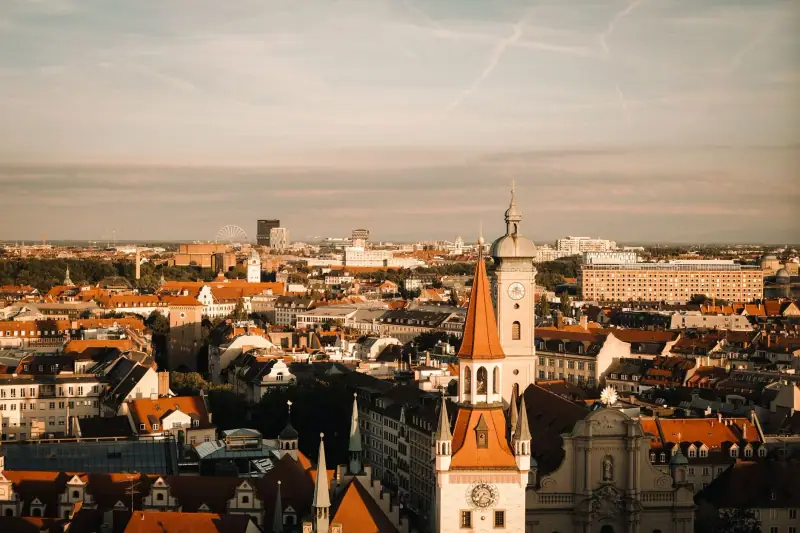
Munich in 3 days: an itinerary through the old town, museums and parks
What to do in Munich in 3 days? Marienplatz, Residenz, Englischer Garten, Nymphenburg, museums and beer halls: a day-by-day itinerary with practical tips.
3 days
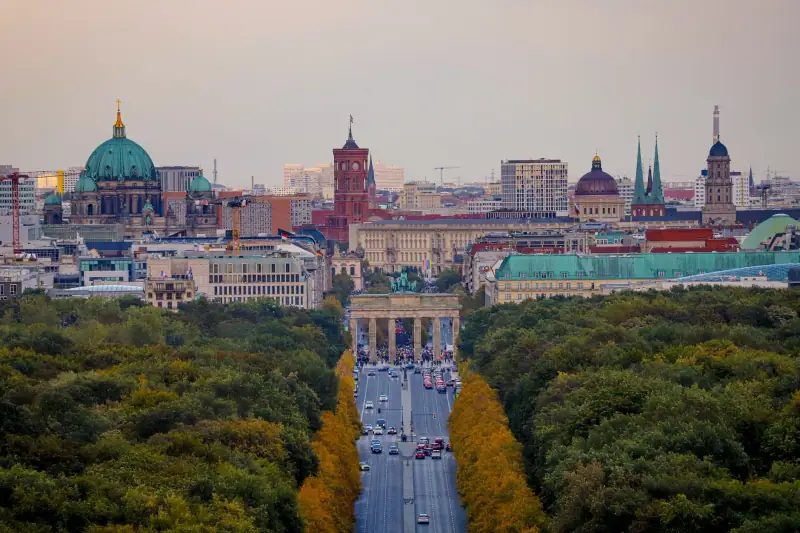
Berlin in 3 days: a day-by-day itinerary
What to see in Berlin in 3 days: Brandenburg Gate, Reichstag, Museum Island, Wall memorial, Potsdam and neighborhoods. A clear day-by-day itinerary.
3 days
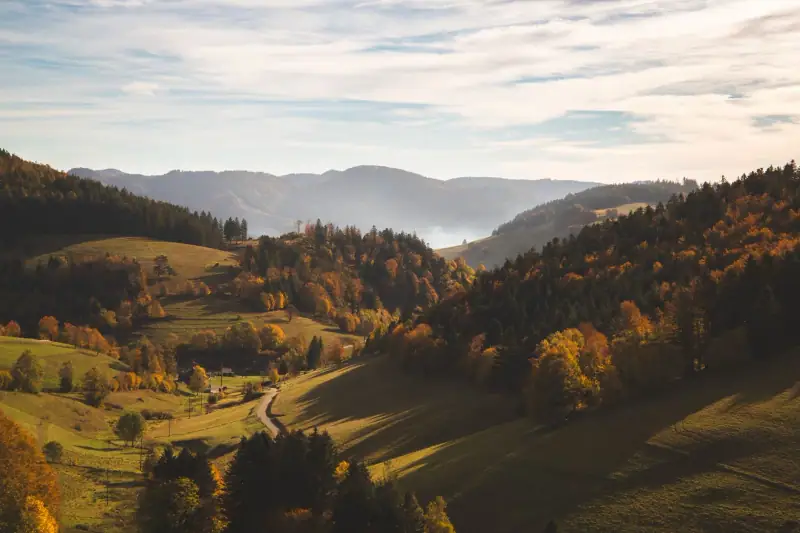
Black Forest in 3 days: a road trip itinerary from Baden-Baden to Freiburg
A 3-day Black Forest itinerary: Baden-Baden, Triberg, Gutach, Freiburg im Breisgau, Titisee and Feldberg. Stops, drives, tips and where to stay.