Plan your trip
Budget for a stay in Savoie: real costs and 3 priced profiles
We may earn a commission when you book through links on this page, at no extra cost to you. We don't visit or try the places we cover: we summarize published sources. How we work
In short
- Weekly budget per person, excluding travel to Savoie: €400 to 600 (about $465 to $695) frugal, €900 to 1,400 (about $1,045 to $1,625) comfortable, €2,000+ (about $2,320) ski season.
- Season is the first price factor: July-August and winter school holidays (February especially) are the most expensive.
- 2026-2027 adult day lift pass: €63 (about $73) at Le Grand Massif and about €84 (about $97) in the Three Valleys.
- Cheapest levers: travel off season, cook with a kitchen, picnic with market food, leave the car in well-served towns and favor free hikes and beaches.
Savoie has a reputation for being an expensive destination, and that is not entirely false: ski lift passes, lakeside hotels in summer, resort restaurants. Yet the same mountains can be visited on a very tight budget, as long as you know where the real expense items lie. This guide details the real costs by item, offers three priced budget profiles and gathers the tips that really lower the bill. The amounts quoted are orders of magnitude gathered in early October 2026; they change with the season, so always check rates before booking.
The main expense items in Savoie
A stay breaks down into four blocks: lodging, transport, meals and activities. In summer, lodging generally weighs the most. In winter, it is the sum of resort lodging and ski lift passes that pushes up the total.
Season is the first price factor, far ahead of the choice of town. July-August and winter school holidays (February in particular) concentrate the highest rates. To know when to go according to your budget and wishes, see our guide to when to go to Savoie by season.
Another thing to keep in mind: Savoie is not a uniform block. Annecy and its lake are in high demand in summer, Chamonix is busy all year, and the Tarentaise resorts are among the most expensive in France in winter. Conversely, Chambéry, Aix-les-Bains or the Maurienne remain markedly more affordable.
Lodging: the first expense item
Hotels: from €70 (about $81) to over €200 (about $230) a night
Around Annecy, 2026 surveys put a double room in a decent hotel between €120 and 180 (about $140 to $210) a night on average, with rates easily above €200 (about $230) in summer for a lakeside property. Near the train station, rates are more like €130 to 160 (about $150 to $185) in season.
In Chamonix, a 2-star hotel averages around €158 (about $185) a night, with considerable range: some nights in low season fall toward €70 (about $81), while other periods go well beyond €500 (about $580) for the most upscale properties. This range shows how much the booking date matters.
To understand which neighborhood to choose in Annecy according to your budget and way of getting around, read our guide where to stay in Annecy.
Compare lodging in Savoie
Prices vary up to threefold by date. Compare hotels and apartments, with free cancellation when offered.
Campgrounds, gîtes and rentals
Camping remains the most economical option for a summer stay. Around Lake Annecy, one campground showed pitch packages from €27 to 64 (about $31 to $74) depending on the period, while a simply run municipal campground can drop to a few euros a day for the pitch. The gaps come from the services: pool, electricity, closeness to the beach.
Gîtes, guesthouses and vacation rentals become attractive as soon as you are four or more, or if you stay a week: the equipped kitchen lets you cut the meals item sharply. In ski resorts, studio and apartment rentals, often Saturday to Saturday, remain the most cost-effective solution for a group or a family.
Hostels and mountain huts
For hikers, mountain huts offer half board (night, dinner and breakfast) at a rate that varies greatly with altitude and season. Book ahead in summer: places go fast, and conditions are specific to each hut.
Transport: car or train?
Getting to Savoie
The trip from Lyon is the simplest: a Lyon-Annecy train ticket bought the same day costs on average about €30 (about $35), with tickets possible from €20 (about $23) when booked ahead. The trip takes on average a little over two hours.
By plane, arrivals are mostly through Lyon or Geneva, then by road or train. Geneva is about 45 km (28 mi) from Annecy, but remember to include the transfer cost in your budget.
Renting a car: a budget item of its own
A car gives freedom, but adds several lines to the budget: rental, fuel, tolls on Alpine motorways, parking, and the mandatory winter equipment in winter. Our article on car rental in Savoie details the rules and the pitfalls to avoid.
As for parking, the town of Annecy applies paid parking Monday to Saturday, from 9 am to 12 noon and from 2 pm to 7 pm, free outside those slots and on Sunday. Long-stay zones are posted at around €1 (about $1) an hour, while short-stay zones cost more. Parking garages have their own rates, higher in the town center.
Doing without a car
You can see a town like Annecy on foot and by bike, and the tour of the lake is possible without driving thanks to the cycle path and the boats. The Compagnie des bateaux du lac d’Annecy showed in its latest rate found about €19 (about $22) for the one-hour cruise and €21 (about $24) for the full tour of the lake on the all-stops circuit, with reduced rates for children. In Chamonix, local trains and buses link the main hiking trailheads. In resorts, shuttles are often included or very inexpensive.
Meals: from baguette and cheese to fondue
Eating on a small budget
Savoie is a region of produce: cheeses, cured meats, bread, seasonal fruit. A picnic made of local cheese, cured meat and a piece of fruit costs less than any restaurant and is eaten with a view of a lake or a summit. Our pages on Savoie cheeses and Savoie wines help you choose what is worth the spend.
The markets of the main towns are the ideal place to buy farm products at a good price. By cooking at least one meal in two, you easily halve the food item.
Restaurants
At a restaurant, a set lunch menu or a dish at a simple address is often between €15 and 25 (about $17 to $29). A fondue or raclette at a tourist restaurant costs more per person, all the more so in a resort or by a lake. Look for the posted menus and the lunch deals, often far better value than dinner.
A few tips: favor restaurants a little off the busiest roads, avoid ordering several drinks one by one (tap water is free in France) and share the hearty dishes.
Activities: from free to very expensive
Free or almost free activities
Savoie’s greatest wealth is free: hiking trails, public lake beaches, old towns, viewpoints. Our selection of easy hikes in Savoie has enough to fill several days without spending more than transport. Likewise, watching ibex and marmots in the Vanoise costs only the trip: see our guide to watching Vanoise wildlife.
Lifts and lift passes
This is where the bill can soar. For winter 2026-2027, public adult day rates are €63 (about $73) at Le Grand Massif and about €84 (about $97) in the Three Valleys (official ski area websites); La Plagne had not yet published its rates in mid-October 2026. These prices are indicative and change every season; multi-day passes, online booking or reduced child and senior rates cut the bill.
In summer, some sites are also paid. The Aiguille du Midi, in Chamonix, showed in 2026 a rate of about €83 (about $96) round trip for an adult, making it one of the most expensive excursions in the region. It is included in some multi-activity passes of the valley, to be compared if you plan several lifts.
Activities and excursions in Savoie
Cruises, guided outings, paragliding, tours: compare offers and their cancellation terms before booking.
Three priced budget profiles
The following estimates are given per person for a week, excluding the trip from your home, in summer unless noted. They combine the orders of magnitude above and remain indicative.
Tight budget: about €400 to 600 (about $465 to $695) a week
- Lodging: campground or hostel, about €150 to 250 (about $175 to $290) per person sharing a pitch for two.
- Transport: without a car, shuttles and bike, about €30 to 60 (about $35 to $70).
- Meals: groceries and picnics, a simple restaurant now and then, about €100 to 150 (about $115 to $175).
- Activities: free hikes and beaches, one paid activity, about €30 to 80 (about $35 to $93).
Comfortable budget: about €900 to 1,400 (about $1,045 to $1,625) a week
- Lodging: hotel or rental of decent quality, about €450 to 700 (about $520 to $810) per person in a double room.
- Transport: shared rental car, fuel, parking, about €120 to 250 (about $140 to $290).
- Meals: about one restaurant a day, about €200 to 300 (about $230 to $350).
- Activities: cruise, lift, one or two guided outings, about €100 to 200 (about $115 to $230).
Upscale or resort skiing: €2,000 (about $2,320) and more a week
- Lodging: 4-star hotel or resort apartment during school holidays, several hundred euros a day.
- Lift passes: at €60 to 80 (about $70 to $93) a day and more, a six-day pass easily exceeds €400 (about $465).
- Meals and extras: mountain restaurants, equipment rental, ski lessons, several hundred euros more.
These figures show that a ski week costs several times the price of a hiking week. The destination is the same, the budget is not.
12 tips to spend less
- Travel off season. May-June and September-October often offer more affordable lodging and quieter trails. Check opening dates for lifts and huts.
- Book early and favor free cancellation. The best rates go fast in high season, and a flexible booking lets you take advantage of a price drop.
- Stay away from the center. Lodging a few kilometers from the lake or town center is often cheaper, as long as you plan the commute well.
- Choose an equipped kitchen. Gîtes and apartments cut the cost of meals sharply.
- Shop at markets and cheese shops rather than tourist stores.
- Have lunch out, dine light. Lunch deals are almost always better value.
- Buy ski lift passes online and for several days, or compare small resorts with big ski areas.
- Compare multi-activity passes before paying for lifts one by one.
- Leave the car in well-served towns and use train, bus, bike and boat.
- Share the car among several travelers to split rental, fuel and parking.
- Fill a water bottle. Tap water is drinkable in France; avoid bottles sold at altitude.
- Favor free activities. Hiking, swimming, old-town visits: the region is full of them.
Sample itineraries and matching budgets
If you have a weekend, the most cost-effective approach is to pick a single base. Our weekend in Chambéry and Lac du Bourget shows that a town more discreet than its neighbors lets you avoid blowing your budget. For three days around the lake, the 3-day Lake Annecy itinerary offers a stay focused on walking, cycling and boating.
Comparing two types of stay also helps decide. A long weekend in Chambéry with train, hostel and market meals can stay under €150 (about $175) per person, while a weekend in Chamonix with hotel, restaurant and lift easily exceeds double that.
Apartments and rooms for small budgets
For a group stay, compare studios and apartments with a kitchen, often cheaper than a hotel.
Costs you think of too late
A few expenses never appear in comparison sites but weigh on the final total:
- Gear: good hiking shoes, warm clothes, sunscreen, a bag. Our page accessories for Savoie helps you buy only what is useful.
- The tourist tax, charged per night and per person in most municipalities, whose amount depends on the lodging category.
- Insurance: cancellation, repatriation, and for skiing, cover suited to mountain rescue.
- Parking and tolls, often forgotten in calculations.
- Ski equipment: renting skis, boots and a helmet comes on top of the lift pass, and group or private lessons also weigh on the family budget.
A simple tip: add a 10 to 15% margin to your budget for the unexpected. A day of bad weather, a quick meal on the go or an unexpected parking fee is enough to eat that cushion.
Should you really aim for the lowest budget?
Not necessarily. The most worthwhile savings are those that take nothing away from the experience: traveling in the shoulder season, eating a picnic in front of a lake, walking rather than paying for a lift. On the other hand, cutting all the pleasure spending turns a stay into an obstacle course. Decide in advance on two or three expenses that truly matter to you, for example a good dinner or a boat outing, and save on the rest. That balance gives a realistic budget and a successful stay.
Sources
- Haute-Savoie Tourisme: prices checked November 2026
- Les 3 Vallées: prices checked November 2026
- Chamonix tourist office: prices checked November 2026
Frequently asked questions
What budget should you plan for a week in Savoie?
Excluding transport from home, expect about €400 to 600 (about $465 to $695) per person for a very frugal week (camping, groceries, free hikes), €900 to 1,400 (about $1,045 to $1,625) at intermediate comfort, and well over €2,000 (about $2,320) in ski high season with resort lodging. These are orders of magnitude: prices vary strongly with the period.
What is the cheapest time to visit Savoie?
The shoulder seasons, notably May-June and September-October, are generally the most affordable: cheaper lodging, less crowded trails. Note that some lifts, mountain huts and high-altitude restaurants may be closed between seasons.
How much does a day ski pass cost in Savoie?
For winter 2026-2027, public adult day rates are €63 (about $73) at Le Grand Massif and about €84 (about $97) in the Three Valleys; La Plagne had not yet published its rates in mid-October 2026. They change every season and are often cheaper when booked online or bought for several days: check the resort's website.
Can you visit Savoie without a car to save money?
Yes, if you stay in a well-served town like Annecy, Chambéry or Chamonix, or in a big resort with shuttles. You avoid rental, fuel and parking. To combine several valleys, a car remains more practical.
Is camping really cheaper?
Generally yes: a camping pitch around Lake Annecy ranges, depending on the site and season, from about €30 (about $35) to over €60 (about $70) a night for an equipped pitch, with municipal campgrounds much cheaper. It is cheaper than a hotel as soon as you travel as two or more, especially in summer.
How much does a restaurant meal cost in Savoie?
A set lunch menu or a dish in a simple restaurant is often between €15 and 25 (about $17 to $29), while a fondue or raclette at a tourist address generally costs more per person, especially in resorts. Rates vary by place: check the menu before sitting down.
More Savoie guides
Keep reading
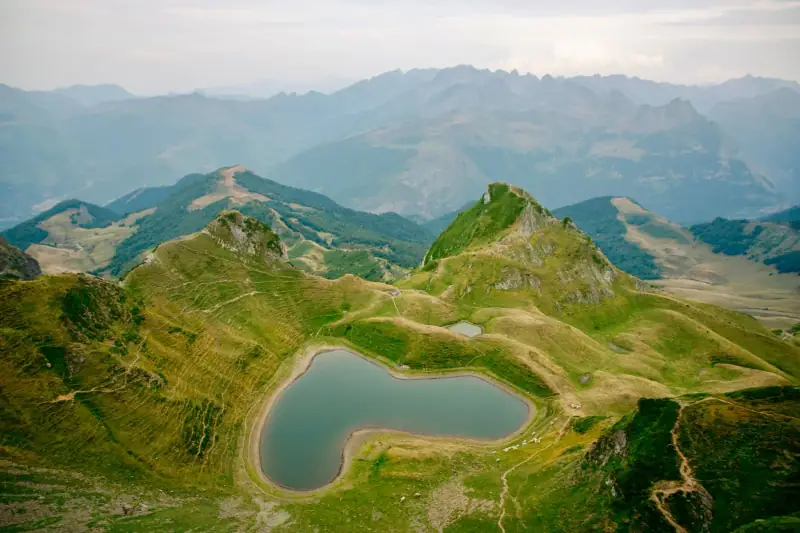
When to go to Savoie: seasons, weather and best times
Winter, summer, fall or spring: what is the best time to go to Savoie? Weather, snow, hiking, lakes, crowds and tips to choose well.
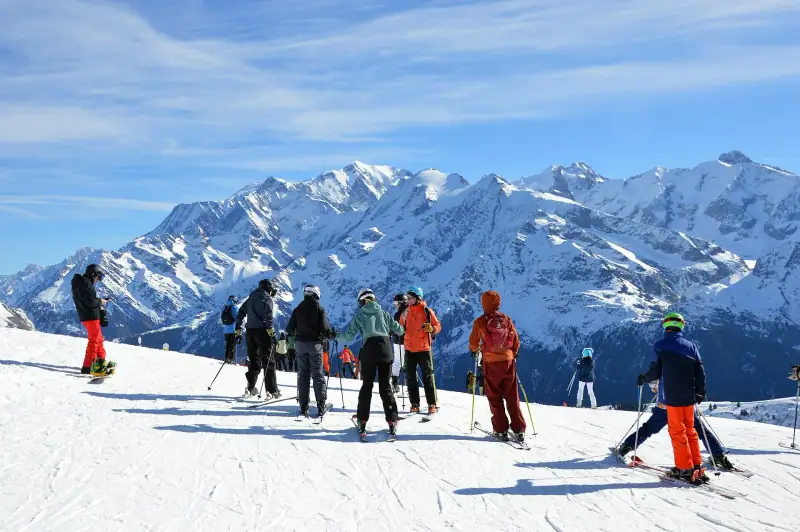
The best ski resorts in Savoie: ski areas, levels and budgets compared for 2026-2027
Which ski resort to choose in Savoie in 2026-2027? Ski areas, levels, opening dates and lift passes compared to match your budget.
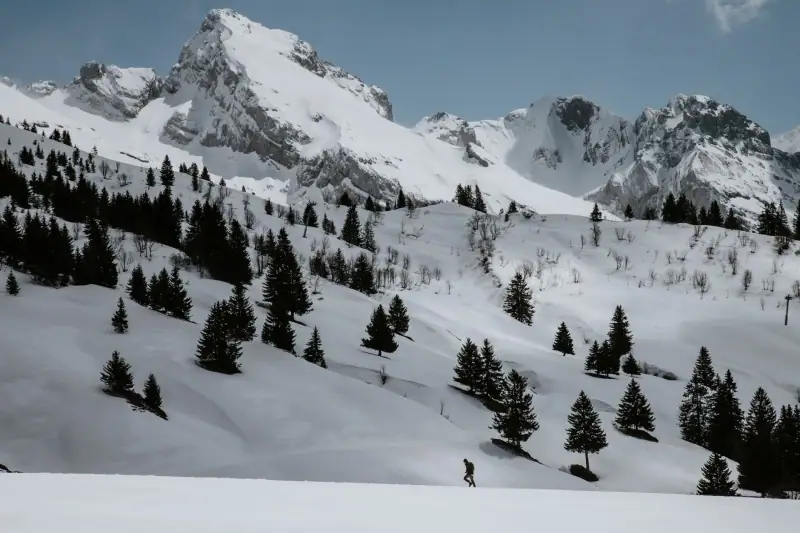
What to do in Savoie in winter without skiing: snowshoeing, dog sledding, ice climbing, thermal baths
What to do in Savoie in winter without skiing? Snowshoeing, dog sledding, ice climbing, thermal baths, sledding and villages: ideas and points to check.
Ready-made
Savoie itineraries
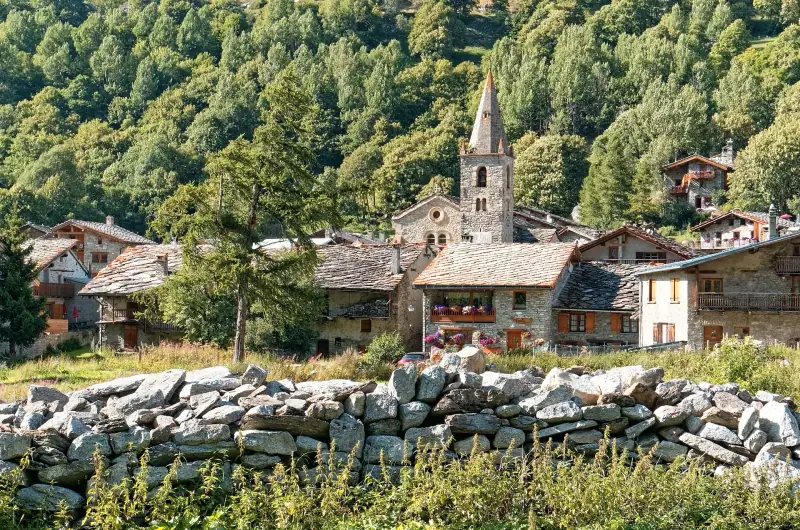
7 days
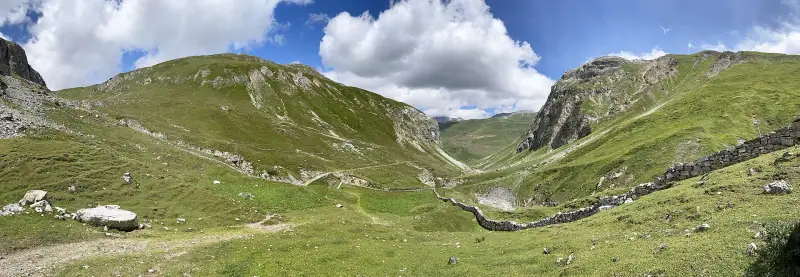
One week in Savoie: a day-by-day road trip itinerary
Chambéry or Aix-les-BainsAnnecyMegève or ChamonixTarentaise (Bourg-Saint-Maurice or Val d'Isère)
5 days
Savoie in 5 days without a car: a realistic itinerary by train and bus
ChambéryAnnecyChamonix
3 days
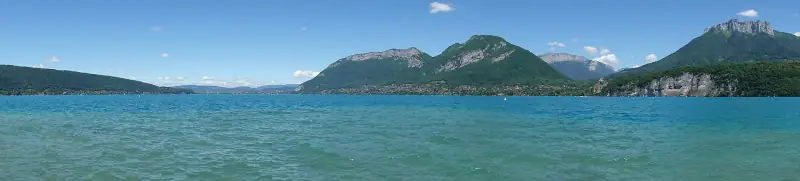
3 days around Lake Annecy: a day-by-day itinerary
What to do in 3 days in Annecy and around the lake? Old town, Talloires, Menthon, Duingt, cycling, swimming and Semnoz: a detailed, realistic itinerary.