Itineraries
One week in Savoie: a day-by-day road trip itinerary
We may earn a commission when you book through links on this page, at no extra cost to you. We don't visit or try the places we cover: we summarize published sources. How we work
Day by day
- Day 1Chambéry: old town, castle, Elephants Fountain
- Day 2Aix-les-Bains and Lac du Bourget
- Day 3Annecy: canals, Palais de l'Île, Pâquier
- Day 4Tour of Lake Annecy, then Megève
- Day 5Chamonix-Mont-Blanc: Aiguille du Midi, Mer de Glace
- Day 6Drive to the Tarentaise via Albertville
- Day 7Maurienne, Col de l'Iseran in season, return
Where to sleep
- Chambéry or Aix-les-Bains2 nights
- Annecy1 night
- Megève or Chamonix2 nights
- Tarentaise (Bourg-Saint-Maurice or Val d'Isère)1 night
In short
- Seven days run from the towns and lakes (Chambéry, Aix-les-Bains, Annecy) through Megève and Chamonix to the Tarentaise and the Maurienne.
- Four bases are enough: Chambéry or Aix-les-Bains (2 nights), Annecy (1), Megève or Chamonix (2), then the Tarentaise (1).
- No stage exceeds about 120 km (75 mi); over the week, expect roughly 450 to 550 km (280 to 340 mi) depending on detours.
- The Col de l'Iseran is closed in winter and reopens in the warm season with dates that change each year; check before counting on it.
A week is the ideal length to taste the diversity of Savoie: from peaceful lakes to high-mountain valleys, from towns of art and history to the summits of Mont Blanc. This seven-day route follows a simple logic, from bottom to top: you start with the towns and lakes, continue with the Chamonix valley, then climb to the Tarentaise and the Maurienne, where the road becomes a mountain pass.
All the distances and durations below are orders of magnitude. They vary with traffic, weather and season: confirm them with your GPS on the morning of departure. No stage exceeds about 120 km (75 mi). If you prefer to travel without driving, see instead our 5-day itinerary without a car by train and bus.
Overview: seven days, four bases
| Day | Stop | Trip |
|---|---|---|
| 1 | Chambéry | Arrival, visit on foot |
| 2 | Aix-les-Bains and Lac du Bourget | About 15 km (9 mi) from Chambéry |
| 3 | Annecy | About 35 km (22 mi) from Aix-les-Bains |
| 4 | Lake Annecy then Megève | About 60 km (37 mi) to Megève |
| 5 | Chamonix-Mont-Blanc | About 35 km (22 mi) from Megève |
| 6 | Road to the Tarentaise | About 100 to 120 km (62 to 75 mi), around 2 h |
| 7 | Maurienne and return | Depending on your starting point |
The common thread: only four bases. Chambéry (or Aix-les-Bains) for the nights of days 1 and 2, Annecy for the night of day 3, Megève or Chamonix for the nights of days 4 and 5, then the Tarentaise for the night of day 6. On the last day, you come back down through the Maurienne. Depending on your arrival train station or airport, you can reverse the direction of the loop.
Day 1: Chambéry, the former capital of the Dukes of Savoy
Start with Chambéry, the historic capital of Savoie. The old town is compact, pedestrian and pleasant: castle of the Dukes of Savoy, Elephants Fountain, lanes and traboules (passageways) of the old center. In half a day, you have covered the essentials, and the late afternoon is happily spent on a terrace.
For the evening, try a local specialty: fondue, tartiflette or diot. Our guide to Savoie cheeses helps you understand what is on your plate. To go deeper into the town, read visiting Chambéry.
Sleeping in Chambéry
Compare hotels in the center, practical for visiting on foot and setting off easily the next day.
Day 2: Aix-les-Bains and Lac du Bourget
Lac du Bourget is about 15 km (9 mi) from Chambéry, a short 15-minute drive. It is the largest natural lake entirely in France, and it is visited at the pace of swimming, walking and cruising. Aix-les-Bains, a spa town, offers a pleasant center and a landscaped lakefront.
A possible program: the morning in the center of Aix-les-Bains (baths, Arch of Campanus), then lunch near the harbor. In the afternoon, head to the wilder west shore, with Hautecombe Abbey; check its visiting hours in advance. A cruise on the lake remains the simplest way to enjoy the landscapes without driving. The details are in visiting Aix-les-Bains and in our weekend in Chambéry and Lac du Bourget.
Excursions around Lac du Bourget
Cruises, guided tours and water activities to book ahead around Aix-les-Bains.
Day 3: Annecy, the “Venice of the Alps”
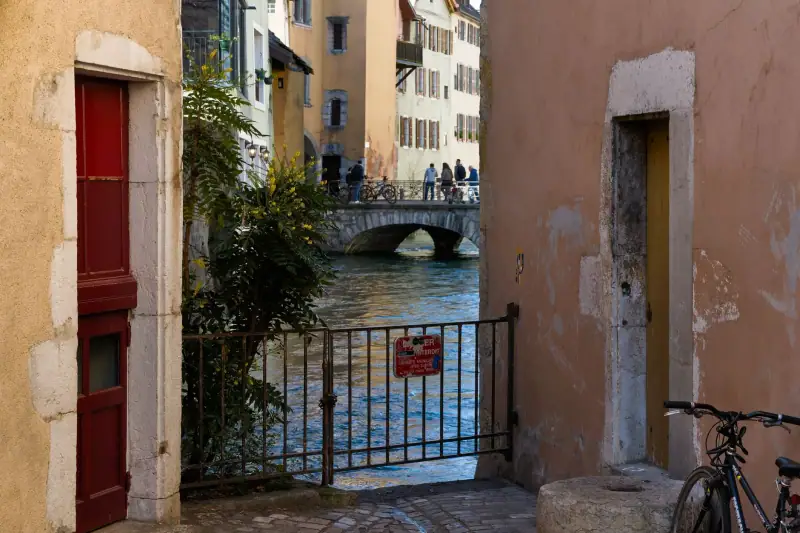
Between Aix-les-Bains and Annecy, allow about 35 km (22 mi) and under an hour by road depending on traffic. Leave the car in a parking lot on the outskirts or near the center: the old town is pedestrian and compact, and on-street parking there is limited.
You explore Annecy on foot: Thiou canals, Palais de l’Île, pedestrian streets of the old town, quays and the Pont des Amours, then the Pâquier and the lakeshore. Lake Annecy is known for the clarity of its water and the quality of its beaches; in summer, swimming is the main activity. To plan your stay there, see visiting Annecy and where to stay in Annecy.
Our guide to 3 days around Lake Annecy details the walks, villages and viewpoints if you want to stay longer. In this one-week itinerary, one night in Annecy is enough: the next morning is devoted to the tour of the lake.
Day 4: around Lake Annecy, then Megève
Devote the morning to a tour of Lake Annecy by car, boat or bike, with stops at Talloires, Menthon-Saint-Bernard or Veyrier-du-Lac. The lakeside path and the public beaches let you get some air before the road. Our article what to see around Lake Annecy lists the most interesting stops.
Then head for Megève, about 60 km (37 mi) away, around an hour by road. This village resort is known for its pedestrian center, its chalets and its more discreet atmosphere than the big resorts. For where to sleep, see where to stay in Megève. If you prefer to shorten the day, you can also go straight to Chamonix.
Sleeping in Megève
Chalets, charming hotels and apartments in the center or in quiet spots, to compare according to your budget.
Day 5: Chamonix-Mont-Blanc
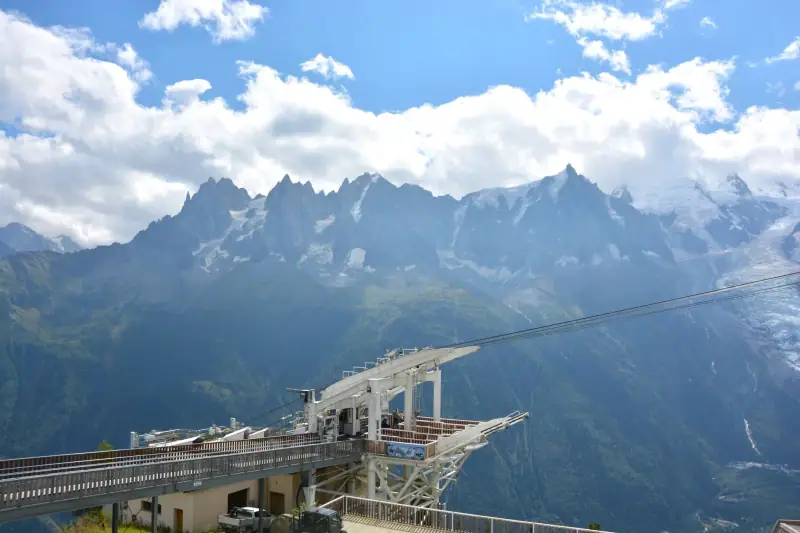
From Megève to Chamonix, allow about 35 km (22 mi) and under an hour by road. Chamonix is the heart of the Mont Blanc region: the valley is dominated by the massif and its glaciers, and you breathe the atmosphere of mountaineering.
The great classics are the Aiguille du Midi cable car, the Montenvers train to the Mer de Glace and valley-floor walks. Conditions depend heavily on the weather: check the forecasts and operating conditions the day before, book ahead in high season and keep a fallback in case of cloud. Our guide visiting Chamonix-Mont-Blanc details each option, and what to see in the Mont Blanc region widens the tour to neighboring villages.
Activities in Chamonix
Guided excursions, guided hikes and mountain activities to book online.
Need a base? See sleeping in Chamonix: types of lodging to choose between hotel, apartment and chalet.
Day 6: heading for the Tarentaise
This is the longest stage of the week: from Chamonix to Bourg-Saint-Maurice, allow about 100 to 120 km (62 to 75 mi), around 2 h of driving without traffic, via Sallanches and Albertville, or by the mountain roads of the Beaufortain, more picturesque but with some sections closed in winter. Leave early and keep a margin, especially on a summer Saturday.
The Tarentaise is the valley of the big resorts (Val d’Isère, Tignes, Courchevel) and the gateway to Vanoise National Park. Bourg-Saint-Maurice is a practical base, and Val d’Isère is about 30 km (19 mi) farther up. To go further, read what to see in the Tarentaise, visiting Bourg-Saint-Maurice and visiting Val d’Isère.
In the afternoon, choose an easy high-altitude walk or a wildlife-spotting outing. Vanoise park shelters ibex, chamois and marmots: our article on watching wildlife in the Vanoise covers the basics.
Sleeping in the Tarentaise
Bourg-Saint-Maurice and neighboring villages: hotels and apartments for a stop before the high mountains.
Day 7: Maurienne, Col de l’Iseran and return
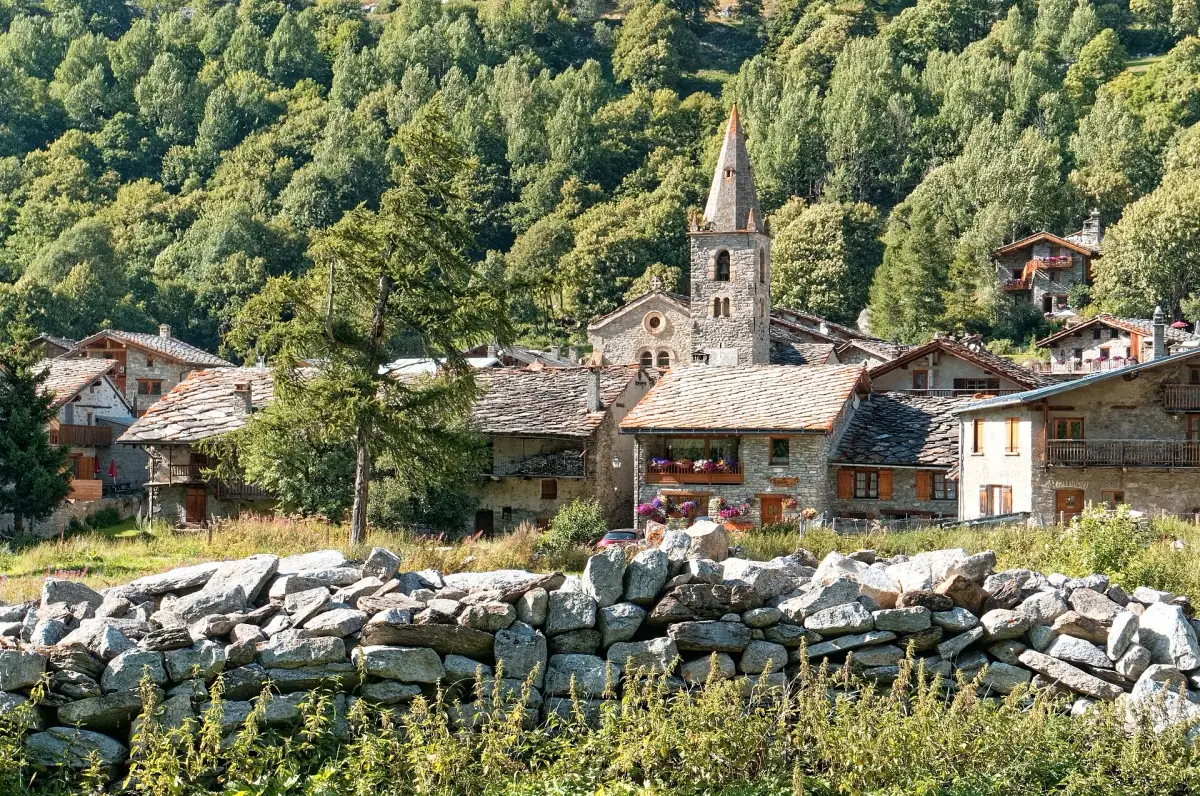
For the last day, two options depending on the season. In summer, climb from Val d’Isère to the Col de l’Iseran, one of the highest paved passes in the Alps, at about 2,760 m (9,055 ft), then descend to Bonneval-sur-Arc, a stone village at the end of the upper Maurienne. This pass is open only in the warm season, with dates that change every year: check its status before you go.
Off season, or if the pass is closed, simply come back down the Tarentaise and reach the Maurienne by the main roads, or head straight back to Chambéry. Our article what to see in Maurienne lists possible stops, including the Col du Galibier in summer. Allow about 2 h to 2 h 30 of driving to get back to Chambéry from the upper Maurienne, and leave time before a train or a flight.
If you rent a vehicle, our guide to renting a car in Savoie, winter and summer details the mandatory equipment by season.
Rent a car for the week
Compare rental companies for a vehicle picked up on arrival and returned at the end of the loop.
Budget and preparing the week
The budget varies strongly with the season and the type of lodging: summer high season and winter holidays push prices up, notably in Annecy, Chamonix and the resorts. Book nights ahead, especially for July and August. Our travel budget for Savoie details the main expense items.
Also think about choosing the right period: the guide when to go to Savoie explains what is open and when. As for gear, walking shoes, warm clothing even in summer and sun protection are enough for most stages; the gear for Savoie article lists them.
Tips for a successful loop
- Keep flexibility: the mountain imposes its weather. Schedule Chamonix for a day when the sky is clear, and swap days if needed.
- Plan for Saturday traffic: in summer and during holidays, roads to the valleys are busy.
- Check the passes: the Iseran, the Galibier and other passes are closed in winter.
- Avoid overloading: two activities well enjoyed are better than five skimmed.
- Book the headline activities: cable cars and excursions in high season fill up fast.
Frequently asked questions
Answers to the most common questions about this itinerary are in the FAQ below. If you hesitate between several formats, also look at our other itineraries: a shorter, calmer stay around Lake Annecy, or a route without a car. Whatever the format, Savoie rewards those who take their time: a sunrise over a lake, a cheese break or a walk with no goal often make the best memories.
Sources
- Savoie Route (Département de la Savoie): figures checked November 2026
Frequently asked questions
Is a week enough to discover Savoie?
Seven days let you see the essentials: a lake (Bourget or Annecy), the Chamonix valley and a big high-mountain valley like the Tarentaise or the Maurienne. You can't do everything, but you get a varied overview of the landscapes, the food and the towns.
Do you need a car for this itinerary?
It is the most flexible way, especially for the Tarentaise, the Maurienne and the passes. If you prefer train and coach, our 5-day itinerary without a car is limited to the towns and big valleys.
What is the best time to do this itinerary?
June to September, because the high-altitude passes, lifts and boats are open. In October, some facilities close and the passes can be closed by snow: check road conditions before you leave.
How many kilometers do you drive over the week?
Stages are designed to stay well under 200 km (125 mi) a day. Over the week, expect on the order of 450 to 550 km (280 to 340 mi) depending on your detours, to be confirmed with your GPS.
Where should you sleep to limit lodging changes?
Four bases are enough: Chambéry or Aix-les-Bains, Annecy, Chamonix and the Tarentaise (Bourg-Saint-Maurice or Val d'Isère). Each base lets you fan out around it without repacking every day.
Is the Col de l'Iseran always open?
No. Like most big Alpine passes, it is closed in winter and reopens only in the warm season, with dates that vary each year depending on snow. Check the official road sites before counting on it and plan an alternative.
Can you do this itinerary with a family?
Yes, the stages are short and the activities flexible: lake swimming, easy walks, cable car. Just avoid overloading the Chamonix day if the weather is uncertain.
More Savoie guides
Keep reading
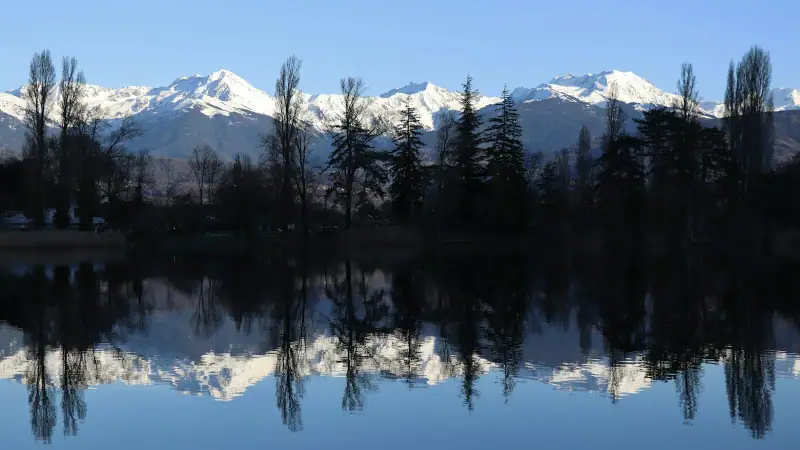
Budget for a stay in Savoie: real costs and 3 priced profiles
How much does a stay in Savoie cost? Lodging, transport, meals, lift passes and activities: three priced budgets and tips to spend less.
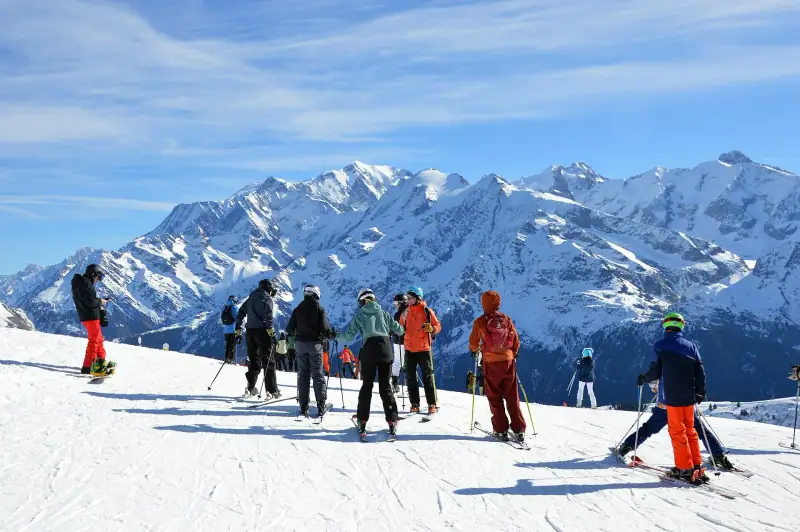
The best ski resorts in Savoie: ski areas, levels and budgets compared for 2026-2027
Which ski resort to choose in Savoie in 2026-2027? Ski areas, levels, opening dates and lift passes compared to match your budget.
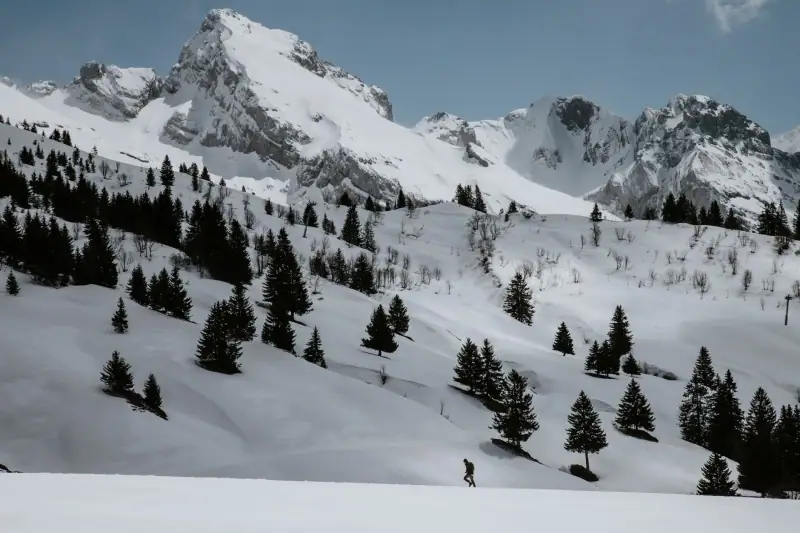
What to do in Savoie in winter without skiing: snowshoeing, dog sledding, ice climbing, thermal baths
What to do in Savoie in winter without skiing? Snowshoeing, dog sledding, ice climbing, thermal baths, sledding and villages: ideas and points to check.
Ready-made
Savoie itineraries
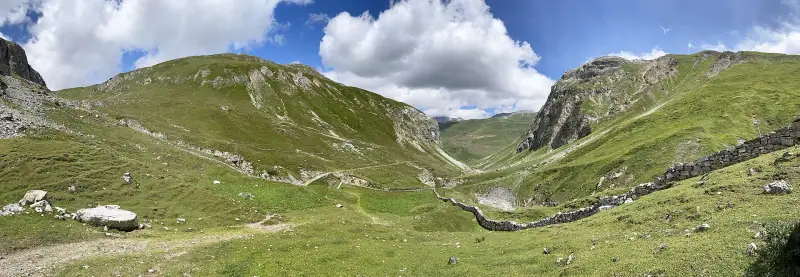
5 days
Savoie in 5 days without a car: a realistic itinerary by train and bus
ChambéryAnnecyChamonix
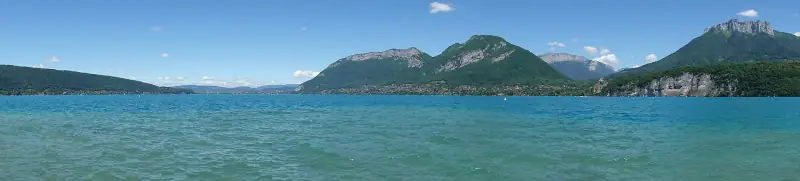
3 days
3 days around Lake Annecy: a day-by-day itinerary
What to do in 3 days in Annecy and around the lake? Old town, Talloires, Menthon, Duingt, cycling, swimming and Semnoz: a detailed, realistic itinerary.