Plan your trip
Best time to visit the Italian Lakes: month by month
We may earn a commission when you book through links on this page, at no extra cost to you. We don't visit or try the places we cover: we summarize published sources. How we work
In short
- Spring (mid-April to early June) and early fall (September to mid-October) are generally the best choices for pleasant weather, flowering gardens and reasonable crowds.
- July and August suit swimming, but are the hottest, busiest and most expensive months, with temperatures around 28 to 30 °C (82 to 86 °F) and sudden storms.
- Winter is quiet and cheap, but many hotels, restaurants and gardens close or cut hours, and boats run less often.
- Book accommodation several months ahead for July, August and spring or September weekends; check opening dates for villas, gardens and boats.
Choosing the right time to go makes a big difference to the experience of the Italian Lakes. In midsummer, the villages of Bellagio or Sirmione overflow with visitors, heat settles on the quays and hotels charge their highest rates. In spring or early fall, the light is soft, the gardens are at their best, boats still run well and you can stroll without jostling through crowds.
This guide details the climate month by month, the characteristics of each season, the crowds and the main events that punctuate the year. Temperatures quoted are approximate: they vary from year to year and from lake to lake. If you are still torn between destinations, our comparison of which Italian lake to choose will help you decide.
The climate of the Italian Lakes in brief
The big lakes of northern Italy (Como, Maggiore, Garda, Orta, Iseo) lie at the foot of the Alps and Pre-Alps. The very deep bodies of water soften the climate: winters are less harsh than on the plain or in the mountains, and vegetation is sometimes surprisingly Mediterranean, with olive trees, citrus, camellias and palms in the gardens. This is especially true around Lake Garda, the largest and most southern, whose microclimate is the mildest.
A few broad lines to remember:
- Hot, often muggy summers, with days around 28 to 30 °C (82 to 86 °F) in July and August, and sometimes violent storms late in the afternoon.
- Cool, damp, misty winters, with temperatures a few degrees above 0 °C (32 °F), even snow on the surrounding peaks.
- Pleasant shoulder seasons, with mild days but possible rain, especially in spring and fall.
- Changeable weather: the lakes are known for their local winds, stronger on Lake Garda, which sailing and windsurfing fans appreciate.
These general pointers do not replace forecasts: check the weather a few days before departure and always keep a waterproof jacket in your bag.
Climate and atmosphere month by month
January and February: absolute calm
This is the heart of winter. Days are cool, often gray and misty, and short. Many tourist facilities run at a reduced pace: hotels closed for the season, gardens and villas inaccessible, boats less frequent. In return, prices are at their lowest and the villages regain the look of small Italian towns. This period suits travelers who want to walk, read by the lake and enjoy local cooking, rather than rush from sight to sight.
March: the timid awakening
The light returns, the first flowers appear, but temperatures stay cool and rain is frequent. Some establishments reopen gradually, often around the end of the month. It is a transition period: interesting for small budgets, less so for those who want to fully enjoy boats and gardens.
April: spring settles in
April is a charming but capricious month, with mild days alternating with showers. Gardens wake up, camellias, azaleas and magnolias bloom depending on the year and altitude, and the blooms attract garden lovers. Several villas and parks open at this time. Watch out for Easter weekends, which can be very busy.
May: an excellent compromise
For many travelers, May is one of the best months. Temperatures are pleasant for walking and sightseeing, vegetation is lush, gardens are at their peak and boats run normally. Crowds are present, notably on long weekends, but remain more bearable than in midsummer. The lake is still too cool for long swims, but café terraces are already open.
The best periods are also the most in demand: compare hotels around the lakes and choose flexible rates to keep the freedom to adjust your dates.
June: summer begins
Days are long, the light superb and the first swims are possible, even if the water is still cool. Storms begin to appear late in the day. June is a good alternative to May for those who want more warmth while avoiding the summer peak. As Italian school holidays generally begin in late spring, crowds rise gradually through the month.
July and August: peak season
This is the hottest, liveliest and most expensive period. Days of 28 to 30 °C (82 to 86 °F) are common, with humidity that can make the heat heavy, and sometimes sudden storms. The most famous villages are packed in the middle of the day, car parks saturate and boats are full. August is the vacation month in Italy, with a peak around August 15 (Ferragosto): booking ahead is essential. In return, everything is open, evenings are long, swimming is pleasant and the events program is dense.
September: the finest month for many
Temperatures stay mild, the lake water has stored up the summer’s heat, crowds drop clearly after mid-September and prices fall. The harvest begins in the vineyards around the lakes, notably on the Lake Garda side and in Franciacorta, near Lake Iseo. Storms are possible, but sunny days are frequent. If you had to remember only one month, September would be a very serious candidate.
October: fall colors
Days shorten and rain becomes more frequent, but the foliage begins to color in the hills and mountains. The start of the month often remains pleasant; the end of the month is more uncertain. Several hotels and attractions close from the end of October. Food lovers are in luck: mushrooms, chestnuts and fall dishes are featured in restaurants.
November: the low season
The weather is damp, often misty, and most tourist sites have closed or reduced their hours. The atmosphere is peaceful, but options are limited: check each opening before you book.
December: lights and Christmas markets
Villages deck themselves with decorations and some towns hold Christmas markets. Temperatures are cold, days very short and most gardens closed. It is a charming time for a short city getaway, for example to Como, but not for a stay focused on boats and villas.
Spring: flowers, gardens and light
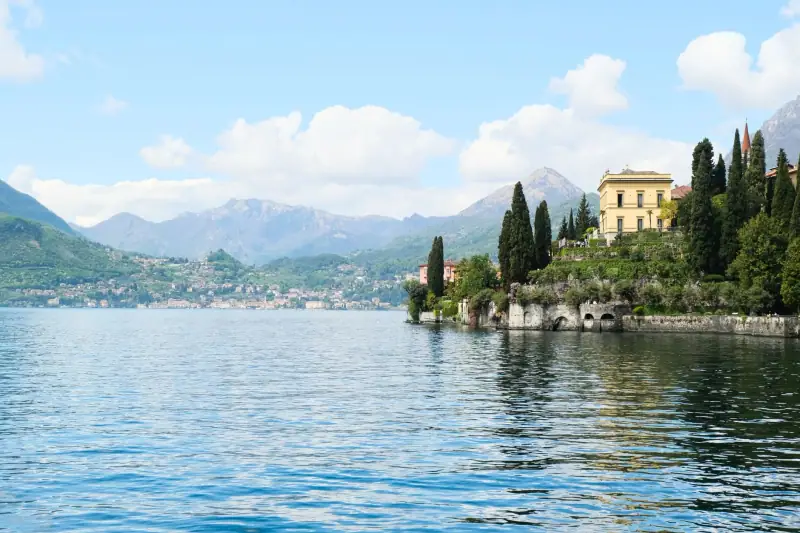
Spring, from April to early June, is the season of gardens. Around Lake Maggiore, those of the Borromean Islands and several lakeside villas are especially renowned for their blooms. Around Lake Como, villa parks are also at their peak. Temperatures let you walk all day without suffering from the heat, and terraces are already pleasant.
The drawbacks are limited: changeable weather, sometimes rainy days and water too cool for swimming. Bring layers and an indoor plan B (museum, villa, café) for rainy days. Spring is also a good time for a multi-stop itinerary, like our 3-day circuit around Lake Como.
Summer: swimming, festivals and crowds
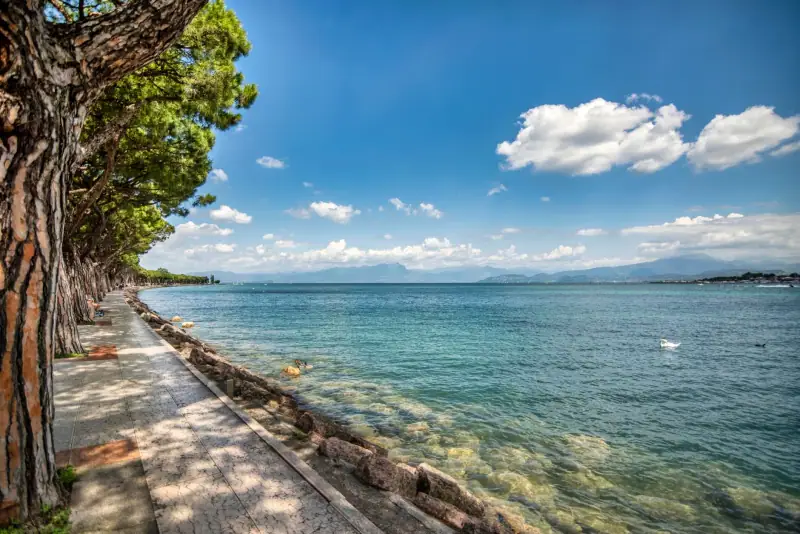
Summer is the season of life by the water: swimming, boating, aperitifs on a terrace, concerts and open-air evenings. Lake Garda, with its beaches and leisure parks, is the best suited to family and seaside stays. Lakes Como and Maggiore are more oriented to contemplation, villas and villages, but also offer a few swimming spots.
On the other hand, you have to put up with crowds, heat and higher rates. A few tips for handling high season:
- Visit early in the morning or late in the day: villages empty after the tour groups leave.
- Favor weekdays: weekends are busier, when Italians themselves arrive.
- Book ahead accommodation, villa tickets and places for the most popular events.
- Plan for ZTL zones and parking: without a parking reservation, driving quickly becomes a hassle. Our guide to getting around the Italian lakes details alternatives.
Mini-cruises, villa visits and day trips: compare the available excursions and book morning slots to avoid the crowds.
Fall: harvest, golden light and falling prices
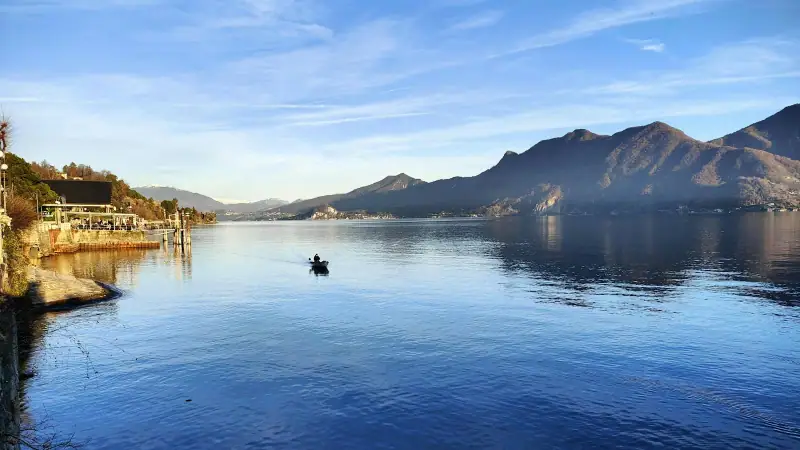
From early September to mid-October, the lakes offer a rare balance: still clement weather, clearly fewer people and lower rates than in summer. The vineyards near Lake Garda and Franciacorta, south of Lake Iseo, come alive as the harvest approaches. Food lovers find seasonal products; to plan your meals, see our guide what to eat in the Italian lakes.
Watch for end-of-season closures, which begin in October: the last fast ferries, some gardens and many hotels stop for the winter. Check schedules before you go.
Winter: quiet landscapes and limited visits
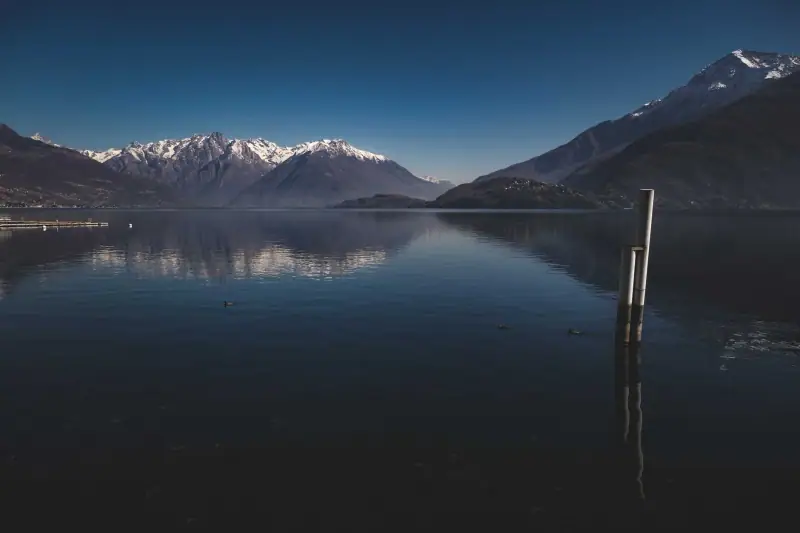
Winter is the quietest season. Prices are low, streets peaceful and the lakes offer a misty, poetic atmosphere, often with snowy mountains in the distance. But the offer is reduced: few hotels are open in the most seasonal villages, boats less frequent, gardens closed. Towns such as Como or Verona, which stay active all year, can still be visited fully and suit short getaways.
Events to know about
The Italian lakes host festivals and events throughout the year. Exact dates change every year: check them on the official sites before building your trip around an event.
- Spring: blooms in the gardens of villas and islands, sometimes accompanied by flower shows.
- Summer: classical music festivals and open-air shows on several lakes, fireworks and village festivals, notably around mid-August.
- Early fall: sailing regattas on Lake Garda, harvest and wine festivals, food events.
- December: Christmas markets and lights in several towns.
Popular events push up accommodation prices and saturate transport: if you travel on these dates, book early.
Which period to choose for your trip?
| Your priority | Recommended period |
|---|---|
| Gardens and villas in bloom | April to early June |
| Swimming and life by the water | June to early September |
| Fewer people, mild weather | May, September, early October |
| Small budget | March, October, November |
| Calm and winter atmosphere | November to February |
| Hiking | May to June, September |
As a couple or with friends
May, June and September offer lovely evenings on a terrace without the summer crush. For a romantic stay, favor accommodation with a view; our guide to where to stay on Lake Como gives you pointers.
With family
July, August and early September are the most practical because of school holidays and swimming. Lake Garda is generally the best suited to children, with its beaches and leisure parks.
On a small budget
Out of season, accommodation is much cheaper. To estimate your spending, see our Italian Lakes budget.
Fares vary strongly by period: compare dates to find the best price to the airports near the lakes.
Practical tips for preparing your trip
- Check opening dates of villas, gardens and boats, especially in April and October, at the edges of the season.
- Bring layers: the weather can change quickly, even in summer, notably on the deck of boats.
- Bring rain gear outside summer: showers are frequent in spring and fall.
- Book early for weekends, long weekends and mid-August.
- Stay flexible: in bad weather, adapt the program between indoor visits and walks.
- Mind the crowds: early-morning and late-afternoon slots are the most pleasant in any season.
In summary
There is no single “best month,” but May, June and September most often combine the sought-after assets: pleasant weather, gardens or golden light, accessible villages and reasonable prices. July and August remain the months of swimming and festivals, at the price of heat and crowds. The rest of the year is calmer, sometimes rainier, and requires checking openings carefully. Whatever period you choose, book early and keep some slack in your program.
Frequently asked questions
What is the best time to visit the Italian Lakes?
To combine pleasant weather, flowering gardens and reasonable crowds, spring (mid-April to early June) and early fall (September to mid-October) are generally the best choices. July and August mostly suit swimming, but are the hottest and busiest months.
Can you swim in the Italian lakes?
Yes, mainly from June to early September. The water is cool at the start of summer and warms gradually; Lake Garda, the largest and most southern, is where swimming is most common. Always check which beaches and areas are allowed.
Are the Italian Lakes worth visiting in winter?
They have a quiet charm, with sometimes snowy landscapes in the background, but many hotels, restaurants and gardens close or reduce their hours, and boats are less frequent. It is a period for travelers who look for calm rather than serial sightseeing.
When are the gardens and the Borromean Islands open?
The gardens and palaces of the Borromean Islands, like many villas, generally open from late winter or spring until fall, and close during the cold season. Exact dates change from year to year: check the official sites before booking.
Which month should you choose to avoid the crowds?
April, May, September and October are clearly less busy than July and August. On weekdays and early in the morning, even the most visited villages, such as Bellagio or Sirmione, regain some calm.
Do you need to book far in advance?
For July, August and spring or September weekends, it is better to book your accommodation several months ahead, especially in the most famous villages. Out of season, it is easier to find availability at shorter notice.
More Italian Lakes guides
Keep reading
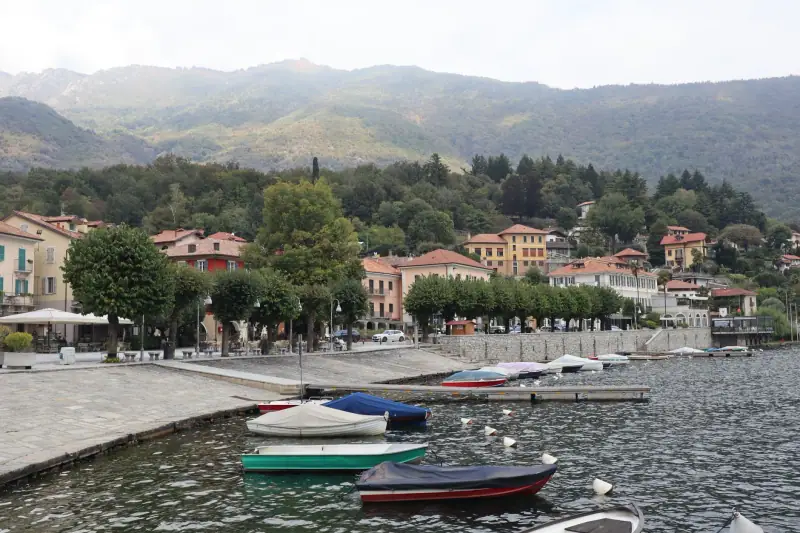
Italian Lakes budget: how much a trip costs (3 costed profiles)
How much does a trip to the Italian Lakes cost? Accommodation, boats, meals, activities: three daily budgets with figures and tips to spend less.
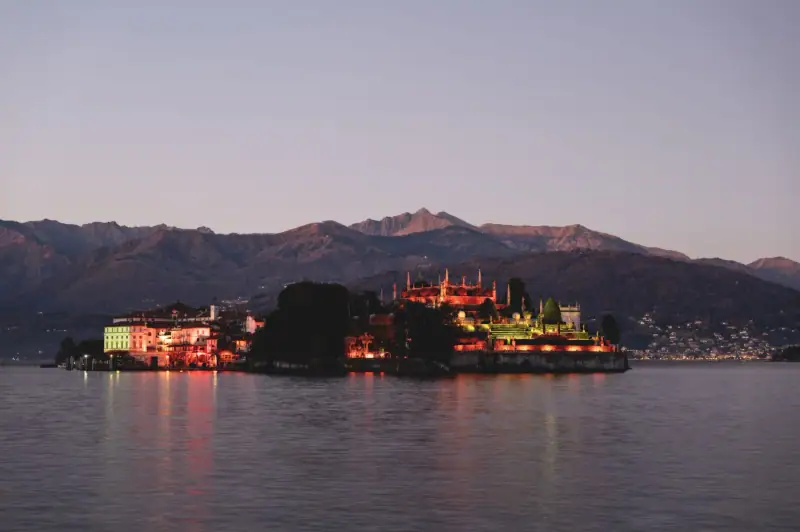
Borromean Islands: visiting Isola Bella, Isola Madre and Isola dei Pescatori
Visit the Borromean Islands from Stresa: Isola Bella, Isola Madre and Isola dei Pescatori. Boats, visiting order, duration, tips and best seasons.
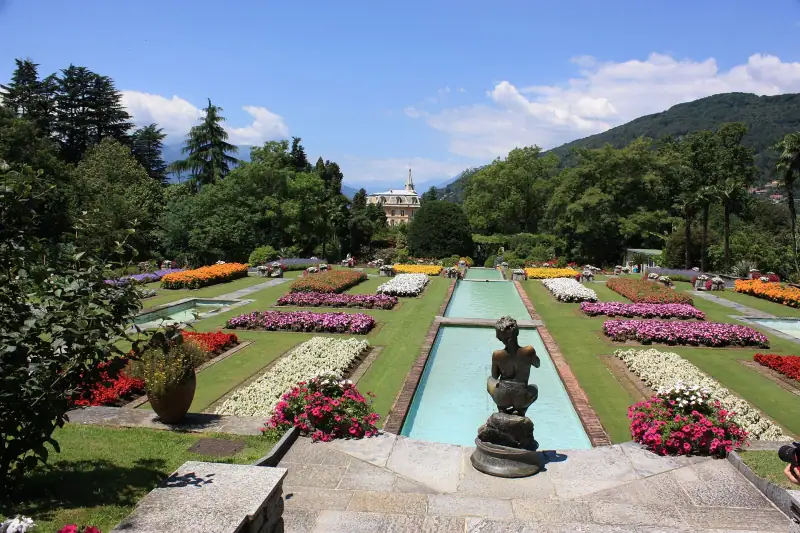
Villa Taranto in Verbania: getting there by boat, what to see and how long to allow
Villa Taranto, the botanical garden of Verbania on Lake Maggiore: boat access from Stresa, visit length, what to see, combined ticket and tips.
Ready-made
Italian Lakes itineraries
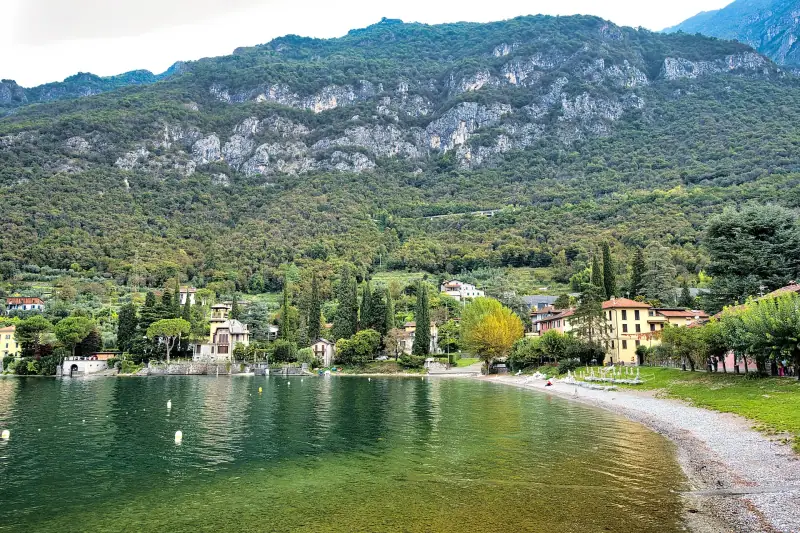
3 days
Lake Como in 3 days: Como, Bellagio and Varenna itinerary
What to see on Lake Como in 3 days? A day-by-day plan by boat and on foot: Como, Tremezzina villas, Bellagio and Varenna, no car needed.
5 days
Italian Lakes in 5 days without a car: a realistic train and boat itinerary
ComoVarennaStresaDesenzano del Garda
7 days
7-day Italian Lakes road trip: Maggiore, Como and Garda
A 7-day drive through Lake Maggiore, Lake Orta, Lake Como and Lake Garda: stops, driving times, driving and parking tips.