Plan your trip
When to go to Germany: seasons, weather and events

We may earn a commission when you book through links on this page, at no extra cost to you. We don't visit or try the places we cover: we summarize published sources. How we work
In short
- May to September suits cities, hikes and Rhine cruises; September and October suit vineyards and fall colors; late November and December suit Christmas markets.
- May-June and September to early October are generally the best compromise between weather, crowds and budget.
- The cheapest periods are generally low season: November outside the Christmas markets, and January to March.
- Book as soon as your dates are fixed if they coincide with Oktoberfest, Christmas markets or big fairs: lodging fills months ahead.
Germany can be visited all year, but it does not offer the same picture in July as in December. The country is vast, from the North Sea and Baltic coast to the Bavarian Alps, and its climate is temperate, without extreme heat or very harsh winters. Four well-marked seasons set the rhythm of trips: terraces and lakes in summer, grape harvests and beer festivals in fall, Christmas markets in winter, cities waking up in spring.
This guide helps you choose your dates according to your wishes: city visits, hiking, wine, festive atmosphere or a tight budget. It gives general trends rather than fixed figures, because the weather varies from year to year; always check the forecast just before leaving.
Climate in Germany: what to know
The country is subject to an oceanic influence in the west and north, and a more continental one in the east and south. In practice, the north and west have relatively mild winters and temperate summers, with rain possible in every season. In the east and south, the swings are stronger: hotter summers, colder winters, regular snow in the mountain ranges and the Alps.
The weather can change fast. A sunny day can end with a shower, even in summer. The golden rule is to travel with layers of clothing, a light waterproof jacket and good shoes, whatever the season. In cities, many visits are indoors (museums, castles, beer halls), which lets you adapt to the sky.
To organize your stay, keep in mind that the regions do not all have the same rhythm. Southern Bavaria enjoys long days in summer and a ski season in winter. The Rhine valley is at its best from late spring to early fall. Berlin and the big cities are pleasant almost all year.
Spring (March to May): the rebirth of parks and cities
Spring is a transition season. March often stays cool and changeable, April brings the first fine days and flowers in the parks, May is generally one of the most pleasant months to travel. Days lengthen quickly, terraces reopen and the summer crowds are not there yet.
It is a good time for cities: Berlin, Munich, Hamburg or Cologne can be visited on foot without suffering from the heat. Gardens, parks and riverbanks come back to life, and beer gardens reopen as the weather warms. To go deeper into a capital, our 3-day Berlin itinerary suits this season very well.
On the downside, some tourist connections or outdoor activities still run on reduced hours at the start of the season, and the weather stays capricious. Check the opening of the sites you really want to see before you book.
Choosing lodging by season: in spring and fall, prices are often lower than in summer, except during big fairs and events. Compare availability for your dates in the cities where you plan to stay.
Summer (June to August): lakes, hikes and long evenings
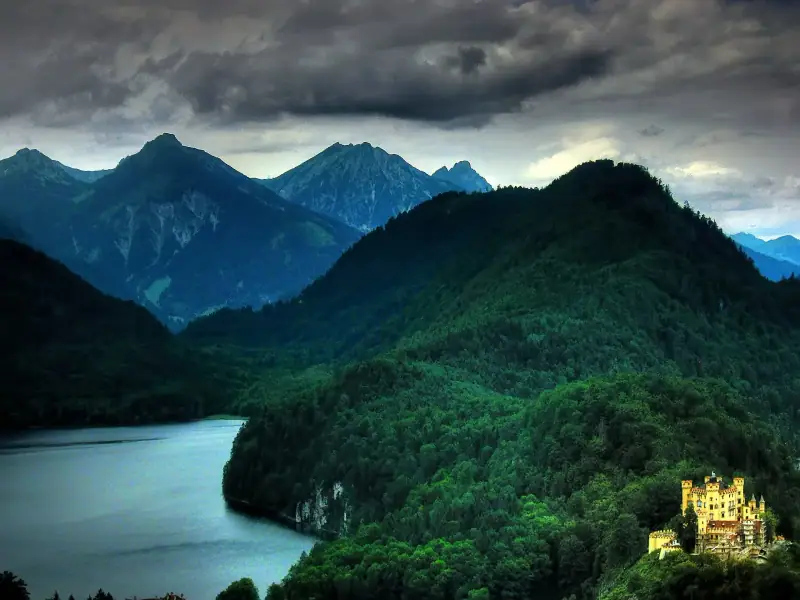
Summer is the high season. Days are long, which leaves plenty of time to visit, and life happens outdoors: beer gardens, swimming in lakes, open-air festivals, walks along riverbanks. It is the best time for hiking in the Bavarian Alps or the Black Forest, for cruising on the Rhine and for exploring the Baltic coast.
On the other hand, the best-known sites, like Neuschwanstein Castle, are very busy. To avoid the crowds, arrive early in the morning and book your tickets in advance when possible: our guide to Neuschwanstein and Füssen gives practical tips. Lodging is also more expensive and fills up faster.
Heat waves are possible, and some days can be stormy, notably in the south. Bring water, sunscreen and an indoor plan B. Many city hotels are not air-conditioned: if you are sensitive to heat, check this before booking.
Excursions and guided tours: in summer, slots at the most popular sites go fast. Compare the guided tours and day excursions offered in the big German cities, and check the meeting point and duration before you book.
Fall (September to November): grape harvests, beer and foliage

September and October are among the best times to visit. The weather is often still pleasant, the summer crowds disperse and the landscapes take on golden tints. It is grape harvest season in the wine regions, notably along the Rhine and the Moselle, where wine festivals and tastings multiply. Our Romantic Rhine itinerary is particularly suited to this period.
It is also the time of Oktoberfest in Munich, the most famous beer festival in the world, held from mid-September to early October. The atmosphere is unique, but the city is then very busy and lodging takes on a price and a pace of its own: book far in advance, or consider staying in a nearby town linked by train. To prepare your stay in the Bavarian capital, see our 3-day Munich itinerary.
November is grayer, wetter and calmer. It is a good month for museums, thermal baths and beer halls, and it is often one of the cheapest of the year, before the Christmas markets arrive at the end of the month.
Winter (December to February): Christmas markets and the Alps
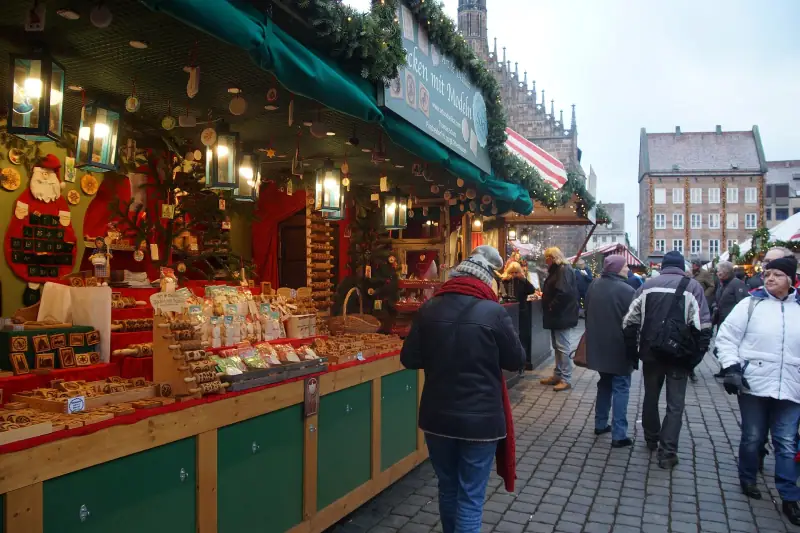
The German winter has a strong identity. Christmas markets generally open in late November or early December and close around Christmas, with variations from town to town. Mulled wine, sweet treats, crafts and lit decorations liven up the squares of historic centers. Almost every town holds its own, from the biggest to the smallest: choose one or two rather than trying to see them all.
Christmas markets are a great chance to try local food; our guide to German food specialties helps you recognize the seasonal dishes and sweets.
Once the holidays are over, January and February are calmer: cities are quiet, lodging prices often lower, and the Alps offer their winter sports season (see our guide to skiing in Bavaria, Garmisch and the Zugspitze). The flip side is the shortness of the days and an often low sky. Bring warm clothes, snow-ready shoes and, if you drive, check traffic conditions before each trip.
Discover the Christmas markets differently: guided tours, food walks and excursions can make a winter stay richer. Compare the offers available in the cities that interest you and check the dates, because they depend on the season.
Which season to choose for your trip?
The right time depends less on the calendar than on your plan. Here are a few simple pointers to decide.
- City visits and culture: all year, with a preference for spring and early fall, when the weather is mild and lines are shorter.
- Hiking and lakes: June to September, when trails are accessible and days are long.
- Wine and golden landscapes: September and October, notably in the Rhine and Moselle valleys.
- Festivals and atmosphere: Oktoberfest in fall, Christmas markets in winter. Book early in both cases.
- Small budget: January to March and November, outside holiday periods, with a grayer sky in exchange for gentler prices.
- Winter sports: December to March depending on snow, in the Alpine ranges.
If you hesitate, May-June and September to early October are generally the best compromise between weather, crowds and budget.
Practical tips for preparing your departure
Whatever the season, a few habits avoid unpleasant surprises. Book lodging early for holiday periods and big fairs, because cities quickly fill up. Check the opening hours of sites, which often change with the season. Trains are an excellent way to travel between cities, but strike days or heavy traffic can disrupt trips: keep a margin in your program.
Finally, consider insuring your trip, especially if you book far ahead or are going for mountain activities. A travel insurance policy covers medical costs and cancellations according to its conditions.
Frequently asked questions
Answers to the most common questions are gathered in the FAQ section above. In short: do not be afraid to travel outside summer, it is often when Germany shows its most authentic side, and book ahead as soon as your stay coincides with a major event.
Frequently asked questions
What is the best time to visit Germany?
May to September for cities, hikes and Rhine cruises; September and October for vineyards and fall colors; late November and December for Christmas markets. The choice depends mostly on what you want to see.
What is the cheapest month to travel to Germany?
In general, low season (November outside the Christmas markets, January to March) offers the cheapest lodging. Tourist cities stay pleasant all year, but days are short and the weather is often gray.
Do you need to book far ahead for Oktoberfest?
Yes. Munich is in very high demand during the beer festival, and lodging fills up months ahead. If you are aiming for this period, book as soon as your dates are fixed.
Can you visit Germany in winter?
Yes, it is even a much-loved season for Christmas markets, museums, thermal baths and the Bavarian Alps. Bring warm clothes and stay flexible, because snow can disrupt some trips.
What is the weather like in summer in Germany?
Summers are generally mild to hot, with long days. Thunderstorms are possible, especially in the south, and the weather varies from region to region: bring a light jacket and check the forecast before you leave.
More Germany guides
Keep reading
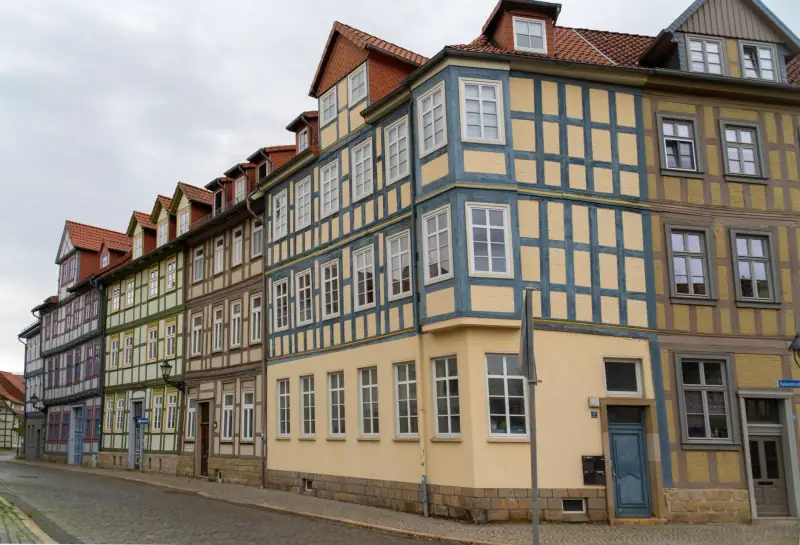
Budget for a trip to Germany: real costs and 3 costed profiles
How much does a trip to Germany cost? Lodging, transport, meals, activities: prices by item, three daily budgets with figures and tips to pay less.
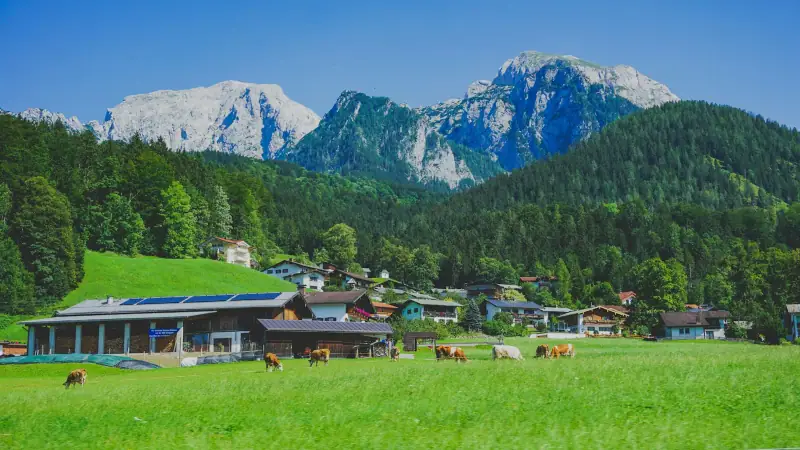
What to see in Bavaria: Munich, castles, the Alps and medieval towns
What to see in Bavaria: Munich, Neuschwanstein, the Romantic Road, Bamberg, Regensburg, Berchtesgaden and the Alps. Tips for planning your trip.
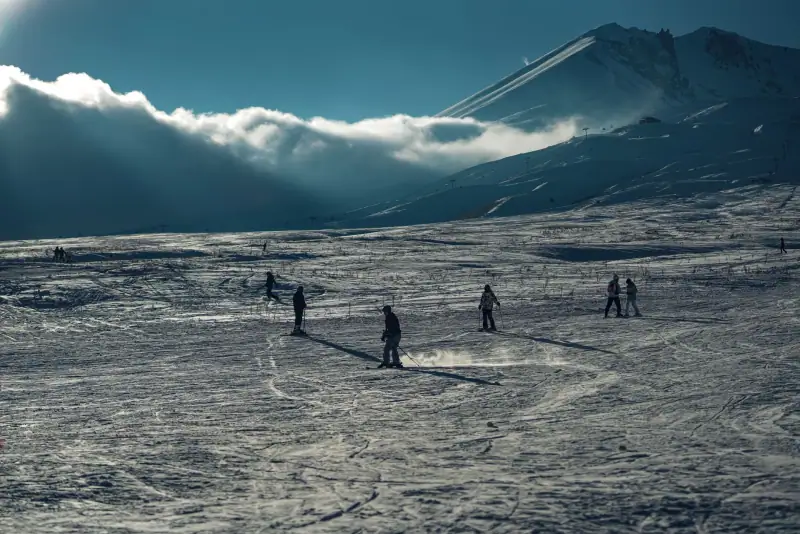
Skiing in Bavaria: Garmisch-Partenkirchen, the Zugspitze and German ski resorts
Skiing in Bavaria in 2026-2027: Zugspitze, Garmisch-Classic, passes at €69-78, season dates, access from Munich, other resorts and off-piste fun.
Ready-made
Germany itineraries
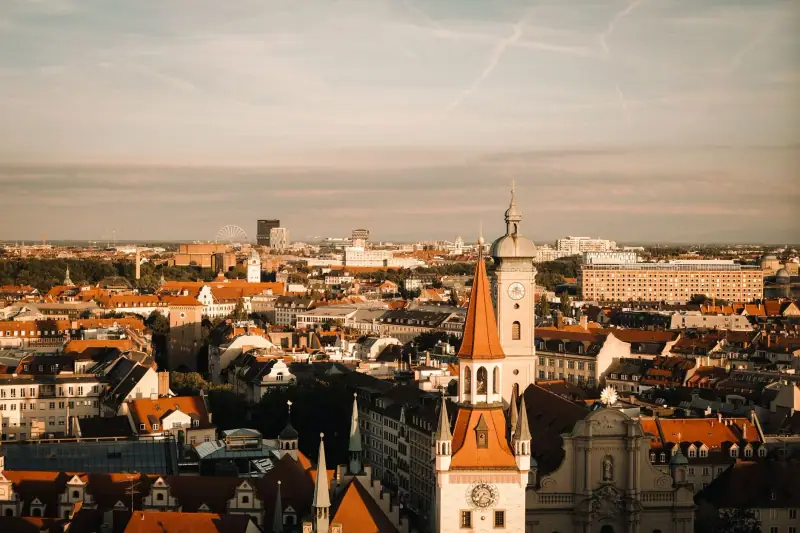
3 days
Munich in 3 days: an itinerary through the old town, museums and parks
What to do in Munich in 3 days? Marienplatz, Residenz, Englischer Garten, Nymphenburg, museums and beer halls: a day-by-day itinerary with practical tips.
3 days
Berlin in 3 days: a day-by-day itinerary
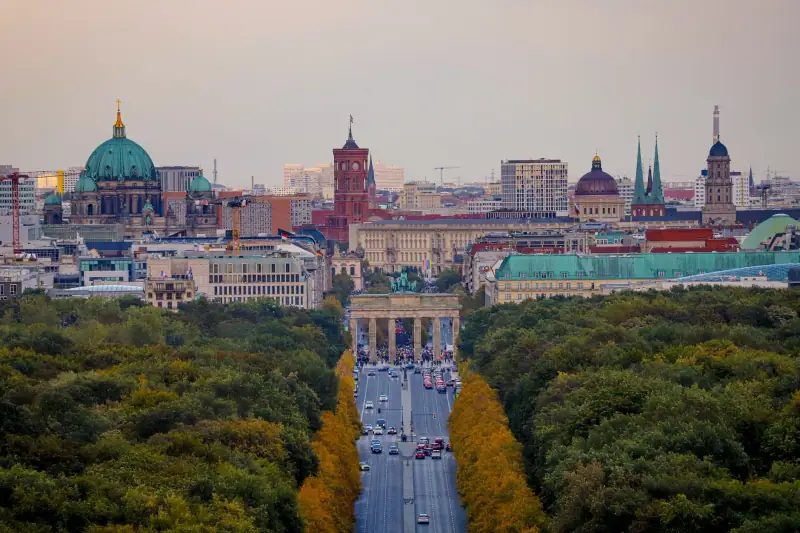
What to see in Berlin in 3 days: Brandenburg Gate, Reichstag, Museum Island, Wall memorial, Potsdam and neighborhoods. A clear day-by-day itinerary.
3 days
Black Forest in 3 days: a road trip itinerary from Baden-Baden to Freiburg
A 3-day Black Forest itinerary: Baden-Baden, Triberg, Gutach, Freiburg im Breisgau, Titisee and Feldberg. Stops, drives, tips and where to stay.