Itineraries
7-day Italian Lakes road trip: Maggiore, Como and Garda
We may earn a commission when you book through links on this page, at no extra cost to you. We don't visit or try the places we cover: we summarize published sources. How we work
Day by day
- Day 1Milan to Stresa, lakefront walk
- Day 2Borromean Islands by boat
- Day 3Orta San Giulio, then drive to Como
- Day 4Lake Como by boat: villas and Bellagio
- Day 5Varenna, then drive to Lake Garda
- Day 6Sirmione and the southern shore of Lake Garda
- Day 7Northern Lake Garda: Malcesine, Riva del Garda, return
Weather through the year on this route
| Jan | Feb | Mar | Apr | May | Jun | Jul | Aug | Sep | Oct | Nov | Dec | |
|---|---|---|---|---|---|---|---|---|---|---|---|---|
| High °F (°C) | 436 | 468 | 5513 | 6317 | 7021 | 7926 | 8429 | 8429 | 7524 | 6418 | 5412 | 457 |
| Low °F (°C) | 320 | 341 | 394 | 457 | 5412 | 6116 | 6619 | 6619 | 5714 | 5010 | 415 | 341 |
| Rain in (mm) | 1.640 | 1.845 | 2.050 | 3.075 | 3.385 | 3.180 | 2.870 | 3.075 | 3.385 | 3.795 | 3.795 | 2.460 |
Normals 1991–2020 at Sirmione: averages over 30 years, not a forecast. Source: NASA POWER (MERRA-2), grid of about 50 km. Figures computed by us in November 2026.
In short
- Seven days cover Lake Maggiore, little Lake Orta, Lake Como and Lake Garda, moving west to east, with two or three nights in the same place.
- Use boats rather than the car on Maggiore and Como: the lakeside road at Como is narrow, winding and often congested.
- The longest transfer is Lake Como to Lake Garda, usually two to three hours depending on traffic.
- Many town centers are limited-traffic zones (ZTL); park outside and follow the parking signs.
Seeing several lakes in a week is perfectly possible: Lake Maggiore, Lake Como and Lake Garda are linked by motorway and by secondary roads, and no transfer takes more than a few hours of driving. This 7-day road trip moves from west to east, with a stop on little Lake Orta, an optional detour to Lake Iseo and a final stage on Lake Garda.
The idea is to stay two or three nights in the same place so you do not pack and unpack every morning, and to combine the car with boats, which remain the best way to enjoy a lake. The distances below are rough estimates: check them with your GPS depending on your starting point and traffic. For ferry schedules, garden opening days and prices, always check the official sites before you go.
Route overview
| Day | Stage | On the program |
|---|---|---|
| 1 | Milan → Lake Maggiore | Arrival, drive to Stresa, walk along the lakefront |
| 2 | Lake Maggiore | Borromean Islands by boat |
| 3 | Lake Orta → Lake Como | Orta San Giulio, then drive to Como |
| 4 | Lake Como | Boat, Bellagio, villas |
| 5 | Lake Como → Lake Garda | Varenna in the morning, drive to Lake Garda |
| 6 | Southern Lake Garda | Sirmione and the southern shore |
| 7 | Northern Lake Garda | Riva del Garda, Malcesine, return |
This pace leaves a little slack. If you have less time, drop Lake Orta; if you have one or two extra days, add a night on Lake Como or a detour to Lake Iseo.
Day 1: from Milan to Lake Maggiore
Pick up your car at Milan Malpensa airport, the closest to Lake Maggiore: the drive to Stresa takes a little under an hour in normal conditions. If you arrive via Linate or Bergamo, allow more time and avoid driving around Milan at rush hour.
Stresa is an elegant little spa town on the Piedmont shore, lined with grand 19th-century hotels and villas. In the afternoon, stroll along the lakefront, where you can see the Borromean Islands, then have dinner by the water. Settle in: you will stay here one or two nights, depending on whether you add Lake Orta.
A logistics tip: choose accommodation with parking, or find a public car park as soon as you arrive. Rental cars vary in size; choose a small one, which is much easier to handle in narrow lanes and on lakeside roads.
Compare hotels and apartments on Lake Maggiore: filter by budget, parking and view of the islands.
Day 2: the Borromean Islands
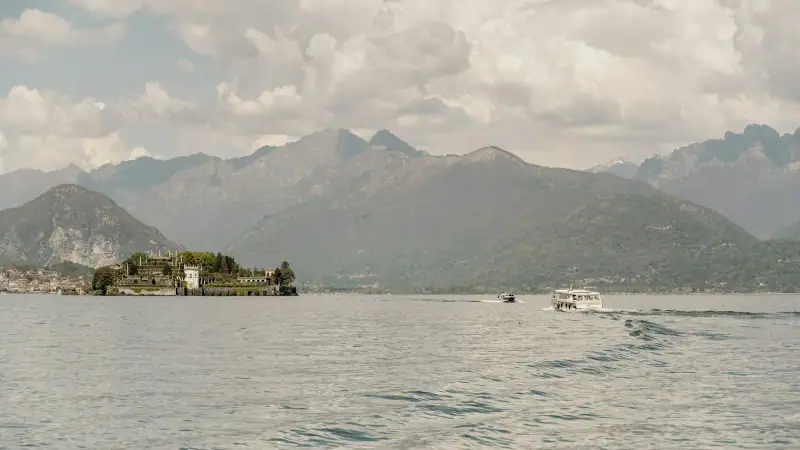
Lake Maggiore is best discovered by boat. Leave the car in the car park and board at Stresa for the Borromean Islands: Isola Bella, with its Baroque palace and terraced gardens, Isola Madre, more botanical, and Isola dei Pescatori, which keeps the look of a fishing village. Our article on the Borromean Islands covers the visits and ways to combine the three.
Allow a full day if you visit the palaces and gardens. You can buy boat tickets on the spot, but in peak season, leave early to avoid the crowds. If the weather is clear, a trip up Mottarone, the mountain overlooking Stresa, offers a view over several lakes and the Alps; check that the cable car is running before planning this excursion.
This day is deliberately car-free: a chance to give the driver a rest and enjoy the lake without worrying about parking.
Day 3: Lake Orta, then on to Como
In the morning, leave Lake Maggiore for Lake Orta, much smaller and more intimate, to the west. The drive from Stresa is short, on country roads. The village of Orta San Giulio, stretched along a peninsula, is one of the most charming in northern Italy: cobbled lanes, old façades and a view of San Giulio Island and its basilica. Our guide to Orta San Giulio will help you plan the visit, which fits easily into a morning.
Have lunch there, then take the road to Lake Como. The transfer is mostly by motorway, via the Varese area or Milan depending on the route you choose; allow about two hours of driving plus a margin for slowdowns, which are common late in the day. Stay the night in Como: the town is a good base, with car parks and hotels near the center.
In the evening, wander the old town around the Duomo, then enjoy a dinner of lake fish, a local specialty. Our article on what to eat in the Italian Lakes has a few pointers.
Day 4: Lake Como by boat
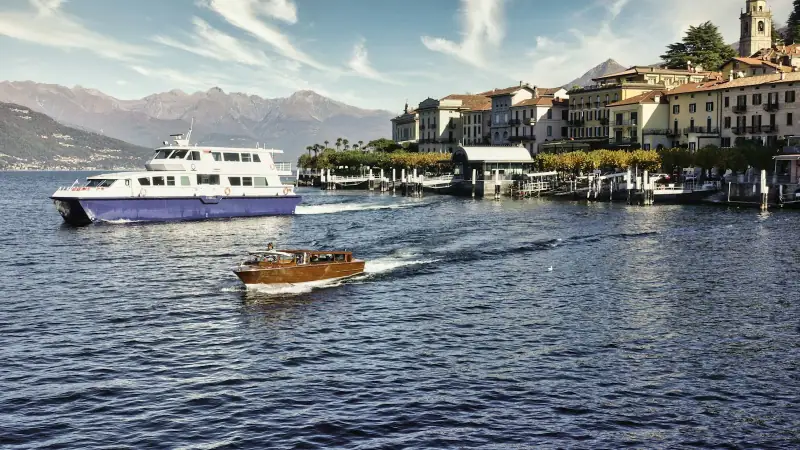
Here again, the car is not your best option: the road along the lake is narrow, winding and often congested. Park it for a day and switch to the boat. Lake Como is shaped like an upside-down Y, and ferries connect the villages on all three branches, so you can choose your stops.
A classic plan: board at Como or Tremezzo, see the villas on the west shore (Villa Carlotta at Tremezzo, Villa del Balbianello at Lenno), then continue to Bellagio, the “pearl of the lake,” at the tip of the peninsula that separates the two southern branches. The gardens of Villa Melzi make a good walk there. Our 3-day Lake Como itinerary covers these stops if you want to spend more time.
If you like, you can spend a second night in Como or settle in Bellagio or Varenna. If so, check the parking: it is limited and paid in most villages. Our guide where to stay on Lake Como compares the areas.
Boat rides, villa visits and guided excursions: compare offers and their cancellation conditions.
Day 5: Varenna, then the road to Lake Garda
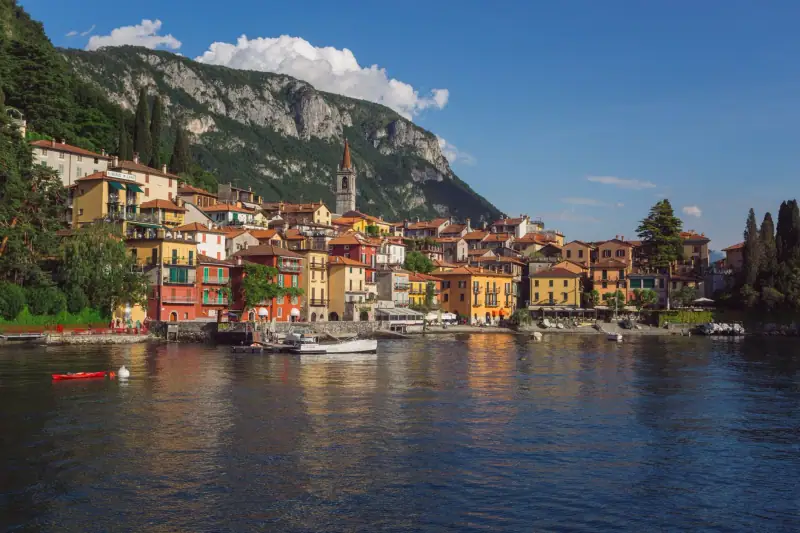
Start the morning in Varenna, on the eastern shore of Lake Como: colorful houses, a lakeside walkway and the gardens of Villa Monastero. The village is calmer than Bellagio, and the visit fits in a morning.
Then head for Lake Garda: this is the longest transfer of the trip. The drive goes through the Bergamo and Brescia area and usually takes two to three hours. You can use it for a break in Bergamo, whose fortified upper town is worth an hour or two, or in Iseo, if you want to add Lake Iseo and Monte Isola: our article on Lake Iseo and Monte Isola explains how to fit it in. In that case, allow one more night.
Arrive in the late afternoon on the southern shore of Lake Garda and settle in for two nights, in Sirmione or a neighboring village. As always, check where you can park: Sirmione limits traffic in its historic center. To choose, see our guide where to stay on Lake Garda.
Day 6: Sirmione and the southern shore of Lake Garda
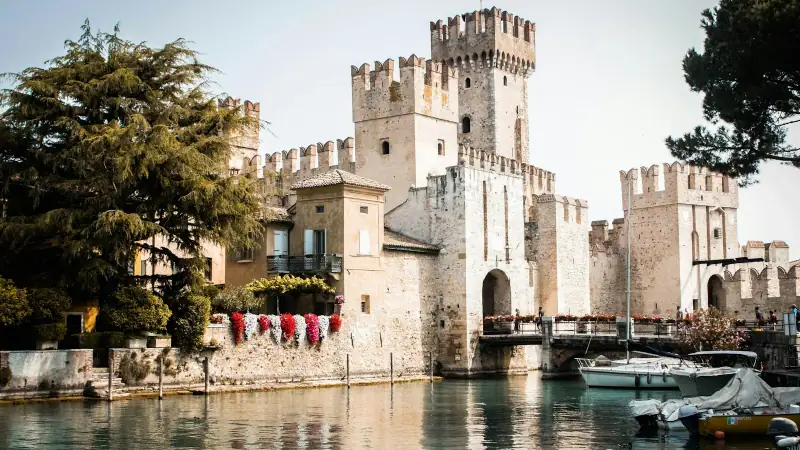
Sirmione sits on a long, narrow peninsula that juts into the lake. You enter the center on foot, over the bridge of the Scaliger Castle, a medieval fortress surrounded by water. The pedestrian lanes are charming but very busy in high season: arrive early in the morning or stay into the late afternoon, when the groups have left. At the tip of the peninsula are the Grottoes of Catullus, a vast Roman archaeological site named after the poet Catullus.
Our Sirmione guide describes the sights and beaches. In the afternoon, you can swim, take a boat ride along the coast or taste the region’s wines: the southern shore is known for Lugana, a white wine covered in our article on Lake Garda wines.
For culture lovers, Verona is not far from the south of the lake and can replace half a day of swimming; the round trip is quite doable by car or train, but it is tiring if you have already driven a lot.
Wine tastings, cooking classes and cruises: compare the experiences offered around Sirmione.
Day 7: northern Lake Garda and the return
The north of Lake Garda is a completely different setting: the shores narrow and the mountains plunge into the water, which makes it a favorite spot for windsurfing and kitesurfing. The road follows the shore, alternating tunnels and viewpoints; take your time, as traffic is heavy in summer.
Two stops combine well: Malcesine, a medieval village overlooked by a castle, and Riva del Garda, at the head of the lake. From Malcesine, a cable car climbs Monte Baldo, where the panorama over the lake is remarkable in good weather. Our article on northern Lake Garda covers the possible activities, from hiking to sailing.
For higher mountains, the Dolomites make a trip of their own if you want to extend your journey north.
Finish with a last meal by the lake, then take the road to the airport. Verona and Bergamo are the most practical airports for leaving from Lake Garda; Milan is still possible, but adds travel. Allow plenty of time for returning the car and refueling.
Milan, Bergamo or Verona: compare flights to find the best fare for your dates and direction of travel.
Tips for driving in the Italian Lakes
- Limited-traffic zones (ZTL): many historic centers are reserved for residents and authorized vehicles. Entering by mistake can mean a fine sent months later by the rental company. Park outside the center and follow the car park signs.
- Lakeside roads: narrow, with tunnels and bends, especially on Lake Como. Drive carefully and let buses pass.
- Tolls: Italian motorways are toll roads. Keep a credit card handy.
- Parking: blue spaces are paid, white ones free (often limited or rare), yellow ones reserved. If in doubt, choose a covered car park.
- Vehicle size: a small car is more practical than a large SUV in the villages.
- Combining car and boat: in several villages, leaving the car in a car park and getting around by ferry is faster, less stressful and more scenic. See our article on getting around the Italian Lakes.
- Budget: rental, fuel, tolls, car parks and ferries add up; our Italian Lakes budget helps you work out the total.
- Insurance: a suitable travel policy can cover assistance and medical costs.
Compare car rentals using the module on this page; book early in high season, especially if you want to return the vehicle in a different city.
Variants depending on your time
- 5 days: drop Lake Orta and the Bergamo detour; keep Lake Maggiore (one night), Lake Como (two nights) and Lake Garda (two nights).
- 10 days: add two nights on Lake Como, a day in Milan and half a day in Verona, with a stop at Lake Iseo.
- Without a car: Lake Como and Lake Maggiore link up by train from Milan, and Lake Garda is served by train as far as Peschiera or Desenzano with boats afterward. The itinerary is slower but more relaxing.
- With kids: limit transfers to one every two days and favor stops with a beach or swimming, such as the south of Lake Garda.
If you are still unsure which lakes to choose, our comparison of the Italian lakes will help you sort them out. And to pick the season, see our guide to the best time to go.
What to prepare before you leave
Settling a few points before you leave avoids unpleasant surprises: a valid driver’s license, a credit card with a high enough limit for the rental deposit, a navigation app with offline maps (the network can be patchy in the valleys) and comfortable shoes for the cobblestones. Entry rules depend on your passport. Check the official travel advice of your government before you book: travel.state.gov (US), GOV.UK (UK), travel.gc.ca (Canada), Smartraveller (Australia) (checked November 2026).
Finally, remember to book ahead for accommodation with parking, tickets for the busiest sites and visit slots for gardens and palaces in high season. A week is enough to get a taste of three lakes, as long as you do not try to see everything: choose two or three strong visits per lake and leave the rest to chance among the lanes and café terraces.
Frequently asked questions
Is one week enough to see several Italian lakes?
Yes, seven days let you see three big lakes (Maggiore, Como and Garda) and little Lake Orta without rushing. Distances between the lakes are reasonable, but part of some days will go to the road.
Do you absolutely need a car for this route?
It is not mandatory: trains and ferries serve the main villages, as detailed in our getting-around guide. A car mainly gives you flexibility to move from one lake to another and to reach villages with less public transit.
Which direction should you do the route in?
West to east, from Lake Maggiore toward Lake Garda, makes sense if you arrive via Milan Malpensa and leave from Verona, Bergamo or Milan. You can also reverse it: what matters is choosing arrival and departure airports that fit your direction of travel.
Where can you park in the lakeside villages?
Old centers are often pedestrian or limited-traffic zones. Plan to park in a paid car park at the edge of the village and finish on foot. Ask your accommodation whether it has a space, as this is a real deciding factor in high season.
What is the best time of year for this road trip?
Spring and early fall are the most pleasant: mild temperatures, lighter traffic and gardens at their best. In July and August, the lakeside roads and car parks are saturated, especially on weekends.
Can you add Verona or Milan to the itinerary?
Yes. Milan fits naturally at the start of the trip and Verona, close to the south of Lake Garda, at the end. Allow half a day to a day for each, and drop one lake stop if you want to keep a comfortable pace.
More Italian Lakes guides
Keep reading
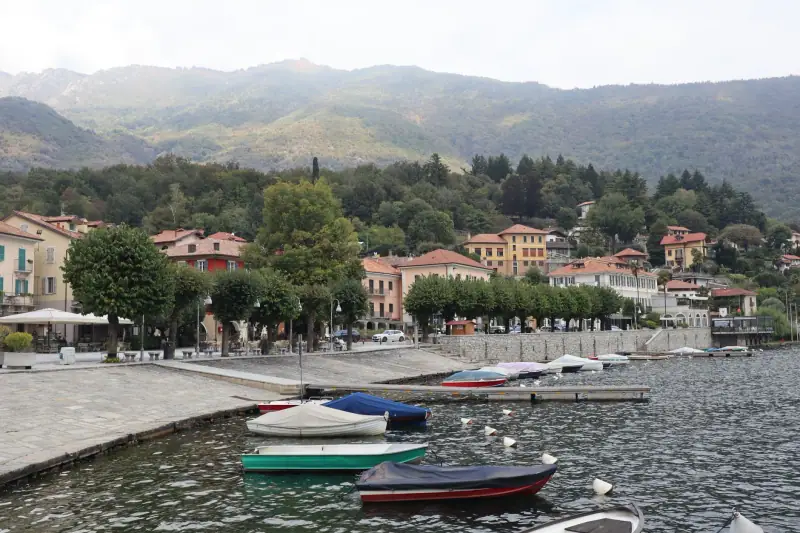
Italian Lakes budget: how much a trip costs (3 costed profiles)
How much does a trip to the Italian Lakes cost? Accommodation, boats, meals, activities: three daily budgets with figures and tips to spend less.
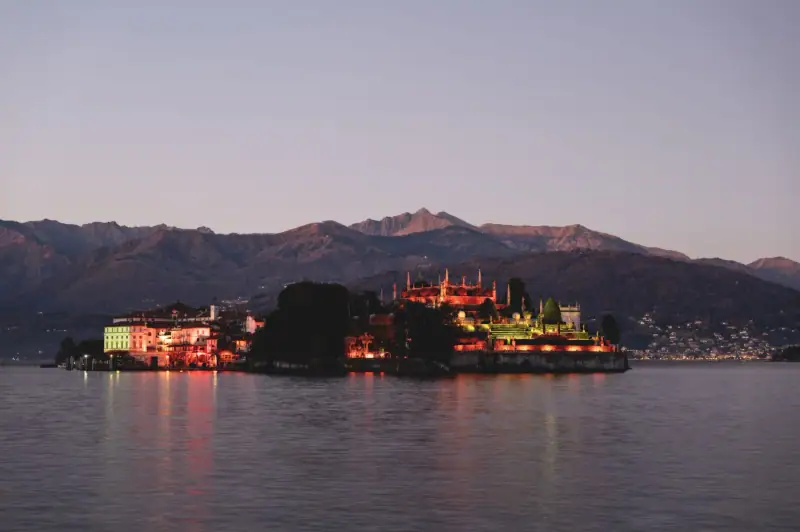
Borromean Islands: visiting Isola Bella, Isola Madre and Isola dei Pescatori
Visit the Borromean Islands from Stresa: Isola Bella, Isola Madre and Isola dei Pescatori. Boats, visiting order, duration, tips and best seasons.
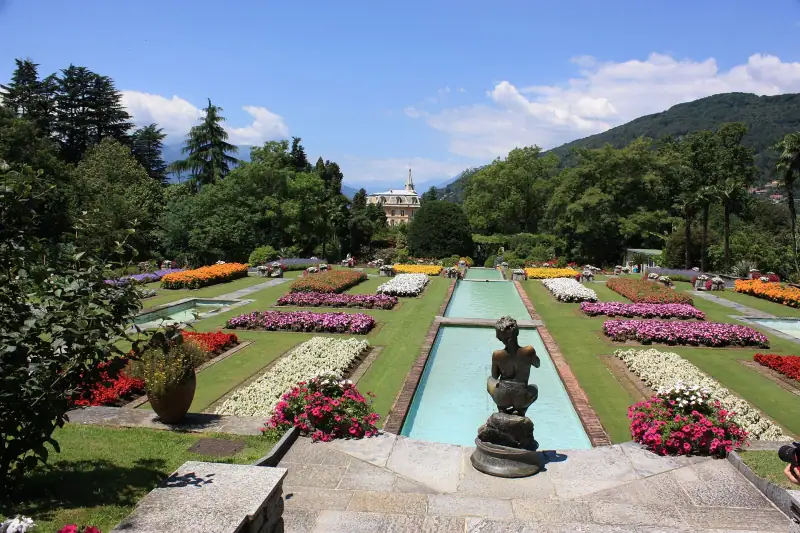
Villa Taranto in Verbania: getting there by boat, what to see and how long to allow
Villa Taranto, the botanical garden of Verbania on Lake Maggiore: boat access from Stresa, visit length, what to see, combined ticket and tips.
Ready-made
Italian Lakes itineraries
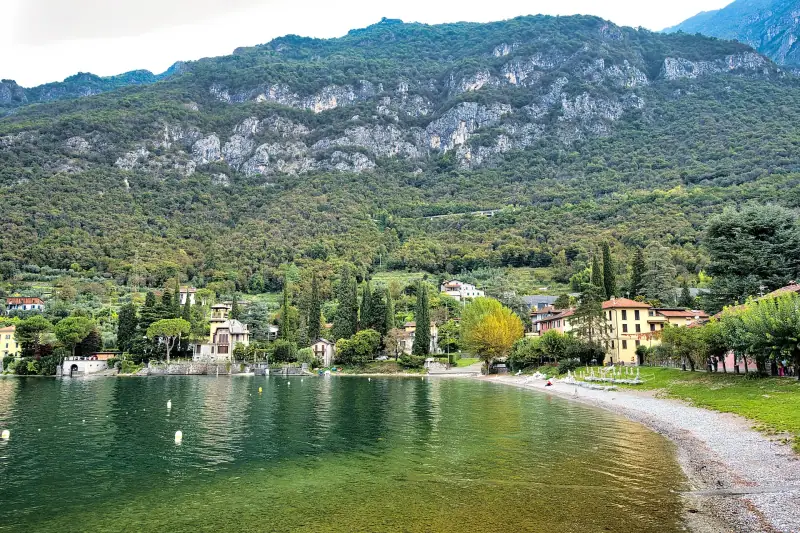
3 days
Lake Como in 3 days: Como, Bellagio and Varenna itinerary
What to see on Lake Como in 3 days? A day-by-day plan by boat and on foot: Como, Tremezzina villas, Bellagio and Varenna, no car needed.
5 days
Italian Lakes in 5 days without a car: a realistic train and boat itinerary
ComoVarennaStresaDesenzano del Garda