Plan your trip
Best time to visit Switzerland: climate, seasons and events
We may earn a commission when you book through links on this page, at no extra cost to you. We don't visit or try the places we cover: we summarize published sources. How we work
In short
- Hiking and lakes: June to September. Skiing: December to March. September is an excellent compromise: soft light, clear trails, fewer people.
- Shoulder months (April-May, October to early November) are generally cheaper for lodging, but some lifts and mountain hotels close then.
- For July-August in busy resorts (Zermatt, Grindelwald, Lauterbrunnen), aim for two to three months ahead.
- Ticino is milder and sunnier than the rest of the country, a good option when the north is still cool or already gray.
You can visit Switzerland all year, but not in the same way. In July, alpine pastures are in flower and the lakes invite swimming; in January, the resorts are in full swing and the cities light up for the holidays; in October, golden larches and the grape harvest put on a show almost without crowds. The right time depends on what you are looking for: hiking, skiing, cities, lakes, panoramic trains or a simple getaway.
This guide goes through the climate season by season, then month by month, the crowds, the main events and the pitfalls to know (closed lifts, late snow, summer storms). Temperatures and dates are rough guides: mountain weather varies a lot from year to year, and from one valley to the next.
Understanding the Swiss climate in a few lines
The country is small, but its terrain creates several climates. The Plateau (Zurich, Bern, Lausanne, Geneva) has four distinct seasons, with hot summers and cool winters, sometimes under a blanket of fog. The Alps are cooler: you lose about 6 °C (11 °F) for every 1,000 meters (3,280 ft) of altitude, and snow can fall at altitude even in midsummer. Ticino, in the south, enjoys a milder, almost Mediterranean climate, with sometimes heavy rain in spring and autumn. The Valais, sheltered by the massifs, is one of the driest and sunniest regions of the country.
Two practical rules follow. First, always dress in layers, whatever the season. Second, look at the weather for the precise area you are heading to (a summit, for example) and not only for the arrival city. The official weather services publish detailed forecasts and, in winter, avalanche bulletins.
Spring (March to May): the transition season
Spring is the trickiest season to plan. On the plains, the first flowers arrive from March-April and temperatures turn mild; cities like Lucerne, Zurich or Geneva are pleasant, with few tourists. Ticino is particularly appealing: lush vegetation, camellias and magnolias in bloom, terraces open by the lakes.
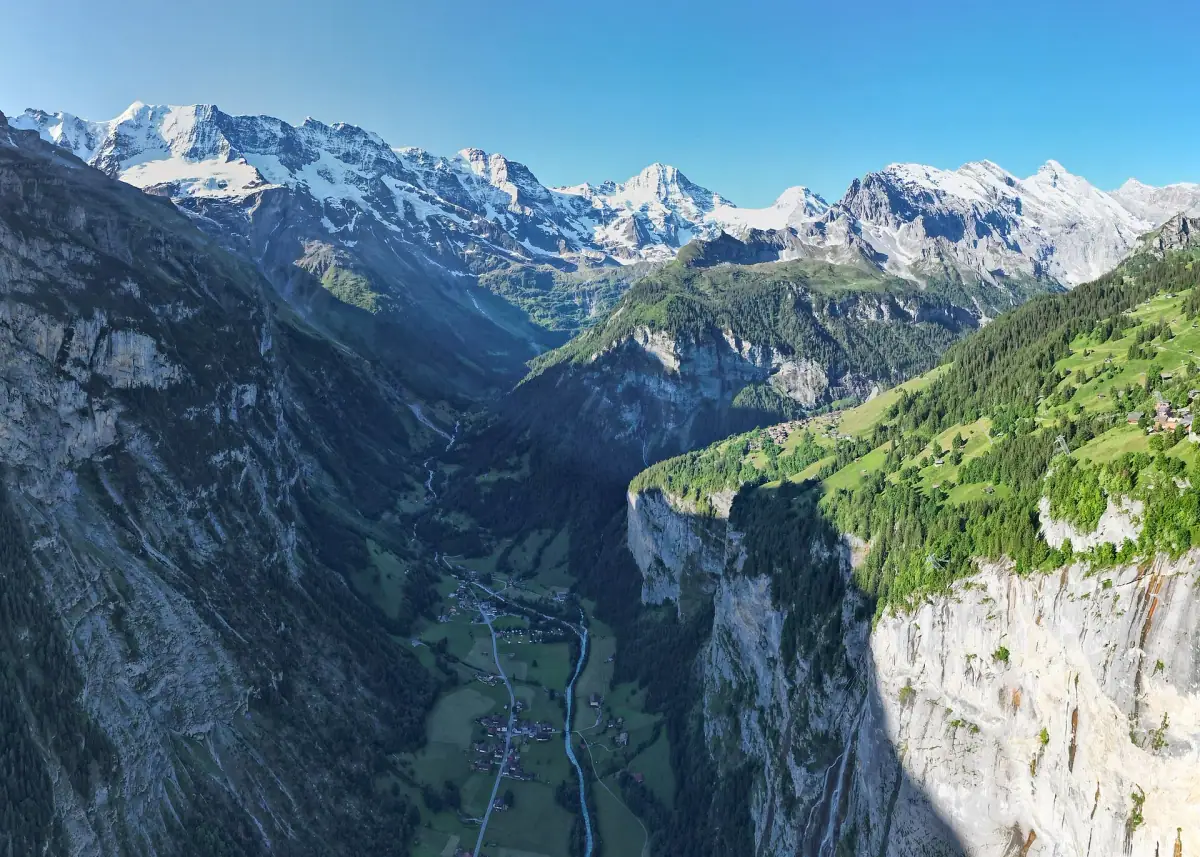
In the mountains, the picture is more mixed. Snow melts gradually, which makes many trails impassable until June. Several lifts and high-altitude hotels close in the shoulder season, between the end of the ski season and the start of summer. This is when you must systematically check opening dates before booking. Snowmelt also feeds the waterfalls: the Lauterbrunnen Valley is spectacular at this time.
Key points: ideal for cities, Ticino and waterfalls; avoid if you are aiming for summits or high-altitude trails. Lodging prices are often lower than in summer, but mountain options are limited. Spring skiing remains possible at high altitude, until April and even later on the glaciers.
Summer (June to August): high season for hiking
This is the prime season for alpine landscapes: green pastures, open trails, huts in service, lakes warm enough for swimming, long days. July and August are the busiest months, with pleasant temperatures on the plains (often between 20 and 30 °C / 68 and 86 °F) and cool ones at altitude. Heat waves can occur in cities, especially Geneva, Basel or Zurich.
Storms are the main trap. They often break out in the late afternoon: leave early in the morning, come back down before mid-afternoon and check the weather the day before. High-altitude trails may still have snowfields in June, and sometimes until July on the highest passages. Ask the local tourist offices.
On crowds, the iconic sites (the Matterhorn at Zermatt, the Jungfrau region, Lucerne, Montreux) are packed in the afternoon. To avoid the crowds, travel on weekdays, start early, and favor lesser-known valleys. The guide on what to do in the Jungfrau region and the Bernese Oberland suggests excursion ideas to spread out visitors.
🏨 Book early in summer: in Zermatt, Grindelwald, Lauterbrunnen or Lucerne, accommodation fills weeks ahead for July and August. Compare availability for your dates.
Autumn (September to November): the season of colors
Many regulars consider September the best month for Switzerland: trails are still open, the air is crystal clear, the August crowd fades and rates start to drop. From late September, larches take on golden tints, notably in Graubünden and the Engadine. In October, the vineyards of Lavaux and the Valais turn orange and red, and the harvest enlivens the wine villages. A visit to Lavaux between Geneva and Lausanne then takes on its full meaning.
Gastronomy follows the calendar: it is the season of game, chestnuts, and fondues returning to the tables. Our article on Swiss specialties details what to taste.
From November, low season sets in: short days, fog on the Plateau, lifts closed for maintenance, high-altitude hotels closed. Cities remain open and affordable, but the mountains pause before the slopes open.
Key points: September-October offer the best beauty/crowds/price ratio. November suits urban stays, museums and thermal baths.
Winter (December to February): skiing, snow and Christmas markets
The ski season generally starts in December in high-altitude resorts and runs until March, April for the highest areas. School-holiday periods (Christmas, February) are the priciest and busiest. January outside holidays often offers abundant snow and calmer slopes. To limit spending, see how to ski in Switzerland without breaking the bank.
But the Swiss winter is not limited to the slopes. Panoramic trains run in winter, with very photogenic snowy landscapes; marked winter trails, snowshoeing, sledding and thermal baths suit those who do not ski. Cities dress up with Christmas markets and light decorations. To discover mountain trains, see our comparison Glacier Express or Bernina Express.
On practical matters, bring warm, waterproof clothing and shoes with good grip, and check road and pass conditions if you drive: winter tires are essential in winter conditions, and chains may be needed. The rail network, however, remains very reliable.
Month by month: the calendar at a glance
| Month | Atmosphere | For whom |
|---|---|---|
| January | Cold, snow, well-covered slopes | Skiers, thermal baths, cities |
| February | School-holiday periods, resorts very full | Ski families, Basel carnival in some years |
| March | End of winter, spring skiing at altitude | Skiers, quiet stays |
| April | Shoulder season, flowers on the plains, mountain closures | Cities, Ticino |
| May | Greenery, powerful waterfalls, low trails open | Lakes, easy walks, Ticino |
| June | Flowering pastures, start of high-altitude trail openings | Mid-mountain hiking |
| July | Hot, long, full of people | Hiking, swimming, festivals |
| August | High season, storms possible | Hiking, lakes, national day |
| September | Soft light, fewer crowds | Hiking, photography, trains |
| October | Autumn colors, grape harvest | Vineyards, Engadine, cities |
| November | Low season, fog on the Plateau | Museums, thermal baths, urban stays |
| December | Christmas markets, start of the ski season | Cities, resorts, holidays |
This table gives a trend. A very snowy or very hot year can shift the opening of trails or the date of the colors by several weeks.
Events and festivals to know
Switzerland has a rich calendar of events. Here are the ones that come up regularly, with the usual precautions: always check the exact dates for the current year on official sites before booking.
- Basel Carnival (Fasnacht): in winter, shortly after Ash Wednesday, with a very early start and parades of marching bands and masks. Accommodation fills fast.
- Montreux Jazz Festival: every summer, by Lake Geneva, generally in July.
- National Day on August 1: fireworks, bonfires in the mountains and festivities in almost every municipality.
- Street Parade in Zurich: a big electronic music parade, in August. If you do not like it, avoid Zurich that weekend: hotels are full and prices rise.
- Escalade festival in Geneva: in December, a costumed procession and chocolate cauldrons, commemorating a historic episode of the city.
- Christmas markets: in Basel, Zurich, Montreux, Lucerne and many towns, from late November to December.
- Fête des Vignerons in Vevey: an exceptional show, held only once per generation. Do not plan an ordinary trip around it.
Events have two effects: they liven up the stay, but push prices up and saturate accommodation. If you want to experience them, book very early. If you want to avoid them, check the calendars before fixing your dates.
Which season for your plan?
Mid-altitude and high-mountain hiking: from late June to September. July-August for certainty of opening, September for quiet.
Skiing and winter sports: December to March. January outside school-holiday periods for fewer people, February for families who have no choice.
Cities and museums: all year. Spring and autumn are the most pleasant; winter suits Christmas markets.
Lakes and swimming: from June to early September. Lake Geneva, Lake Lucerne and Lake Lugano are very pleasant at this time.
Panoramic trains: from May to October for green landscapes and clear views, winter for snow. Reserve seats in advance in summer: see our guide to the Swiss Travel Pass to work out the transport budget.
Ticino: from April to October. It is a good fallback when the weather is gloomy north of the Alps. See the Ticino guide.
Small budget: April-May and October-November in the shoulder season, keeping closures in mind. The budget for Switzerland details the spending categories.
🎟️ Excursions by season: lake cruises in summer, mountain outings, guided city tours all year. Compare the offers available before you go.
Crowds and budget: what changes with the period
Switzerland is expensive all year, but the gap between high and low season can be noticeable. The tightest periods are July-August in the mountains, the Christmas and February holidays in the resorts, and event weekends in the cities. In the shoulder season, city hotels often offer better rates, notably on weekends in business cities like Zurich or Geneva, where business clientele concentrates on weekdays.
A few habits help smooth the bill: booking early for busy periods, traveling on weekdays, comparing several nearby localities (staying in Interlaken rather than Grindelwald, for example), and using the guest cards handed out by accommodation providers, which sometimes include local transport. For choosing the district or town to stay in, see where to stay in Switzerland.
Our recommendations by profile
- First visit, a bit of everything: early September. Trains, easy hikes, lakes and cities, with fewer people and often stable weather.
- Family with children in summer: July-August, favoring lakes, short hikes and shaded activities. Book early.
- Couple looking for quiet: May-June or October, checking openings.
- Photographers: late September to October for the light and colors, February-March for snowy landscapes.
- Ski fans: January to March depending on altitude; to choose among the big resorts, read our comparison of Zermatt, Verbier and St. Moritz.
- Travelers without a car: all year, trains and PostBuses run in every season.
Before leaving, also think about your protection: cancellation, medical costs and mountain activities. Compare travel insurance options, checking that the sports you plan (high-altitude hiking, skiing) are covered.
Tips for preparing your date
- Set your goal first (hiking, skiing, cities): the season follows from it.
- Check the opening dates of the lifts, huts and panoramic trains you are aiming for.
- Plan a weather margin: keep one or two days of flexibility for mountain excursions.
- Book ahead accommodation and trains with mandatory reservation for summer and holidays.
- Check the official bulletins for weather and, in winter, avalanches before any off-piste or high-altitude outing.
- Bring layers and protection against rain and sun, even in summer: UV is strong at altitude.
Verdict
If you had to remember only one period, it would be September, with the first half of October as a bonus for the colors. If your plan is high-mountain hiking, aim rather for July-August; if it is snow, December to March. And if the weather is capricious, remember that Switzerland always has a plan B: a museum, a lake, a train, or a getaway to a gentler Ticino.
Frequently asked questions
What is the best time to go to Switzerland?
For hiking and lakes, June to September, with often stable weather in July-August. For skiing, December to March. September is an excellent compromise: soft light, clear trails, fewer crowds.
What is the cheapest month to visit Switzerland?
Shoulder months, such as April-May or October to early November, are generally cheaper for lodging. But some lifts and mountain hotels close in those periods: check before booking.
Can you see Switzerland in winter without skiing?
Yes. Christmas markets, cities, panoramic trains, marked winter trails, sledding and thermal baths are all done without skis. Trains run normally, which makes getting around reliable.
When can you see autumn colors in Switzerland?
Generally from late September to late October, depending on altitude: high-altitude larches turn yellow first, while the vines of Lavaux and the Valais take their colors a little later.
Do you need to book far ahead in summer?
Yes for hotels in very popular resorts (Zermatt, Grindelwald, Lauterbrunnen), for panoramic trains with mandatory reservation and for huts. Aim for two to three months ahead for July-August.
Does Ticino have a different climate from the rest of Switzerland?
Yes, the south of the Alps is milder and sunnier. Spring comes early and autumn is pleasant, which makes it a good option when the north is still cool or already gray.
More Switzerland guides
Keep reading
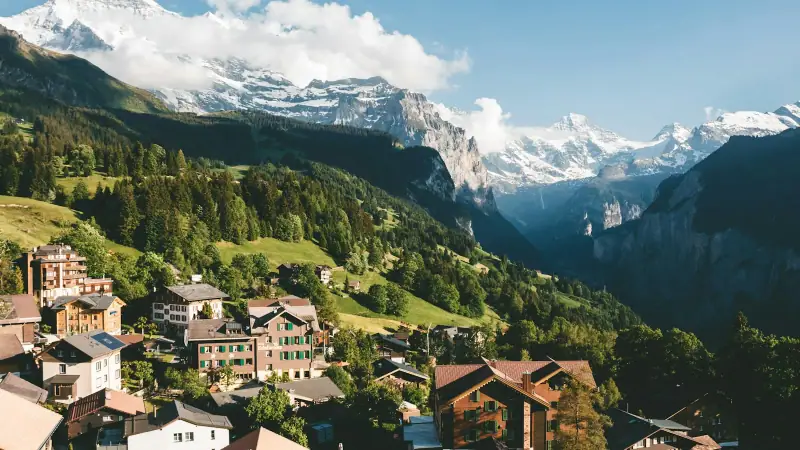
Switzerland budget: what a trip costs, item by item (2026)
How much to plan for a trip to Switzerland? Real costs by item, three budget profiles in CHF and tips to spend less without giving up the scenery.
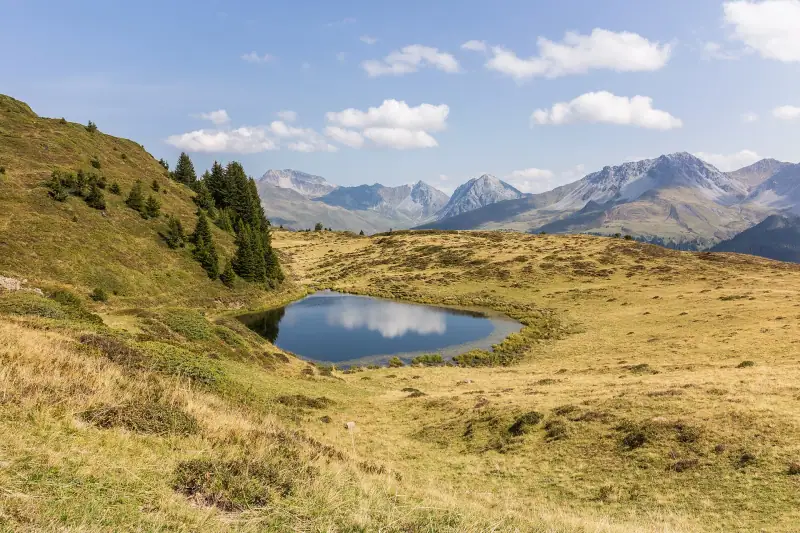
What to see in Graubünden: Chur, the Engadine, the National Park and UNESCO trains
What to see in Graubünden: Chur, Rhine Gorge, Flims, Engadine, St. Moritz, Swiss National Park, Müstair and UNESCO trains. Itineraries and practical tips.
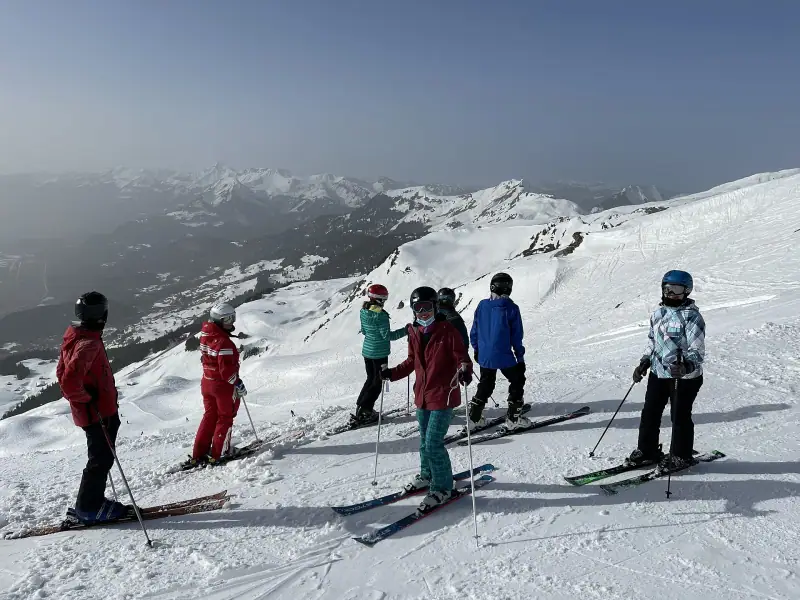
Switzerland's best ski resorts: Zermatt, Verbier, St. Moritz compared, with budgets
Zermatt, Verbier or St. Moritz: ski areas, atmosphere, access, lodging and budget. Compare Switzerland's three big resorts before booking your winter.
Ready-made
Switzerland itineraries
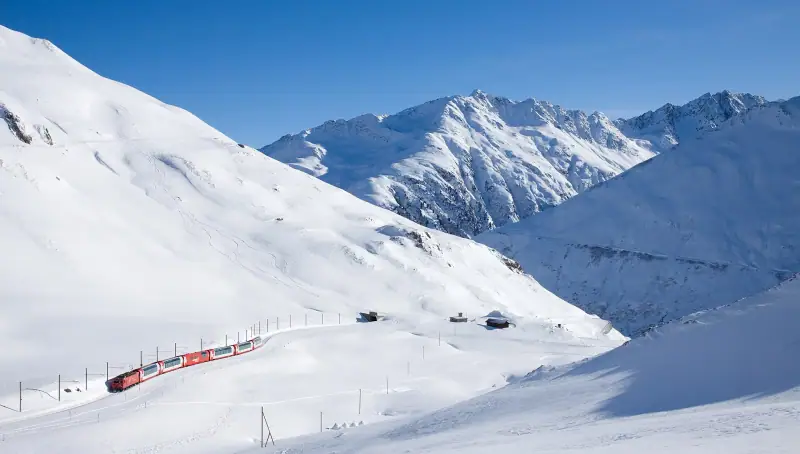
Glacier Express and panoramic trains in winter: routes, prices and reservations
Glacier Express, Bernina Express and GoldenPass in winter: 2026-2027 running dates, reservation prices, recommended routes and tips for seeing the snow.
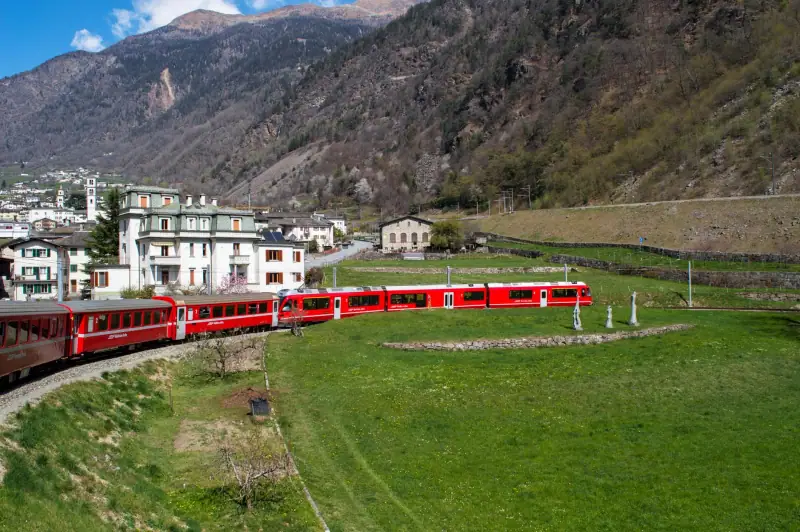
Glacier Express or Bernina Express: which panoramic train should you choose?
Glacier Express or Bernina Express: duration, scenery, reservations and passes. Compare Switzerland's two panoramic trains and pick the one for your trip.
7 days
7-day Switzerland itinerary by train: Lucerne, Interlaken, Zermatt and Lake Geneva
LucerneInterlakenZermattLausanne