What to see
Complete guide to visiting South Korea: regions, highlights and tips
We may earn a commission when you book through links on this page, at no extra cost to you. We don't visit or try the places we cover: we summarize published sources. How we work
In short
- Allow one week for Seoul and excursions, ten days to add Busan and Gyeongju, two weeks for a grand tour with Jeju, the east coast or Jeonju.
- Spring (April-May) and fall (late September to October) are the most pleasant seasons; summer is hot, humid and rainy.
- KTX high-speed trains link Seoul and Busan in a little under three hours; a car is useful mainly on Jeju Island.
- Excluding the international flight, expect roughly €50 to 70 (about $58 to 81) per day on a tight budget and €100 to 150 (about $115 to 175) in mid-range comfort.
Visiting South Korea means going in a few hours by train from a centuries-old royal palace to a district of lit-up skyscrapers, from a mist-wrapped mountain temple to the lively beach of a big port metropolis. This country on the Korean peninsula packs a rare density of heritage, nature, food and contemporary culture, all served by one of the best transport networks in the world.
This complete guide is the pillar article of the site: it presents the destination, its main regions and cities, the highlights not to miss, the best time to go, how to get there and around, lodging options and the budget to plan. Each section points to a detailed guide, so you can go deeper as you prepare your trip. Practical information is given as approximate figures: always check current fares, schedules and entry conditions before booking.
South Korea in brief: what to know before you go
South Korea occupies the southern half of the Korean peninsula, between the Yellow Sea to the west, the East Sea (called the Sea of Japan on many Western maps) to the east and the Korea Strait to the south. Its capital, Seoul, together with its suburbs, holds a large part of the country’s population. The terrain is very mountainous: about two thirds of the territory is covered by uplands, which explains the urban density on the plains and coasts, and the beauty of the national parks.
A country between tradition and ultramodernity
The country’s main appeal is this contrast. On one side, the palaces of the Joseon dynasty, Buddhist temples, villages of traditional houses (hanok) and former royal capitals like Gyeongju. On the other, a hyperconnected capital, a leading technology industry and a popular culture (music, series, film, cosmetics) that shines around the world. A traveler can thus go from a tea ceremony in a traditional house to an evening in an ultramodern district without leaving the same city.
Essential practical landmarks
- Currency: the South Korean won. Bank cards are very widely accepted, but keep a little cash for markets and street stalls.
- Language: Korean, written in hangul. English is often understood in tourist areas, and transport signage is bilingual.
- Time: South Korea does not change its clocks for daylight saving time.
- Electricity: the current is 220 V, with type C or F sockets. Check that your chargers and devices work with them before you go.
- Tipping: it is not customary; service is generally included.
- Entry rules: entry rules depend on your passport, and an electronic authorization may be requested depending on the period. Check the official travel advice of your government before you book: travel.state.gov (US), GOV.UK (UK), travel.gc.ca (Canada), Smartraveller (Australia) (checked November 2026).
With these basics in place, let’s see how the country divides into main regions, which will help you build a coherent itinerary.
South Korea’s main regions
To organize a trip, it is handy to think in broad zones. The country is administratively divided into provinces and metropolitan cities, but five large groupings are enough to structure a first stay: Seoul and its region, Gangwon, Gyeongsang, Jeolla and Jeju Island.
Seoul and Gyeonggi region
This is the political, economic and cultural heart of the country, and the entry point for most travelers thanks to Incheon International Airport. Seoul holds large royal palaces, traditional-house districts, markets, museums, trendy neighborhoods and a great many hills and parks reachable by subway. The Gyeonggi region around the capital offers easy day excursions: Suwon Fortress, folk villages, and the demilitarized zone that separates the two Koreas. To structure your stay in the capital, see our 3-day Seoul itinerary.
Gangwon and the east coast
East of Seoul, Gangwon province combines high mountains and shoreline on the East Sea. It is the region of hiking, rocky landscapes and winter sports resorts. Sokcho, a small port town, serves as a base to explore Seoraksan National Park, one of the most famous in the country. Our guide to Seoraksan and Sokcho details the hikes, temples and practical tips.
Gyeongsang: Busan, Gyeongju and the southeast
The southeast brings together two very different faces. Busan, the country’s second city, is a large port with urban beaches, fish markets and colorful villages clinging to the hill. Gyeongju, not far away, is the former capital of the Silla kingdom, often nicknamed “the museum without walls” for its royal tombs, temples and listed sites. You will find the essentials in our guides to visiting Busan and visiting Gyeongju. This region also includes Andong, known for its Confucian traditions and its historic village.
Jeolla: food and way of life
The southwest is often presented as the country’s food region. Jeonju, with its traditional-house district, is the city most associated with this reputation, notably thanks to its bibimbap, an emblematic dish. Further south, the Suncheon area charms with its wetlands and gardens. It is a territory less visited by foreign travelers, ideal for those who return or who want to get off the beaten track.
Jeju Island
Off the south coast, Jeju is a volcanic island that forms a province of its own. It holds the country’s highest peak, Hallasan, basalt coasts, lava tunnels, beaches and waterfalls. Its milder climate and slower pace make it the top destination for relaxation, very popular with Koreans themselves. Our guide to visiting Jeju Island presents the sights not to miss.
Cities to know in South Korea
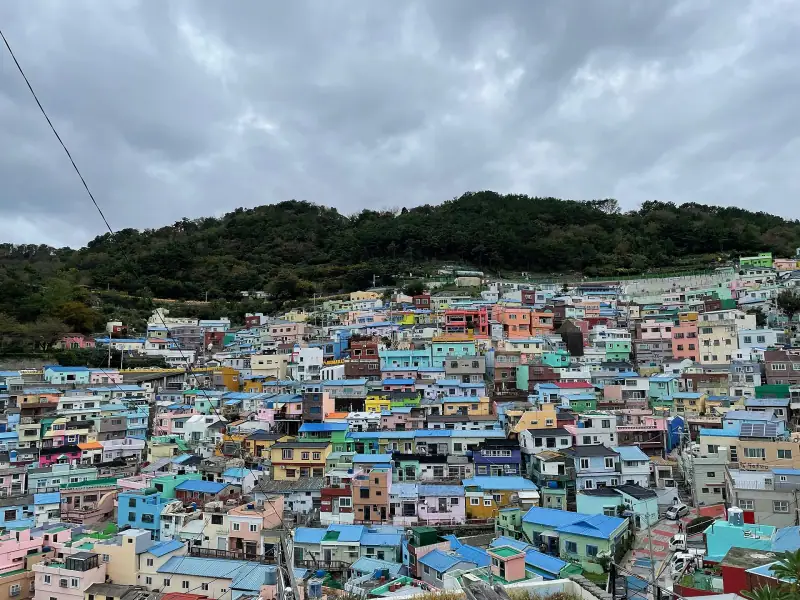
Beyond regions, a few cities serve as anchor points for most itineraries. Each has a distinct personality.
- Seoul: the capital, a must, for its palaces, neighborhoods, markets and nightlife.
- Busan: the big seaside city, ideal for combining sea, markets and picturesque neighborhoods.
- Gyeongju: the former Silla capital, perfect for immersion in history and heritage.
- Jeonju: the city of traditional food and hanok houses.
- Jeju: the gateway to the volcanic island.
- Sokcho: the base for the mountains and the East Sea.
- Incheon: the international airport city, which also deserves a detour for its historic port district, with a small Chinatown.
If you have ten days, a Seoul, Gyeongju and Busan trio is an excellent compromise. With two weeks, you can add Jeju or the east coast.
Seoul, the unmissable capital
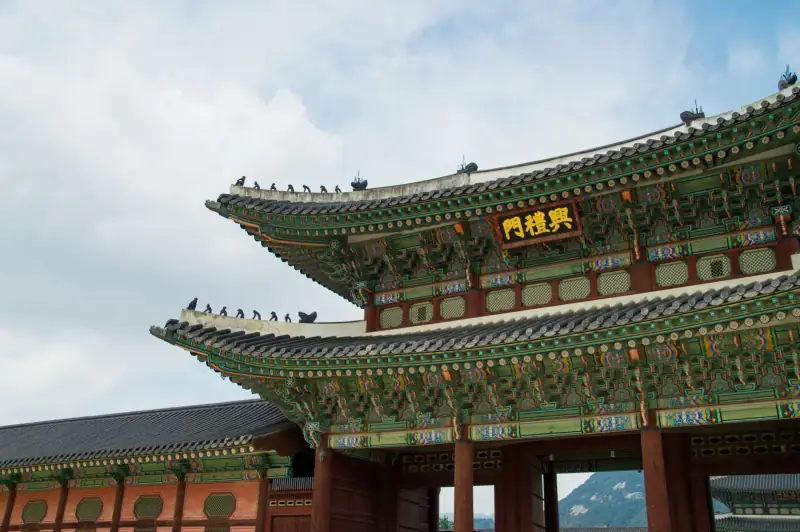
Almost every trip starts or ends in Seoul, and that makes sense: the city can be explored over several days without ever tiring. It is crossed by the Han River and surrounded by mountains, which offers many viewpoints over the city.
Palaces and royal heritage
The great palaces of the Joseon dynasty, such as Gyeongbokgung and Changdeokgung, are the most emblematic visits. They help you understand the architecture, protocol and history of ancient Korea. Several offer guided tours in English, and you can rent a traditional costume (hanbok) to enter many palaces at a reduced rate, depending on the conditions in force.
Neighborhoods to explore
Seoul is visited neighborhood by neighborhood. The traditional-house district of Bukchon offers a striking contrast with the towers around it. Insadong is oriented toward crafts and tea rooms. Myeongdong is the shopping and cosmetics hub. Hongdae, a student district, vibrates with music, cafés and nights out. Itaewon and newer areas attract with their diversity. Our guide to choosing where to stay in Seoul compares these neighborhoods from the traveler’s point of view.
A capital that lends itself to excursions
From Seoul, many day trips are possible: Suwon Fortress, traditional villages, mountains reachable by subway and above all the demilitarized zone, one of the country’s most singular places. Our article on visiting the DMZ from Seoul explains how to book an excursion and what to know before going.
Compare lodging in Seoul
Prices vary a lot by neighborhood and season. Compare rooms and cancellation terms on your dates before booking.
Highlights not to miss
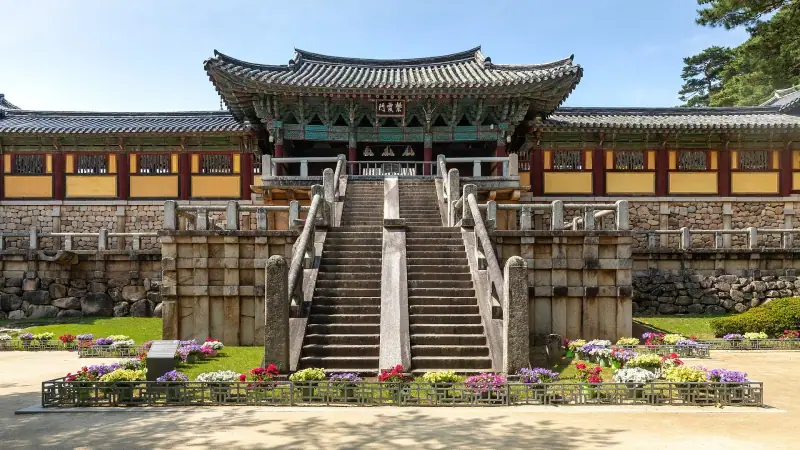
Once the capital is visited, several sites deserve a place on your map. Here is a selection to structure your wishes, with links to our detailed guides.
Gyeongju, history under the open sky
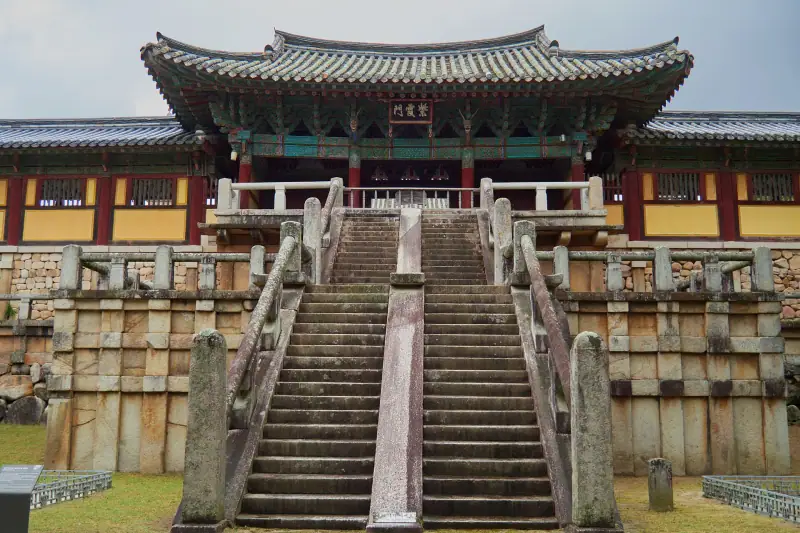
The former capital of the Silla kingdom is an almost obligatory stop for anyone interested in history. Its royal burial mounds, temples and archaeological sites can be explored on foot or by bike in a compact, walkable city. The mountain temples in the surroundings are among the most visited sites in the country. Our guide to visiting Gyeongju helps you organize one or two days there.
Busan, the big city of the sea
Busan combines urban beaches, seaside temples, fish markets and neighborhoods perched on hills. It is a city of contrasts, more laid-back than the capital, where seafood has a central place. A well-planned day lets you see the main sights, but two or three days give time to stroll. Find our selection in the article on Busan and its highlights.
Jeju, the volcanic island
Jeju is generally visited in three or four days: hiking to the summit of Hallasan or on more accessible trails, basalt coasts, craters, beaches, coastal villages. Many travelers rent a car to enjoy the freedom it gives on the island. Be sure to check in advance that your driver’s license is accepted. For the rental, compare the offers of rental companies before booking.
Seoraksan, the mountain and the sea
Seoraksan National Park is a must for hiking and rocky-landscape lovers, with trails of varying difficulty, temples and spectacular viewpoints, especially in fall. Nearby, Sokcho offers a lively port, markets and seafood restaurants. Our guide to Seoraksan and Sokcho gives all the details.
The demilitarized zone (DMZ)
The border between the two Koreas is one of the country’s most striking sites. Visits are by organized excursion, with strict rules to follow (ID, dress, instructions). It is a strong historical experience that sheds light on the peninsula’s contemporary history. See our guide to the DMZ from Seoul to prepare this outing well.
Jeonju and food
If cuisine is part of your travel motivations, Jeonju is a prime stop. Its traditional-house district, markets and restaurants make it a great place to try regional specialties. On this theme, read our article on typical dishes of Korean cuisine.
When to go to South Korea
The country has four well-marked seasons, which strongly influence the travel experience.
- Spring (April-May): cherry blossoms and mild temperatures. It is a very popular period, so more expensive and busier.
- Summer (June-August): hot and humid, with a rainy season and a risk of typhoons late in the season. Beaches and mountains are then very busy.
- Fall (September-November): clear skies, pleasant temperatures and red and orange foliage, especially in October in the national parks. Many travelers consider it the best season.
- Winter (December-February): cold and dry, with snow in the eastern mountains. Prices are often lower, and it is the winter sports season.
The south, around Busan and Jeju, is generally milder than Seoul and the mountainous east coast. To choose your dates in detail, see our complete guide to when to go to South Korea, which specifies months, festivals and periods of heavy crowds.
How to get to South Korea
The plane is the only realistic option for most travelers. Arrival is generally at Incheon International Airport, near Seoul.
Choosing your flight
Fares fluctuate strongly by season: booking several months ahead and staying flexible on dates helps lower the bill. Consider comparing arrival and departure airports if you plan a one-way route rather than a round trip, which can avoid a costly backtrack.
From the airport to the city center
From Incheon, an express train, dedicated buses and taxis link central Seoul. The express train and buses are much cheaper than a taxi. If your flight arrives very early or very late, check transport schedules in advance to avoid unpleasant surprises.
Flights to South Korea
The plane ticket is often the first item of the budget. Compare airlines, stopovers and flexible dates before booking.
Getting around once there
The transport network is one of the country’s great assets. In big cities, the subway is efficient, clean and well signed in several languages. A rechargeable T-money-type card makes payment easier on the subway, buses and sometimes taxis or local shops.
Between cities
- High-speed train (KTX): it quickly links Seoul to the country’s big cities, including Busan, in a little under three hours. It is the most comfortable mode for long distances, but also the most expensive.
- Intercity express buses: cheaper, comfortable and very frequent, they also serve cities the train does not.
- Classic trains: slower, but useful on some lines.
- Domestic flights: very practical to reach Jeju from Seoul, with many daily flights.
Should you rent a car?
On the mainland, the answer is almost always no: public transport is enough and city traffic is dense. On Jeju, however, a car gives real freedom to reach the sites farthest from bus stops. Check in advance the conditions for accepting your driver’s license.
For details on cards, networks and reservations, read our guide to getting around South Korea.
Where to stay in South Korea
The lodging offer is broad: hostel dorms, compact and very clean business hotels, mid-range hotels, large international chains, and more typical experiences such as staying in a hanok or, in some temples, monastic lodging programs (temple stay).
Choosing your neighborhood in Seoul
Location matters more than standing. A room near a well-served subway station saves you precious time. Neighborhoods like Hongdae, Myeongdong or the areas around the palaces are convenient for a first stay, each with its own atmosphere. Our guide to sleeping in Seoul compares these options.
In the rest of the country
In Busan, you generally choose between the beach zone and the city center, close to stations and markets. In Gyeongju, lodging is in the city center or near the sights. On Jeju, the choice depends mostly on your route: the north around Jeju City for convenience, the south for coasts and landscapes. In smaller towns, booking is advised during festivals and weekends.
When to book?
For spring and fall, book several weeks ahead, especially for Seoul, Jeju and beach resorts. Favor offers with free cancellation to keep flexibility if your plans change.
Excursions and activities in South Korea
For distant sites or guided outings like the DMZ, an excursion with transport included can be practical. Compare packages and reviews.
Food and way of life: not to be neglected
Food is one of the great pleasures of the trip. Korean cuisine rests on rice, vegetables, soups, grilled meats and a wide variety of side dishes, often served unlimited. Chili peppers, fermented pastes and kimchi are its signatures. You eat as well in small neighborhood restaurants as in markets or on the street.
A few dishes to try
Bibimbap (rice mixed with vegetables), table-grilled meats, comforting soups, savory pancakes and noodle dishes are among the must-tries. Each region has its specialties: seafood in Busan and on the east coast, regional dishes in Jeonju, island products on Jeju. Our guide to typical dishes of Korean cuisine details fifteen of them.
Table manners to know
A few rules of etiquette simplify meals: wait for elders to begin, use metal chopsticks and a spoon, do not stick your chopsticks upright in the rice and avoid serving yourself first. Grill restaurants are often ordered for two people minimum. If you travel alone, soup or rice restaurants are more suitable.
Special diets
Vegetarianism is less widespread than in Europe: meat, dried fish or fish-based broths hide in many dishes. If you follow a special diet, prepare a few phrases or a translation app, and favor temple-cuisine restaurants, which offer vegetarian meals.
What budget to plan for a trip to South Korea
The budget depends on the season, your travel style and the share you give to comfort. The international flight and lodging are generally the two biggest items. Once there, simple meals, urban transport and entrance fees to heritage sites remain affordable, which helps balance the budget.
- Tight budget: on the order of €50 to 70 (about $58 to 81) per day per person excluding the flight, with dorms or small rooms, local meals and public transport.
- Mid-range comfort: on the order of €100 to 150 (about $115 to 175) per day, with mid-category hotels and a few restaurants or excursions.
- High end: above that, with top-class hotels, renowned restaurants and private transport.
These ranges are rounded estimates, to be adjusted for the exchange rate and the period. A few tips help reduce the bill: travel outside the spring and fall peaks, favor express buses over the KTX on some routes, eat local and use the transit card. Our complete guide to the budget in South Korea offers three profiles priced item by item.
Sample itineraries for a first trip
Here are three outlines, to adapt to your wishes and the season. They combine cities well linked by train, to limit travel times.
One week: Seoul and its surroundings
Devote four or five days to Seoul, with one day for an excursion outside the capital (DMZ, Suwon Fortress or a nearby mountain). It is the ideal formula for a first contact without rushing. Our three-day Seoul itinerary provides the detailed plan for the capital part.
Ten days: Seoul, Gyeongju and Busan
After four days in Seoul, take the train to the southeast. Gyeongju needs a day and a half to two days, Busan two to three days. The return to Seoul is by fast train or flight, depending on your return flight. It is the classic itinerary, combining heritage, sea and a big city.
Fourteen days: a grand tour with Jeju or the east coast
Over two weeks, add to the previous formula three days on Jeju, or two to three days in Sokcho and Seoraksan for the mountains and the East Sea. You can also include Jeonju for its food. Avoid too many lodging changes: each move costs half a day, between stations, luggage and city trips.
Practical tips for preparing your trip
A few points are worth anticipating to avoid surprises.
Connectivity and apps
A SIM card or eSIM for mobile data is very useful: maps, translation and mobile payment depend on it. Check your carrier’s international plan or use a travel eSIM. Foreign navigation maps sometimes work less well in South Korea, so download a local mapping app in advance or check the compatibility of the one you usually use. Wi-Fi is widespread in cities, stations and cafés.
Health and insurance
Ask your doctor or a travel clinic, and see the official travel health pages (CDC in the US, TravelHealthPro in the UK). Travel insurance covering medical costs and repatriation is strongly advised, as health care for foreigners can be expensive. Also think about protecting your luggage and electronic equipment.
Respecting local customs
Take off your shoes before entering a traditional lodging, a temple or some restaurants. Speak quietly on public transport, leave seats reserved for the elderly or people with reduced mobility, and respect the rules in temples and palaces. A discreet and polite attitude is very much appreciated.
Preparing for weather conditions
In summer, heat and humidity call for staying hydrated and packing light clothing, as well as an umbrella. In winter, temperatures can be very low: warm layers, gloves and a hat are indispensable, especially since most sites are visited outdoors. In spring and fall, a light jacket and good walking shoes are generally enough.
What you will learn by reading our other guides
This pillar guide opens the door to all our articles. Here is how to use them depending on your stage of preparation.
- I am choosing my dates: when to go to South Korea.
- I am calculating my budget: budget in South Korea.
- I am planning my travel: transport in South Korea.
- I am booking lodging in Seoul: where to stay in Seoul.
- I am planning my stay in the capital: Seoul in 3 days.
- I am preparing my meals: Korean cuisine and typical dishes.
- I am exploring the southeast: Busan and Gyeongju.
- I am adding the volcanic island: Jeju Island.
- I am heading to the mountains: Seoraksan and Sokcho.
- I am visiting the border: DMZ from Seoul.
More articles will complete this list over time, notably on Jeonju, the west coast and themed stays. Come back regularly to discover what is new.
In short
South Korea is an easily accessible, safe, very well served destination of great richness. For a first trip, keep three principles: focus on a few regions rather than trying to see everything, travel in spring or fall if you can, and leave time for the food, which is an integral part of the experience. With good preparation and efficient transport, you will fully enjoy this country where old and modern coexist at every street corner.
Frequently asked questions
How long do you need to visit South Korea?
Allow one week for Seoul and one or two excursions, ten days to add Busan and Gyeongju, and two weeks for a first grand tour with Jeju, the east coast or the Jeonju area. The transport network is fast, but the distances between north and south still take several hours.
Do you need a visa for South Korea?
Entry rules depend on your passport and can change, including electronic travel authorization requirements. Check the official travel advice of your government before you book: travel.state.gov (US), GOV.UK (UK), travel.gc.ca (Canada), Smartraveller (Australia) (checked November 2026).
What is the best time to go?
Spring (April-May) and fall (late September to October) are the most pleasant, with mild temperatures and colorful landscapes. Summer is hot, humid and marked by a rainy season, winter cold and dry. Our dedicated guide details each season.
Do you need to speak Korean to travel in South Korea?
No. In big cities and at tourist sites, subway, station and airport signs are bilingual, and translation and map apps make daily life easier. Learning a few polite words is always appreciated, especially hello and thank you.
Is South Korea a safe country for travelers?
It is generally considered safe for tourists, including solo travelers, with low street crime. The usual precautions still apply (personal belongings, heavy traffic, summer heat waves). Check your government's travel advice before leaving.
Can you travel in South Korea without a car?
Yes, it is even the simplest solution on the mainland: subway, fast trains and express buses link almost every city. A car only becomes really useful on Jeju Island or to explore rural areas freely.
What budget should you plan for a trip to South Korea?
Excluding the international flight, expect roughly €50 to 70 (about $58 to 81) per day on a tight budget, €100 to 150 (about $115 to 175) in mid-range comfort, and more at the high end. These amounts vary with the season and the exchange rate: our budget guide details them item by item.
More South Korea guides
Keep reading
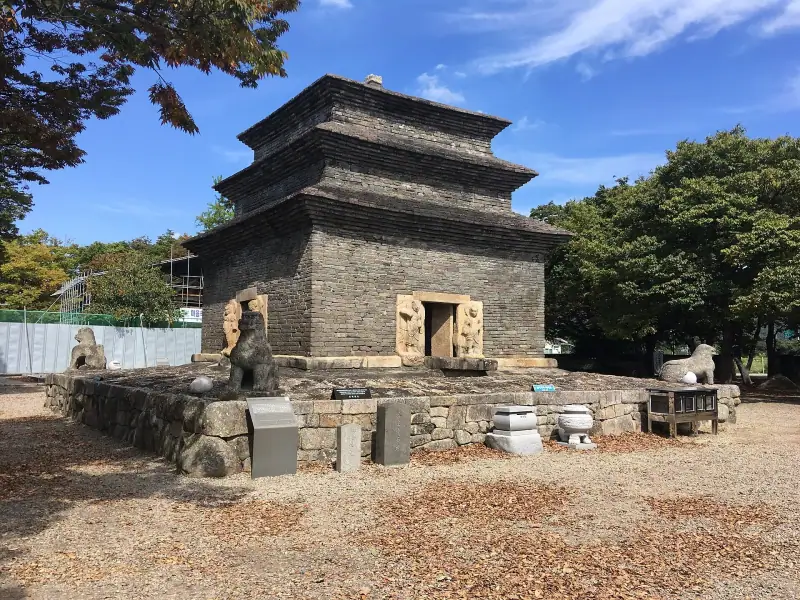
Visiting Gyeongju: the highlights of the Silla capital
Visiting Gyeongju, South Korea: Bulguksa Temple, Seokguram Grotto, Daereungwon mounds, Wolji Pond, Yangdong village. Tips, transport and planning.
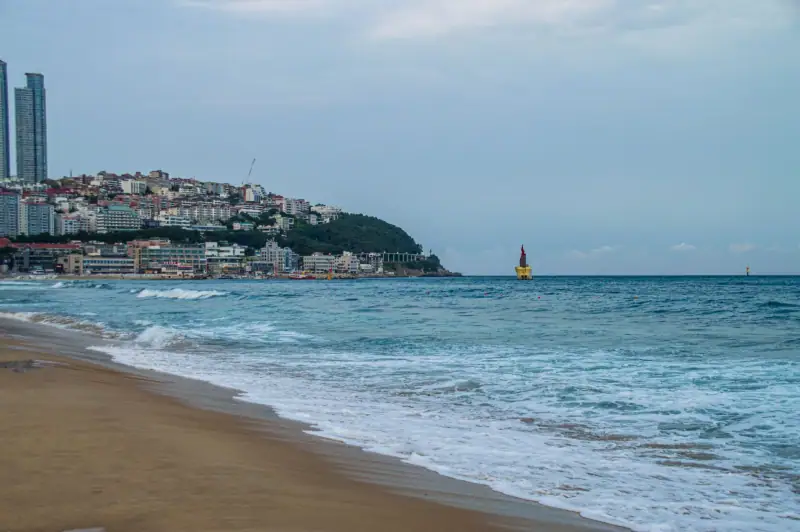
Visiting Busan: the 8 highlights of the big port city
What to see in Busan? Haedong Yonggungsa Temple, Gamcheon village, Jagalchi Market, Haeundae Beach: highlights, transport tips and where to stay.
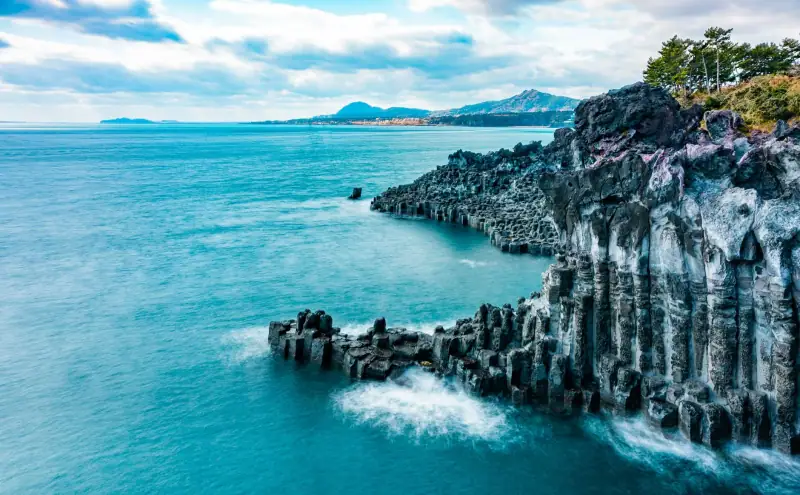
Visiting Jeju Island: the highlights of the volcanic island
What to see on Jeju: Hallasan volcano, Seongsan Ilchulbong cone, lava tube, Udo island, basalt cliffs and beaches. Tips for planning your stay.
Ready-made
South Korea itineraries
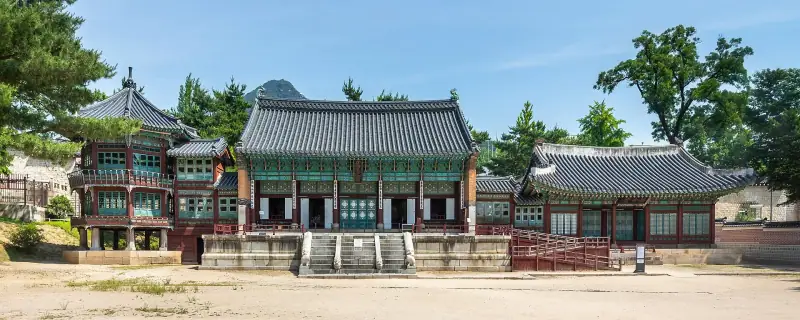
7 days
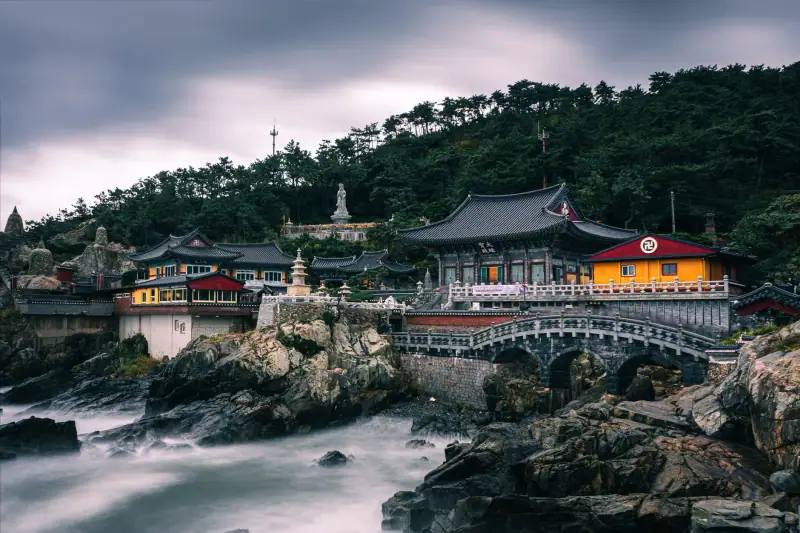
4 days
10 days
South Korea in 10 days: an itinerary through Seoul, Gyeongju, Busan and Jeju
SeoulGyeongjuBusanJeju