Things to do
Skiing in South Korea: Pyeongchang, Yongpyong and the resorts near Seoul
We may earn a commission when you book through links on this page, at no extra cost to you. We don't visit or try the places we cover: we summarize published sources. How we work
In short
- Korean ski resorts generally open between late November and December and close around early March; the best conditions are usually from January to mid-February.
- The closest to Seoul (Gangchon, Jisan, Konjiam) suit a day or a weekend; Yongpyong, Alpensia, Phoenix and High1 in Gangwon are worth several days.
- All big resorts rent skis, snowboards, boots, helmets and clothing, with beginner lesson packages.
- Check opening dates and lift-pass prices on each resort's official site: they change each season.
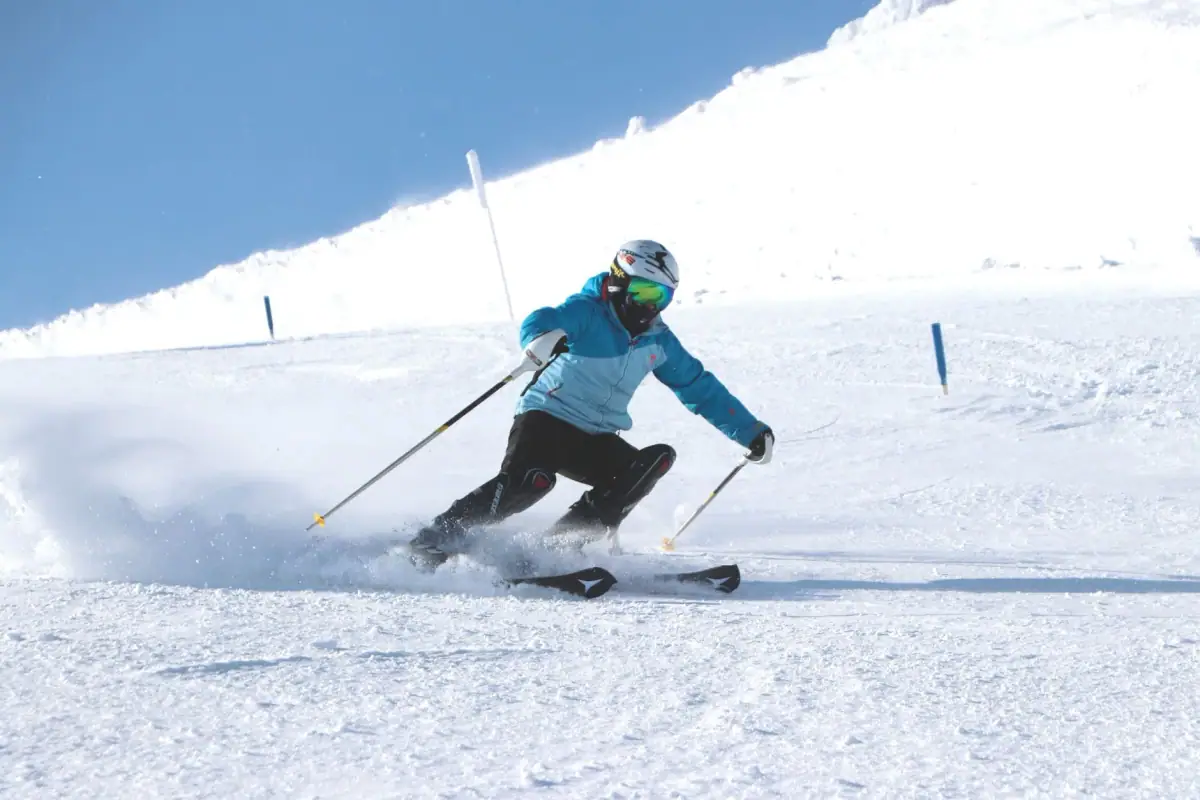
Many travelers think of South Korea for its palaces, street food and temples, but the country is also a winter sports destination. Between December and March, the Gangwon mountains, east of Seoul, are covered in snow, and dozens of slopes light up in the evening. Since the 2018 Winter Olympics, held in Pyeongchang, the region has gained an international reputation.
This guide helps you choose a resort, get there from Seoul with or without a car, understand the rhythm of the season and prepare a stay combining skiing, hot baths and food. We stay deliberately cautious about prices and 2026-2027 dates: this information changes every season and is published by the resorts themselves.
In short: Korean ski resorts generally open between late November and December, and close around early March. The closest to Seoul (Gangchon, Jisan, Konjiam) suit a day or a weekend; Yongpyong, Alpensia, Phoenix and High1, in Gangwon, are worth a stay of several days. Check dates and prices on the resort’s official site.
Pyeongchang and Gangwon: the heart of Korean skiing
Gangwon province, already mentioned in our guide to Seoraksan and Sokcho, concentrates most of the country’s major resorts. Pyeongchang County alone brings together several very busy areas: Yongpyong (now marketed as MONA YongPyong), Alpensia and Phoenix Snow Park. The neighboring Jeongseon County is home to High1, while Hongcheon hosts Vivaldi Park and Hoengseong the Welli Hilli resort.
Why Gangwon? Its altitude, higher than in the rest of the country, and its cold, dry winters favor snow cover. Resorts also rely heavily on artificial snow, which explains why opening dates depend first on night temperatures. The atmosphere is very different from the Alps: slopes lit in the evening, restaurants and cafés at the foot of the lifts, full outfit rentals and many Korean families and groups of friends.
To remember when comparing resorts:
- Size and variety: Gangwon offers the largest areas, with slopes for all levels.
- On-site lodging: hotels and condos at the foot of the slopes at Yongpyong, Alpensia, High1 and Vivaldi Park, practical to avoid the road in the evening.
- Access: less and less long thanks to the train and shuttles, but a trip of a few hours is still to be expected from Seoul.
- Other attractions: amusement parks, baths, cafés, winter markets or snowy temples nearby.
Yongpyong: the big historic resort
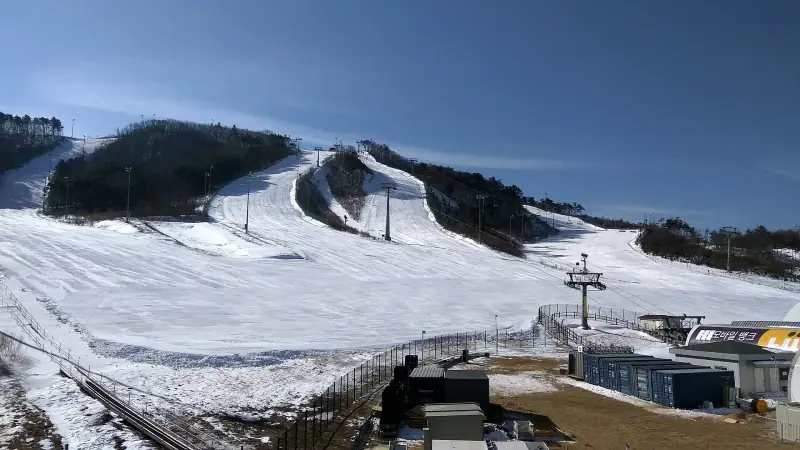
Yongpyong, in Pyeongchang County, is one of the oldest and biggest resorts in the country. It hosted technical alpine skiing events at the 2018 Olympics, which explains its reputation among experienced skiers. The official site has sections for lifts, equipment rental and lessons, as well as a table of open-slope status and a trail map.
Who is it for? Intermediate and advanced skiers will find more variety here than elsewhere, but beginners are not forgotten thanks to ski schools offering introductory lessons. The resort offers integrated lodging, which simplifies a stay of two or three nights. Its information on reaching the resort from a city (shuttle) or by car is on its official site; it changes each season, so it is better to check it before booking.
Tip: if you visit the resort on a weekend, arrive early in the morning to avoid lift lines and enjoy the evening session, often calmer.
Hotels in Pyeongchang
Compare lodging around Pyeongchang and the slopes: in high winter season, and especially on weekends, rooms are booked early.
Alpensia and Phoenix Snow Park: the 2018 Olympic site
A few kilometers from Yongpyong, Alpensia is a complex built to host the 2018 Games: ski jumping, biathlon and cross-country skiing events took place there. Today, the resort offers ski and snowboard slopes, hotels and a modern mountain-village atmosphere with shops and restaurants. It is a good choice for a family audience that appreciates the comfort of an integrated resort and can combine skiing with walks in the village.
Phoenix Snow Park, in the same Pyeongchang area, hosted snowboard and freestyle skiing events in 2018. It appeals to snowboarders and skiers who like wide slopes. Since the Pyeongchang resorts are close to one another, in some seasons, joint passes or subscriptions are offered: ask the resorts directly what is valid in 2026-2027.
The Olympic facilities are also a visit in themselves for sports fans: even without putting on skis, the site helps you grasp the scale of the 2018 event.
High1 in Jeongseon: Gangwon’s high mountain
High1 Resort is in Sabuk, in Jeongseon County, in the south of Gangwon. On its official site, the resort presents itself as having the best slopes and snow quality in the country: it is up to you to judge for yourself. It is known for its altitude, among the highest of Korean resorts, which can make conditions colder and more stable.
High1 is farther from Seoul than the Gyeonggi resorts, making it more of a destination for a stay of several nights. According to the Korean press, the resort launched in September 2026 an integrated season pass valid at several major resorts in the country: if you plan to ski several times, compare this type of formula with day passes. The terms and prices are to be checked on High1’s official site.
Vivaldi Park in Hongcheon and Welli Hilli in Hoengseong
Closer to Seoul than Pyeongchang, Vivaldi Park (Hongcheon) and Welli Hilli (Hoengseong) are medium- to large-sized resorts, often chosen for a weekend. Vivaldi Park is a big leisure complex with hotels, restaurants and entertainment: it is a practical option for a group where not everyone skis. Welli Hilli attracts families and friends thanks to its relatively simple access from the capital.
These resorts have the advantage of reducing the trip without sacrificing slope variety. They generally open a little later than the highest Pyeongchang resorts. For last year, the Korean press mentioned openings in early December; for the 2026-2027 season, no official date was published as of early November 2026, so check the resorts’ announcements.
Gangchon, Jisan and Konjiam: skiing for the day from Seoul
For those with only a day or two, the resorts near the capital are ideal:
- Elysian Gangchon (Chuncheon, Gangwon) is one of the most accessible from Seoul thanks to rail service to Gangchon, without a car. It is a good base to learn.
- Jisan Forest Resort (Icheon, Gyeonggi) is a reasonably sized resort on the southeast outskirts of the capital. Its official site mentions a ski-shuttle booking service and an information number for the resort.
- Konjiam Resort (Gwangju, Gyeonggi) is also close to Seoul and designed for day or evening outings.
These resorts are smaller, but perfect for a first taste of the slopes, an introductory lesson or an evening under the floodlights. If your stay in Seoul is short, it is the simplest way to try skiing without giving up your visits. To organize your stay in town, see our 3-day Seoul itinerary and our guide to the neighborhoods where to stay in Seoul.
How to get to the ski resorts from Seoul
Three main options exist, detailed more broadly in our article on transport in South Korea:
- The ski shuttle: many resorts organize shuttles from Seoul, to book on their site. It is often the simplest if you travel with skis or rented gear.
- The train and express bus: a high-speed line serves the Pyeongchang area from Seoul, but the station is not always at the foot of the slopes; you then need to take a taxi or local shuttle. Express buses complete the offer, as for Sokcho.
- The rental car: it gives freedom, but driving on a snowy road requires experience, proper tires and great caution. On very cold weekends, mountain roads can be very busy. Check the resort’s access conditions before leaving.
In all cases, leave early in the morning and avoid Sunday late-afternoon returns, when roads to Seoul are saturated.
Ski and snow excursions from Seoul
Transport, introductory lessons or a snow day trip: compare winter excursion offers from Seoul and Pyeongchang.
Season, opening dates and passes: what to check
The season generally runs from late November or December to early March. The highest resorts or those best equipped with snow cannons open first, often around late November; others follow through December. The best conditions are generally found from January to mid-February, with very low temperatures. Our article when to go to South Korea details the country’s winter climate.
For 2026-2027, no resort had announced an official opening date at the time of writing. Prices for passes, equipment rental and lessons are published on each resort’s official site (rates, rental, lessons sections): they vary by day, slot (day, afternoon, evening) and period. So we give no amount here, so as not to mislead you: check on the resort’s site.
A few reflexes to save money:
- Book online in advance, as many resorts offer presale rates or “early bird” offers.
- Choose a weekday rather than the weekend, when rates and crowds are often lower.
- Compare the packages (ski pass + rental + lessons) with the price of items bought separately.
- Consider the evening slot if the resort offers night skiing.
To fit skiing into your overall envelope, also see our guide to the budget in South Korea.
What else to do in the region off the slopes
Gangwon in winter is not just skiing. A few complementary ideas:
- Seoraksan under snow: the national park’s landscapes are much sought after in winter, but trails are slippery and some access can be limited. Our guide to Seoraksan and Sokcho helps you prepare this escape.
- Winter festivals: Gangwon hosts several snow and ice festivals, often in January (ice fishing, for example); dates change every year and are announced by the organizers.
- Temples in winter: in the Odaesan area, Buddhist temples under snow offer a peaceful atmosphere. If the subject interests you, read our article on templestay in South Korea.
- Winter cooking: after a day of skiing, nothing beats a steaming stew. Our guide to Korean cuisine and the one on Korean drinks will help you choose.
- The east coast: Gangneung and Sokcho are accessible from the Pyeongchang area and offer seaside walks in winter.
What to pack for skiing in Korea
Gangwon winters are cold, with wind that strengthens the feeling of cold. Even if you rent skis, boots and ski clothing there, bring your personal items:
- thermal underwear and warm socks;
- waterproof gloves and a neck warmer or face covering;
- a hat and sunglasses or a mask (sun on snow is dazzling);
- sunscreen and lip balm;
- a power bank, as cold reduces phone battery life.
Our article on accessories for South Korea completes this list with adapters and travel essentials.
Insurance and safety on the slopes
Skiing carries risks of falls and injury, and medical costs abroad can be high. Before leaving, check what your bank card and your insurance contract cover, notably for winter sports: some coverage excludes skiing or requires an option. Our article on South Korea entry requirements recalls the steps to take before departure. Entry rules depend on your passport. Check the official travel advice of your government before you book: travel.state.gov (US), GOV.UK (UK), travel.gc.ca (Canada), Smartraveller (Australia) (checked November 2026).
On the slopes, respect the markings, slope closures and staff instructions; wear a helmet, which most resorts rent.
Organizing a ski weekend from Seoul
Here is an example of a simple program, to adapt to the chosen resort and the conditions of the moment:
Day 1: Seoul → ski resort
- Shuttle or train early in the morning to the resort, to be on the slopes by late morning.
- Equipment rental, introductory lesson if needed, first runs.
- Dinner at the resort, then night skiing if the resort opens it.
Day 2: last day and return
- Ski in the morning, when the snow is firmest.
- Lunch at the foot of the slopes, return of equipment.
- Return to Seoul before the end of the afternoon, to avoid Sunday traffic jams.
For a longer stay, add an extra night in Pyeongchang or Sokcho, or combine skiing with a stop in Seoul: our complete guide to South Korea helps you build a balanced winter trip. Also plan for a reliable mobile connection: check your carrier’s international plan or use a travel eSIM, and see our guide to SIM cards and eSIMs in South Korea.
Sources
Frequently asked questions
When can you ski in South Korea?
The season generally runs from late November or December to early March, with the best conditions from January to mid-February. The 2026-2027 opening dates depend on cold and snow: check each resort's site before booking.
Which resort should you choose for a first ski stay from Seoul?
For a weekend or a day, the resorts closest to the capital (Gangchon, Jisan, Konjiam) are the simplest. For a multi-day ski stay, Gangwon (Yongpyong, Alpensia, Phoenix, High1) offers more slopes and on-site lodging.
Can you ski without a car in South Korea?
Yes. The train, express buses and above all ski shuttles from Seoul serve most resorts. Schedules and departure points change from one season to the next: see the shuttle page of the chosen resort.
Do you need to bring your own ski equipment?
No, all the big resorts rent skis, snowboards, boots, helmets and clothing, with lesson packages for beginners. Do bring your gloves, a neck warmer and warm underwear.
How much does a lift pass cost?
Rates vary by resort, day (weekend or weekday) and period, and those of the 2026-2027 season are published by each resort. We prefer not to give an amount: see the rates section of the resort's official site.
Is skiing in South Korea suitable for experienced skiers?
The areas are smaller and lower than in the Alps, but resorts like Yongpyong, Alpensia or High1 offer varied slopes, some from the 2018 Winter Olympics. It is an original stay more than a destination for big mountain skiing.
More South Korea guides
Keep reading
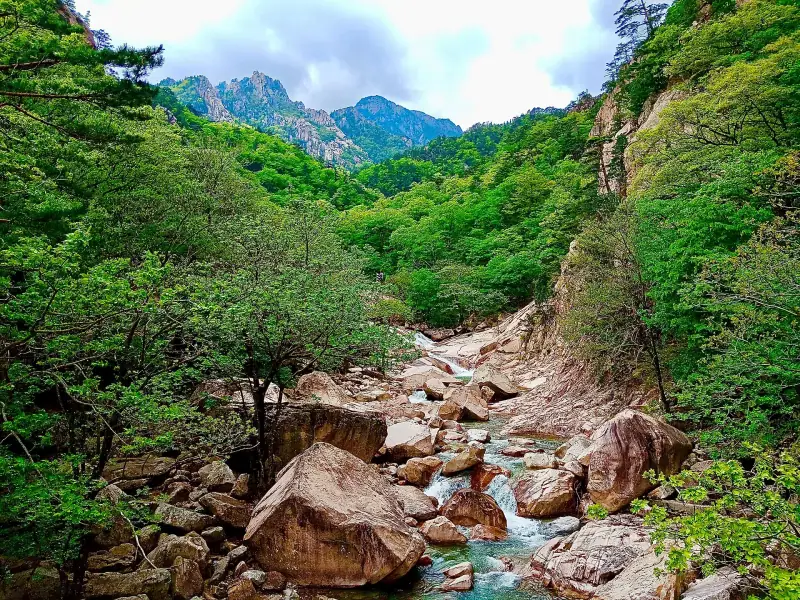
Visiting Seoraksan and Sokcho: hikes, temples and the East Sea
Visiting Seoraksan and Sokcho: Ulsanbawi, cable car, Sinheungsa Temple, Abai village, fish market. Access from Seoul, seasons and practical tips.
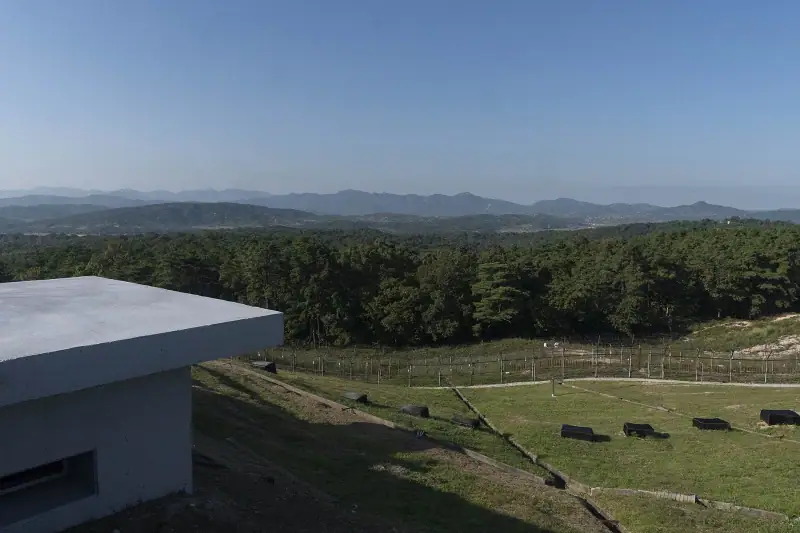
Visiting the DMZ from Seoul: tours, tips and booking
Visiting the DMZ from Seoul: types of tours, sights (Imjingak, Third Tunnel, observatory), JSA, dress code, booking and practical tips.
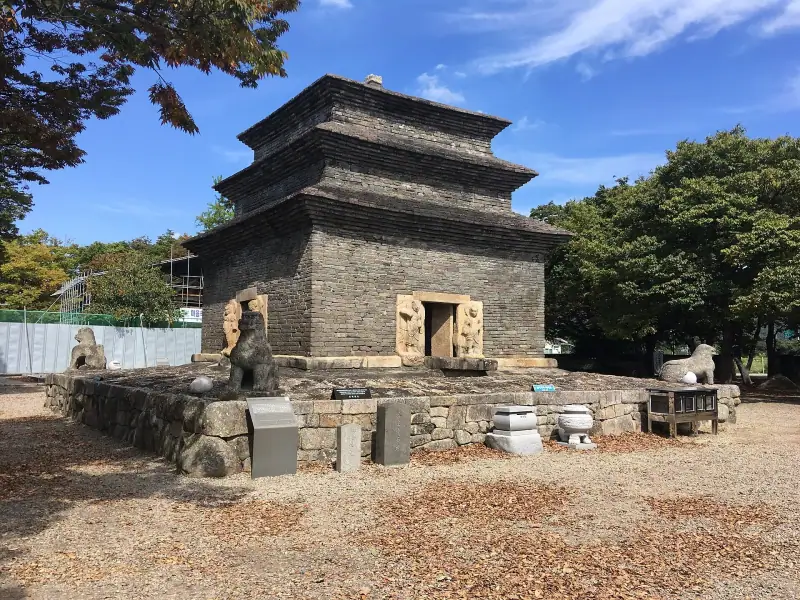
Visiting Gyeongju: the highlights of the Silla capital
Visiting Gyeongju, South Korea: Bulguksa Temple, Seokguram Grotto, Daereungwon mounds, Wolji Pond, Yangdong village. Tips, transport and planning.
Ready-made
South Korea itineraries
7 days
4 days
10 days
South Korea in 10 days: an itinerary through Seoul, Gyeongju, Busan and Jeju
SeoulGyeongjuBusanJeju