What to see
Complete guide to visiting Mexico: regions, highlights and tips
We may earn a commission when you book through links on this page, at no extra cost to you. We don't visit or try the places we cover: we summarize published sources. How we work
In short
- Plan at least ten days for a first look at two or three regions, and two to three weeks to combine Mexico City, Oaxaca, Chiapas and Yucatán without rushing.
- The dry season, from November to April, is generally the most pleasant. The rainy and hurricane season runs roughly from June to November, mostly on the coasts.
- Distances are large: reaching Yucatán from Mexico City takes a flight, and even between neighboring regions a bus can take a whole day. Fewer stops make a better trip.
- Drink bottled or filtered water. The Caribbean coast is clearly pricier than Oaxaca or Chiapas.
Mexico is one of those countries you discover over several trips. Between the northern desert, the volcanic plateaus of the center, the tropical forests of the south and the beaches of both oceans, the landscapes change at every stop. Pre-Columbian civilizations left monumental cities, the colonial period gave rise to Baroque towns of vivid colors, and the cuisine, listed on UNESCO’s intangible cultural heritage list, almost justifies the trip on its own.
This pillar guide is a starting point. It presents the main regions and cities to know, the highlights, the choice of season, transport, lodging and budget. At each stage, links send you to our detailed articles to prepare each part of your stay. Hours, prices and entry conditions change: always check them before you go.
Mexico at a glance
Mexico has more than 120 million inhabitants and covers nearly 2 million km² (about 770,000 sq mi). It is organized into 32 federal entities. The de facto official language is Spanish, but dozens of indigenous languages, including Maya and Nahuatl, are still spoken. The currency is the Mexican peso, and the country spans several time zones.
Geography explains the diversity of possible trips. The center of the country is a high plateau where Mexico City sits at more than 2,000 m (6,560 ft) of altitude, with mild days and cool nights. The mountainous south, around Oaxaca and Chiapas, mixes dry valleys and highland forests. The Yucatán Peninsula, flat and limestone, is hot all year and dotted with cenotes. Finally, the Pacific and Caribbean coasts offer beaches that differ greatly in atmosphere.
One essential point for organizing the trip: do not underestimate distances. Linking Mexico City to the Yucatán Peninsula takes a flight, and even between two neighboring regions, the bus can take a whole day. This is the first reason to limit the number of stops.
The main regions to know
This guide divides the country into six large areas, which match the most common traveler routes. Each has its own personality, pace and best season.
Mexico City and the center
The capital is the natural entry point of the country. Its historic center is a UNESCO World Heritage site, and the city has world-class museums, markets, bohemian neighborhoods and a very rich food scene. About fifty kilometers (31 mi) to the northeast, the Teotihuacán site, with its great Pyramids of the Sun and the Moon, is easy to visit in a day. Further southeast, Puebla charms with its colonial architecture and cuisine.
To choose your neighborhood well, see our article on where to stay in Mexico City. The altitude is felt in the first days: take it easy on arrival. For health questions, ask your doctor or a travel clinic, and see the official travel health pages (CDC in the US, TravelHealthPro in the UK).
Yucatán
Yucatán is the heart of the Maya world for visitors. Mérida, a lively colonial city nicknamed the “White City”, is a base for day trips to archaeological sites and cenotes. Chichén Itzá, a World Heritage site and one of the most famous in the country, is about two hours by road from Mérida depending on traffic. The region also has many haciendas, colorful villages and nature reserves.
To prepare for the region’s biggest Maya site, read our guide to visiting Chichén Itzá. And to enjoy the natural wells that give the peninsula its reputation, our selection of Yucatán cenotes will help you choose.
The Riviera Maya
On the Caribbean coast, between Cancún and Tulum, the Riviera Maya concentrates white sand beaches, big resorts, coral reefs and most of the country’s beach tourism. Cancún is the air gateway, Playa del Carmen a lively and practical town, and Tulum the meeting point of Maya ruins, beaches and cenotes. Further south, the Bacalar lagoon draws visitors for its shades of blue.
This coast is also the most expensive in the country and the most exposed to rainy and hurricane seasons. For a stay there, our article on visiting Tulum details the ruins, beaches and nearby excursions.
Oaxaca
The state of Oaxaca, in the south, is often cited as the favorite destination of travelers who like culture, crafts and food. The city of Oaxaca de Juárez, whose historic center is UNESCO-listed together with the nearby Monte Albán site, is known for its markets, mezcalerías, moles and festivals. Around it, craft villages, Zapotec sites and mountain landscapes are easy to visit in a day. The coast, further south, adds wilder beaches for those who want to extend.
Our guide to visiting Oaxaca suggests a three-day stay in the city and its surroundings.
Chiapas
Chiapas, in the far south, is the greenest and most mountainous region. San Cristóbal de las Casas, a colonial highland city surrounded by indigenous villages, offers cool days and an atmosphere very different from the coast. Palenque, in the rainforest, is one of the most beautiful Maya sites in the country, and the Sumidero Canyon, like the region’s waterfalls, completes a stay devoted to nature and living cultures.
All the details are in our article on visiting Chiapas.
The colonial cities of the north-center
Northwest of Mexico City, on the high plateaus, a string of silver cities was built in the colonial era. Guanajuato, with its sloping lanes, underground tunnels and colorful facades, is UNESCO-listed. San Miguel de Allende, more refined, draws visitors for its architecture and art scene. These stops combine well with a stay in Mexico City and suit travelers who prefer cities to beaches.
Hotels in Mexico City
Compare lodging in the historic center, Roma, Condesa and other neighborhoods for your arrival.
Mexico’s highlights
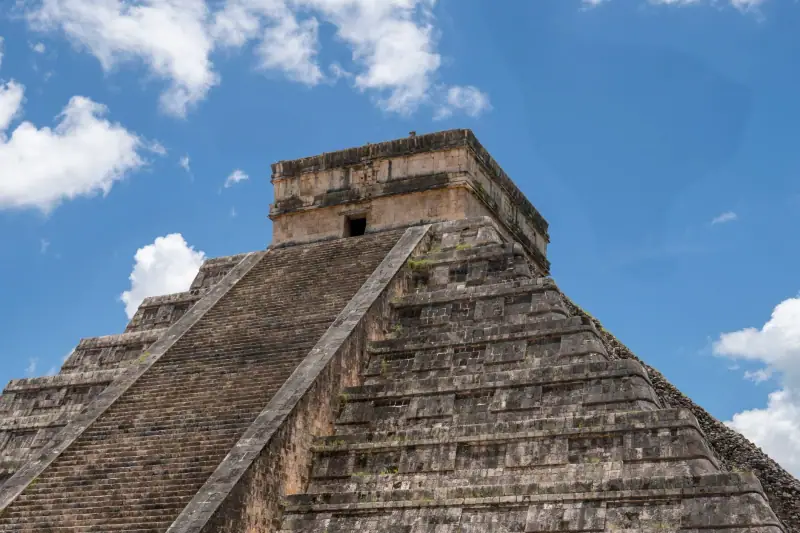
You cannot see everything, but some places come up in almost every successful trip. Here is a selection, to cross with your length of stay and your season.
Archaeological sites
Mexico has hundreds of pre-Columbian sites open to visitors. A few stand out for their importance or setting: Teotihuacán near the capital, Monte Albán above Oaxaca, Palenque in the Chiapas forest, Chichén Itzá in Yucatán and Tulum, perched on its cliff facing the Caribbean Sea. Each tells the story of a different civilization, from the Zapotecs to the Maya via the mysterious builders of Teotihuacán.
Advice that holds everywhere: arrive at opening, before the heat and the organized groups. Bring a hat, water and good shoes, as shade is rare. At the busiest sites, a guided visit helps a lot in understanding what you are looking at.
Cenotes
These natural wells dug into the limestone are one of the specialties of the Yucatán Peninsula. Some are open, others hidden in caverns, and their clear fresh water allows swimming, snorkeling or diving. They are visited as part of a stay in Mérida, Valladolid or on the Riviera Maya. Bring a biodegradable sunscreen, as regular products are often banned.
Colonial cities and their markets
Mexico City, Oaxaca, Puebla, Guanajuato, San Cristóbal or Mérida: each city has its central square, its cathedral, its colors and its market. Take time to wander, to sit at a café on the zócalo and to taste what the stalls sell. This is often where the trip becomes most memorable.
Beaches and the sea
Between the Caribbean Sea and the Pacific, there is no shortage of beaches. The Caribbean is known for its pale sand and turquoise water, with the second-largest coral reef in the world offshore. The Pacific offers more powerful waves, surf spots and wilder atmospheres. Baja California, in the far northwest, is known for whale watching in winter, depending on season and area.
Tours and guided visits in Mexico
Maya sites, cenotes, colonial cities: compare guided visits and day excursions.
Mexican food
You do not visit Mexico without sitting down to eat. The cuisine has great regional diversity: cochinita pibil in Yucatán, moles and tlayudas in Oaxaca, tacos of all kinds in Mexico City, and fish or ceviche on the coasts. Corn, chiles, beans and fruit are the base, with sauces and preparations that vary from village to village.
Street food holds a central place: tacos, quesadillas, tamales or elotes are eaten standing at the roadside, at very affordable prices. Choose stands where the local crowd lines up and where the food is cooked in front of you. For drinks, fruit aguas frescas, coffee, hot chocolate, beer, tequila and mezcal punctuate meals and evenings.
To know what to order, see our article on Mexican cuisine and the specialties to try. A cooking class or a food tour is also an excellent way into the subject early in the trip.
When to go to Mexico
The climate depends on both altitude and region, so the answer is nuanced. In general, the dry season, from about November to April, offers the most pleasant conditions for most destinations: little rain, sunny days and bearable temperatures, even on the Yucatán Peninsula. It is also high season, with higher prices, notably at Christmas, New Year and during Holy Week.
The rainy season runs roughly from May-June to October. In the center and south, it mostly means showers in late afternoon, which do not prevent travel and make the landscapes very green. On the coasts, June to November is the hurricane season, with storm risks especially in August, September and October. Sargassum seaweed can also affect some Caribbean beaches in spring and summer.
Several festivals deserve a place in your planning: Día de Muertos (Day of the Dead), in early November, is a high point, especially in Oaxaca and central Mexico, but it draws many visitors and pushes prices up. To choose according to your priorities, read our detailed guide to the best time to visit Mexico.
How to get to Mexico
Most travelers arrive by air. The two main gateways are Mexico City and Cancún, the entry point to the Riviera Maya. Offers change with seasons and airlines: compare several arrival airports.
A very useful tip: book an “open jaw” ticket, which arrives in one city and leaves from another. You can, for example, enter through Mexico City and leave from Cancún, which avoids retracing your steps. This means planning your itinerary before buying tickets, and our 10-day Mexico itinerary is built on exactly this principle.
Flights to Mexico City
Compare flights to the Mexican capital, the classic entry point of a circuit in the country.
Entry rules and health
Before leaving, check that your passport is valid for the length of your stay and find out the entry rules in force. Entry rules depend on your passport. Check the official travel advice of your government before you book: travel.state.gov (US), GOV.UK (UK), travel.gc.ca (Canada), Smartraveller (Australia) (checked November 2026). The authorities set the length of stay on arrival and sometimes ask for proof of travel. Keep the immigration document you are given, as it may be requested when you leave the country.
On health, ask your doctor or a travel clinic, and see the official travel health pages (CDC in the US, TravelHealthPro in the UK). An effective insect repellent is useful in the jungle and on the coasts, and bottled water is recommended. Good travel insurance with repatriation is strongly advised.
On safety, stay factual and careful: check your government’s official travel advice before booking, find out about the region you are visiting, avoid driving at night on isolated roads and keep valuables discreet in big cities. Most travelers who follow the classic tourist circuits have an incident-free stay.
Getting around Mexico
By bus
Long-distance bus is the most practical and economical way to travel in the country. First-class companies offer wide seats, air conditioning and reliable schedules on the main routes. You book online or at the bus station, and it is better to plan night trips with a good sweater, as the air conditioning is often strong. On some routes, day buses are preferable for safety reasons and to enjoy the scenery.
By plane
For long distances, for example between Mexico City and the Yucatán Peninsula, the plane saves a day. Several domestic airlines operate internal routes, often at reasonable prices if you book ahead. Remember to check baggage allowances, which vary by fare.
By train
The Tren Maya, put into service gradually since late 2023, serves several stops on the Yucatán Peninsula and in the southeast of the country. Links and schedules are still evolving: find out about the routes available at the time of your trip before building your program around this option.
By car
Car rental is practical for exploring Yucatán, the Oaxaca region or the colonial cities at your own pace. It is much less so for visiting Mexico City, where traffic is dense and taxis and the metro are simpler. A few useful rules: check the insurance included, avoid driving at night, fill up at official gas stations and keep cash for tolls.
Rent a car in Mexico
Compare rental offers to explore Yucatán or the Oaxaca region at your own pace.
In cities
In Mexico City, the metro is very cheap but crowded at rush hour. Taxis or ride-hailing apps are safer and more comfortable, especially in the evening. In smaller colonial cities, the center is covered on foot, and taxis are used to reach distant sites. Always agree on the price before getting into a taxi without a meter.
Where to stay in Mexico
The lodging offer is very wide. In Mexico City, the Roma, Condesa and historic center neighborhoods are the most popular with travelers. In colonial cities, many boutique hotels occupy former mansions with a patio, often at very reasonable prices. On the Riviera Maya, big all-inclusive resorts sit alongside smaller hotels, guesthouses and hostels. In Yucatán, renovated haciendas offer a more intimate stay, and Chiapas has cabañas in the middle of nature.
A few booking tips: choose a central neighborhood to limit transport, check cancellation terms in high season, and favor properties well rated for cleanliness and safety. In Mexico City, our article where to stay in Mexico City compares the neighborhoods. In high season, notably around Christmas and Día de Muertos, book several weeks ahead.
Budget: how much to plan for a trip
Mexico can be affordable, but the gap between regions is very large. The Caribbean coast, in particular Tulum and Playa del Carmen, charges clearly higher prices than Oaxaca, San Cristóbal or Guanajuato. The main spending items are the international flight, lodging, domestic travel and site entries. Meals in markets and small restaurants remain inexpensive, while restaurants in tourist areas can push the bill up.
To save: travel outside high season, favor buses over flights when distances allow, eat in markets and alternate boutique lodging with simple places. Keep cash in pesos for small shops, taxis and tips, as cards are not accepted everywhere. Our detailed article on the budget for a trip to Mexico helps you calculate your spending by item.
Building your itinerary
The golden rule is to limit stops. For a first ten-day trip, our Mexico City, Oaxaca and Yucatán itinerary offers a balance between culture, nature and beach, with domestic flights to save time. With two to three weeks, you can add Chiapas or the colonial cities of the north-center.
Here are a few classic combinations depending on what you want:
- Culture and food: Mexico City, Oaxaca, then possibly Puebla. A stay without a beach, rich in museums, markets and cooking.
- Maya worlds: Mérida, Chichén Itzá, the cenotes, Tulum, then Chiapas for Palenque and San Cristóbal.
- Relaxation and nature: Riviera Maya and Yucatán, with cenotes, snorkeling and one or two archaeological sites.
- Colonial cities: Mexico City, Guanajuato and San Miguel de Allende for those who prefer lanes to beaches.
Keep a margin in your schedule: a late bus, a shower or simply the urge to extend a stop should not derail the whole trip.
Practical tips for traveling well
- Language: a few words of Spanish make exchanges much easier, especially outside tourist areas. English is spoken in hotels in the big destinations, less so in markets and villages.
- Money: withdraw pesos from ATMs located in banks or secure places and always keep a little cash. Tell your bank before you leave.
- Tipping: it is customary in restaurants, for guides and in hotels. Find out about local practices.
- Connectivity: a local SIM card or an eSIM is handy for maps and ride-hailing. Check your carrier’s international plan too. Wi-Fi is common in hotels and cafés in cities.
- Electricity: outlets are generally the American type, with a voltage of 127 V. Bring an adapter if your plugs differ and check your devices’ compatibility.
- Respect: always ask permission before photographing people, notably in indigenous communities, and respect the rules of religious and archaeological sites.
- Environment: use a biodegradable sunscreen for cenotes and reefs, and limit single-use plastics.
Mexico rewards curious and patient travelers. Take the time to taste, to chat and to get a little lost: it is often in those moments that you keep the best memories. Whether you start with the capital, the cenotes of Yucatán or the mountains of Chiapas, the articles linked to this guide will help you prepare each stage.
Frequently asked questions
How long do you need to visit Mexico?
The country is huge: plan at least ten days for a first look centered on two or three regions, and two to three weeks to combine Mexico City, Oaxaca, Chiapas and the Yucatán Peninsula without rushing. It is better to choose few stops than to multiply long trips.
What is the best time to go to Mexico?
From November to April, the dry season generally offers the most pleasant weather for most regions. The rainy and hurricane season runs from about June to November, mostly on the coasts. The detail is in our dedicated best-time article.
Do you need a visa for Mexico?
Entry rules depend on your passport. Check the official travel advice of your government before you book: travel.state.gov (US), GOV.UK (UK), travel.gc.ca (Canada), Smartraveller (Australia) (checked November 2026). A valid passport is essential, and the length of stay is set on arrival.
Is Mexico dangerous for tourists?
The situation varies greatly from one region to another. The main tourist circuits are very busy, but some states are subject to cautionary advice. Check your government's official travel advice before booking, avoid driving at night and stay alert in big cities.
How do you get around Mexico?
Long-distance buses are comfortable and cover most of the country. Planes are useful for long distances, a rental car is handy in Yucatán and the Oaxaca region, and the Tren Maya now serves part of the peninsula.
Can you drink the tap water in Mexico?
Most travelers avoid it and drink bottled or filtered water, including for brushing teeth if you have a sensitive stomach. In restaurants frequented by travelers, ice is generally made with purified water.
What budget should you plan for a trip to Mexico?
It depends mostly on the region and travel style: the Caribbean coast is clearly pricier than Oaxaca or Chiapas. Our budget guide details the spending items and ways to save.
More Mexico guides
Keep reading
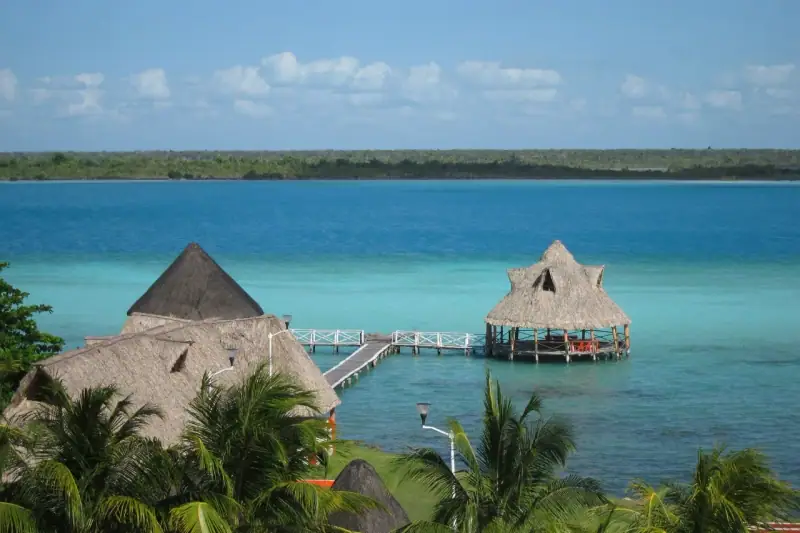
Bacalar and its Lagoon of Seven Colors: is it worth the detour without a car?
Is Bacalar worth the detour? Getting there by ADO bus or Tren Maya from Tulum and Cancún, what to do around the lagoon, where to swim and how many nights.
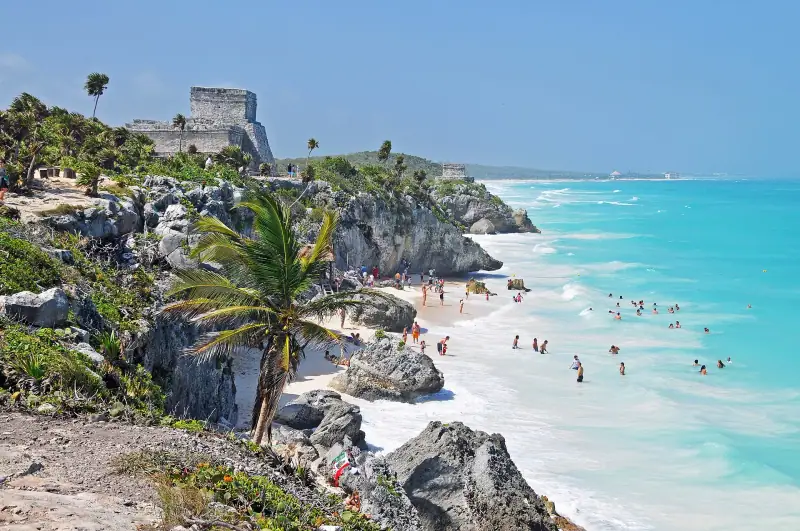
Visiting Tulum: Maya ruins, beaches and cenotes in 2 or 3 days
What to see in Tulum: a Maya site facing the sea, beaches, cenotes, Sian Ka'an reserve and the Cobá ruins. Access, best time and tips to plan your stay.
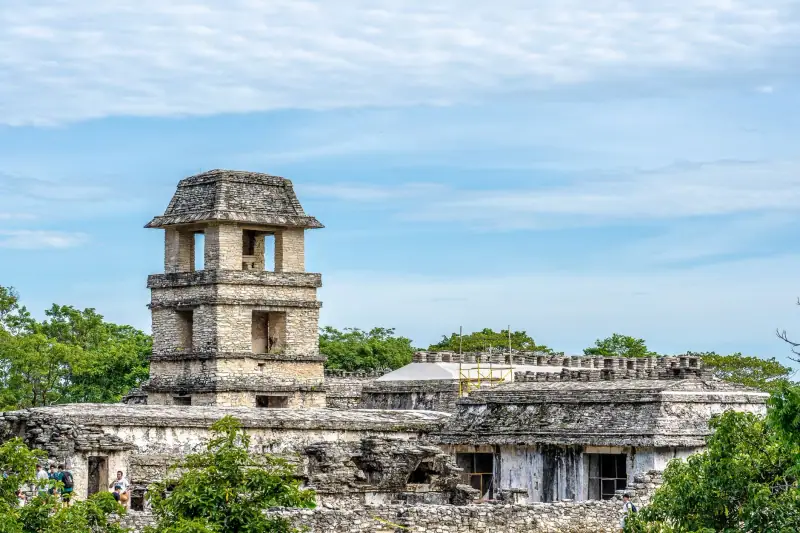
Visiting Chiapas: San Cristóbal, Palenque, Sumidero and waterfalls
What to see in Chiapas: San Cristóbal de las Casas, indigenous villages, Sumidero Canyon, Agua Azul falls and the Maya site of Palenque. Itinerary, tips.
Ready-made
Mexico itineraries
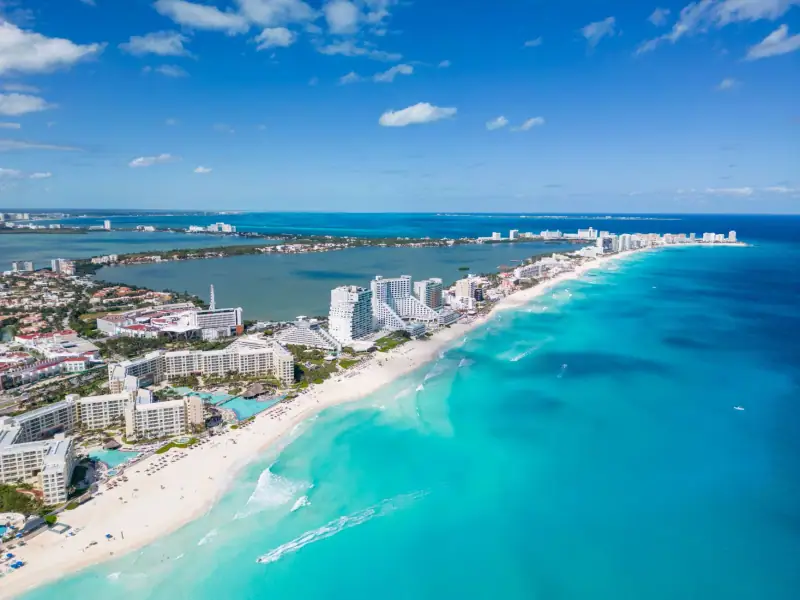
7 days
Yucatán road trip in 7 days: Cancún, Valladolid, Mérida and Chichén Itzá
TulumValladolidMérida
Can be adapted in the planner
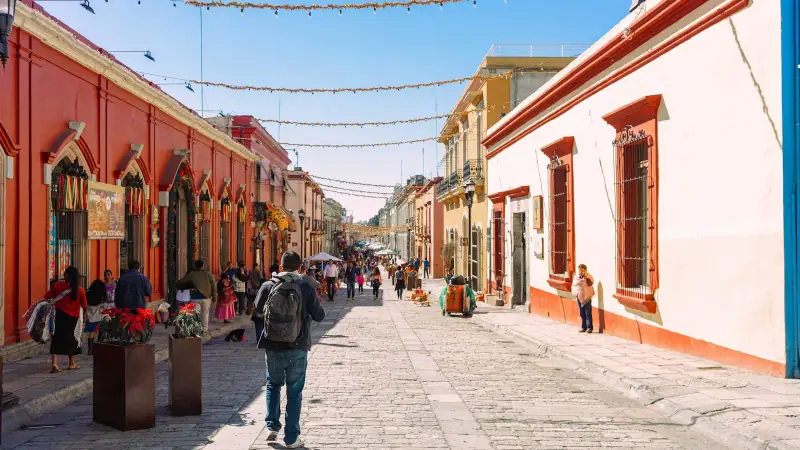
7 days
Mexico City, Puebla and Oaxaca in one week without a car: a realistic bus itinerary
Mexico CityPueblaOaxaca
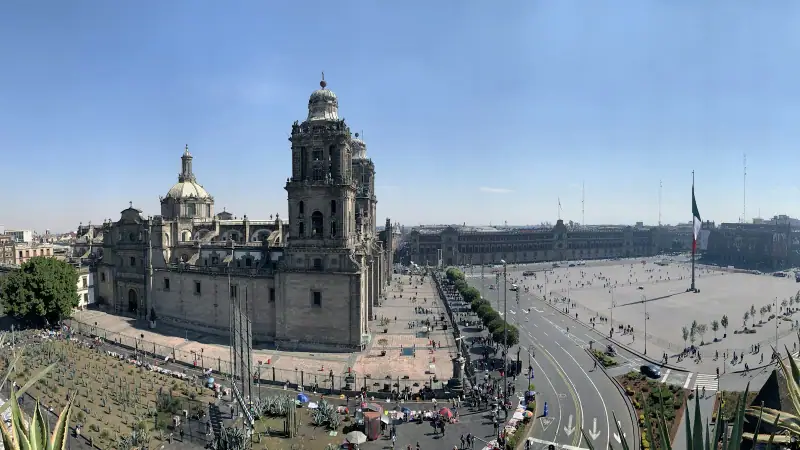
3 days
3 days in Mexico City: a day-by-day itinerary for a first stay
What to do in 3 days in Mexico City? Historic center, museums, Coyoacán, Xochimilco or Teotihuacán: a realistic itinerary with altitude and transport tips.