Itineraries
10-day Mexico itinerary: Mexico City, Oaxaca and Yucatán
We may earn a commission when you book through links on this page, at no extra cost to you. We don't visit or try the places we cover: we summarize published sources. How we work
Day by day
- Day 1Mexico City: Centro Histórico, Zócalo, Templo Mayor
- Day 2Anthropology Museum, Roma, Condesa or Coyoacán
- Day 3Teotihuacán excursion
- Day 4Morning flight to Oaxaca, historic center
- Days 5-6Monte Albán, craft villages or Hierve el Agua
- Day 7Transfer day to Yucatán with a stop
- Day 8Chichén Itzá and a cenote, night in Valladolid
- Days 9-10Caribbean coast and Tulum, flight home from Cancún
Weather through the year on this route
| Jan | Feb | Mar | Apr | May | Jun | Jul | Aug | Sep | Oct | Nov | Dec | |
|---|---|---|---|---|---|---|---|---|---|---|---|---|
| High °F (°C) | 8429 | 8831 | 9334 | 9736 | 9736 | 9133 | 9032 | 9032 | 8831 | 8630 | 8429 | 8429 |
| Low °F (°C) | 6619 | 6619 | 7021 | 7323 | 7524 | 7524 | 7524 | 7524 | 7524 | 7323 | 7021 | 6619 |
| Rain in (mm) | 1.640 | 1.025 | 1.025 | 1.435 | 2.870 | 6.5165 | 5.1130 | 5.7145 | 6.9175 | 4.9125 | 2.255 | 1.640 |
Normals 1991–2020 at Mérida: averages over 30 years, not a forecast. Source: NASA POWER (MERRA-2), grid of about 50 km. Figures computed by us in November 2026.
In short
- Ten days, three bases and two domestic flights: Mexico City and Teotihuacán (days 1-3), Oaxaca and Monte Albán (days 4-6), then Yucatán and the Caribbean coast (days 7-10).
- Mexico City to Oaxaca is a 1 h 15 flight. Oaxaca to Yucatán usually needs a stop, most often in Mexico City; day 7 is a transfer day.
- Book early-morning domestic flights, and keep a comfortable margin before your international flight home from Cancún.
- The dry season is the most comfortable for combining the center and Yucatán.
Ten days is the most common format for a first trip to Mexico, and it is also a tricky one: the country is very large, and distances between the main stops are measured in hours of flying, not hours of driving. This circuit therefore makes clear choices: only three bases, two domestic flights, and a balance between big cities, pre-Columbian heritage, food and swimming.
The thread is simple: central Mexico with Mexico City and Teotihuacán, the colonial city of Oaxaca and its Monte Albán site, then Yucatán with Mérida, Chichén Itzá, the cenotes and the Caribbean coast. You can adapt each stop to your tastes, but respecting this geographic logic will keep you from losing whole days in transit.
Overview of the circuit
Here is the suggested split:
- Days 1 to 3: Mexico City and Teotihuacán
- Days 4 to 6: Oaxaca and its surroundings
- Days 7 to 10: Yucatán (Mérida, Chichén Itzá, Valladolid) and the end of the stay on the Caribbean coast
Two flights structure the trip: Mexico City to Oaxaca (a short flight, about an hour and a quarter), then Oaxaca to Yucatán, generally with a stop. In both cases, book an early-morning flight so you do not sacrifice the day.
Flights to Mexico
Compare flights to Mexico City for your dates before locking in your circuit.
Days 1 to 3: Mexico City, the immense capital
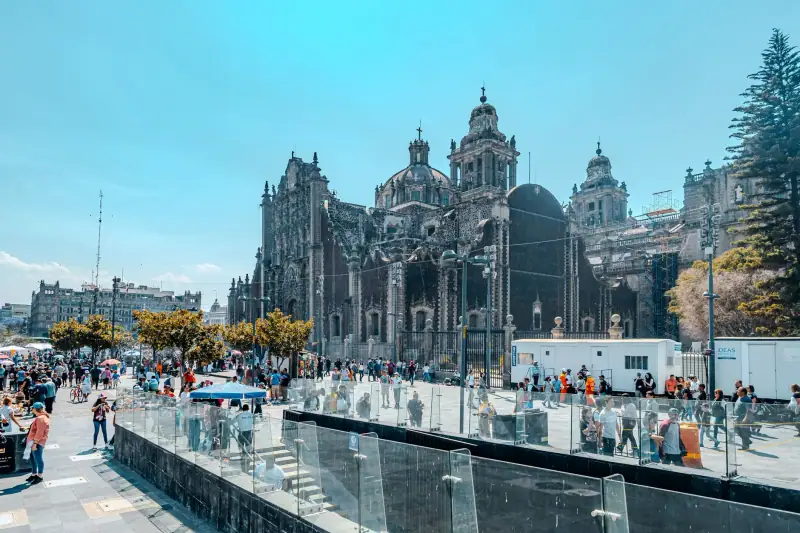
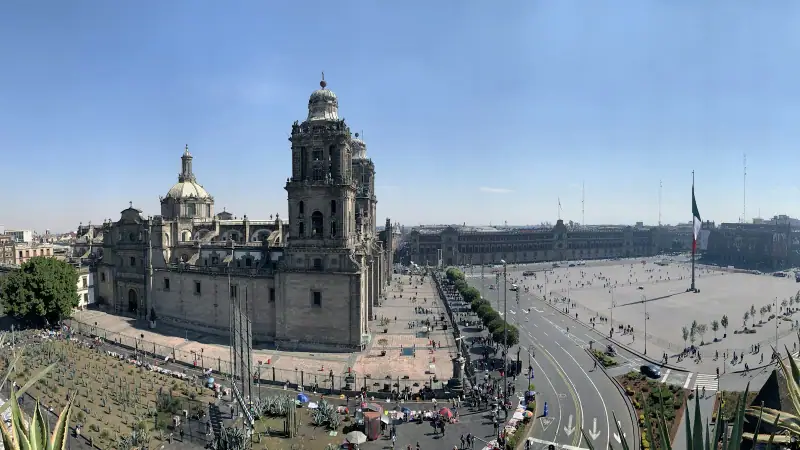
Mexico City is one of the largest urban areas in the world, and it takes some effort. The first day is ideally devoted to the Centro Histórico: the Zócalo, the Metropolitan Cathedral, the National Palace and the remains of the Templo Mayor, the former heart of the Aztec capital. The historic center is a UNESCO World Heritage site. Keep the rest of the day for a relaxed stroll, because the capital sits at about 2,240 meters (7,350 ft) of altitude and you may be tired from the journey.
The second day can be devoted to museums and neighborhoods: the National Museum of Anthropology, in Chapultepec Park, is one of the most striking visits for understanding pre-Columbian civilizations before discovering the sites themselves. In the afternoon, head to Roma and Condesa for a stroll, or Coyoacán for a more village feel. To choose your neighborhood, see our guide to where to stay in Mexico City.
Teotihuacán, the third-day excursion
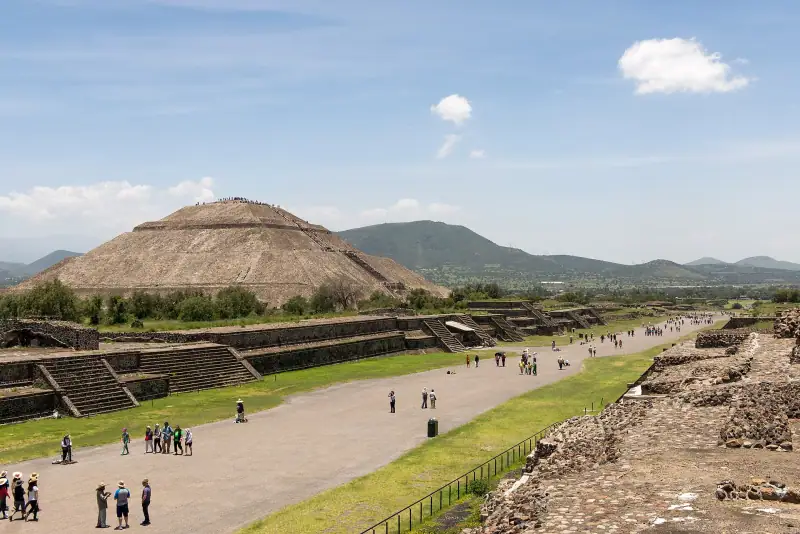
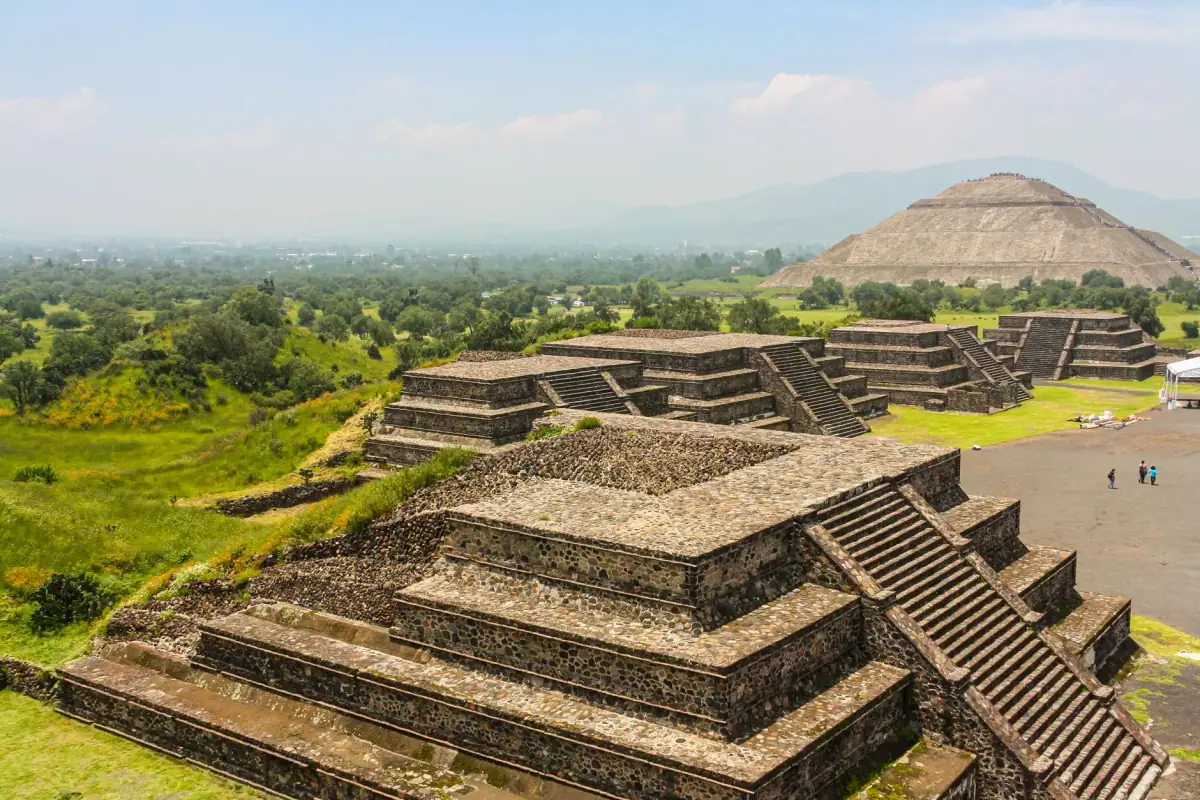
Teotihuacán, the “city of the gods” according to the name the Aztecs gave it, is northeast of the capital, about an hour away by road depending on traffic. Its Pyramids of the Sun and the Moon and the Avenue of the Dead make it one of the most spectacular archaeological sites in the country. Leave early in the morning: the heat rises quickly, there is little shade, and the groups arrive in late morning.
For this day, an organized excursion with transport is often the simplest solution, especially if you do not want to handle transport. You can also go by public transport or by car with a driver. On the way back, enjoy the evening tasting the capital’s food, detailed in our article on Mexican food.
Teotihuacán excursion
Guided visits with transport from Mexico City, to save time once there.
Days 4 to 6: Oaxaca, between colonial colors and traditions
On the fourth day, a morning flight takes you to Oaxaca, capital of the state of the same name, in the south of the country. This human-scale colonial city is known for its historic center with colorful facades, its markets, its crafts and its food, among the most renowned in Mexico. The center is covered on foot: the zócalo, the cathedral and the neighboring streets are enough to fill an afternoon.
On the following days, the city serves as a base for outings. Local specialties, such as mole, tlayudas or spiced hot chocolate, are worth the detour on their own: plan to try them in the markets and restaurants of the center.
Monte Albán and around Oaxaca
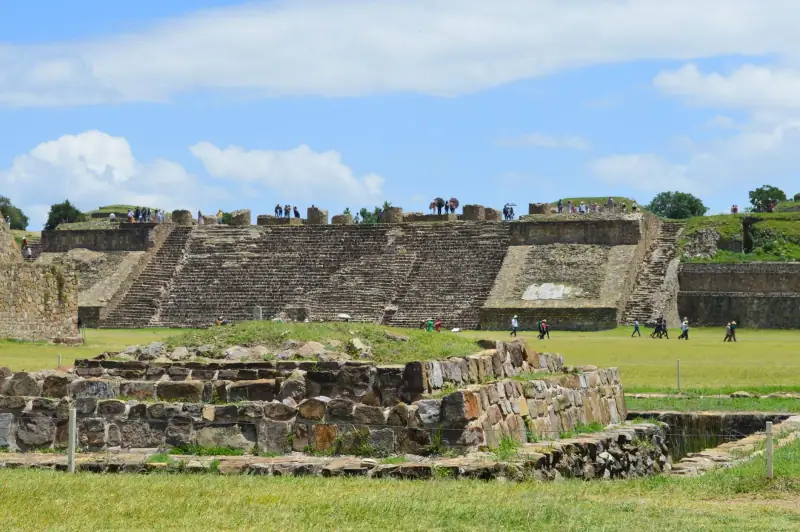
Monte Albán is an ancient Zapotec center perched on a hill overlooking the Oaxaca valley, a few kilometers from the city. Its plazas, platforms and staircases offer a fine viewpoint over the region. The site is a UNESCO World Heritage site together with Oaxaca’s historic center. Visit it preferably in the morning, before the heat.
For the sixth day, you can explore the craft villages of the valley, known for their textiles, pottery and markets, or set out to discover Hierve el Agua, petrified mineral formations high in the mountains, reachable on a day excursion. Local agencies also offer cooking workshops and visits to mezcal producers, the region’s emblematic drink.
Hotels in Oaxaca
Compare lodging in the historic center, handy for doing everything on foot.
Days 7 to 10: Yucatán, between Mérida, Chichén Itzá and the sea
The seventh day is a transfer day: from Oaxaca to Yucatán, you generally have to make a stop, often in Mexico City. Plan to leave early and not to schedule anything ambitious late in the day. You can arrive in Mérida, a pleasant colonial city well placed for exploring the region, or directly in Cancún depending on your flights.
In Mérida, stroll the main square, the streets of the center and the old neighborhoods, then settle on a terrace to taste Yucatecan food, such as cochinita pibil. The city is an excellent starting point for the rest of the peninsula.
Chichén Itzá and the cenotes: the Maya day
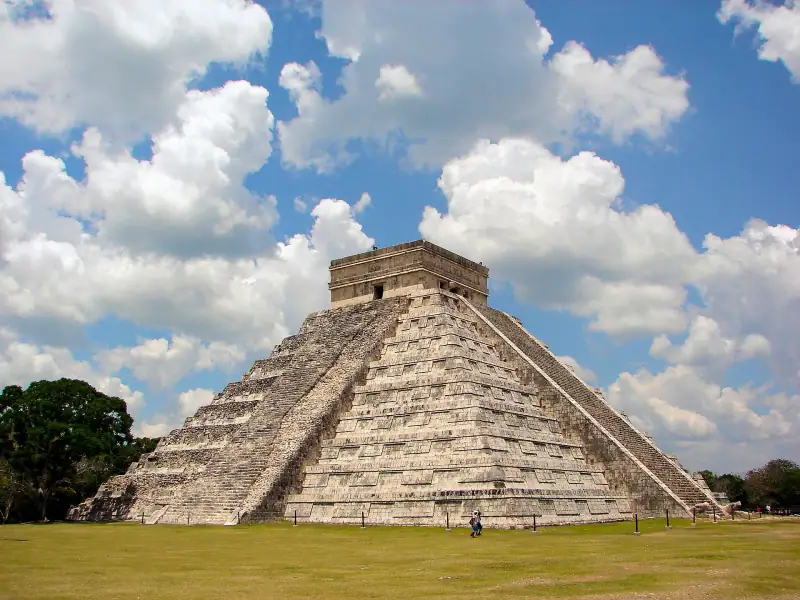
The eighth day is devoted to Chichén Itzá, one of the most famous Maya sites, about two hours by road from Mérida. The Pyramid of Kukulcán, the ball court and the observatory can be visited in about two hours. Arrive as soon as it opens to enjoy a bearable temperature and fewer people. All the practical tips are in our guide to visiting Chichén Itzá.
In the afternoon, nothing beats a dip in a cenote, those natural wells typical of Yucatán. Ik Kil, near the site, is the best known, but the area around Valladolid has others, often quieter. Our article on Yucatán cenotes helps you choose. Then sleep in Valladolid, a quiet little colonial town, to cut down the next day’s travel.
Chichén Itzá and cenote
Guided excursions with transport, handy if you do not have a car.
Days 9 and 10: the Caribbean coast before the flight home
To end the trip gently, head to the Caribbean coast. From Valladolid, Tulum is about two hours by road, and Cancún, the usual departure point for international flights, a little over two hours. Tulum offers white sand beaches, turquoise water and a Maya site perched by the sea, perfect for a last relaxing afternoon.
On the tenth day, keep a comfortable margin before your flight home: the trip to Cancún airport, formalities and possible traffic jams can take longer than planned.
Hotels in Tulum
Beaches and nature to end the circuit gently before the return flight.
Practical tips for making this circuit work
A few simple rules save time. Book early-morning domestic flights, always keep a margin before an international flight and do not string together more than two city changes early in the trip. Plan light but covering clothing for archaeological sites, a hat, sunscreen and plenty of water.
On timing, the dry season is the most comfortable for combining the center and Yucatán. Our guide to the best time to travel to Mexico details the seasons, the heat and the hurricane risks on the Caribbean coast. Also think about preparations before you leave: entry rules depend on your passport. Check the official travel advice of your government before you book: travel.state.gov (US), GOV.UK (UK), travel.gc.ca (Canada), Smartraveller (Australia) (checked November 2026).
Finally, this circuit is deliberately compact. If you have a few extra days, add a night in Oaxaca or an extra stop in Yucatán rather than a new region: in Mexico, it is better to see fewer places but really live them.
Frequently asked questions
Are 10 days enough to visit Mexico?
The country is huge: 10 days do not let you see everything. They are, however, enough for a coherent circuit combining the center (Mexico City, Oaxaca) and Yucatán, as long as you use planes for long distances and limit the number of stops.
Do you need to rent a car for this circuit?
It is not necessary in Mexico City or Oaxaca, where ride-hailing cars, excursions and local transport are enough. In Yucatán, a car is handy for Chichén Itzá, Valladolid and the cenotes, but buses and organized excursions also exist.
How do you get from Oaxaca to Yucatán?
Direct flights are rare: you generally need to plan a stop, most often in Mexico City. Check your airline's schedules and keep a comfortable margin for this transfer day.
What is the best time for this circuit?
The dry season, from about October-November to April, is generally the most pleasant. Yucatán is very hot in summer and the rainy season, with frequent storms, lasts from about May to October. See our best-time guide to refine your choice.
Can you do this circuit in reverse?
Yes, nothing prevents it. Starting with Yucatán lets you finish with the food of Oaxaca and Mexico City, but some travelers prefer to start with the capital and its altitude. Choose mainly according to the most convenient flights.
More Mexico guides
Keep reading
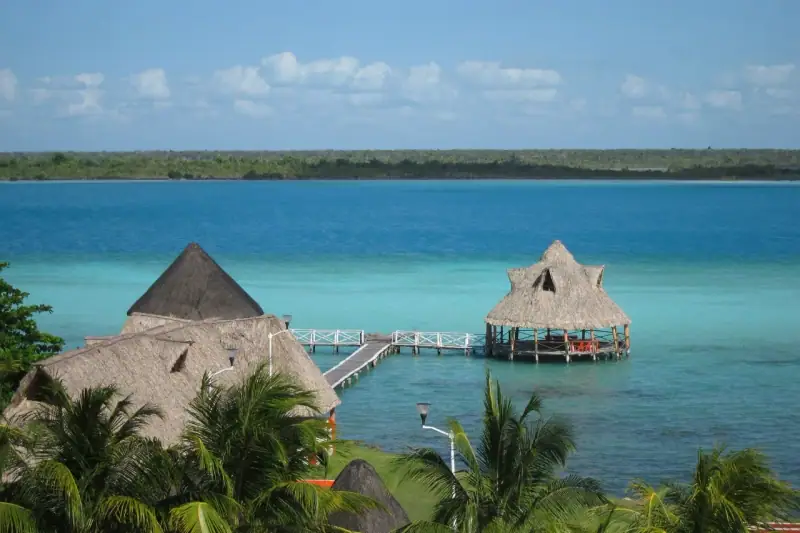
Bacalar and its Lagoon of Seven Colors: is it worth the detour without a car?
Is Bacalar worth the detour? Getting there by ADO bus or Tren Maya from Tulum and Cancún, what to do around the lagoon, where to swim and how many nights.
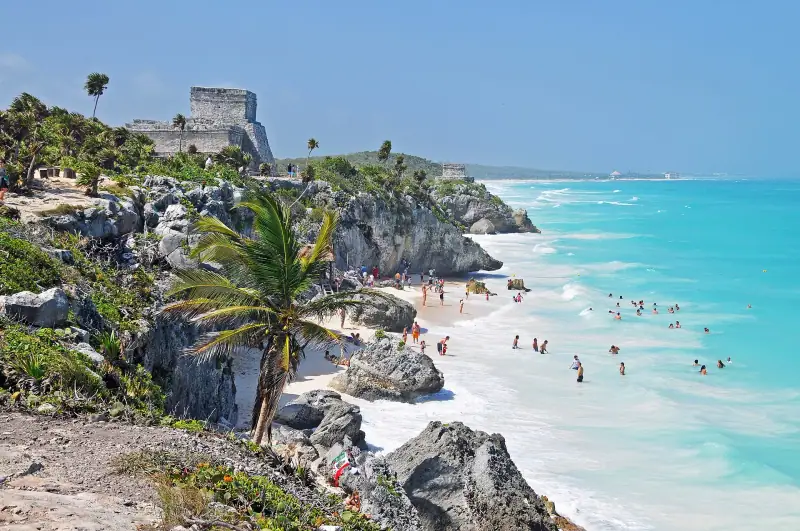
Visiting Tulum: Maya ruins, beaches and cenotes in 2 or 3 days
What to see in Tulum: a Maya site facing the sea, beaches, cenotes, Sian Ka'an reserve and the Cobá ruins. Access, best time and tips to plan your stay.
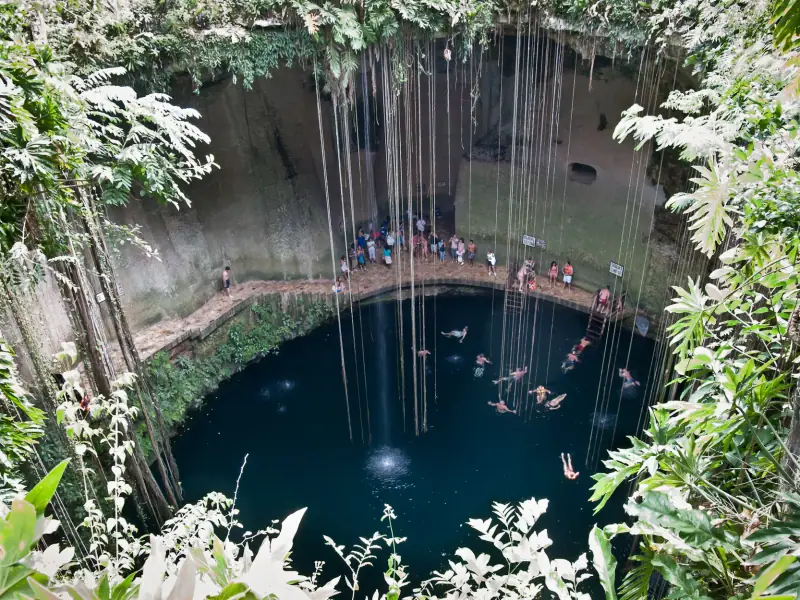
Yucatán cenotes: which ones to visit and how to choose
Yucatán cenotes: Ik Kil, Gran Cenote, Dos Ojos, Valladolid... a selection to pick the best by base, budget and swimming preferences.
Ready-made
Mexico itineraries
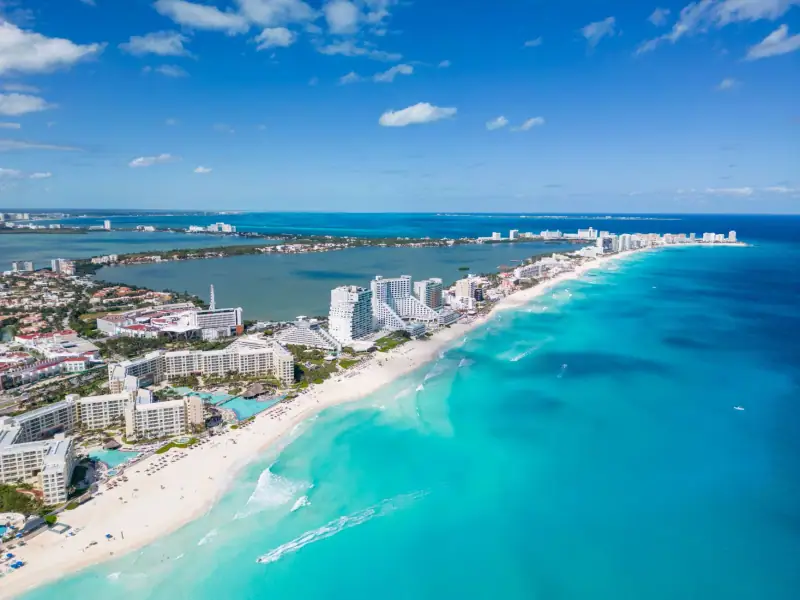
7 days
Yucatán road trip in 7 days: Cancún, Valladolid, Mérida and Chichén Itzá
TulumValladolidMérida
Can be adapted in the planner
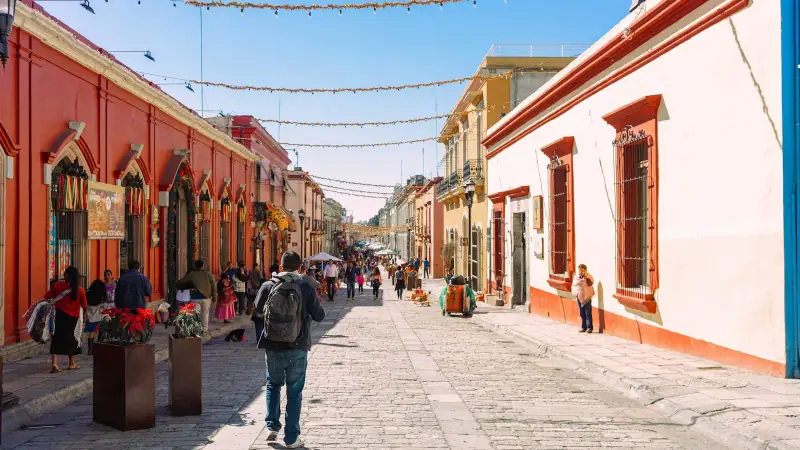
7 days
Mexico City, Puebla and Oaxaca in one week without a car: a realistic bus itinerary
Mexico CityPueblaOaxaca
3 days
3 days in Mexico City: a day-by-day itinerary for a first stay
What to do in 3 days in Mexico City? Historic center, museums, Coyoacán, Xochimilco or Teotihuacán: a realistic itinerary with altitude and transport tips.