Plan your trip
Mexico travel budget: how much to plan and how to save
We may earn a commission when you book through links on this page, at no extra cost to you. We don't visit or try the places we cover: we summarize published sources. How we work
In short
- The Riviera Maya costs clearly more than Oaxaca, Chiapas or the colonial cities of the center. The long-haul flight often weighs more than the stay itself.
- Pay in Mexican pesos and decline the currency conversion an ATM offers. Keep small bills, as markets and street food run mostly on cash.
- In table-service restaurants, tip about 10 to 15% of the bill when service is not included.
- Long-distance buses are far cheaper than flying or renting a car for one or two people, and night trips save a hotel night.
Mexico has a reputation as an affordable country, and that is largely true: you eat very well for little money, bus transport is economical and simple lodging offers good value. But the budget varies enormously by region, season and travel style. A week in Tulum costs nothing like a week in Oaxaca or San Cristóbal de las Casas.
This guide helps you build your budget item by item, without invented figures: prices change with the exchange rate, inflation and the season, and are best checked just before you leave. The goal is to give you the right markers and the right levers to save.
The flight: the first spending item
For most travelers, the plane ticket is the biggest expense of the trip. There is no fixed price: it all depends on the season, the arrival airport and how far ahead you book. The main gateways are Mexico City and Cancún.
A few habits that lower the bill:
- Travel outside the peaks: school holidays, Christmas and New Year are the priciest periods. Our guide to the best time to visit Mexico details the seasons and their effect on prices.
- Compare several airports: arriving in Mexico City and leaving from Cancún (or the reverse) avoids retracing your route and can cost less than a standard round trip, as long as you compare well.
- Book early: for high-demand periods, fares rise as the date approaches.
- Accept a stop: a flight with a connection is often cheaper than a direct flight, at the price of a longer trip.
Entry rules depend on your passport. Check the official travel advice of your government before you book: travel.state.gov (US), GOV.UK (UK), travel.gc.ca (Canada), Smartraveller (Australia) (checked November 2026).
Lodging: from hostel to boutique hotel
Lodging is the item where your choice of destination weighs the most. Seafront hotels on the Riviera Maya and the trendiest neighborhoods of Mexico City charge clearly higher prices than the interior of the country.
The options, from cheapest to most comfortable:
- hostel dorms, very common in tourist cities;
- private rooms in a hostel or small family guesthouse;
- small downtown hotels, often in beautiful colonial houses;
- apartments and short-term rentals, handy for groups or a long stay;
- upper-category hotels and resorts, especially on the Caribbean coast.
In Mexico City, the choice of neighborhood counts as much as the comfort level: our guide to where to stay in Mexico City compares the areas to help you find the right compromise between price, safety and proximity to sights.
Hotels in Mexico City
Hostels, small hotels and apartments: compare prices by neighborhood.
A few tips for saving without sacrificing comfort:
- Check that breakfast is included: it can spare you a meal a day.
- Favor lodging with a kitchen or small common area if you stay several nights.
- Compare rates with free cancellation, useful for keeping flexibility in an evolving itinerary.
- Off season, prices often drop noticeably, especially on the coast.
Transport: bus, plane and car
Mexico is a very large country, and how you get around affects your budget as much as your schedule.
Long-distance bus is the best option for small budgets. National companies offer several comfort levels, from the standard seat to a deeply reclining one, with air conditioning, and cover most tourist destinations. Night trips save you time and a night of lodging, even if very long trips remain tiring. To buy tickets, bus stations and company websites are the usual channels.
Colectivos are shared minibuses serving short trips, for example between a town and nearby sites. They cost little and are widely used by locals.
In cities, public transport is cheap. In Mexico City, the metro is one of the least expensive ways to get around, but it is often crowded at rush hour. For short trips or in the evening, app-booked cars with drivers are handy; avoid hailing a random taxi in the street.
Domestic flights can be worth it to link two distant regions, for example the center of the country and Yucatán, when the bus would take a whole day. Always compare with the price of a hotel night saved.
Rental cars are mainly interesting in Yucatán, where sites are scattered. Remember to add mandatory insurance, tolls and fuel to your calculation, and compare offers directly in the comparison tool.
Tours and excursions in Mexico
Compare guided visits and day excursions, often with free cancellation.
Eating: the easiest item to control
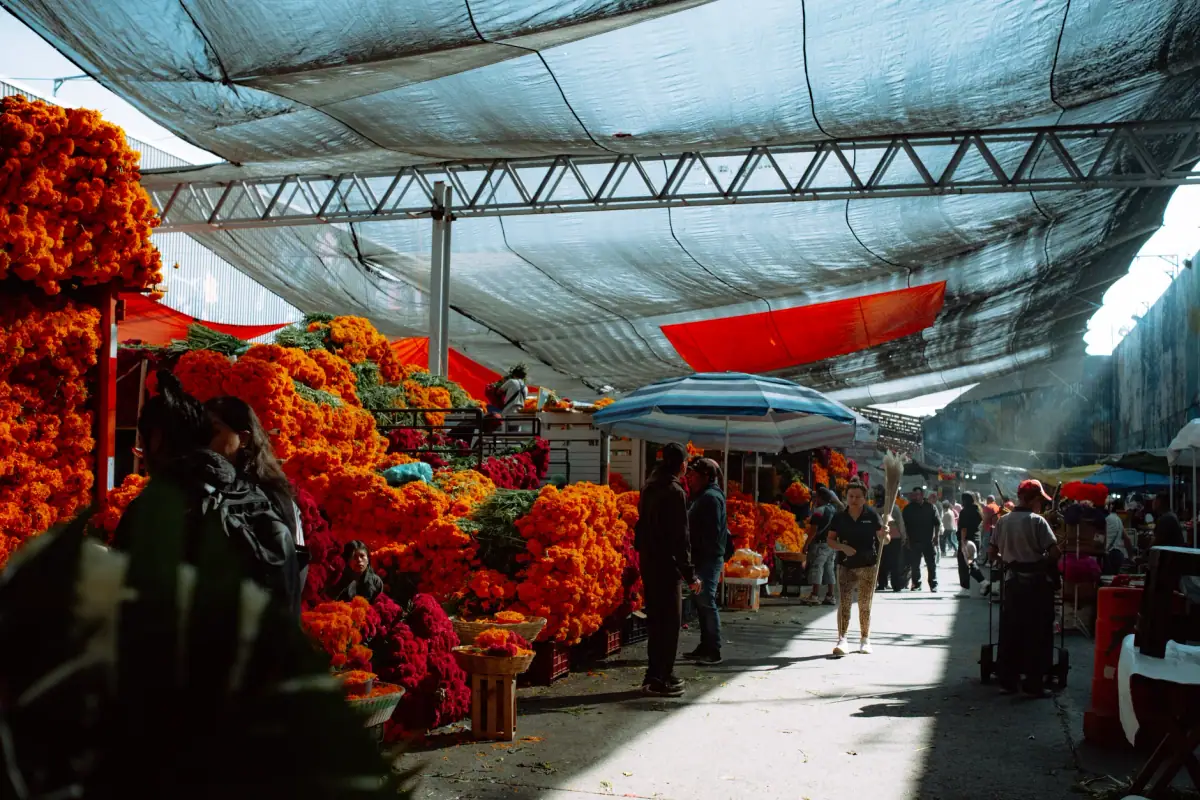
This is where Mexico is most generous. Street food and small family restaurants offer tasty, hearty meals at very accessible prices. Tacos, tlayudas, quesadillas or tamales make real meals for a modest cost, and municipal markets often house comedores serving a complete set meal of the day.
To discover the dishes to try, see our article on Mexican food and its specialties.
How to eat well without spending too much:
- Eat where locals line up: it is also the best sign of freshness.
- Take advantage of the comida corrida, a lunch set menu generally served on weekdays in many small restaurants.
- Keep the more elaborate restaurants for one or two occasions during the trip.
- Bring a reusable bottle: tap water is not drinkable, and bottled water adds up fast.
A word on hygiene: favor busy stands, where products turn over quickly, and dishes served hot. A successful trip also depends on good health, and travel insurance with medical cover remains a reasonable investment.
Visits: Maya sites, museums and excursions
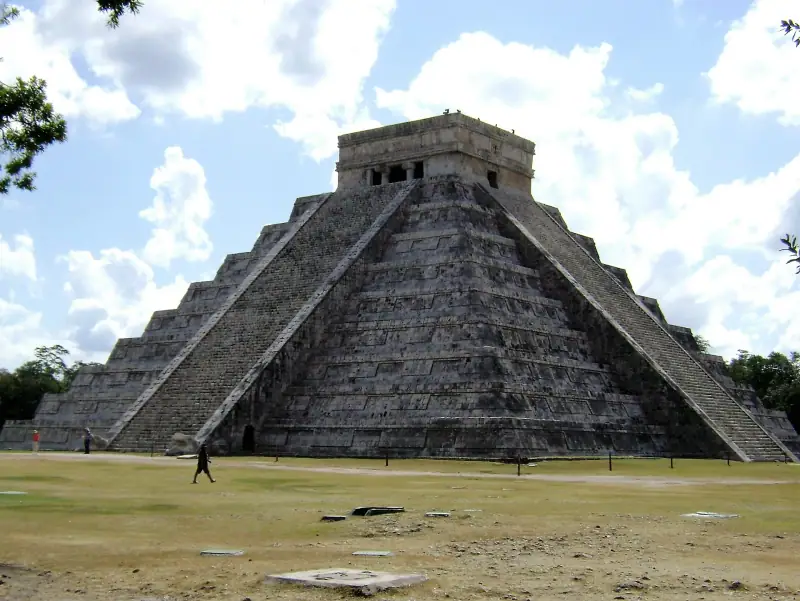
Entry to archaeological sites and museums is generally moderate, but it adds up over a long stay. The big, very busy sites, like Chichén Itzá, have higher prices than small local sites. Prices and free-entry conditions (certain days, for certain categories of visitors) change regularly: always check official sources before you go.
Our guide to visiting Chichén Itzá explains how to organize the visit, and the one on Yucatán cenotes helps you choose those that are really worth the entry fee.
Organized excursion or independent visit? A guided excursion simplifies logistics and can pay off if you travel alone and without a car, because it bundles transport, entry and explanations. Independently, you gain freedom and savings if you are several people. It is up to you to compare according to your profile.
Hotels in Oaxaca
A city where you sleep well without breaking the bank, to compare for your dates.
Tips, money and small expenses
A few habits to know so you do not waste your budget.
- Tips: in a table-service restaurant, leave about 10 to 15% of the bill if service is not already included. A small tip is also customary for porters, guides and people who help you at the hotel.
- Cash and cards: bank cards are widely accepted in hotels and restaurants in tourist areas, but markets, street food and small shops run mostly on cash. Always keep small bills.
- ATMs: prefer those inside banks or shopping centers, and decline the automatic conversion offered into your home currency, often unfavorable.
- Card fees: find out about your bank’s withdrawal and payment fees abroad, or open a low-fee card before you leave.
- Bargaining: at craft markets, polite discussion of the price is common, but it does not happen in shops with posted prices.
Adapting your budget to your itinerary
The split of spending changes with the chosen formula.
A culture- and city-focused circuit (Mexico City, Oaxaca, colonial cities) is generally the cheapest once you are there: meals, lodging and bus transport are affordable there. You can draw on our 10-day Mexico itinerary, which mixes the capital, Oaxaca and Yucatán.
A beach stay on the Riviera Maya costs more, because seafront lodging and restaurants are pricier, and excursions are in high demand. Packages with breakfast or half board can help control spending, depending on the property.
A mixed trip is often the best compromise: a few days of culture in the center and south, then a break on the coast at the end of the stay, pushing the highest spending to the last stop.
Cooking classes and food tours
Learn to cook mole and salsas, or taste street food with a local guide.
Tips for keeping your budget under control
- Set your priorities first: flight, lodging, experiences. Accept cutting elsewhere.
- Plan a margin of about 10% for the unexpected: transfers, tips, spontaneous purchases.
- Avoid last-minute purchases in tourist areas, where prices are inflated.
- Alternate high-spending days (excursion, diving) with light days (market, walk, beach).
- Track your spending with a simple app to adjust along the way.
- Check official information (entry, visa, health, safety) before you go.
Mexico rewards curious and flexible travelers. By splitting your budget wisely between the flight, lodging and the experiences that really matter to you, you will enjoy a trip rich in flavors, landscapes and history, with no bad surprises on your return.
Frequently asked questions
Is Mexico an expensive country for travelers?
It depends mostly on the region. The big tourist areas of the Riviera Maya are clearly more expensive than Oaxaca, Chiapas or the colonial cities of the center. The long-haul flight often weighs more than the stay itself.
Should you pay in pesos or dollars?
Pay in Mexican pesos. In very touristy areas, some places show prices in dollars, but the exchange rate applied is rarely favorable. At the ATM, decline the conversion offered into your home currency and choose to be debited in pesos.
How much do you tip in Mexico?
In table-service restaurants, the usual practice is to leave about 10 to 15% of the bill, as service is generally not included. Check the "servicio" or "propina" line on the bill before paying.
Can you drink the tap water?
Drinking tap water is not recommended. Buy bottled water or use a bottle with a filter. This is a small daily expense to include in your budget.
Is the bus a good way to save?
Yes. The long-distance bus network is vast, comfortable and much cheaper than flying or renting a car for one person or a couple. Night trips also save a hotel night.
More Mexico guides
Keep reading

When to go to Mexico: the best time for your trip
When to go to Mexico? Dry season, rains, hurricanes, sargassum, Día de Muertos: the right month by region, Yucatán, Oaxaca, Mexico City or Baja California.

Bacalar and its Lagoon of Seven Colors: is it worth the detour without a car?
Is Bacalar worth the detour? Getting there by ADO bus or Tren Maya from Tulum and Cancún, what to do around the lagoon, where to swim and how many nights.
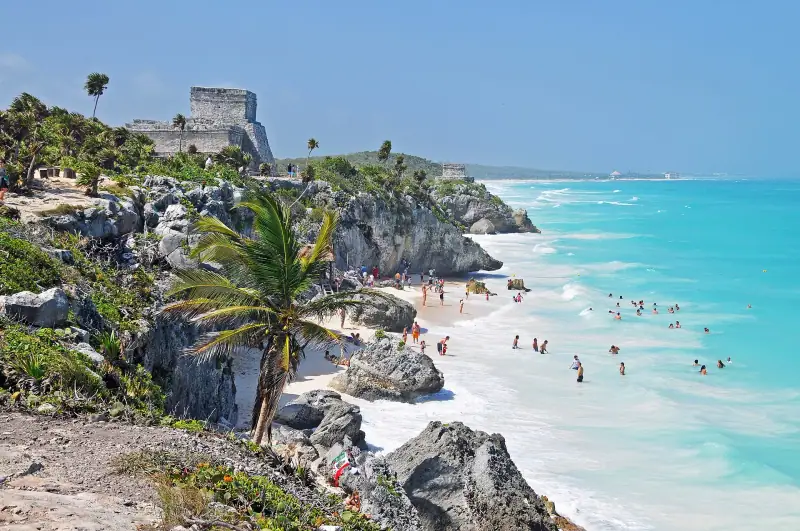
Visiting Tulum: Maya ruins, beaches and cenotes in 2 or 3 days
What to see in Tulum: a Maya site facing the sea, beaches, cenotes, Sian Ka'an reserve and the Cobá ruins. Access, best time and tips to plan your stay.
Ready-made
Mexico itineraries
7 days
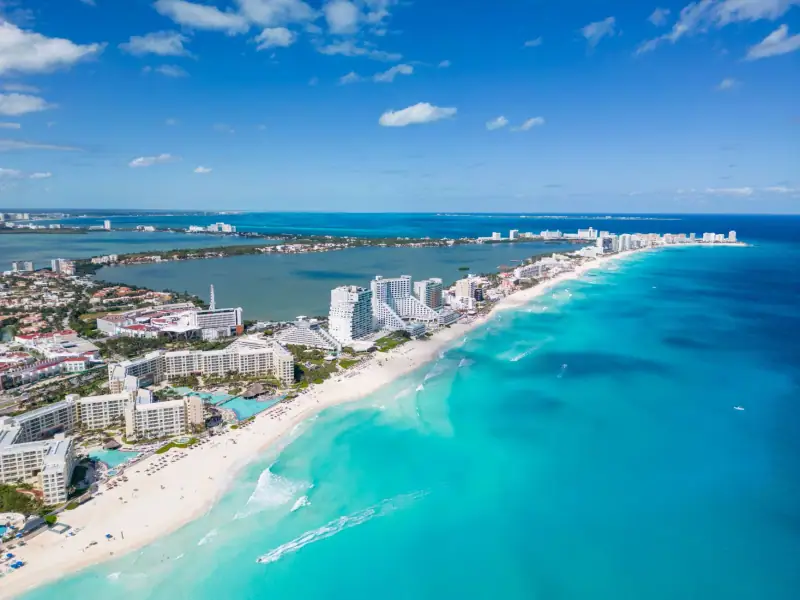
Yucatán road trip in 7 days: Cancún, Valladolid, Mérida and Chichén Itzá
TulumValladolidMérida
Can be adapted in the planner
7 days
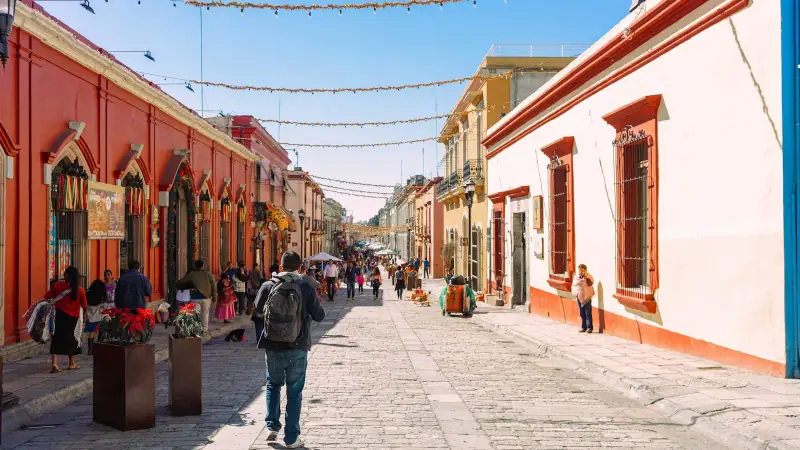
Mexico City, Puebla and Oaxaca in one week without a car: a realistic bus itinerary
Mexico CityPueblaOaxaca
3 days
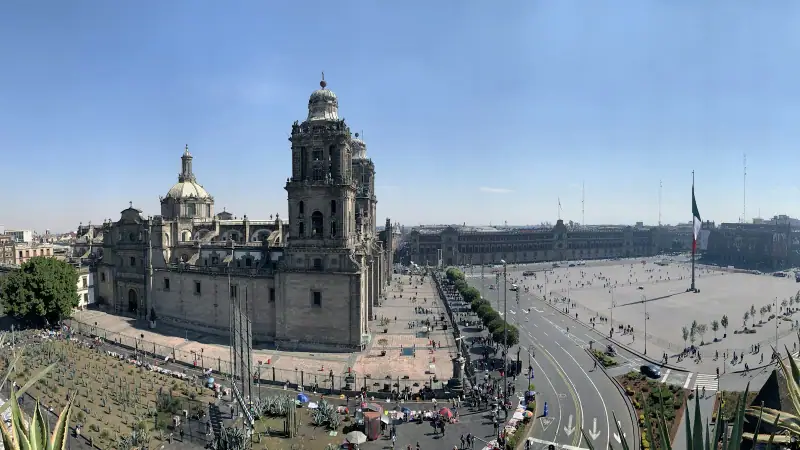
3 days in Mexico City: a day-by-day itinerary for a first stay
What to do in 3 days in Mexico City? Historic center, museums, Coyoacán, Xochimilco or Teotihuacán: a realistic itinerary with altitude and transport tips.