Itineraries
Yucatán road trip in 7 days: Cancún, Valladolid, Mérida and Chichén Itzá
We may earn a commission when you book through links on this page, at no extra cost to you. We don't visit or try the places we cover: we summarize published sources. How we work
Day by day
- Day 1Arrive in Cancún, drive to Tulum
- Day 2Tulum ruins, beach and a cenote
- Day 3Drive to Valladolid via Cobá, first cenotes
- Day 4Chichén Itzá, then drive to Mérida
- Day 5Mérida: main square, cathedral, Paseo de Montejo
- Day 6Day trip to Uxmal, Izamal or Celestún
- Day 7Drive back to Cancún by the toll highway
Where to sleep
- Tulum2 nights
- Valladolid1 night
- Mérida3 nights
Opens the trip planner with these stops and nights already filled in. Add a stop, drop one or change the nights.
In short
- The loop starts and ends in Cancún via Tulum, Valladolid, Chichén Itzá, Mérida and Uxmal: about 900 km (560 mi), a few hours of driving a day at most.
- Mérida to Cancún is about 320 km (199 mi), roughly 4 hours by the toll highway. Carry pesos in cash for tolls, since not every booth takes cards.
- Reach Chichén Itzá when it opens and allow 2 to 3 hours there. Avoid driving at night and slow down for the topes (speed bumps).
- Mexican liability insurance is mandatory and often billed separately at the counter, so the online price can be well below the final price.
Yucatán is the part of Mexico where a rental car makes the most sense. The peninsula is flat, distances stay reasonable, Maya sites are scattered and cenotes hide at the end of small roads that buses serve poorly. In one week, a well-planned loop combines Caribbean beaches, ruins, colorful colonial towns and swims in underground water, without spending your days behind the wheel.
This itinerary starts in Cancún and returns to Cancún, passing through Tulum, Valladolid, Chichén Itzá, Mérida, Uxmal and the Gulf of Mexico coast. Distances are approximate: always check them in your navigation app on the day, depending on the route you choose and traffic.
Overview of the loop
The idea: start on the Caribbean coast, cut inland, then head west to Mérida before closing the loop.
- Day 1: arrive in Cancún and drive to Tulum
- Day 2: Tulum, ruins, beach and cenote
- Day 3: drive to Valladolid and first cenotes
- Day 4: Chichén Itzá, then drive to Mérida
- Day 5: Mérida and its surroundings
- Day 6: Uxmal or Izamal, as you prefer
- Day 7: back to Cancún by the highway
In total the loop is about 900 km (560 mi), spread over the week: no day goes beyond a few hours of driving. If your flight lands late, simply spend the first night in Cancún and shift the program.
Flights to Cancún
Compare flights to Cancún, the start and end point of the loop.
Preparing the car rental and the driving
Book the car ahead, especially in high season, and compare insurance carefully. In Mexico, liability insurance is mandatory and often billed separately at the counter: the price shown online can be far below the final price. Read the conditions, photograph the car at pickup and check the spare tire.
You will need your driver’s license, your passport and a credit card in the main driver’s name for the deposit. Entry rules depend on your passport. Check the official travel advice of your government before you book: travel.state.gov (US), GOV.UK (UK), travel.gc.ca (Canada), Smartraveller (Australia) (checked November 2026).
A few habits to adopt on the ground:
- Fill up regularly at gas stations in towns rather than out in the countryside, and check that the pump is reset to zero before you are served.
- Slow down for topes: these speed bumps are common at village entrances and can damage a car taken too fast.
- Avoid driving at night: lighting is limited and obstacles (pedestrians, bikes, animals) are hard to see.
- Keep small change in pesos for tolls and small parking lots.
Day 1: from Cancún to Tulum
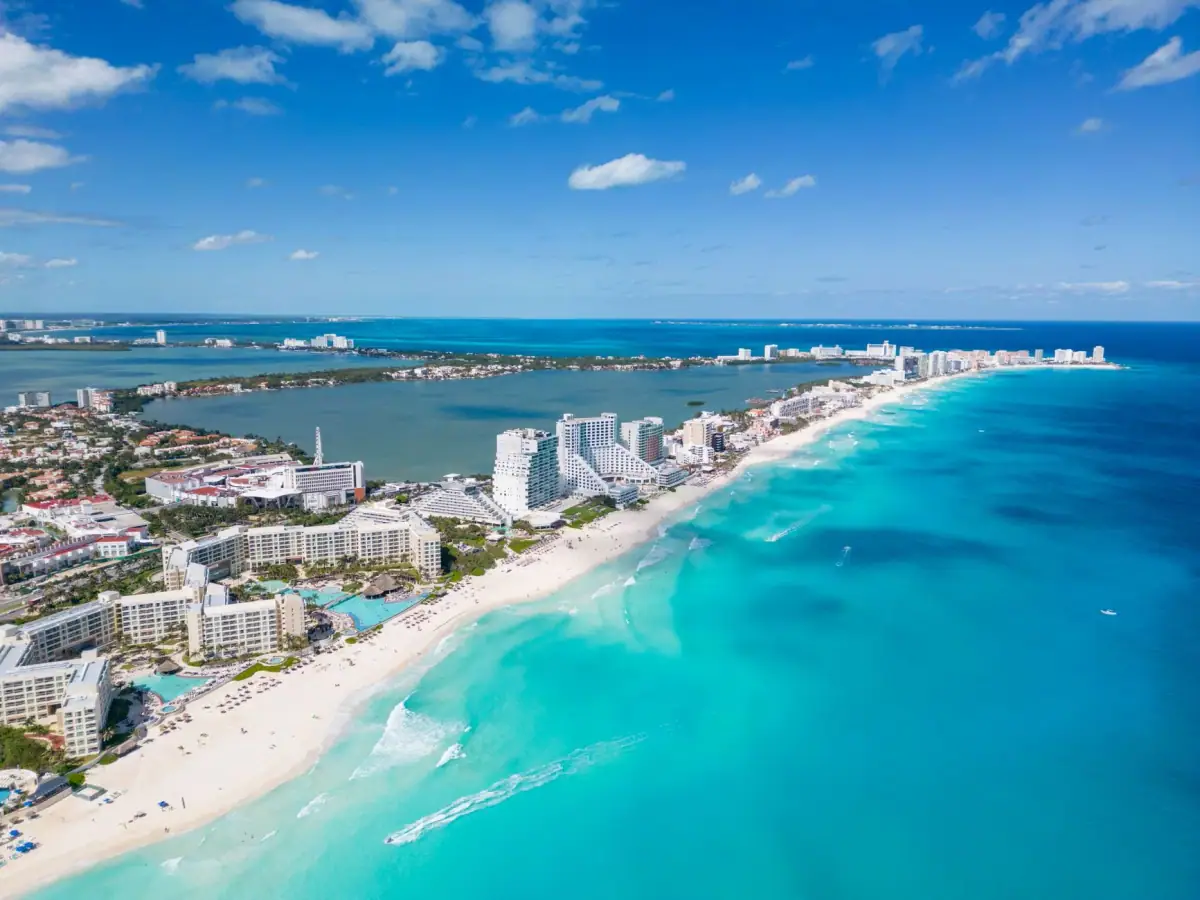
Pick up the car at Cancún airport and take the coastal road south. Tulum is about 130 km (81 mi) away, a little over two hours depending on traffic. On the way you pass Playa del Carmen and the Riviera Maya, with many places to stop: beaches, small coves and cenotes reachable from the road.
If you arrive in the middle of the day, you can stop in Playa del Carmen for lunch and walk along the famous Quinta Avenida, a pedestrian shopping street running parallel to the sea. Then settle in Tulum for the night: the town center, called the pueblo, has more restaurants and lodging choice than the coastal hotel zone. Our guide to where to stay on the Riviera Maya compares the areas.
Hotels in Tulum
Compare lodging in the pueblo and on the coast for your first night on the road.
Day 2: Tulum, ruins, beach and cenote
The Tulum ruins are a Maya site perched on a cliff facing the Caribbean Sea. They are small but photogenic, and draw a lot of people: arrive as soon as they open, before the heat and the groups. Allow about an hour and a half to two hours for the visit, then enjoy the beach that borders the site. All the practical details are in our article on Tulum, its ruins, beaches and cenotes.
In the afternoon, treat yourself to a swim in a cenote nearby. The area has several, some open to the sky, others under a rock vault. Bring a swimsuit, water shoes and biodegradable sunscreen: several sites require you to rinse off before swimming and to avoid regular creams to protect the water. To choose, see our selection of Yucatán cenotes.
Day 3: from Tulum to Valladolid
Leave the coast and head inland. Valladolid is about 100 to 110 km (62 to 68 mi) from Tulum, roughly an hour and a half to two hours by road. On the way you can stop at the Cobá ruins, a Maya site in the middle of the forest, known for its big pyramid and its paths that you cover on foot or by bike. The site is quieter than Tulum and the atmosphere is very different.
Valladolid is a human-scale colonial town, with its central square, its church and its pastel facades. It is an ideal base for visiting Chichén Itzá, only about 40 km (25 mi) away. In the late afternoon, wander the center, taste Yucatecan specialties and let yourself be surprised by the cenote right in town, which you can visit in a few minutes.
Local food deserves a real place in your itinerary: cochinita pibil, poc chuc, sopa de lima and papadzules are among the dishes to try. Our article on Mexican food helps you spot them on menus.
Day 4: Chichén Itzá, then on to Mérida
Chichén Itzá is one of the most famous archaeological sites in the country, a UNESCO World Heritage site. Its Pyramid of Kukulcán, its ball courts and its observatory make it a highlight of the loop. Leave Valladolid early in the morning to arrive when it opens: the heat is more bearable and the tour buses arrive later. Allow two to three hours there and bring water, a hat and sunscreen, as shade is rare.
In the afternoon, take the road to Mérida, about 120 km (75 mi) from Chichén Itzá, a little over two hours. The toll highway is the fastest option. On the way, you can swim one last time in a cenote near the site before getting back on the road. Our article on visiting Chichén Itzá details hours, access and tips for avoiding the crowds.
Guided tour of Chichén Itzá
A guided visit helps you understand the site's history and takes care of the logistics.
Day 5: Mérida, the white capital of Yucatán
Mérida, the capital of Yucatán State, is nicknamed the “White City”. It is one of the most pleasant cities on the peninsula: calmer than Cancún, rich in colonial heritage and very lively in the evening. Leave the car at the hotel and explore the center on foot: the main square, the cathedral, the 19th-century mansions of the Paseo de Montejo and the local markets.
In the evening the city comes alive, often with free concerts and entertainment on the squares, especially at the end of the week. It is also an excellent place to enjoy Yucatecan food in a more authentic setting than on the coast. Choose lodging in the historic center to avoid parking problems and get around without a car.
Hotels in Mérida
Compare lodging in the historic center, ideal for doing everything on foot.
Day 6: Uxmal, Izamal or Celestún
From Mérida you have three possible day trips, depending on what you like.
Uxmal is a large Maya site in the Puuc style, about 80 km (50 mi) south of Mérida, roughly an hour’s drive. It is a UNESCO World Heritage site and less crowded than Chichén Itzá. The Pyramid of the Magician and the Nunnery Quadrangle are its best-known features. It is the best choice for archaeology fans.
Izamal, about 70 km (43 mi) east of Mérida, is nicknamed the “Yellow City”: its colonial buildings are painted ocher yellow, around a large Franciscan convent. It is ideal for a quiet half day, with lunch on the spot.
Celestún, on the Gulf of Mexico coast, is a nature reserve known for its flamingos. Sightings are by boat with local guides, and the best time to see the birds is generally winter. Check the season before going, as the presence of flamingos varies.
If you only have one day, choose Uxmal for archaeology, Izamal for atmosphere, Celestún for nature. To extend your stay, a night there lets you enjoy the sunset.
Day 7: back to Cancún
The last day is devoted to the drive back. Between Mérida and Cancún it is about 320 km (199 mi), roughly four hours by the toll highway, more by the free road. Leave early if your flight is mid-day, and allow a comfortable safety margin to return the car and check in: arrive at the airport at least three hours before an international flight.
If your flight leaves in the evening, you can stop in Valladolid on the way for lunch or one last cenote. Remember to fill the tank before returning the car, depending on the terms of your rental contract.
Variations by length and traveler type
This itinerary is easy to adjust:
- In 5 days: drop the Tulum day and the day trip from Mérida. You keep Valladolid, Chichén Itzá and Mérida.
- In 10 days: add Bacalar and its lagoon south of the Riviera Maya (our guide to getting there and staying), or Campeche, a fortified city on the Gulf of Mexico, before heading back.
- With kids: favor open, shallow cenotes with facilities, and plan at least two nights per town.
- Off season: prefer early-morning visits and keep afternoons for pools or cenotes, because of the heat.
For a wider circuit that also covers the capital and Oaxaca, see our 10-day Mexico itinerary.
Budget and practical tips
The main expense is generally the car rental, followed by lodging. Then come fuel, tolls, entry fees for archaeological sites and cenotes, and meals. Prices change with the season: check rates on official sites or when you book. Our guide to the budget for a trip to Mexico gives benchmarks to update.
A few more tips:
- Book lodging ahead in high season, especially in Tulum and Mérida.
- Carry cash in pesos for tolls, small cenotes and markets.
- Protect yourself from the sun: a hat, sunglasses and sunscreen are essential.
- Take out travel insurance covering medical costs and repatriation.
- Choose the right season: see our article on the best time to visit Mexico.
Why this road trip works
This loop rests on a simple balance: a beach stop, a small colonial town, a major archaeological visit and a regional capital. It limits driving days to three or four hours at most, leaves time for cenote swims and lets you taste very local food. You can shorten it, extend it or drive it in reverse depending on your flights, but always keep Yucatán’s golden rule in mind: start early, stop during the afternoon heat and never drive at night.
Frequently asked questions
Can you do this road trip without speaking Spanish?
Yes, on the tourist routes of Yucatán. In hotels, at archaeological sites and in many restaurants, English is often enough. A few words of Spanish (hello, thank you, how much, the check) still make things much easier at gas stations, toll booths and in small villages.
Is driving in Yucatán difficult?
The peninsula is flat and the main roads are generally in good shape. Watch for topes (speed bumps, sometimes very pronounced and poorly signed), villages you drive through, night driving and tropical storms. Avoid driving at night and keep a margin in your schedule.
Should you take the toll highway?
Between Cancún and Mérida, the toll highway is faster and more comfortable than the free road that goes through the villages. Carry cash in pesos for the tolls, as not all booths accept cards. Check current rates before you go.
What is the best time for this road trip?
The dry season, from about November to April, is generally the most pleasant. From May to October, heat and humidity are stronger, storms are frequent and the hurricane season affects the Caribbean. The best-time-to-visit guide goes through these choices.
How much does a 7-day road trip in Yucatán cost?
The budget depends mostly on accommodation and the rental car. Include the rental, fuel, tolls, site and cenote entry fees, and meals. The Mexico travel budget article gives ballpark figures to update for the season.
Where do you return the car if you finish in Mérida?
Many rental companies allow a drop-off in another city for a fee, sometimes a high one. The simplest option is a loop: Cancún, Valladolid, Mérida, then back to Cancún on the last day, or return the car in Mérida and fly out if the fee justifies it.
More Mexico guides
Keep reading
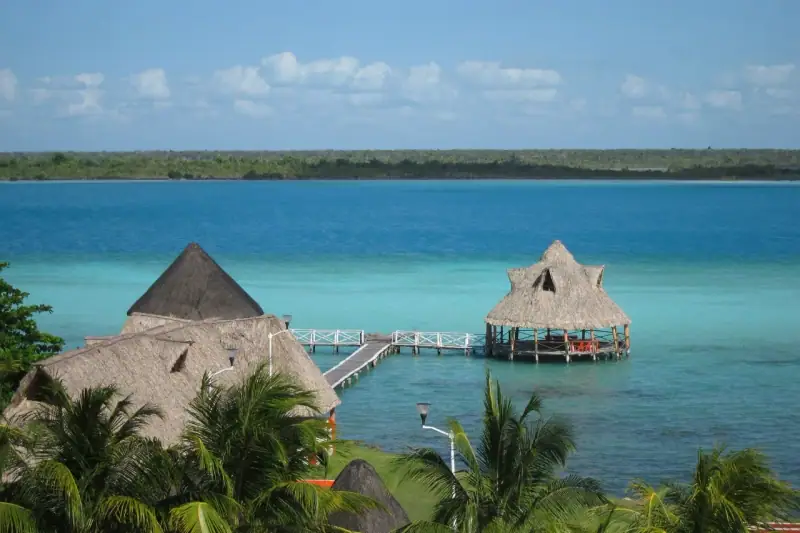
Bacalar and its Lagoon of Seven Colors: is it worth the detour without a car?
Is Bacalar worth the detour? Getting there by ADO bus or Tren Maya from Tulum and Cancún, what to do around the lagoon, where to swim and how many nights.
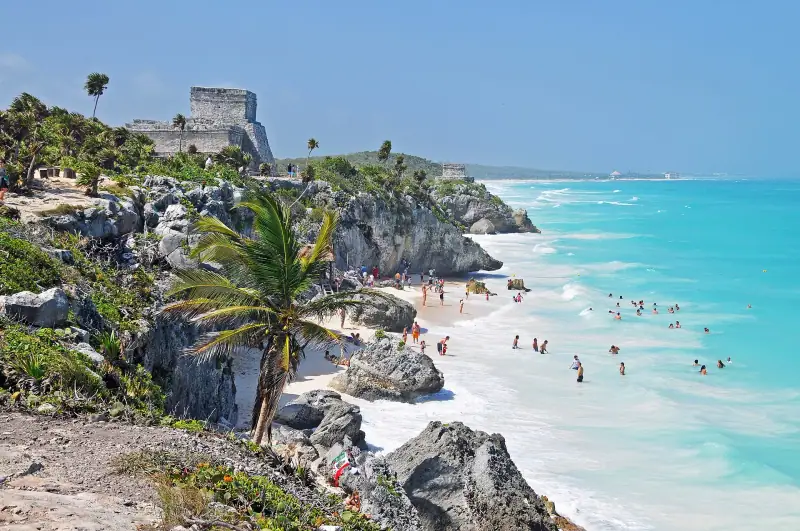
Visiting Tulum: Maya ruins, beaches and cenotes in 2 or 3 days
What to see in Tulum: a Maya site facing the sea, beaches, cenotes, Sian Ka'an reserve and the Cobá ruins. Access, best time and tips to plan your stay.
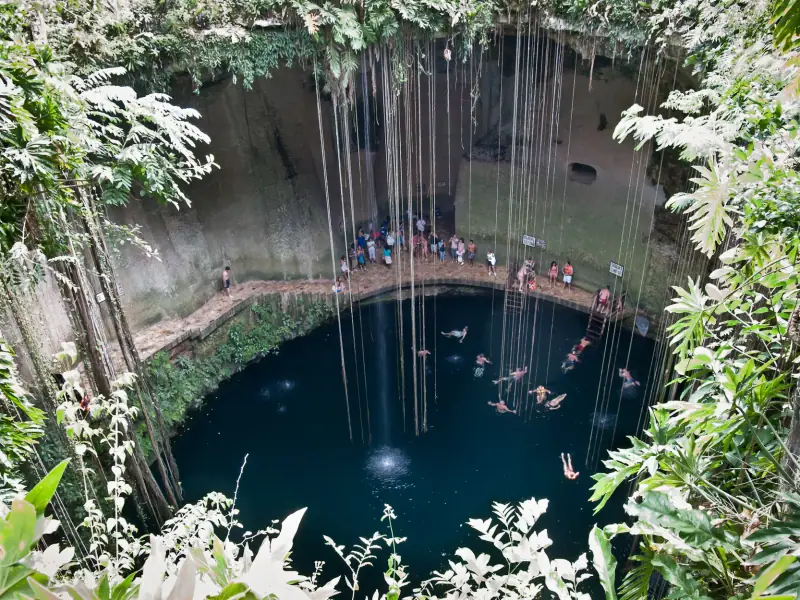
Yucatán cenotes: which ones to visit and how to choose
Yucatán cenotes: Ik Kil, Gran Cenote, Dos Ojos, Valladolid... a selection to pick the best by base, budget and swimming preferences.
Ready-made
Mexico itineraries
7 days
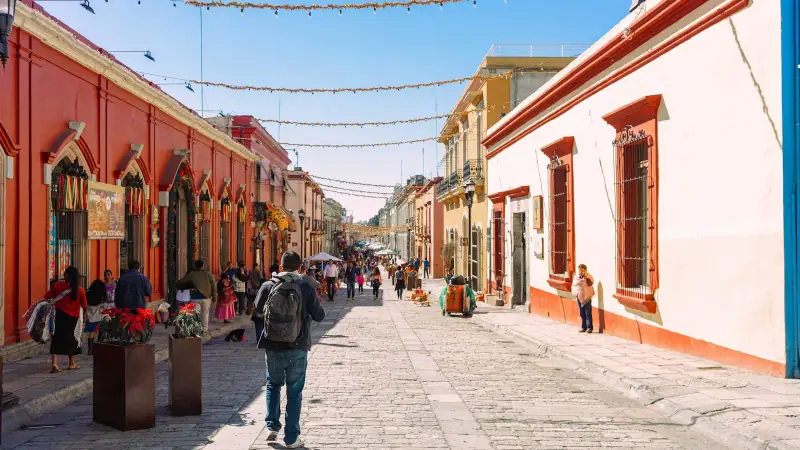
Mexico City, Puebla and Oaxaca in one week without a car: a realistic bus itinerary
Mexico CityPueblaOaxaca
3 days
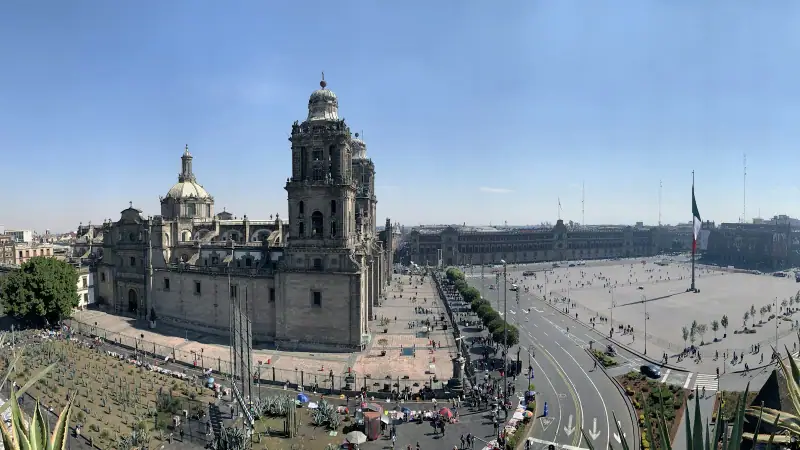
3 days in Mexico City: a day-by-day itinerary for a first stay
What to do in 3 days in Mexico City? Historic center, museums, Coyoacán, Xochimilco or Teotihuacán: a realistic itinerary with altitude and transport tips.
10 days
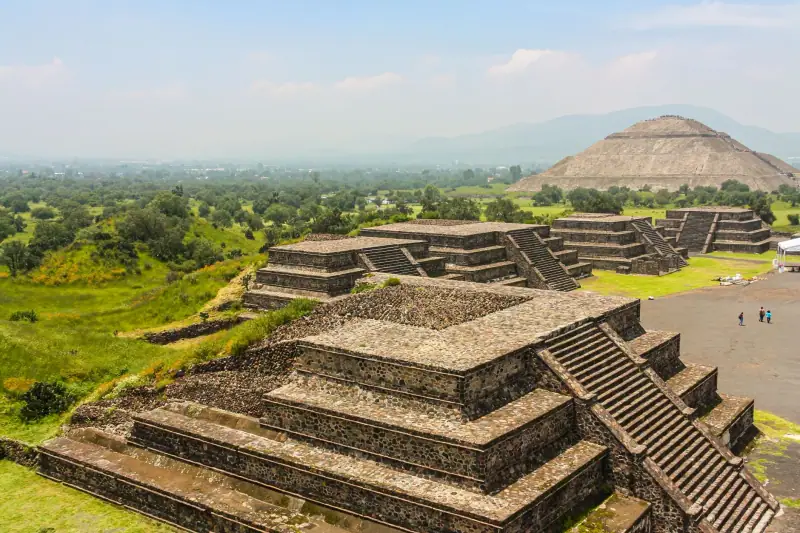
10-day Mexico itinerary: Mexico City, Oaxaca and Yucatán
A day-by-day 10-day circuit in Mexico: Mexico City and Teotihuacán, Oaxaca and Monte Albán, then Mérida, Chichén Itzá and the Caribbean coast.