Plan your trip
When to go to Mexico: the best time for your trip
We may earn a commission when you book through links on this page, at no extra cost to you. We don't visit or try the places we cover: we summarize published sources. How we work
In short
- For most circuits, November to April (the dry season) is best. November and the first half of December are the best compromise between weather, prices and crowds.
- On the Caribbean and Pacific coasts, hurricane risk peaks from August to October. In central Mexico, rain falls mostly in the afternoon from June to September.
- Día de Muertos is around November 1 and 2; Oaxaca, Mexico City and Pátzcuaro are very busy and lodging books far ahead.
- Whale watching in Baja California runs roughly from December to April. Sargassum can affect Caribbean beaches in spring and summer.
Mexico stretches nearly 2,000 kilometers (1,243 mi) from north to south, from the Yucatán jungle to the deserts of Baja California, passing through high plateaus where you wear a jacket as soon as night falls. In other words, there is not one good time to go, but several, depending on what you are looking for: Caribbean beaches, Maya pyramids, colonial cities, traditional festivals or whales.
Here is the calendar to keep in mind before booking your flights.
Mexico’s main seasons in brief
For most of the country, the year splits into two.
- The dry season, from about November to April: little rain, stable skies, pleasant days. It is the high tourist season, with higher prices especially between Christmas and New Year, and during Holy Week.
- The rainy season, from about May to October: heat and humidity, showers often concentrated in late afternoon, lush nature. Prices drop and sites empty out a little.
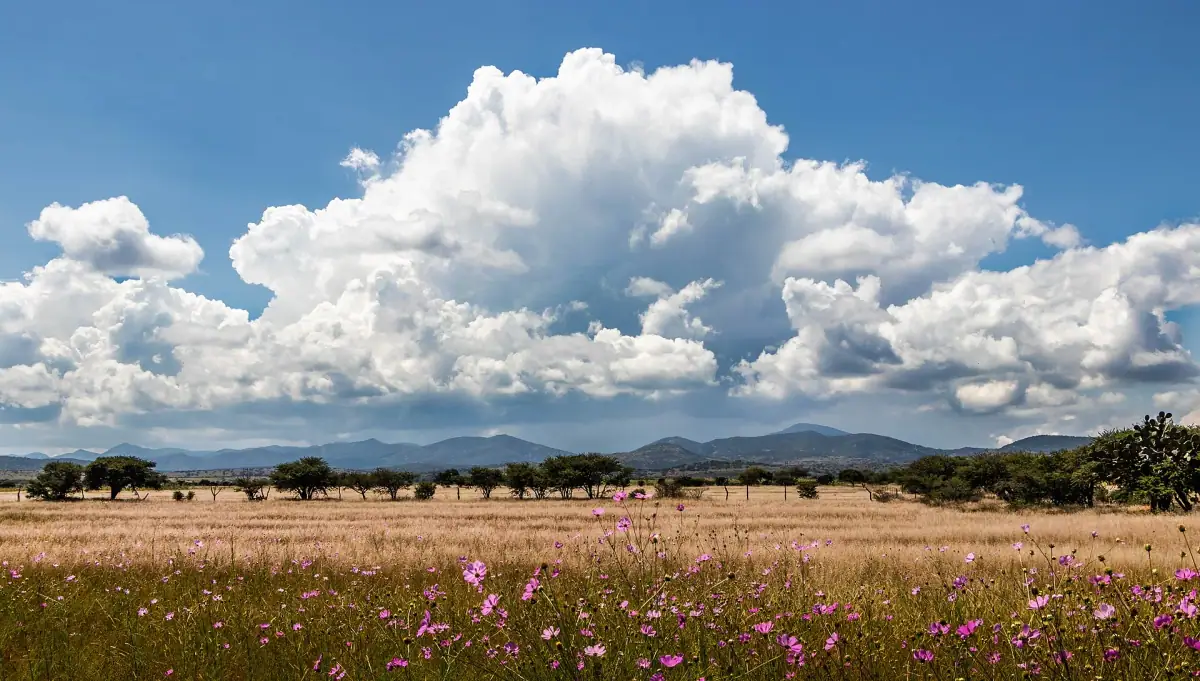
Two more factors change everything: altitude (Mexico City is perched at more than 2,000 meters (6,560 ft), which makes days mild and nights cool all year) and the hurricane season, which mostly concerns the coasts.
One simple rule: the higher you are, the more temperate and regular the climate; the more you go down to the tropical coasts, the more heat and humidity dictate your schedule.
Mexico City and the center: a temperate climate almost all year
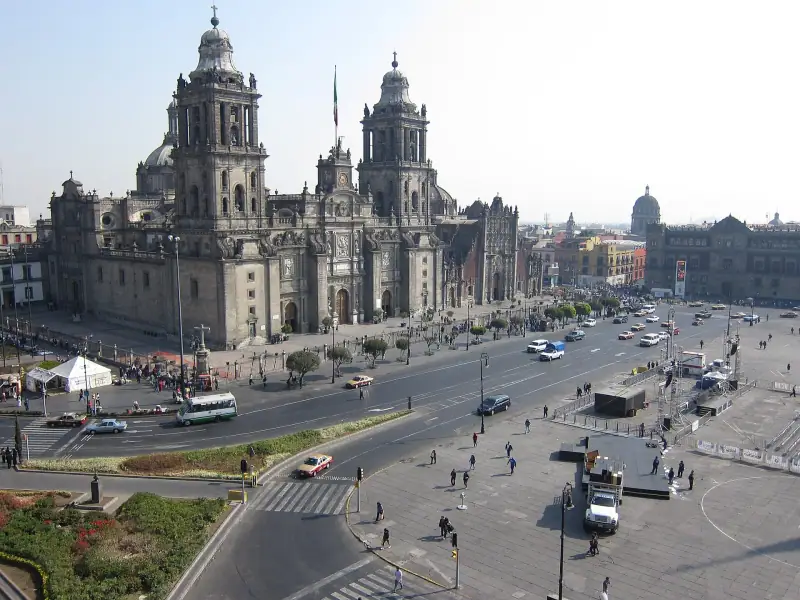
The capital and the highland cities, like Puebla or Guanajuato, have a nearly permanent spring climate. Days are pleasant, nights can be cool, even cold in December and January. Pack layers rather than a swimsuit.
The best window runs from November to April: clear skies, comfortable visits, beautiful light on the Teotihuacán ruins. March and April are hotter, but remain quite bearable at altitude.
From June to September, it rains almost every day, but mostly in late afternoon. A morning of sightseeing followed by lunch and an indoor museum is easy to organize. The city is then green, cheaper, and queues at the most visited sites are shorter.
A simple note on altitude: it tires you a little in the first days. Avoid overloading your first program and keep a quiet day on arrival. For health questions, ask your doctor or a travel clinic, and see the official travel health pages (CDC in the US, TravelHealthPro in the UK).
Hotels in Mexico City
Compare central neighborhoods and boutique hotels for your travel dates.
Yucatán and the Riviera Maya: choosing between heat, rain and hurricanes
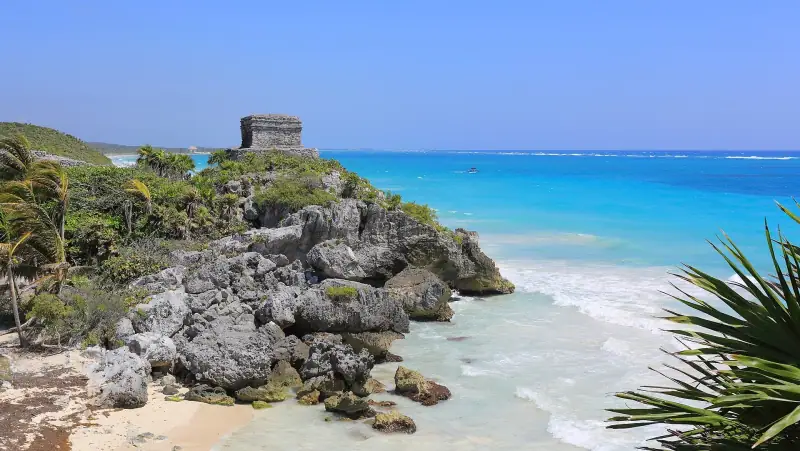
This is the most popular region with travelers: Cancún, Playa del Carmen, Tulum, Mérida, the cenotes, Chichén Itzá. Its climate is tropical, so hot all year.
November to April is the ideal period: pleasant temperatures, warm sea, little rain. December to February are the busiest and priciest months, with crowded beaches and hotels often full over the year-end holidays.
May to October brings heavier heat, tropical showers and, from late summer to fall, the risk of storms and hurricanes. The Mexican Caribbean is regularly affected by the hurricane season, whose peak is generally between August and October. Travelers visiting at this time should follow weather bulletins, choose flexible rates and take out suitable travel insurance.
Sargassum is another point to watch. This brown seaweed washes up on some Caribbean beaches, especially in spring and summer, varying from year to year and beach to beach. It does not make the trip impossible, but it can spoil a purely beach stay. The cenotes are spared since they are inland.
To visit Maya sites, go early in the morning whatever the season: the heat rises quickly and groups arrive mid-morning. Chichén Itzá is known for its spring equinox phenomenon, around March 21, when the shadow drawn on the pyramid’s staircase evokes a serpent. On those days, crowds are very heavy.
Chichén Itzá and cenote excursions
Guided visits and day excursions from the Riviera Maya, leaving early in the morning.
Oaxaca and Chiapas: festivals, altitude and tropical rains
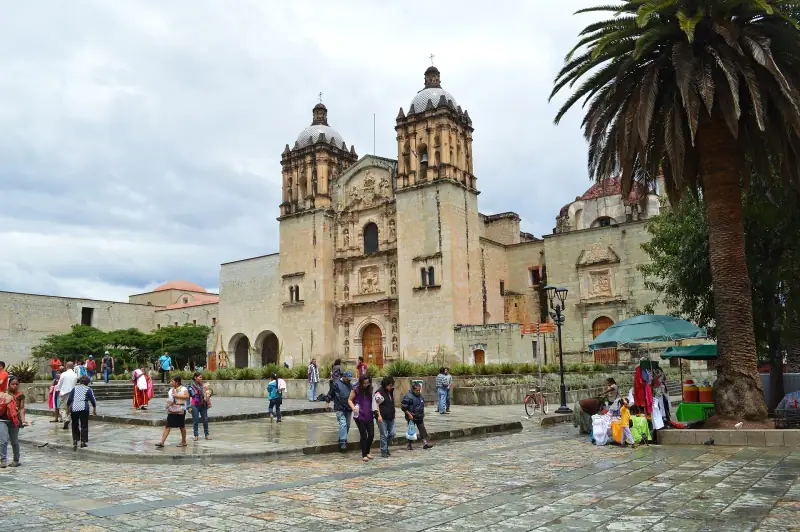
Oaxaca is very pleasant to visit from November to April: sunny days, cooler nights, markets and craft workshops in full swing. But it is also the city of big festivals that can decide your calendar.
- Día de Muertos, around November 1 and 2, is one of the most striking moments in the country: altars, lit-up cemeteries, costumed parades. It is also a very sought-after period: book flights and lodging far ahead.
- The Guelaguetza is a big festival of dances and traditions of the region, held in July. It takes place in the middle of the rainy season, but draws huge crowds.
In Chiapas, around San Cristóbal de las Casas, the city is at altitude: mornings are cool, sometimes cold in winter, and the rainy season (from about May to October) greens the mountains but complicates some excursions. To visit Palenque, in the jungle, the dry season is more comfortable, since the humid summer heat is trying.
Baja California: whales in winter, heat in summer

The Baja California peninsula has a very different face from the rest of the country: desert, the Sea of Cortez, cliffs and lagoons. Winter is the star season for whale watching. Sea excursions let you see gray and humpback whales, from about December to April depending on sites and species.
Summer is very hot, notably inland and on the Gulf of California coasts, and the hurricane season also concerns the Pacific. For a nature trip, late fall and winter are therefore the most pleasant periods.
Whale outings are regulated: always choose an authorized operator that respects distances and the rules for approaching the animals.
Flights to Mexico
Compare fares for your dates: prices vary strongly between the dry season and the rainy season.
Which month to choose for your plan?
To decide quickly, here is a quick guide by type of trip.
| Your plan | Suggested period | Good to know |
|---|---|---|
| Circuit of Mexico City, Oaxaca and colonial cities | November to April | Cool nights at altitude |
| Caribbean beaches | November to April | High season, high prices; sargassum possible in spring and summer |
| Maya sites of Yucatán | November to March | Leave very early in the morning |
| Día de Muertos | Late October to early November | Book far ahead |
| Whales in Baja California | December to April | Depends on species and sites |
| Tight budget | May to October | Showers and hurricane risk on the coasts |
The right compromise for most travelers: November or the first part of December. The rainy season has just ended, nature is still green, the hurricane season is winding down and prices are not yet at the peak of the year-end holidays. March is also an excellent choice for an itinerary mixing Maya sites and beaches.
Budget, crowds and preparation
High season, from December to April, is the most expensive for flights and lodging, particularly at Christmas, New Year and during Holy Week, when many Mexicans also travel. Conversely, the rainy season and early fall often bring lower prices, with the weather risk that goes with them.
A few habits to prepare your departure well:
- Book early if you want to travel for Christmas, Holy Week or Día de Muertos.
- Choose flexible rates and travel insurance if you go in hurricane season.
- Bring layers: a light fleece is enough in Mexico City, Oaxaca or San Cristóbal, even when it is warm during the day.
- Plan sun protection: sunshine is intense, notably at altitude and at exposed archaeological sites.
- Check entry rules (passport, formalities): they depend on your passport and can change. Check the official travel advice of your government before you book: travel.state.gov (US), GOV.UK (UK), travel.gc.ca (Canada), Smartraveller (Australia) (checked November 2026).
The simplest is to start from what you want, then choose the season: if you want a varied trip mixing culture and beaches, aim for the dry season; if you prefer quiet and lower prices, the rainy season has its strengths, as long as you accept a bit of the unexpected.
Frequently asked questions
What is the best time to go to Mexico?
From November to April, during the dry season, for most circuits: clear skies, bearable heat in Yucatán and little rain in the center of the country. November and the first half of December offer the best compromise between weather, prices and crowds.
When should you avoid Mexico?
On the Caribbean and Pacific coasts, the riskiest period for hurricanes runs from late summer to fall, peaking in August-October. In Yucatán, April to June is also very hot and humid. In the center of the country, rain falls mostly in the afternoon from June to September: it barely disrupts a well-organized trip.
Can you go to Mexico in the rainy season?
Yes, and it is often cheaper. Rains are generally late-day showers, the vegetation is very green and archaeological sites are less crowded. You just need to pack a rain jacket, schedule visits in the morning and watch the forecasts for the coast.
When can you see whales in Mexico?
On the Pacific coast of Baja California, gray and humpback whale watching takes place in winter, roughly from December to April depending on species and sites. Outings are run by authorized local operators.
When should you go for Día de Muertos?
Día de Muertos is celebrated around November 1 and 2. Cities like Oaxaca, Mexico City or Pátzcuaro are then very lively and lodging must be booked far ahead. Plan your trip several months before.
More Mexico guides
Keep reading
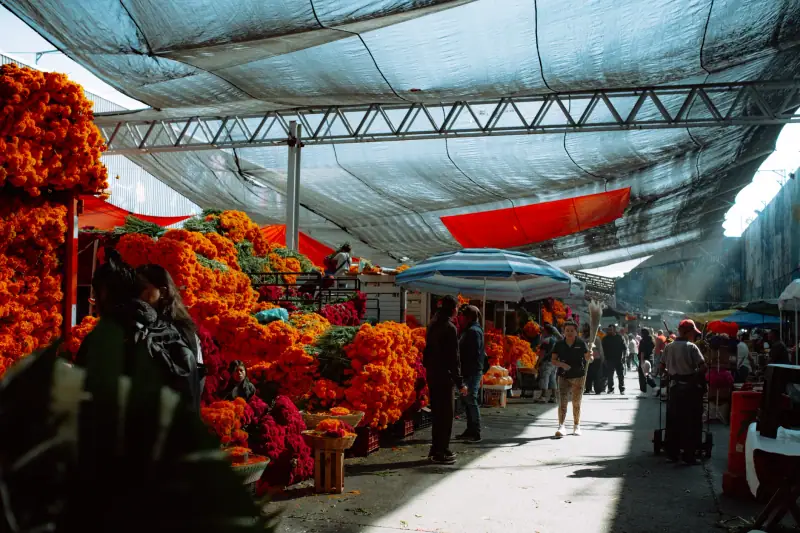
Mexico travel budget: how much to plan and how to save
What budget for traveling in Mexico? Flight, lodging, transport, meals, visits and tips: advice on how to split your spending well.

Bacalar and its Lagoon of Seven Colors: is it worth the detour without a car?
Is Bacalar worth the detour? Getting there by ADO bus or Tren Maya from Tulum and Cancún, what to do around the lagoon, where to swim and how many nights.
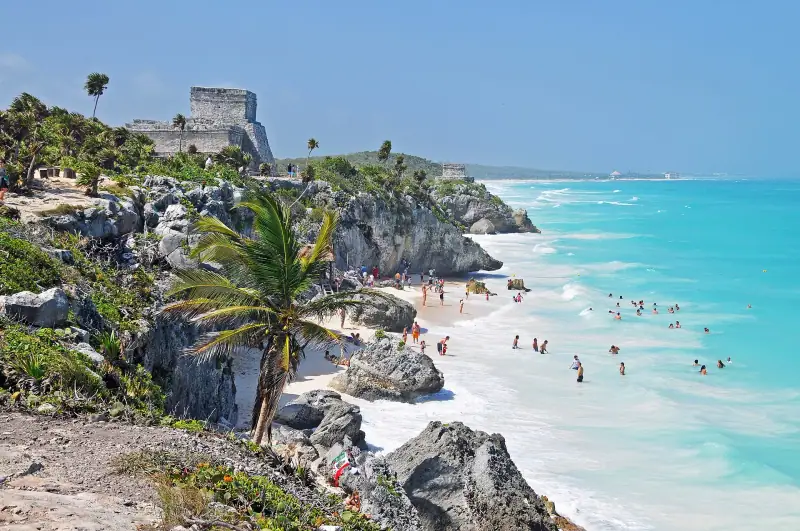
Visiting Tulum: Maya ruins, beaches and cenotes in 2 or 3 days
What to see in Tulum: a Maya site facing the sea, beaches, cenotes, Sian Ka'an reserve and the Cobá ruins. Access, best time and tips to plan your stay.
Ready-made
Mexico itineraries
7 days
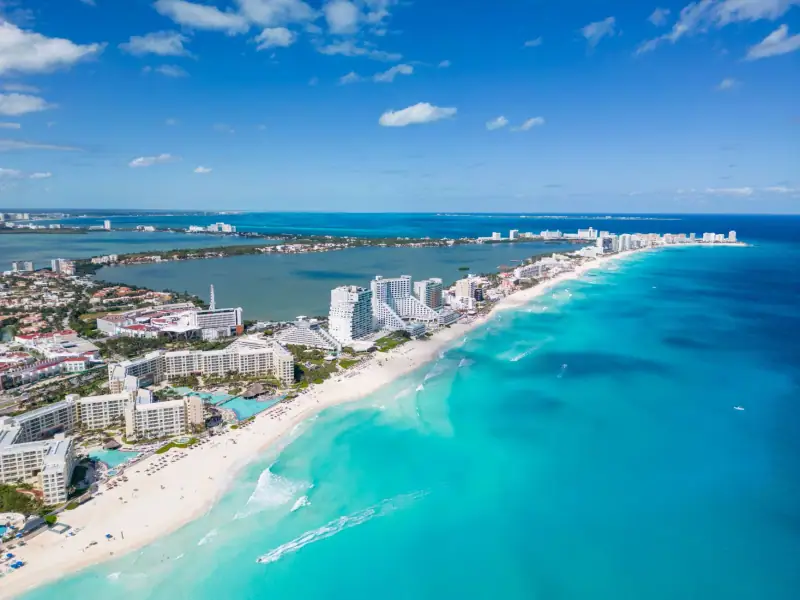
Yucatán road trip in 7 days: Cancún, Valladolid, Mérida and Chichén Itzá
TulumValladolidMérida
Can be adapted in the planner
7 days
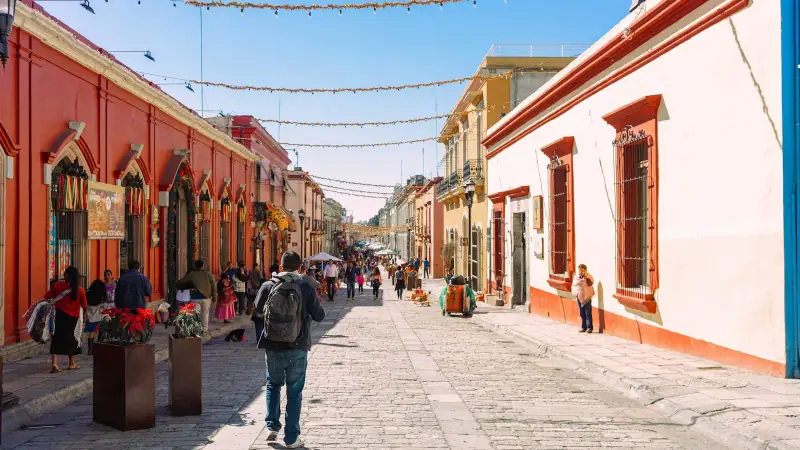
Mexico City, Puebla and Oaxaca in one week without a car: a realistic bus itinerary
Mexico CityPueblaOaxaca
3 days
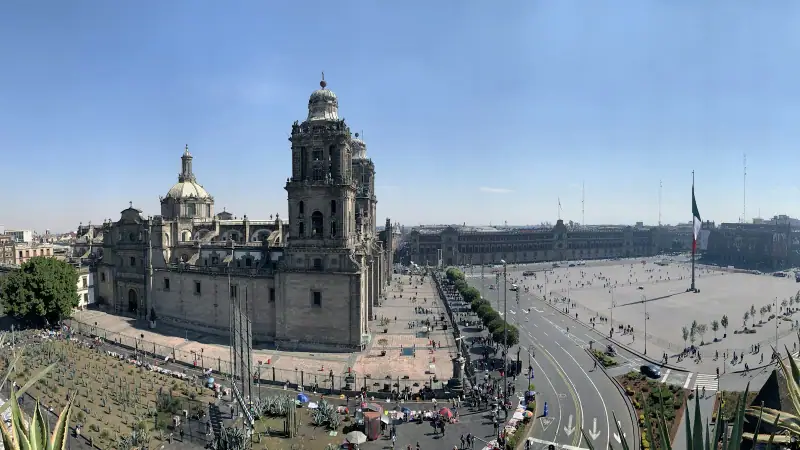
3 days in Mexico City: a day-by-day itinerary for a first stay
What to do in 3 days in Mexico City? Historic center, museums, Coyoacán, Xochimilco or Teotihuacán: a realistic itinerary with altitude and transport tips.