Things to do
Visiting Chichén Itzá: practical guide, hours and tips
We may earn a commission when you book through links on this page, at no extra cost to you. We don't visit or try the places we cover: we summarize published sources. How we work
In short
- Allow about two to three hours there, and arrive when it opens: it is cooler and the tour groups arrive mid-morning.
- Climbing the Pyramid of Kukulcán has been banned since 2006; you admire it from the esplanade.
- By road: Valladolid 45 min, Mérida 1 h 30 to 2 h, Cancún 2 h 30 to 3 h (40, 120 and 200 km, or 25, 75 and 124 mi).
- The best-known cenote nearby is Ik Kil; the sacred cenote inside the site is not open for swimming.
Chichén Itzá is the most famous Maya site in Mexico, a UNESCO World Heritage site since 1988. Its great pyramid, a familiar silhouette from postcards, draws a very large number of visitors every year. Good news: with a bit of organization, you can enjoy the place fully, even in such a busy setting.
This guide gathers the essentials to prepare your visit: how to get there, what time to arrive, what to see there and how to fit it into a stay in Yucatán. Entry fees and hours change regularly: check them on the official sites before you go.
History and interest of the site
Chichén Itzá is an ancient Maya city in the north of the Yucatán Peninsula. Its name generally means “at the mouth of the well of the Itzá”, a reference to the cenotes that made human settlement possible in this region without surface rivers. The city reached its peak at the end of the Classic period and the beginning of the Postclassic period, and you can see a mix of architectural styles, with influences from other parts of Mesoamerica.
What makes the site remarkable is the coherence of the whole: in one place you find a temple-pyramid, an immense ball court, an observatory, colonnades and a sacred cenote. It has been listed among the “new seven wonders of the world” since 2007, a title that has contributed a lot to its fame.
Keep in mind that the Maya are not a vanished people: Maya communities still live in Yucatán, speak their language and maintain their traditions. A detour to a village or a local market is a useful complement to visiting the stones.
Hotels in Valladolid
A charming base about 45 minutes from the site, ideal for arriving at opening.
The Pyramid of Kukulcán (El Castillo)
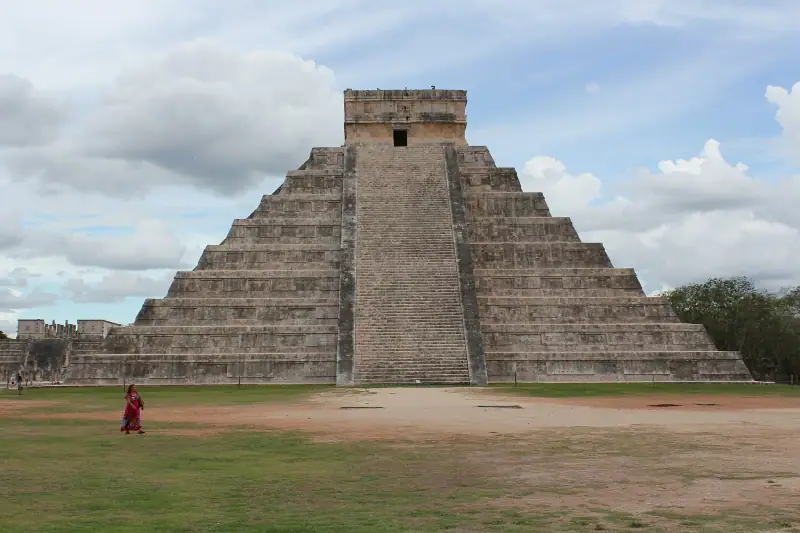
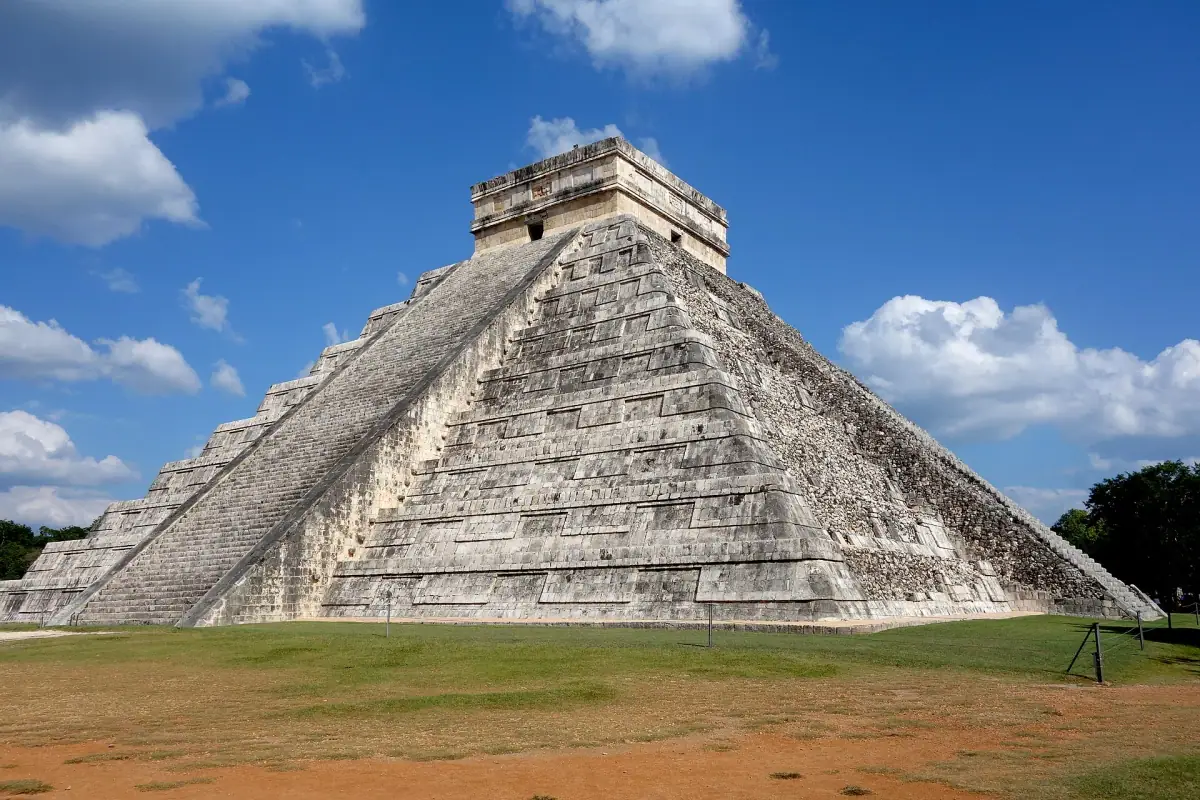
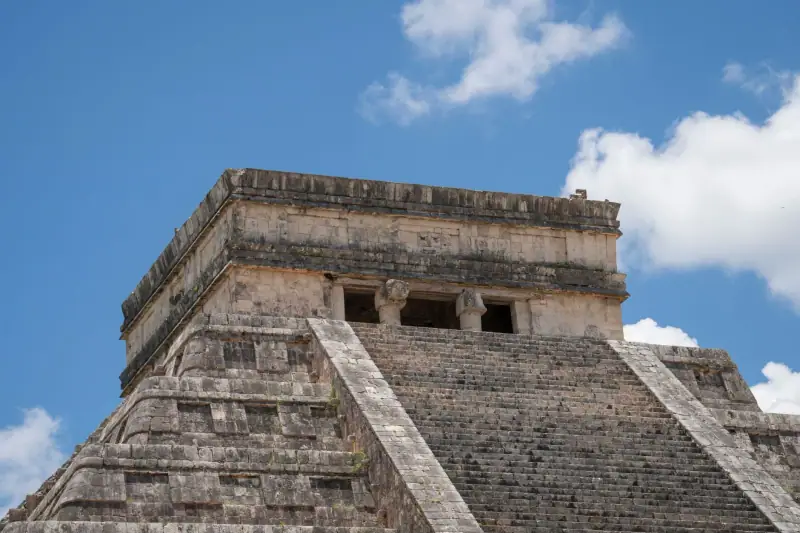
This is the monument that dominates the esplanade. The Pyramid of Kukulcán, also called El Castillo, is a stepped building with a staircase on each of its four faces. It is often said that the total number of steps, platform included, evokes the 365 days of the year, and that the nine levels correspond to divisions of the underworld in Maya cosmology. These symbolic readings are part of the visit, even though specialists debate them.
The most famous phenomenon happens at the spring and fall equinoxes: in the late afternoon, the light draws on the balustrade of the north staircase an undulating shadow that seems to descend toward the serpent head carved at the base. On those days, the crowd is very dense. If this show appeals to you, plan to arrive early and be patient, or choose another date to enjoy the site in peace.
A visiting tip: clap your hands facing the main staircase. The echo that comes back evokes, according to guides, the cry of a sacred bird, the quetzal. The effect is fun, whether intended or accidental.
Remember that climbing the pyramid has been banned for visitors since 2006. Do not trust old photos or accounts that still mention the climb: it is no longer possible, and site guards enforce this.
The ball court and the other monuments
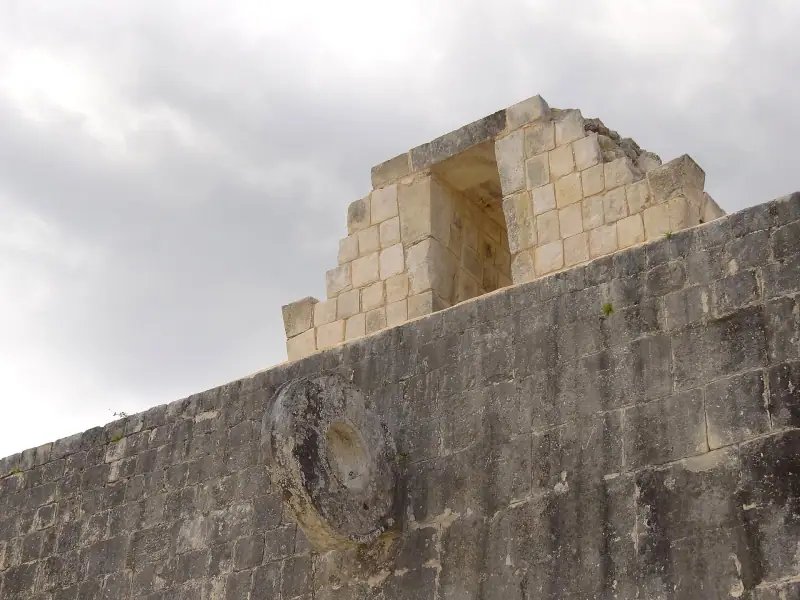
The ball court is the largest in Mesoamerica. Its side walls, decorated with bas-reliefs, frame a long corridor where a ritual game of great religious significance was played. The acoustics are astonishing: a sound made at one end can be heard distinctly at the other. The bas-reliefs show scenes linked to the game, whose interpretation is still debated.
Nearby, several groups are worth a detour:
- The Temple of the Warriors and the Group of the Thousand Columns, a vast set of carved columns that probably bordered a public space.
- El Caracol, a circular building generally interpreted as an astronomical observatory, showing the Maya interest in tracking the sky.
- The sacred cenote, a large natural well reached by a path from the esplanade. According to excavations, it was used for ceremonies and offerings.
- The Nunnery group (Las Monjas) and the buildings of the older part of the site, often less crowded.
Take time to read the information panels and look at the carved details: serpent heads, jaguars, warriors and glyphs are better discovered up close to the facades.
How to get to Chichén Itzá
The site is in the middle of the Yucatán Peninsula, near the village of Pisté. Keep these distances in mind to organize your day:
- From Valladolid: about 40 km (25 mi), roughly 45 minutes by road.
- From Mérida: about 120 km (75 mi), roughly 1 h 30 to 2 h.
- From Cancún: about 200 km (124 mi), roughly 2 h 30 to 3 h.
- From Playa del Carmen or Tulum: allow about 2 h 30 to 3 h by road depending on traffic.
You have three options. A rental car gives the most freedom: you leave when you like and can add a cenote or a village. Long-distance buses serve the area from Cancún, Mérida and Valladolid, and are an economical solution, sometimes with a final leg to complete by taxi or other transport. Finally, organized excursions take care of everything, but impose a group pace and limited time at the site.
If you visit the site with a group, check departure and return times, as well as the time actually spent inside the site, because excursions often include several stops.
Guided tours of Chichén Itzá
Guided excursions from Cancún, Mérida or the Riviera Maya.
When to visit and what time to arrive
Yucatán is hot all year, and the visit is in full sun, with little shade on the esplanade. The best time for the visit is therefore when the site opens in the morning: temperatures are more bearable, the light is good for photos and the excursion groups have not yet flooded in. The big groups generally arrive mid-morning, often after two to three hours of road.
In terms of season, the most pleasant and driest period generally runs from November to April. From May to October, heat and humidity are stronger, with frequent storms late in the day, but also fewer people. Our dedicated guide on when to go to Mexico details the seasons of each region, including the hurricane period.
For a comfortable visit, bring:
- enough water;
- a hat, sunglasses and sunscreen;
- comfortable shoes for walking on stony ground;
- cash in small bills for small purchases.
Rules at the site and good habits
A few rules to know before you arrive. Tickets generally consist of a federal part and a part for the State of Yucatán, hence prices that can be surprising: find out the total price before the trip. Using a drone requires authorization and is in practice banned for ordinary visitors. Tripods and some professional photo equipment may need a permit.
Another feature: many craft vendors set up along the paths. The items offered range from stone carvings to embroidered fabrics. Polite bargaining is common, and a smile is enough to decline an offer. Avoid, however, buying objects presented as authentic antiquities: they are copies.
Finally, stay on the paths and do not touch the sculptures. The site is fragile and draws a lot of people: every gesture counts for its conservation.
Flights to Cancún
Compare flights to reach Yucatán, the most practical point of entry.
Where to stay to visit Chichén Itzá
For a stress-free visit, the best option is to sleep nearby. Three options come up most often:
- Valladolid, a pretty colonial town about 45 minutes from the site. Its historic center, convents and cenotes make it a pleasant stop, with easy access to be there at opening.
- Pisté, the closest village, simpler but very handy for arriving early.
- Mérida, the capital of Yucatán, about 1 h 30 to 2 h away. Larger, it offers real cultural life and a fine food scene.
If you stay in Cancún or on the Riviera Maya, the day excursion is quite possible, but the day will be long. For those staying farther away, our guide to where to stay in Mexico City will help you organize the stop in the capital, often at the start or end of the trip.
Hotels in Mérida
A pleasant colonial city to sleep in before or after the visit.
Combining the visit with a cenote and lunch
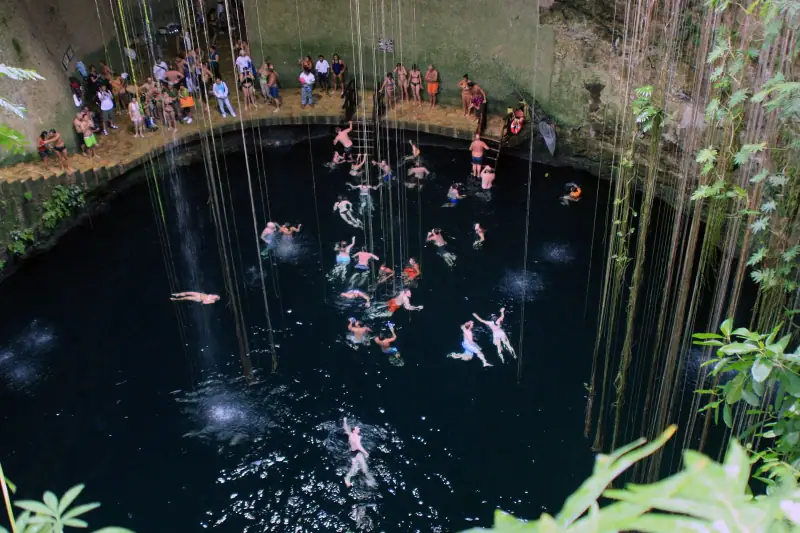
After the heat of the site, nothing beats a dip in a cenote. Several developed cenotes are in the surroundings: Ik Kil, the best known of those near the site, is very busy, while others around Valladolid are said to be quieter. To choose the one that suits you, see our guide to Yucatán cenotes.
For lunch, many restaurants offer a buffet for groups near the entrance, but you can also taste Yucatecan food in a small local restaurant, with specialties such as cochinita pibil, pork marinated in achiote and slow-cooked. Find more ideas in our article on Mexican food.
Budget and organization: the essentials to remember
To sum up, here is a typical successful day: leave early from Valladolid or Pisté, visit the site as soon as it opens, take a swim break in a cenote early in the afternoon, then head back late in the day. This spares you the mid-day crowd and the strongest heat.
On budget, the main items are the entry ticket, transport (car, bus or excursion) and lodging. Entry and excursion prices vary with the season and the exchange rate: better to check up-to-date amounts before you leave than to rely on old figures. A local guide can enrich the visit, especially if you are interested in Maya history and mythology, but it is not required.
With a little preparation, Chichén Itzá remains a memorable stop on a trip to Mexico, and an excellent starting point for exploring Yucatán, between colonial towns, cenotes and other Maya sites.
Frequently asked questions
How long does it take to visit Chichén Itzá?
Allow about two to three hours to see the main monuments without rushing. If you like reading the signs and taking photos, allow half a day, travel not included.
Can you climb the Pyramid of Kukulcán?
No. Climbing the pyramid has been banned for visitors since 2006, to protect the monument and for safety reasons. You admire it from the big esplanade.
How do you get to Chichén Itzá from Cancún?
The site is about 200 km (124 mi) from Cancún, roughly 2 h 30 to 3 h by road. You can go by rental car, long-distance bus or an organized day excursion.
Is it better to sleep in Valladolid or Mérida?
Valladolid is closer, about 45 minutes away, and lets you arrive when the site opens. Mérida is about 1 h 30 to 2 h by road and suits you if you want to combine the visit with a stop in a big colonial city.
Can you swim in a cenote near Chichén Itzá?
Yes, several developed cenotes are in the area, including Ik Kil, one of the best known. It is a pleasant way to cool off after the visit. The sacred cenote of the archaeological site itself is not open for swimming.
More Mexico guides
Keep reading
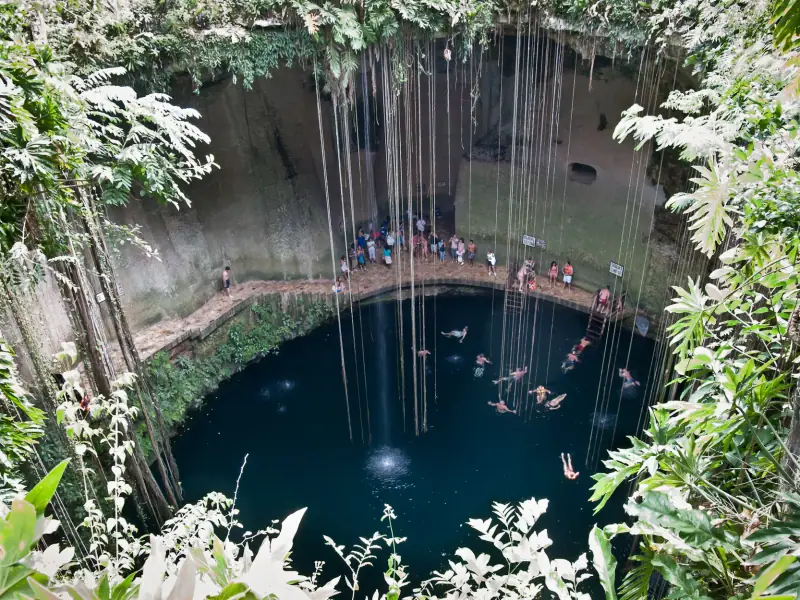
Yucatán cenotes: which ones to visit and how to choose
Yucatán cenotes: Ik Kil, Gran Cenote, Dos Ojos, Valladolid... a selection to pick the best by base, budget and swimming preferences.
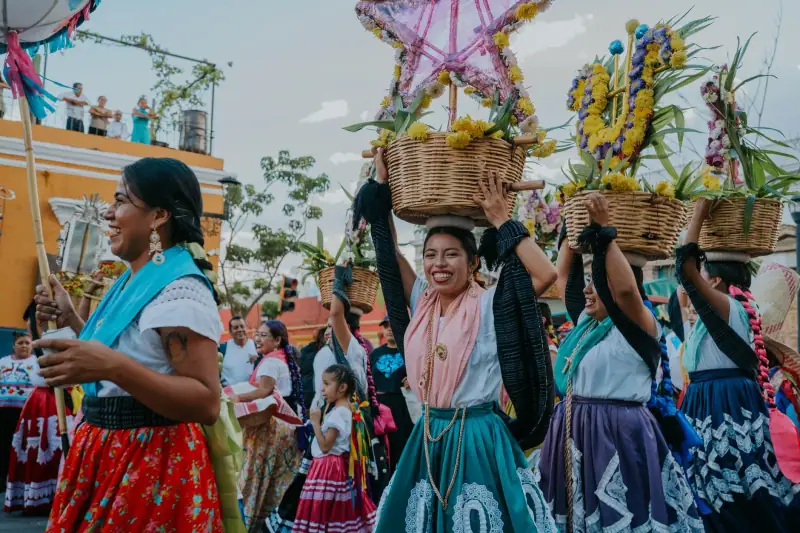
Festivals in Mexico: Día de Muertos, Guelaguetza, carnivals and calendar
Día de Muertos, Guelaguetza, Holy Week, posadas, carnivals: the calendar of Mexico's big festivals and tips to enjoy them respectfully.
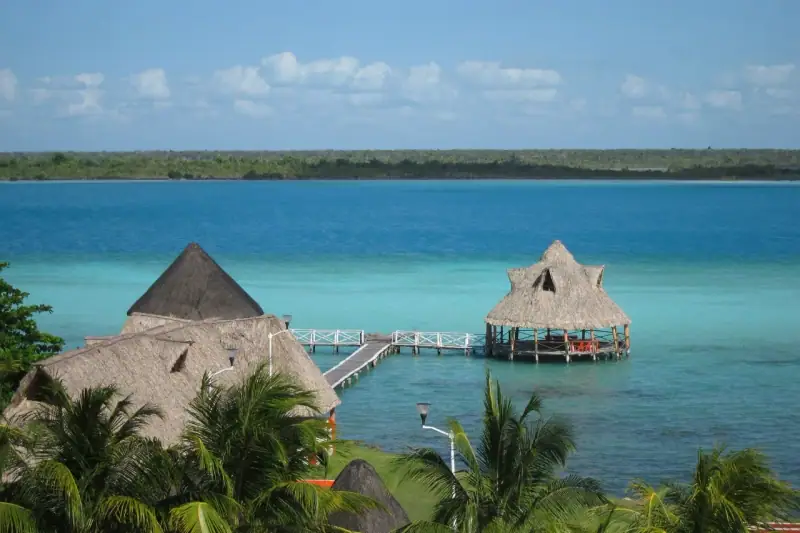
Bacalar and its Lagoon of Seven Colors: is it worth the detour without a car?
Is Bacalar worth the detour? Getting there by ADO bus or Tren Maya from Tulum and Cancún, what to do around the lagoon, where to swim and how many nights.
Ready-made
Mexico itineraries
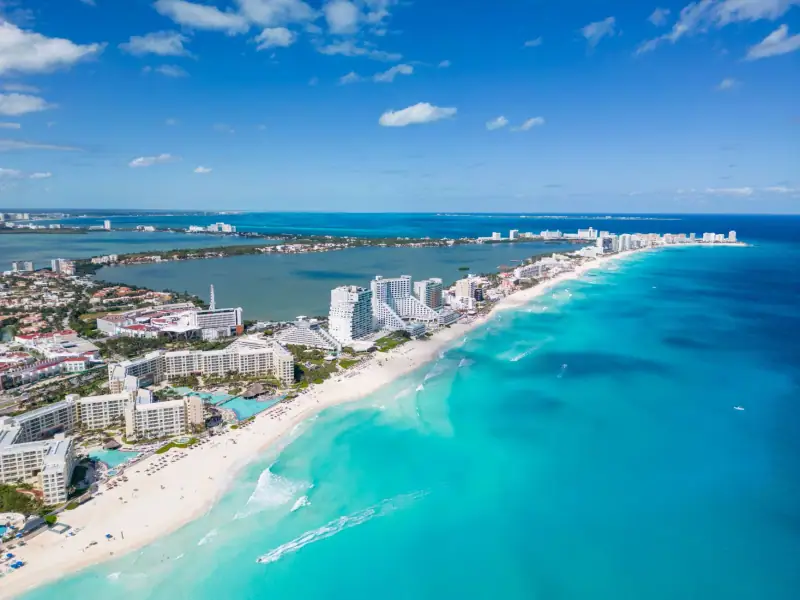
7 days
Yucatán road trip in 7 days: Cancún, Valladolid, Mérida and Chichén Itzá
TulumValladolidMérida
Can be adapted in the planner
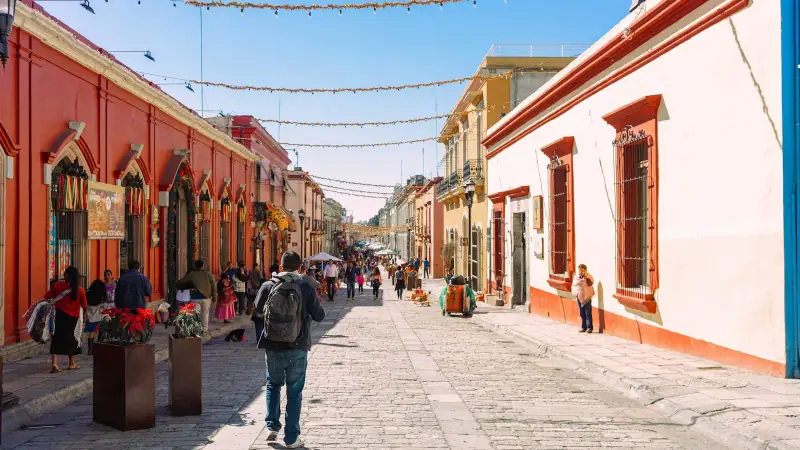
7 days
Mexico City, Puebla and Oaxaca in one week without a car: a realistic bus itinerary
Mexico CityPueblaOaxaca
3 days
3 days in Mexico City: a day-by-day itinerary for a first stay
What to do in 3 days in Mexico City? Historic center, museums, Coyoacán, Xochimilco or Teotihuacán: a realistic itinerary with altitude and transport tips.