Things to do
Yucatán cenotes: which ones to visit and how to choose
We may earn a commission when you book through links on this page, at no extra cost to you. We don't visit or try the places we cover: we summarize published sources. How we work
In short
- Start with Gran Cenote near Tulum, Ik Kil near Chichén Itzá, or a quieter cenote around Valladolid if you only do one.
- Do not plan more than two cenotes a day: travel, the mandatory shower, swimming and waiting fill a day, especially with an archaeological site.
- Shower before entering and avoid regular sunscreens and repellents; use UV clothing or a biodegradable sunscreen allowed at the cenote.
- The dry season, from November to April, is the most comfortable for linking several visits. Carry cash, as small sites do not always take cards.
You cannot talk about Yucatán without talking about its cenotes. These natural wells, formed by the collapse of the limestone covering a network of underground rivers, have strong cultural importance for the Maya, who considered them sacred places. Today they are mostly spectacular natural pools, sometimes open to the sky, sometimes tucked under a rock vault.
There are thousands, but they are not all equal: some are packed by 10 am, others almost secret. Here is how to find your way.
Understanding the different types of cenotes
Before choosing, you need to tell four main families apart.
- Open cenotes: a big open-air pool bordered by vegetation. They are bright, often warmer and easy to reach.
- Semi-open cenotes: the vault is partly collapsed, letting shafts of light in. This is the most photogenic format.
- Underground (or closed) cenotes: you go down through a narrow opening, and light comes from lamps or a few shafts. The atmosphere is more mysterious.
- Cave cenotes: these are better visited with a guide, with stalactites and low passages, and suit divers or fans of light caving.
Their water is clear, often bright blue, and fairly cool: good news when the heat tops 35 °C (95 °F) outside, a bit less pleasant if you feel the cold easily.
Around Tulum and the Riviera Maya
Hotels in Tulum
Sleep near the cenotes and Maya sites of the Riviera Maya, to leave early in the morning.
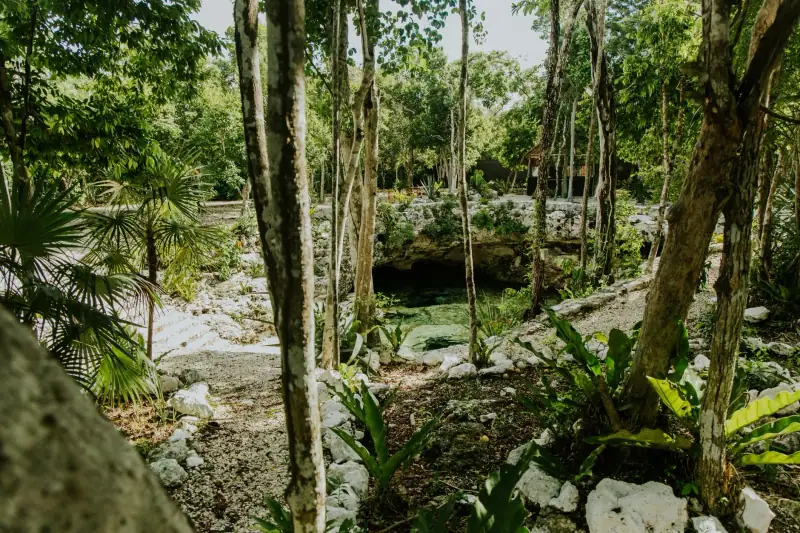
This is the most practical area for anyone staying on the Caribbean coast: the cenotes are barely a few kilometers from the beaches and hotels, along the road linking Tulum and Playa del Carmen.
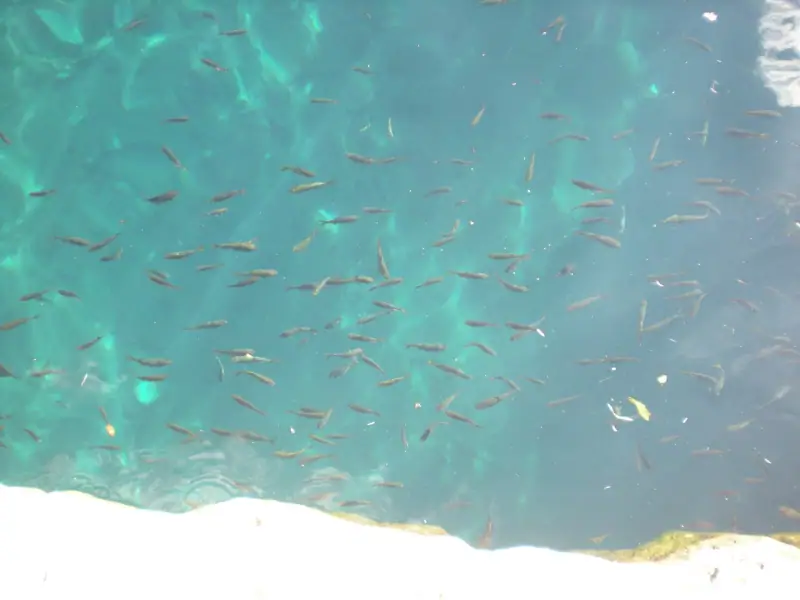
Gran Cenote, a few kilometers from Tulum, is one of the best known. Semi-open, it mixes shallow pools, stalactites and transparent water, with many fish and, depending on the period, turtles. It is an excellent choice for snorkeling, but it draws many people: arrive at opening if you want some peace.
Dos Ojos, further north, between Tulum and Playa del Carmen, is part of a vast network of flooded caves much prized by divers. The “two eyes” are two pools linked under the rock. Visitors can snorkel there, and certified divers explore spectacular galleries.
These sites charge entry and their prices, hours and diving conditions change: check them before you head out. If you like ruins, combine a cenote morning with the Cobá site, about 40 km (25 mi) from Tulum, in the forest.
Around Chichén Itzá and Valladolid
This area, in the center of the peninsula, concentrates cenotes very different from those on the coast. It is also the best starting point for combining one with a visit to Chichén Itzá.
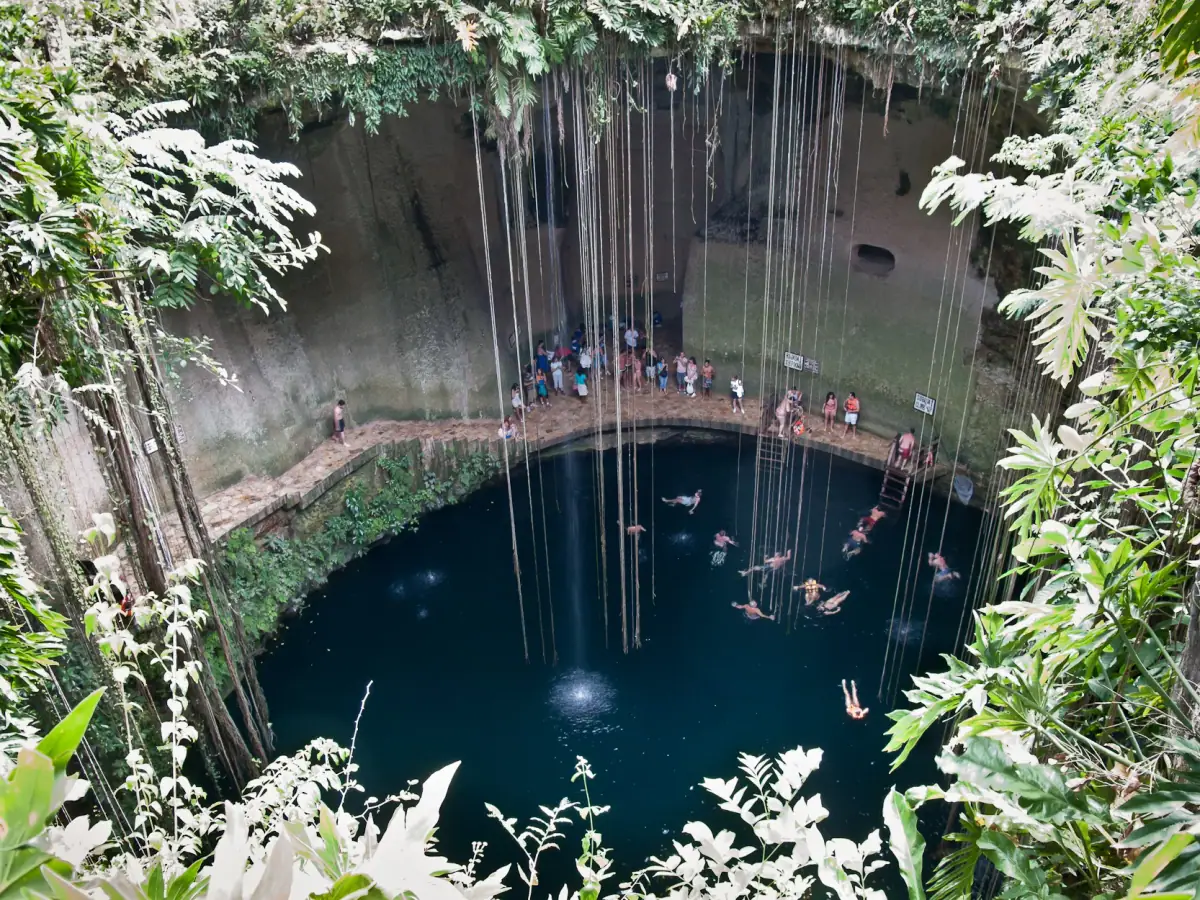
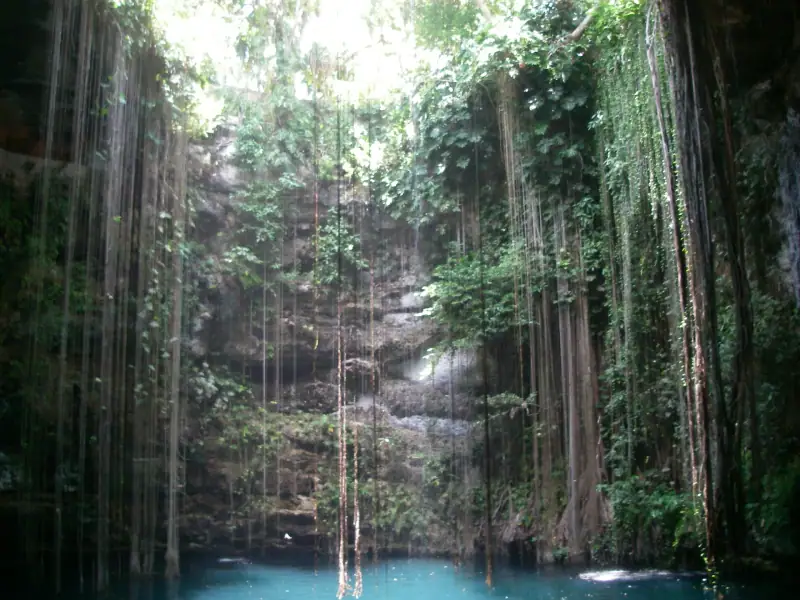
Ik Kil, right near Chichén Itzá, is probably the most photographed in Yucatán: a circular open-air well, with vines hanging down to the water. Its accessibility makes it a classic stop on excursions. To find some room there, it is better to avoid mid-day.
Valladolid, a charming colonial town about 40 km (25 mi) from Chichén Itzá, is an ideal base. It has its own cenote downtown, Zací, open and easy to fit into a stroll. Several other, quieter cenotes in the region can be visited in a half day from town. It is also a good option if you prefer an authentic atmosphere to that of the big beach resorts.
For a stay without a car, guided excursions often combine Chichén Itzá, a cenote and Valladolid in the same day.
Cenote and Chichén Itzá excursions
Guided days with transport, a cenote swim and a visit to the Maya site, from the Riviera Maya.
Around Mérida: wilder cenotes
The Mérida region, the capital of Yucatán, is less visited by travelers in a hurry, which makes it a pleasant playground for those who like calm. The cenotes are often in former haciendas, sometimes preceded by a ride in a small traditional rail vehicle. The atmosphere is more local, prices are often lower and the public is mostly Mexican.
The advantage of this area is that it lets you pair cenotes, discovering the city and restored haciendas without rushing. Allow half a day per cenote, travel included.
Distances are fairly short, but secondary roads are sometimes slow: always keep a margin, and do not arrive at the last minute before sites close.
How to choose by profile
To decide between these areas, here are a few markers.
| Your profile | Suggested area | Why |
|---|---|---|
| Beach stay | Tulum / Riviera Maya | Cenotes minutes from the beach |
| Culture and Maya sites | Valladolid / Chichén Itzá | Cenotes + ruins in the same day |
| Certified divers | Around Dos Ojos | Network of flooded caves |
| Travelers seeking calm | Mérida region | Less touristy cenotes |
| Families with kids | Semi-open cenotes, shallow water | Built access, life jackets available |
A practical tip: do not plan more than two cenotes a day. Between the travel, the mandatory shower, the swim and the waiting times, two visits fill a day easily, especially if you add an archaeological site.
To know when to go, see our guide to the best time to visit Mexico: the dry season, from November to April, is the most comfortable for linking visits.
Preparing your visit: gear and good practices
A few simple rules make the visit more pleasant, and protect fragile ecosystems.
- Shower before entering: this is generally mandatory. It removes creams and repellents, which damage the water.
- Avoid regular sunscreens. Prefer a UV T-shirt or a biodegradable sunscreen accepted there.
- Bring water shoes, as steps and rocks can be slippery.
- Carry cash: many small or mid-size sites do not always take cards.
- A mask and snorkel are enough to appreciate the water’s visibility; you can rent them there.
- Follow the safety instructions: jump only where it is allowed, and wear a life jacket if you are not very comfortable.
- Do not touch the stalactites: they take thousands of years to form.
If you rent a car to link several sites, drive carefully: speed limits are marked by many speed bumps in the villages, and night falls early all year.
Flights to Cancún
Compare flights to the gateway of the Yucatán Peninsula, depending on your travel dates.
Which cenote to choose if you only do one?
If your stay is short, here is the answer in one sentence per situation: Gran Cenote for an accessible first contact from Tulum, Ik Kil if you are visiting Chichén Itzá, and a cenote around Valladolid for a quieter atmosphere. In every case, leave early, bring the essentials and give yourself time to enjoy it: the appeal of a cenote lies as much in the light and the silence as in the swim. Further south, the Bacalar lagoon and its Negro and Esmeralda cenotes are also worth a detour.
Frequently asked questions
How many cenotes are there in Yucatán?
Several thousand are recorded on the peninsula, but only a small share is developed for visits. The limestone ground is riddled with underground rivers, which explains this exceptional density.
What is the best cenote for beginners?
Semi-open cenotes near Tulum or Valladolid are the simplest: built stairs, shallow water at the edges and natural light. They suit families and less confident swimmers.
Can you swim in cenotes all year?
Yes. The water stays cool and pleasant in every season, even when it is very hot outside. The dry season, from November to April, offers the most comfortable conditions for linking several visits.
Do you need a life jacket?
Many sites provide them or require them, especially in deep cenotes. It is a good precaution if you are not a strong swimmer, as the water is cool and the bottom is often out of reach.
Can you wear sunscreen?
Sites generally ask you to shower before entering and to avoid regular sunscreens and repellents, which pollute very fragile water. Favor UV clothing or a biodegradable sunscreen allowed by the site.
More Mexico guides
Keep reading
Festivals in Mexico: Día de Muertos, Guelaguetza, carnivals and calendar
Día de Muertos, Guelaguetza, Holy Week, posadas, carnivals: the calendar of Mexico's big festivals and tips to enjoy them respectfully.
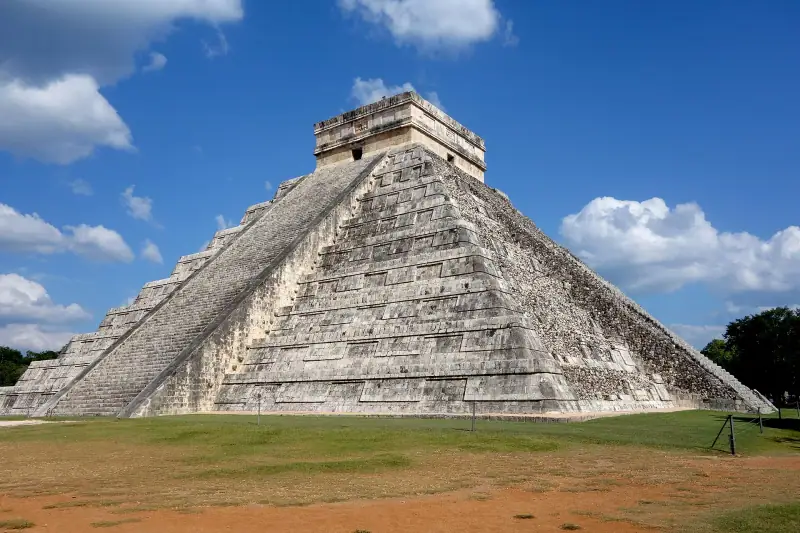
Visiting Chichén Itzá: practical guide, hours and tips
How to visit Chichén Itzá: getting there from Cancún and Mérida, best time, Pyramid of Kukulcán, sights to see and tips for avoiding the crowds.
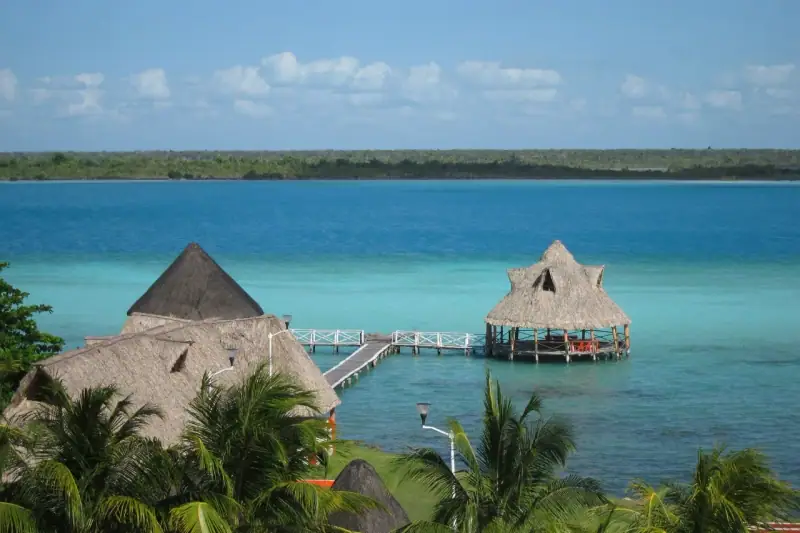
Bacalar and its Lagoon of Seven Colors: is it worth the detour without a car?
Is Bacalar worth the detour? Getting there by ADO bus or Tren Maya from Tulum and Cancún, what to do around the lagoon, where to swim and how many nights.
Ready-made
Mexico itineraries
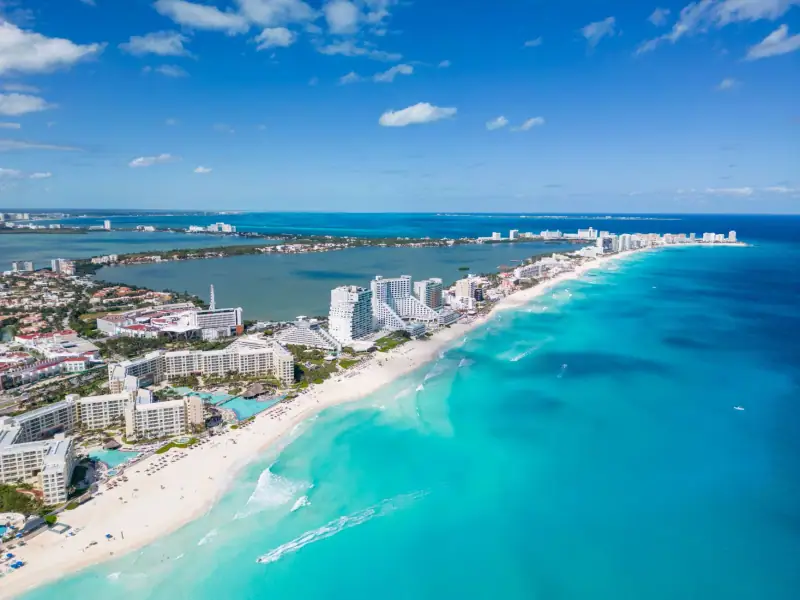
7 days
Yucatán road trip in 7 days: Cancún, Valladolid, Mérida and Chichén Itzá
TulumValladolidMérida
Can be adapted in the planner
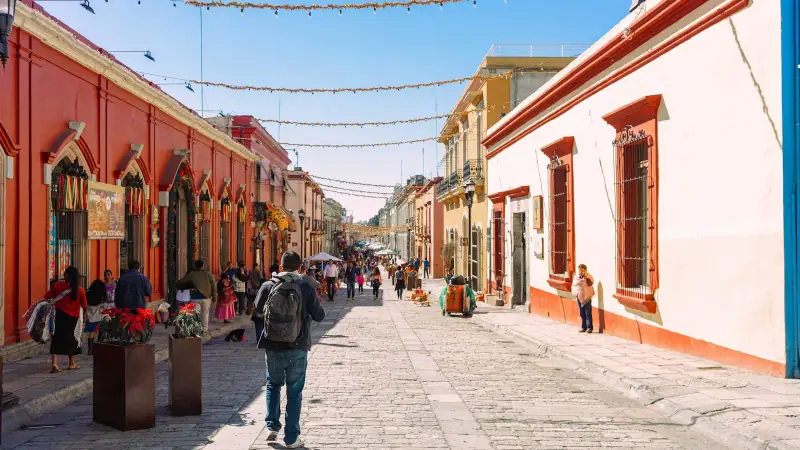
7 days
Mexico City, Puebla and Oaxaca in one week without a car: a realistic bus itinerary
Mexico CityPueblaOaxaca
3 days
3 days in Mexico City: a day-by-day itinerary for a first stay
What to do in 3 days in Mexico City? Historic center, museums, Coyoacán, Xochimilco or Teotihuacán: a realistic itinerary with altitude and transport tips.