Itineraries
3 days in Mexico City: a day-by-day itinerary for a first stay
We may earn a commission when you book through links on this page, at no extra cost to you. We don't visit or try the places we cover: we summarize published sources. How we work
Day by day
- Day 1Zócalo, cathedral, Templo Mayor, Palacio de Bellas Artes
- Day 2Chapultepec, Anthropology Museum, Roma and Condesa
- Day 3Coyoacán and Xochimilco, or Teotihuacán
Weather through the year on this route
| Jan | Feb | Mar | Apr | May | Jun | Jul | Aug | Sep | Oct | Nov | Dec | |
|---|---|---|---|---|---|---|---|---|---|---|---|---|
| High °F (°C) | 8429 | 8831 | 9334 | 9736 | 9736 | 9133 | 9032 | 9032 | 8831 | 8630 | 8429 | 8429 |
| Low °F (°C) | 6619 | 6619 | 7021 | 7323 | 7524 | 7524 | 7524 | 7524 | 7524 | 7323 | 7021 | 6619 |
| Rain in (mm) | 1.640 | 1.025 | 1.025 | 1.435 | 2.870 | 6.5165 | 5.1130 | 5.7145 | 6.9175 | 4.9125 | 2.255 | 1.640 |
Normals 1991–2020 at Mérida: averages over 30 years, not a forecast. Source: NASA POWER (MERRA-2), grid of about 50 km. Figures computed by us in November 2026.
In short
- Three days: the historic center on day 1, Chapultepec and the Anthropology Museum plus Roma and Condesa on day 2, then Coyoacán and Xochimilco or Teotihuacán on day 3.
- The city sits at more than 2,200 m (7,200 ft). Pace yourself on the first day; for health questions, see a doctor or travel clinic.
- Many museums close one day a week, often Monday. Book the Casa Azul (Frida Kahlo) online ahead.
- Teotihuacán is about one hour by road northeast of the city; leave early, as there is little shade.
Mexico City is one of the largest urban areas in the world, and the idea of discovering it in three days can be daunting. Yet it is a perfectly workable format, as long as you accept not seeing everything and group your visits by area to limit travel, which can be long at rush hour. This itinerary was designed for a first stay: one day for the historic heart, one day for the big museums and green neighborhoods, and a third day of your choice between the south of the city and the pre-Columbian city of Teotihuacán.
Before you go, a few markers. The capital sits on a high plateau, at about 2,240 meters (7,350 ft) of altitude: the climate is milder than you might imagine for a tropical country, with cool mornings much of the year. See our article on the best time to visit Mexico to choose your dates. Entry rules depend on your passport. Check the official travel advice of your government before you book: travel.state.gov (US), GOV.UK (UK), travel.gc.ca (Canada), Smartraveller (Australia) (checked November 2026).
Preparing your 3-day stay in Mexico City
Three rules greatly simplify the organization. First, sleep in a central neighborhood: time lost in transport is the main enemy of a short stay. Second, group your visits by zone. Finally, stay flexible: rain, especially in the wet season, often falls in late afternoon, so it is better to schedule outdoor activities in the morning.
The historic center works very well if you want to do everything on foot on the first day. The Roma and Condesa neighborhoods, calmer and leafier, appeal to those who prefer a more residential stay. To compare, our guide to where to stay in Mexico City presents the areas and their pros.
Hotels in Mexico City
Compare lodging in the historic center, Roma and Condesa for your dates.
For transport, the metro is an economical and efficient option for many trips, but it is very crowded at rush hour: keep your belongings in front of you. For longer distances or in the evening, many visitors use ride-hailing cars, whose price is shown in advance in the app. The daily budget depends a lot on your travel style: our article on the budget for a trip to Mexico will help you estimate it.
Day 1: the historic center, from the Zócalo to the Templo Mayor
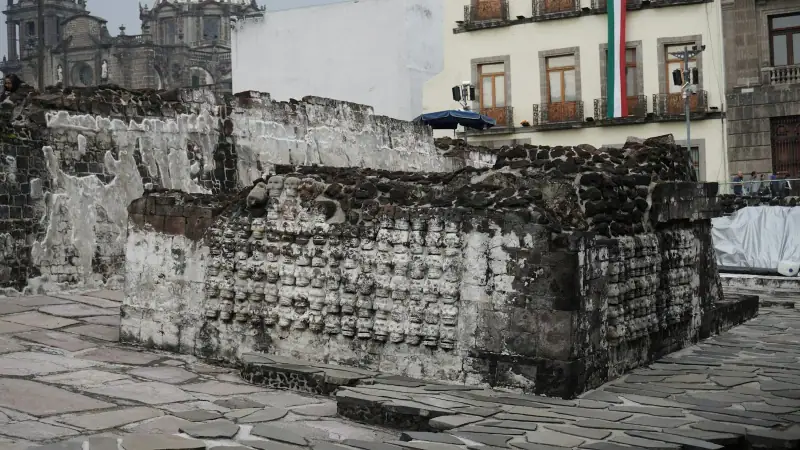
On the program: Zócalo, Metropolitan Cathedral, National Palace, Templo Mayor, Palacio de Bellas Artes.
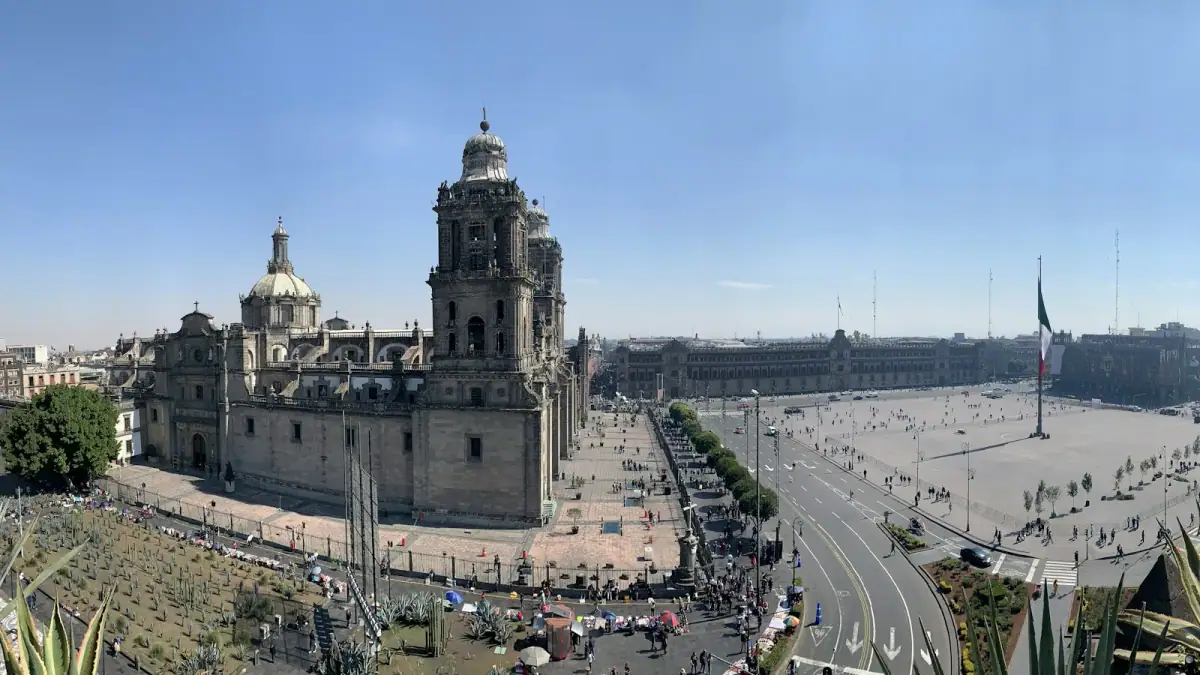
Start with the Zócalo, the central square of the city, one of the largest in the world. It is lined by the Metropolitan Cathedral, an imposing colonial building whose construction stretched over several centuries, and by the National Palace, which houses, among other things, Diego Rivera murals tracing the history of Mexico. Mexico City’s historic center is a UNESCO World Heritage site, along with Xochimilco.
A few steps away are the remains of the Templo Mayor, the main temple of the Aztec capital Tenochtitlan, discovered in the 20th century right in the modern city. The site and its museum help you understand that today’s metropolis was built on a lake city that already had its squares, canals and temples. It is an excellent starting point for grasping the city’s history before the museums of the second day.
In the afternoon, walk west along the pedestrian streets to the Palacio de Bellas Artes, at the edge of the Alameda Central. Its architecture mixes marble with Art Nouveau and Art Deco decor, and it hosts exhibitions and murals by great Mexican muralists. Even if you do not visit the inside, the facade is worth a detour, especially late in the day when golden light falls on the dome.
For lunch, let yourself be guided by the many small places in the center: tacos, quesadillas, tortas, fresh fruit juices. If you want to understand the variety of local food, our article on the markets of Mexico City and Oaxaca gives you leads for eating where locals eat. On the first evening, keep things easy after the journey.
Day 2: Chapultepec, anthropology and the Roma and Condesa neighborhoods
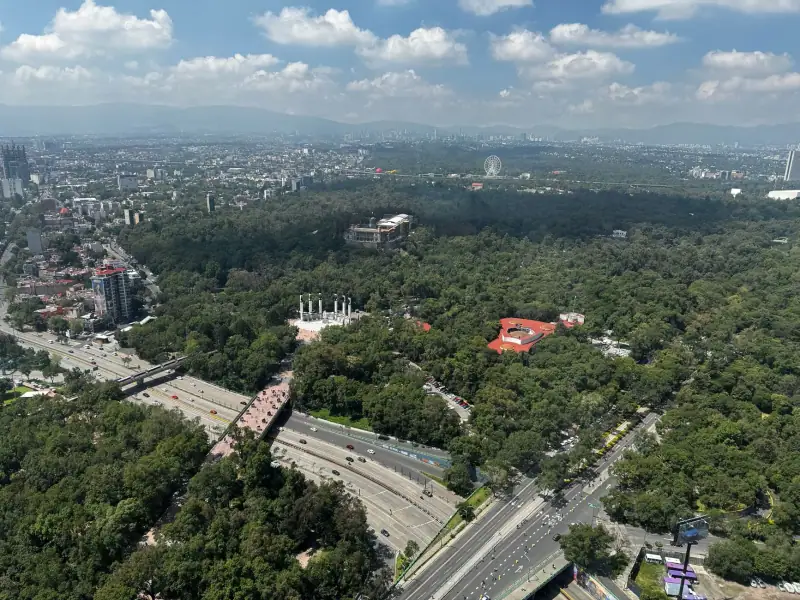
On the program: Chapultepec Park, National Museum of Anthropology, a stroll through Roma and Condesa.
The second day is for museums and green spaces. Head to Chapultepec Park in the morning, a huge urban park that serves as the capital’s green lung. It houses several museums, including the National Museum of Anthropology, considered one of the most important in the country and one of the finest archaeological museums in Latin America.
Allow at least three hours there, more if you are passionate about history. The halls are devoted to the great pre-Columbian civilizations: Teotihuacán, the Toltecs, the Aztecs, the Maya, Oaxaca and many others. The museum is very good preparation if you plan to visit sites like Chichén Itzá afterward or continue with our 10-day Mexico itinerary. Many museums in the capital close one day a week, often Monday: check the hours before building your schedule.
After lunch, head to Roma and Condesa, two neighboring districts that are among the most pleasant in the city. You will find wide tree-lined avenues, Art Deco buildings, parks, bookstores, galleries and many cafés. It is the ideal ground for a walk with no set program: sit on a terrace, try a Mexican coffee or a pressed juice, watch local life.
Food tour in Mexico City
Guided street food tastings to try local cooking with a guide.
In the evening, food is on the menu. Mexico City is one of the culinary capitals of the continent, from street taco stands to more elaborate restaurants. To learn about the dishes to try, read our guide to Mexican food. Spirits fans can extend with a mezcal tasting: our article on Mexican drinks will help you find your way.
Day 3, option A: Coyoacán and Xochimilco
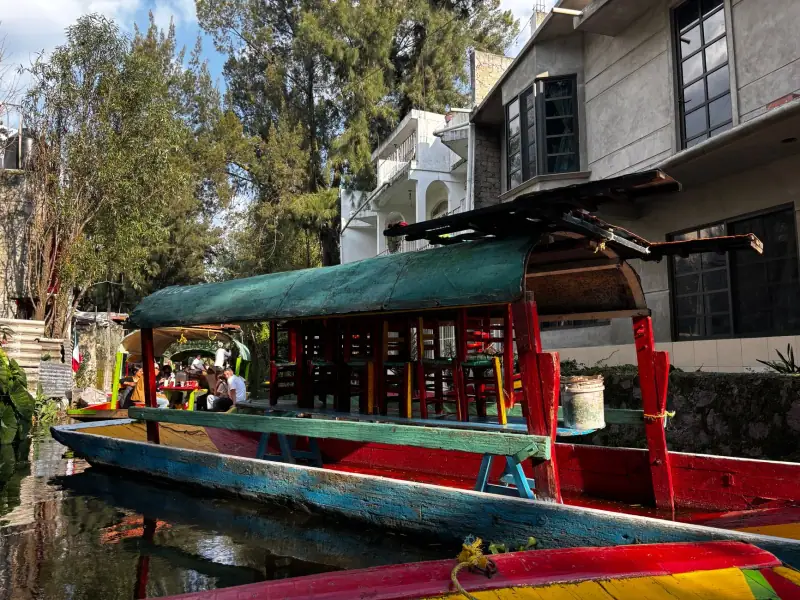
On the program: Coyoacán, Casa Azul, Xochimilco canals by trajinera.
If you prefer to stay in the capital, devote the third day to the south of the city. Coyoacán is a former village now absorbed into the urban area, which has kept the atmosphere of a small colonial town, with shaded squares, cobbled lanes, a market and cafés. This is where the Casa Azul is, the blue house where Frida Kahlo lived, now a museum. It is very busy: book your slot online ahead, several days before if possible.
In the afternoon, head to Xochimilco, a remnant of the Aztec-era system of canals and floating gardens, also UNESCO-listed. The visit is aboard a trajinera, a colorful flat-bottomed boat that you rent for a set time. The mood is festive, especially on weekends, with musicians and vendors passing from boat to boat. Negotiate and agree on the price and duration before boarding, and favor weekdays if you want more calm.
Day 3, option B: Teotihuacán, the city of the gods
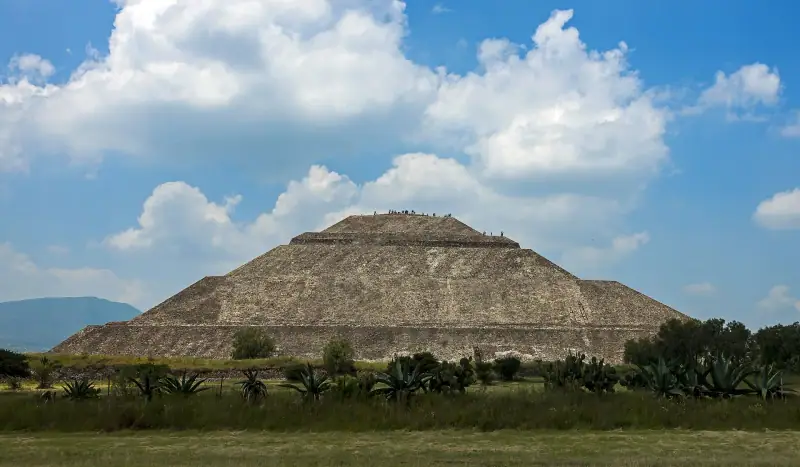
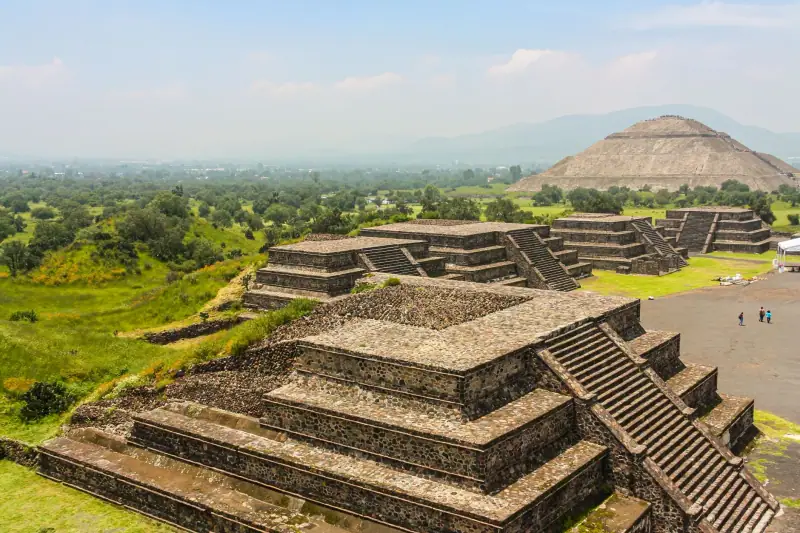
On the program: Pyramid of the Sun, Pyramid of the Moon, Avenue of the Dead.
If pre-Columbian civilizations draw you, replace the day in the south with an excursion to Teotihuacán, northeast of the capital, about an hour away by road depending on traffic. It is one of the most spectacular archaeological sites in the country, with the Pyramid of the Sun, the Pyramid of the Moon and the long Avenue of the Dead linking the main monuments. The site is a UNESCO World Heritage site.
Leave early: there is little shade, the heat rises quickly at mid-day and groups arrive in late morning. Bring good shoes, a hat, sunscreen and water. The altitude is still felt when climbing the stairs: go at your own pace. You can go by public transport, by car with a driver or on an organized excursion, often the simplest solution if you do not want to handle the logistics.
Teotihuacán excursion
Guided visits with transport from Mexico City, to make the most of your day.
Which option to choose? If you only have three days and one big archaeological site is enough for you, Teotihuacán is the better pick. If you plan to see others in Yucatán or Oaxaca, option A, more urban and more cultural, avoids repetition and shows you another side of the capital.
Practical tips for a successful short stay
Safety. As in all big cities, stay alert in crowded transport and tourist spots, keep your phone and wallet out of sight and avoid deserted neighborhoods at night. The areas visitors frequent, including those described above, are generally lively by day and in the evening. Check your government’s official travel advice before you leave, using the links in the introduction.
Altitude and health. Pace yourself and do not push right on arrival. For health questions about altitude, ask your doctor or a travel clinic, and see the official travel health pages (CDC in the US, TravelHealthPro in the UK). For street food, choose busy stands where products turn over quickly.
Money. Bank cards are accepted in many shops and restaurants, but keep cash in pesos for street food, markets, tips and small expenses. Preferably withdraw at ATMs located in a bank or a well-lit place.
Insurance. Travel insurance covering medical costs and repatriation is strongly advised for any trip abroad.
Flights. Mexico City is the country’s main air hub: it is also the natural starting point for reaching other regions, such as Oaxaca or Yucatán, by domestic flight.
Flights to Mexico City
Compare flights to the Mexican capital for your dates and budget.
What if you have a bit more time?
With one or two extra days, you can do both options of the third day, add an afternoon strolling a market or extend your stay to another city in the center of the country. Mexico City is also an excellent starting point for a wider circuit: our 10-day Mexico itinerary links the capital, Oaxaca and Yucatán, while our guide to festivals and celebrations can help you time your stay around a major event, such as the Día de Muertos celebrations, very spectacular in the capital.
Finally, remember that a good trip to Mexico City also means knowing how to slow down. A break in a park, a coffee on a shaded square or a long chat with a market vendor sometimes say more about the city than any monument. Keep some free time in your schedule: that is often where the best memories hide.
Sources
- Mexico City government tourism site (CDMX): figures checked November 2026
Frequently asked questions
Are 3 days enough to see Mexico City?
Three days let you see the essentials: the historic center, a major museum, a residential neighborhood like Coyoacán and an excursion or an original activity. The city is huge and there will always be reasons to come back, but this format gives a very good first picture.
Should you worry about the altitude in Mexico City?
The city is at more than 2,200 meters (7,200 ft). Pace yourself on the first day. For health questions, ask your doctor or a travel clinic, and see the official travel health pages (CDC in the US, TravelHealthPro in the UK).
How do you get around the city?
The metro is very cheap and efficient but crowded at rush hour. Ride-hailing cars are widely used by visitors for longer trips or in the evening. The historic center and each neighborhood can be covered on foot.
Which neighborhood should you choose to sleep in for a 3-day stay?
The historic center is ideal for monuments, while Roma and Condesa offer a greener atmosphere, with cafés and restaurants. Our guide on where to stay in Mexico City details the pros of each area.
Do you need to book some visits ahead?
Yes, for the most popular places, such as Frida Kahlo's Casa Azul, booking online is strongly advised. Also check the weekly closing days of museums, as many close one day a week, often Monday.
Can you drink the tap water in Mexico City?
Drinking bottled or purified water is generally recommended, along with caution with ice and raw food in little-visited places. Restaurants frequented by tourists generally use purified water.
More Mexico guides
Keep reading
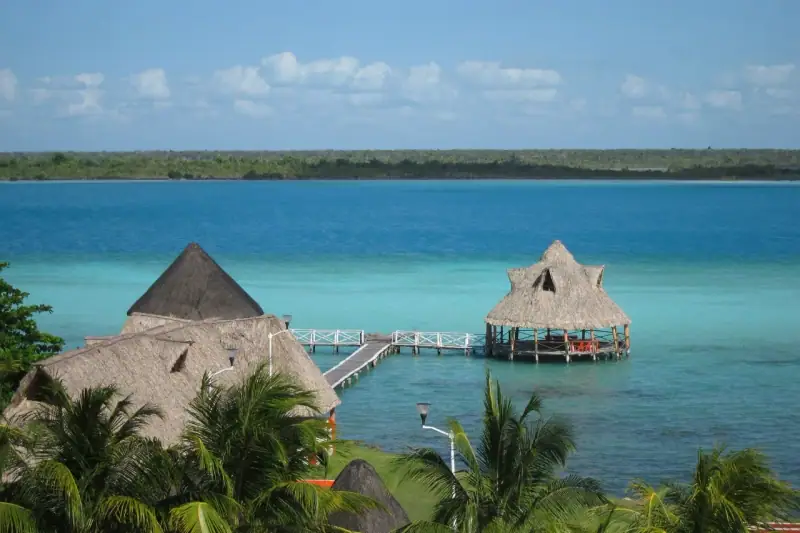
Bacalar and its Lagoon of Seven Colors: is it worth the detour without a car?
Is Bacalar worth the detour? Getting there by ADO bus or Tren Maya from Tulum and Cancún, what to do around the lagoon, where to swim and how many nights.
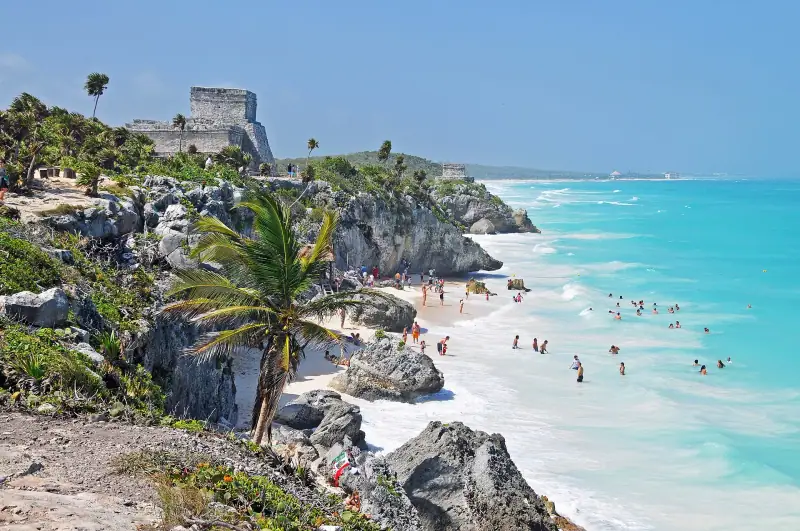
Visiting Tulum: Maya ruins, beaches and cenotes in 2 or 3 days
What to see in Tulum: a Maya site facing the sea, beaches, cenotes, Sian Ka'an reserve and the Cobá ruins. Access, best time and tips to plan your stay.
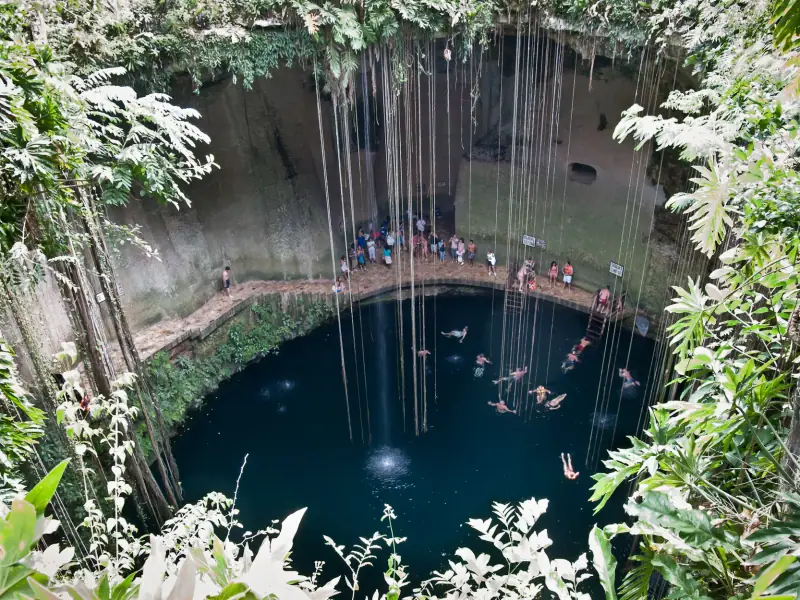
Yucatán cenotes: which ones to visit and how to choose
Yucatán cenotes: Ik Kil, Gran Cenote, Dos Ojos, Valladolid... a selection to pick the best by base, budget and swimming preferences.
Ready-made
Mexico itineraries
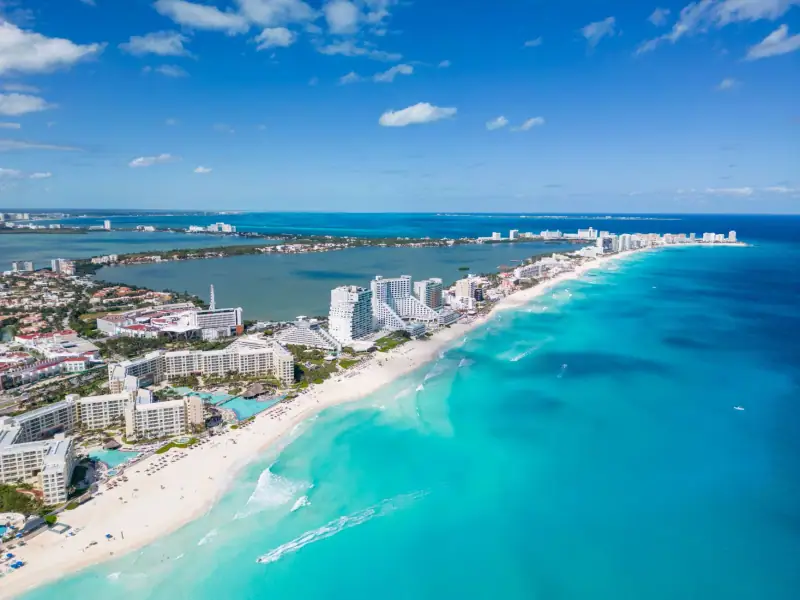
7 days
Yucatán road trip in 7 days: Cancún, Valladolid, Mérida and Chichén Itzá
TulumValladolidMérida
Can be adapted in the planner
7 days
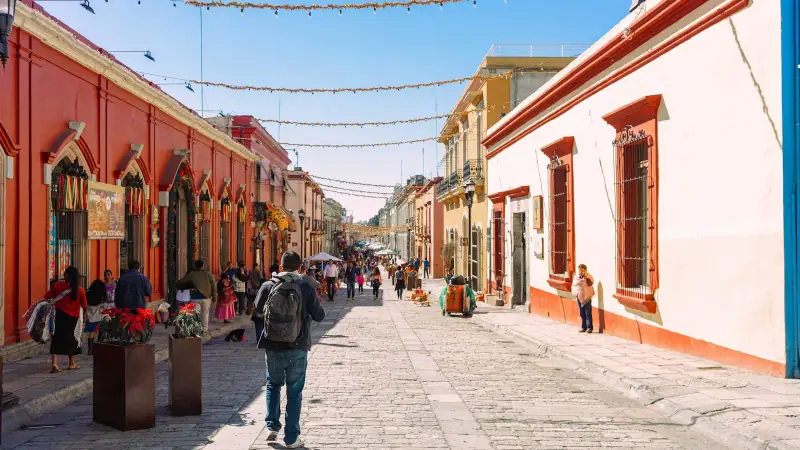
Mexico City, Puebla and Oaxaca in one week without a car: a realistic bus itinerary
Mexico CityPueblaOaxaca
10 days
10-day Mexico itinerary: Mexico City, Oaxaca and Yucatán
A day-by-day 10-day circuit in Mexico: Mexico City and Teotihuacán, Oaxaca and Monte Albán, then Mérida, Chichén Itzá and the Caribbean coast.