What to see
Visiting Chiapas: San Cristóbal, Palenque, Sumidero and waterfalls
We may earn a commission when you book through links on this page, at no extra cost to you. We don't visit or try the places we cover: we summarize published sources. How we work
In short
- Allow five to seven days to combine San Cristóbal de las Casas, Sumidero Canyon, the waterfalls and Palenque; with three days, stay around San Cristóbal.
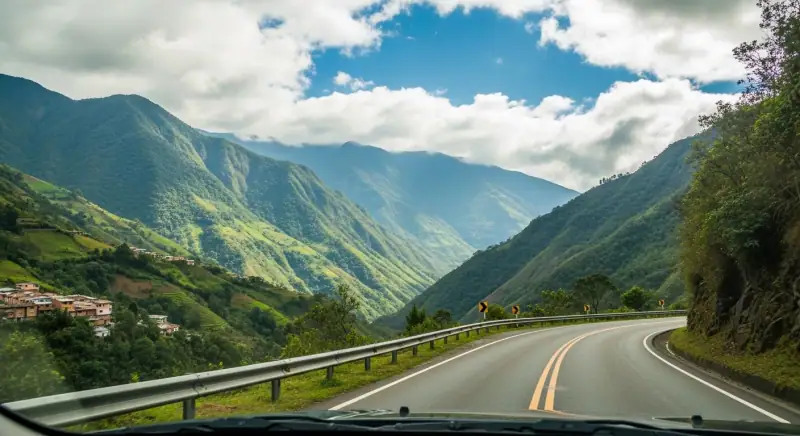
- San Cristóbal to Palenque is about 200 km (124 mi) of winding mountain road: five to six hours by bus or minibus, with possible stops at Misol-Ha and Agua Azul.
- San Cristóbal sits above 2,000 m (6,560 ft), so mornings and evenings are cool. Photography is strictly banned inside the church of San Juan Chamula.
- The dry season, from about November to April, is the most comfortable.
Chiapas is Mexico’s southernmost state, on the border with Guatemala. It combines cool highlands, villages where indigenous traditions are very much alive, canyons, turquoise waterfalls and one of the finest Maya sites in the country, Palenque, buried in the jungle. It is a region less visited than Yucatán, more authentic and more varied.
This guide presents the state’s highlights and a simple way to link them. Distances are large and mountain roads slow: leave a margin in your schedule, and check hours and prices before you go, as they change regularly.
San Cristóbal de las Casas, the colonial city of the highlands
San Cristóbal de las Casas is the ideal base for exploring Chiapas. At more than 2,000 meters (6,560 ft) of altitude, this colonial city with colorful facades and cobbled streets has a climate much cooler than the coast: mornings and evenings call for a jacket, even a sweater.
The center is covered on foot. Start with the main square and its cathedral, then wander the pedestrian streets that concentrate cafés, galleries, craft shops and restaurants. The Baroque church of Santo Domingo is surrounded by a big craft market where you find embroidered textiles, jewelry and amber objects, a specialty of the region. Chiapas is also coffee country: small roasters in the center let you taste local production.
Take it easy on your first day at this altitude. For health questions, ask your doctor or a travel clinic, and see the official travel health pages (CDC in the US, TravelHealthPro in the UK).
Hotels in San Cristóbal de las Casas
Colonial houses, boutique hotels and simple places near the historic center.
The indigenous villages around San Cristóbal
The Chiapas highlands are home to several Maya communities, notably Tzotzil and Tzeltal, who have kept their languages, costumes and festivals. The two villages most visited from San Cristóbal are San Juan Chamula and Zinacantán, reachable in a half day.
In San Juan Chamula, the church is famous for its unique atmosphere: no pews, the floor covered with pine needles, hundreds of candles and rituals that mix Maya traditions and Catholicism. The essential rule is respect: photography is strictly banned inside, and you need to behave discreetly. Elsewhere in the village, always ask permission before photographing a person.
For a richer visit, a guided visit with a local guide helps you understand the meaning of the rituals and be welcomed respectfully. Buy crafts preferably directly from the producers, without excessive bargaining.
Excursions around San Cristóbal
Indigenous villages, Sumidero Canyon, waterfalls: outings with guide and transport.
Sumidero Canyon, a boat ride between dizzying walls
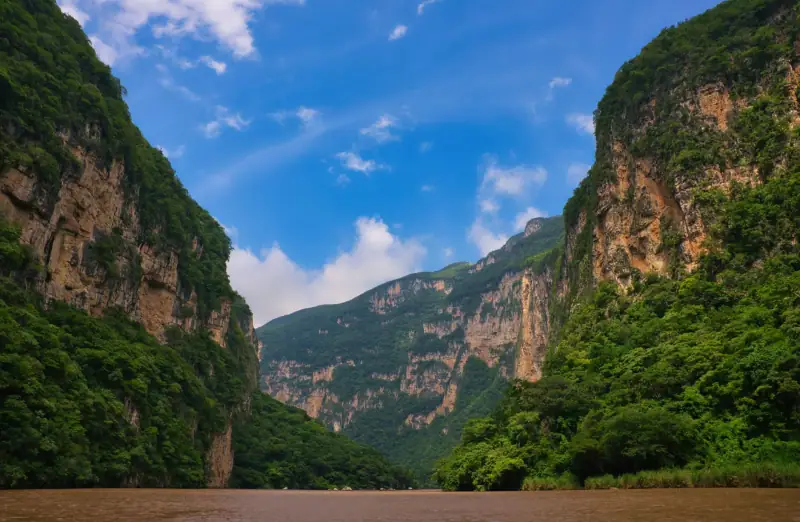
Near Tuxtla Gutiérrez, the state capital, Sumidero Canyon is carved by the Grijalva River. Very high vertical walls rise on each side of the water, and the visit is by speedboat, for about two hours round trip. You see birds, spider monkeys, crocodiles on the banks and rock formations to which guides give vivid names.
From San Cristóbal, the excursion is done in a day, as an organized visit or by shared transport. Bring a hat, sunscreen and a windbreaker: on the water, the sun is strong and the boat’s speed cools you. The trip from San Cristóbal to the boarding point generally takes about an hour.
Palenque, the Maya city in the jungle
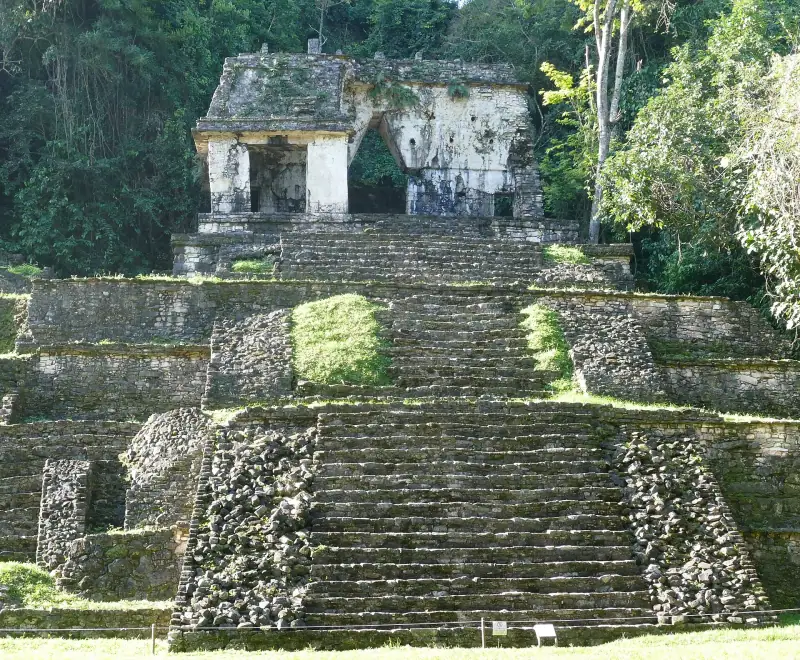
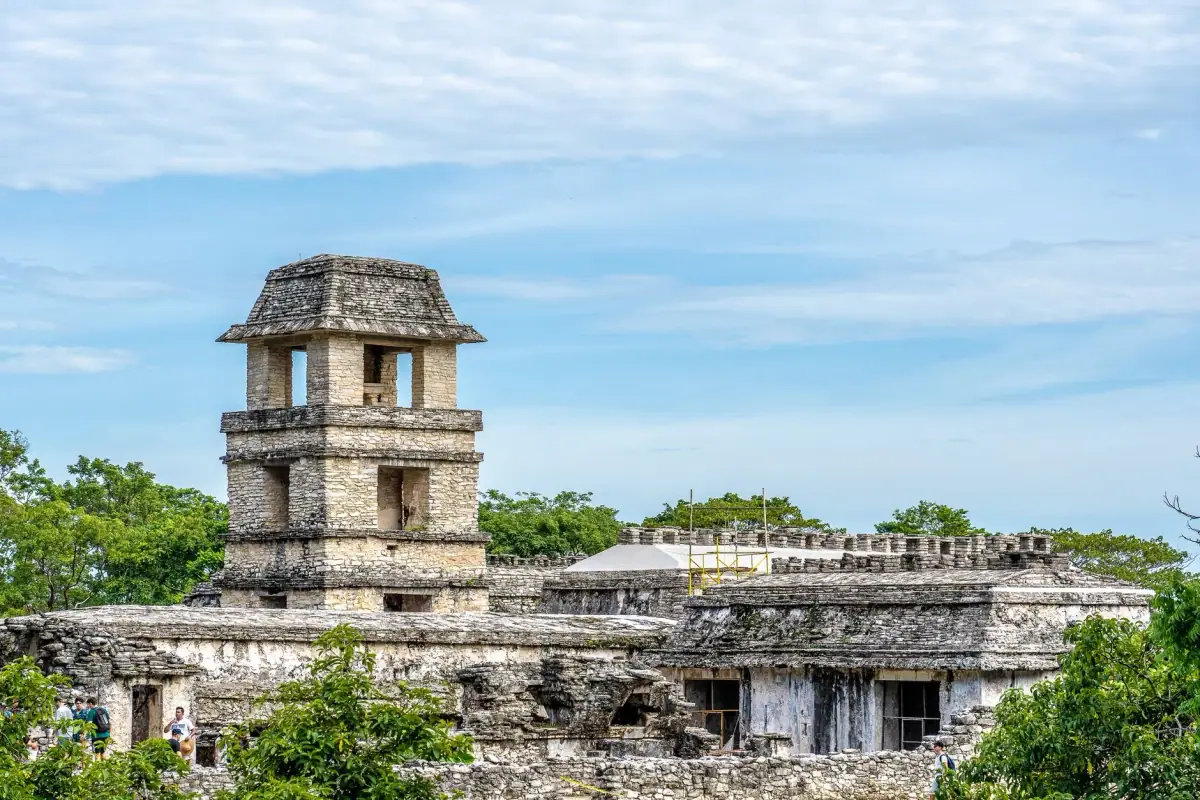
Palenque is one of the most spectacular Maya sites in Mexico, a UNESCO World Heritage site since 1987. Its temples and palaces rise amid dense vegetation, at the foot of the first hills of the rainforest, with the calls of howler monkeys as background noise. The city reached its peak in the Classic Maya period, in the 7th century, under King Pakal.
Monuments to look for: the Temple of the Inscriptions, which houses Pakal’s tomb, the Palace with its observation tower, and several temples grouped around a big esplanade. The site is vast and part of it is reached by jungle paths, a bit apart. Come at opening to enjoy the cooler air and an often photogenic morning mist, and bring water and insect repellent.
If Yucatán interests you too, compare with our guide to Chichén Itzá: the atmosphere is very different, wilder and more wooded at Palenque.
Guided tours of Palenque
A guide to understand the history of Pakal and the temples, with transport possible.
Misol-Ha and Agua Azul, the waterfalls on the road to Palenque
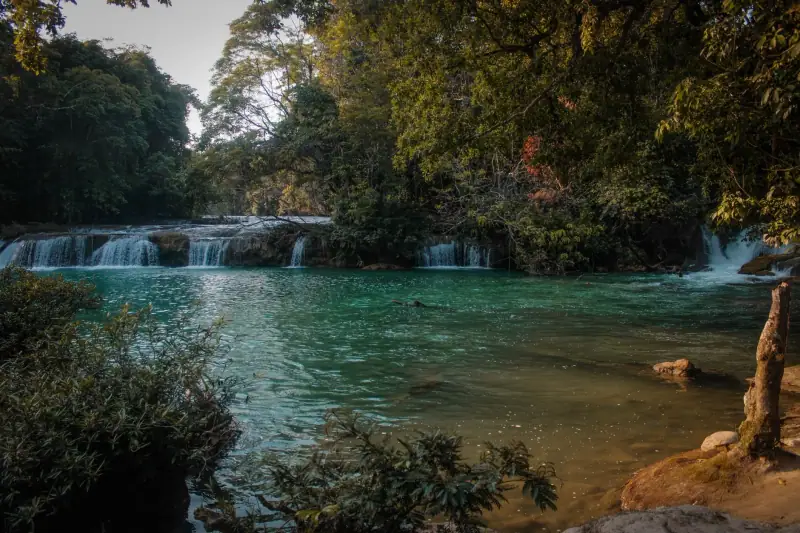
Between San Cristóbal and Palenque, two waterfalls deserve a stop. Misol-Ha is a tall, slender fall that drops into a large pool surrounded by vegetation, with a path that lets you pass behind the curtain of water. Agua Azul is a series of cascades and pools of a striking turquoise color in the dry season.
Swimming is not always possible at Agua Azul: currents can be strong, especially after heavy rain, and only some areas are set up for swimming. Follow the instructions there. During the rainy season, the water can become cloudier and less blue, but the spectacle remains impressive.
Most visitors combine these two waterfalls with Palenque in a single day on the road, by organized excursion or by car with a driver. This is practical, since shared transport serves the intermediate stops poorly.
Beyond: the Lacandon forest and remote sites
To go further, the Lacandon forest, east of Palenque, holds more remote Maya sites like Yaxchilán and Bonampak, reachable by organized excursions, sometimes with a boat trip. These visits take a whole day and more logistics: ask your host or a local agency for current conditions and road safety.
Other travelers prefer to extend their stay toward Bacalar lagoon or the Riviera Maya. For these destinations, see our guide to Tulum, its ruins, beaches and cenotes.
A five- to seven-day itinerary in Chiapas
Here is one possible setup, to adapt to your pace:
- Day 1: arrival in Tuxtla Gutiérrez or San Cristóbal. Settling in, first steps in the center and a local dinner.
- Day 2: San Cristóbal. Cathedral, craft market, Santo Domingo, cafés and galleries.
- Day 3: indigenous villages. San Juan Chamula and Zinacantán, back for a free afternoon.
- Day 4: Sumidero Canyon. Day excursion with a boat ride.
- Day 5: road to Palenque. Stops at Misol-Ha and Agua Azul, night near Palenque.
- Day 6: Palenque. Visit the site at opening, then a relaxing afternoon or an excursion into the jungle.
- Day 7: departure. Return to an airport in the region, with a comfortable time margin.
The road between San Cristóbal and Palenque is about 200 km (124 mi), but it is slow and winding: allow five to six hours by bus or shared minibus. To see how to link this region with the rest of the country, our 10-day Mexico itinerary gives markers, and our article on Oaxaca suggests a complementary stop.
Flights to Mexico City
Compare flights to reach Mexico before continuing to Chiapas.
When to go and practical tips
The dry season, from about November to April, is the most pleasant: roads are more passable, the sky clearer and the waterfalls more turquoise. From May to October, frequent showers water the region, but nature is especially green and crowds are lighter. Our guide on when to go to Mexico details the seasons region by region.
A few last tips: bring layered clothing, as it is cool in San Cristóbal and hot and humid in Palenque, a light rain jacket, good shoes and insect repellent. Keep some cash for villages and small sites. Before leaving, check your government’s official travel advice, as the local situation can change. To estimate your spending, see our guide to the budget for a trip to Mexico.
Frequently asked questions
How many days do you need to visit Chiapas?
Allow five to seven days to combine San Cristóbal de las Casas, Sumidero Canyon, the waterfalls and Palenque without rushing. With only three days, concentrate on San Cristóbal and its surroundings.
How do you get from San Cristóbal de las Casas to Palenque?
The distance is about 200 km (124 mi) on a winding mountain road. Allow five to six hours by bus or shared minibus, with possible stops at the Misol-Ha and Agua Azul waterfalls.
Is Chiapas safe for travelers?
The classic tourist circuits are done without particular difficulty, but the situation can change locally. Check your government's official travel advice before you go and ask your host.
Can you take photos in the indigenous villages?
You need to ask permission before photographing residents. In the church of San Juan Chamula, photos are banned: respect this rule strictly.
What is the best time to go to Chiapas?
The dry season, from about November to April, is the most comfortable. During the rainy season, the jungle is very green, but roads and waterfalls can be harder to reach.
More Mexico guides
Keep reading
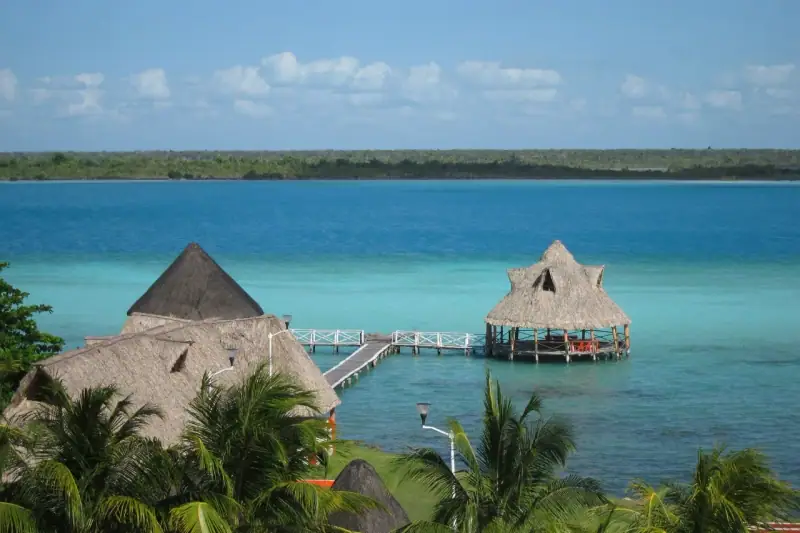
Bacalar and its Lagoon of Seven Colors: is it worth the detour without a car?
Is Bacalar worth the detour? Getting there by ADO bus or Tren Maya from Tulum and Cancún, what to do around the lagoon, where to swim and how many nights.
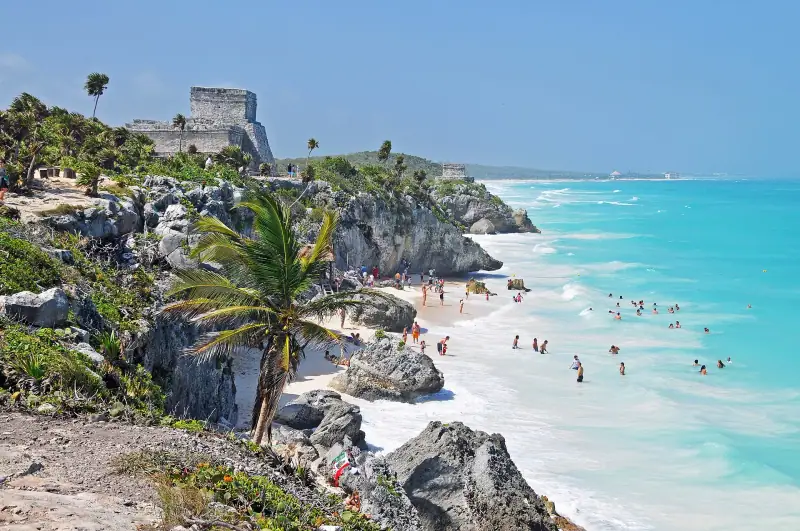
Visiting Tulum: Maya ruins, beaches and cenotes in 2 or 3 days
What to see in Tulum: a Maya site facing the sea, beaches, cenotes, Sian Ka'an reserve and the Cobá ruins. Access, best time and tips to plan your stay.
Complete guide to visiting Mexico: regions, highlights and tips
Prepare your trip to Mexico: regions, cities, Maya sites, beaches, food, best time, transport, lodging and budget. The pillar guide to the destination.
Ready-made
Mexico itineraries

7 days
Yucatán road trip in 7 days: Cancún, Valladolid, Mérida and Chichén Itzá
TulumValladolidMérida
Can be adapted in the planner
7 days
Mexico City, Puebla and Oaxaca in one week without a car: a realistic bus itinerary
Mexico CityPueblaOaxaca
3 days
3 days in Mexico City: a day-by-day itinerary for a first stay
What to do in 3 days in Mexico City? Historic center, museums, Coyoacán, Xochimilco or Teotihuacán: a realistic itinerary with altitude and transport tips.