What to see
Bacalar and its Lagoon of Seven Colors: is it worth the detour without a car?
We may earn a commission when you book through links on this page, at no extra cost to you. We don't visit or try the places we cover: we summarize published sources. How we work
In short
- From Tulum, allow about 3 h by ADO bus; from Cancún, about 5 h 30. Plan at least one night, preferably two.
- The lagoon is the only real attraction: swimming from jetties, kayaking, sailing, cenotes and the Pirates' Canal. It is not a place for nightlife or big sandy beaches.
- Bus fares quoted by travel guides range from about 300 to 520 pesos from Tulum and 590 to 710 pesos from Cancún; confirm when you book.
- Favor quiet activities (kayak, sailboat, paddleboard) and never touch the stromatolites, which are extremely fragile.
Bacalar is worth the detour if you want a few days of clear water, jetties and calm: the lagoon is the only real “monument”, and it is easy to enjoy without a car, by ADO bus or Tren Maya from Tulum or Cancún. You just have to accept a trip of three to five hours and a village that you do not visit to party.
This page answers the practical questions: how to get there without renting a vehicle, what to see, where to swim and how many nights to plan. To place Bacalar in a circuit, see our 7-day Yucatán road trip, which suggests it as an extension.
In short: from Tulum, allow about 3 h by ADO bus; from Cancún, about 5 h 30. Plan at least one night there, preferably two, and favor quiet activities (kayak, sailboat, paddleboard) to enjoy the lagoon without harming it.
Bacalar: is it worth the detour?
Bacalar is a small village in southern Quintana Roo, about thirty minutes from Chetumal and the border with Belize. The regional tourism board presents it as the “Pueblo Mágico of the Lagoon of Seven Colors”: the water goes from light turquoise to deep blue depending on depth, the white sand bottom and the light.
Here is who the detour is right for:
- Yes if you want a break after the very busy sites of the Riviera Maya, such as Tulum.
- Yes if you like swimming, paddling and taking your time.
- No if you only have two or three days in Mexico, or if you expect sandy beaches and clubs: the lagoon is visited from jetties, not from a big beach.
Getting to Bacalar without a car from Tulum and Cancún
By ADO bus: the simplest option
The bus remains the choice of most travelers. The figures below come from travel guides and vary by source: confirm schedules and fares when you book.
| From | Approximate duration | Frequency quoted | Price range |
|---|---|---|---|
| Tulum (center) | about 3 h | about ten departures a day | 300 to 520 pesos |
| Playa del Carmen | about 4 h 30 | several departures a day | 430 to 560 pesos |
| Cancún (center) | about 5 h 30 | 15 to 18 departures a day | 590 to 710 pesos |
| Chetumal | 40 to 50 min | every 20 to 60 min | 50 to 150 pesos |
Bacalar’s bus station is about a ten-minute walk from the historic center, but about 2 km (1.2 mi) from the hotels on the lagoon shore. With luggage, a taxi is more comfortable. Buy your tickets in advance on Fridays, Sundays and public holidays.
By Tren Maya
The train serves the area, with few departures a day. From Tulum airport, allow about 2 h 30. Bacalar’s station is outside the village, about fifteen minutes from the center: a shuttle or taxi is needed afterward. The train is mostly useful if your flight lands at Tulum or Cancún airport, with smooth connections. Otherwise, the bus drops you closer to the village.
What about the airport?
Bacalar has no airport. The nearest is Chetumal’s, about 40 minutes by road. If you plan to continue to Belize or Chiapas afterward, this point of entry may make sense.
No transport to sort out?
Day excursions offer the Bacalar lagoon with transport included. Handy if you are short on time, but the day is long.
What to do in Bacalar: the places that matter
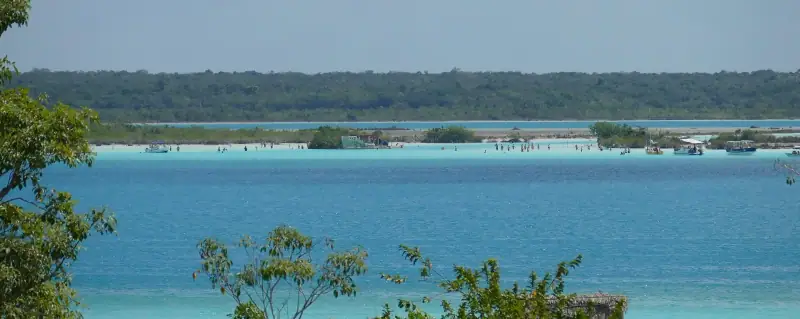
Swimming from jetties and in the balnearios
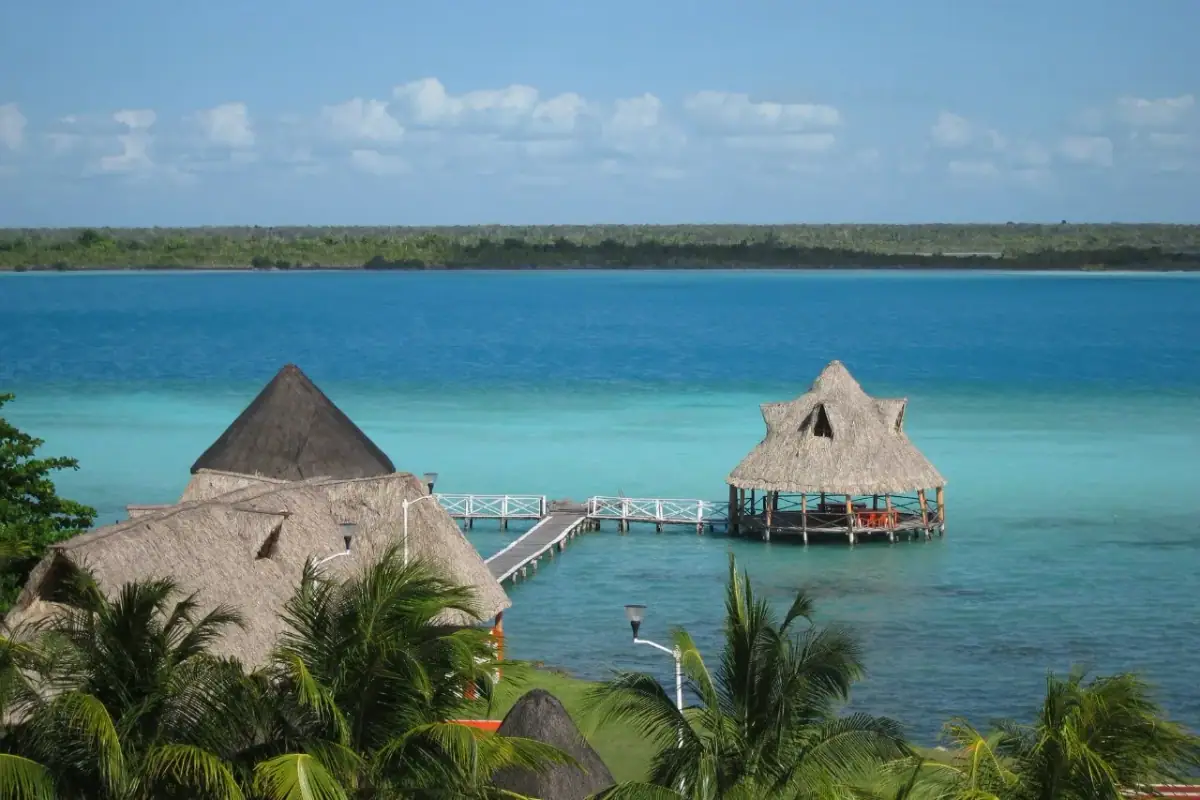
Most hotels and restaurants on the lagoon shore have a jetty with water access. Some developed areas, the balnearios, charge an entry fee. In the morning the water is calmer and the light more beautiful.
The Pirates’ Canal and the stromatolites
The Pirates’ Canal is a passage with very translucent water, much loved for swimming. The stromatolites, living formations that are among the oldest traces of life on Earth, are found notably around Cocalitos. Do not touch them and do not walk on them: they are extremely fragile.
The cenotes: Negro, Esmeralda, Cocalitos and Azul
Bacalar’s cenotes are close to one another. Cenote Negro (also called Cenote de la Bruja) forms a pit more than 100 meters (328 ft) deep, a very dark blue amid the clear water. To compare with those in the rest of the peninsula, read our guide to Yucatán cenotes.
Los Rápidos
South of the lagoon, the Rápidos are a natural current linking the lagoon to Xul-Há lagoon and the Río Hondo. You let yourself drift without paddling. Ask the operator about the day’s water and current conditions before setting off, especially with children.
San Felipe Fort
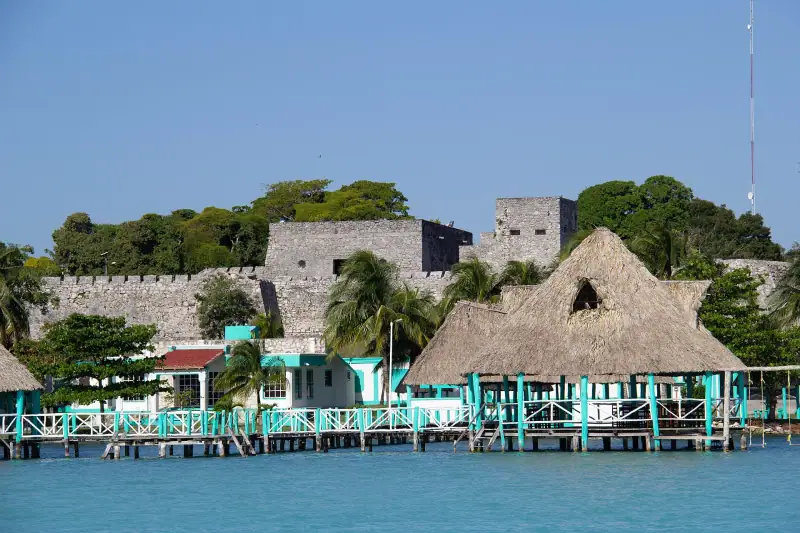
Built in the 18th century to defend the region against pirates who coveted dyewood, the fort overlooks the lagoon and now houses a piracy museum (weapons, maps, ship models). Local sources indicate it is open Tuesday to Sunday with an entry fee of a few dozen pesos: check locally, as hours change.
Kayak, sailboat, paddleboard: favor the quiet
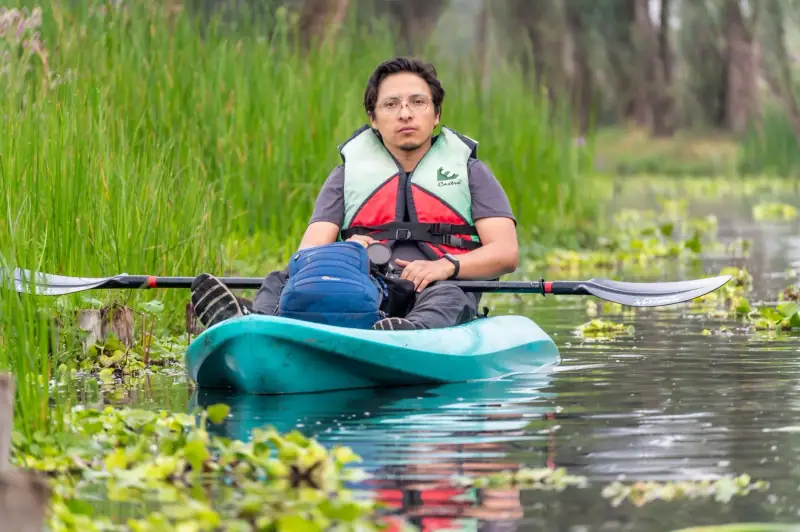
Motorized boating is generally suspended on Wednesdays to let the lagoon rest. The rest of the week, still prefer activities without a motor: sailing, kayaking and paddleboarding are more pleasant and pollute less. An outing at sunrise gives the calmest water.
How long to stay, and when to come
- One night: enough for a boat or kayak outing and a sunset, if you are passing through toward Chiapas or Belize.
- Two nights: the right compromise, with a half day of rest and a half day of swimming in the cenotes and at the Pirates’ Canal.
- Three or four nights: for those who want to slow down and add the Maya sites nearby (Chacchoben, Dzibanché, Kohunlich), an hour’s drive or less away.
The lagoon can be visited all year. The climate is generally more pleasant from November to May; the rest of the year, heat and rain are more present. To choose the month, see our guide to the best time to visit Mexico.
Where to stay in Bacalar
Two approaches compete: lodging on the lagoon edge (private jetty, quiet, but far from the bus station) and the village center (restaurants on foot, but less direct access to the water). If you come without a car, check the distance to the center before booking. For a wider stay on the coast, our page on where to stay on the Riviera Maya covers the other bases.
Hotels in Bacalar
Small hotels, cabins and guesthouses on the lagoon or in the village, for a stay of one or two nights.
Practical tips
- Cash: keep pesos in small bills for the balnearios, taxis and small restaurants. For the overall budget, see our budget for a trip to Mexico.
- Sunscreen: choose a mineral sunscreen and apply it well before swimming.
- Shoes: sandals or water shoes help on slippery jetties and in cenotes.
- Gear: for the other essentials, our page on accessories for Mexico covers them.
- Safety: entry rules and safety advice depend on your passport. Check the official travel advice of your government before you book and again before you leave, as weather alerts change: travel.state.gov (US), GOV.UK (UK), travel.gc.ca (Canada), Smartraveller (Australia) (checked November 2026).
Sources
Frequently asked questions
Is Bacalar really worth the detour?
Yes if you like water, calm and human-scale villages. There is no big monument: the appeal is the lagoon itself, its shades of blue and its swimming. If you want nightlife or ruins, skip it.
Can you get to Bacalar without a car?
Yes. The ADO bus links Tulum, Playa del Carmen and Cancún directly to Bacalar, and the Tren Maya also serves the area. Once there, the village can be covered on foot or by bike, and taxis handle longer distances.
How long does it take to get from Tulum to Bacalar?
Allow about 3 hours by ADO bus or car, and around 2 h 30 by Tren Maya from Tulum airport. Times vary by source and traffic: check the day's schedules before booking.
Can you do Bacalar in a day from Tulum or Cancún?
It is possible on an organized excursion, but the day is very long: several hours of road each way for a few hours on the water. One night there, or even two, changes everything.
Why are motorboats sometimes banned?
Motorized boating is generally suspended on Wednesdays to let the lagoon rest. Sailboats, kayaks and paddleboards are recommended, as they are quiet and pollute less.
Can you touch the stromatolites?
No. These living formations, found notably near Cocalitos and the Pirates' Canal, are very fragile. Do not touch them or walk on them.
More Mexico guides
Keep reading
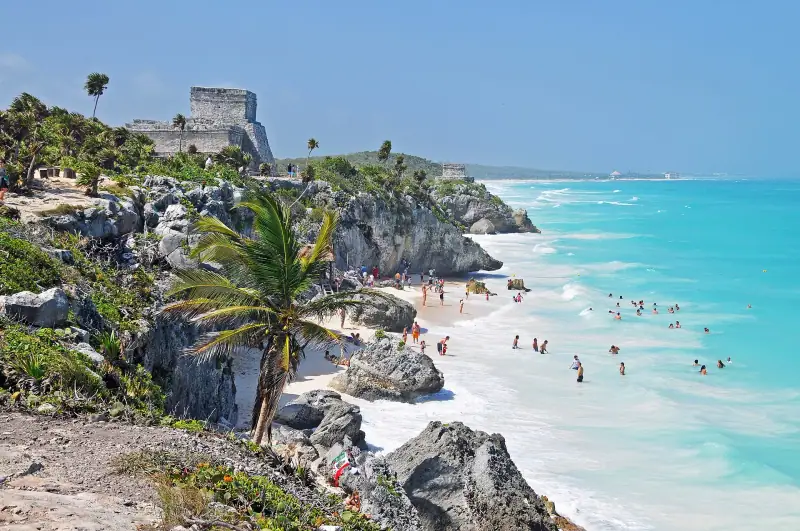
Visiting Tulum: Maya ruins, beaches and cenotes in 2 or 3 days
What to see in Tulum: a Maya site facing the sea, beaches, cenotes, Sian Ka'an reserve and the Cobá ruins. Access, best time and tips to plan your stay.
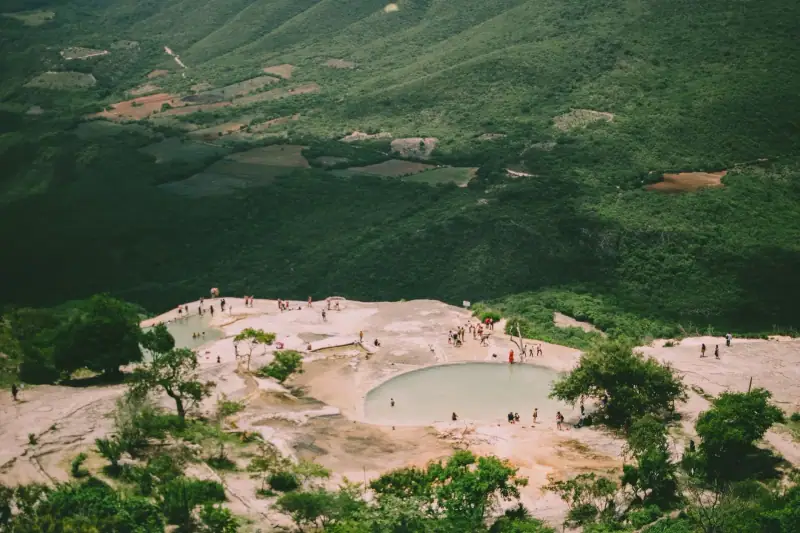
Complete guide to visiting Mexico: regions, highlights and tips
Prepare your trip to Mexico: regions, cities, Maya sites, beaches, food, best time, transport, lodging and budget. The pillar guide to the destination.
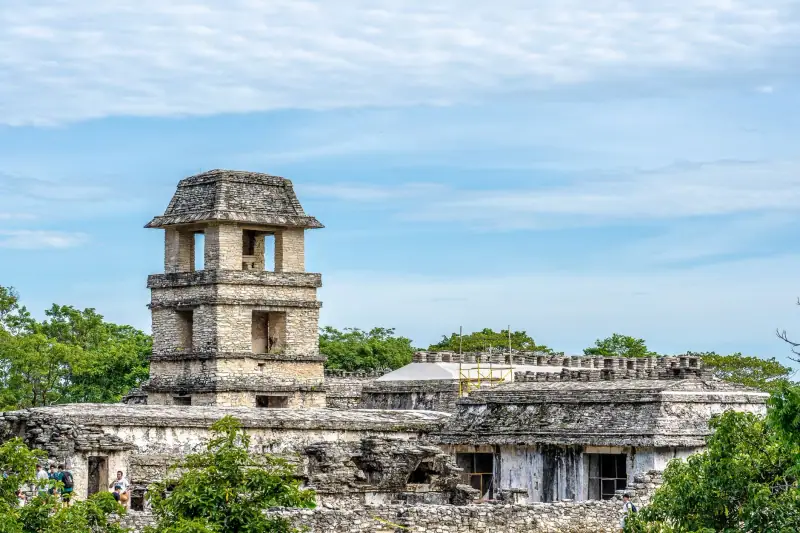
Visiting Chiapas: San Cristóbal, Palenque, Sumidero and waterfalls
What to see in Chiapas: San Cristóbal de las Casas, indigenous villages, Sumidero Canyon, Agua Azul falls and the Maya site of Palenque. Itinerary, tips.
Ready-made
Mexico itineraries
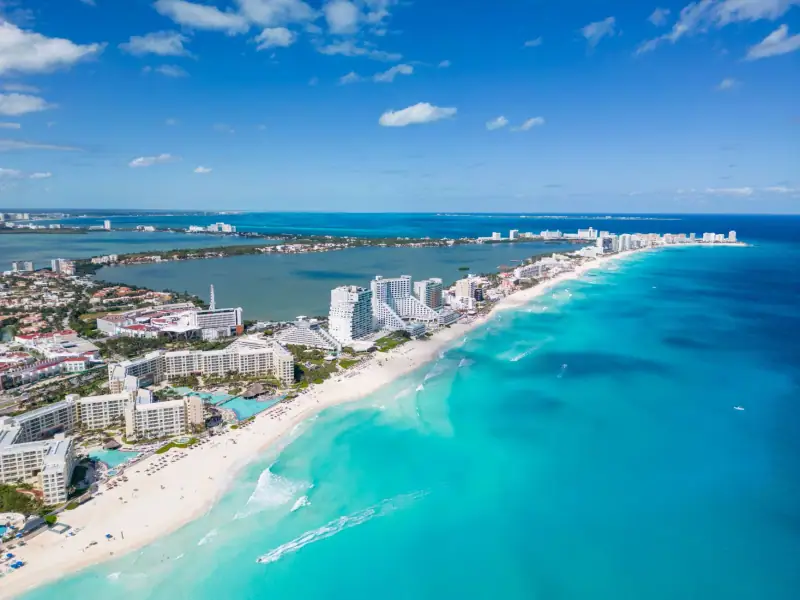
7 days
Yucatán road trip in 7 days: Cancún, Valladolid, Mérida and Chichén Itzá
TulumValladolidMérida
Can be adapted in the planner
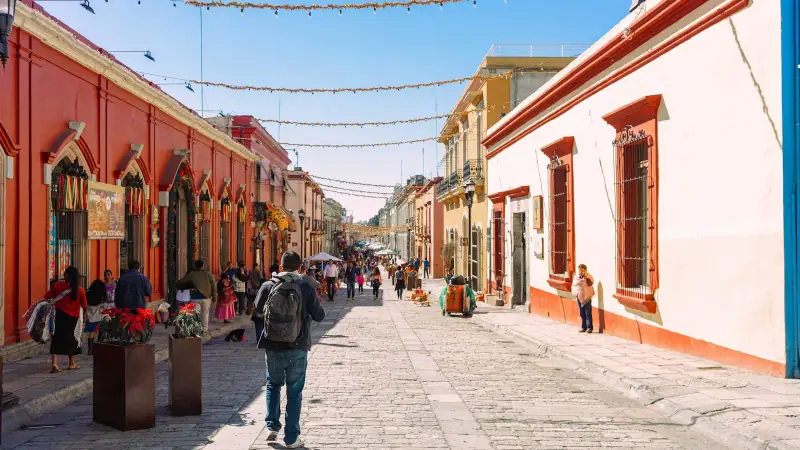
7 days
Mexico City, Puebla and Oaxaca in one week without a car: a realistic bus itinerary
Mexico CityPueblaOaxaca
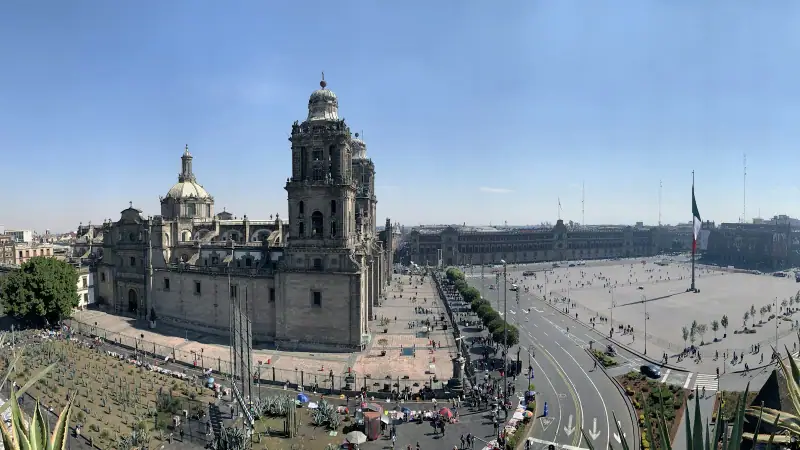
3 days
3 days in Mexico City: a day-by-day itinerary for a first stay
What to do in 3 days in Mexico City? Historic center, museums, Coyoacán, Xochimilco or Teotihuacán: a realistic itinerary with altitude and transport tips.