What to see
Visiting Tulum: Maya ruins, beaches and cenotes in 2 or 3 days
We may earn a commission when you book through links on this page, at no extra cost to you. We don't visit or try the places we cover: we summarize published sources. How we work
In short
- Two days cover the archaeological site, a beach and a cenote. A third day adds the Sian Ka'an reserve or the Cobá ruins.
- Tulum is about 130 km (81 mi) from Cancún airport, usually 1 h 30 to 2 hours by road. Allow one to two hours for the ruins; arrive at opening.
- The dry season, from about November to April, is the most pleasant but also the busiest and priciest. Sargassum seaweed can cover some beaches in spring and summer.
- Tulum is one of the most expensive destinations in Mexico, especially on the coast; prices drop in the village. Carry some cash, as not every place takes cards.
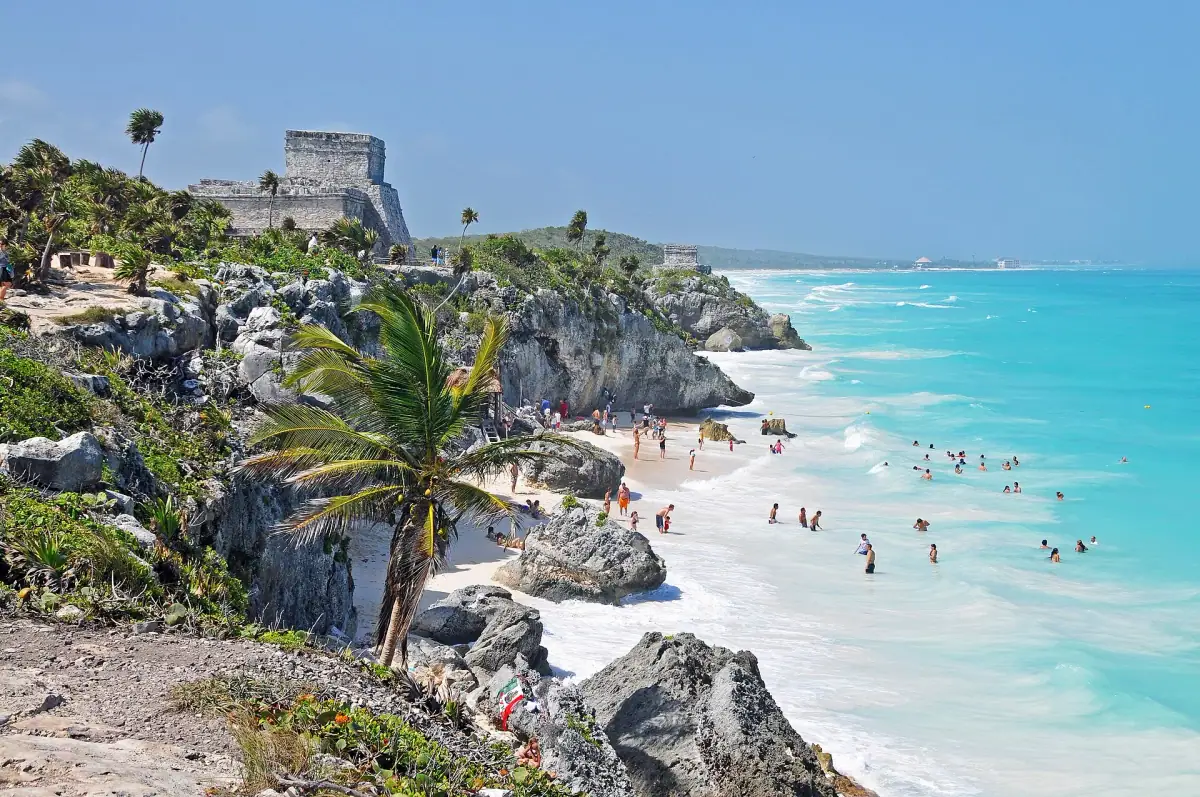
Tulum is one of the best-known stops on the Riviera Maya, and for good reason. The archaeological site overlooks the Caribbean Sea from a limestone cliff, white sand beaches stretch to the south, and the jungle hides cenotes with clear water. The destination combines culture, swimming and nature in a single stay.
It has also changed a lot in recent years: the small fishing village has become a sought-after destination, with prices often higher than in the rest of Yucatán. This guide suggests a stay of two to three days, with the key visits, the excursions nearby and a few tips for avoiding classic mistakes. Hours and prices change regularly: check them before you go.
The Tulum archaeological site, a Maya city facing the sea
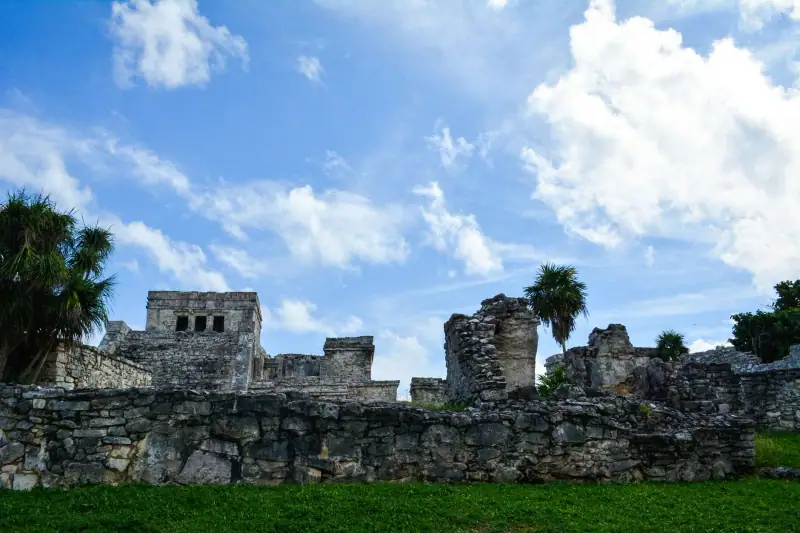
Tulum was a fortified Maya city, surrounded by a wall on its land sides, while the cliff and the sea protected the rest. It was occupied late in Maya civilization, and its ancient name is said to be Zama, a Maya word evoking dawn. It is a less monumental site than Chichén Itzá, but its location is exceptional.
Buildings to look out for: El Castillo, the main building that dominates the cliff and may have served as a lighthouse or landmark for sailors, the Temple of the Frescoes, and the Temple of the Descending God, whose name comes from a figure carved above the entrance. The buildings are roped off, and you cannot climb them.
The visit usually takes one to two hours. Arrive as soon as it opens: the light is better, it is cooler and the groups from Cancún and Playa del Carmen are not there yet. Bring a hat, sunscreen and water, as there is little shade. To compare with the big Maya site of Yucatán, see our guide to visiting Chichén Itzá.
Guided tours of the Tulum ruins
A guide to understand the site's history, with or without transport from the Riviera Maya.
Tulum’s beaches, between white sand and turquoise water
The Tulum coast offers long beaches of pale sand lined with coconut palms. Below the ruins, a small cove generally lets you cool off after the visit. Further south, the road runs along the hotel zone, where you find calmer beaches, with beach clubs, restaurants and boutique hotels.
One reality to know: sargassum, brown seaweed that washes up on Caribbean coasts, can cover some beaches, especially in spring and summer. The extent varies a lot from year to year and from beach to beach. Check recent information before booking if swimming is a priority.
Beaches are public in Mexico, but access sometimes goes through a private establishment. Do not hesitate to ask about the entry fee or the minimum spend before settling in.
Cenotes around Tulum
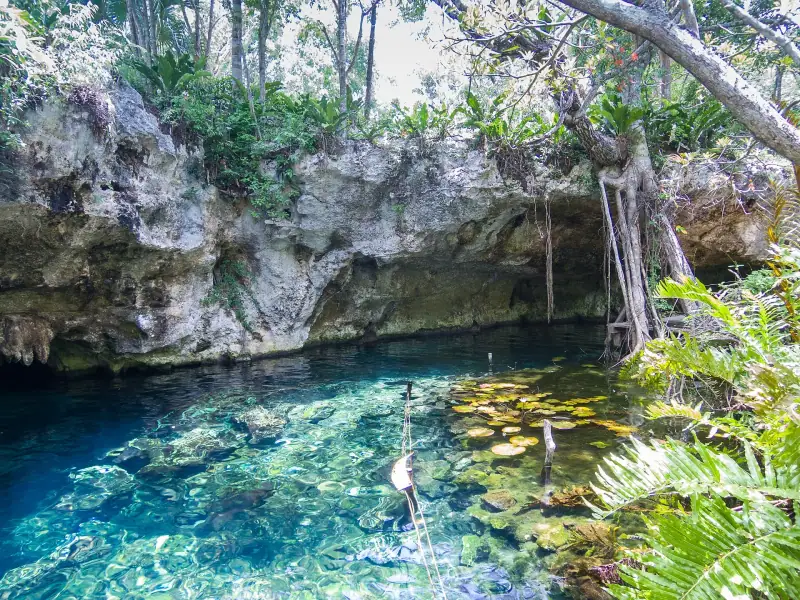
The region has many cenotes, natural wells dug into the limestone and filled with fresh water, often very clear. Several are a few kilometers from Tulum, with caverns decorated with stalactites, open pools and spots suited to snorkeling. Some are good for families, others for diving.
Gran Cenote and Dos Ojos are among the best known in the area, and so among the busiest: arrive early to enjoy the cooler air and the calm. A life jacket is sometimes required, and regular sunscreens are generally banned to protect the ecosystem. Bring a biodegradable sunscreen or UV-protective clothing. To compare the cenotes of the whole peninsula, see our article on Yucatán cenotes.
Hotels in Tulum
Beach hotels, small places in the jungle and simpler lodging in the village.
Cobá, the Maya city in the jungle
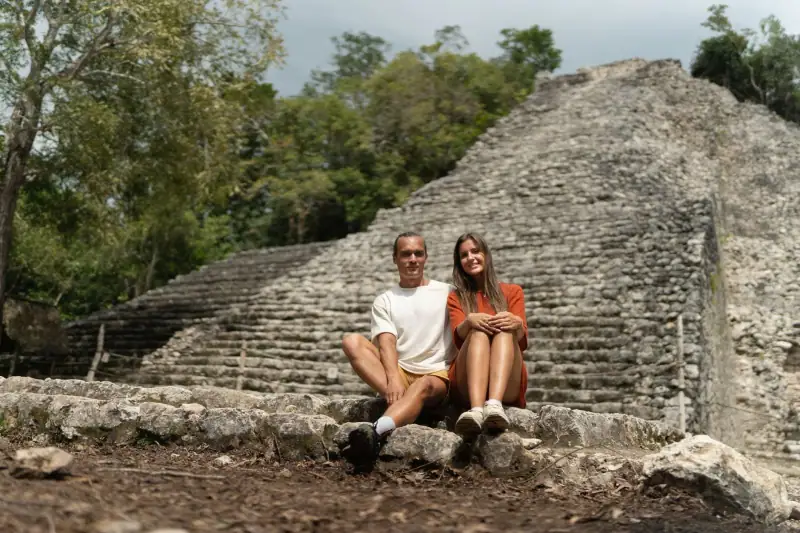
About 45 km (28 mi) northwest of Tulum, Cobá is a very different Maya site: it is buried in the forest, and its buildings are scattered along shaded paths. The big pyramid, Nohoch Mul, is one of the tallest on the Yucatán Peninsula. Depending on the period, climbing it may be allowed or banned: check before you go.
The site is covered on foot, by bike or by bike-taxi, and you should allow about two to three hours there. A day trip lets you combine Cobá with a nearby cenote, a good counterpoint to the Tulum visit, which is shorter and more focused on the sea.
Sian Ka’an Reserve, preserved nature
South of Tulum, the Sian Ka’an biosphere reserve has been a UNESCO World Heritage site since 1987. It protects a vast area of mangroves, lagoons, tropical forest and coral reef. Half-day or full-day excursions offer birdwatching, boat trips on the lagoons and, depending on conditions, floating with the current in old canals dug by the Maya.
It is a very good option if you want to see another side of the region, away from the developed beaches. Favor operators that limit group size and follow the reserve’s rules.
Sian Ka'an and Cobá excursions
Nature, cenotes and ruins in the jungle, with a local guide and transport.
A two- or three-day plan
A simple setup, to adapt to your pace:
- Day 1: ruins and beach. Tulum archaeological site as soon as it opens, a swim in the cove below if access is open, lunch, then an afternoon of relaxing on a beach to the south.
- Day 2: cenotes. Morning in one or two nearby cenotes, before the groups arrive, then free time and dinner in the village.
- Day 3: excursion. Cobá in the morning, or Sian Ka’an for a day devoted to nature.
If you then want a quiet break, Bacalar and its lagoon are about 3 hours by bus from Tulum. To place Tulum in a wider trip, our 10-day Mexico itinerary shows how to combine the Riviera Maya with Mexico City and Oaxaca.
When to go to Tulum
The dry season, from about November to April, offers the most pleasant days, with little rain and warm sea. It is also the busiest and priciest period. From June to November, the heat is more humid, storms are more frequent, and there is a risk of tropical storms or hurricanes. Sargassum is more present between spring and summer, but it varies from year to year. For an overview of the country, see our guide on when to go to Mexico.
Getting to Tulum and getting around
Most travelers arrive through Cancún airport, about 130 km (81 mi) away, then reach Tulum by long-distance bus, private shuttle or car. The trip usually takes between 1 h 30 and 2 hours. Playa del Carmen is about 60 km (37 mi) to the north, and the two towns are linked by buses and minibuses. Tulum’s own airport has also handled commercial flights since late 2023, with an offering that keeps changing.
Flights to Cancún
Compare flights to reach the Riviera Maya before continuing to Tulum.
In Tulum, the hotel zone stretches along a coastal road, far from the village: taxis, bikes and scooters are the most common ways to get around. Taxis do not always have a meter, so agree on the price before getting in. A rental car makes excursions to Cobá and the cenotes easier, especially if you want to leave early.
Budget and practical tips
Tulum is one of the most expensive destinations in Mexico, especially on the coast: lodging, restaurants and beach clubs charge clearly higher prices than in Oaxaca or Mexico City. Prices drop as you move away from the beach and stay in the village. Our guide to the budget for a trip to Mexico helps you estimate your overall spending.
A few last tips: bring biodegradable sunscreen, insect repellent for the jungle, and some cash, since not every place takes cards. Go early for the ruins and cenotes, keep the afternoon for the beach, and book well ahead in high season.
Frequently asked questions
How long do you need to visit Tulum?
Two days are enough for the archaeological site, a beach and a cenote. With three days, you add the Sian Ka'an reserve or the Cobá ruins.
How do you get to Tulum from Cancún?
The trip is about 130 km (81 mi) from Cancún airport, generally between 1 h 30 and 2 hours by road depending on traffic. You can go by long-distance bus, private shuttle or rental car. Tulum also has its own airport, open to commercial flights since late 2023.
Can you swim at the Tulum archaeological site?
A small beach below the ruins is generally accessible, but access can be limited depending on the period and sea conditions. Ask at the site entrance.
When should you avoid Tulum?
The hurricane season, from about June to November, brings more rain and a risk of storms. Sargassum seaweed can also cover some beaches in spring and summer, depending on the year.
Do you need to rent a car in Tulum?
It is not required: the site, the beaches and several cenotes are reachable by taxi, bike or shuttle. A car is handy for linking Cobá, the cenotes and Sian Ka'an at your own pace.
More Mexico guides
Keep reading

Bacalar and its Lagoon of Seven Colors: is it worth the detour without a car?
Is Bacalar worth the detour? Getting there by ADO bus or Tren Maya from Tulum and Cancún, what to do around the lagoon, where to swim and how many nights.
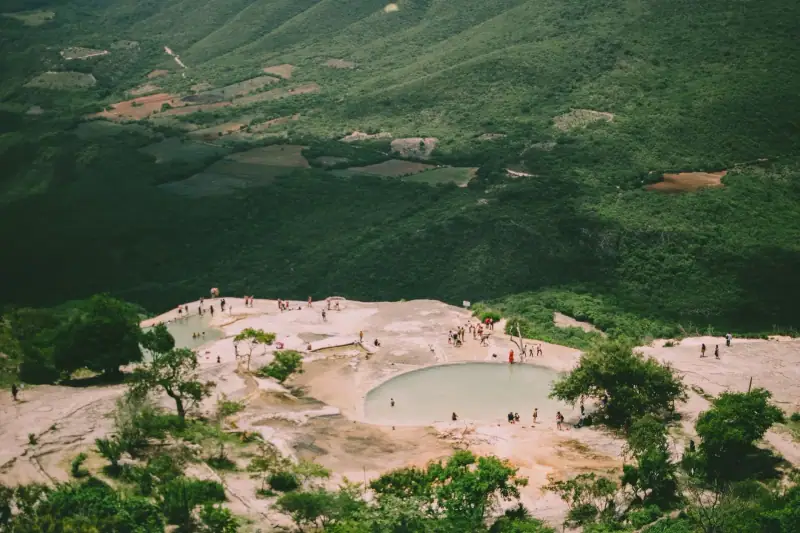
Complete guide to visiting Mexico: regions, highlights and tips
Prepare your trip to Mexico: regions, cities, Maya sites, beaches, food, best time, transport, lodging and budget. The pillar guide to the destination.
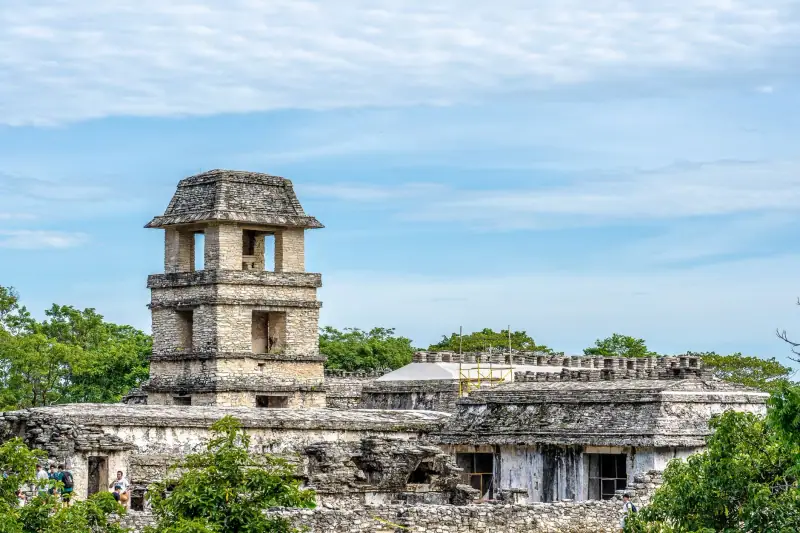
Visiting Chiapas: San Cristóbal, Palenque, Sumidero and waterfalls
What to see in Chiapas: San Cristóbal de las Casas, indigenous villages, Sumidero Canyon, Agua Azul falls and the Maya site of Palenque. Itinerary, tips.
Ready-made
Mexico itineraries

7 days
Yucatán road trip in 7 days: Cancún, Valladolid, Mérida and Chichén Itzá
TulumValladolidMérida
Can be adapted in the planner
7 days
Mexico City, Puebla and Oaxaca in one week without a car: a realistic bus itinerary
Mexico CityPueblaOaxaca
3 days
3 days in Mexico City: a day-by-day itinerary for a first stay
What to do in 3 days in Mexico City? Historic center, museums, Coyoacán, Xochimilco or Teotihuacán: a realistic itinerary with altitude and transport tips.