Where to stay
Where to stay in Sainte-Anne and Les Salines: which area to choose in southern Martinique
We may earn a commission when you book through links on this page, at no extra cost to you. We don't visit or try the places we cover: we summarize published sources. How we work
In short
- The village of Sainte-Anne suits most travelers: quiet, a few shops and simple restaurants, and the big beaches a few minutes away by car.
- Few places sit right behind Les Salines beach; lodging is in surrounding districts, so a car, bike or taxi stays useful.
- Le Marin is the choice for boaters and for those who want more shops and services; the Atlantic side suits active, independent travelers.
- High season runs December to April; choose cancelable bookings during hurricane season (June to November).
Sainte-Anne sits at the southern tip of Martinique and brings together some of the island’s most famous images: coconut palms, turquoise water, long beaches of pale sand. But staying in the south is not just a matter of choosing “near Les Salines”. Between the village of Sainte-Anne, the coastal districts, the Atlantic coast and the neighboring town of Le Marin, atmospheres and budgets differ. This guide helps you choose the right area. To place the south in relation to the rest of the island, start with our guide on where to stay in Martinique.
Why choose southern Martinique as a base
The south is the beach region par excellence. It has several advantages:
- The most beautiful beaches nearby: pale sand, calm water, coconut palms. Our selection of the most beautiful beaches in Martinique gives an idea of what awaits you.
- A relaxed mood: the pace is that of a seaside village, far from the bustle of the Fort-de-France urban area.
- Varied landscapes: mangroves, ponds, savanna areas, a wilder Atlantic coast.
- Lodging suited to beach stays: residences, guesthouses, villas, small hotels and bed-and-breakfasts.
The trade-offs are real: distance from the north of the island, the need to drive for almost everything, and very heavy crowds on the best-known beaches in high season. The airport is at Le Lamentin, in the center of the island: allow about an hour’s drive in normal conditions, more if traffic is heavy around the urban area.
The village of Sainte-Anne: village and waterfront
The village is organized around its church and waterfront. It is the most practical base for anyone who wants to sleep in the village itself: a few shops, simple restaurants, a small beach nearby and a peaceful atmosphere, especially in the evening.
Strengths:
- You can do part of your shopping and eating on foot.
- The atmosphere is authentic and not noisy.
- The village is a good starting point for the southern beaches, a few minutes by car.
Weaknesses:
- The big beaches are still a few kilometers away: without a vehicle, you will rely on taxis.
- Nightlife is limited: people go to bed early.
- Restaurant choice is narrower than in Fort-de-France or Les Trois-Îlets.
Who it suits: couples, travelers looking for calm, week-long stays with a rental car.
Around Les Salines: the signature beach
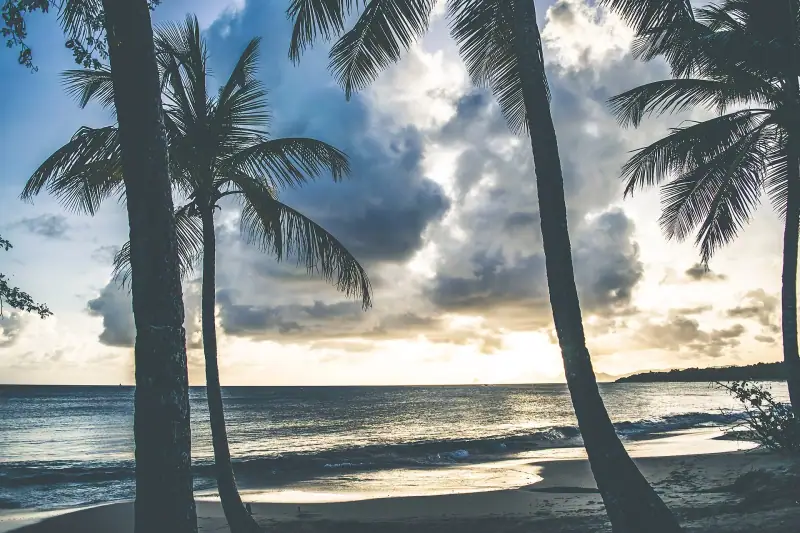
Grande Anse des Salines is the best-known beach in the south: a long strip of sand lined with coconut palms, very busy from the morning in high season. Behind it lies the Étang des Salines, surrounded by mangrove and dry vegetation. The area is a natural space to approach with respect: stay on the paths, take your trash with you and follow the instructions posted there.
Staying “at Les Salines” in practice means staying in the surrounding districts, because the beach itself is a natural area with little building. Lodgings there are mostly guesthouses, villas and small properties scattered through the countryside.
Strengths:
- Quick access to the beach early in the morning, before the crowds arrive.
- A more rural setting, with quiet lodgings.
- Walking trails nearby (bring good shoes, water and sun protection).
Weaknesses:
- Very few shops and restaurants right nearby.
- A car is essential for groceries and outings.
- Mosquitoes are possible near wetlands: bring repellent and a mosquito net.
Places to stay in Sainte-Anne
Compare guesthouses, residences and villas close to the beaches of the south.
Pointe Faula and the southern Atlantic coast
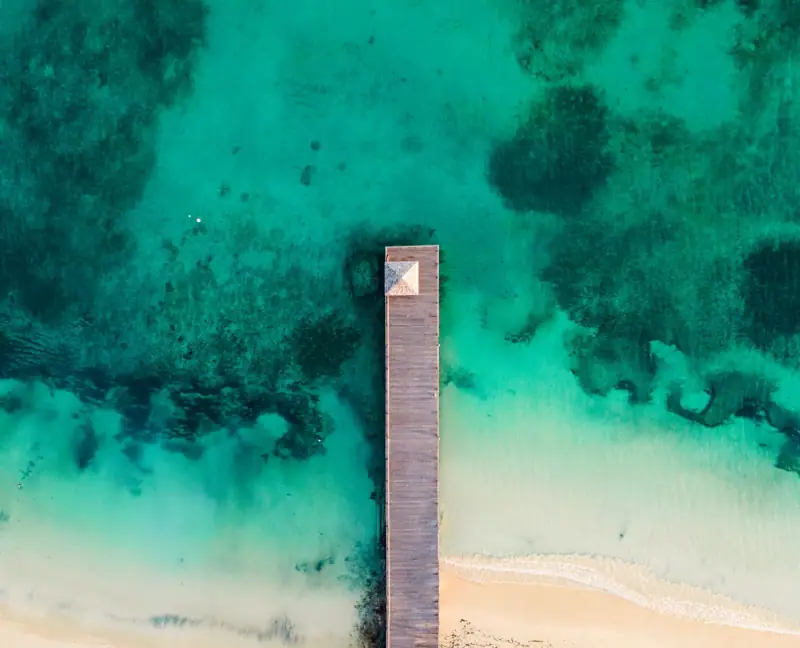
On the Atlantic side of the south, the coast is more exposed to the wind. Landscapes are wilder, with beaches sometimes pounded by swell and areas suited to board sports. Lodgings there are fewer and often more isolated.
Strengths:
- Wild atmosphere, steady wind, open views.
- Fewer people than at the best-known beaches.
- Suited to water-sports fans and lovers of wide open spaces.
Weaknesses:
- Swimming calls for caution: check the day’s conditions and respect the flags.
- Services are far away; you need to drive for groceries.
Who it suits: independent travelers, athletes, and those who prefer the character of a less developed shoreline.
Le Marin: marina, services and boating
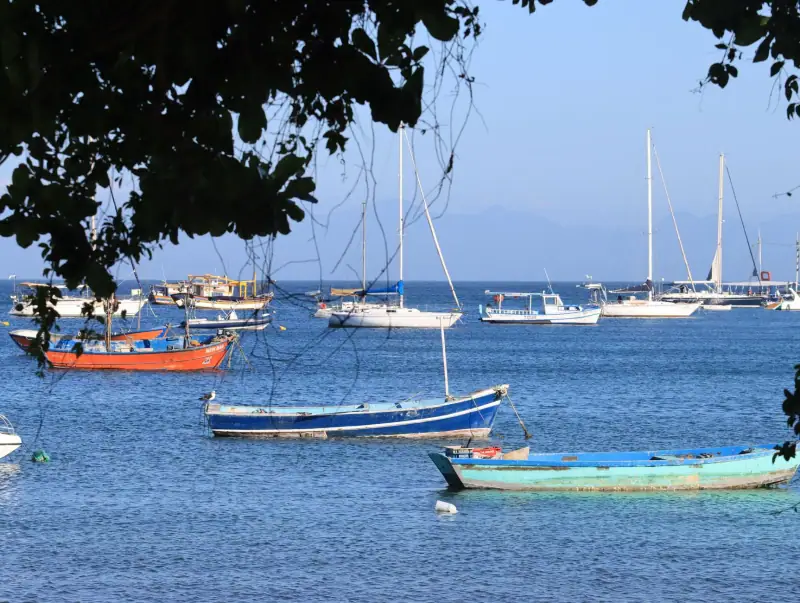
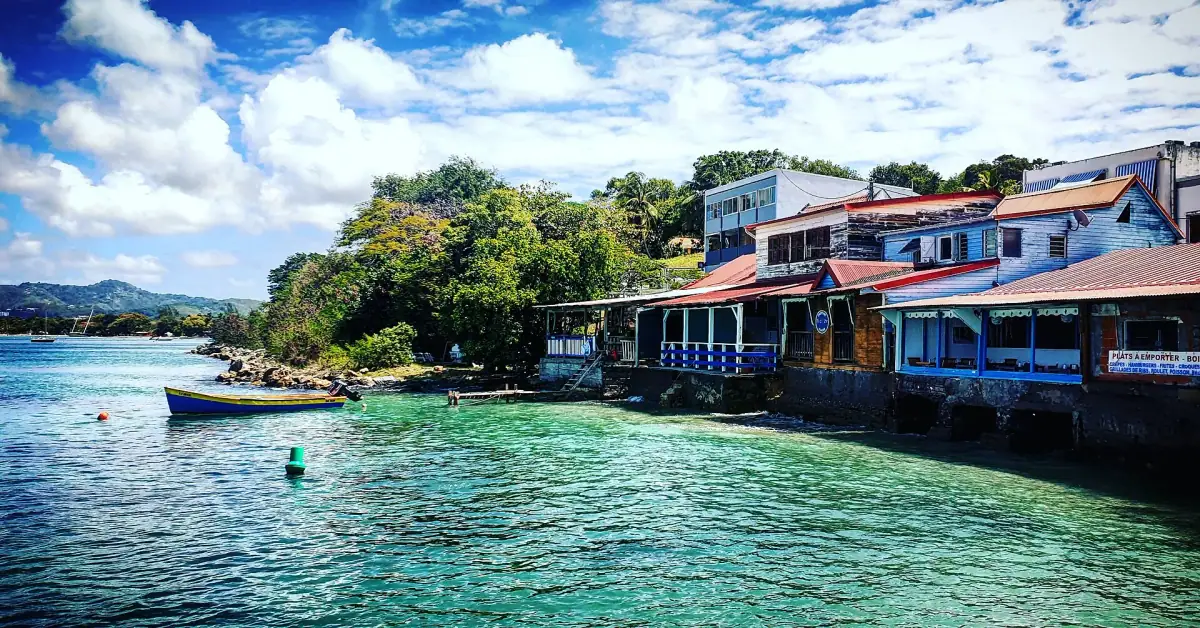
Right next to Sainte-Anne, Le Marin is one of the island’s major yacht harbors. Sailboats are numerous, and the town has fuller services than Sainte-Anne: shops, supermarkets, restaurants, boat rental companies. Many travelers heading out on a catamaran cruise pass through here.
Strengths:
- More varied services and shops than in the neighboring villages.
- Ideal for stays linked to sailing or boating.
- A convenient position for exploring the whole south.
Weaknesses:
- The setting is more urban and less “postcard” than the village of Sainte-Anne.
- The beach is not the strong point: for swimming, head to Sainte-Anne or Les Salines.
If water activities are the heart of your stay, also read our guide to snorkeling and diving in Martinique.
Which type of lodging to choose in the south?
Residences and apartments with a kitchen
Very practical for families: you prepare part of your meals with market produce, which eases the budget. This is often the cheapest option for a week. Our Martinique budget guide details the expenses to plan for.
Guesthouses and bungalows
A more intimate setting, often run by individuals who know the region well and give good advice. Breakfast sometimes features local fruit and jams.
Villas with a pool
Suited to groups and large families. Check the distance to the beach, the equipment (air conditioning, mosquito nets, kitchen) and cleaning terms.
Hotels and small seaside properties
Rarer in the south than on the Bay of Fort-de-France, they offer full services for those who want to unplug without organizing. Look at recent reviews: upkeep changes from one season to the next.
Bed-and-breakfasts
For direct contact with hosts and a family atmosphere. Confirm arrival times, payment methods and the cancellation policy in advance.
Getting around from the south
Your choice of lodging depends a lot on your mobility.
- By car: the simplest way to reach beaches, shops and excursions. To compare shared taxis, ferry shuttles and rental, see getting around Martinique.
- On foot: possible in the village of Sainte-Anne, but distances to the big beaches are too long for daily walking in the heat.
- By taxi: useful for occasional trips. Agree on the fare before you get in.
- By boat: boat outings are offered from the southern ports.
Trips look short on the map but are often longer than expected: winding roads, heavy traffic around the urban area and slowdowns at rush hour. Keep a margin on your schedule. Our 3-day itinerary in southern Martinique shows a realistic sequence of beaches, villages and rum.
Boat trips and excursions
Catamaran, snorkeling, guided visits: book your activities before you go.
What to do around your lodging
The south lends itself to a slow stay:
- Beach and swimming: alternate very busy beaches with quieter coves. Arrive early for the best-known ones.
- Snorkeling: the calm waters of some beaches are suitable. Use a quality mask and snorkel and keep an eye on sea conditions.
- Easy hiking: coastal trails cross savanna and mangrove landscapes. For more ideas, see our hikes in Martinique.
- Rum tasting: several distilleries can be visited on the island, see our distillery route.
- Market and Creole cooking: take advantage of fresh produce to cook in a residence.
When to book and at what price
High season runs from December to April, with peaks during school vacations. The best locations go months ahead. Our guide on when to go to Martinique details weather and seasons.
A few useful habits:
- Choose cancelable bookings, especially during hurricane season (June to November).
- Compare the total price: cleaning, tourist tax, deposit, parking.
- Read recent reviews and look at traveler photos.
- Check the air conditioning, the mosquito net and the real distance to the beach.
- Consider suitable travel insurance for your stay.
Recommendations by profile
- Couple looking for calm: the village of Sainte-Anne or a guesthouse in the nearby countryside, with a car.
- Family with children: a residence with a kitchen near the village, to limit drives.
- Boaters and sailing fans: Le Marin, closest to the docks.
- Athletes and nature lovers: the southern Atlantic coast, with caution for swimming.
- Long stay: split the time between the south and another area to see the north of the island without endless drives.
Mistakes to avoid
- Thinking you can do everything on foot: distances between village, beaches and shops call for a vehicle.
- Underestimating travel time to the north: the road is long and winding, so allow a full day for Saint-Pierre or Mount Pelée.
- Arriving late at famous beaches: crowds build quickly and car parks fill up.
- Forgetting sun protection and water: sun and humidity are intense, even on a cloudy day.
- Booking without cancellation terms in hurricane season.
- Neglecting safety at sea: respect the flags and local instructions, especially on the Atlantic coast.
Bottom line
Southern Martinique is an excellent base for a stay focused on the sea, provided you accept a car and an unhurried pace. The village of Sainte-Anne suits most travelers, Le Marin suits boating fans, and the rural or Atlantic areas suit those who want seclusion. Combine your stay with a few excursions to other regions to enjoy the full diversity of the island.
Frequently asked questions
Where should you stay to be close to Les Salines beach?
Lodging is concentrated in Sainte-Anne and the neighboring districts, a few kilometers from the beach. Few places are right behind the main beach, so a car, bike or taxi stays useful. Check the exact distance on the listing before you book.
Is Sainte-Anne a good base for a first stay in Martinique?
Yes if you favor beaches and quiet. No if you want to see the north of the island (Mount Pelée, Saint-Pierre) without long drives: in that case, split your stay between two bases, for example the south and then the Caribbean coast or the north.
Do you need to rent a car to stay in Sainte-Anne?
It is strongly recommended. Public transport is limited in the south, and beaches, shops and restaurants are spread over several kilometers. A car, even for just a few days, makes the stay much simpler.
What is the difference between staying in Sainte-Anne and in Le Marin?
Sainte-Anne is a quiet seaside village close to the beaches. Le Marin is a neighboring town geared to boating, with a large marina and more shops and services. Le Marin suits boaters and those who want groceries and services nearby.
What is the best time to stay in the south?
The dry season, roughly December to April, is the most sought after and the most expensive. Between June and November, rates are generally lower, but hurricane season means you should choose cancelable bookings.
Is lodging in the south expensive?
Prices vary a lot by season and type of lodging. Residences with a kitchen and guesthouses help control the budget, while villas with a pool and seaside hotels are in a higher range. Always compare extra fees (cleaning, tourist tax).
Can you stay in Sainte-Anne without a car?
It is possible for a very quiet stay centered on the village and the nearest beach, but you will depend on taxis for everything else. If you have no car, choose lodging within walking distance of the village and its shops.
More Martinique guides
Keep reading
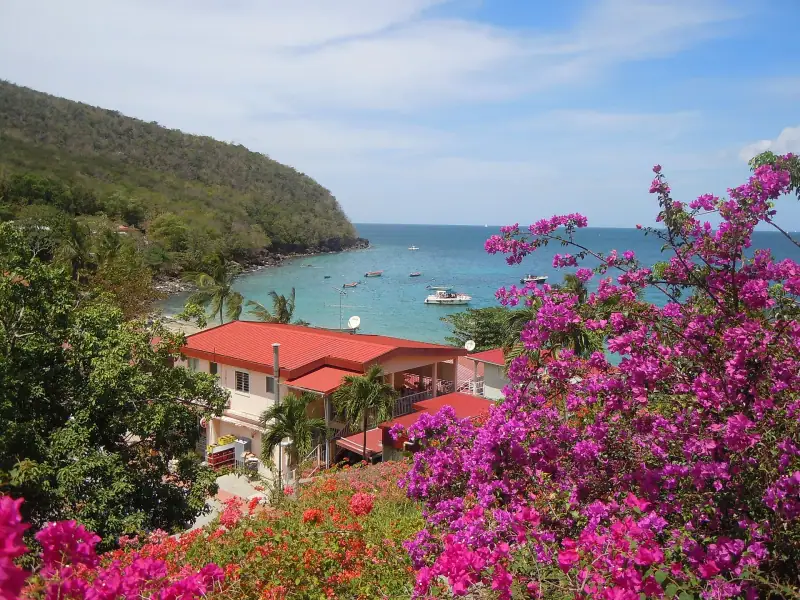
Where to stay in Les Anses-d'Arlet: Grande Anse, Anse Dufour or Petite Anse?
Where to stay in Les Anses-d'Arlet, Martinique: the village, Grande Anse, Petite Anse, Anse Dufour and Anse Noire. Which area, lodging, car or no car.
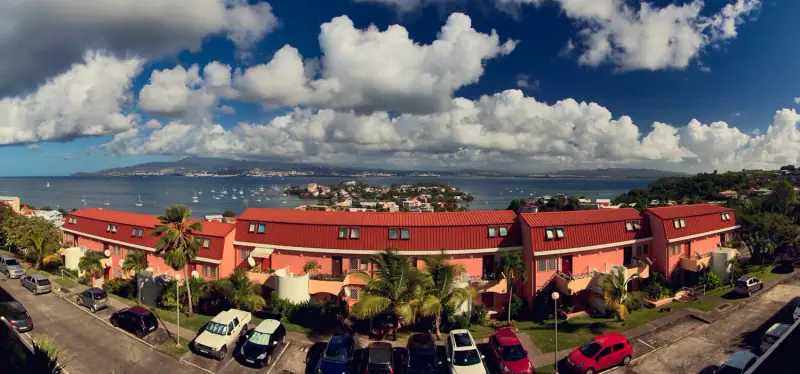
Where to stay in Les Trois-Îlets: Pointe du Bout, Anse Mitan or Anse à l'Âne?
Where to stay in Les Trois-Îlets, Martinique: Pointe du Bout, Anse Mitan, Anse à l'Âne and the village compared, with lodging types and booking tips.
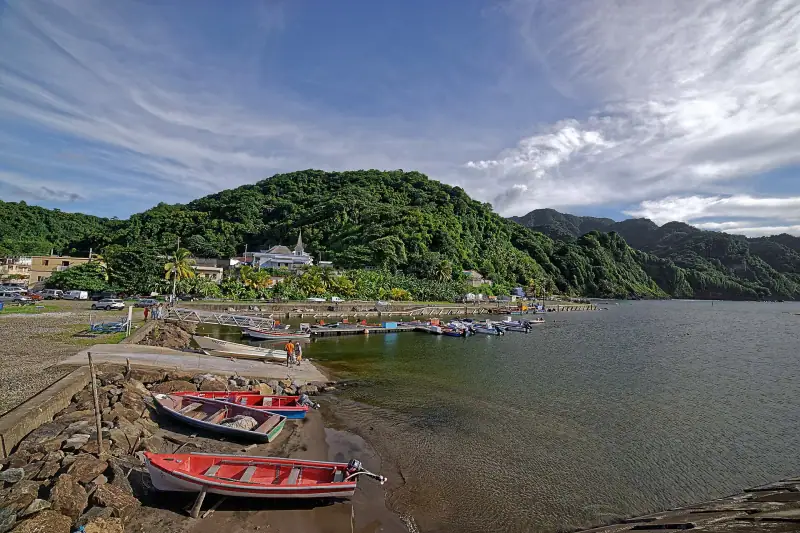
Grand'Rivière in Martinique: is it worth the detour, and what to do at the end of the road?
Grand'Rivière, a fishing village in northern Martinique: getting there from Fort-de-France, what to see, the Anse Couleuvre hike, where to eat.
Ready-made
Martinique itineraries
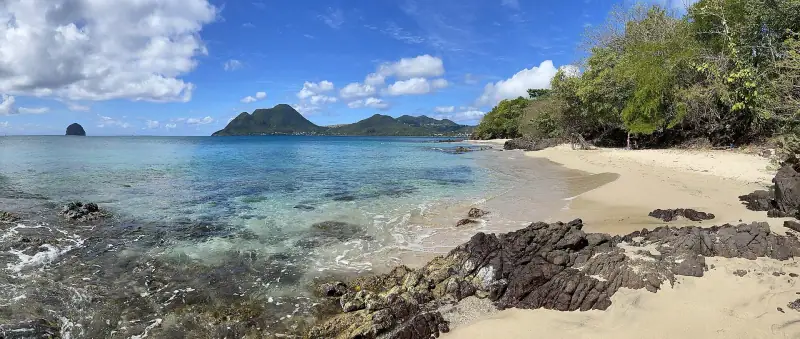
5 days
Martinique in 5 days with kids: stops, distances and a realistic pace
Martinique in 5 days with kids: day-by-day stops, distances, drive times, safe beaches and breaks to keep the pace without wearing out the family.
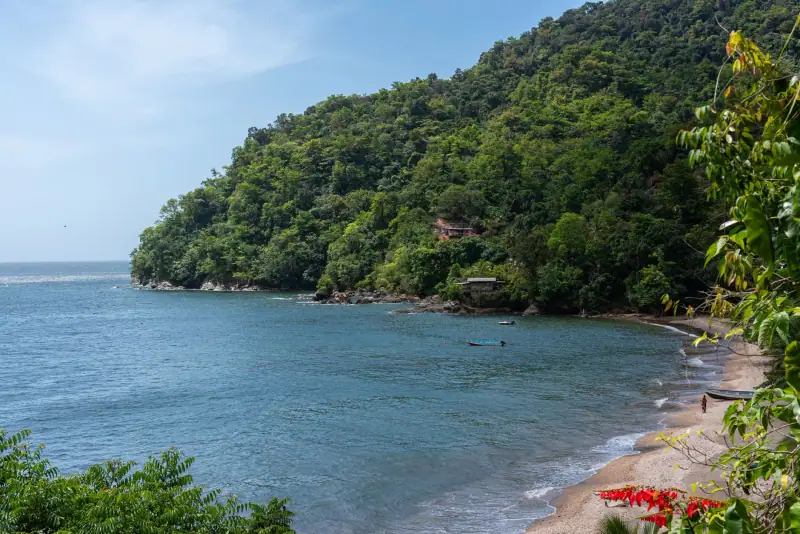
3 days
3 days in northern Martinique: a volcano, forest and wild coast itinerary
A 3-day itinerary for northern Martinique: Saint-Pierre, Mount Pelée, the Caribbean coast, the Trace and the Atlantic coast, with tips and variations.
7 days
Martinique in 7 days: a day-by-day itinerary for a first stay
Martinique in 7 days: a day-by-day itinerary through Fort-de-France, Saint-Pierre, the Caravelle and the southern beaches, with drive times and tips.