Itineraries
Martinique in 7 days: a day-by-day itinerary for a first stay
We may earn a commission when you book through links on this page, at no extra cost to you. We don't visit or try the places we cover: we summarize published sources. How we work
Day by day
- Day 1Arrival and Fort-de-France: La Savane, Fort Saint-Louis, cathedral
- Day 2Fort-de-France market, Balata Garden, Route de la Trace
- Day 3Saint-Pierre ruins and volcanology museum
- Day 4Mount Pelée climb or Gorges de la Falaise
- Day 5Atlantic coast, Caravelle Peninsula, Habitation Clément
- Day 6Grande Anse des Salines, Sainte-Anne, Savane des Pétrifications
- Day 7Le Diamant, Les Anses-d'Arlet, departure
Weather through the year on this route
| Jan | Feb | Mar | Apr | May | Jun | Jul | Aug | Sep | Oct | Nov | Dec | |
|---|---|---|---|---|---|---|---|---|---|---|---|---|
| High °F (°C) | 8027 | 8027 | 8027 | 8127 | 8228 | 8228 | 8228 | 8329 | 8429 | 8329 | 8228 | 8127 |
| Low °F (°C) | 7926 | 7725 | 7725 | 7926 | 8127 | 8127 | 8127 | 8228 | 8228 | 8228 | 8127 | 7926 |
| Rain in (mm) | 2.975 | 2.155 | 2.975 | 3.695 | 4.3110 | 5.3135 | 6.0155 | 7.2185 | 7.4190 | 7.8200 | 7.7195 | 3.9100 |
Normals 1991–2020 at Les Trois-Îlets and Sainte-Anne: averages over 30 years, not a forecast. Source: NASA POWER (MERRA-2), grid of about 50 km. Figures computed by us in November 2026.
In short
- Seven days cover Fort-de-France, Saint-Pierre and Mount Pelée, the Atlantic coast and the southern beaches; the island is about 70 km (43 mi) long.
- A rental car is strongly recommended, with one or two bases; avoid rush hour around Fort-de-France and Le Lamentin.
- February to April is generally drier and steadier; hurricane season runs June to November, so choose flexible bookings.
- Mount Pelée is often in cloud: climb early in the morning, or choose the Gorges de la Falaise instead.
Seven days is the ideal length for a first look at Martinique. The island is compact, about 70 km (43 mi) from north to south, but very contrasted: tropical forest and volcano in the north, an Atlantic coast swept by trade winds, white-sand beaches in the south. Here is a day-by-day itinerary designed to limit pointless driving and leave time for swimming, Creole food and meeting people.
Before you go: organizing your week
This program assumes a rental car and two bases: one in the south (Les Trois-Îlets, Le Diamant or Sainte-Anne) for the beach days, and possibly a night or two in the north if you want to climb Mount Pelée without getting up at dawn. If you prefer not to change lodging, a single base around Fort-de-France or Les Trois-Îlets is entirely viable: the north is reached in a little under an hour in normal conditions.
A few useful rules to keep the pace:
- Avoid rush hour around Fort-de-France and Le Lamentin, in the morning and late afternoon: a short trip can double in length.
- Set off early for natural sites: in the mountains, clouds often move in by late morning; at the famous beaches, crowds arrive before noon.
- Keep a margin: the winding roads of the Caribbean coast and the north make distances deceptive.
- Pack a swimsuit, water and sun protection in your bag every day, plus a light windbreaker for the heights.
To choose where to stay, our guide on where to stay in Martinique details the advantages of each area. And if you are unsure about dates, see when to go to Martinique.
Where to stay in Martinique
Compare hotels, residences and guesthouses by base: south, center or north.
Day 1: arrival and Fort-de-France
After landing at Le Lamentin airport, pick up your car and head to your lodging. If you arrive in early afternoon, use the end of the day for a first look at Fort-de-France, the capital, about fifteen minutes from the airport outside heavy traffic.
The heart of the city is organized around La Savane, a large park planted with palms, and the waterfront. Nearby, Fort Saint-Louis overlooks the bay. Saint-Louis Cathedral, a Romanesque Revival building with a metal structure, and the Schoelcher Library, a building of remarkable architecture, are also worth a look to understand the city’s history and character.
If you are staying in Les Trois-Îlets, a ferry shuttle links Pointe du Bout to Fort-de-France: a pleasant way to avoid traffic jams at the end of the day. Finish with a first Creole dinner: salt cod accras, colombo or grilled fish, and a ti-punch to celebrate your arrival. Our guide on what to eat in Martinique helps you spot the specialties to try.
Day 2: Fort-de-France, the market and Balata Garden
Start the morning at the Grand Marché of Fort-de-France, where spices, tropical fruit, infused rums and local products mingle. It is a chance to pick out the island’s flavors: passion fruit, soursop, sugarcane, chili peppers, cocoa. Markets are livelier in the morning.
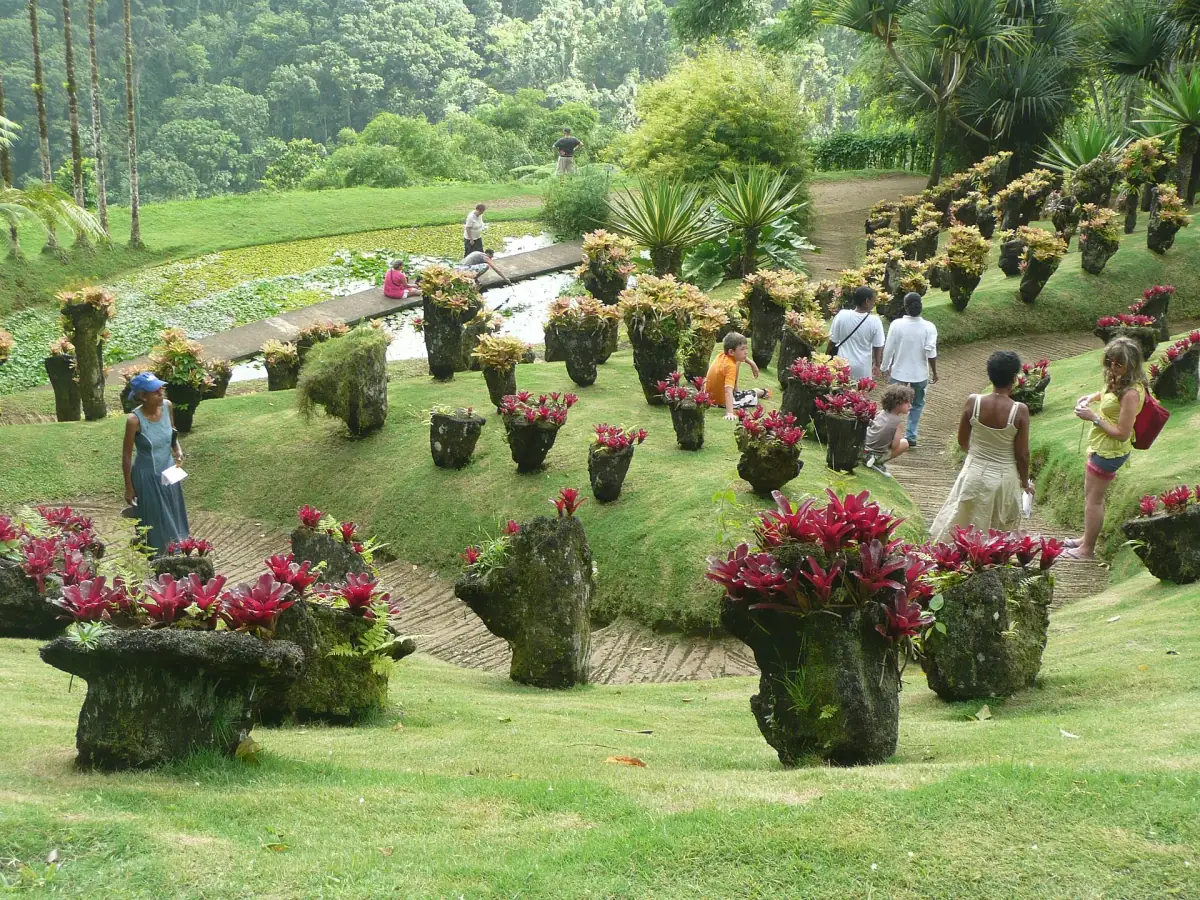
Then take the Route de la Trace northward to reach Balata Garden, only a few kilometers from the capital. This botanical garden is laid out around a former Creole plantation house and gathers a great diversity of tropical species: tree ferns, heliconias, anthuriums, with walkways suspended in the trees. Allow about two hours for the visit.
In the afternoon, two options. Either continue north on the Trace, a scenic road crossing the humid tropical forest, or head back south for a first swim at Les Trois-Îlets. At the end of the day, keep an eye on the weather: Mount Pelée is planned for two days from now.
Day 3: Saint-Pierre and the Caribbean north coast
Head for Saint-Pierre, reached along the Caribbean coast from Fort-de-France in about 40 to 50 minutes in normal conditions, a distance of about 20 km (12 mi). At the foot of Mount Pelée, the town was destroyed in 1902 by an eruption that remains one of the deadliest of the 20th century. Long nicknamed the “Little Paris of the Antilles”, it keeps remains: ruins of the theater, the prison, the Mouillage church.
The volcanology museum, devoted to the disaster, helps you understand what happened. Also allow a moment to stroll the waterfront and notice the contrast between gray volcanic sand and lush vegetation. The surroundings have several distilleries open to visitors, a chance to discover rhum agricole: see the dedicated section in what to eat in Martinique.
The seabed of the bay holds wrecks linked to the eruption, which attracts experienced divers. If interested, book with an approved club.
Activities and excursions in Martinique
Boat trips, guided hikes, distillery visits: book in advance.
Day 4: Mount Pelée or the Gorges de la Falaise
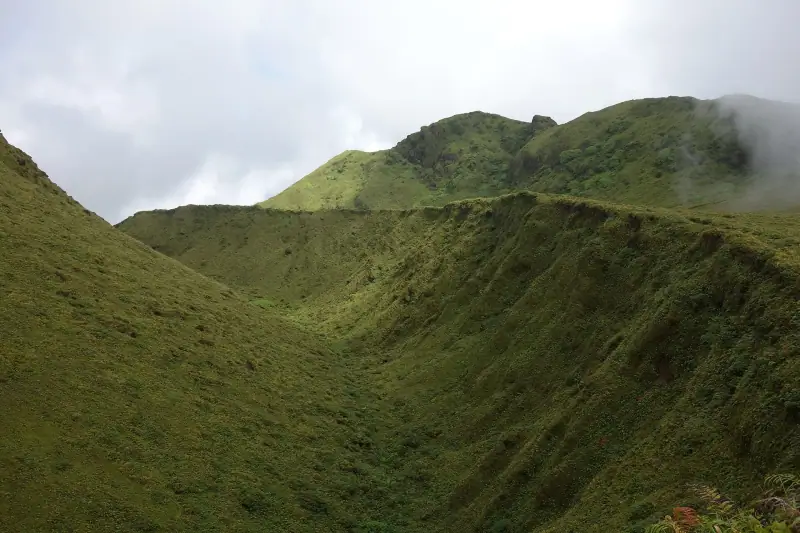
Mount Pelée, an active volcano monitored continuously, peaks at almost 1,400 m (4,580 ft). The trail to the summit is demanding: allow half a day or more, good shoes, water, a jacket and favorable weather. The summit is often in cloud: set off early in the morning, and turn back if conditions are poor.
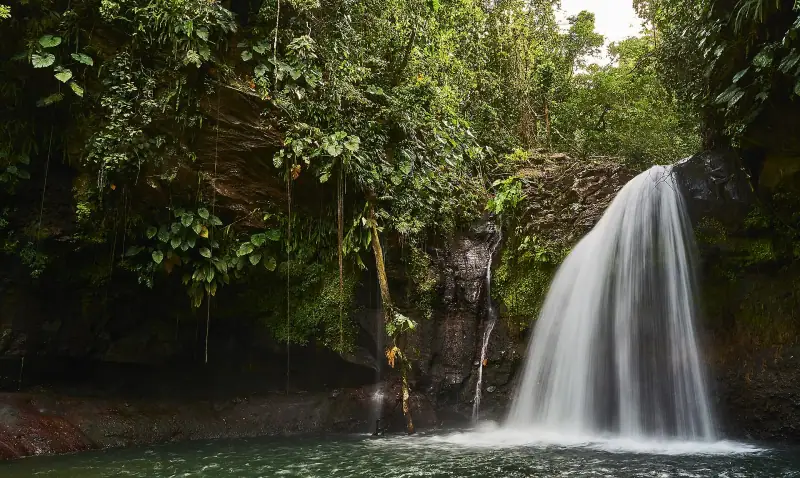
If the climb seems too ambitious, choose a forest walk or the Gorges de la Falaise, near Ajoupa-Bouillon: a walk in a green canyon, with passages in the water, more accessible to families, provided you follow local safety instructions and find out about flood conditions before you go. A local guide adds real value to the visit.
Head back to your base late in the afternoon. If you planned to sleep in the north, this is the time to enjoy the mild evening on the Caribbean coast.
Day 5: the Atlantic coast and the Caravelle Peninsula
A change of scenery: the Atlantic coast is wilder and windier, with a sea less suited to swimming than on the Caribbean side. Head to La Trinité, then the Caravelle Peninsula, a nature reserve with seaside hiking trails and mangroves. There you find the remains of Château Dubuc, a former sugar plantation that bears witness to the island’s colonial history.
Along the way, several plantations and distilleries can be visited. Habitation Clément, at Le François, combines a plantation house, gardens and a contemporary art trail, with a distillery visit. Check opening hours before you go: they vary by season.
This day is calmer for swimming: favor sheltered areas and respect the safety signs. Keep time for the return, as traffic toward Fort-de-France can be heavy at the end of the day.
Day 6: southern beaches, Les Salines and Sainte-Anne
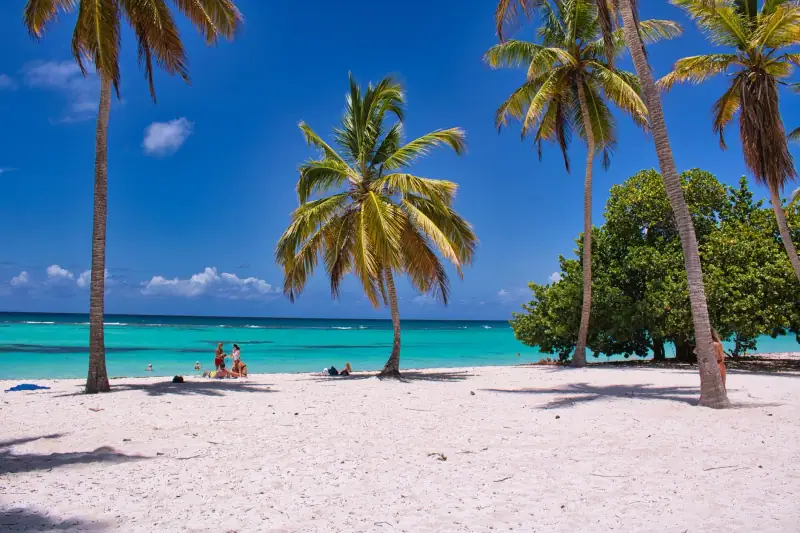
Devote the day to the south, where the most famous beaches are. Grande Anse des Salines, lined with coconut palms, is very busy: arrive early in the morning to enjoy the calm and the light. The village of Sainte-Anne, close by, offers a quiet waterfront and simple restaurants for lunch.
For a walk, a coastal trail, the Savane des Pétrifications, crosses an unusual mineral landscape with views of the sea. Preferably choose the morning or late afternoon to avoid the hottest hours. On the way back, stop in one of the coast’s fishing villages.
Our selection of the most beautiful beaches in Martinique details swimming conditions and services for each site.
Day 7: Le Diamant, Les Anses-d’Arlet and departure
For the last day, follow the Caribbean coast to Le Diamant, facing the famous rock rising offshore. Swimming there calls for caution: ask locally about currents before entering the water.
Continue to Les Anses-d’Arlet, a fishing village with colorful boats and a bell tower set facing the beach. The sea there is generally calm, which makes it very good snorkeling territory: with mask and snorkel, you often see tropical fish near the shore and, sometimes, turtles.
Plan to reach the airport with a wide margin, especially as the road to Le Lamentin can be busy. Also remember to return the rental car in line with the fuel rules. If you have time before your flight, buy a few souvenirs: rum, spices, local jams.
Variations by profile
- With children: cut the driving and favor sheltered beaches, Balata Garden and short walks. Replace Mount Pelée with an easy walk in the north.
- Hikers: add a second day in the north and set off very early to take advantage of visibility. Check conditions and do not commit without suitable gear.
- Beach lovers: tighten the program around the south and the Caribbean coast, keeping only one day for Saint-Pierre.
- Rum and food lovers: include two distillery visits, with hours checked in advance, and plan a Creole lunch in a village restaurant.
- Tight budget: cook some meals with market produce, choose guesthouses or residences with a kitchen and compare car rental rates.
Practical tips for a successful trip
- Booking: in high season, December to April and during school vacations, book lodging and car well in advance.
- Safety at sea: respect flags and signs, never leave valuables in the car, and check forecasts before an outing at sea.
- Weather: the wet season, June to November, carries a hurricane risk. Favor flexible bookings and consider travel insurance.
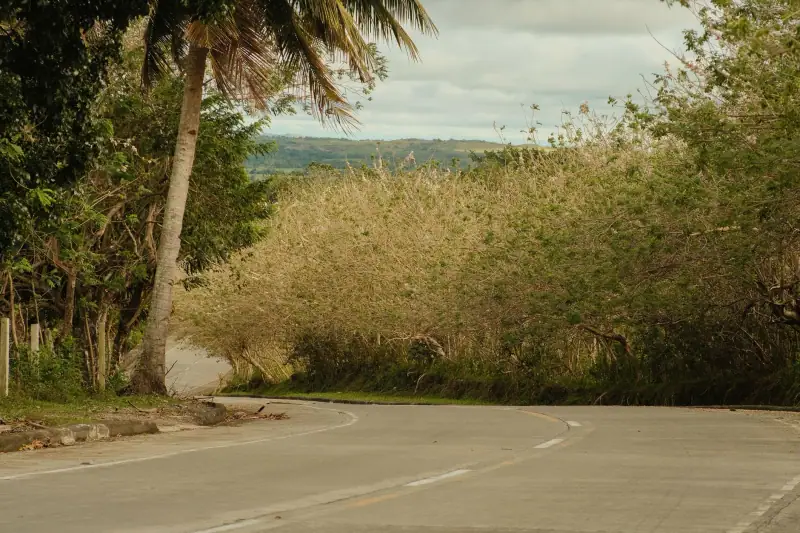
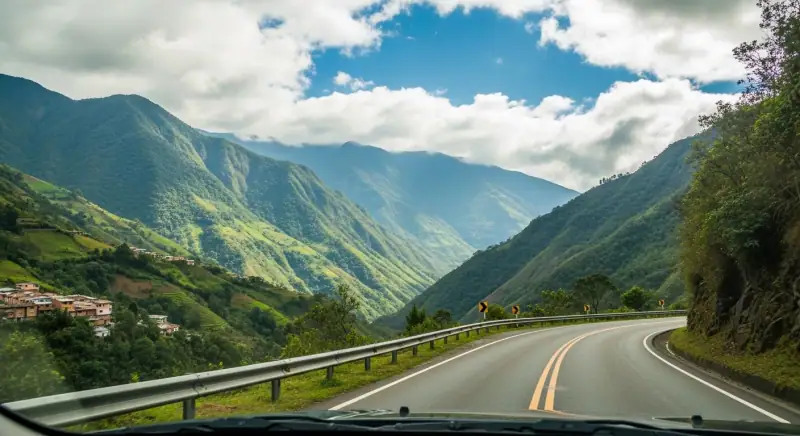
- Driving: driving is on the right, but mountain roads are narrow and winding. Keep a margin for every trip.
- Entry rules: they depend on your passport. Check the official travel advice of your government before you book: travel.state.gov (US), GOV.UK (UK), travel.gc.ca (Canada), Smartraveller (Australia) (checked November 2026).
With this program, you will have tasted every side of Martinique: Creole towns, volcano, forest, wild coast and dream beaches. Simply adjust the pace to your energy and the weather: the island always rewards those who take their time.
Sources
- Martinique Tourism Authority: figures checked November 2026
Frequently asked questions
Is one week enough to visit Martinique?
Yes, seven days let you see the essentials: Fort-de-France, Saint-Pierre and Mount Pelée, the Atlantic coast and the southern beaches. The island is about 70 km (43 mi) long, but winding roads and traffic jams around Fort-de-France lengthen trips.
Do you need a rental car for this itinerary?
It is strongly recommended. Public transport serves beaches, distilleries and trails poorly. A rental car lets you range freely from one or two bases.
How many miles do you drive on this program?
Days stay well under 100 km (62 mi) each, but allow extra driving time because of mountain roads and rush-hour traffic, especially around Fort-de-France and Le Lamentin.
What is the best time for this itinerary?
From February to April, the weather is generally drier and steadier, which is ideal for hiking and the beach. During the wet season, from June to November, plan for cancelable bookings.
Do you need to be a good walker for Mount Pelée?
The climb calls for decent fitness, good shoes and clear weather: the summit is often in cloud. Shorter walks in the north, such as the gorges or forest trails, suit families better.
More Martinique guides
Keep reading
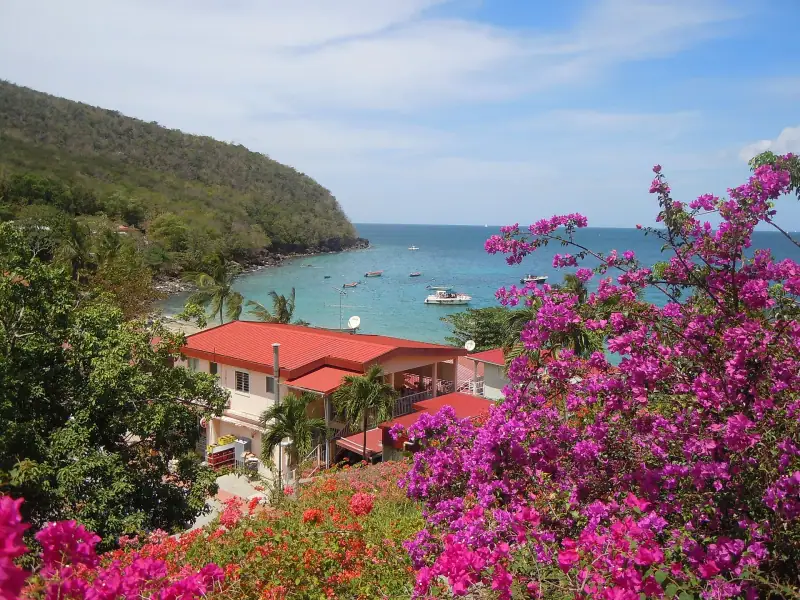
Where to stay in Les Anses-d'Arlet: Grande Anse, Anse Dufour or Petite Anse?
Where to stay in Les Anses-d'Arlet, Martinique: the village, Grande Anse, Petite Anse, Anse Dufour and Anse Noire. Which area, lodging, car or no car.
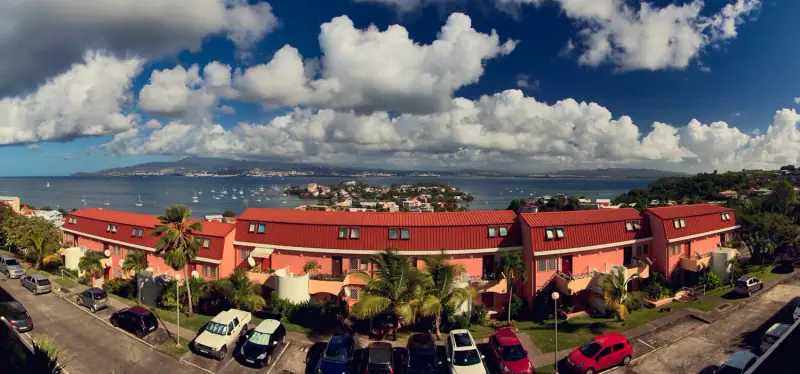
Where to stay in Les Trois-Îlets: Pointe du Bout, Anse Mitan or Anse à l'Âne?
Where to stay in Les Trois-Îlets, Martinique: Pointe du Bout, Anse Mitan, Anse à l'Âne and the village compared, with lodging types and booking tips.
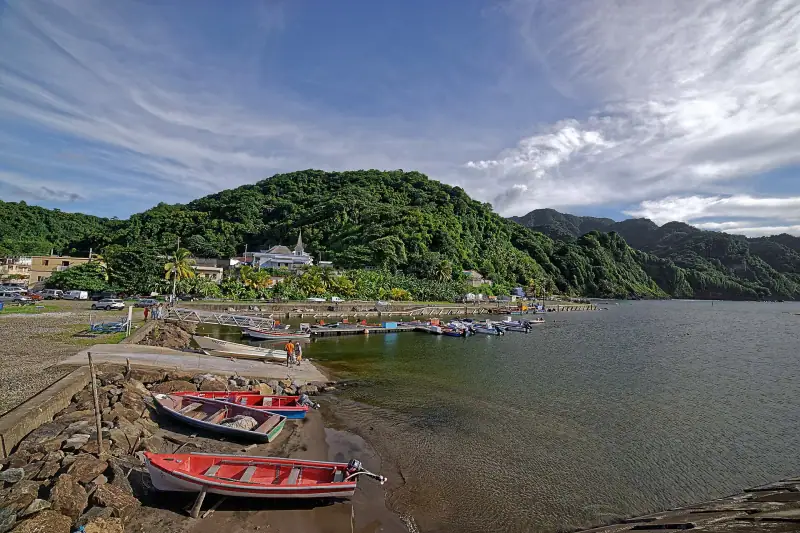
Grand'Rivière in Martinique: is it worth the detour, and what to do at the end of the road?
Grand'Rivière, a fishing village in northern Martinique: getting there from Fort-de-France, what to see, the Anse Couleuvre hike, where to eat.
Ready-made
Martinique itineraries
5 days
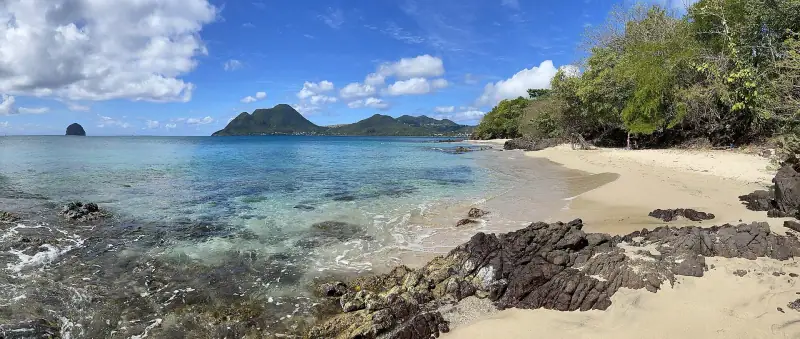
Martinique in 5 days with kids: stops, distances and a realistic pace
Martinique in 5 days with kids: day-by-day stops, distances, drive times, safe beaches and breaks to keep the pace without wearing out the family.
3 days
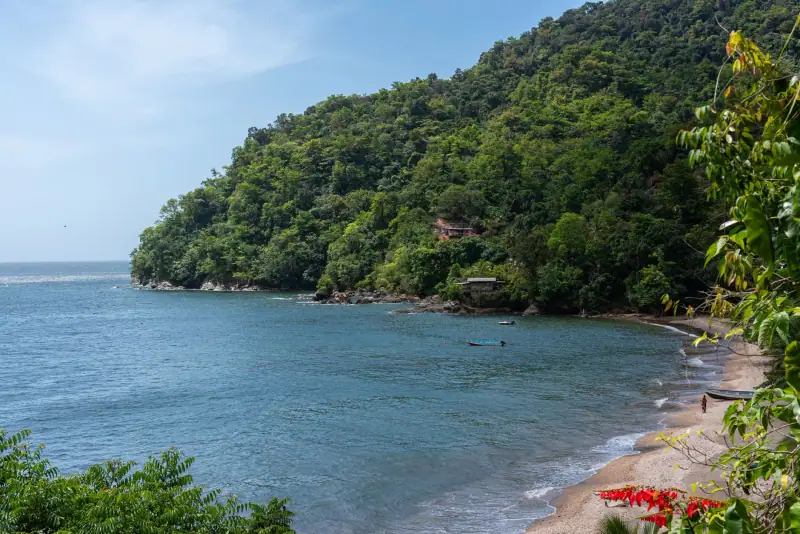
3 days in northern Martinique: a volcano, forest and wild coast itinerary
A 3-day itinerary for northern Martinique: Saint-Pierre, Mount Pelée, the Caribbean coast, the Trace and the Atlantic coast, with tips and variations.
3 days
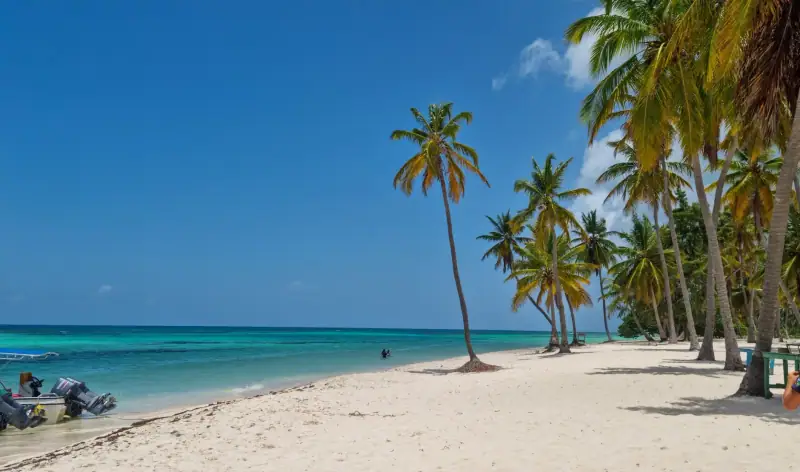
3 days in southern Martinique: beaches, villages and rum
A 3-day itinerary for southern Martinique: Les Trois-Îlets, Les Anses-d'Arlet, Le Diamant, Sainte-Anne and Les Salines, with drive times and beach tips.