Plan your trip
When to go to Martinique: weather, seasons and best times
We may earn a commission when you book through links on this page, at no extra cost to you. We don't visit or try the places we cover: we summarize published sources. How we work
In short
- February to April is generally the best compromise: fairly dry weather, heat made bearable by the trade winds, and a pleasant sea.
- The dry season (carême) runs roughly December to May; the wet season (hivernage) roughly June to November.
- The hurricane season officially runs June 1 to November 30, with the highest risk between August and October; choose flexible bookings and travel insurance.
- Carnival runs from Epiphany to Ash Wednesday; book early if you want to attend, or avoid the fat days if you prefer calm.
Choosing the right time to go to Martinique really changes the experience: sunny beaches and comfortable hikes in the dry season, dazzling vegetation and lower rates in the wet season, an electric mood during carnival. The island stays hot all year, but the sky, humidity, crowds and prices vary a lot from month to month. Here is how to find your way, season by season, with tips for organizing a stay without bad surprises.
Martinique’s climate in brief
Martinique has a tropical maritime climate, tempered by the trade winds that blow from the east almost all year. Air temperatures generally range between 24 and 31 °C (75 and 88 °F) depending on the season and altitude, and the sea stays around 26 to 29 °C (79 to 84 °F). So there is never a “wrong” temperature for swimming.
Martinicans distinguish two main seasons rather than four:
- The carême (the dry season), from about December to May: less rain, more bearable humidity, well-established trade winds.
- The hivernage (the wet season), from about June to November: hotter, more humid, frequent showers and a period of hurricane risk.
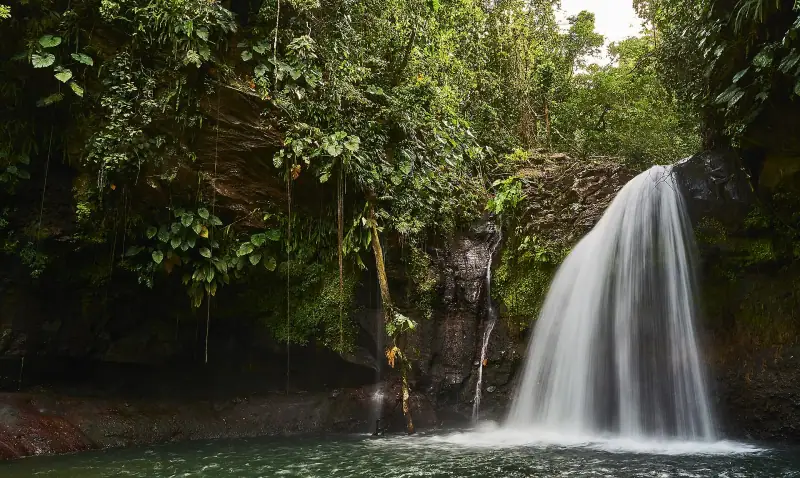
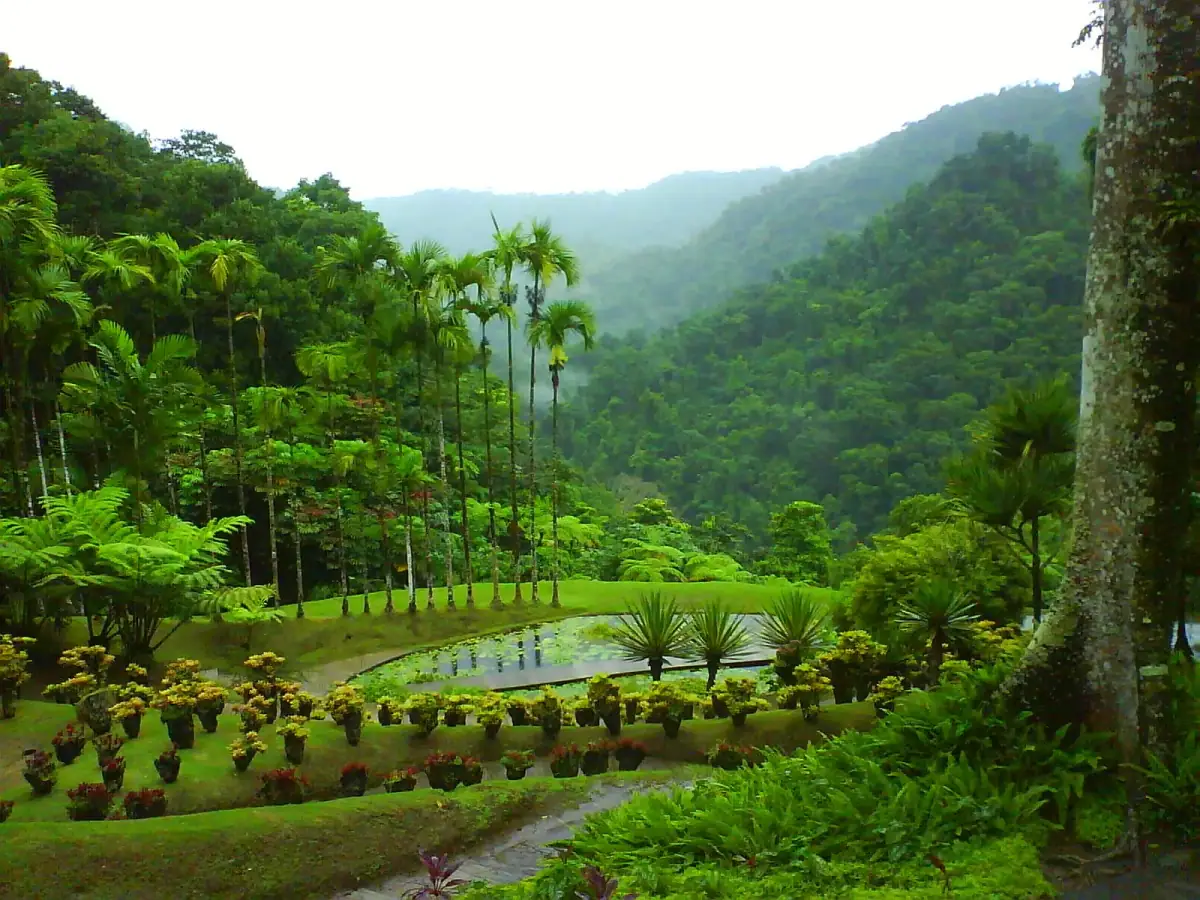
These limits are indicative: some years the first rains arrive earlier, or the carême runs on. Above all, remember that the island has no “cold” season. Relief matters too: the north, with Mount Pelée and the tropical forest, is clearly wetter than the south, drier and sunnier, where Sainte-Anne and Les Salines are found. On the Atlantic side, the wind is stronger than on the Caribbean coast, which is more sheltered and generally calmer.
Where to stay in Martinique?
Seafront hotels, residences, guesthouses and villas: compare lodging for your dates.
The carême (December to May): the tourist high season
This is the travelers’ favorite period, and for good reason. Rainfall decreases, the sky is clearer and humidity becomes more comfortable, especially in the evening. The trade winds cool the Atlantic coast and make beach days very pleasant.
December and January combine the year-end holidays and an already favorable climate. Flights are in high demand around Christmas and New Year: you need to book well ahead, and flight and lodging prices are at their highest.
February and March are often considered the best compromise between weather and atmosphere. The sea is calm, hikes are easier, and carnival gives the island a unique energy. Be aware, though, of the French school winter vacations, which push crowds up.
April and May mark the transition. Prices come down gradually, the rains return in small touches, and the vegetation stays magnificent. It is an interesting period for those who still want fine weather without the pressure of high season. For picnics on the southern beaches or a hike on the Caravelle Peninsula, it is a very good time.
One point to watch from spring: sargassum strandings. These brown algae can pile up on some beaches, especially on the Atlantic side, very irregularly depending on the year and the currents. Before booking lodging facing a particular beach, find out about the recent situation from the towns or hosts, and keep in mind that more sheltered coasts are often less affected.
The hivernage (June to November): heat, showers and hurricane risk
The hivernage does not mean permanent rain. Martinique gets heavy showers that are often brief, interrupted by long spells of sun. Days are hotter and more humid, with a marked feeling of heat in the middle of the day. In return, the sea is warm, nature is deep green and crowds drop clearly, which helps budgets.
June and July are a transition period that can offer nice surprises: French summer vacations push demand, but the weather is often mild. In late July and early August, the island comes alive with the Tour des Yoles Rondes, a big race of traditional sailboats around the island and a popular festival: a chance to discover local maritime culture, but also to deal with busier lodging in the stage towns.
August, September and October are the months when the probability of tropical storms and hurricanes is highest in the North Atlantic. That does not mean your stay will be disrupted: most travelers enjoy their trip without incident. But you need to know it and plan accordingly.
November is the end of the season: the hurricane risk officially stays open until November 30, but it diminishes, and rains gradually thin out as December approaches.
How to handle hurricane risk
- Take out travel insurance that covers cancellation and interruptions due to weather events, and check the conditions.
- Favor flexible rates for flights and lodging.
- Follow Météo-France bulletins during your stay: in Martinique, the vigilance system is clear (yellow, orange, red, purple, gray) and instructions are relayed by the authorities and hosts.
- Respect local instructions in case of an alert. Under red or purple vigilance, you stay under cover.
A flight to Martinique?
Compare flights to Martinique: prices vary strongly with school vacations.
Carnival: an event that can decide your date
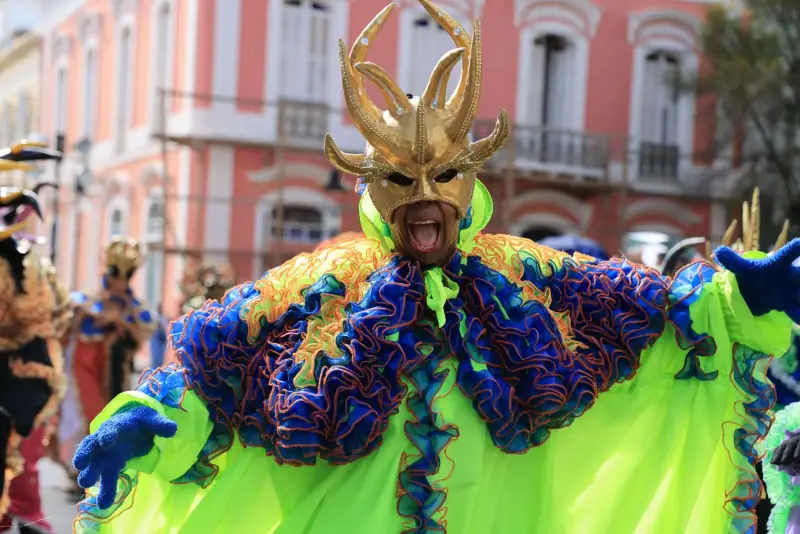
Martinique’s carnival is one of the big highlights of the year. It runs from Epiphany to Ash Wednesday, with parades, vidés (dancing musical street parades) and elaborate costumes. The “fat days” before Ash Wednesday are the peak: walking groups and floats take over Fort-de-France and the island’s towns. Vaval, the carnival king, is burned at the end of the festivities.
If you like local music, dancing and popular atmosphere, it is an unforgettable period. If you prefer calm, avoid the fat days: congested roads, some shops and services closed, lodging often full. In all cases, book early, and check the exact dates for the year, which depend on the Easter calendar.
Which period for your travel plan?
For the beach and swimming
The carême offers the best comfort: calm sea, clear sky and trade winds that temper the heat. The southern beaches, around Sainte-Anne, Les Salines and Le Diamant, are the best known. On the Caribbean side, Les Anses-d’Arlet and its small fishing villages appeal with calm water, ideal for mask and snorkel. For diving, warm water allows diving all year, with visibility often better outside periods of heavy rain.
For hiking
Mount Pelée, the Gorges de la Falaise or the trails of the Caravelle Peninsula are more pleasant in the dry season: paths are less muddy and early starts safer. In the wet season, showers quickly transform trails and the summit of Pelée can stay in cloud. Set off early, check the local weather and bring suitable shoes, rain gear and water.
For culture and food
There is no bad season for agricultural rum, distilleries and Creole cooking. Distillery visits are possible all year, and it is common for the cane harvest season (generally from about February to June) to make visits particularly lively: ask each distillery before you go. Fort-de-France’s markets offer spices, tropical fruit and local products in every season.
For a tight budget
Prices follow crowds. The most expensive periods are the Christmas, February and summer vacations. April-May, September and November are often more affordable, at the cost of a more marked weather risk in late summer. Book your flights as early as possible for school vacations.
Activities and excursions in Martinique
Guided hikes, boat trips, distillery visits: book your activities in advance.
Month by month: the summary
| Period | Mood | Rain and humidity | Crowds and prices |
|---|---|---|---|
| December – January | Holidays, start of carnival | Low to moderate | High |
| February – March | Carnival, calm sea | Low | High |
| April – May | Transition, green nature | Moderate | Medium |
| June – July | Summer vacations, Yoles Rondes | Frequent showers | Medium to high |
| August – October | Wet season, low crowds | Heavier, hurricane risk | Lower |
| November | End of wet season | Decreasing | Low to medium |
This table is a general trend: the weather of a given year can differ, and crowds depend a lot on the school vacation calendar.
Preparing your stay: practical info to know
Entry rules. They depend on your passport. Check the official travel advice of your government before you book: travel.state.gov (US), GOV.UK (UK), travel.gc.ca (Canada), Smartraveller (Australia) (checked November 2026). Martinique is a French overseas region.
Time. The island does not change its clocks, so the time difference with your home country changes during the year when your country changes to or from daylight saving time.
Currency. You pay in euros.
Sun and insects. Sun, mosquitoes and water: sunscreen, repellent and hydration are essential all year. Ask your doctor or a travel clinic, and see the official travel health pages (CDC in the US, TravelHealthPro in the UK).
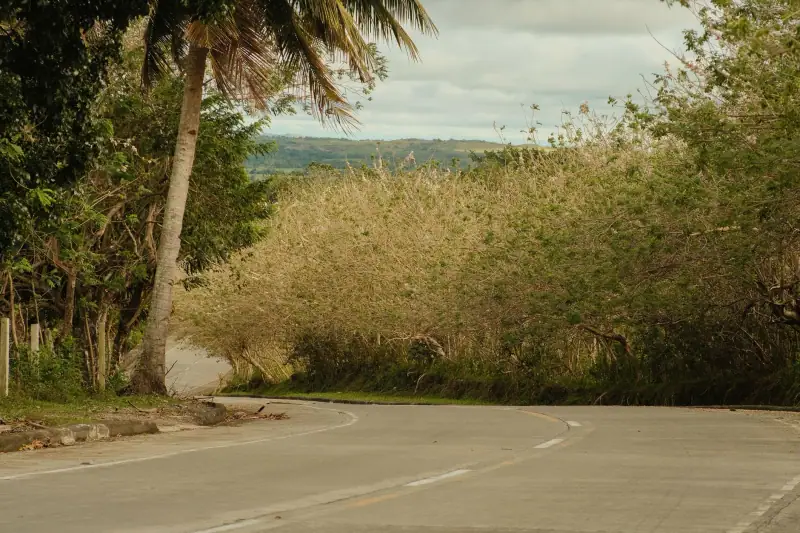
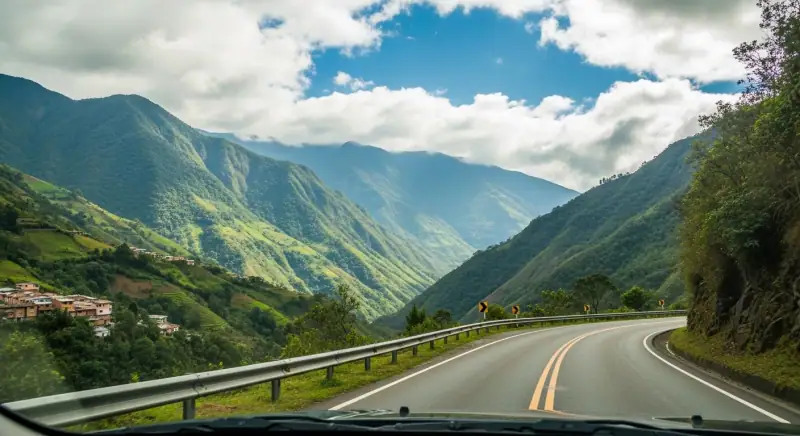
Getting around. To explore the island freely, from Mount Pelée to the southern beaches, a rental car remains the most practical solution: public transport is limited outside the main roads. Compare offers directly via the booking box at the bottom of the page.
How long to stay?
One week lets you discover the essentials: Fort-de-France, Saint-Pierre and Mount Pelée, the southern beaches, a distillery. With ten days to two weeks, you can add the Caravelle Peninsula, longer hikes and rest days. Whatever the period, allow for sometimes long travel times: the island is small, but winding roads and traffic around Fort-de-France slow trips down.
Bottom line: what is the best period?
- For a classic, comfortable and safe trip: February to April.
- For atmosphere and culture: carnival, from January to Ash Wednesday.
- To limit costs: April-May or November, with insurance and flexible bookings.
- For hiking: the dry season, without hesitation.
- To avoid the crowds: the wet-season months, accepting the risk of rain and storms.
Whatever you choose, Martinique is a destination that can be visited all year: the key is to adapt your activities to the season, book early in high season and stay flexible in the wet season. Have a great trip!
Frequently asked questions
What is the best month to go to Martinique?
February, March and April generally offer the best compromise: fairly dry weather, heat made bearable by the trade winds and a pleasant sea. December and January are also very nice, but flight and lodging rates rise with the year-end holidays.
When is hurricane season in Martinique?
The North Atlantic hurricane season officially runs from June 1 to November 30, with a higher risk between August and October. The risk of being affected during a given stay remains low, but it is better to book changeable arrangements and take out travel insurance.
Does it rain all day in the rainy season?
No. During the wet season, rain most often comes as intense but short showers, sometimes stormy, followed by sunny spells. The air is hotter and more humid, and lasting bad weather is tied to tropical waves or low-pressure systems.
Do you need a visa for Martinique?
Entry rules depend on your passport. Check the official travel advice of your government before you book: travel.state.gov (US), GOV.UK (UK), travel.gc.ca (Canada), Smartraveller (Australia) (checked November 2026).
When can you see Martinique's carnival?
Carnival takes place every year between Epiphany and Ash Wednesday, with parades on Sundays and then very lively fat days. Exact dates vary with the Easter calendar: check the official program before booking.
Does Martinique change clocks?
No. Martinique does not change its clocks, so the time difference with your home country changes during the year when your country changes to or from daylight saving time.
More Martinique guides
Keep reading
Martinique trip budget: real costs and 3 sample budgets
How much does a trip to Martinique cost? Lodging, car, meals, activities: real price ranges, three sample budgets and tips to spend less.
Where to stay in Les Anses-d'Arlet: Grande Anse, Anse Dufour or Petite Anse?
Where to stay in Les Anses-d'Arlet, Martinique: the village, Grande Anse, Petite Anse, Anse Dufour and Anse Noire. Which area, lodging, car or no car.
Where to stay in Les Trois-Îlets: Pointe du Bout, Anse Mitan or Anse à l'Âne?
Where to stay in Les Trois-Îlets, Martinique: Pointe du Bout, Anse Mitan, Anse à l'Âne and the village compared, with lodging types and booking tips.
Ready-made
Martinique itineraries
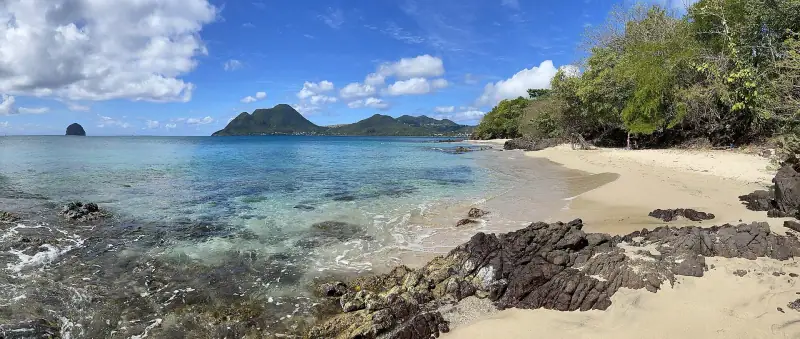
5 days
Martinique in 5 days with kids: stops, distances and a realistic pace
Martinique in 5 days with kids: day-by-day stops, distances, drive times, safe beaches and breaks to keep the pace without wearing out the family.
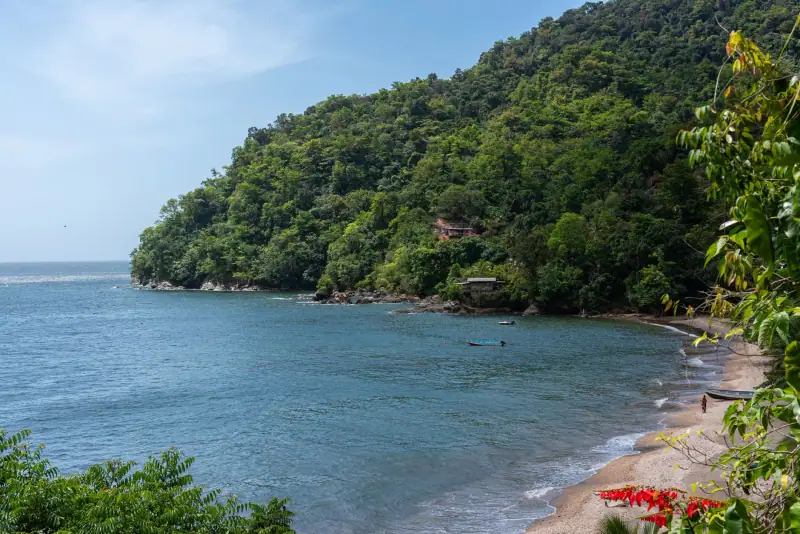
3 days
3 days in northern Martinique: a volcano, forest and wild coast itinerary
A 3-day itinerary for northern Martinique: Saint-Pierre, Mount Pelée, the Caribbean coast, the Trace and the Atlantic coast, with tips and variations.
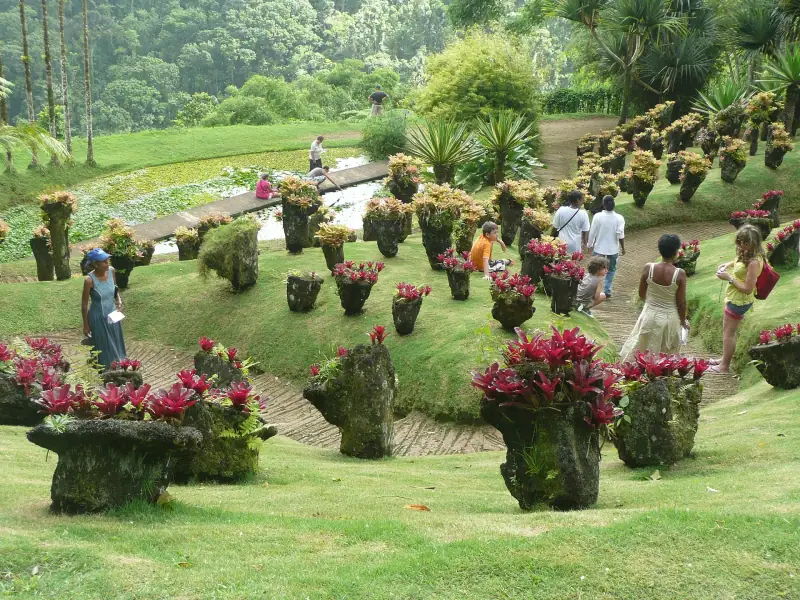
7 days
Martinique in 7 days: a day-by-day itinerary for a first stay
Martinique in 7 days: a day-by-day itinerary through Fort-de-France, Saint-Pierre, the Caravelle and the southern beaches, with drive times and tips.