Itineraries
3 days in southern Martinique: beaches, villages and rum
We may earn a commission when you book through links on this page, at no extra cost to you. We don't visit or try the places we cover: we summarize published sources. How we work
Day by day
- Day 1Fort-de-France market, ferry to Pointe du Bout, Anse Mitan, La Pagerie
- Day 2Les Anses-d'Arlet snorkeling, Diamond Rock view, Le Diamant, Cap 110 Memorial
- Day 3Grande Anse des Salines, Savane des Pétrifications, Sainte-Anne, rum tasting
Weather through the year on this route
| Jan | Feb | Mar | Apr | May | Jun | Jul | Aug | Sep | Oct | Nov | Dec | |
|---|---|---|---|---|---|---|---|---|---|---|---|---|
| High °F (°C) | 8027 | 8027 | 8027 | 8127 | 8228 | 8228 | 8228 | 8329 | 8429 | 8329 | 8228 | 8127 |
| Low °F (°C) | 7926 | 7725 | 7725 | 7926 | 8127 | 8127 | 8127 | 8228 | 8228 | 8228 | 8127 | 7926 |
| Rain in (mm) | 2.975 | 2.155 | 2.975 | 3.695 | 4.3110 | 5.3135 | 6.0155 | 7.2185 | 7.4190 | 7.8200 | 7.7195 | 3.9100 |
Normals 1991–2020 at Les Trois-Îlets and Sainte-Anne: averages over 30 years, not a forecast. Source: NASA POWER (MERRA-2), grid of about 50 km. Figures computed by us in November 2026.
In short
- Three days cover Les Trois-Îlets, Les Anses-d'Arlet, Le Diamant, Sainte-Anne and Les Salines without long drives.
- A rental car is the simplest way to follow this route; roads are winding and Fort-de-France traffic can double drive times at rush hour.
- Arrive early at Anse Dufour and Grande Anse des Salines, which fill up quickly on weekends and in high season.
- The dry season, roughly December to April, is the most comfortable; hurricane season runs roughly June to November.
Southern Martinique packs in what many travelers picture when they think of the island: coconut-lined beaches, fishing villages where you park almost on the sand, an iconic rock rising from the sea and distilleries where you taste agricultural rum. Above all, everything is close. In three days you can string together Les Trois-Îlets, Les Anses-d’Arlet, Le Diamant, Sainte-Anne and Les Salines beach without spending your days behind the wheel. Here is a detailed itinerary designed to alternate swimming, heritage and food stops. If you have more time, our 7-day Martinique itinerary adds the north and the Atlantic coast.
Before you go: organization and drive times
Southern Martinique forms a large loop around the Bay of Fort-de-France, then along the Caribbean coast to the southeastern tip. To give you an idea, it takes about an hour to drive from Fort-de-France to Sainte-Anne in normal conditions, but rush-hour traffic around the capital can double that. Plan early departures and avoid crossing the urban area between 7 and 9 am and again in the late afternoon.
A car is the simplest way to follow this itinerary. Roads are winding, sometimes narrow, and short distances often take longer than expected. To compare ways of getting around the island, see our guide to getting around Martinique.
Where to stay? Three bases work well. Les Trois-Îlets is close to the capital and has many restaurants and lodgings around Pointe du Bout. Le Diamant is in the middle of the route and has a long beach. Sainte-Anne is quieter and puts you a few minutes from Les Salines beach. To compare areas and types of lodging, read our article on where to stay in Martinique.
What to pack? Sunscreen (preferably reef-friendly), a hat, closed-toe shoes for the small coastal paths, a mask and snorkel for snorkeling spots, and a reusable water bottle. Southern beaches have little natural shade at certain hours: bring an umbrella or look for coconut palms and sea grape trees along the shore.
Choose your base in southern Martinique
Hotels, residences and guesthouses in Les Trois-Îlets, Le Diamant or Sainte-Anne: compare stays for your dates.
Day 1: Fort-de-France, Les Trois-Îlets and Pointe du Bout
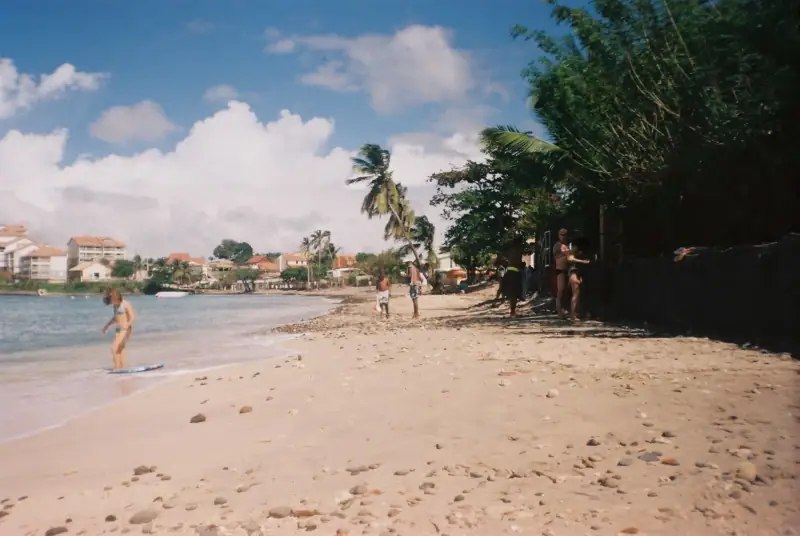
The first day is about settling in without too many miles. If you arrive through the airport, you are already in the central part of the island, a short distance from the Bay of Fort-de-France. Start the morning with a stroll through the heart of the capital: La Savane, the covered market and the shopping streets give a first look at local life. Our article on visiting Fort-de-France details the places not to miss if you want to spend more time there.
The market and a Creole lunch
Markets are the best place to smell the spices, fruit and local products. Stock up on fresh fruit for the road and try accras, the little salt cod fritters eaten hot. For lunch, a small neighborhood restaurant serving a Creole dish of the day is a good choice: it is usually inexpensive and generous. See our tips on eating well in Martinique.
Crossing the bay and Pointe du Bout
After lunch, you have two options. You can drive to Les Trois-Îlets, crossing the Le Lamentin area and taking the coastal road. Or you can take a ferry shuttle from Fort-de-France to Pointe du Bout, a short crossing with a nice view of the bay that avoids traffic jams. Choose according to the time and traffic, and check ferry schedules with the operator before you head out.
Pointe du Bout, with its marina and restaurants, is a very developed area, handy for dinner and an end-of-day walk. Anse Mitan, nearby, is a lively urban beach popular with families. It is not the wildest beach on the island, but it is convenient for a first swim after the trip.
The heritage of Les Trois-Îlets
Les Trois-Îlets is also tied to the story of Marie-Josèphe Tascher de La Pagerie, the future Empress Josephine, who was born in this town. The La Pagerie estate, up in the hills, lets you learn about the family’s history, the colonial context and the remains of a sugar plantation. Check opening hours and visiting conditions locally before you go.
In the evening, settle into a restaurant at the marina or in the village of Les Trois-Îlets and ask for the fish of the day. A quiet evening is ideal for recharging before the next day.
Day 2: Les Anses-d’Arlet, Le Diamant and the Caribbean coast
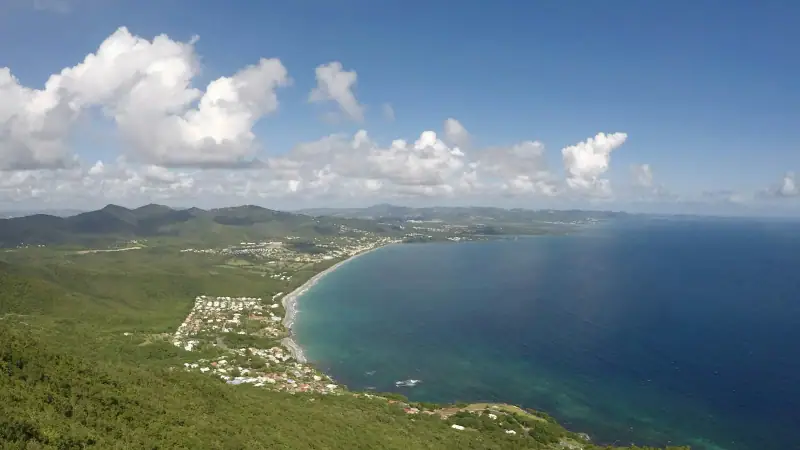
The second day is the postcard-landscape day. It follows the Caribbean coast, where the sea is generally calmer than on the Atlantic side. Leave early to enjoy the beaches before the crowds arrive.
Les Anses-d’Arlet: fishing villages and snorkeling
From Les Trois-Îlets, allow a little under half an hour to reach Les Anses-d’Arlet, on a road that climbs and dips along the coast. The village is famous for its church at the water’s edge and for fishing boats pulled up on the sand: the atmosphere is simple and unstaged, and that is its charm.
Two neighboring beaches are especially popular. Anse Dufour is a small, quiet cove where you often see fishermen. Anse Noire, very close by, owes its name to its dark volcanic sand, very different from the white-sand beaches of the southeast. You can go from one to the other by a short coastal path or by road. With a mask and snorkel, the calm waters of these coves let you watch tropical fish and, with a bit of luck, sea turtles. Always keep a respectful distance from the animals and do not touch them.
To dig deeper into choosing beaches, see our selection of the most beautiful beaches in Martinique.
Lunch by the sea
In Les Anses-d’Arlet as in most coastal villages, small waterside restaurants serve grilled fish, blaff and salads. Prices are generally higher than in town, but the view is often worth it. Book if you travel in high season or on a weekend, and check closing days.
Boat trips and water activities
Catamaran outings, snorkeling, kayaking: discover the activities you can book in advance in Martinique.
Le Diamant: the rock and the long beach
Continuing east, you reach Le Diamant, from where you can see Diamond Rock (Rocher du Diamant), a rocky islet rising offshore. It played a role in the island’s military history, notably during the naval wars between France and England. Today it is mainly a visual landmark and a diving site favored by local operators. It cannot be visited freely: to get close, go through a professional.
Le Diamant’s long beach is one of the longest on the south coast, but swell and currents are sometimes strong. Watch the sea, read the signs and swim only where it is allowed and supervised. It remains excellent for a walk and for watching the sunset, with the rock in silhouette.
A place of remembrance: the Cap 110 Memorial
Not far from Le Diamant is the Cap 110 Memorial, a group of statues facing the sea that honors the victims of slavery and recalls the wreck of a slave ship near these shores in 1830. The site is understated and deeply moving. It invites a quiet pause in a program mostly turned toward the beach. Take a few minutes to read the information panels and respect the solemnity of the place.
At the end of the day, head to your lodging or have dinner in Le Diamant. If you are staying in Les Trois-Îlets, allow about half an hour for the drive back. Avoid driving on small coastal roads at night if you are not comfortable doing so.
Day 3: Sainte-Anne, Les Salines and the southern tip
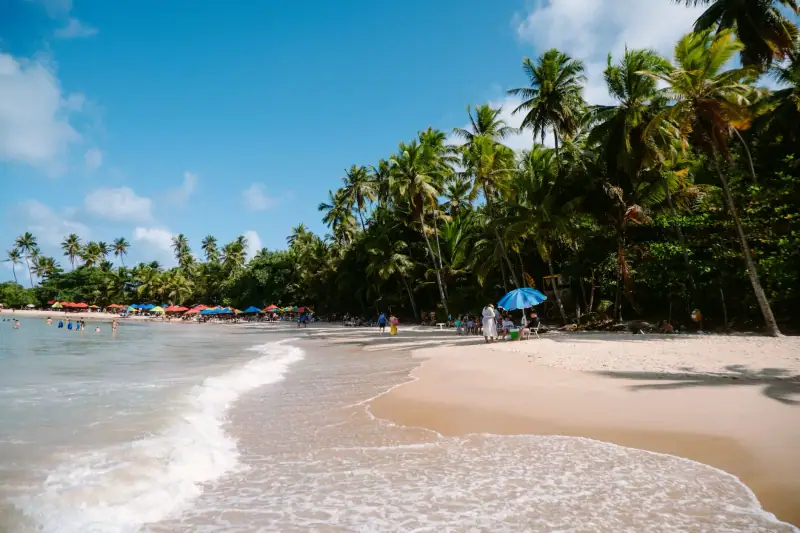
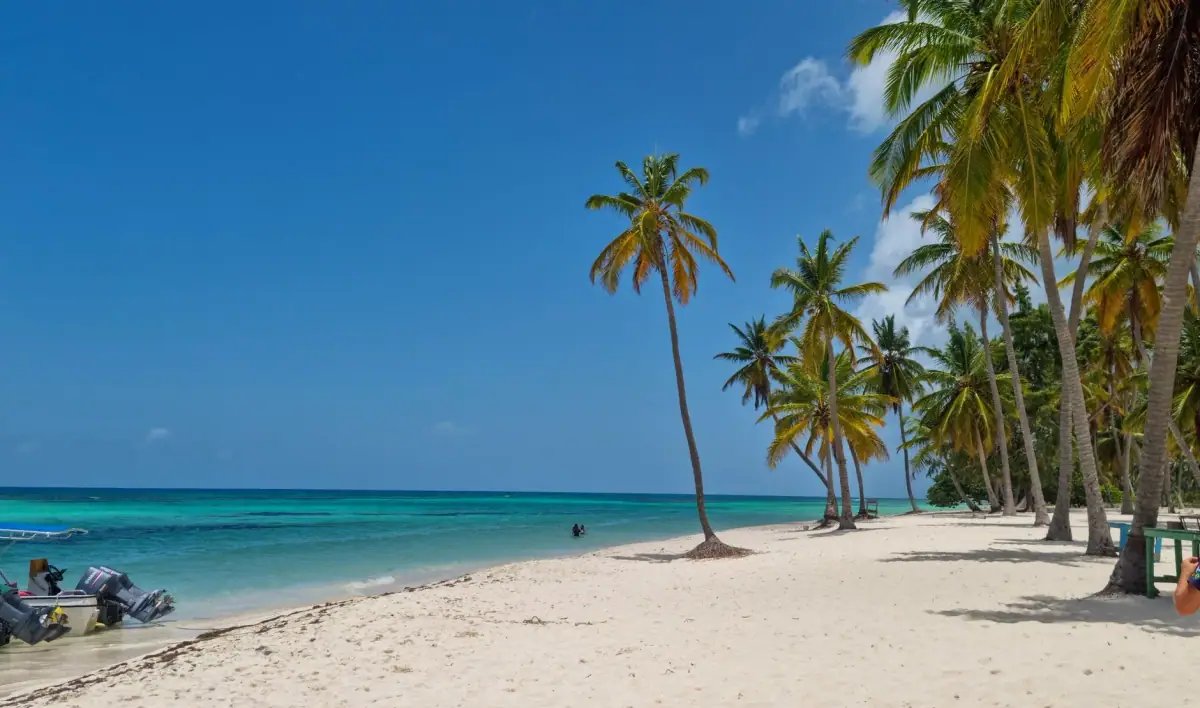
The last day takes you to the southern end of the island, where white sand, coconut palms and turquoise water give Martinique’s beaches their reputation. It is also the busiest area: arriving early is the best strategy.
Grande Anse des Salines
Grande Anse des Salines is the south’s signature beach: a long ribbon of pale sand lined with coconut palms and sea grape trees. To find space and shade, arrive early in the morning, before the crowds. The water is generally calm and shallow near the shore, which suits families, but always check sea conditions and instructions there.
The neighboring area includes Pointe Marin, a very busy beach with a boat anchorage zone, and other wilder coves to the east. Some are reached by paths where you should bring water, sunscreen and suitable shoes.
Savane des Pétrifications and the wild coastline
Beyond the beach, the hinterland of Les Salines is drier and wilder. The Savane des Pétrifications, reached by a trail from the point area, is a landscape of rock and petrified wood, very different from the rest of the island. Do not expect shade: go in the morning, with water and a hat, and stay on the marked trails to avoid damaging the vegetation. Access conditions can change; ask locally before setting out. For other walking ideas, our guide to hiking in Martinique covers more options across the island.
A flight to Martinique?
Compare flights to Martinique and book early to have more choice of dates, outside periods of high demand.
The village of Sainte-Anne and the afternoon
After your swim, head to the village of Sainte-Anne, a few kilometers away. Its church, square and waterfront make it a pleasant stop for lunch in a small restaurant, a fresh fruit juice or an ice cream. The mood is peaceful, unlike the neighboring beaches that fill up quickly in season.
A distillery to finish
If you want to add a tasty touch, a distillery in the south or center of the island helps you understand how agricultural rum is made and lets you taste it. Depending on your schedule, choose a place that fits your route back and check hours and visiting conditions on the venue’s website. To compare options and plan a full day around rum, read our article on the Martinique distillery route. If you taste, designate a driver.
Adapting the itinerary to your trip
This itinerary can be adjusted to your profile without adding miles.
- With kids: favor the calm beaches (Anse Mitan, Anse Dufour, Grande Anse des Salines), alternate swimming and shady breaks, and limit trails under the midday sun.
- As a couple: add a sunset at Le Diamant and a dinner with your feet in the sand, and book ahead in season.
- Snorkeling and diving fans: spend more time in Les Anses-d’Arlet and book an outing with a professional for the Diamond Rock area.
- Small budget: eat in small neighborhood restaurants, picnic on fruit and bread on the beach and enjoy the free beaches, of which there are plenty.
- If you have less than three days: keep Day 2 (Caribbean coast and Le Diamant) and Day 3 (Les Salines), and pass quickly through Les Trois-Îlets.
Practical tips for your stay in the south
Sun and heat. The sun is strong all year and the heat can be surprising, even in the dry season. Drink regularly, apply sunscreen every two hours and avoid exertion in the middle of the day.
Beach safety. Leave no valuables visible in the car or unattended on the beach. Respect swimming areas and do not venture into areas where currents are reported.
Respect for the environment. Do not touch the coral, do not take shells or sand, and take your trash with you. The seabed in the south is fragile and heavily visited.
Weather and seasons. Hurricane season runs roughly from June to November. Follow official weather bulletins and keep some flexibility in your plans. To choose your dates, see our guide on when to go to Martinique.
Cards and cash. Bank cards are accepted in most restaurants and hotels, but bring some cash for markets, small snack stands and some car parks.
In brief: the program at a glance
- Day 1: Fort-de-France (market, downtown), crossing to Pointe du Bout, Anse Mitan and the La Pagerie estate.
- Day 2: Les Anses-d’Arlet (Anse Dufour, Anse Noire), view of Diamond Rock, Le Diamant beach and the Cap 110 Memorial.
- Day 3: Grande Anse des Salines, Savane des Pétrifications, the village of Sainte-Anne and a rum tasting.
At an unhurried pace, three days are enough to get a taste of the spirit of southern Martinique: the blue of the Caribbean Sea, the simplicity of the fishing villages, the island’s memory and the art of taking your time. To continue your trip, you can extend this program toward the north, Mount Pelée and the Atlantic coast with our seven-day itinerary.
Frequently asked questions
Are three days enough to see southern Martinique?
Yes, as long as you stay in the south. Distances are short, but roads are winding and traffic can be heavy around Fort-de-France. Three days let you combine beaches, fishing villages, a little history and a rum tasting without rushing.
Do you need a rental car for this itinerary?
It is the simplest option. Beaches and villages in the south are spread out, and public transport is not well suited to a full program. The ferry shuttles between Fort-de-France and Pointe du Bout in Les Trois-Îlets remain a good complement for crossing the bay.
Where should you stay to explore the south?
Les Trois-Îlets, Le Diamant and Sainte-Anne are the three most practical bases. Les Trois-Îlets is closer to the capital and the airport, Le Diamant sits in the middle of the route, and Sainte-Anne puts Les Salines within easy reach. Using a single base for all three days is entirely possible.
Can you swim everywhere in the south?
Many beaches on the Caribbean side are calm, but some beaches exposed to the Atlantic or to swell have currents. Ask locally, respect the flags and information signs, and avoid swimming alone far from anyone.
What is the best season for this program?
The dry season, roughly December to April, is the most comfortable and the busiest. The program is still doable the rest of the year, but plan fallback options for showers and follow weather bulletins, especially during hurricane season.
Where do you park near the beaches of Les Anses-d'Arlet and Les Salines?
Car parks exist near the main beaches, but they fill up fast on weekends and in high season. Arrive early in the morning, leave nothing visible in the car and carry some change or a card for any paid parking.
More Martinique guides
Keep reading
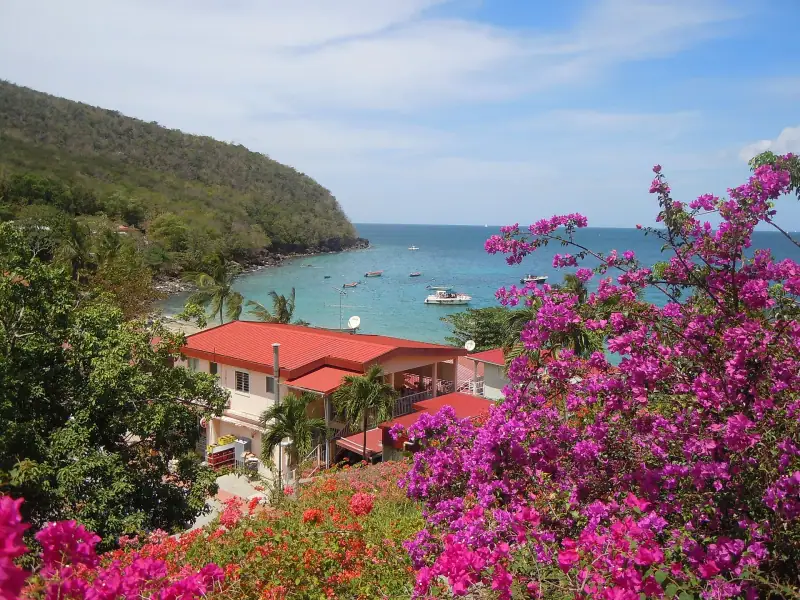
Where to stay in Les Anses-d'Arlet: Grande Anse, Anse Dufour or Petite Anse?
Where to stay in Les Anses-d'Arlet, Martinique: the village, Grande Anse, Petite Anse, Anse Dufour and Anse Noire. Which area, lodging, car or no car.
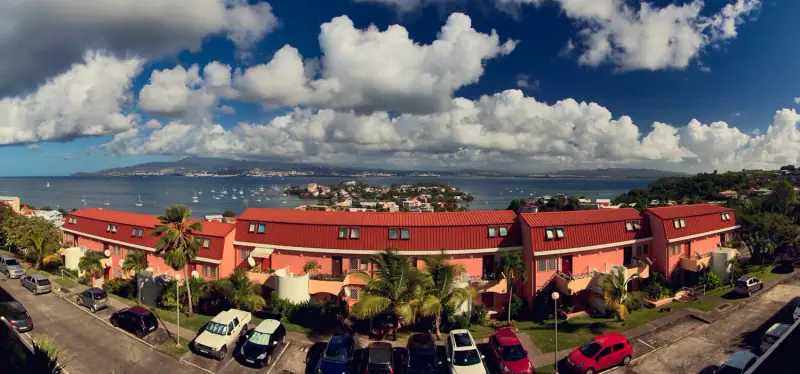
Where to stay in Les Trois-Îlets: Pointe du Bout, Anse Mitan or Anse à l'Âne?
Where to stay in Les Trois-Îlets, Martinique: Pointe du Bout, Anse Mitan, Anse à l'Âne and the village compared, with lodging types and booking tips.
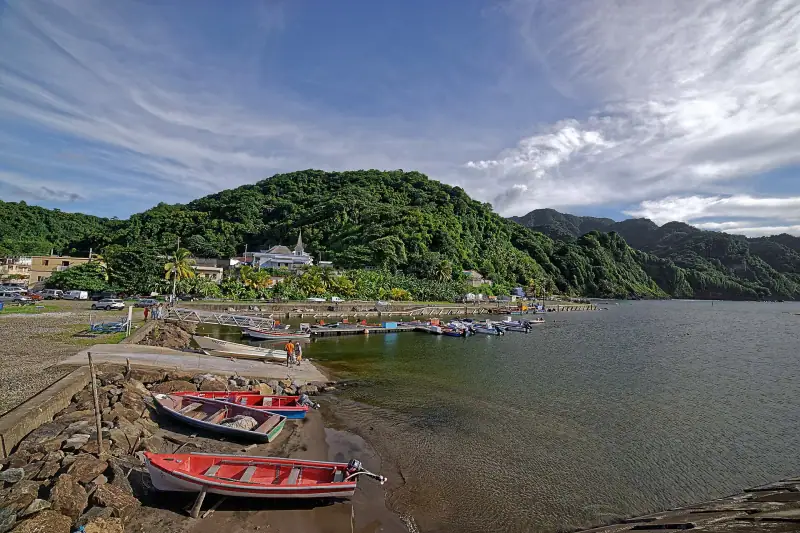
Grand'Rivière in Martinique: is it worth the detour, and what to do at the end of the road?
Grand'Rivière, a fishing village in northern Martinique: getting there from Fort-de-France, what to see, the Anse Couleuvre hike, where to eat.
Ready-made
Martinique itineraries
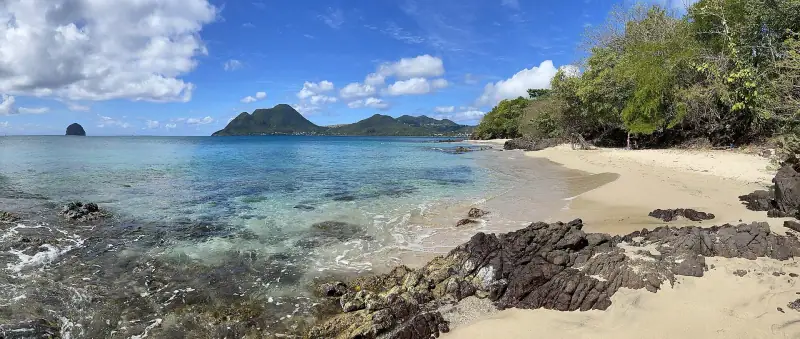
5 days
Martinique in 5 days with kids: stops, distances and a realistic pace
Martinique in 5 days with kids: day-by-day stops, distances, drive times, safe beaches and breaks to keep the pace without wearing out the family.
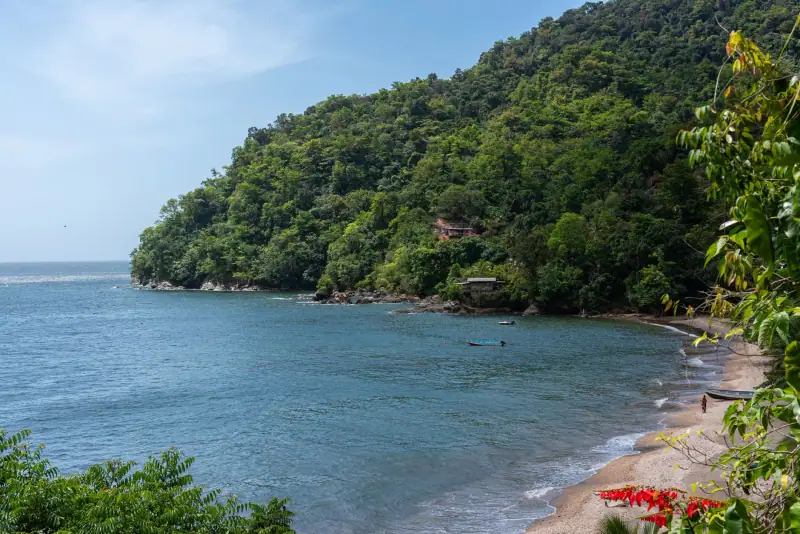
3 days
3 days in northern Martinique: a volcano, forest and wild coast itinerary
A 3-day itinerary for northern Martinique: Saint-Pierre, Mount Pelée, the Caribbean coast, the Trace and the Atlantic coast, with tips and variations.
7 days
Martinique in 7 days: a day-by-day itinerary for a first stay
Martinique in 7 days: a day-by-day itinerary through Fort-de-France, Saint-Pierre, the Caravelle and the southern beaches, with drive times and tips.