Where to stay
Where to stay in Les Trois-Îlets: Pointe du Bout, Anse Mitan or Anse à l'Âne?
We may earn a commission when you book through links on this page, at no extra cost to you. We don't visit or try the places we cover: we summarize published sources. How we work
In short
- Anse Mitan is the most versatile choice for a first stay: beach, restaurants and shops within walking distance, with real evening life.
- Pointe du Bout has the marina and the ferry shuttle to Fort-de-France, so you can visit the capital without a car.
- Anse à l'Âne is quieter and spread out; a car quickly becomes essential there.
- High season runs December to April; book several months ahead, and choose cancelable rates in hurricane season (June to November).
Les Trois-Îlets is one of the most practical bases in Martinique: directly across the bay from Fort-de-France, with beaches, restaurants, a marina and lodging for every budget. But the town is not a uniform block. Between Pointe du Bout, Anse Mitan, Anse à l’Âne and the village, the atmosphere changes noticeably. This guide details each area to help you book in the right place. To compare with the other areas of the island, start with our general guide on where to stay in Martinique.
Why choose Les Trois-Îlets as a base
The town sits on the peninsula that closes the Bay of Fort-de-France to the south. It has several advantages that explain its popularity:
- A central position: from here, both the north and south of the island are reachable in a day, if you accept some driving.
- A boat crossing to the capital: you avoid the traffic, often heavy around the urban area.
- A very wide choice of lodging: hotels, residences, bungalows, guesthouses, villas.
- Sheltered beaches: the bay is generally calmer than the Atlantic coast.
- Services nearby: supermarkets, restaurants, car rental companies, water activities.
There are drawbacks too: heavy crowds in high season, beaches with gray to dark brown sand in places (volcanic origin), and the need to drive to reach the big white beaches of the south. If beaches are your top priority, also read our selection of the most beautiful beaches in Martinique.
Pointe du Bout: marina, ferry shuttle and comfort
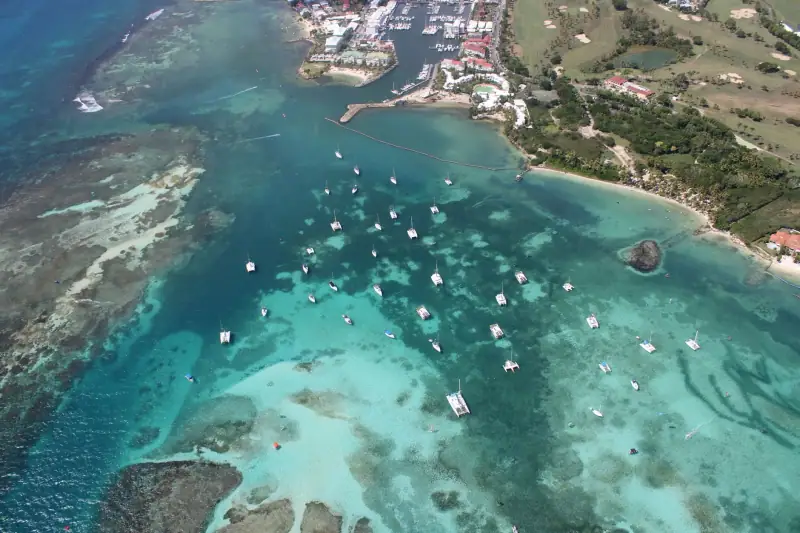
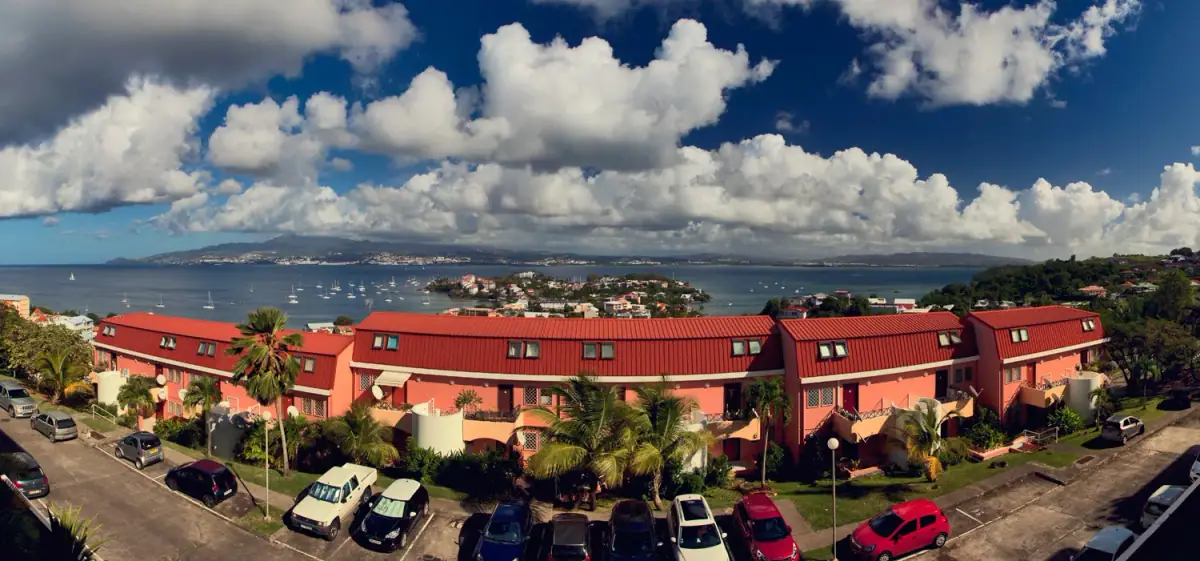
Pointe du Bout occupies the tip of the peninsula, facing Fort-de-France. It is the most “organized” area: you find a marina, waterfront restaurants, several large hotels and residences. The view of the bay and the capital at dusk is one of its assets.
Strengths:
- The ferry shuttle to Fort-de-France leaves from this area, so you can visit the capital without a car.
- Boat outings (catamaran, snorkeling, fishing) often leave from the marina.
- The setting is well kept and fairly quiet.
Weaknesses:
- The beaches right there are modest in size. For a big beach, you need to walk to Anse Mitan or take the car.
- Rates are generally higher than elsewhere in the town.
- Restaurants mainly target passing customers: compare menus before settling in.
Who it suits: couples, travelers who like hotel services, those who want to combine swimming and a visit to the capital by boat.
Anse Mitan: the liveliest area
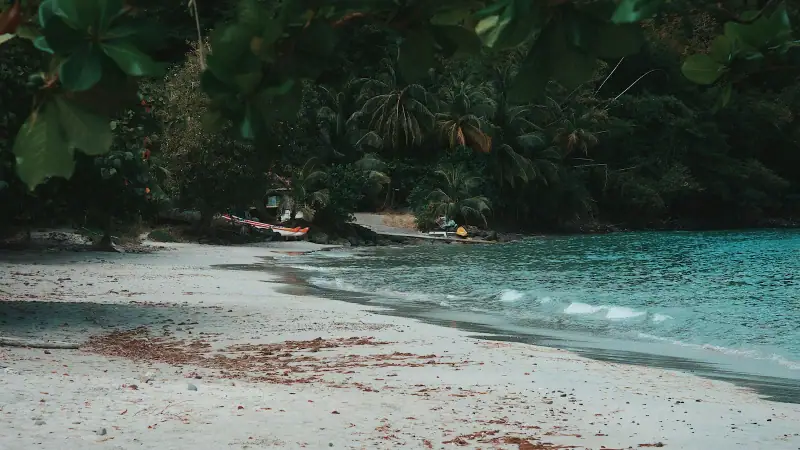
A few minutes’ walk from Pointe du Bout, Anse Mitan is the seaside center of the town. The beach is lined with trees, facing the bay, with restaurants and small shops within reach. It is probably the best compromise for a first stay: you can do everything on foot, without a car, for several days.
Strengths:
- A lively but not noisy atmosphere, with tables on the beach.
- A wide choice of residences with kitchens and small hotels.
- Walking distance to the ferry shuttle and to water-activity providers.
Weaknesses:
- Busy in high season, notably with cruise passengers and day visitors.
- Parking can be tricky: check that your lodging has a car park.
Places to stay in Les Trois-Îlets
Compare hotels, residences and villas around Anse Mitan and Pointe du Bout.
Anse à l’Âne: calm, nature and bay views
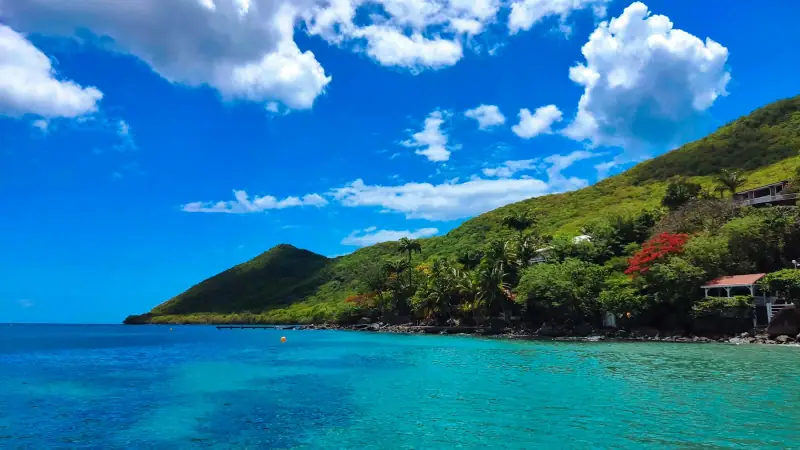
A little farther west on the peninsula, Anse à l’Âne is a markedly more peaceful area. Lodgings are more scattered, often guesthouses, bungalows or villas on the slopes, with fine views of the bay. The mood is that of a small seaside village, far from the bustle of Anse Mitan.
Strengths:
- Quiet and open views of the Bay of Fort-de-France.
- A more authentic setting, with small family-run properties.
- Suits long stays and those who want to unplug.
Weaknesses:
- Fewer shops within walking distance: a car quickly becomes essential.
- The choice is narrower, so book early.
Who it suits: travelers with a car, lovers of calm, stays of one to two weeks.
The village of Les Trois-Îlets: history and local life
The village sits slightly back from the sea. It is the administrative center of the town, with its church, local shops and village rhythm. The town is known as the birthplace of Marie-Josèphe Rose Tascher de La Pagerie, the future Empress Josephine: the La Pagerie estate, now a museum, can be visited nearby. There is also a potters’ village, a crafts atmosphere and several cultural visits.
Strengths:
- A more local, less touristy setting.
- A good starting point for historical and craft visits.
- Rates are often more affordable.
Weaknesses:
- You need to drive or take a taxi to reach the beach.
- Less evening life.
Which type of lodging to choose?
Seaside hotels
They offer services, a pool, direct beach access and sometimes water activities. This is the simplest option for a short stay or a getaway for two. Expect a budget above the island average, especially in high season.
Residences and apartments with a kitchen
Very common at Anse Mitan, they let you shop at the market or supermarket and prepare some of your meals. This is the smart way to control the budget of a family stay. Our Martinique budget guide helps you estimate what that adds up to over a week.
Bungalows and guesthouses
For travelers who want a more intimate setting and contact with hosts. The mood is more local, often with a breakfast featuring local fruit and jams.
Villas with a pool
Suited to groups and large families, notably at Anse à l’Âne. Check the distance to the beach, the equipment and the end-of-stay cleaning terms.
Getting around from Les Trois-Îlets
Your choice of area depends a lot on how you plan to get around.
- On foot: possible between Pointe du Bout and Anse Mitan, which are neighbors. The other areas call for a vehicle.
- By ferry shuttle: handy for reaching Fort-de-France and avoiding traffic. Schedules change with the season, so check them on arrival and note the time of the last return if you go out in the evening.
- By car: essential for the southern beaches, Les Anses-d’Arlet or Mount Pelée. See our guide to getting around Martinique to compare taxis, buses and rental.
- By taxi: handy for short distances; confirm the fare before getting in.
For a calmer fishing-village atmosphere, also see where to stay in Les Anses-d’Arlet.
A common strategy is to rent the car for only a few days, for example for the day in the north and the day in the south, and to use the boat for the rest.
What to do around your lodging
Les Trois-Îlets offers enough to fill several days without leaving the town:
- Beach and swimming at Anse Mitan and in the bay, with snorkeling in the calm waters.
- Boat excursions from the marina: catamaran, outings at sea, viewing the seabed.
- A visit to La Pagerie, birthplace of Josephine de Beauharnais, and to the potters’ village.
- Golf: a well-known course exists in the town, designed by Robert Trent Jones.
- A day in Fort-de-France by ferry shuttle: market, cathedral, Schoelcher Library and museums.
Boat trips and excursions
Catamaran, snorkeling, guided visits: book your activities before you go.
When to book and at what price
High season runs from December to April, with peaks during the Christmas, February and Easter vacations. Lodgings in the best locations book up several months ahead. Off season, notably during the rainy and hurricane season (June to November), rates drop and availability widens, but the weather is less certain.
A few simple habits:
- Choose cancelable bookings if you travel in hurricane season.
- Compare all charges: tourist tax, cleaning, parking.
- Read recent reviews: upkeep varies from one season to the next.
- Check the air conditioning and the mosquito net, useful all year.
- Consider suitable travel insurance for your stay.
Recommendations by profile
- First time in Martinique, a week-long stay: Anse Mitan, to have everything within walking distance.
- Couple looking for comfort: Pointe du Bout, with the marina and the ferry shuttle.
- Quiet retreat with a car: Anse à l’Âne, in a guesthouse or villa.
- Tight budget and culture: the village, with a car for the beach.
- Family with children: a residence with a kitchen at Anse Mitan, near the sheltered beach.
Whatever you choose, keep in mind that Martinique is better explored from one fixed base with a few day trips than with constant hotel changes. Les Trois-Îlets, with its balance of beach, services and access to the capital, fills that role very well.
Mistakes to avoid
- Booking without checking the distance to the beach: on the slopes of Anse à l’Âne, the sea can be a few minutes’ drive away.
- Neglecting parking: some properties at Anse Mitan have no dedicated car park.
- Renting the car for the whole stay when half of it can be done on foot and by boat.
- Forgetting to check the last ferry shuttle time if you dine in Fort-de-France.
- Underestimating heat and humidity: air conditioning is not a luxury, especially from July to October.
With these tips in mind, you can book with peace of mind and enjoy one of the island’s most pleasant bases.
Frequently asked questions
Which area of Les Trois-Îlets should you pick for a first stay?
Anse Mitan is the most versatile choice: beach, restaurants and shops within walking distance, with real evening life. Pointe du Bout suits those who want a more residential atmosphere around the marina and the ferry shuttle.
Can you get to Fort-de-France from Les Trois-Îlets without a car?
Yes, ferry shuttles link Pointe du Bout and Anse Mitan to Fort-de-France. Crossing the bay is far more pleasant and often more reliable than the road at rush hour. Check the day's schedule there, as it varies with the season.
Are the beaches of Les Trois-Îlets suitable for children?
The beaches of the bay are generally sheltered, with calm water, which suits families. Still, pay attention to the flags and local instructions, especially after heavy rain.
Do you need to rent a car if you stay in Les Trois-Îlets?
Not essential if you stay in the town and visit the capital by ferry shuttle, but very useful to reach the southern beaches, Les Anses-d'Arlet or the north of the island. Many travelers rent one for only part of the stay.
When should you book lodging in Les Trois-Îlets?
For high season, December to April, and school vacations, book several months ahead. Off season, availability is wider and rates are generally lower.
What types of lodging are there in Les Trois-Îlets?
There are seaside hotels, tourist residences with kitchenettes, bungalows, guesthouses, villas with a pool and a few bed-and-breakfasts. Options with a kitchen are very common and handy for families.
Is Les Trois-Îlets quiet in the evening?
Generally yes: the mood is relaxed, with restaurants and a few bars around Anse Mitan and the marina, but no noisy nightlife. For more going out, Fort-de-France is reachable by car or according to ferry schedules.
More Martinique guides
Keep reading
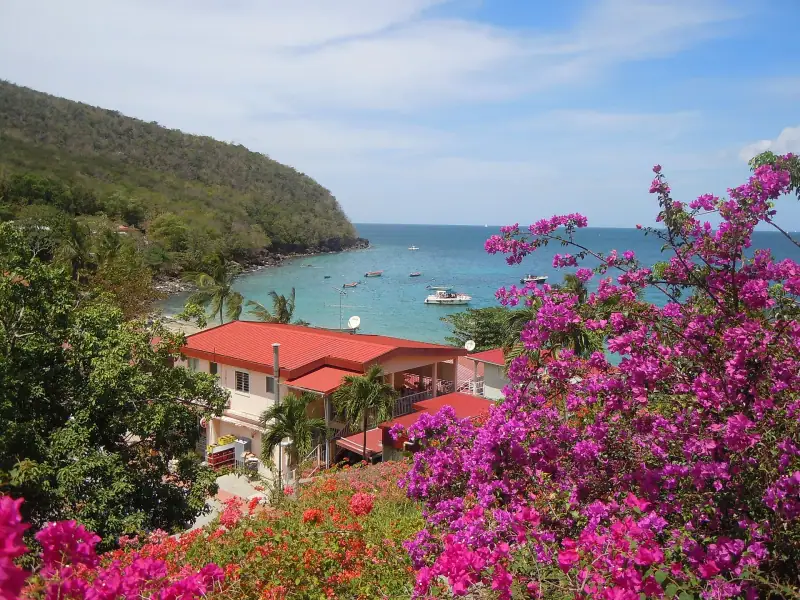
Where to stay in Les Anses-d'Arlet: Grande Anse, Anse Dufour or Petite Anse?
Where to stay in Les Anses-d'Arlet, Martinique: the village, Grande Anse, Petite Anse, Anse Dufour and Anse Noire. Which area, lodging, car or no car.
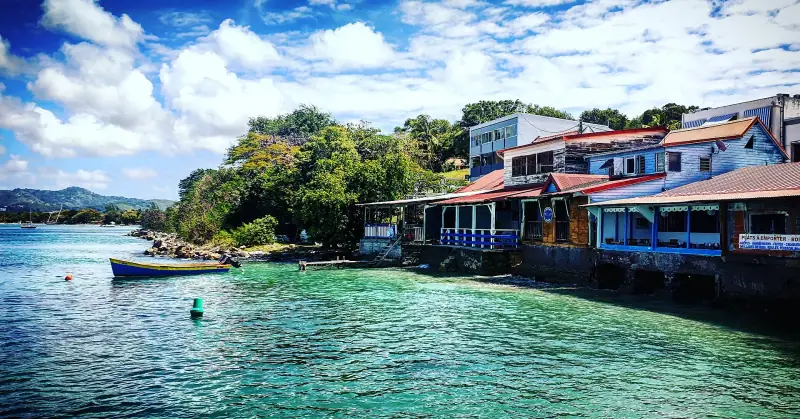
Where to stay in Sainte-Anne and Les Salines: which area to choose in southern Martinique
Where to stay in Sainte-Anne, near Les Salines, in Le Marin or at Pointe Faula: southern Martinique areas compared, lodging types and booking tips.
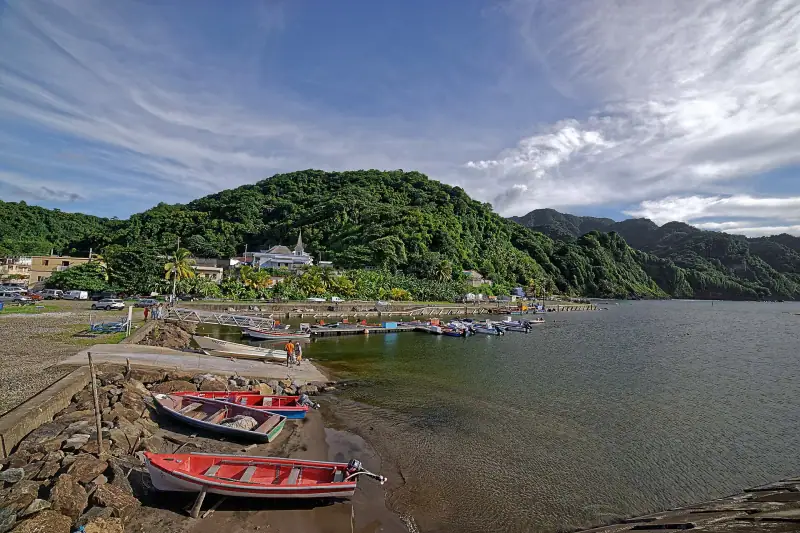
Grand'Rivière in Martinique: is it worth the detour, and what to do at the end of the road?
Grand'Rivière, a fishing village in northern Martinique: getting there from Fort-de-France, what to see, the Anse Couleuvre hike, where to eat.
Ready-made
Martinique itineraries
5 days
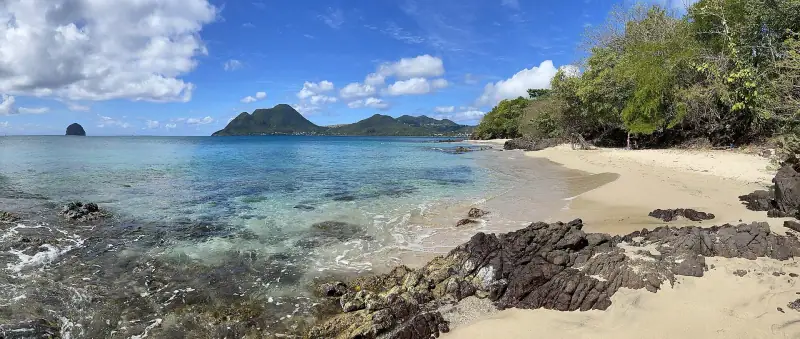
Martinique in 5 days with kids: stops, distances and a realistic pace
Martinique in 5 days with kids: day-by-day stops, distances, drive times, safe beaches and breaks to keep the pace without wearing out the family.
3 days
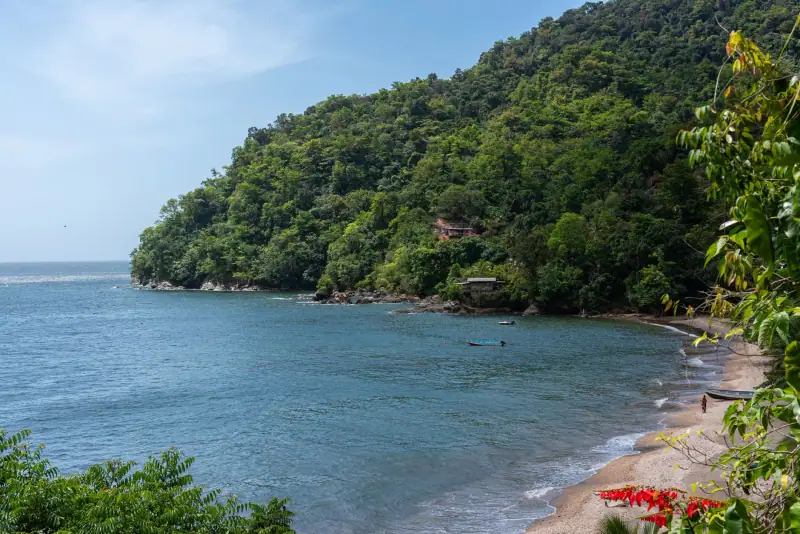
3 days in northern Martinique: a volcano, forest and wild coast itinerary
A 3-day itinerary for northern Martinique: Saint-Pierre, Mount Pelée, the Caribbean coast, the Trace and the Atlantic coast, with tips and variations.
7 days
Martinique in 7 days: a day-by-day itinerary for a first stay
Martinique in 7 days: a day-by-day itinerary through Fort-de-France, Saint-Pierre, the Caravelle and the southern beaches, with drive times and tips.