Things to do
Hiking in Martinique: Mount Pelée, gorges and coastal trails
We may earn a commission when you book through links on this page, at no extra cost to you. We don't visit or try the places we cover: we summarize published sources. How we work
In short
- Mount Pelée (about 1,400 m / 4,600 ft) is the classic climb: allow half a day, start early, and turn back if the summit is in cloud or rain sets in.
- The Gorges de la Falaise mean walking in water on slippery stones; never go in if the weather is threatening, and consider a guide.
- The dry season, roughly February to April, is generally the best for walking; forest trails get muddy in the rainy season.
- A rental car makes hikes much easier: trailheads are often remote and far apart.
Martinique is not just beaches. Behind the white sand of Les Salines and the calm waters of the Caribbean Sea, the north of the island is a land of volcano, rainforest and deep ravines, best discovered on foot. The hikes are varied: climbing an active volcano, walking in a green canyon, strolls through tropical forest or coastal trails facing the sea. Here are the routes to know, tips for choosing according to your level, and the safety rules to follow on an island where the weather changes fast.
Mount Pelée: climbing the volcano
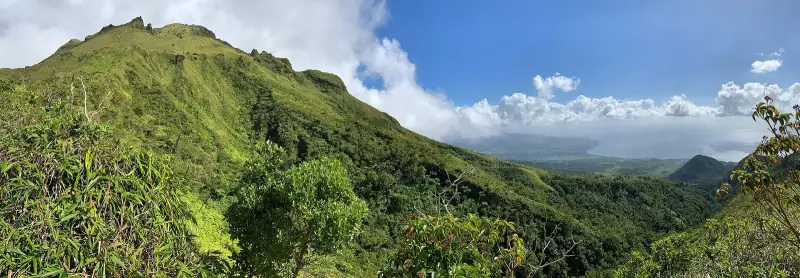
Mount Pelée is the great classic of Martinican hikes. This volcano, which peaks at about 1,400 m (4,600 ft), dominates the whole north of the island. It is famous worldwide for its eruption of May 8, 1902, which destroyed the town of Saint-Pierre. Today it is an active volcano monitored continuously by an observatory, which does not prevent climbing it safely when conditions are good.
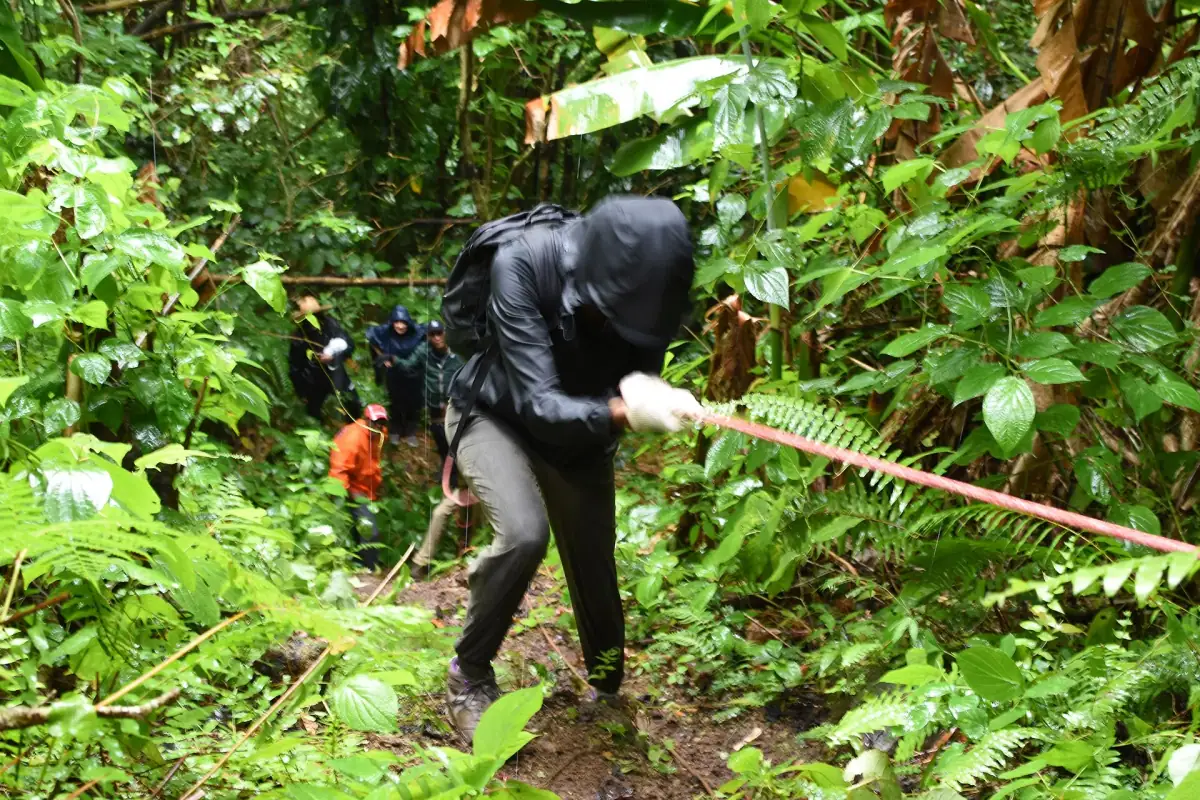
The most popular trail starts from the Aileron area, above Morne-Rouge, and climbs toward the summit through high-altitude vegetation: ferns, mosses, shrubs twisted by the wind. The path is sometimes steep, rocky and slippery. Bring good walking shoes, a waterproof jacket, a warm layer for the summit and enough water. Generally allow half a day for the whole climb, including breaks.
The summit is very often in cloud, especially after mid-morning. So set off early, when the sky is clearest, and know when to turn back if visibility is poor or rain sets in. In fine weather, the view over the coast, the sea and the northern relief is spectacular. If you want to understand the volcano’s history before or after your climb, visit the remains of Saint-Pierre, which we detail in our 7-day Martinique itinerary.
Stay in the north of the island
To set off early toward Mount Pelée, compare lodging around Saint-Pierre and Le Prêcheur.
The Gorges de la Falaise: walking in a green canyon
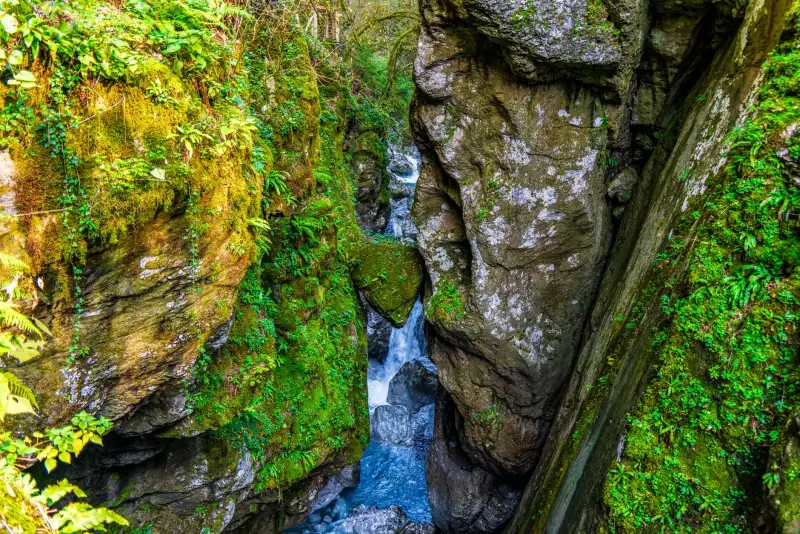
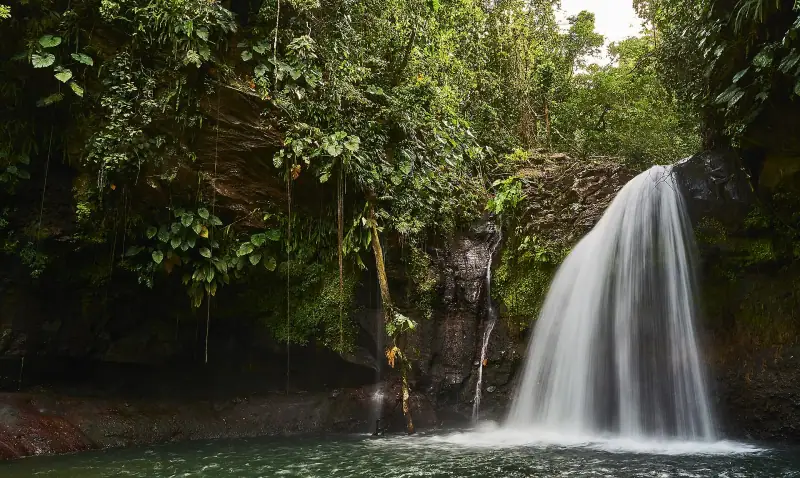
Near Ajoupa-Bouillon, in the northeast of the island, the Gorges de la Falaise offer an experience very different from Pelée. It is a narrow canyon carved by a river, where you move between walls covered in vegetation, sometimes in knee-deep water, sometimes crossing trickier passages. The atmosphere is cool, damp and green, with a small waterfall as the high point.
This outing is often considered more accessible than climbing the volcano, but it calls for caution. The stones are slippery, the water level can rise very fast after heavy rain upstream, and you should never enter the gorges if the weather is threatening. Always find out about local conditions before you go. If you hesitate, using a guide or an organized outing is a good solution: they know the terrain and can read the signs of the weather.
Bring shoes that cope with water and grip well, a change of clothes and a waterproof bag for your phone and documents. Since the canyon is shaded, the water feels cool: you do not feel the heat of the coast, but humidity stays high.
The rainforest and the “traces” of the center and north
The island is crossed by forest paths known here as “traces”. These paths, often old, link villages, plantations or ravine areas, and cross dense forest dominated by tree ferns, bamboo, gommier trees and tall trees covered in vines. The Trace des Jésuites, which links the Fort-de-France area to the north of the island through the heights, is one of the best known, largely along a road today, with possible stops for short walks.
These forest walks are ideal if you want a quieter hike without extreme effort. They let you watch birds, discover tropical plants and enjoy the cool of the heights. Still bring rain gear: blue sky by the sea does not guarantee dry weather in the hills, where clouds easily cling. For a long coastal walk in the north, see our guide to Grand’Rivière and the trail to Anse Couleuvre.
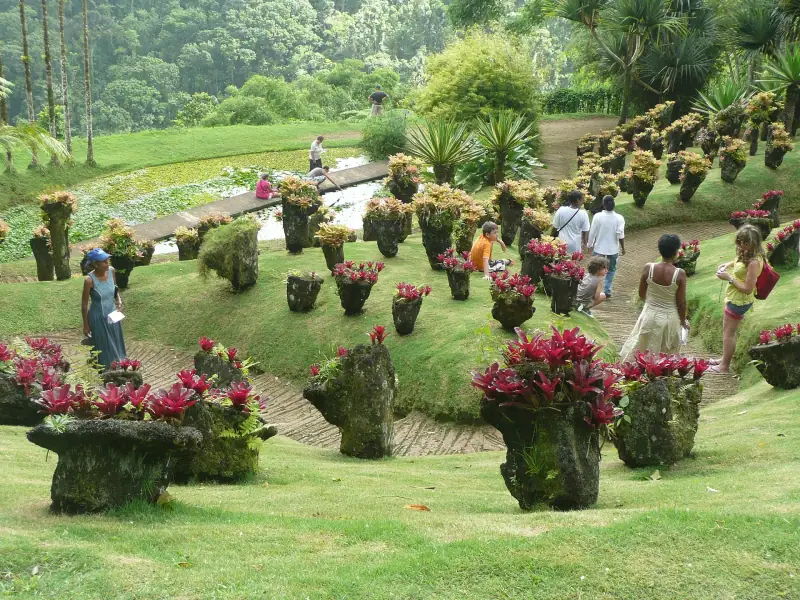
The region’s botanical gardens, such as the Balata gardens above Fort-de-France, are a gentle alternative for families or travelers who do not want to walk long, with landscaped paths and a fine view of tropical vegetation.
The Caravelle Peninsula: sea, mangrove and cliffs
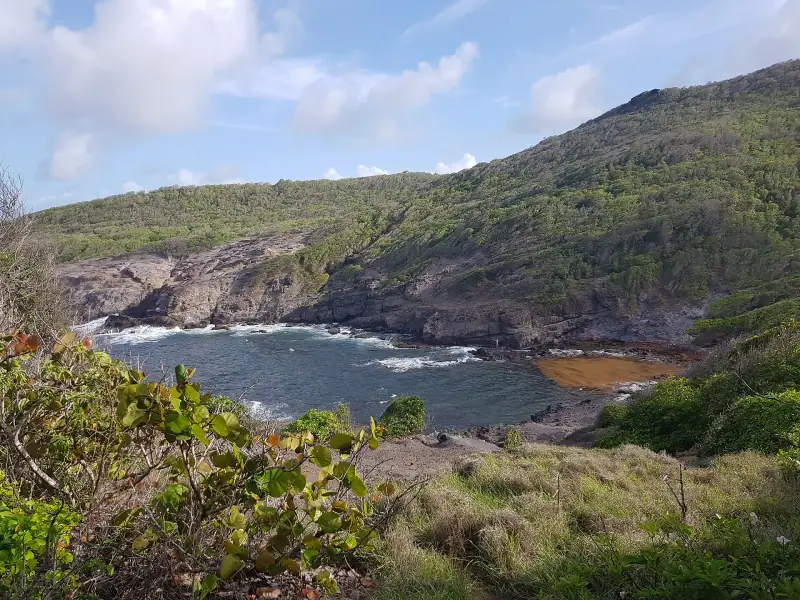
On the Atlantic coast, the Caravelle Peninsula juts into the ocean north of Tartane. This nature reserve offers trails very different from the mountain: a drier, wind-swept landscape with cliffs, wild coves and mangrove areas. You walk facing the Atlantic, among lower vegetation, with sea views that change at every turn.
It is an interesting outing for a very varied audience, because you can choose the length of the walk and turn back when you wish. Bring water, a hat and sunscreen: sun exposure is strong and shade rare on some stretches. The remains of an old plantation house, beside the access road, add a historical dimension to the walk.
Swimming is often not recommended on the Atlantic coast, more exposed to currents and waves than the Caribbean coast: respect signs and flags. To swim in better conditions, head afterward to the beaches of the south or the west coast, detailed in our guide to the best beaches in Martinique.
Hikes and guided outings
To walk with a local guide, compare the nature outings and excursions offered in Martinique.
Coastal trails in the south
In the south of the island, walking takes on a completely different face. Between Sainte-Anne and the Les Salines area, trails follow the coast, cross dry forests and lead to almost deserted coves. The landscape is more open, the vegetation lower, the sun much more present than in the north. These walks are ideal for combining hiking and swimming, setting off early in the morning to avoid the hottest hours.
Farther west, around Les Anses-d’Arlet, small trails link the fishing villages and beaches, with viewpoints over the bay. These short routes suit families and those who want to walk without athletic goals, simply enjoying the scenery. Bring water, as supply points are rare on the isolated stretches.
In this area, heat and humidity tire you faster than you think. A hat, good sun protection and a break in the shade about every hour help avoid overheating.
When to hike and how to get organized
The choice of season greatly affects the experience. The dry season is generally the best time for walking: trails are less muddy, rivers calmer and summits more often clear. During the wetter season, showers are frequent and can turn some passages into slippery traps. Our guide to choosing when to travel to Martinique details the seasons and their advantages.
In all cases, a few simple rules apply:
- set off early, because the weather often clouds over in the afternoon on the hills;
- check the local weather and turn back in case of storm or alert;
- tell someone your route and your return time;
- carry more water than planned, a waterproof layer and a light;
- stay on marked trails, without touching wildlife or plants;
- do not swim in rivers after heavy rain.
Trailheads are often remote. A rental car makes planning much easier, especially for Pelée, the gorges and Caravelle, which are far from one another.
What to carry in your bag and on you
Good preparation makes all the difference. Walking shoes with grippy soles are essential on wet trails. Add a light rain layer, a warm layer for the top of Pelée, a hat, sunglasses and sunscreen. Mosquito repellent is useful, especially in forest and mangrove areas. Do not forget energy snacks: dried fruit, cereal bars or fresh fruit bought at a market.
Also protect your phone and documents in a waterproof pouch, especially for the gorges. If you walk alone, download offline maps in advance, as the network is patchy in hilly areas.
Flights to Martinique
Compare flights for your dates and set off to discover the island's volcano and forests.
Combining hiking, beach and food
Martinique’s great advantage is that you can string together effort and relaxation in the same day. A morning walk in the forest ends naturally with a Creole lunch in a small village restaurant, then a swim on the Caribbean coast. To know what to taste after the effort, see our guide to Martinican cuisine, where accras, colombo and agricultural rum take pride of place.
A good rhythm is to keep the most demanding hike for the start of the stay, when you are fresh, then alternate short walks and beach days. If you have a week, our 7-day itinerary already includes a day devoted to Mount Pelée or the Gorges de la Falaise.
Bottom line
Hiking in Martinique means discovering an island wilder, greener and more mountainous than postcards suggest. Between the climb of Pelée, the coolness of the gorges, forest trails, Caravelle and coastal paths, everyone finds a walk to suit them. Prepare seriously, respect the weather and local instructions, and you will bring back from these trails some of the best memories of your stay.
Frequently asked questions
Can you climb Mount Pelée without a guide?
Yes, the trails are marked and many hikers go up without a guide in fine weather. The summit is often in cloud and sections can be slippery: a local guide is a real plus if you are not used to tropical mountains or if the weather is uncertain.
What is the best time to hike in Martinique?
The dry season, roughly February to April, is generally drier and more pleasant for walking. During the rainy season, forest trails are muddy and rivers can rise very quickly, notably in the gorges.
What level do you need to climb Mount Pelée?
You need to be used to walking several hours with elevation gain, on trails that can be steep, rocky and wet. It is not a family stroll: allow half a day and turn back if the summit is in fog or the weather worsens.
Are the Gorges de la Falaise suitable for children?
They are often presented as more accessible than Pelée, but the walk is done in water, on slippery stones. Find out about flood conditions before you go and follow local instructions or a guide's advice.
Do you need to rent a car to hike?
It is strongly recommended: trailheads are often far from towns and public transport does not always serve them. A car also lets you combine a morning hike with an afternoon swim.
What should you pack for a hike in Martinique?
Plenty of water, good shoes with grippy soles, a light waterproof layer, a warm layer for the summits, sunscreen and insect repellent. Also bring a light if you set off late in the afternoon: night falls quickly in the tropics.
More Martinique guides
Keep reading
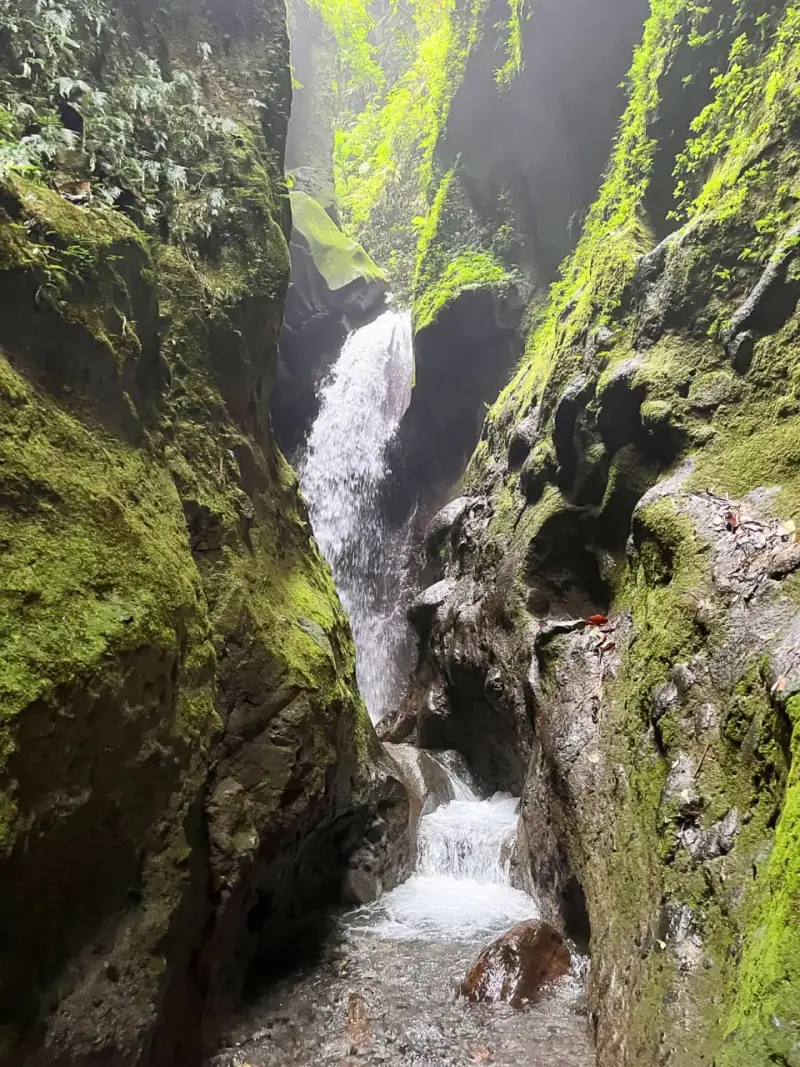
Gorges de la Falaise in Martinique: price, required guide, rain and difficulty
Gorges de la Falaise at Ajoupa-Bouillon: guided tour price, booking, duration, difficulty, children's age and what to do when rain closes the site.
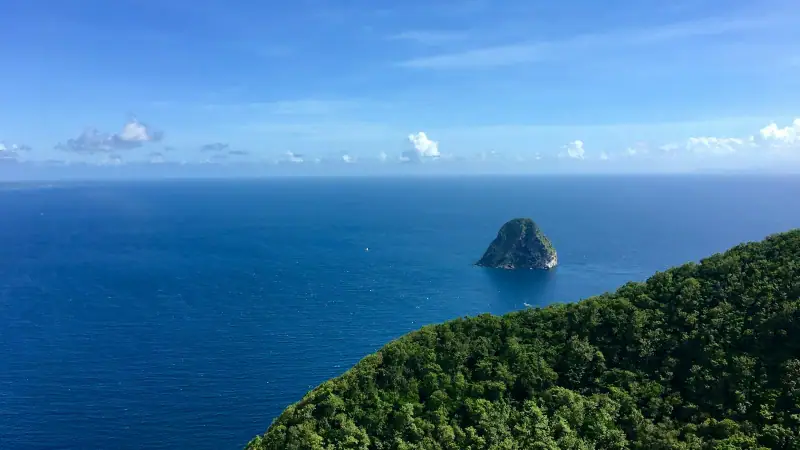
Snorkeling and diving in Martinique: turtles, wrecks and Diamond Rock
Where to swim with turtles at Les Anses-d'Arlet, dive the Saint-Pierre wrecks or Diamond Rock: spots, levels, season and tips for Martinique.
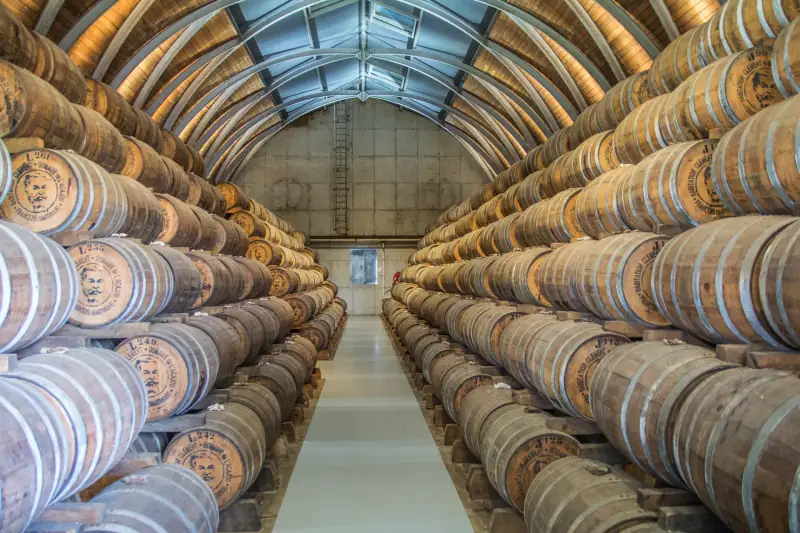
Martinique's rum distillery route: the agricultural rums to visit
Habitation Clément, Saint James, J.M, Depaz, La Mauny: a guide to Martinique's distillery route, with an itinerary, tasting tips and the rhum agricole AOC.
Ready-made
Martinique itineraries
5 days
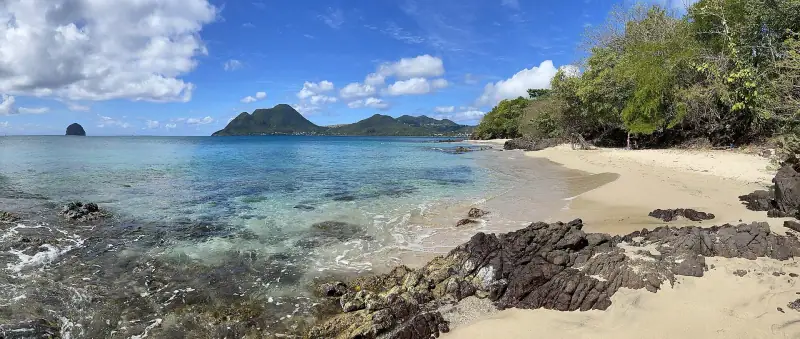
Martinique in 5 days with kids: stops, distances and a realistic pace
Martinique in 5 days with kids: day-by-day stops, distances, drive times, safe beaches and breaks to keep the pace without wearing out the family.
3 days
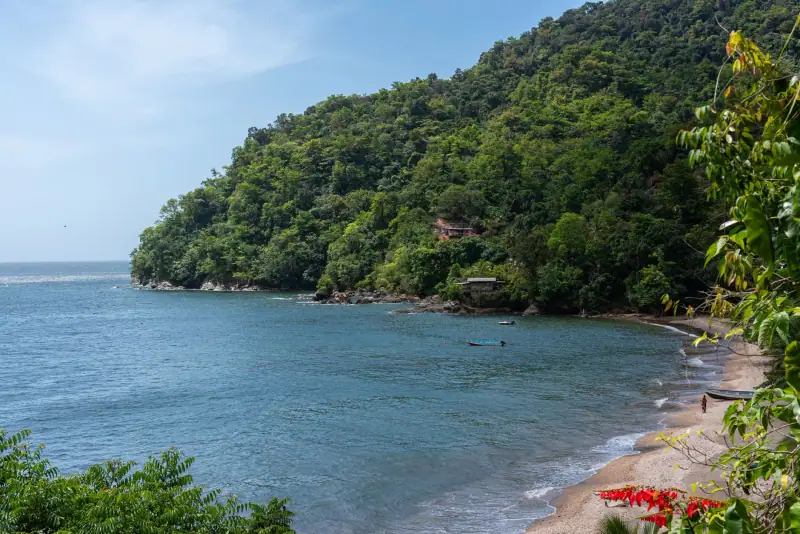
3 days in northern Martinique: a volcano, forest and wild coast itinerary
A 3-day itinerary for northern Martinique: Saint-Pierre, Mount Pelée, the Caribbean coast, the Trace and the Atlantic coast, with tips and variations.
7 days
Martinique in 7 days: a day-by-day itinerary for a first stay
Martinique in 7 days: a day-by-day itinerary through Fort-de-France, Saint-Pierre, the Caravelle and the southern beaches, with drive times and tips.