Things to do
Martinique's rum distillery route: the agricultural rums to visit
We may earn a commission when you book through links on this page, at no extra cost to you. We don't visit or try the places we cover: we summarize published sources. How we work
In short
- Martinique's rhum agricole is distilled from fresh cane juice, not molasses, and has held an AOC since 1996.
- Plan two distilleries in a day, three at most; Habitation Clément (Le François), Saint James (Sainte-Marie), J.M (Macouba) and Depaz (Saint-Pierre) are the main stops.
- Hours, tours and tasting terms vary by distillery and season: check the official site or call before you go.
- A car is almost essential, and the driver should not taste: roads are narrow and winding.
In Martinique, rum is much more than a drink: it is a story, a landscape and an art of living. Sugarcane fields, brick chimneys, old colonial plantation houses and cellars scented with vanilla and wood form a thread running across the whole island. Visiting a distillery means understanding where the famous ti-punch comes from, meeting passionate cellar masters and tasting rums that are hard to find elsewhere. Here is how to build your own distillery route, which stops to choose and how to avoid the classic pitfalls.
Martinique’s rhum agricole: a one-of-a-kind AOC
To appreciate a visit, you first need to understand what you are tasting. In most of the world, rum comes from molasses, a by-product of sugar. In Martinique, the great majority of distilleries produce rhum agricole, made from fresh cane juice pressed right after the harvest. The result is a more vegetal, more aromatic rum, with notes of cane, fresh grass and fruit.
Martinique’s rhum agricole has held an AOC (appellation d’origine contrôlée, a protected designation of origin) since 1996, the first granted to a rum. It governs, among other things, the authorized cane varieties, distillation conditions and aging time. Here are the labels you will meet most often:
- White rum: unaged or barely aged, it is the base of ti-punch. It shows the taste of cane most directly.
- Amber rum (or barrel-aged): it has spent some time in a barrel, which gives it a golden color and woody notes.
- Aged rum (rhum vieux): aged in oak barrels for at least three years. The labels VO, VSOP and XO correspond to increasingly long minimum aging times (three, four and six years respectively).
To explore the food side of this heritage, including ti-punch, infused rums and accompaniments, see our guide on what to eat in Martinique.
Habitation Clément in Le François: art and rum
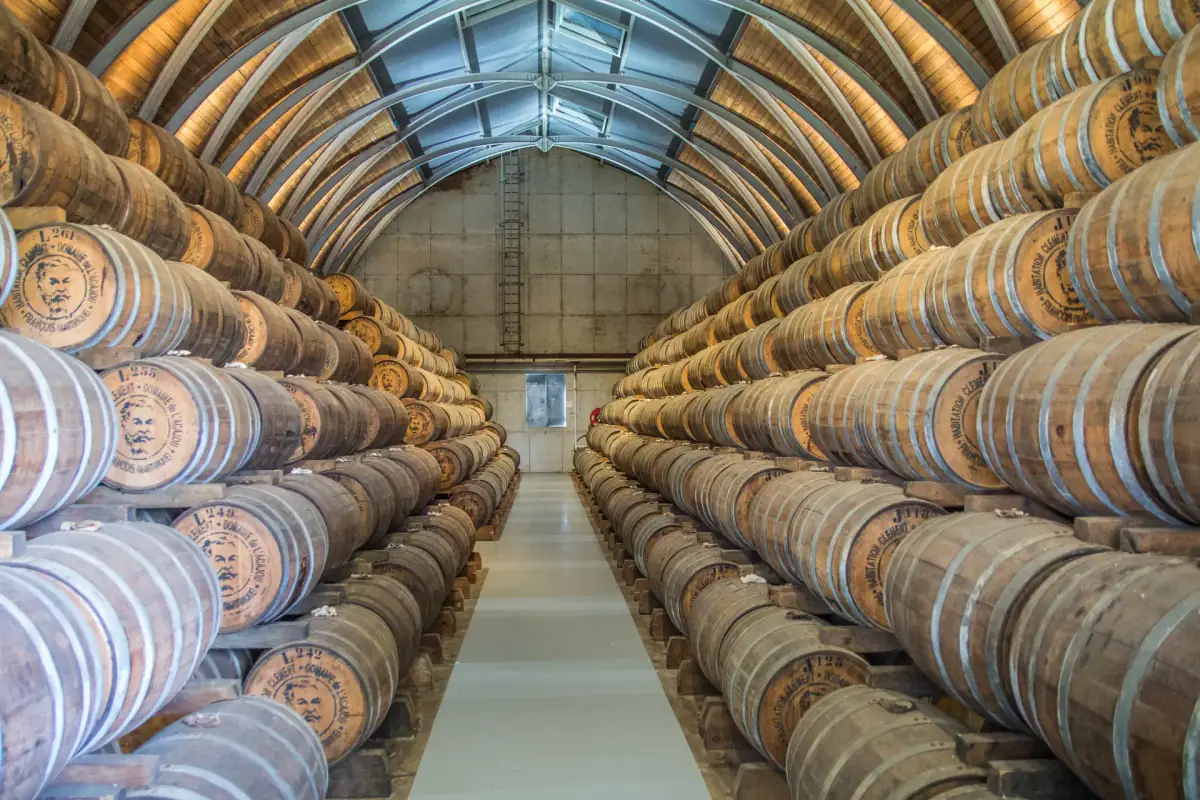
Habitation Clément, in Le François, on the Atlantic coast, is probably the island’s most emblematic distillery for travelers. The estate combines a restored Creole plantation house, vast gardens planted with trees and palms, a distillery and a contemporary art trail set in the park and the former cellars. It is a very complete visit that also appeals to those who do not drink.
The site is also known for having hosted, in 1991, a meeting between the French and American presidents of the time. You discover the full cycle: from cane to distillation, from barrel aging to tasting. The place lends itself to a visit of about two hours if you like strolling in the gardens.
Hours, tour options and fares vary by season: check them before you go. To fit this stop into a full stay, see our 7-day Martinique itinerary.
Stay near the distilleries
To enjoy tastings without driving in the evening, compare lodging in the region of your choice.
Saint James in Sainte-Marie: the rum museum
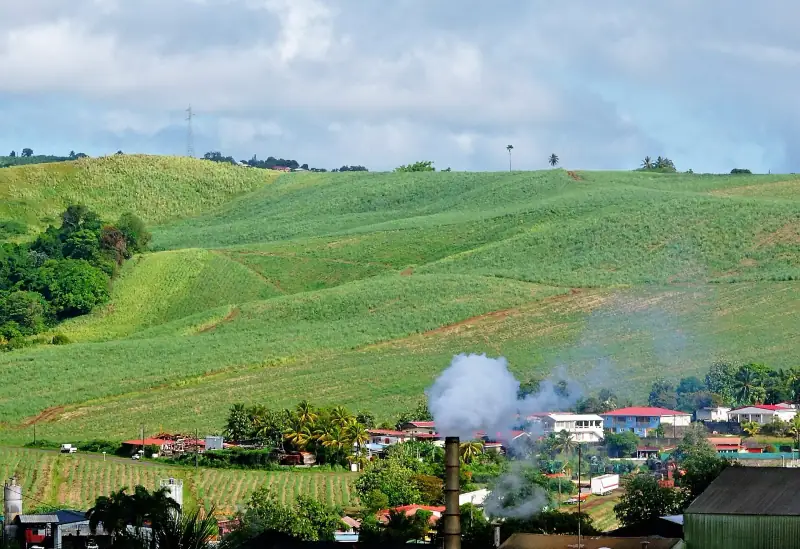
On the northern Atlantic coast, the town of Sainte-Marie is home to the Saint James distillery, one of the island’s oldest brands. The estate has a rum museum in a former plantation house, tracing the history of rhum agricole from growing cane to bottling, with old machines, stills, labels and period objects.
The visit is a good starting point to understand how techniques evolved, from ox-driven mills to modern distillation columns. It ends with a tasting of several bottlings, to compare a white, an amber and an aged rum. It is an ideal midday stop as you travel the Atlantic coast between Le François and the north of the island.
J.M in Macouba: a rum at the foot of Mount Pelée
Farther north, the J.M distillery, in Macouba, has a magnificent setting: the slopes of Mount Pelée plunge into the Atlantic Ocean, and the banana plantation sits beside the cane. The distillery is part of a former plantation, with its plantation house, gardens and cellars, and can be visited with a tasting.
The terroir, fertile volcanic soil and a humid climate, gives a rum with a strong personality. This corner of northern Martinique has some of the island’s greenest landscapes: take the time to stop along the road to admire the view over the coast. Here the road is winding and demands patience: do not try to see everything in the same half day.
Excursions and visits in Martinique
Distillery visits, guided hikes, boat trips: book your activities in advance, especially in high season.
Depaz in Saint-Pierre: a château facing the Caribbean Sea
On the Caribbean side, the Depaz distillery stands above Saint-Pierre, facing the sea at the foot of Mount Pelée. The plantation also carries the story of the 1902 disaster: the town was destroyed by the eruption, and the Depaz family rebuilt the estate after the tragedy. Today the plantation house and its gardens offer a superb panorama, and the visit includes the distillery and a tasting.
Depaz combines very naturally with a day devoted to the volcano’s history: town ruins, volcanology museum, then a tasting in late afternoon. See our complete guide to visiting Saint-Pierre to prepare this day.
Neisson, La Mauny, Trois-Rivières: other names to know
Other names come up often when talking about Martinican rum, and each has its character:
- Neisson, in Le Carbet, on the Caribbean coast: a more modest house, well regarded by enthusiasts for its characterful rums. Visits are more intimate, so check in advance.
- La Mauny, in Rivière-Pilote, in the south: a distillery that shows the island’s other face, drier and sunnier.
- Trois-Rivières, in Sainte-Luce, also in the south: a brand known for its lowland terroir.
- HSE (Habitation Saint-Étienne), in Gros-Morne, in the north-center of the island: another possible stop for those staying in that area.
Visiting options, hours and tasting arrangements change from one house to another, and from one year to the next. A call or a look at the official website before you go avoids many disappointments. To round things out, the Maison de la Canne, in Les Trois-Îlets, offers a more museum-style approach to cane growing and the history of sugar.
A one-day itinerary on the distillery route
Only have one day? Here is a coherent route that limits mileage. The island is about 70 km (43 mi) long, but winding roads and traffic around Fort-de-France lengthen travel times.
- Morning, Atlantic coast: set off early from Fort-de-France or Le Lamentin and head to Le François to visit Habitation Clément and its gardens.
- Lunch: choose a simple Creole table along the way, with grilled fish or a colombo.
- Afternoon, toward the north: continue to Sainte-Marie and its Saint James distillery and museum, then, if time allows, to Macouba for J.M.
- End of the day: drive back carefully, with a driver who has not tasted.
For a more relaxed version, devote one day to the Atlantic coast and a second to the Caribbean north with Depaz and Saint-Pierre. Depending on the period, the area around Mount Pelée is sometimes wrapped in cloud: distilleries remain an excellent fallback if a hike is compromised (see our guide to hiking in Martinique).
Flights to Martinique
Compare flights for your dates and set off to discover agricultural rum and its landscapes.
Practical tips for visiting the distilleries
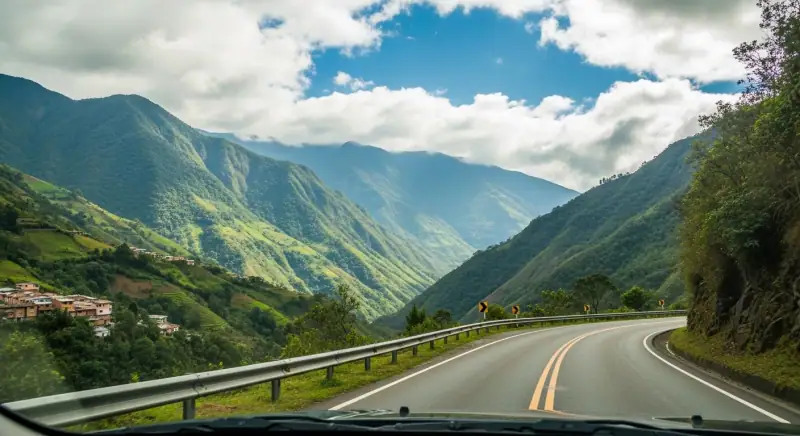
A car is almost essential. Distilleries are scattered through rural areas poorly served by public transport. Our guide to getting around Martinique details rental and driving options. Book your car in advance for high season.
Do not drink and drive. Tastings are often generous, and roads are narrow. Designate a driver or opt for an organized excursion. Spit or taste very small amounts if you are driving: the simplest approach is to avoid alcohol.
Check the hours. Closing days, hours and formats (self-guided, guided, with or without tasting) vary by season and site. Some sites close for part of the year or on Sundays: find out before you go.
Choose the right period. The cane harvest, generally from the start of the year to early summer, lets you see the distillery in action. For climate and events, see our guide to when to go to Martinique.
Bring bottles home wisely. Distilleries sell their products on the premises, often with editions you cannot find elsewhere. Pack your bottles well for the flight and check with your airline about the rules in force for liquids in checked baggage.
Bottom line: a route worth doing at least once
The distillery route is one of the best ways to discover Martinique beyond the beaches. It takes you through varied landscapes, from the Atlantic coast to the slopes of Mount Pelée, and puts you in touch with a living culture. Choose two stops, take the time to taste, talk with the guides, and you will leave with much more than a few bottles: a real understanding of what makes the soul of the island.
Frequently asked questions
What sets Martinique's agricultural rum apart from other rums?
Rhum agricole is distilled from fresh cane juice rather than molasses like most industrial rums. Martinique's rhum agricole has held an AOC since 1996, which governs cane varieties, distillation and aging.
How many distilleries can you visit in a day?
Two, or three if you move fast. Roads are winding, visits and tastings take time, and it is better to keep a margin. With two distilleries, you genuinely enjoy each place.
Do you need to book to visit a distillery?
It depends on the site. Some visits are free, others are in groups or by appointment. Hours and opening days vary by season: check the official website or call before you go.
Can you drive after a tasting?
No. Rum tastings are generous and the island's roads are narrow and winding. Designate a driver who does not taste, or plan an organized excursion with transport.
What is the best time to visit the distilleries?
All year, because distilleries can be visited in every season. The cane harvest, generally from the start of the year to early summer, makes a visit particularly lively, with fields at work and a distillery running.
More Martinique guides
Keep reading
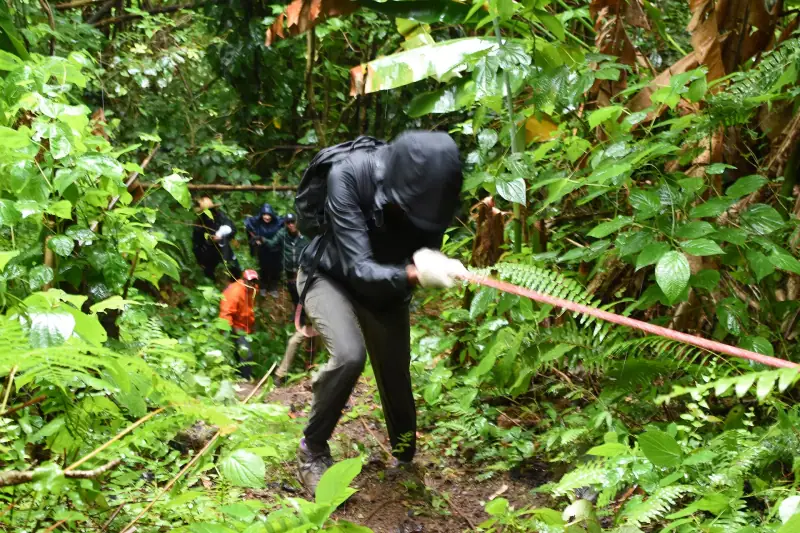
Hiking in Martinique: Mount Pelée, gorges and coastal trails
The best hikes in Martinique: climbing Mount Pelée, the Gorges de la Falaise, rainforest, the Caravelle Peninsula and southern trails. Tips and safety.
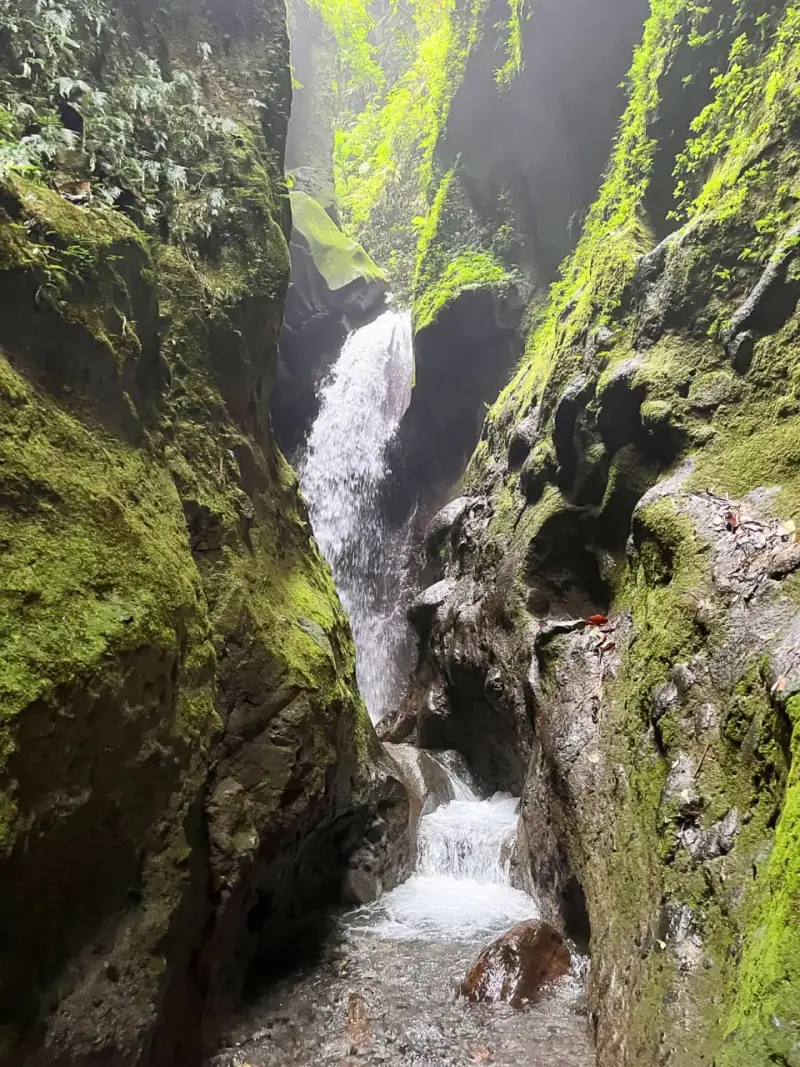
Gorges de la Falaise in Martinique: price, required guide, rain and difficulty
Gorges de la Falaise at Ajoupa-Bouillon: guided tour price, booking, duration, difficulty, children's age and what to do when rain closes the site.
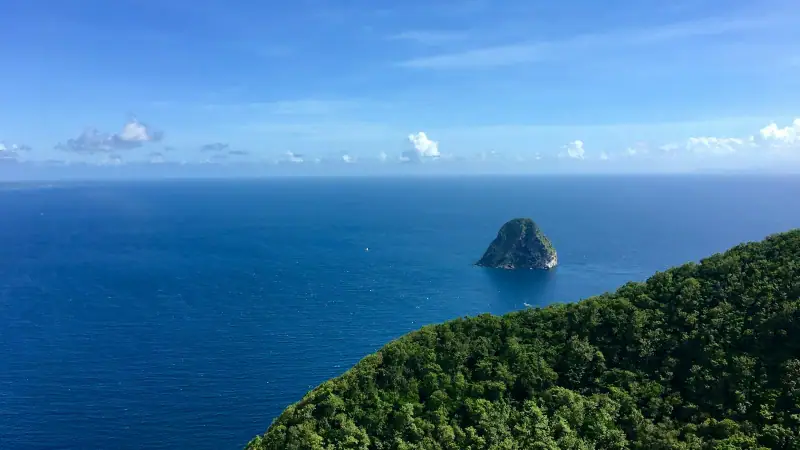
Snorkeling and diving in Martinique: turtles, wrecks and Diamond Rock
Where to swim with turtles at Les Anses-d'Arlet, dive the Saint-Pierre wrecks or Diamond Rock: spots, levels, season and tips for Martinique.
Ready-made
Martinique itineraries
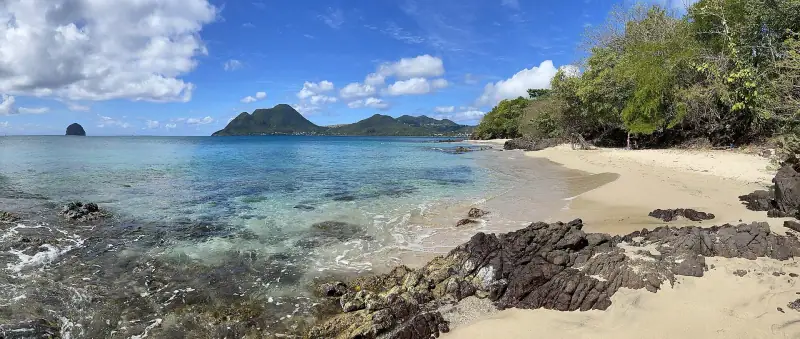
5 days
Martinique in 5 days with kids: stops, distances and a realistic pace
Martinique in 5 days with kids: day-by-day stops, distances, drive times, safe beaches and breaks to keep the pace without wearing out the family.
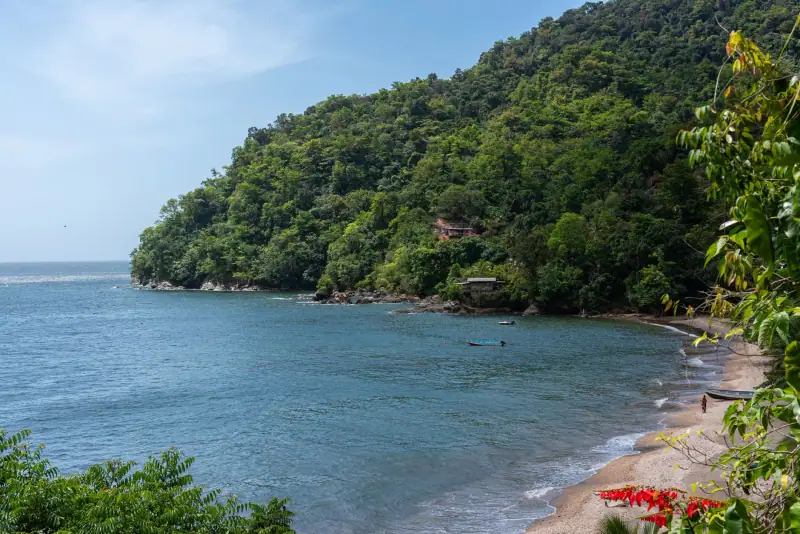
3 days
3 days in northern Martinique: a volcano, forest and wild coast itinerary
A 3-day itinerary for northern Martinique: Saint-Pierre, Mount Pelée, the Caribbean coast, the Trace and the Atlantic coast, with tips and variations.
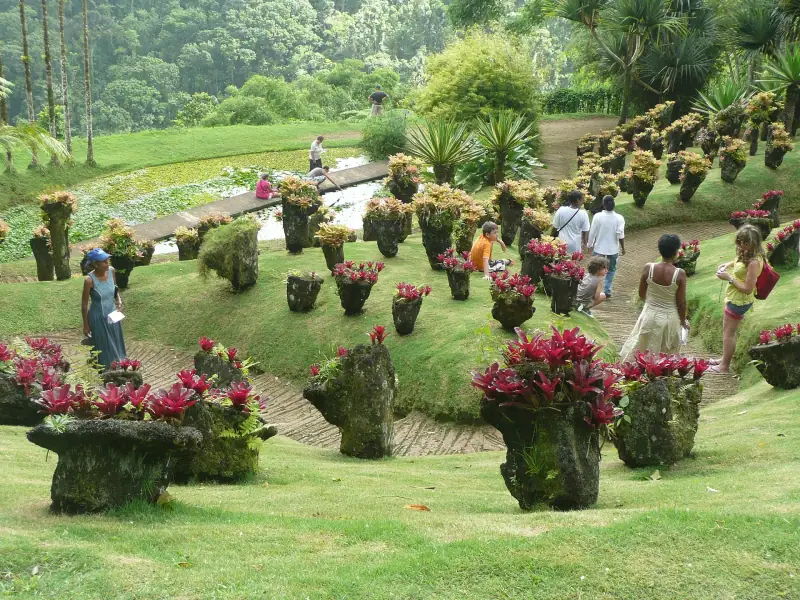
7 days
Martinique in 7 days: a day-by-day itinerary for a first stay
Martinique in 7 days: a day-by-day itinerary through Fort-de-France, Saint-Pierre, the Caravelle and the southern beaches, with drive times and tips.