What to see
Visiting Akureyri: what to see and do in North Iceland's capital
We may earn a commission when you book through links on this page, at no extra cost to you. We don't visit or try the places we cover: we summarize published sources. How we work
In short
- One day covers the center (church, botanical garden, waterfront, museums); two or three days add a boat trip, a swim and an excursion to Goðafoss or Lake Mývatn.
- Akureyri is about 390 km (242 mi) from Reykjavik on Route 1, half a day of driving in normal conditions; domestic flights also exist.
- The center is walkable; a car is very useful for Goðafoss, Mývatn, fjord villages and the Húsavík area, where public transport is limited.
- Whale trips leave from small ports in the fjord, about half an hour from town; sightings are never guaranteed.
Akureyri is the largest town in North Iceland and is often presented as its “capital of the North.” With about 20,000 inhabitants, it remains modest, but it concentrates what the villages around it do not offer: museums, a botanical garden, a lively cultural scene, cafés, a pool loved by locals and a spectacular position at the head of a long fjord ringed by mountains.
This guide helps you decide what to see and do in Akureyri, how to split your time there and which excursions to consider around it. For an overview of the country, start with our complete guide to visiting Iceland.
Akureyri at a glance: what to expect
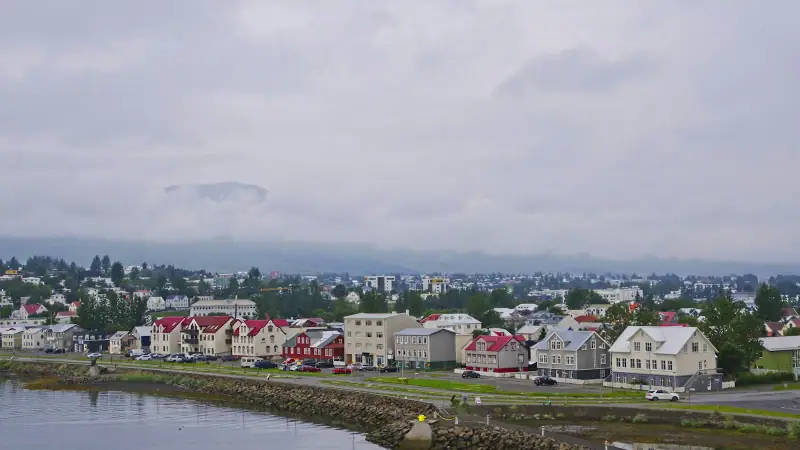
The town stretches along the west shore of Eyjafjörður, a fjord cutting inland from the north coast. It sits at a very low altitude, at the water’s edge, and the peaks around it stay snow-capped much of the year. By Route 1, the capital is about 390 km (242 mi) away: far enough that you feel a real change of atmosphere.
Many travelers discover it as a stop on a tour of the country or the northern loop (see our North Iceland itinerary). It is a pity to see it only in passing: it lends itself very well to one or two nights, especially as it serves as a handy base for reaching waterfalls, lakes and the coast.
The center is compact and walkable. The slopes are sometimes steep, especially when climbing to the church or the residential neighborhoods, but distances remain short. The climate is oceanic and changeable: pack warm layers and a windbreaker in every season (see when to visit Iceland).
The center-town highlights
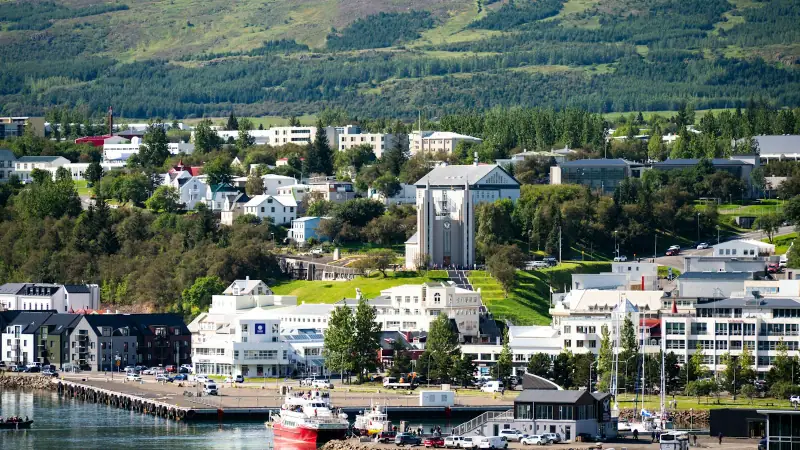
Akureyri Church, overlooking the town
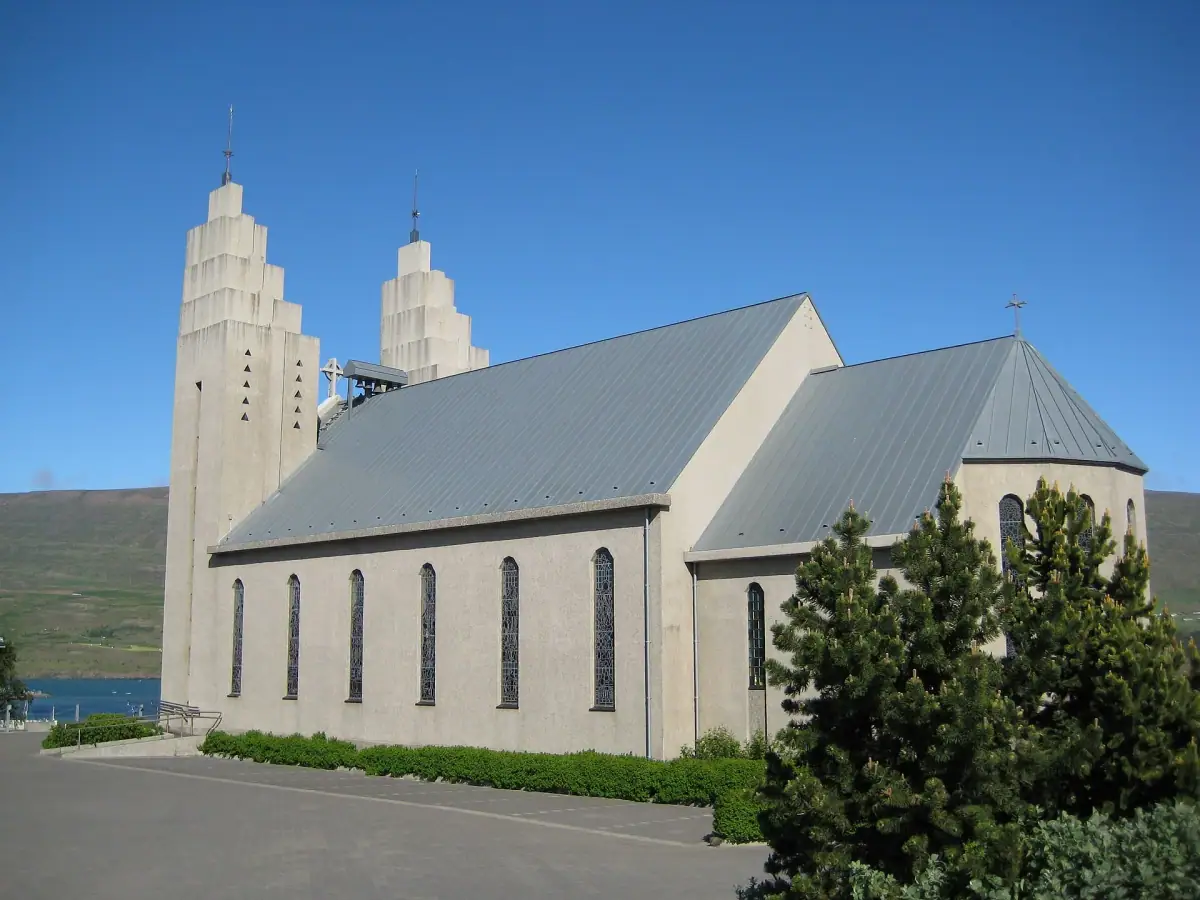
The Lutheran church of Akureyri (Akureyrarkirkja) is the town’s landmark. Its architecture, by Guðjón Samúelsson, the architect who also shaped the Reykjavik skyline, recalls basalt organ pipes and earns it a nickname evoking an ice cathedral. It is reached by a large staircase, and the panorama over the fjord from the forecourt justifies the climb on its own.
The interior is simple and bright, with notable stained glass. Visiting hours vary by season and services; check them before coming rather than relying on old information.
The botanical garden, a surprise so close to the Arctic Circle
Akureyri’s botanical garden (Lystigarður) gathers, according to the usual presentation of the town, thousands of plant species from around the world, as well as several hundred species typical of Iceland. This can be surprising in a region where you expect bare landscapes: the shelter of the fjord and the summer sunshine at this latitude allow astonishing blooms.
It is a pleasant break between two visits, calm and a stone’s throw from the center. The warm season is obviously the most interesting for strolling here; check opening hours before a stay outside the season.
The shopping streets and heart-shaped traffic lights
Hafnarstræti street and the neighboring lanes concentrate shops, cafés, bookstores and galleries. The town is known for an amusing detail: at some intersections, the red lights are heart-shaped. It is a much-photographed local anecdote that sets the tone of the place: a small, welcoming and rather relaxed center.
If you are looking for a souvenir, favor products actually made locally (wool, ceramics, food products) and read the origin label before buying a sweater.
Hof and the waterfront
The Hof cultural center, facing the fjord, hosts concerts, shows and events, and doubles as a conference center. Even without attending a show, a walk along the waterfront is pleasant, with an open view of the fjord and the mountains on the other shore. At the end of a summer day, the low light there is superb.
Staying in Akureyri
Compare hotels, guesthouses and apartments in the town center, within walking distance of the church, the waterfront and restaurants.
Akureyri’s museums
Northern weather can quickly send you indoors, and the town has several museums that take one to two hours each. Three are regularly mentioned: an art museum (Listasafnið á Akureyri) showing contemporary Icelandic artists, a local history museum (Minjasafnið) tracing life in the region and a natural history museum devoted to the wildlife and flora of the north of the country.
The local history museum is a good complement if you want to understand how residents lived in such an exposed environment: fishing, farming, trade and farm life have an important place there. The art museum is a good plan for a rainy half day.
Before heading out, check the hours, closing days and fares on each museum’s official website: this information changes from one season to the next, and some places reduce their opening in winter.
Bathing: the Akureyri pool and the fjord baths
As everywhere in Iceland, bathing is a social ritual. Akureyri’s municipal pool is one of the most appreciated in the country: outdoor pools, hot tubs, slides and spaces for families. For a price well below that of a big lagoon, you share the water with locals, which makes it an authentic experience, especially under the snow.
A reminder of the essential rule: a full soapy shower, without swimsuit, before entering the water. Staff watch for it, and Icelanders take it very seriously.
For a more “spa” atmosphere, a forest lagoon with a view of the fjord opened on the other side of Eyjafjörður in recent years. As rates and booking change regularly, check the online offer directly before deciding. Our article on hot springs in Iceland details how to choose, book and respect etiquette, including for the natural baths of Lake Mývatn.
Nature around Akureyri: forest, skiing and walks
Kjarnaskógur, the forest at the town’s gates
South of town, the Kjarnaskógur forest is a large walking area much frequented by locals. Marked trails, playgrounds and cross-country ski tracks in winter: it is an easy and free way to enjoy nature without renting a car. The paths suit almost everyone, including families.
Hlíðarfjall, the town’s ski area
A few minutes’ drive from the center, Hlíðarfjall is Akureyri’s ski area. It generally operates in winter, depending on snow cover, and stands out for its immediate proximity to town: you can ski in the morning and sleep in town in the evening. The opening of slopes and lifts depends on conditions; check the area’s official website before planning.
Outside the ski season, some hikes start from these heights. Follow local guidelines and never head into the mountains without checking the weather (the country’s official safety website publishes real-time alerts).
Excursions from Akureyri
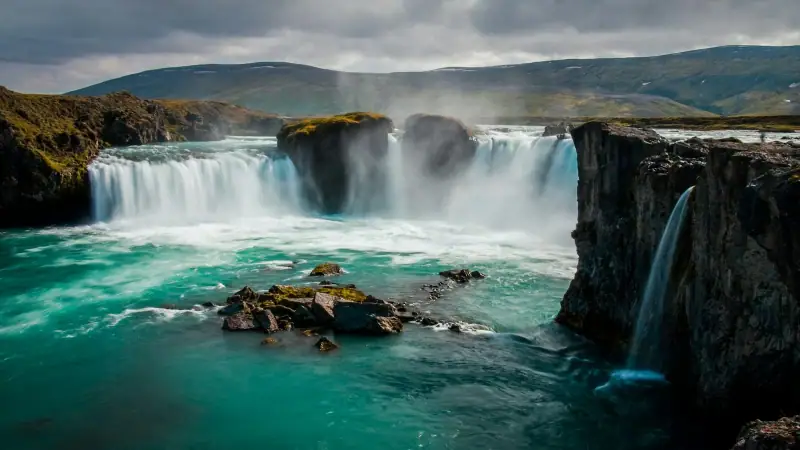
Akureyri is an ideal base for exploring: several major sights in the north are reachable in half a day or a day.
Goðafoss, the “waterfall of the gods”
Goðafoss is about 50 km (31 mi) east of Akureyri, a little under an hour by road. It is one of the most famous waterfalls in the country, wide and arched, which can be viewed from both banks. It is easily visited in the morning and fits into a longer loop to Lake Mývatn.
Excursions from Akureyri
Compare excursions to Goðafoss, Lake Mývatn and other northern sights, with guide and transport.
Lake Mývatn and its surroundings
Mývatn, with its lava fields, pseudo-craters and geothermal areas, is generally visited in a full day from Akureyri. The landscapes are very different from those of the south of the country, harsher and more volcanic. The region’s natural baths make it a complete excursion if you combine sightseeing and bathing.
If you have a little more time, continue to Húsavík, the European whale watching capital according to its own promotion, a little over an hour’s drive from the region. The details of the loop are in our North Iceland itinerary.
Watching whales in the fjord
The Eyjafjörður fjord is known for its cetacean watching trips. Several departures are from small ports in the fjord, about half an hour’s drive from town, rather than from Akureyri itself. Depending on the season, you may spot humpback whales, porpoises or dolphins, without guarantee: everything depends on the weather and the sea. Cancellation and refund terms vary by operator; read them before paying.
Hrísey and Grímsey: two islands of the fjord and the open sea
Hrísey, a small calm island in the fjord, is reached by a short ferry ride from the village of Árskógssandur, itself about half an hour’s drive from Akureyri. It is a restful outing, for walking, watching birds and enjoying a slower pace.
Farther out, Grímsey is crossed by the Arctic Circle. It is reached by small plane from Akureyri or by boat depending on the period. It is a getaway that calls for flexibility: connections depend on the weather. Check schedules with the operators and leave a margin in your plan.
What to do by season
In summer, days are very long, with light that lets you stroll late in the evening. It is the season for excursions to Mývatn and Goðafoss, boat trips and café terraces. Bright nights make sleeping harder: a sleep mask is useful.
In winter, days are short, but the town takes on a warm atmosphere. Skiing at Hlíðarfjall, hot baths under the snow and, with luck, the northern lights: our guide to the northern lights in Iceland explains how to improve your chances, notably in the north where light pollution is low. Roads can become difficult: check the weather and road conditions every morning.
In the shoulder seasons, crowds drop and so do prices, but some activities run at a slower pace. Always check availability before building a plan around a particular excursion.
Getting there and around
To reach Akureyri, three options exist:
- By road: about 390 km (242 mi) from Reykjavik on Route 1, a trip that takes half a day of driving barring surprises.
- By plane: Akureyri has an airport served by domestic flights. Check the airlines’ schedules and fares, which vary by season.
- By bus: intercity connections exist, but they are not frequent, and winter schedules are reduced.
In the center, everything is done on foot. As soon as you want to see Goðafoss, Mývatn or the fjord villages, however, a car gives a lot of freedom. Our article on driving in Iceland explains the rules to know, notably road conditions in winter and the tracks closed to regular vehicles.
Rent a car to explore the north
Compare rental companies to reach Goðafoss, Mývatn and the coast at your own pace.
Where to stay and eat in Akureyri
Lodging includes hotels, guesthouses, apartments and campsites. Book early in summer, as capacity is limited and prices climb fast. For a broader view of the types of lodging in the country, see our guide to where to stay in Iceland.
As for dining, the town has cafés, fish restaurants and bakeries. To learn which dishes to taste and local habits, read our article on Icelandic cuisine and its specialties. Vegetarian options are easier to find here than in isolated villages, but plan evening meals ahead in the low season, when some places cut their hours.
Budget and practical tips
- Plan generously: Iceland is expensive, and Akureyri is no exception. Our guide to the budget for Iceland gives pointers.
- Check the weather every day: it changes fast and determines roads, flights and boat trips.
- Stay flexible: excursions, ferries and flights can be postponed depending on conditions.
- Drink tap water: it is of good quality and free.
- Entry rules and insurance: entry rules depend on your passport. Check the official travel advice of your government before you book: travel.state.gov (US), GOV.UK (UK), travel.gc.ca (Canada), Smartraveller (Australia) (checked November 2026). Consider travel insurance covering medical costs and repatriation.
- Mobile phone: check your carrier’s international plan or consider a travel eSIM before you go.
How long to stay in Akureyri?
- 1 day: church, botanical garden, waterfront, one museum, a swim.
- 2 days: add Goðafoss and part of Lake Mývatn, or a boat trip.
- 3 days: add Hrísey or Grímsey, a day of skiing in winter or a longer loop to Húsavík.
Akureyri does not need weeks to be appreciated. In two or three days, you can grasp its atmosphere, enjoy the landscapes of the north and prepare the next part of your trip, whether toward the east of the country, the West Fjords or the return to the capital.
Frequently asked questions
How long does it take to visit Akureyri?
One day is enough to tour the center (church, botanical garden, waterfront, museums). With two or three days, you add a boat trip, a swim and an excursion to Goðafoss or Lake Mývatn without rushing.
Is Akureyri far from Reykjavik?
About 390 km (242 mi) on Route 1. Allow half a day of driving in normal conditions, more in winter if the weather worsens. There are also domestic flights between Reykjavik and Akureyri; check schedules and fares with the airlines.
Can you see whales from Akureyri?
Yes, boat trips leave from small ports in the Eyjafjörður fjord, near the town. No sighting is guaranteed: everything depends on the season, the weather and the state of the sea. Check the cancellation terms before booking.
Do you need a car to visit Akureyri?
Not for the center: everything is done on foot. A car becomes very useful as soon as you want to reach Goðafoss, Lake Mývatn, the fjord villages or the Húsavík area, where public transport is limited.
Can you see the northern lights in Akureyri?
It is possible from autumn to early spring, on a clear night with enough solar activity. The town is small and dim compared with Reykjavik, but it is better to move away from public lighting. Our dedicated article details the method.
What is the best time to go to Akureyri?
Summer offers long days and easy access to northern roads; winter suits fans of skiing, hot baths under the snow and the aurora. The shoulder seasons are quieter, but road conditions are more variable.
Is Akureyri an expensive town?
Prices remain high, as in the rest of Iceland. City walks, municipal pools and picnics help limit spending. See our budget guide for ballpark figures.
More Iceland guides
Keep reading

What to see on the Snæfellsnes Peninsula: volcano, beaches, craters and villages
What to see in Snæfellsnes, Iceland: Snæfellsjökull glacier, Kirkjufell, Djúpalónssandur, Saxhóll, Gerðuberg, seals and fishing ports, site by site.
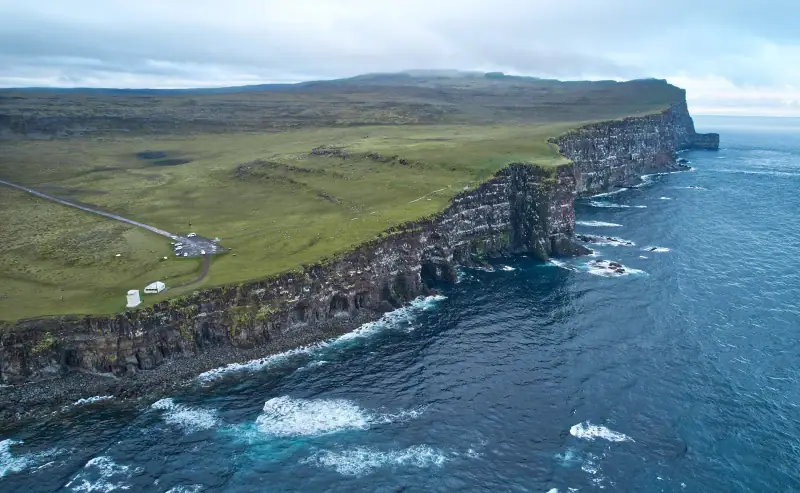
West Fjords: what to see between Látrabjarg, Rauðasandur and Dynjandi
Látrabjarg puffin cliffs, the pink Rauðasandur beach, Dynjandi waterfall, Patreksfjörður: what to see in the southern West Fjords of Iceland.
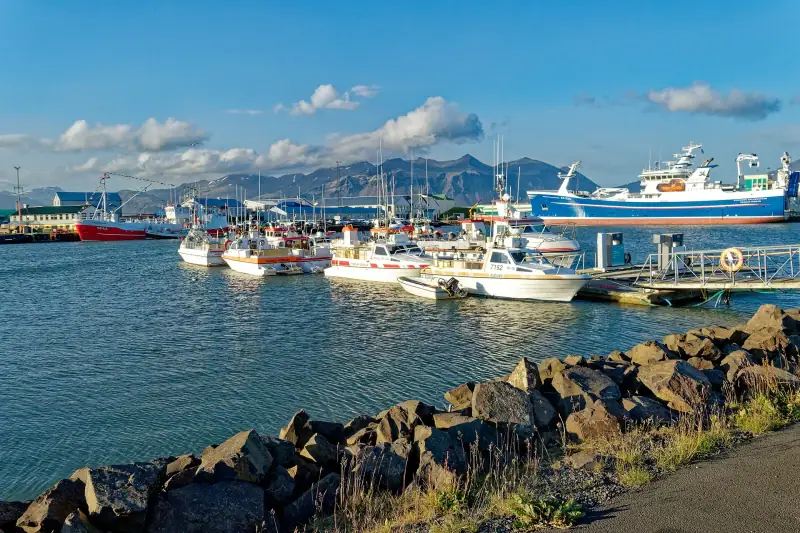
Visiting Höfn: what to see and do on Iceland's southeast coast
Langoustines, the Vatnajökull glacier, Stokksnes and the Jökulsárlón lagoon: a guide to visiting Höfn, planning your stop and choosing excursions.
Ready-made
Iceland itineraries
4 days
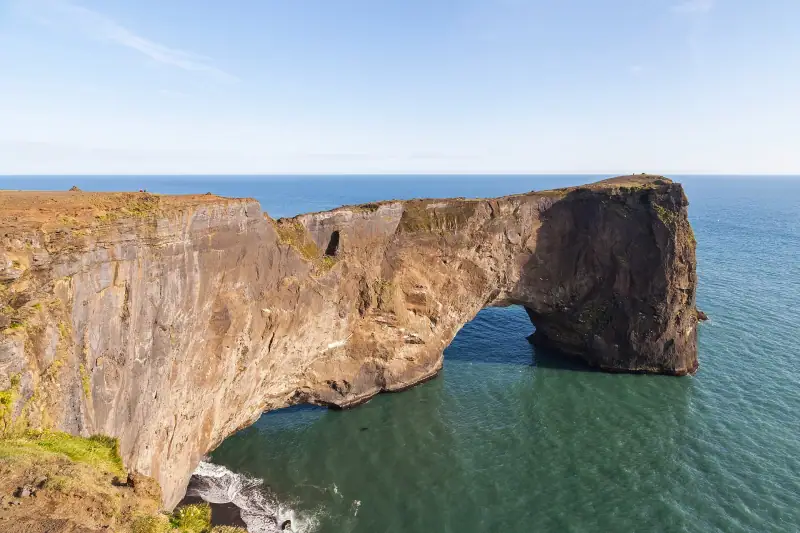
Iceland's south coast: a 4-day itinerary from Reykjavik to Jökulsárlón
A 4-day south coast Iceland itinerary: Seljalandsfoss, Skógafoss, Vík, Reynisfjara and Jökulsárlón lagoon, with distances, stops and practical tips.
3 days
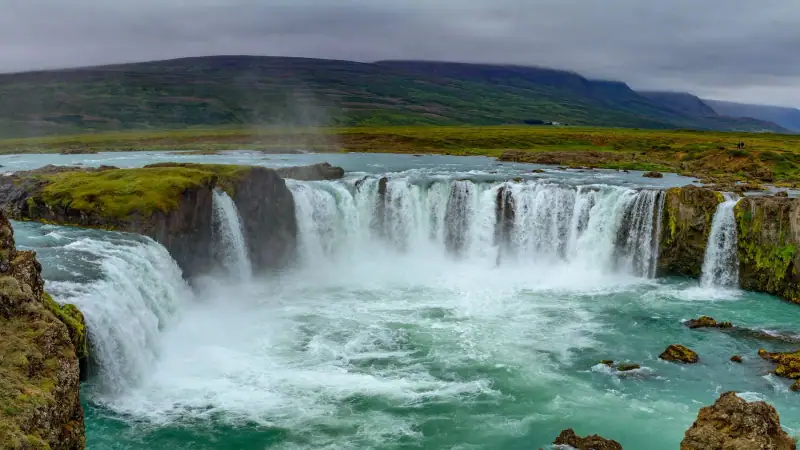
North Iceland in 3 days: Goðafoss, Mývatn and Húsavík
Lake Mývatn areaHúsavík
2 days
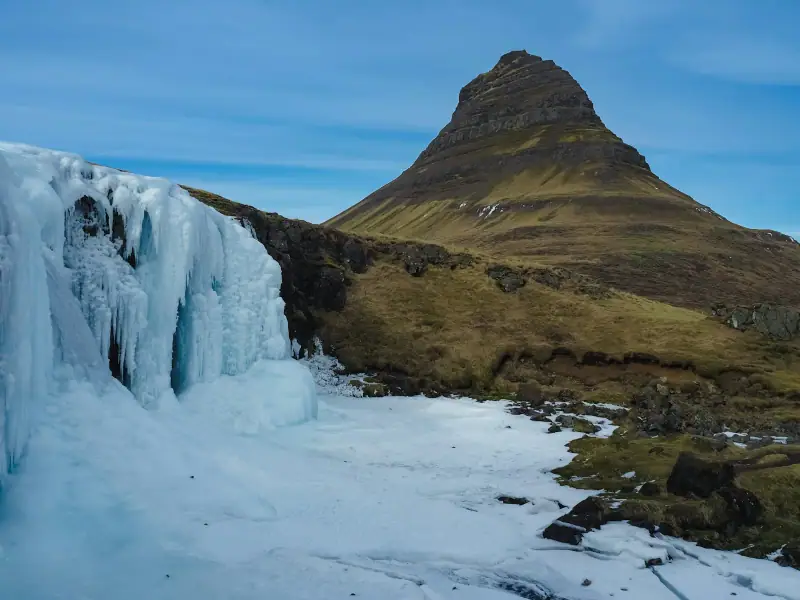
Snæfellsnes Peninsula: a 2-day itinerary from Reykjavik
Visit Iceland's Snæfellsnes Peninsula: Kirkjufell, Arnarstapi, Djúpalónssandur, Búðir and Stykkishólmur. A 2-day itinerary with drive times and tips.