Plan your trip
Iceland budget: real costs, 3 priced profiles and money-saving tips
We may earn a commission when you book through links on this page, at no extra cost to you. We don't visit or try the places we cover: we summarize published sources. How we work
In short
- For one week for two people, excluding flights: about €1,100 (~$1,275) frugal, around €3,200 (~$3,710) comfortable, €5,800 (~$6,730) or more upscale.
- Lodging and the car are the heaviest items, especially from June to August; nature itself is almost free.
- Cards are accepted almost everywhere, tipping is not expected, and tap water is excellent and free.
- Autumn to April cuts lodging and car costs sharply; the trade-off is day length and weather.
Iceland has a reputation as one of Europe’s most expensive destinations, and it partly deserves it. But what costs a lot is not always what you imagine: nature, the main reason for the trip, is almost free. Lodging, the car and meals are what push the bill up.
This guide details real costs item by item, offers three priced budget profiles for a week for two, then gathers the tips that really save money. The prices quoted are those noted in 2026 on rental company, tourism and traveler sites. Sources do not always agree with each other: take these amounts as orders of magnitude, and check the exact rate when booking.
Benchmarks: currency, exchange rate and price level
The currency is the Icelandic króna (ISK). To keep it simple, this article uses a rate of about 150 ISK to €1 (about $1.16), which matches the conversions used by several of the sources consulted. The real rate moves: check it before you go.
A few useful benchmarks to keep perspective when you see posted prices:
- 1,000 ISK is worth roughly €6.50 to €7 (~$7.50 to $8).
- 10,000 ISK is worth a little under €70 (~$80).
- Bank cards are accepted almost everywhere. You will hardly ever need cash.
- Posted prices generally include taxes, and tipping is not expected: service is included.
One last point, often misunderstood: Iceland’s price level depends enormously on the season. A room or a car can cost double or triple in midsummer compared with winter. If your dates are flexible, read our guide to choosing the right time to go to Iceland before setting your budget.
Lodging: the first expense
It is generally the heaviest item, especially from June to August. Here are the orders of magnitude noted in 2026, per night:
| Lodging type | Indicative range |
|---|---|
| Camping (per person) | about 1,500 to 3,500 ISK, i.e. €10 to €23 (~$12 to $27) |
| Hostel, dorm (winter) | about 3,500 to 7,000 ISK, i.e. €23 to €47 (~$27 to $55) |
| Hostel, dorm (summer) | about 5,600 to 20,000 ISK, i.e. €38 to €137 (~$44 to $159) |
| Guesthouse, double room | from about 15,000 ISK, i.e. €100 (~$115) |
| 3-star hotel | about 20,000 to 25,000 ISK, i.e. €135 to €170 (~$155 to $195) |
| Hotel, high season | from 25,000 ISK (about €166 / $195) to over 200,000 ISK |
A few notes to read this table. Camping is by far the cheapest option: municipal campsites often charge between 2,500 and 3,500 ISK per person, farm campsites a little less. Showers and electricity are sometimes extra, and a small overnight tax may be added. There is also a camping card covering several dozen sites for 28 nights: it only pays off if you sleep in a tent almost every night, and it does not cover all sites.
Outside Reykjavik, supply is limited and small places are full very early in summer. Booking early is therefore as much a budget matter as an availability one. To choose areas, our article on where to stay in Iceland reviews Reykjavik, the south coast, the north and the fjords.
Compare prices before they rise
Hotels, guesthouses and apartments: rates increase as dates approach. Compare availability as soon as your trip is set.
The car: essential or nearly so
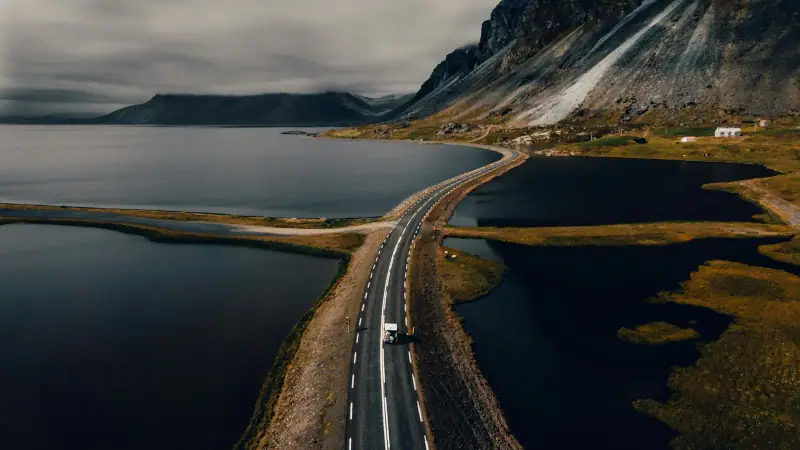
Outside Reykjavik, public transport is rare and poorly suited to a tourist trip. The car remains the most practical way to visit the country, and it is the second item in the budget.
The sources consulted give very wide ranges, because the price depends on the season, the vehicle category and insurance:
- Compact car: around €120 a day (~$140) in winter to over €250 a day (~$290) in high season at a major rental company, insurance included. Traveler estimates, which assume a small vehicle in low season, drop to around €55 to €75 a day (~$64 to $87) fuel included.
- Mid-size vehicle: about €150 a day (~$175) in winter and up to over €300 (~$350) in summer according to one rental company.
- Large 4x4: over €200 a day (~$230) in winter and nearly €500 (~$580) in summer.
The gap between these figures is huge, and it should be taken seriously: compare several quotes for identical dates, including insurance (damage caused by gravel, ash, sand) which can change the final bill. Our guide to driving in Iceland details these insurances, the choice of 2WD or 4x4 and the rules to know.
Fuel and road tax
Fuel dropped markedly in early 2026: several sources give about 183 ISK per liter of gasoline and 205 ISK for diesel at the start of the year, then about 210 to 225 ISK per liter over the months. That is about €1.40 to €1.50 a liter (~$1.62 to $1.74, or about $6.15 to $6.60 a gallon). For a 200 km (124 mi) drive with a small car, allow a fill-up of about ten liters (2.6 gal), so a few thousand króna.
A new road tax applies in 2026. It is not paid at the pump: rental companies pass it on. One bills it at 1,550 ISK a day until the end of 2026, others add it per kilometer. Read the quote to see which method applies.
Meals: where the gap lies
Eating in Iceland is expensive at restaurants, but reasonable if you cook. 2026 surveys give:
- Supermarket groceries: about 2,000 to 2,500 ISK per person per day (€13 to €17, ~$15 to $20) if you prepare your meals.
- Kiosk hot dog: about 500 to 800 ISK, i.e. €3.50 to €5.50 (~$4 to $6).
- Café lunch: about 1,500 to 2,200 ISK.
- Main course in a mid-range restaurant: about 3,500 to 7,000 ISK, i.e. €25 to €45 (~$29 to $52).
- Fine dining: up to about 11,000 ISK per meal per person, i.e. €75 (~$87), drinks extra.
- Beer in a bar: about 1,200 to 2,000 ISK a pint, with reduced prices during happy hours.
Two practical lessons. First, lunch is often better value than dinner for a comparable dish. Second, gas stations double as small restaurants: a lamb soup, for example, is found there around 1,500 ISK, a hot, local meal at a reasonable price. To know what to taste, see our article on Icelandic cuisine and its specialties. To choose between Bónus, Krónan and Nettó, see our guide to supermarkets in Iceland.
Alcohol is expensive and sold in state-run shops for anything above a low strength: if you drink, buying at the airport duty-free shop on arrival is generally the best deal, especially for spirits.
Activities: free, affordable and very expensive
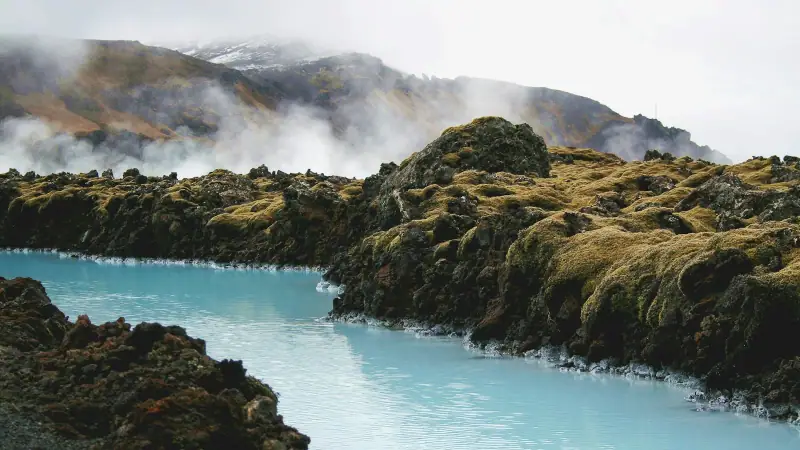
This is where the budget can derail, because guided tours are priced at full rate. But most of the trip is accessible without paying.
Free or nearly: roadside waterfalls, black sand beaches, marked hikes, the Geysir geothermal area and the Gullfoss waterfall, with no entry fee. Only parking is sometimes paid. At Þingvellir, a passenger car pays about 1,000 ISK for the day, a flat fee valid across the park’s three parking lots. The Golden Circle can thus be visited at very low cost if you drive yourself.
Affordable: municipal pools, which cost about 1,500 ISK per entry and often include outdoor hot tubs, are one of the best deals in the country.
More expensive: commercial lagoons and guided excursions. A few benchmarks:
- Blue Lagoon: depending on sources, around 7,000 ISK for the cheapest entries cited to about 14,900 ISK for the Comfort package, or much more for premium packages. Prices depend on time slots and the package, and the official site is authoritative.
- Whale watching in Húsavík: about 13,000 ISK per adult for the classic three-hour trip on a wooden boat, i.e. about €85 (~$99).
- Guided Golden Circle excursion: around 17,000 to 28,000 ISK per person, i.e. €113 to €188 (~$131 to $218), much more expensive than the same day in a rental car.
- Museums: between about 2,000 and 3,000 ISK for the main Reykjavik museums.
If you stay a few days in Reykjavik, the city offers a City Card that includes museums, pools and buses. It is worth it only if you really plan to use several of these services. For everything about baths, see our guide to hot springs in Iceland.
Excursions and guided outings
Whale watching, lagoons, ice caves or boat rides: compare options, durations and prices before booking.
Flights and other costs
Plane tickets are budgeted separately. Fares vary widely by departure city, season and how early you book: the gap between an early promotional fare and a last-minute ticket is considerable. Low-cost airlines charge extra for cabin and checked bags, which changes the comparison.
Other costs not to forget:
- Travel insurance: advisable given the risks of weather, flight cancellation and hiking accidents.
- Airport transfer: Keflavík airport is about 50 minutes by car from Reykjavik. If you do not rent the car on arrival, plan a bus or a taxi.
- Gear: warm and waterproof clothing is essential. If you have to buy it there, the budget climbs fast: an Icelandic wool sweater costs between 10,000 and 25,000 ISK.
- Souvenirs: from 500 to 4,000 ISK for small items.
- Bus in Reykjavik: about 690 ISK for a single trip in 2026.
Three budget profiles for a week for two
To make all this concrete, here are three profiles for 7 days for two people, flights excluded. Amounts rely on the prices above converted at 150 ISK to €1. They are estimates, not quotes.
| Item (per day, for 2) | Frugal | Comfortable | Upscale |
|---|---|---|---|
| Lodging | €40 (~$46) (camping or dorm) | €180 (~$210) (guesthouse or 3-star hotel) | €300 (~$350) (4-star hotel) |
| Car and fuel | €70 (~$81) (small car, low season) | €80 (~$93) (compact or mid-size) | €150 (~$175) (4x4) |
| Meals | €35 (~$41) (groceries, a few hot dogs) | €110 (~$130) (groceries and restaurants) | €180 (~$210) (restaurants every day) |
| Activities | €15 (~$17) (pools, hikes) | €80 (~$93) (one or two excursions) | €200 (~$230) (several guided tours) |
| Total per day | about €160 (~$185) | about €450 (~$520) | about €830 (~$965) |
| Total for 7 days | about €1,100 (~$1,275) | about €3,200 (~$3,710) | about €5,800 (~$6,730) |
The frugal profile
It assumes camping or dorms, self-prepared meals and a compact car booked in low season. It works well for two, because the car and lodging are shared. In summer, the same plan will be noticeably more expensive because of the car and camping, which fill up fast. For a solo traveler, the car weighs twice as heavy in the budget.
The comfortable profile
This is the most common profile: guesthouses or mid-range hotels, a car, restaurant meals now and then and a few paid excursions such as the boat trip to watch whales or a lagoon. It sits in the low range of published estimates for a comfortable stay (around €3,200 to €5,200 for two people for a week, excluding flights, i.e. about $3,710 to $6,030).
The upscale profile
Upmarket hotels, a 4x4, restaurants every day and several guided excursions. Here, private excursions, premium lagoons and fine dining make the bill jump, but the experience is also very different: fewer constraints, more comfort, more time saved.
Ten tips to spend less
Here are the levers that really matter, ranked from most to least effective.
- Travel outside high season. October to April sharply lowers lodging and car costs. If you are aiming for the aurora, it is also the right period: see our guide to the northern lights in Iceland.
- Book early, especially the car and lodging outside Reykjavik.
- Share. The car and the room are divided by the number of travelers: a trip for four is much cheaper per person.
- Cook. Choose lodging with a kitchen and shop at the budget supermarkets (Bónus, Krónan, Nettó, Prís). Avoid small gas station convenience stores, which are pricier.
- Drink tap water. It is excellent and free: never pay for bottled water.
- Have lunch rather than dinner when eating out, and take advantage of happy hours.
- Use municipal pools rather than commercial lagoons: the hot bath experience is comparable for a fraction of the price.
- Drive yourself rather than booking day excursions: the Golden Circle or the south coast can be visited freely, as our south coast itinerary shows.
- Choose a suitable fuel and station. Automated stations are often cheaper than staffed ones, but they require a card with a PIN.
- Buy alcohol at the airport on arrival if you drink, rather than at a restaurant or state-run shop.
One last tip: a margin of 10 to 15% for the unexpected (paid parking, a change of plan due to weather) avoids having to cut back on the rest of the stay.
What to remember when building your budget
The calculation is simple: multiply your number of nights by the lodging price, add the car and fuel, then a meal allowance per day per person, and finally your list of excursions. The biggest lever remains the season, followed by the choice between cooking and eating out.
When the budget is tight, do not economize on safety: good clothing, a car suited to the season’s conditions and insurance are worth more than a lack of comfort. For the rest, Iceland rewards organization: its finest landscapes are free.
Sources
- Thingvellir National Park: prices checked November 2026
- Strætó: prices checked November 2026
- North Sailing: prices checked November 2026
- Reykjavik Rent a Car: prices checked November 2026
Frequently asked questions
What budget should you plan for a week in Iceland?
Excluding flights, allow about €1,100 (~$1,275) for two for a very frugal week (camping, supermarket groceries), around €3,200 (~$3,710) for a comfortable trip (guesthouses, car, restaurants now and then) and €5,800 (~$6,730) or more for an upscale stay. These figures are orders of magnitude calculated from prices noted in 2026; they vary widely by season.
Is Iceland really an expensive country?
Yes, especially for dining out, summer lodging and car rental. On the other hand, several items are free or very affordable: tap water, most waterfalls and natural sights, municipal pools and hikes. With good preparation, the budget stays manageable.
How much does a restaurant meal cost in Iceland?
2026 surveys give about 3,500 to 7,000 Icelandic króna (ISK) for a main course in a mid-range restaurant, roughly €25 to €45 (~$29 to $52). A kiosk hot dog is around 500 to 800 ISK, and a beer in a bar 1,200 to 2,000 ISK.
Can you pay by bank card everywhere?
Yes, cards are accepted almost everywhere, including for very small purchases and at automated gas stations, which ask for a PIN. There is no need to withdraw large sums in cash: just check your bank's foreign transaction fees.
What is the best time to travel cheaply?
Winter and the shoulder season, from about October to April: hotels and car rentals are clearly cheaper than in July-August. The trade-off is day length, more unpredictable weather and limited access to some roads.
Do you have to pay to visit natural sights?
Most waterfalls and natural sights are free to access, but some parking lots are paid. At Þingvellir, for example, parking a passenger car costs about 1,000 ISK for the day. Gullfoss and the Geysir area have no entry fee.
Does the new road tax affect tourists?
Yes, indirectly: rental companies pass it on. Some bill it as a daily flat fee (about 1,550 ISK a day until the end of 2026 at one rental company), others per kilometer. Check the corresponding line in your quote before booking.
More Iceland guides
Keep reading
When to go to Iceland: seasons, northern lights and the midnight sun
When to go to Iceland depending on what you want: northern lights, midnight sun, puffins, whales, Highland roads. Month by month, no bad surprises.
Northern lights in Iceland: where and when to see them (complete guide)
See the northern lights in Iceland: best season, best spots around Reykjavik, the South, Snæfellsnes and the North, forecasts and photo tips.
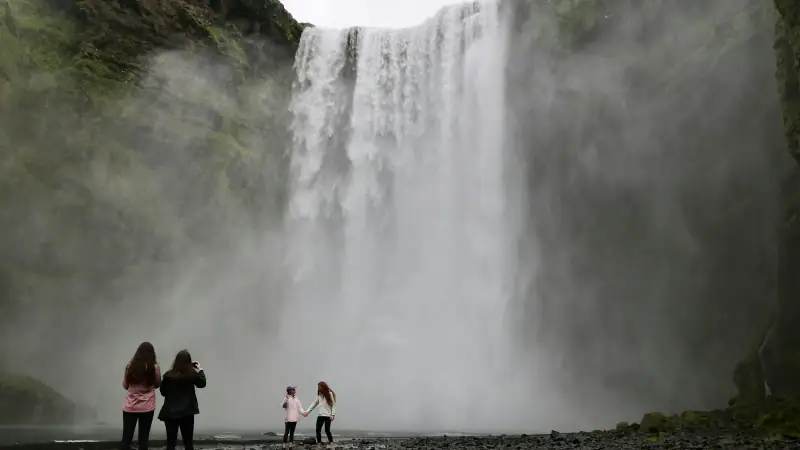
Iceland with kids: trip ideas and activities for families
Traveling to Iceland with children: Reykjavik activities, whales, waterfalls, heated pools, car seats, daily pace and precautions to know.
Ready-made
Iceland itineraries
4 days
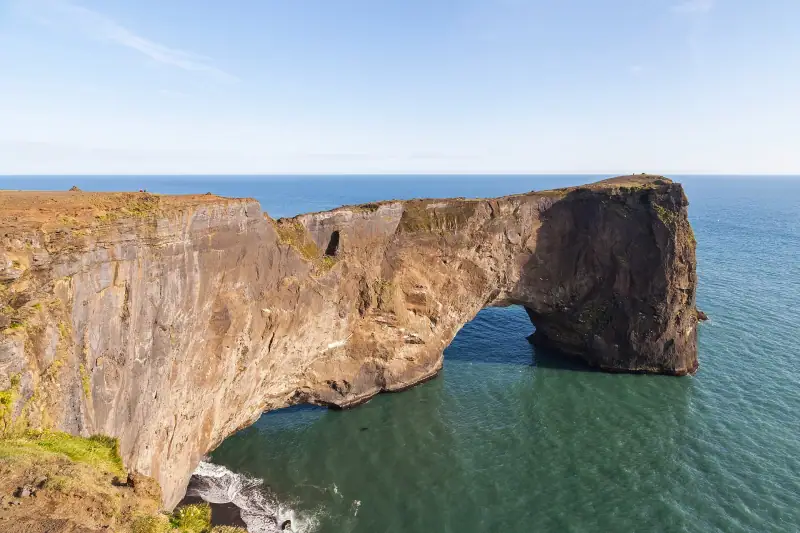
Iceland's south coast: a 4-day itinerary from Reykjavik to Jökulsárlón
A 4-day south coast Iceland itinerary: Seljalandsfoss, Skógafoss, Vík, Reynisfjara and Jökulsárlón lagoon, with distances, stops and practical tips.
3 days
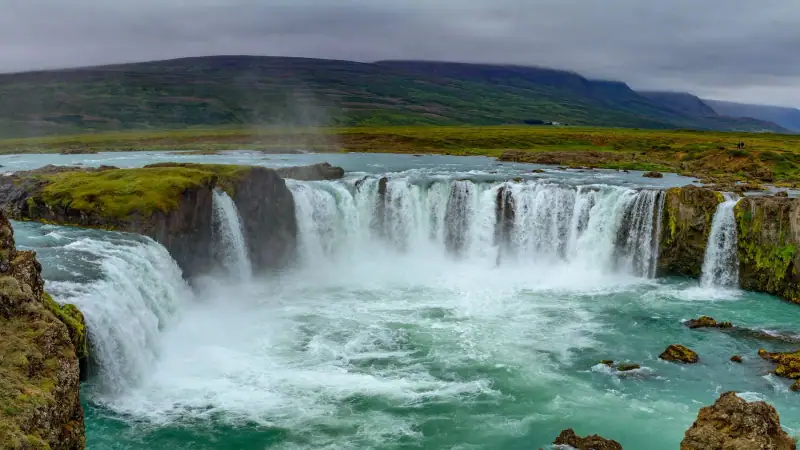
North Iceland in 3 days: Goðafoss, Mývatn and Húsavík
Lake Mývatn areaHúsavík
2 days
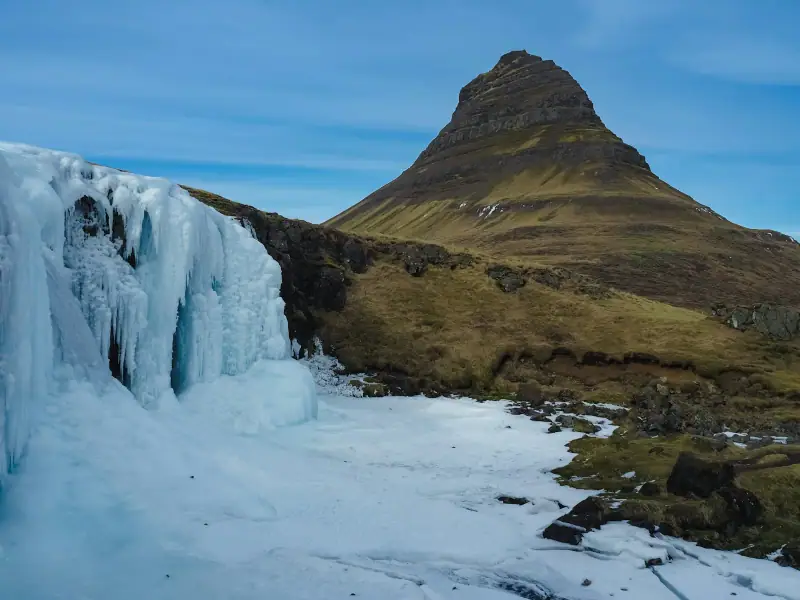
Snæfellsnes Peninsula: a 2-day itinerary from Reykjavik
Visit Iceland's Snæfellsnes Peninsula: Kirkjufell, Arnarstapi, Djúpalónssandur, Búðir and Stykkishólmur. A 2-day itinerary with drive times and tips.