Where to stay
Where to stay in Iceland: Reykjavik, south coast, north and fjords
We may earn a commission when you book through links on this page, at no extra cost to you. We don't visit or try the places we cover: we summarize published sources. How we work
In short
- Reykjavik is the most practical base for a short first stay: the widest choice of lodging, with Golden Circle and south coast day tours.
- On a road trip, change base almost every night along Route 1, and book early where supply is thin: Vík, Mývatn and the fjords.
- From June to August, book several months ahead with flexible cancellation; winter is easier but some places close.
- A place with a kitchen and flexible cancellation terms are the two best protections for your budget and for surprises.
In Iceland, you choose lodging at the same time as your itinerary. Distances are long, villages are small and supply thins out as soon as you leave the capital. A good, well-placed address is worth more than ten extra kilometers of road after a long day of driving.
This guide reviews the main areas where you can stay, the types of lodging available, the right time to book and the mistakes most often seen when preparing a trip.
Sleeping in Reykjavik: the most practical base
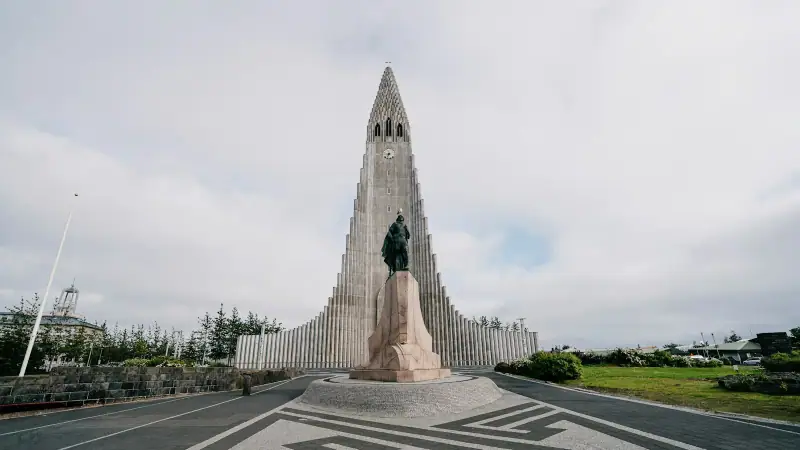
Reykjavik concentrates most of the country’s supply: hotels, hostels, apartments and rooms in private homes. The capital is also the starting point for many day tours, which makes it a logical base for a stay of two to four days.
The center, around the shopping street Laugavegur and the Hallgrímskirkja church, lets you do everything on foot: restaurants, cafés, museums, neighborhood geothermal pools. It is the most comfortable choice if you are not renting a car. Neighborhoods a bit farther out are generally quieter and a little cheaper, with buses reaching the center.
If your flight arrives late or leaves early, a night near Keflavík international airport can make sense. The nearby Reykjanes Peninsula holds several lodgings and the famous Blue Lagoon geothermal lagoon. For the rest of the stay, the capital offers far more choice.
Places to stay in Reykjavik
Compare hotels, hostels and apartments in the capital, and check the cancellation terms.
South coast: Vík, Selfoss and the surroundings
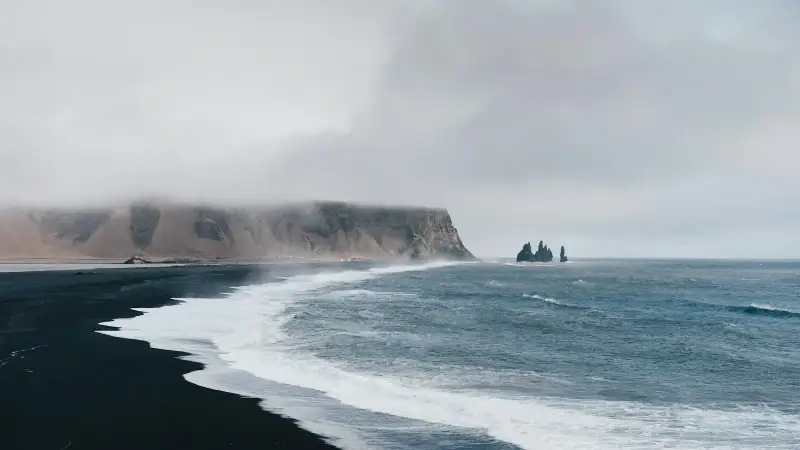
The south coast is the busiest axis in the country, with the Seljalandsfoss and Skógafoss waterfalls, black sand beaches and the Vík area. Many travelers do it as a day trip from Reykjavik, but staying overnight there lets you enjoy the sights early in the morning or late in the day, when the groups have gone.
Vík is about 185 km (115 mi) from Reykjavik, a little under three hours by road with stops. The village offers a limited but sufficient choice of hotels and guesthouses. Farther west, the Selfoss area is an easier alternative to book, well placed between the Golden Circle and the south coast, and often more affordable.
For a longer itinerary, our 4-day south coast itinerary details the stops night by night. If you are planning a day around Þingvellir, Geysir and Gullfoss instead, see the Golden Circle guide.
Staying in southern Iceland
Guesthouses, hotels and countryside lodging to compare around Selfoss and the south coast.
The North: Akureyri, Mývatn and Húsavík
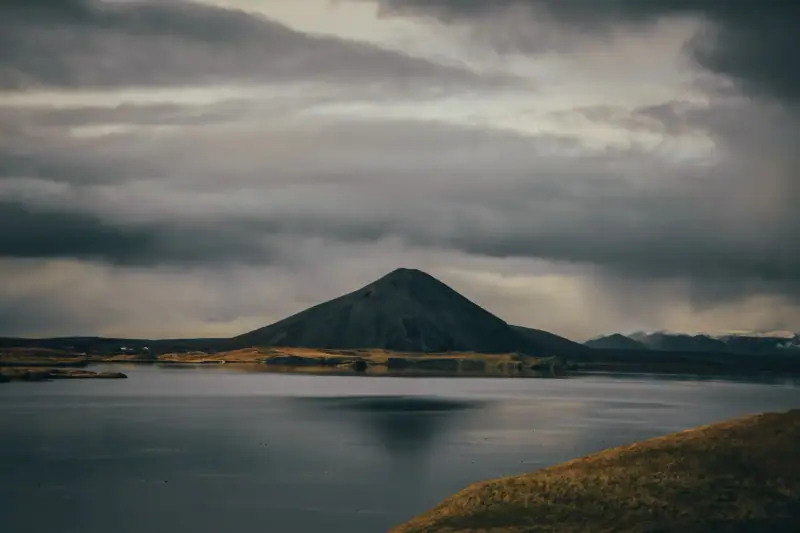
Akureyri, at the head of a long fjord, is the largest town in the north of the country. It offers a good choice of lodging, restaurants and services, and serves as a base for discovering the region: Lake Mývatn, the Goðafoss waterfall and whale watching trips from Húsavík.
Akureyri is about 390 km (242 mi) from Reykjavik on Route 1, around five hours of driving without a stop. Many travelers therefore prefer to break the drive with a night on the way rather than do it all at once. If you want to stay several days in the region, plan at least two nights in the north, as distances between sights remain significant.
Lodging around Mývatn and Húsavík is scarcer: this is the area where booking early matters most in high season. Farm hotels and guesthouses are common there, and often offer a quieter setting than the towns.
Places to stay in Akureyri and the north
Compare lodging in Akureyri, an ideal base for Mývatn, Goðafoss and the whales.
West and East Fjords: for travelers with time
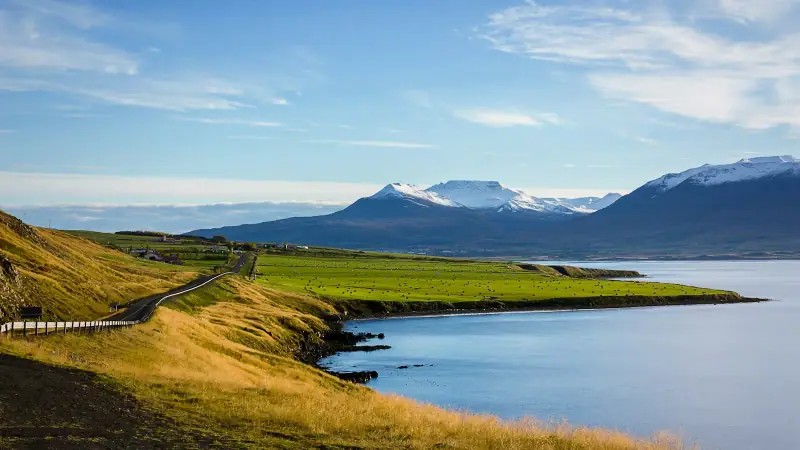
The West Fjords, around Ísafjörður, are among the most isolated regions of the country. Roads are slower, the weather more changeable, and the choice of lodging is often limited to a few guesthouses and small hotels. The reward is a wild landscape with very few visitors.
The East Fjords, with villages like Seyðisfjörður, are generally visited on a full circuit of the island on Route 1. Here again supply is modest: it is better to set your stops in advance than to look for lodging at the end of the day. Outside the summer season, some places close, which narrows the choice further.
Which type of lodging to choose?
Iceland offers a fairly wide range, but with particularities worth knowing before you book.
Hotels and guesthouses
Hotels are concentrated in Reykjavik, Akureyri and the most touristy areas. Elsewhere, guesthouses, often run by families, make up most of the supply. Check whether breakfast is included and whether the bathroom is private or shared, as both options exist at very different prices.
Apartments and lodging with a kitchen
Cooking for yourself is one of the best ways to cut the budget in Iceland, where restaurant meals are expensive. An apartment or cottage with a kitchen lets you prepare at least breakfast and one meal a day. Many lodgings also have an outdoor hot tub, much appreciated in the evening.
Hostels and rooms in private homes
Hostels exist in the capital and in several towns across the country. They offer dorms and often private rooms, with a shared kitchen. This is the most economical option apart from camping.
Camping
Camping is very popular in summer, but the season is short, and the weather can be harsh even in July. Bring gear suited to wind and rain. Camping outside designated sites is subject to strict regulation: check the rules before pitching your tent.
Northern lights and whales: guided outings
Compare whale watching and northern lights chasing excursions by season.
When to book and how to organize your nights
From June to August, lodging fills up fast, especially in small villages, and rates are the highest of the year. Booking several months ahead is a good precaution. In winter, supply is more flexible and prices lower, but some places closed or with reduced hours complicate planning, especially far from the capital. Our guide to the best time to visit Iceland helps you choose the season before booking.
A few simple principles for organizing your nights:
- Limit hotel changes: two nights in the same place avoid repacking and let you enjoy the region at your own pace.
- Do not exceed a few hours of driving a day: weather, secondary roads and photo stops always lengthen the trip.
- Choose flexible cancellation terms: a storm or a closed road can upend a plan, especially outside summer.
- Allow a margin at arrival and departure: a late or early flight sometimes justifies a night near the airport.
Our take
For a short first stay, Reykjavik remains the simplest base, with day tours to the Golden Circle and the south coast. For a road trip, it is better to alternate one or two nights in each region and book early the stops where supply is limited, such as Vík, Mývatn or the fjords. Whatever you choose, lodging with a kitchen and flexible cancellation terms are the two best protections for your budget and for surprises.
Frequently asked questions
Where should you stay in Iceland on a first trip?
Reykjavik is the most practical base for a short first stay: it has the widest choice of lodging, and both the Golden Circle and the south coast can be done as day tours. For a road trip, it is better to change base almost every night along Route 1.
Do you need to book lodging in advance in Iceland?
Yes, especially from June to August, when supply is limited outside Reykjavik and many villages have only a few addresses. Booking several months ahead is a good precaution, favoring flexible cancellation terms.
Can you camp wild in Iceland?
Free camping is tightly regulated. Rules vary by place and by type of vehicle, and sleeping in a camper van or tent outside designated sites is often restricted. Check the regulations in force before you go and favor official campsites.
What type of lodging should you choose to see the northern lights?
Lodging away from city lights, with a clear sky to the north, improves the chances. The aurora remains unpredictable: plan several nights in the same place rather than one, and watch the weather and solar activity forecasts.
Is lodging expensive in Iceland?
Iceland is among the most expensive European destinations, and lodging weighs heavily in the budget, especially in summer. Hostels, rooms in private homes, campsites and lodging with a kitchen help cut the bill.
More Iceland guides
Keep reading
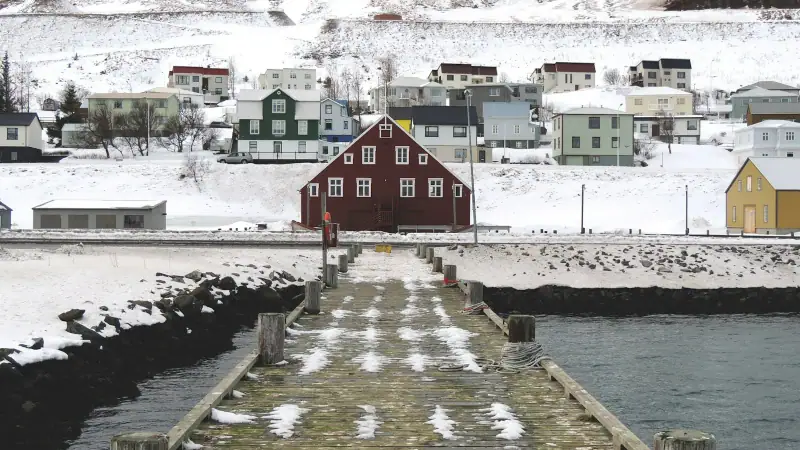
Where to stay in Ísafjörður: neighborhoods and types of lodging
Spit center, old quarter, Hnífsdalur or nearby villages: compare Ísafjörður's areas and lodging to choose where to stay in the West Fjords.
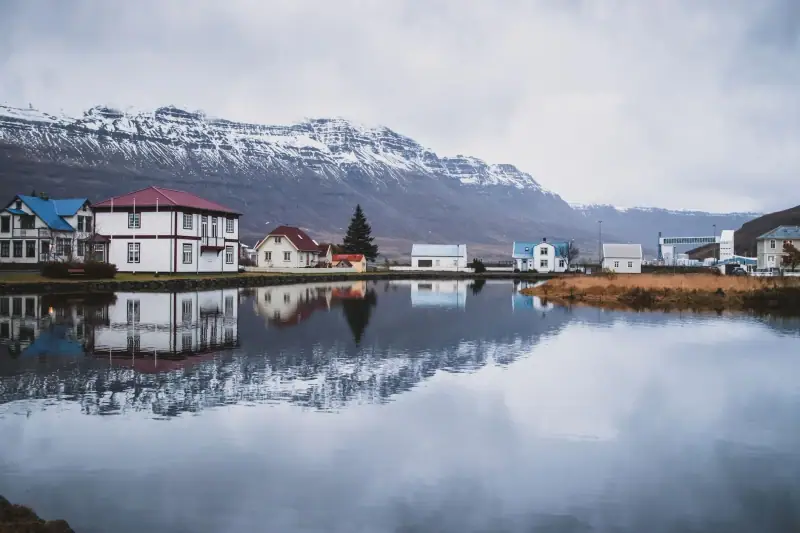
Where to stay in Höfn: neighborhoods and types of lodging
Harbor, town center, waterfront or countryside around Höfn: compare areas and lodging types to choose where to stay on Iceland's southeast coast.
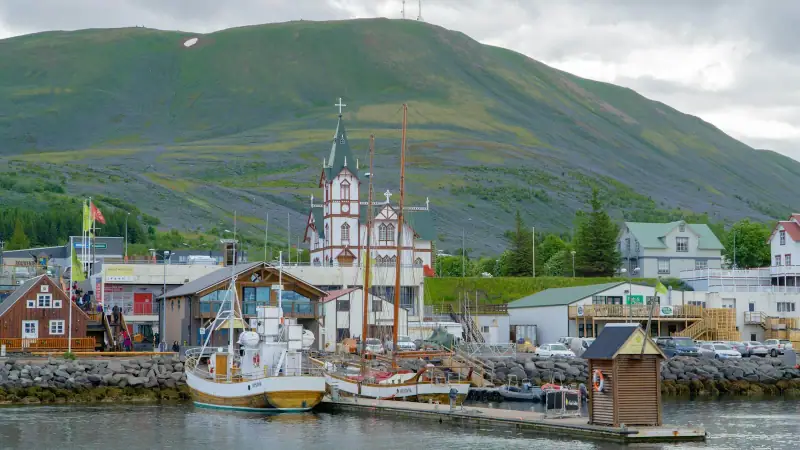
Where to stay in Húsavík: neighborhoods and types of lodging
Harbor, center, headland, hillside or nearby farms: compare Húsavík's areas and lodging types to choose where to stay in the whale watching capital.
Ready-made
Iceland itineraries
4 days
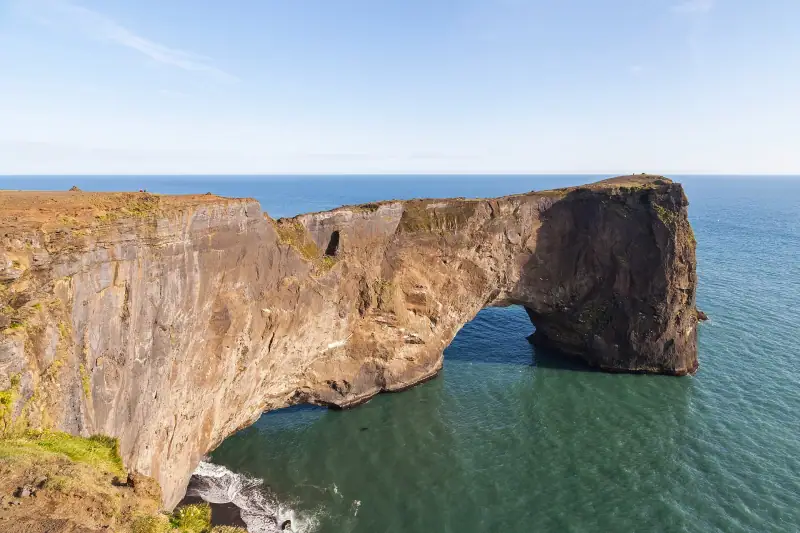
Iceland's south coast: a 4-day itinerary from Reykjavik to Jökulsárlón
A 4-day south coast Iceland itinerary: Seljalandsfoss, Skógafoss, Vík, Reynisfjara and Jökulsárlón lagoon, with distances, stops and practical tips.
3 days
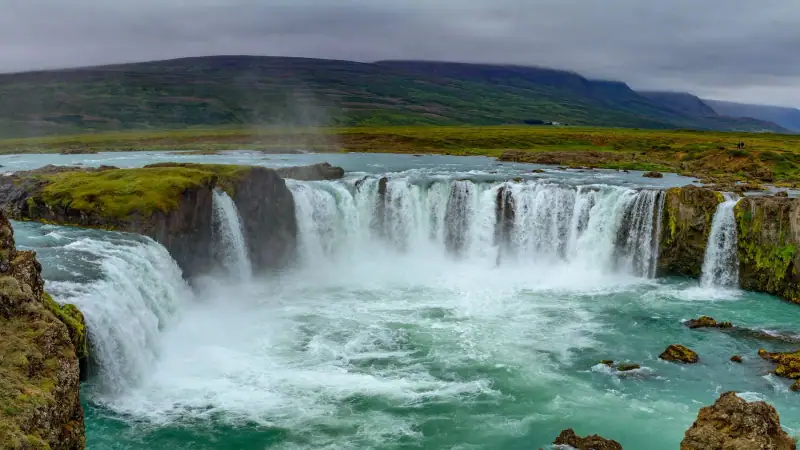
North Iceland in 3 days: Goðafoss, Mývatn and Húsavík
Lake Mývatn areaHúsavík
2 days
Snæfellsnes Peninsula: a 2-day itinerary from Reykjavik
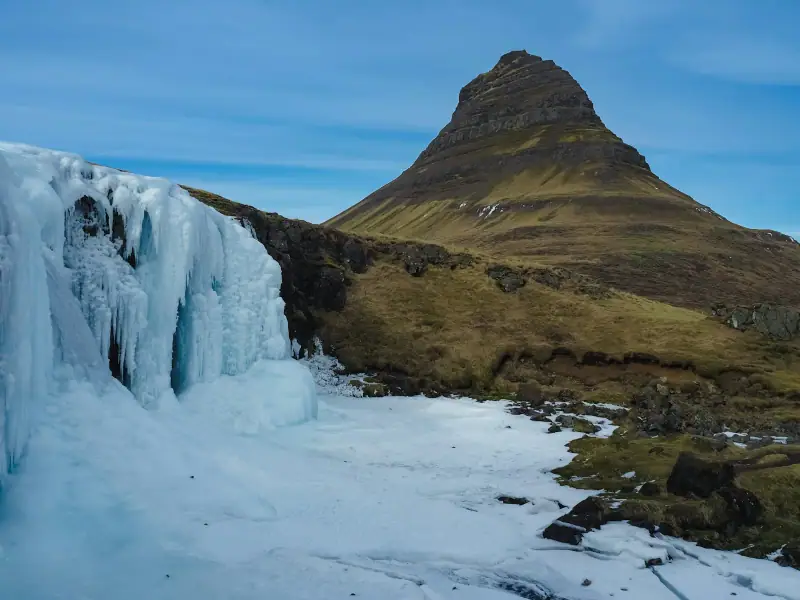
Visit Iceland's Snæfellsnes Peninsula: Kirkjufell, Arnarstapi, Djúpalónssandur, Búðir and Stykkishólmur. A 2-day itinerary with drive times and tips.