Itineraries
North Iceland in 3 days: Goðafoss, Mývatn and Húsavík
We may earn a commission when you book through links on this page, at no extra cost to you. We don't visit or try the places we cover: we summarize published sources. How we work
Day by day
- Day 1Goðafoss, then Lake Mývatn: Dimmuborgir, Hverir, craters
- Day 2Dettifoss, Ásbyrgi canyon, arrival in Húsavík
- Day 3Whale watching in Húsavík, return to Akureyri
Where to sleep
- Lake Mývatn area1 night
- Húsavík1 night
In short
- Three days cover the classic loop from Akureyri: Goðafoss and Lake Mývatn, then Dettifoss, Ásbyrgi and Húsavík, about 330 to 340 km (205 to 211 mi) in all.
- The Diamond Circle itself is about 250 km (155 mi) from Mývatn; spread over three days, no day exceeds 200 km (124 mi).
- Whale watching trips run mostly from April to October, peaking May to September; no sighting is guaranteed.
- Book early in summer: lodging is limited outside Akureyri.
When you plan a trip to Iceland, the south hogs the attention: Golden Circle, coastal waterfalls, glaciers. The north gets fewer visitors yet holds landscapes just as striking: a horseshoe waterfall, a lake ringed by craters, canyons, and a bay where whales are watched.
This three-day itinerary starts from Akureyri, the north’s main town, and follows the loop often called the “Diamond Circle.” Distances stay reasonable each day, but you should keep time for stops: this is a route to do without hurrying.
Preparing the loop from Akureyri
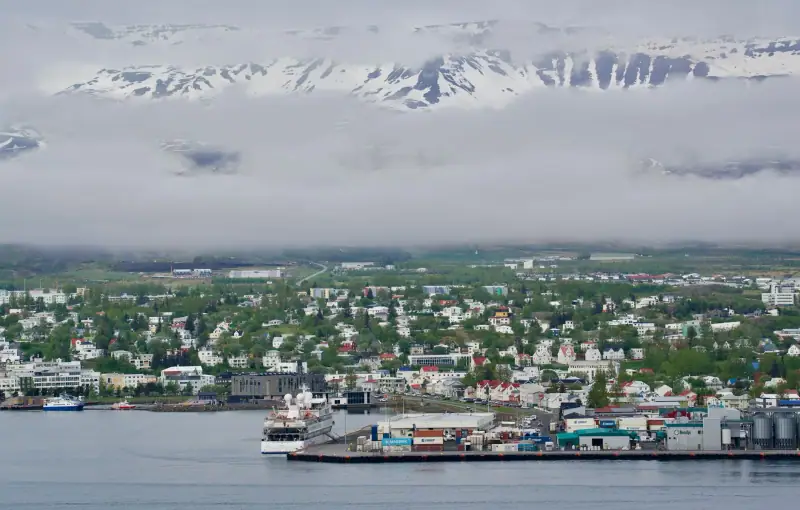
Akureyri is a modest-sized town at the head of a long fjord that gathers most of the north’s services: lodging, supermarkets, gas stations. If you arrive from Reykjavik, allow a long day of driving or a domestic flight. In both cases, it is simpler to rent a car for what follows.
The Diamond Circle proper is about 250 km (155 mi) from Mývatn; with the outbound and return trips from Akureyri, allow about 330 to 340 km (205 to 211 mi) in total. Spread over three days, the itinerary never exceeds the comfortable limit of 200 km (124 mi) a day. For driving advice, traffic rules and points of caution on gravel roads, see our guide to driving in Iceland with a rental car.
Season matters a lot. From June to August, days are very long and all roads on the itinerary are normally open. In spring and autumn, conditions vary more. Winter offers spectacular snowy landscapes, but calls for caution and a more flexible plan. Our article on when to visit Iceland details these differences.
Staying in Akureyri
Compare hotels and apartments in the capital of the north, an ideal starting point for the loop.
Day 1: Goðafoss and Lake Mývatn
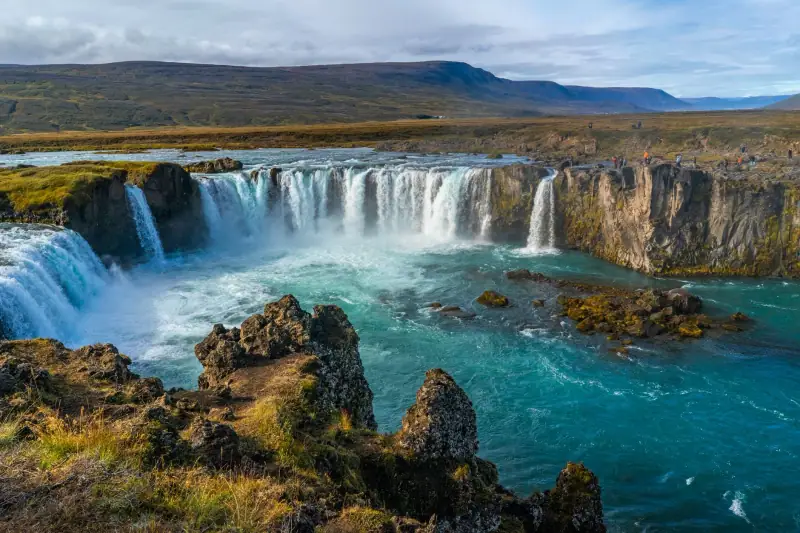
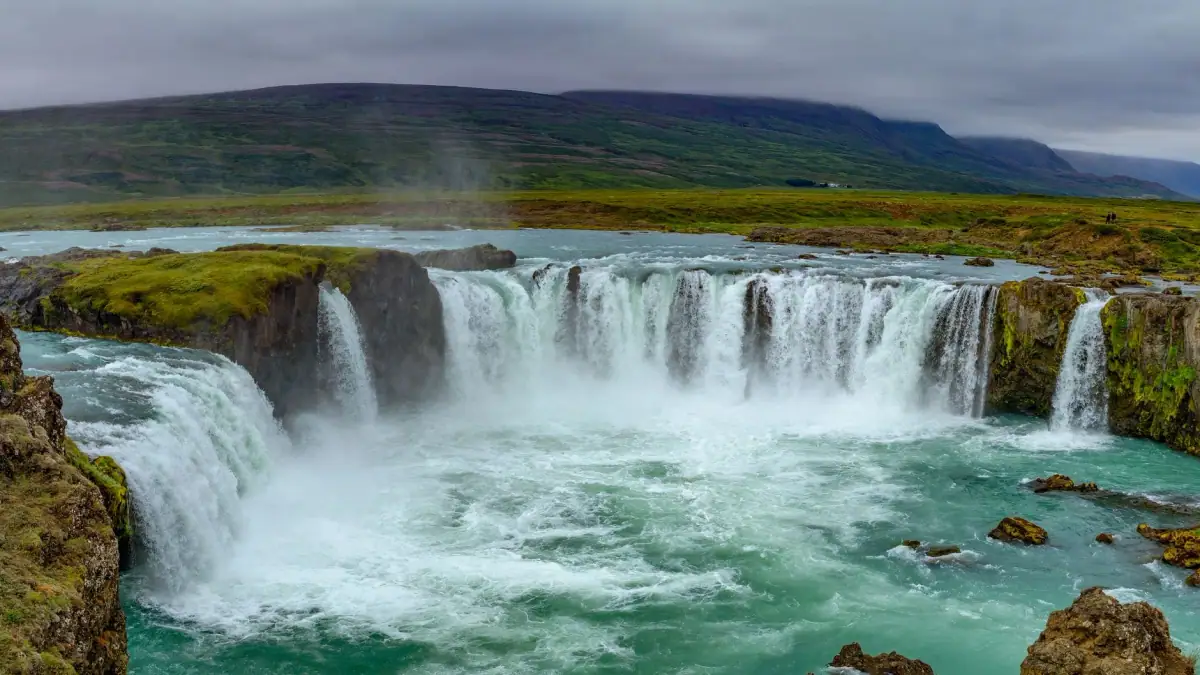
The first stop is about 45 to 50 km (28 to 31 mi) from Akureyri, on Route 1: Goðafoss, the “waterfall of the gods.” This wide, horseshoe-shaped waterfall drops into a clear glacial river. The name is said to come from an episode of the country’s medieval history tied to the adoption of Christianity. Short trails let you see it from both banks, and the surroundings are very accessible from the main road.
Then continue to Lake Mývatn, about 90 km (56 mi) from Akureyri. This volcanic region is one of the most singular on the island. Several sights follow one another around the lake:
- Dimmuborgir, a field of lava formations with twisted shapes, crossed by marked trails of different lengths.
- Hverir, a geothermal area of bubbling mud and fumaroles, with a very strong sulfur smell.
- The craters and pseudo-craters bordering the lake, easy to explore on foot.
- The Víti crater and the Krafla area, for those who want a viewpoint over the volcanic landscape.
In the evening, nothing beats a hot bath after the road. The Mývatn Nature Baths are presented in our guide to hot springs in Iceland, with booking and etiquette tips. Spend the night in the lake area, or return to Akureyri if you prefer to stay in one place, but the first choice avoids hours of needless driving.
Staying near Lake Mývatn
Supply is limited around the lake: compare the available lodging at Mývatn before it goes.
Day 2: Dettifoss, Ásbyrgi and arrival in Húsavík
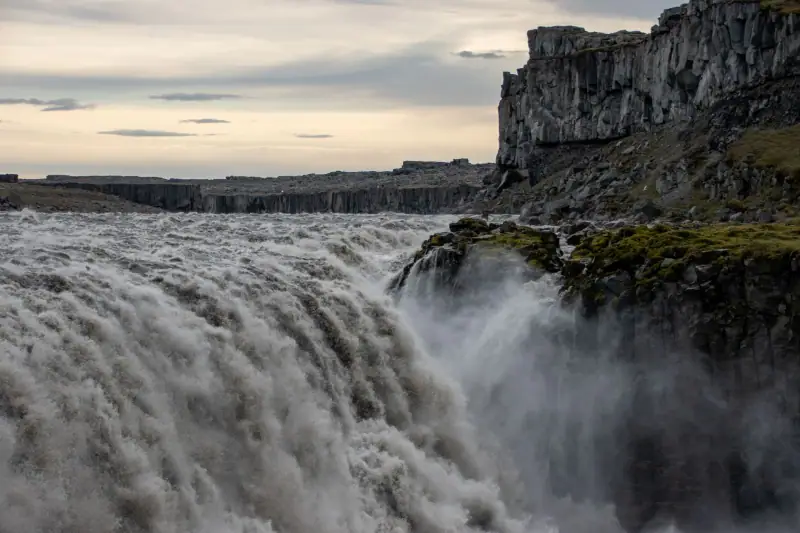
The second day is the densest in landscapes. Allow about 150 km (93 mi) of driving, with several stops to plan.
Dettifoss is one of the most powerful waterfalls in Europe. It lies in Vatnajökull National Park, in a rocky canyon, and the gray water loaded with glacial sediment falls with a roar heard from afar. The surroundings are exposed to wind and moisture: bring a waterproof jacket and good shoes, especially if the trail is wet. Always keep a safe distance from the edges.
Farther north, Ásbyrgi is a horseshoe-shaped canyon with vertical walls, sheltered from the wind and covered in vegetation. After the harshness of Dettifoss, the contrast is striking. Several walking trails, easy or longer, let you discover it at your own pace.
End the day in Húsavík, a small port on the north coast. The town is known as Iceland’s whale watching capital. Its brightly colored wooden church and lively harbor make it a pleasant stop for dinner and the night. The Whale Museum, on the harbor, is a useful visit to understand the species you might meet the next day.
Day 3: whales in Húsavík and return to Akureyri
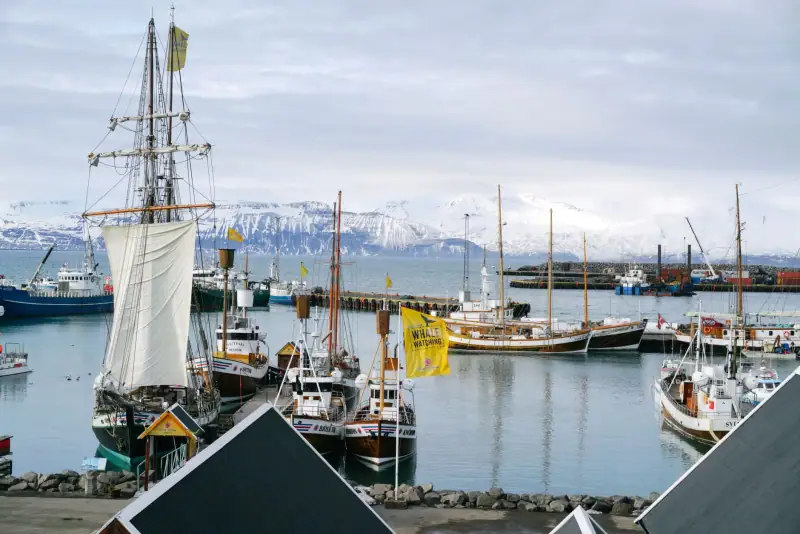
The morning is devoted to a boat trip on Skjálfandi Bay. Excursions are offered mostly from April to October, peaking from May to September. Humpback whales regularly visit the bay in summer, and you may also meet minke whales or dolphins. No sighting is guaranteed: the sea remains a wild environment, and reputable operators say so.
A few tips for the trip:
- Dress very warmly, even in summer: the wind on the water is cold. Most operators lend overalls or warm clothing.
- If you are prone to seasickness, ask your doctor or pharmacist about your options before boarding.
- Book ahead in high season, because morning slots fill up fast.
- Choose an excursion that respects the animals: boats at a reasonable distance, no chasing the whales.
Watch whales in Húsavík
Compare boat trips departing from Húsavík and book your slot ahead.
In the afternoon, take the road back to Akureyri, about 90 km (56 mi) away. You will have time to stop at Goðafoss if the weather was bad on the first day, or to stroll the streets of Akureyri before returning the car or continuing to another part of the island.
A few variants depending on your time
If you have only two days, do Goðafoss and Mývatn on the first day, then head to Húsavík for the boat trip, skipping Dettifoss and Ásbyrgi. The itinerary remains coherent, but you will lose the wildest landscapes.
If you have four days, add a second night around Mývatn to hike at ease between the volcanic sights, or devote half a day to Akureyri and its surroundings.
If you come in winter, favor short stops, check road conditions every morning and take advantage of the long nights to try watching the aurora. Our guide to the northern lights in Iceland gives the conditions to meet.
Budget and practical organization
North Iceland remains an expensive trip, like the rest of the country, but a few habits cut the bill:
- Shop at the supermarket in Akureyri before heading to Mývatn, where supply is more limited.
- Bring a reusable bottle: tap water is drinkable almost everywhere.
- Alternate lodging in town and simpler places away from the main sights.
- Fill up on fuel before leaving Akureyri or Húsavík, as stations are far apart.
Finally, consider travel insurance before departure, notably for medical costs and weather-related disruptions. To enrich your stay, complete this loop with the southern stops described in our south coast guide.
Frequently asked questions
How long does it take to visit North Iceland?
Three days let you do the classic loop from Akureyri without rushing: Goðafoss and Lake Mývatn, then Dettifoss, Ásbyrgi and Húsavík. With two days you have to make choices; with four days you can add hikes and a second geothermal bath.
What is the best time to see whales in Húsavík?
Boat trips are offered mostly from April to October, with a peak from May to September. Humpback whales regularly visit Skjálfandi Bay in summer, but no sighting is guaranteed.
Do you need a 4x4 for this loop?
In summer, a regular car is generally enough for this itinerary, which mostly uses paved roads. In winter, snow and ice make driving more delicate: check road conditions before each stage and adapt your vehicle.
Where should you stay to explore North Iceland?
Akureyri offers the most choice and is a practical base. To limit driving, spend a night near Lake Mývatn and then a night in Húsavík. Book early in summer: supply is limited outside Akureyri.
Can you see the northern lights in the north?
Yes, provided you travel outside summer, when nights are long and dark enough. The north, less lit than the capital, is a good place to watch under a clear sky.
More Iceland guides
Keep reading
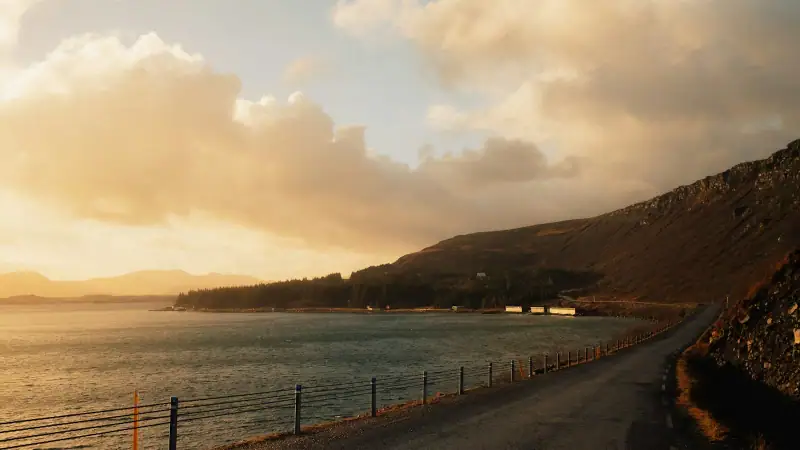
Iceland budget: real costs, 3 priced profiles and money-saving tips
Budget for a trip to Iceland in 2026: lodging, car, meals and activities item by item, three priced profiles and tips to spend less.
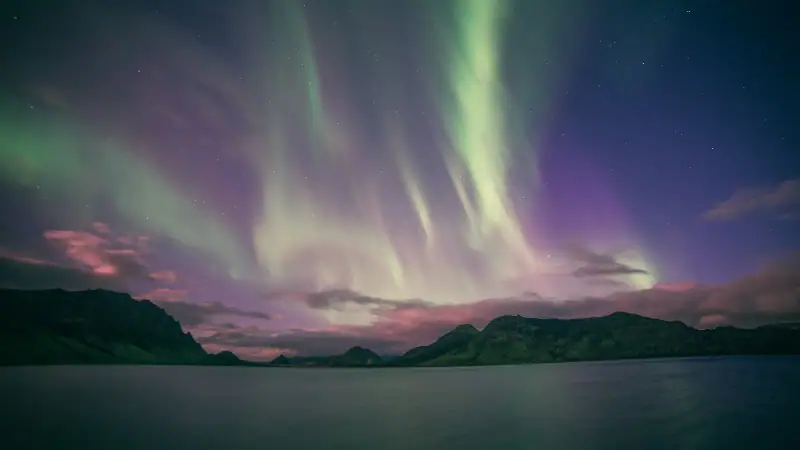
When to go to Iceland: seasons, northern lights and the midnight sun
When to go to Iceland depending on what you want: northern lights, midnight sun, puffins, whales, Highland roads. Month by month, no bad surprises.
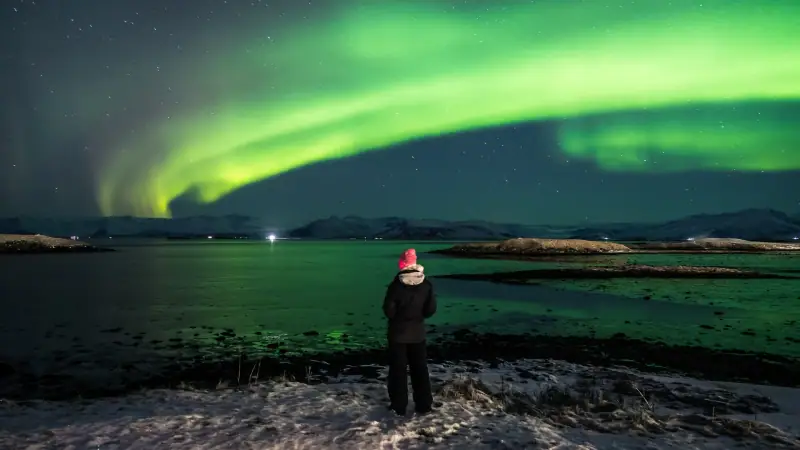
Northern lights in Iceland: where and when to see them (complete guide)
See the northern lights in Iceland: best season, best spots around Reykjavik, the South, Snæfellsnes and the North, forecasts and photo tips.
Ready-made
Iceland itineraries
4 days
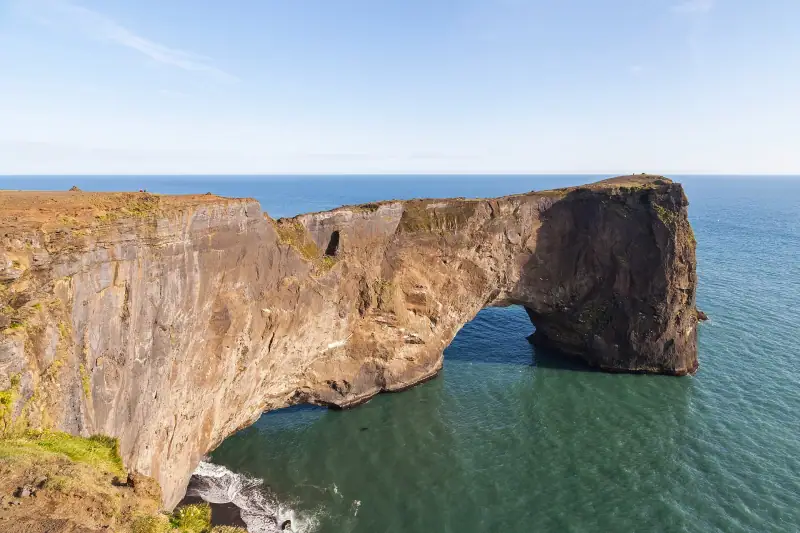
Iceland's south coast: a 4-day itinerary from Reykjavik to Jökulsárlón
A 4-day south coast Iceland itinerary: Seljalandsfoss, Skógafoss, Vík, Reynisfjara and Jökulsárlón lagoon, with distances, stops and practical tips.
2 days
Snæfellsnes Peninsula: a 2-day itinerary from Reykjavik
Visit Iceland's Snæfellsnes Peninsula: Kirkjufell, Arnarstapi, Djúpalónssandur, Búðir and Stykkishólmur. A 2-day itinerary with drive times and tips.