What to see
Complete guide to visiting Guadeloupe: regions, highlights and tips
We may earn a commission when you book through links on this page, at no extra cost to you. We don't visit or try the places we cover: we summarize published sources. How we work
In short
- Guadeloupe is an archipelago: Grande-Terre (beaches, lagoons), Basse-Terre (volcano, rainforest, waterfalls), plus Les Saintes, Marie-Galante and La Désirade.
- Allow a week for the essentials of Grande-Terre and Basse-Terre with a day in Les Saintes; 10 to 14 days to add Marie-Galante and more hiking.
- December to April (carême) is the driest and most stable period but the priciest; the official hurricane season runs June 1 to November 30.
- A rental car is the most flexible option for most stays; the sea stays warm all year, around 26 to 29 °C (79 to 84 °F).
A butterfly resting on the Caribbean Sea, Guadeloupe is a destination that surprises with its diversity. Within a few dozen kilometers, you go from a white-sand beach lined with palm trees to a drenched rainforest, from an active volcano to a market overflowing with spices, from a cliff beaten by the Atlantic to a bay of calm water. Add to that satellite islands with a strong identity: Les Saintes, Marie-Galante and La Désirade.
This complete guide to visiting Guadeloupe lays the groundwork for your trip: geography, regions, highlights, seasons, transport, lodging and budget. It also points to all the detailed articles on this site, to go deeper on each topic according to your interests.
Guadeloupe in brief: one archipelago, two large islands
Guadeloupe is a French overseas department and region, in the Lesser Antilles arc, in the Caribbean Sea. The territory is an archipelago whose core is formed by two large adjoining islands, separated by a narrow arm of sea, the Rivière Salée, and linked by bridges. Seen from the sky, their shape evokes the wings of a butterfly, a nickname often given to Guadeloupe.
- Grande-Terre, in the east, is a limestone island, rather flat and dry. It has the big beaches, lagoons, seaside resorts, sugar cane fields and the cliffs of the Atlantic coast.
- Basse-Terre, in the west, is volcanic, mountainous and covered in rainforest. It shelters the national park, La Soufrière, the waterfalls and the leeward coast, prized by divers.
- Les Saintes, in the south, are a small archipelago whose most visited island is Terre-de-Haut.
- Marie-Galante, in the southeast, is a round, rural island, famous for its sugar cane, distilleries and old windmills.
- La Désirade, in the east, is a long, unspoiled island with a very quiet atmosphere.
This dual nature explains the appeal of the trip: Guadeloupe is not just a beach. It is a destination where you alternate lounging, hiking, diving, cultural visits and food. The territory is also strongly protected: a large part of Basse-Terre is covered by the Guadeloupe National Park, and the archipelago is recognized as a biosphere reserve.
On the practical side, French is spoken and you pay in euros. Entry rules depend on your passport. Check the official travel advice of your government before you book: travel.state.gov (US), GOV.UK (UK), travel.gc.ca (Canada), Smartraveller (Australia) (checked November 2026). Also check driver’s license rules with your rental company before you book a car.
Grande-Terre: beaches, lagoons and Pointe des Châteaux
Grande-Terre is the archipelago’s natural gateway: the international airport is in Les Abymes, right next to Pointe-à-Pitre, and most of the beach offering is concentrated on the south coast. It is the best region for a first stay centered on the sea.
Pointe-à-Pitre, the economic capital
Pointe-à-Pitre is the largest city in the archipelago. It does not try to win you over with a postcard look but with authenticity: colorful markets, lively streets, a Creole atmosphere. The Mémorial ACTe, devoted to the memory of the slave trade and slavery, is one of the most striking cultural sites of the destination. Allow half a day, and check opening hours before you go, especially on Sunday.
Le Gosier and Sainte-Anne
Le Gosier is the resort closest to the airport, lively, with its hotels, restaurants and seafront bars. An islet facing the beach adds a nice boat or kayak excursion in calm weather. Farther east, Sainte-Anne is known for its pale-sand beaches, its market and its more family-oriented feel. To compare the archipelago’s beaches island by island, read our selection of the best beaches in Guadeloupe.
Saint-François and Pointe des Châteaux
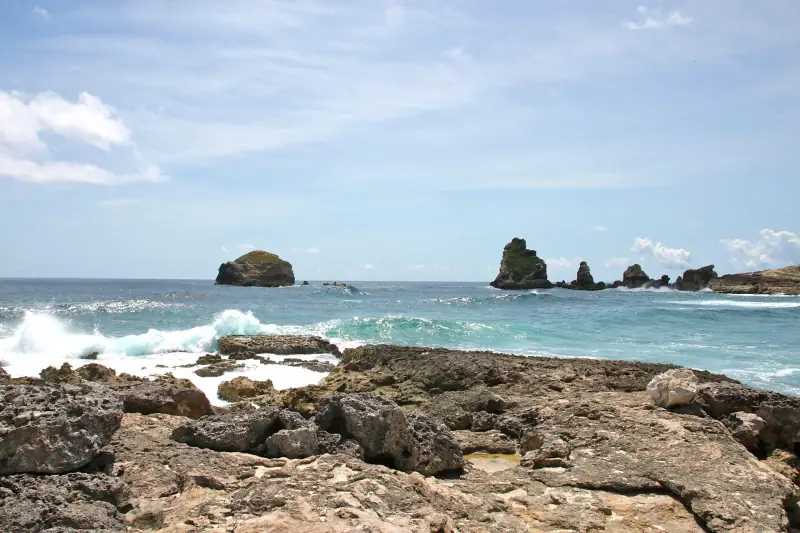
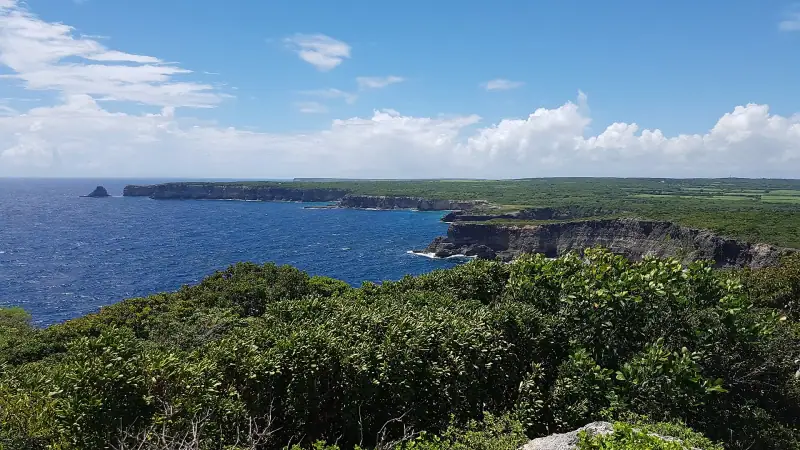
Saint-François combines a marina, a golf course and a resort feel. It is above all the best base to reach Pointe des Châteaux, the eastern tip of Grande-Terre, where cliffs, jagged rocks and wild beaches offer a powerful landscape, very different from the southern lagoons. The wind is often strong: bring a windproof layer and water.
Northern Grande-Terre
The north is more rural and wilder: cliffs, isolated coves and sugar cane fields. You come for less-visited scenery and for a quiet road-trip day. Here, beaches open to the Atlantic are more exposed to waves and currents: always follow local signs before swimming.
Hotels in Guadeloupe
Compare hotels, residences and bungalows for your dates, especially in high season when the best places go fast.
Basse-Terre: volcano, rainforest and the leeward coast
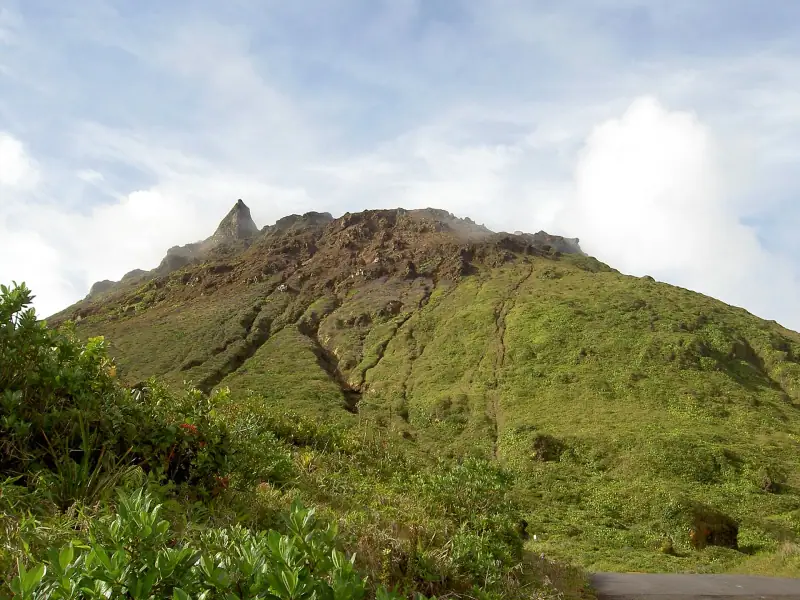
Basse-Terre is the island of mountains, fine rain and green landscapes. It is the wild face of Guadeloupe, the one you explore on foot, by car on winding roads, and underwater.
La Soufrière and the national park
La Soufrière is an active volcano that dominates the south of Basse-Terre. At about 1,460 m (4,790 ft), it is the highest point in the Lesser Antilles. Climbing it is one of the archipelago’s most famous hikes, but it takes preparation: suitable shoes, warm and waterproof clothing, as the summit is often in cloud and conditions can change fast. Our guide to the La Soufrière hike details the route, precautions and recommended period.
Waterfalls and rivers
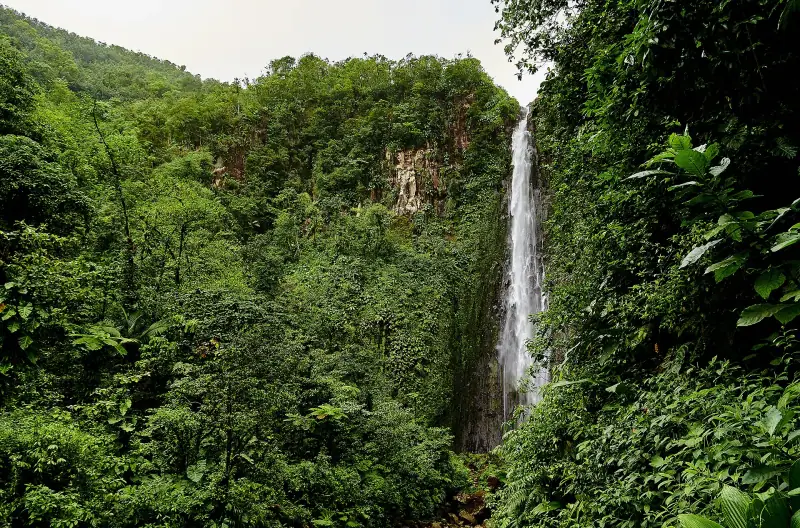
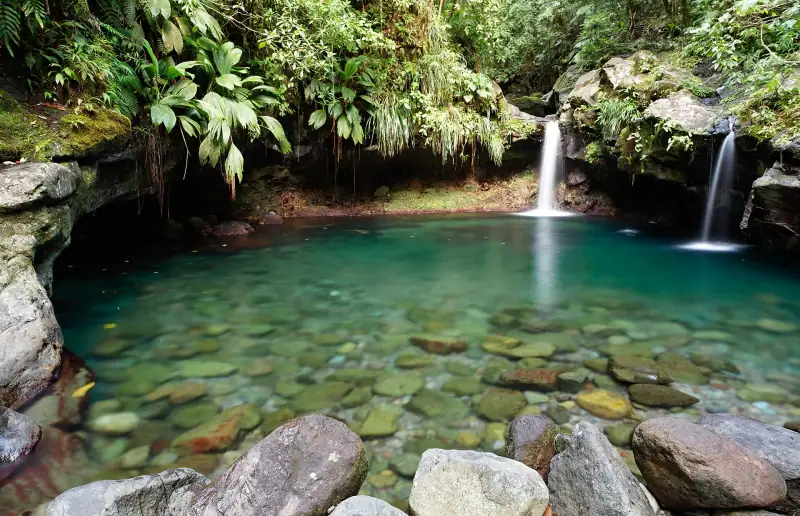
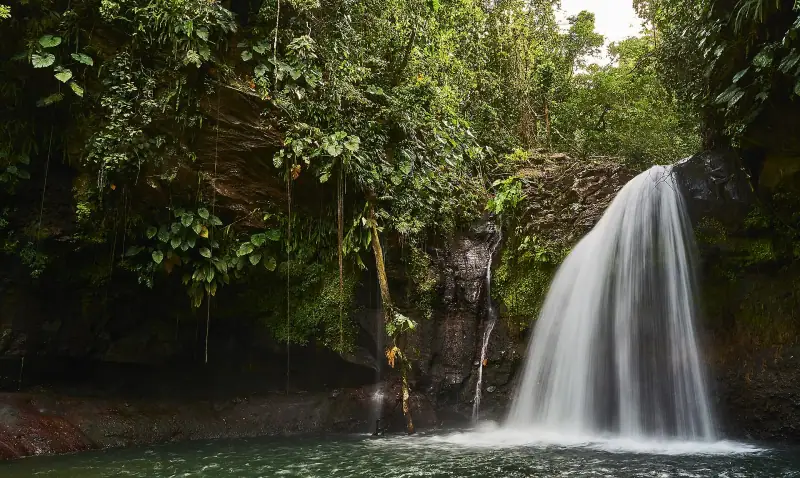
Waterfalls are another Basse-Terre classic: natural pools, forest trails and falls bursting from the forest. Carbet Falls are the most famous. As access and trail conditions can change, see our article on Guadeloupe waterfalls and Carbet Falls before heading out.
Deshaies, Bouillante and the Cousteau Reserve
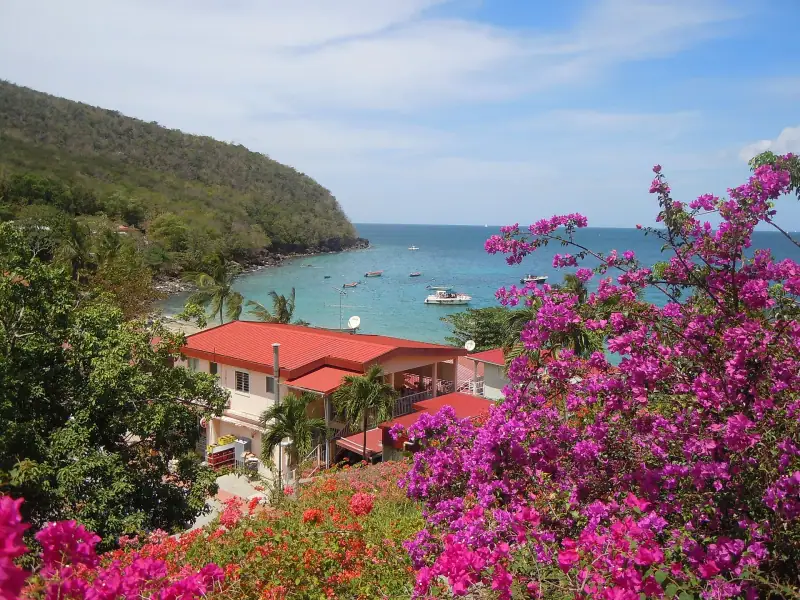
The west coast, known as the “leeward” coast, is calmer and more sheltered. Deshaies, in the north, is a charming fishing village in a bay framed by green hills. Bouillante, farther south, takes its name from the hot springs linked to volcanic activity and is the base for many dive clubs. Offshore, the Cousteau Reserve and Pigeon Island are the best-known diving and snorkeling site in the archipelago. For beginners and experienced divers alike, our article on diving and snorkeling in the Cousteau Reserve will help you choose your outing.
Crossing Basse-Terre
A mountain road, the Route de la Traversée, links the two sides of the island through the forest. The drive is picturesque, with possible stops for short forest walks. Expect winding roads and changing weather: a clear sky on the coast can hide rain at altitude.
Les Saintes: a postcard bay
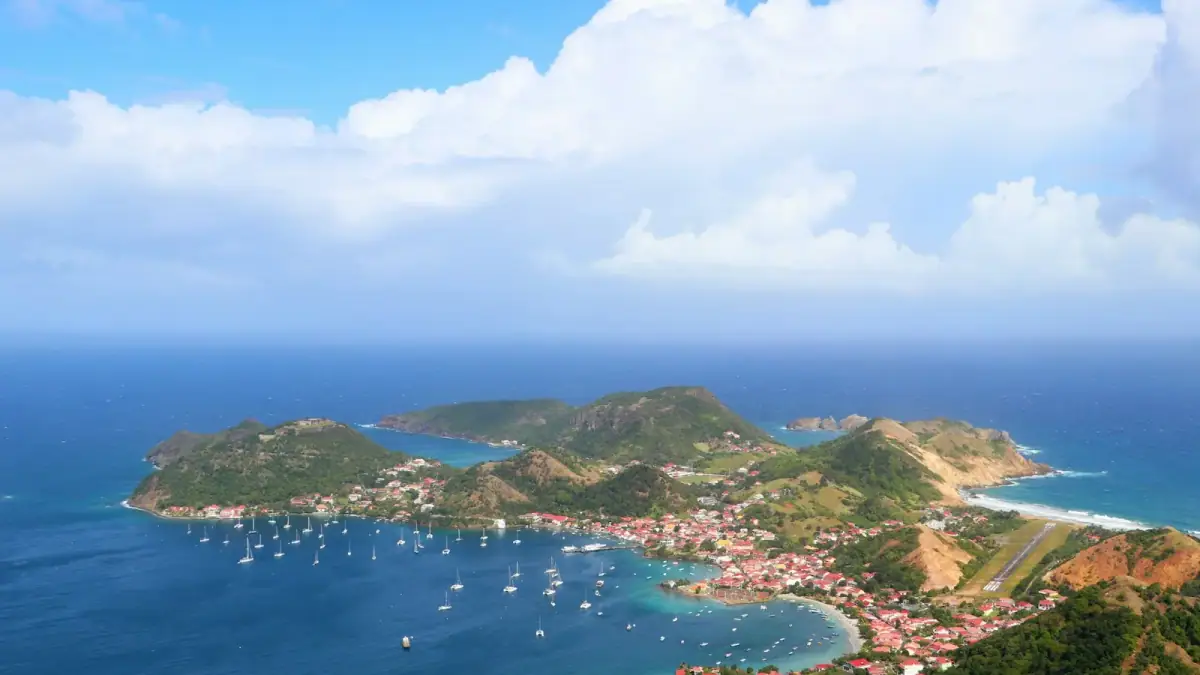
A few dozen minutes by boat from mainland Guadeloupe, Les Saintes is a break from everything. Terre-de-Haut, the main island, appeals with its bay, colorful houses, coastal paths and fort. You get around on foot, by bike or in a small electric vehicle, which completely changes the rhythm of the trip.
Many travelers come for the day, but staying overnight gives a whole different atmosphere, once the last boats have left. The visits, beaches and practical tips are detailed in our guide to visiting Les Saintes and Terre-de-Haut. Keep in mind that crossings can be disrupted in rough seas: avoid scheduling this stop the day before your return flight.
Marie-Galante and La Désirade: the quieter islands
Marie-Galante, often called the “island of a hundred mills”, is a round, rural and peaceful island. Sugar cane still reigns there, agricultural rum is a tradition and the pale-sand beaches, often little visited, invite you to slow down. The distilleries, old windmills and countryside landscapes are another face of the Antilles. To prepare your stay, read our article on visiting Marie-Galante.
La Désirade, farther east, is the most discreet island of the archipelago. Long and narrow, drier and little developed, it appeals to travelers looking for calm, long walks and unspoiled scenery. It is reached by boat from Grande-Terre. As with other crossings, check schedules and sea conditions before you leave.
The highlights not to miss
If you could only keep a few experiences, here is a selection covering all profiles.
- A beach day on the south coast of Grande-Terre: warm water, pale sand and a relaxed atmosphere.
- Pointe des Châteaux: the archipelago’s great wild landscape.
- La Soufrière or a rainforest walk: to understand Basse-Terre.
- A Basse-Terre waterfall: freshwater swimming after a short walk.
- A diving or snorkeling outing in the Cousteau Reserve.
- A day in Les Saintes: bay, small paths and an island feel.
- A Creole market: spices, fruit, vanilla, flavored rum.
- A distillery: agricultural rum is part of the islands’ identity.
- The Mémorial ACTe in Pointe-à-Pitre: a striking visit, essential to understand local history.
This list is flexible. With family, favor sheltered beaches and short walks. As a couple, add nights in Les Saintes or Deshaies. For active travelers, hiking, diving and water sports easily fill several days.
Excursions and activities in Guadeloupe
Boat trips, guided hikes, visits: compare available activities and their cancellation terms.
When to go to Guadeloupe
It is warm all year: by day, it is generally between 25 and 31 °C (77 and 88 °F) on the coast and the sea stays warm. What varies is humidity, showers, crowds and hurricane risk.
- December to April (carême): dry season, clearer skies, ideal conditions for the beach and hiking. It is also high season, with the highest prices, especially during school holidays.
- May to June: a transition period, quieter and often greener, with gentler rates.
- July to November (wet season): hotter, more humid, with frequent showers. The official hurricane season runs from June 1 to November 30, with a higher risk between August and October.
Carnival, which livens up the archipelago from January to Ash Wednesday, is one of the cultural highlights of the year: parades, music, costumes. Book very early if you want to be there at that time. The month-by-month detail, with precautions to take, is in our article when to go to Guadeloupe. If you travel in hurricane season, take out insurance that covers cancellation and trip interruption.
How to get to Guadeloupe
Flying is the only realistic way to reach the archipelago. The international airport is near Pointe-à-Pitre. Several airlines serve the destination, and routes and layovers vary with where you start from.
A few guidelines to choose well:
- Book early for school holidays, Christmas and carnival: tickets become expensive and scarce.
- Compare included baggage, as conditions vary from one offer to another.
- Plan a quiet first day to recover after a long trip.
Flights to Guadeloupe
Compare dates, layover times and included baggage before locking in your lodging.
Getting around
Car, the most practical option
To explore Grande-Terre and Basse-Terre, a rental car is the most flexible way. Sights are scattered, public transport is limited and schedules are sometimes restrictive. A few tips:
- Expect traffic jams around Pointe-à-Pitre at rush hour: they weigh on travel times and can noticeably lengthen a day.
- Allow longer driving times than the map suggests, especially on Basse-Terre’s winding roads.
- Avoid isolated roads at night if you are not comfortable, and park in busy lots, leaving nothing visible in the car.
- Book ahead in high season, as vehicles can run short.
Boats between the islands
Les Saintes, Marie-Galante and La Désirade are reached by boat from different ports in Grande-Terre and Basse-Terre. Schedules and departure points vary with the season, the company and the destination: check them shortly before your trip and book in high season. Rough seas can cause changes or cancellations, so keep a margin in your schedule, especially before a flight.
Buses, taxis and two-wheelers
There are buses and taxis, but they mostly suit one-off trips or stays centered on a single area. On the smaller islands, bikes, scooters or electric vehicles are pleasant solutions, as long as you respect the rules of the road and safety instructions.
Where to stay in Guadeloupe
Choosing your base is the most important decision of the trip, because drives between areas can be long. Here is a summary of the recommendations, detailed in our guide where to stay in Guadeloupe.
- Le Gosier: close to the airport, lively, practical for a first or last night.
- Sainte-Anne: postcard beaches, family feel, good beach base.
- Saint-François: marina, golf, access to Pointe des Châteaux.
- Deshaies: the charm of a fishing village, nature, the leeward coast.
- Bouillante: the divers’ base, wild atmosphere and darker sands.
- Terre-de-Haut (Les Saintes): a car-free island for a break of a few nights.
- Marie-Galante: calm and authenticity.
As for lodging types, there are hotels, tourist residences, bungalows, gîtes, villas, furnished rentals and guesthouses. Small places such as gîtes or bungalows are common and often offer good value. A tip: for one week, a single base is enough; beyond that, split your nights between Grande-Terre and Basse-Terre to limit drives.
Eating and drinking: Creole cuisine
Food is one of the big reasons to travel to Guadeloupe. Creole cooking blends African, European, Indian and Caribbean influences, with seafood, root vegetables, tropical fruit, spices and chili, used with more or less restraint.
Among the essentials to taste: salt cod fritters (accras), Creole blood sausage (boudin créole), colombo (a spicy dish of Indian influence), grilled fish and seafood, not to mention desserts based on coconut, banana or guava. As for drinks, agricultural rum, made from cane juice, is a local pride. The ti-punch, a mix of rum, lime and cane sugar, is enjoyed in moderation, especially in the sun.
At markets as in small roadside restaurants, the food is often generous and affordable. Our article on Guadeloupe Creole cuisine and its specialties will help you know what to try.
Budget: how much to plan for a trip to Guadeloupe?
The budget depends mostly on the season, the length and the travel style. No overly precise figures are given here, as prices change a lot: instead, here are the main spending items and ways to reduce them.
- The flight is often the biggest expense. It varies enormously between school holidays and slow periods. Booking early and traveling outside high season clearly reduces the bill.
- Lodging ranges from a simple gîte or bungalow to a seaside hotel. High season (December to April) pushes prices up.
- The rental car is a significant item, especially if you keep it a long time. Compare offers and book early.
- Meals: the cost of living is high, notably for imported products. Eating local, at markets or small places, limits spending.
- Activities: hikes and beaches are free or nearly so, while diving, boat trips and guided visits cost money.
- Crossings to the islands add to the bill: factor them in if you plan Les Saintes, Marie-Galante and La Désirade.
A few simple tips: travel in May-June or November, stay in a gîte, share the car among travelers, mix free days (beach, hikes) with paid activities, and systematically compare prices before booking.
Which itinerary to choose?
The length of your stay determines what you can see:
- 4 to 5 days: one base in Grande-Terre, with a day in Basse-Terre or Les Saintes.
- 7 days: Grande-Terre, Basse-Terre and a day in Les Saintes, at a reasonable pace. Our 7-day Guadeloupe itinerary gives the day-by-day detail.
- 10 to 14 days: add Marie-Galante, more hiking and diving, and days with no plan.
A simple principle: do not try to see everything. Distances may look short on the map, but traffic and mountain roads lengthen trips. Fewer stops and more time at each one is better.
Practical tips before you go
- Sun and heat: protect yourself with suitable sunscreen, preferably reef-friendly, a hat and plenty of water.
- Mosquitoes: use a suitable repellent, especially in the wet season. See the official travel health pages (CDC in the US, TravelHealthPro in the UK).
- Sea: respect flags and local instructions, and do not swim alone on beaches exposed to the Atlantic.
- Hiking: bring good shoes, water, a rain layer and do not start too late in the day.
- Phone: check your carrier’s international plan or use a travel eSIM.
- Electricity: check the outlet type and voltage against your devices before you leave.
- Insurance: check health cover, repatriation and cancellation, especially if you travel in hurricane season.
- Local courtesy: a greeting when entering a shop or restaurant is appreciated, and the local pace is relaxed.
All the guides to prepare your trip
Here are the articles of the site, grouped by theme to go further:
Preparing the trip
- When to go to Guadeloupe? Seasons, weather and best months
- Where to stay in Guadeloupe: which area to choose for your trip
- Guadeloupe in 7 days
Nature and scenery
- The best beaches in Guadeloupe
- Guadeloupe waterfalls: Carbet Falls and the best hikes
- Hiking La Soufrière
- Diving and snorkeling: the Cousteau Reserve and Pigeon Island
The islands
Flavors
- Guadeloupe Creole cuisine: 15 specialties to taste
Summary
Guadeloupe can be visited at several speeds: beaches and lagoons in Grande-Terre, volcanoes and forests in Basse-Terre, quiet islands offshore, Creole food and rum everywhere. Choose a season that matches your priorities, plan on a car, split your nights between two bases if you stay more than a week, and keep free time so you do not chase every site. With this foundation, you can now go into the detail of each theme through the articles linked above.
Frequently asked questions
How long does it take to visit Guadeloupe?
Allow a week to discover the essentials of Grande-Terre and Basse-Terre, with a day in Les Saintes. Ten to fourteen days let you add Marie-Galante, hike more and pace the stay more calmly.
Do you need a passport or visa to go to Guadeloupe?
Entry rules depend on your passport. Check the official travel advice of your government before you book: travel.state.gov (US), GOV.UK (UK), travel.gc.ca (Canada), Smartraveller (Australia) (checked November 2026).
What is the best time of year to go to Guadeloupe?
From December to April, during the carême (dry season), the weather is most stable, but prices are higher. In May-June and November, crowds drop. The hurricane season officially runs from June 1 to November 30, with a higher risk between August and October.
Do you need to rent a car in Guadeloupe?
In most cases, yes. The sights are spread over two main islands and public transport is limited. Only a stay centered on one town, or in Les Saintes where you get around on foot, by bike or by scooter, can do without.
Where should you stay for a first trip to Guadeloupe?
The south coast of Grande-Terre (Le Gosier, Sainte-Anne, Saint-François) is the simplest base: beaches, restaurants and hotels are concentrated there. If you stay more than a week, add a few nights in Basse-Terre, around Deshaies or Bouillante.
Is Guadeloupe expensive?
The cost of living is high, notably for imported food, and the flight is often the biggest expense. You control the budget by booking early, traveling outside school holidays, staying in a gîte or bungalow and eating local.
Can you swim all year?
Yes, the sea stays warm all year, around 26 to 29 °C (79 to 84 °F). You do need to consider the day's conditions, beach flags and possible sargassum on some exposed coasts.
More Guadeloupe guides
Keep reading
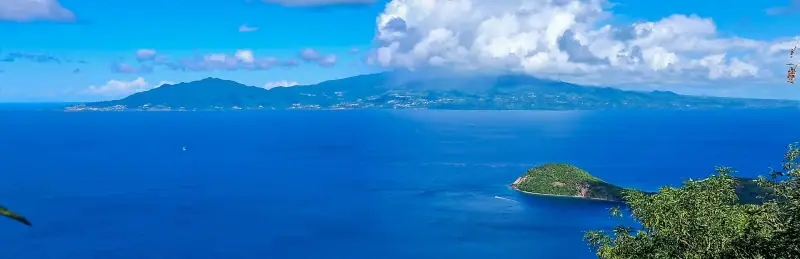
Visiting Les Saintes: what to do on Terre-de-Haut in a day or more
Visiting Les Saintes from Guadeloupe: the crossing, Fort Napoléon, Pain de Sucre, beaches and tips for organizing a day or a weekend on Terre-de-Haut.
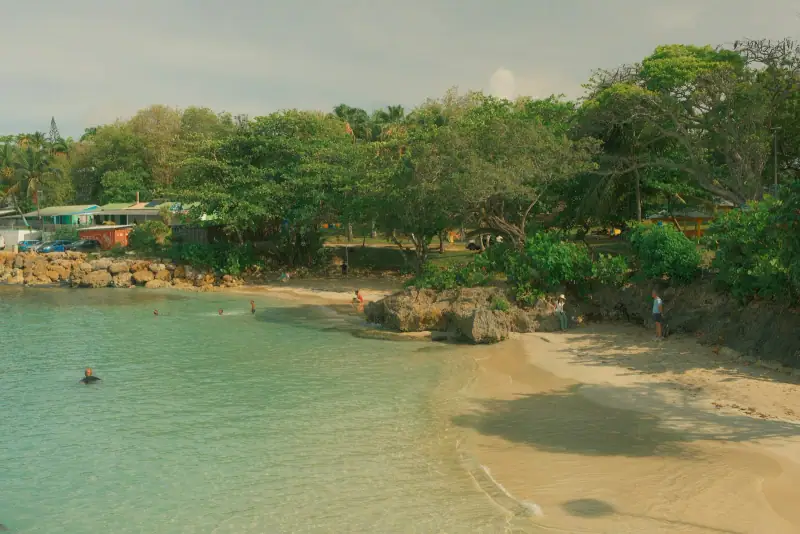
The best beaches in Guadeloupe: a selection by island
The best beaches in Guadeloupe: Grande-Terre, Basse-Terre, Les Saintes and Marie-Galante, with tips on swimming, snorkeling and safety.
Waterfalls in Guadeloupe: Carbet Falls and the best hikes
The best waterfalls in Guadeloupe on Basse-Terre: Carbet Falls, Cascade aux Écrevisses, Saut de la Lézarde. Access, difficulty and tips for visiting.
Ready-made
Guadeloupe itineraries
3 days
Grande-Terre in 3 days: beaches, cliffs and Pointe des Châteaux
A 3-day itinerary in Grande-Terre: Le Gosier, Sainte-Anne, Saint-François, Pointe des Châteaux, Le Moule and the northern cliffs. Stops, tips and bases.
5 days
Guadeloupe in 5 days without a car: a realistic itinerary
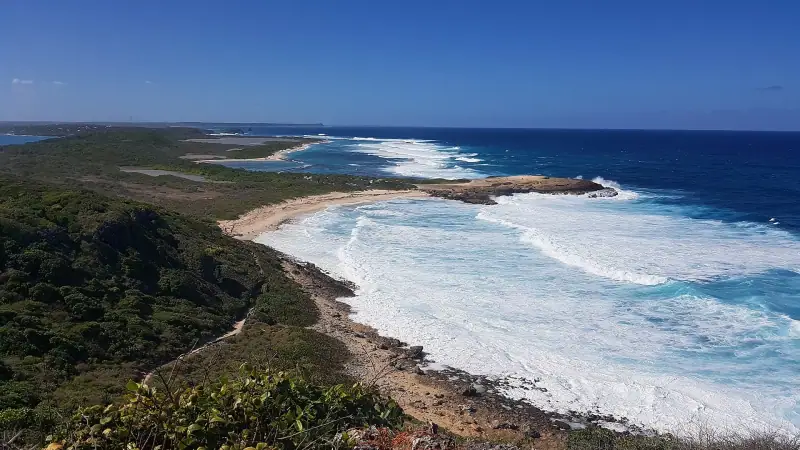
Visiting Guadeloupe without a car in 5 days is possible: a base in Le Gosier or Sainte-Anne, buses, taxis, excursions and the boat to Les Saintes.
3 days
Basse-Terre road trip in 3 days: volcano, waterfalls and the leeward coast
Southern Basse-Terre (Capesterre-Belle-Eau or Saint-Claude)Leeward coast (Bouillante or Deshaies)