What to see
Visiting Marie-Galante: beaches, distilleries and windmills of the island of a hundred mills
We may earn a commission when you book through links on this page, at no extra cost to you. We don't visit or try the places we cover: we summarize published sources. How we work
In short
- Boats reach Marie-Galante from mainland Guadeloupe, notably from Pointe-à-Pitre and Saint-François depending on the season. Crossings take from a few dozen minutes to about an hour.
- The west (leeward) coast has the best calm-water beaches; the east coast is wilder and swimming can be discouraged.
- A vehicle is very useful: sights are spread out. Rent a car, scooter or bike on the island.
- One day covers the essentials, but two to three nights let you take the island's pace without a last-boat rush.
Only 45 minutes to an hour by boat from mainland Guadeloupe, Marie-Galante is an island of contrasts: a plateau of sugar cane, cliffs facing the Atlantic and, in the west, pale-sand beaches that are often empty. Nicknamed the “Grande Galette” (the big flat pancake) for its round, flat shape, or the island of a hundred mills, it appeals to those who want to slow down.
This guide helps you decide how to visit Marie-Galante: getting there, getting around, choosing the top sights and knowing whether it is better to spend the day or stay overnight.
How to get to Marie-Galante
The crossing is by ferry from mainland Guadeloupe, notably from Pointe-à-Pitre and Saint-François depending on the period. The duration depends on the departure port: allow from a few dozen minutes to about an hour.
- Book ahead in high season and during school holidays: departures fill up.
- Check schedules with the companies: they change with the season and sea conditions.
- Allow a margin on the way back. Do not schedule the crossing the day before your flight, as the sea can be rough and services disrupted.
The ferries arrive at Grand-Bourg, the island’s main town. That is where vehicle rental shops and stores are.
Flights to Guadeloupe
Compare dates and layover times before locking in your Marie-Galante getaway.
Grand-Bourg: the island’s gateway
Grand-Bourg is the largest town on Marie-Galante and its arrival point. Its center is quiet, with streets lined with Creole houses, a waterfront and shops. You generally do your shopping there and pick up your rental vehicle before heading off to explore the island.
Without claiming to be a major sight, the town sets the tone for the island: a slow pace, welcoming residents and a life set by cane and rum. Take the time for a break on a terrace before hitting the road.
The beaches of Marie-Galante
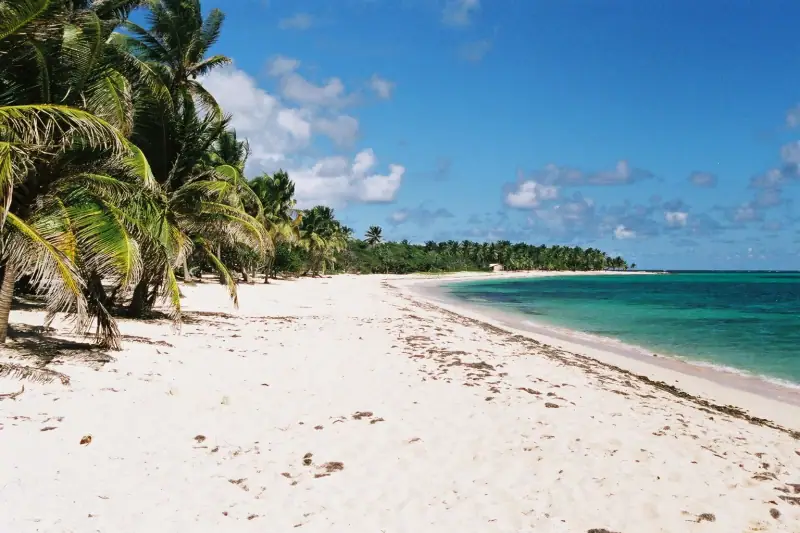
The west (leeward) coast has the most beautiful pale-sand beaches, with calm water and a seabed often suited to swimming. The east coast, facing the Atlantic, is wilder and more exposed: you come mostly for the scenery.
- West coast (leeward): comfortable swimming, pale sand, peaceful atmosphere. The best choice for a beach day.
- East coast (windward): cliffs, swell and stronger winds. Some beaches, notably toward Capesterre, are better sheltered than others, but swimming may be discouraged in some areas: follow local signs.
- Equipment: bring water, sunscreen and something to shelter from the sun, as services can be limited on the most isolated beaches.
As elsewhere in Guadeloupe, sargassum seaweed can wash up on some exposed coasts at certain times. To compare other beaches in the archipelago, see our guide to the best beaches in Guadeloupe.
Windmills and the sugar cane heritage
You cannot visit Marie-Galante without coming across a windmill. On this island, sugar cane shaped the landscape and history. Today you will see ruined mills at the edge of a field, others restored, and several former sugar plantations that tell the story of island life in colonial times.
Some of these former plantations can be visited and help you understand the work of cane, from harvest to processing. This history has a painful side, tied to slavery, which the island’s memorial sites do not pass over in silence.
For a successful visit, check opening hours before you go: they vary by season and are not always posted online.
Places to stay on Marie-Galante
Small hotels, gîtes and rentals: compare availability for your dates.
The rum distilleries
Marie-Galante is known for its agricultural rum, made from fresh cane juice. Several distilleries are on the island and some offer tours, with an explanation of the production process and a tasting at the end.
- Choose two distilleries at most to keep time for the beaches and fully enjoy the tastings.
- Do not drive after a tasting: designate a driver or spread the visits through the day.
- Bring bottles home after checking the rules that apply to your luggage and your airline.
The island’s rums make a good souvenir. To go with your stay, see also our guide to Creole cuisine in Guadeloupe.
How to get around the island
The sights of Marie-Galante are spread over an island about twenty kilometers (12 mi) across: distances are short, but public transport is limited. The choice of vehicle therefore sets your freedom.
- Rental car: the most comfortable solution, especially with family or in the heat. Book in high season, as the fleet is limited.
- Scooter: practical and fun, but requires caution on narrow roads and in the sun.
- Bike: possible because the terrain is moderate, but heat and wind can make distances longer than expected.
- Taxi or guided tour: a simple option for a day without driving.
If you come first to mainland Guadeloupe, think about your vehicle: the simplest is generally to leave it there before boarding and rent another on the island.
A day or a stay?
In one day, from mainland Guadeloupe, you will enjoy the essentials: a tour of the island in a rental vehicle, a distillery, a windmill and a beach. The crossing time limits what you can see, however, and the return must be planned with a safety margin.
In two or three nights, you will take on the island’s rhythm: beach in the morning, a visit in the afternoon, a Creole dinner in the evening, without last-boat stress. Lodging is mostly small hotels, gîtes and rentals. To compare areas of Guadeloupe before choosing, see our guide where to stay in Guadeloupe.
Excursions in Guadeloupe
Boat trips, guided hikes, diving: discover the experiences you can book.
When to visit Marie-Galante
The dry season, known as the carême, from about December to May, has the most stable weather, sunny days and a generally calmer sea for the crossing. The wet season, from June to November, is hotter and more humid, with a hurricane risk: keep some flexibility and choose flexible cancellation terms. To refine your choice, read our guide when to go to Guadeloupe.
Combining Marie-Galante with the rest of the archipelago
Marie-Galante combines well with a stay in Grande-Terre, notably around Saint-François, from where you can reach the island without going back through the airport. Many travelers add it midway through a stay, as a calm break between two more active stops.
With a week, keep two nights for Marie-Galante and devote the rest to Grande-Terre and Basse-Terre. With ten days or more, you can add an excursion to Les Saintes, taking care not to chain two crossings on the same day: the sea can disrupt services and it is better to keep a buffer day before the return flight. To build a full trip between the islands, see our 7-day Guadeloupe itinerary and our guide to visiting Les Saintes.
Frequently asked questions
How do you get to Marie-Galante from Guadeloupe?
You reach the island by boat, on a ferry from mainland Guadeloupe, notably from Pointe-à-Pitre and Saint-François depending on the season. Schedules and companies change: check them and book ahead in high season.
Is one day enough to visit Marie-Galante?
One day lets you see the essentials (Grand-Bourg, a distillery, a windmill, a beach), but the crossing cuts into useful time. Two nights are more comfortable to enjoy the island without rushing.
Do you need a car on Marie-Galante?
A vehicle is very useful, as the sights are far apart. You can rent a car, scooter or bike on the island. The terrain is moderate, which makes cycling an option for those who are comfortable with it.
Why is Marie-Galante called the island of a hundred mills?
Because sugar cane shaped the economy for centuries and many windmills, today often ruined or restored, dot the landscape. The number one hundred is symbolic.
Can you taste rum on the island?
Yes. Several distilleries on the island can be visited and offer tastings. Visiting conditions and opening days vary by season, so check before you go.
More Guadeloupe guides
Keep reading
Visiting Les Saintes: what to do on Terre-de-Haut in a day or more
Visiting Les Saintes from Guadeloupe: the crossing, Fort Napoléon, Pain de Sucre, beaches and tips for organizing a day or a weekend on Terre-de-Haut.
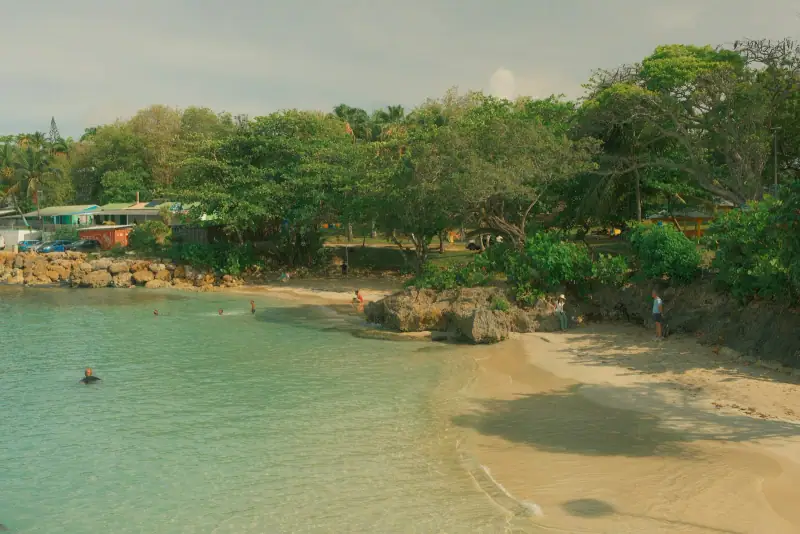
The best beaches in Guadeloupe: a selection by island
The best beaches in Guadeloupe: Grande-Terre, Basse-Terre, Les Saintes and Marie-Galante, with tips on swimming, snorkeling and safety.
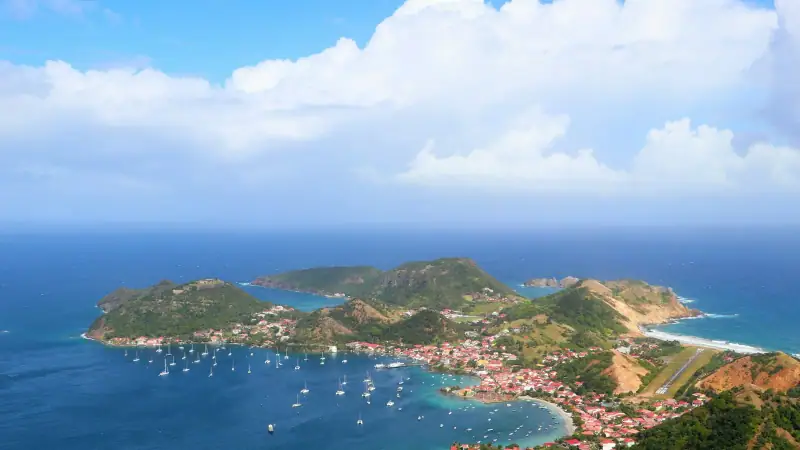
Complete guide to visiting Guadeloupe: regions, highlights and tips
Visiting Guadeloupe: regions, towns, highlights, best time to go, transport, lodging and budget. The pillar guide to plan your trip.
Ready-made
Guadeloupe itineraries
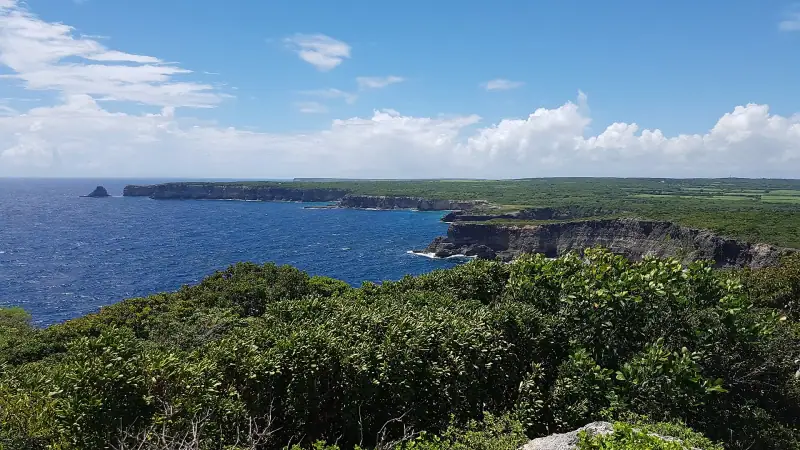
3 days
Grande-Terre in 3 days: beaches, cliffs and Pointe des Châteaux
A 3-day itinerary in Grande-Terre: Le Gosier, Sainte-Anne, Saint-François, Pointe des Châteaux, Le Moule and the northern cliffs. Stops, tips and bases.
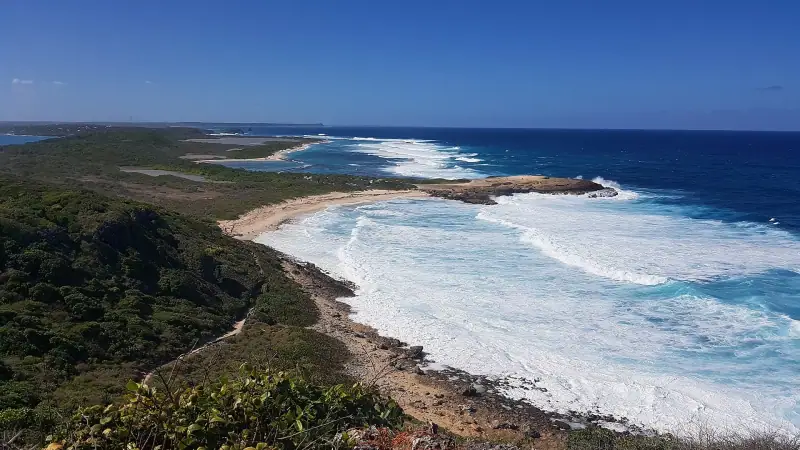
5 days
Guadeloupe in 5 days without a car: a realistic itinerary
Visiting Guadeloupe without a car in 5 days is possible: a base in Le Gosier or Sainte-Anne, buses, taxis, excursions and the boat to Les Saintes.
3 days
Basse-Terre road trip in 3 days: volcano, waterfalls and the leeward coast
Southern Basse-Terre (Capesterre-Belle-Eau or Saint-Claude)Leeward coast (Bouillante or Deshaies)