Where to stay
Where to stay in Guadeloupe: which area to choose for your trip
We may earn a commission when you book through links on this page, at no extra cost to you. We don't visit or try the places we cover: we summarize published sources. How we work
In short
- For a first stay, the south coast of Grande-Terre (Le Gosier, Sainte-Anne, Saint-François) is the simplest choice: beaches, restaurants and hotels are close together.
- Grande-Terre suits beach lovers; Basse-Terre suits hiking, waterfalls and diving. Many travelers split their nights between the two.
- A car is needed in most cases, except for Les Saintes. Book it with your lodging, especially in high season.
- Book months ahead from December to April. Hurricane season runs June to November: check cancellation terms.
Choosing where to stay in Guadeloupe is the most important decision of the trip. The archipelago is made up of two large islands linked by a bridge, Grande-Terre in the east and Basse-Terre in the west, plus Les Saintes, Marie-Galante and La Désirade. The coastline, atmosphere and activities change noticeably from one area to the next, and drives can be longer than you would imagine on roads that are often busy around Pointe-à-Pitre.
This guide compares the main areas to help you choose according to your profile: beach, hiking, diving, family stay, or a quiet getaway.
Grande-Terre or Basse-Terre: how to choose?
Before looking at the towns one by one, keep the basic distinction in mind.
Grande-Terre is flatter, drier and lined with lagoons and beaches of pale sand, especially on the south coast. It is where most of the seaside hotel supply is concentrated, along with restaurants, bars and water activities open to everyone.
Basse-Terre is mountainous, covered in rainforest and dominated by La Soufrière. It gets more rain, has waterfalls, rivers and hiking trails, and has a leeward coast known for diving. Lodging there is more scattered and more intimate: gîtes, bungalows, small hotels and guesthouses.
A practical point: choosing a single base for the whole stay is simple but means longer drives to see the other island. For ten days or more, splitting your nights between two areas is generally more comfortable. If your stay is shorter, stay in one area and accept that you will not see everything.
Le Gosier: close to the airport and very lively
Le Gosier is the resort closest to Pointe-à-Pitre and the airport: you generally get there in about twenty minutes, which makes it a practical base for a first or last night. The town has hotels, residences and rentals, as well as many seafront restaurants and bars.
Who is it for? Travelers who want activity, dining options on foot and quick access to the airport, or those who arrive late and leave early.
Good to know: the beaches are pleasant but less extensive and busier than those at Sainte-Anne. Traffic around the Pointe-à-Pitre urban area can be heavy at rush hour, something to factor in if you plan day trips.
An islet off Le Gosier can be reached by boat for a day of swimming and snorkeling, a simple idea if you stay in this area.
Hotels and lodging in Guadeloupe
Compare the lodging available for your dates, from Grande-Terre to Basse-Terre.
Sainte-Anne: postcard beaches and a family feel
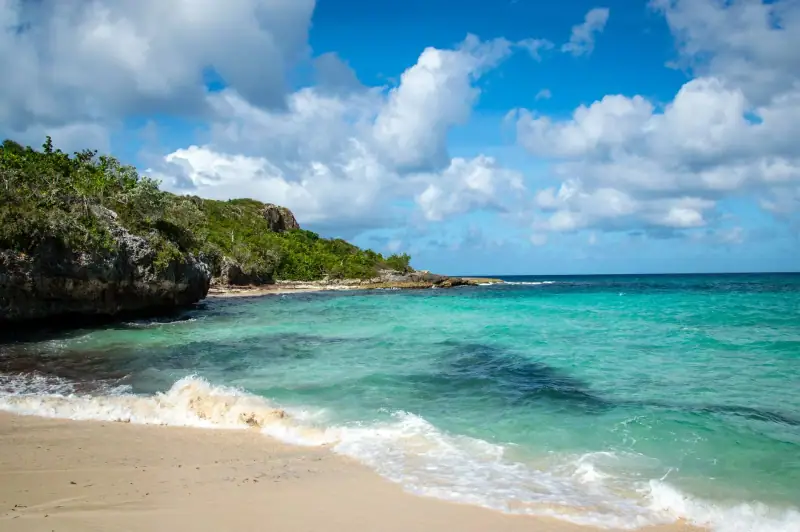
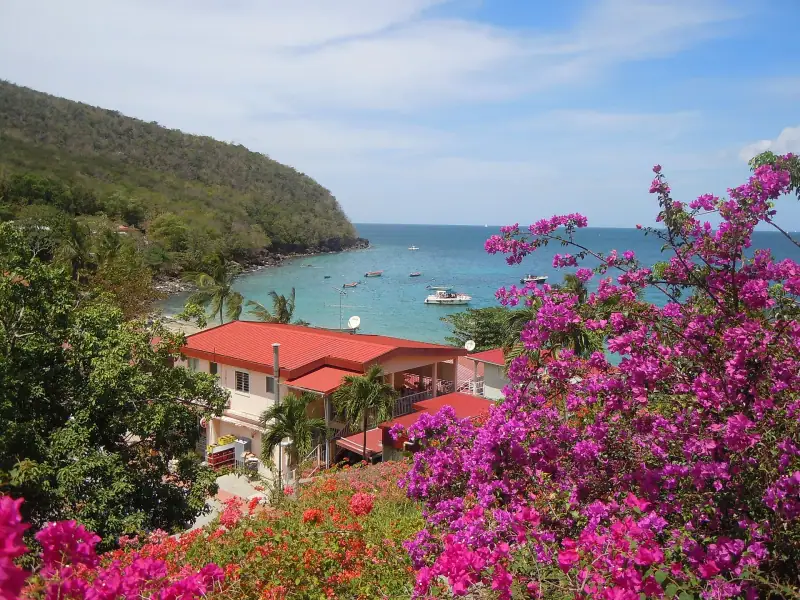
Sainte-Anne is often cited for its white-sand beaches lined with palm trees and protected by the coral barrier, which makes swimming comfortable, including with young children. The town has a market and restaurants, and several large resort hotels are on this stretch of coast.
Who is it for? Families, couples after a beach, and those who want a relaxed stay without moving around much.
Points to watch:
- The best-known beaches are very busy in high season.
- At certain times, sargassum seaweed can wash up on some exposed coasts: check before booking if the beach is your priority.
- In the evening, the scene is quieter than in Le Gosier. A car remains useful for dining elsewhere or exploring the island.
Saint-François: marina, golf and Pointe des Châteaux
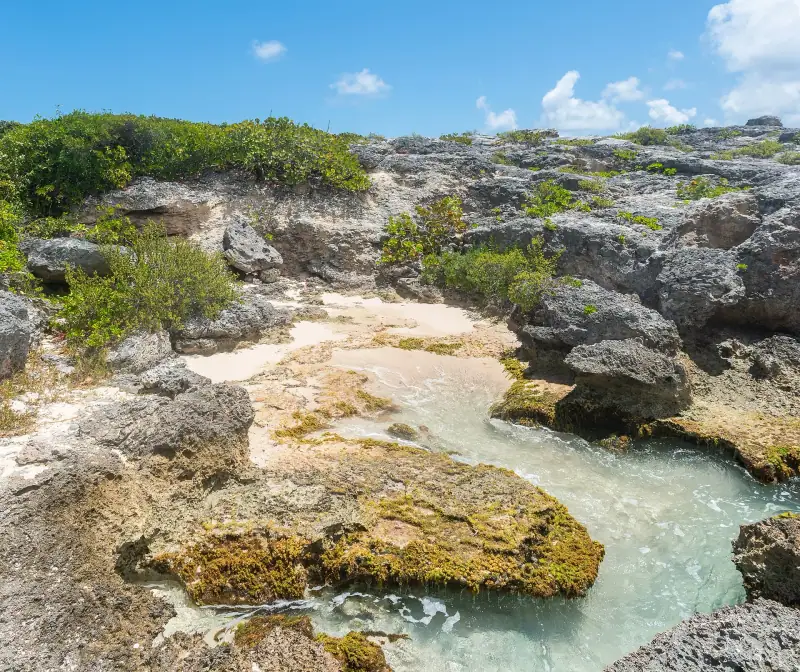
Saint-François, east of Sainte-Anne, mixes a resort feel with a small yachting harbor. It has a marina, restaurants, a golf course and lodging ranging from hotels to villas. It is also the natural starting point for Pointe des Châteaux, the eastern tip of Grande-Terre, with its cliffs beaten by the Atlantic and its wild beaches, about a quarter of an hour’s drive away.
Who is it for? Travelers who like to alternate seaside relaxation, boat trips and wilder scenery, as well as golf or kitesurfing fans in the suitable areas.
Good to know: it is an excellent compromise for a stay centered on Grande-Terre. Boats to Marie-Galante and La Désirade leave from this area depending on the season: check crossing schedules with the companies before planning.
Places to stay in Sainte-Anne and Saint-François
Check availability on the south coast of Grande-Terre before choosing your area.
Deshaies: the charm of northern Basse-Terre
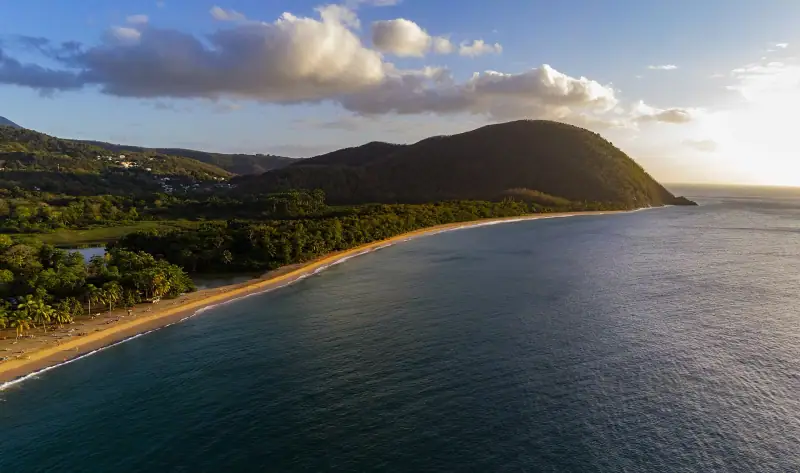
Deshaies is a fishing village nestled in a bay, on the northwest coast of Basse-Terre. It is appreciated for its quiet atmosphere, its small seafront restaurants, its botanical garden and Grande Anse beach, lined with golden sand. The village is known to the general public for having served as the setting for a TV crime series.
Who is it for? Couples and travelers looking for an authentic setting, nature and calm, without large resort hotels.
Good to know: supply is mostly gîtes, bungalows, villas and small hotels. It is a good base for exploring the leeward coast and northern Basse-Terre, but allow a notable drive to reach the beaches of southern Grande-Terre or the airport. Plan on a car in any case.
Flights to Guadeloupe
Compare dates and layover times before locking in your lodging.
Bouillante and the leeward coast: the divers’ base
Bouillante, on the west coast of Basse-Terre, is the main meeting point for diving in Guadeloupe. The underwater scenery of the Cousteau Reserve, off Pigeon Island, are known for their richness and attract divers and snorkelers. Several dive clubs are based along this coast.
Who is it for? Divers, nature lovers, and travelers who want to combine the sea with rainforest hikes.
Good to know: the sands there are darker, of volcanic origin, and the beaches are smaller than in Grande-Terre. The setting is wilder and the dining scene more discreet. Combining a few nights in Bouillante or Deshaies with a beach stay on the south coast of Grande-Terre works very well for a complete trip.
Terre-de-Haut, in Les Saintes: staying on a car-free island
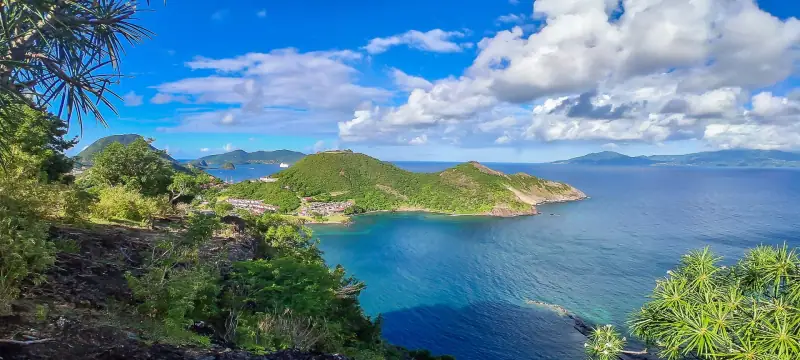
Les Saintes is reached by boat from mainland Guadeloupe. Terre-de-Haut, the most visited island, appeals with its bay, which is among the most beautiful bays in the world according to the well-known club that lists them, its small streets and its coastal paths. You get around easily on foot, by bike or in a small electric vehicle, and the atmosphere is more peaceful once the day visitors have left.
Who is it for? Couples, travelers who like human-scale islands, and those who want a two- or three-night break in the middle of the stay.
Good to know:
- Lodging is limited and fills up quickly in high season: book early.
- Crossings can be changed or suspended in rough seas: keep some flexibility and do not schedule this stop the day before your return flight.
- Check schedules and baggage conditions with the ferry companies.
Excursions in Guadeloupe
Diving, boat trips, guided hikes: discover the experiences you can book locally.
Marie-Galante: an authentic island to slow down
Nicknamed the “island of a hundred windmills”, Marie-Galante is a round, flat island where you come across the remains of windmills, sugar cane fields and rum distilleries. The beaches of the west coast are known for their pale sand and calm. Lodging consists of small hotels, gîtes and rentals, with no large resorts.
Who is it for? Travelers who want calm, authenticity and a slow pace, as well as rum fans and cycling enthusiasts.
Good to know: the island is reached by boat from mainland Guadeloupe. Allow at least two nights to really enjoy the island. A car, scooter or bike is useful for getting around, as the distances between towns and beaches are too long to walk.
Which type of lodging to choose?
Beyond the area, the type of lodging matters as much as the address.
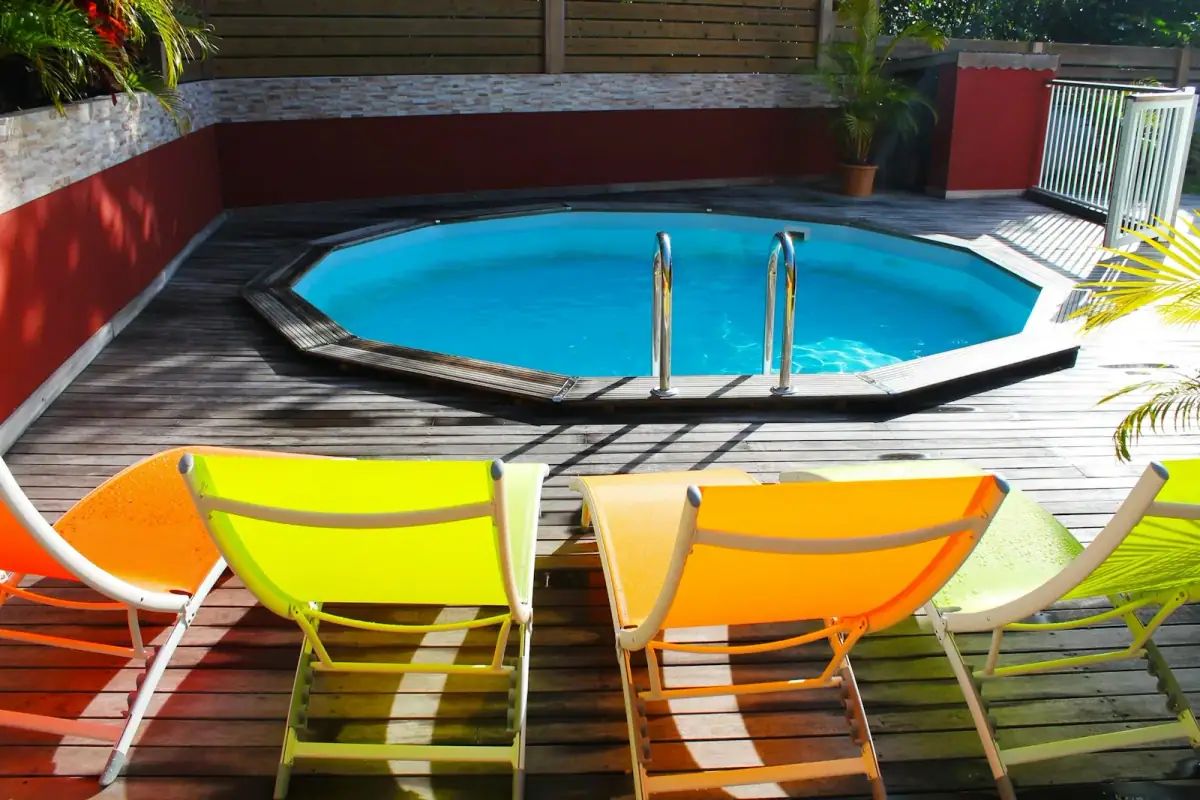
- Hotels and tourist residences: practical for a short stay, with services, a pool and sometimes direct beach access. They are concentrated mostly in Le Gosier, Sainte-Anne and Saint-François.
- Bungalows and gîtes: very common, often human-scale, with a fully equipped kitchen and a tropical garden. A good choice for families or stays of more than a week.
- Villas and furnished rentals: interesting for groups, with more space and freedom. Check the distance to the beach, car access and air conditioning.
- Guesthouses (chambres d’hôtes): a great way to discover Creole food and local hospitality, especially in Basse-Terre.
A few criteria to check before booking: air conditioning (welcome in the wet season), mosquito nets, access to a pool or the beach, parking, and cancellation conditions, especially in hurricane season (June to November). To choose the best period, see our guide When to go to Guadeloupe.
Rental car: part of the lodging decision
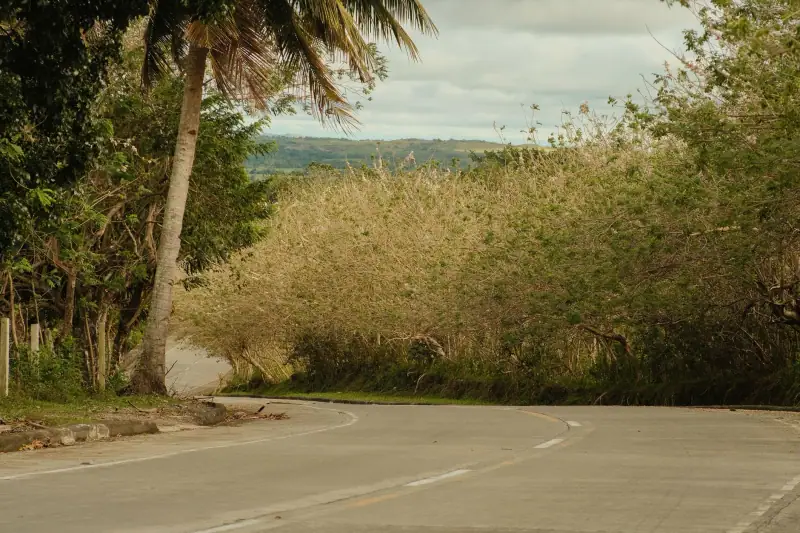
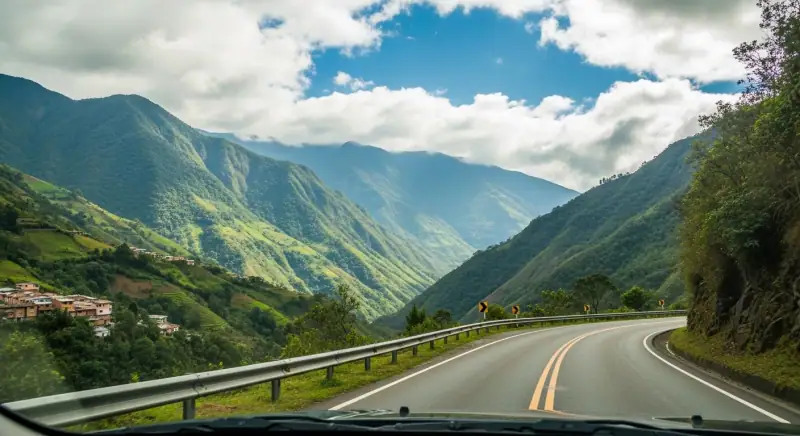
Your area will determine your need for a car. In southern Grande-Terre, you can sometimes walk between the beach, restaurants and shops, but to see the island you need a vehicle. In Basse-Terre, a car is essential: the sights are scattered along winding roads. In Les Saintes it is useless; in Marie-Galante, a vehicle, scooter or bike is useful.
Book your car at the same time as your lodging, especially in high season, when stock runs low. Avoid choosing a lodging at the end of a poorly maintained track if your rental company forbids certain types of roads: check the terms of your contract.
Recommendations by profile
- First stay, one week: Sainte-Anne or Saint-François, with a day trip to Basse-Terre.
- Family with children: Sainte-Anne, for its sheltered beaches and relaxed atmosphere.
- Couple looking for calm: Deshaies, or a few nights in Les Saintes or Marie-Galante.
- Diving and nature: Bouillante and the leeward coast.
- Two-week stay: a first part in Grande-Terre (Sainte-Anne or Saint-François), then a second in Basse-Terre (Deshaies or Bouillante), with a getaway to Les Saintes.
- Late arrival or early departure: one night in Le Gosier, near the airport.
Frequently asked questions
Where should you stay in Guadeloupe for a first trip?
For a first stay, the south coast of Grande-Terre (Le Gosier, Sainte-Anne, Saint-François) is the simplest choice: beaches, restaurants and hotels are close together, and Pointe-à-Pitre airport stays within reach. If you have more than a week, combine it with a few nights in Basse-Terre.
Do you need to rent a car to stay in Guadeloupe?
In the vast majority of cases, yes. Public transport is limited and the sights are spread over two islands. Only stays centered on a single town, or on Les Saintes where you get around on foot, by bike or by scooter, can do without.
Is it better to stay in Grande-Terre or Basse-Terre?
Grande-Terre suits beach and seaside-resort lovers better. Basse-Terre is preferable for hiking, waterfalls, diving and a wilder atmosphere. Many travelers split their nights between the two.
What types of lodging are there in Guadeloupe?
There are hotels and tourist residences, bungalows, gîtes, villas, furnished rentals and guesthouses. Small places such as gîtes or bungalows are particularly common and often offer good value.
Do you need to book far in advance?
Yes in high season (December to April, and school holiday periods): the best places fill up several months ahead. Out of season, last-minute availability is generally easier to find.
More Guadeloupe guides
Keep reading
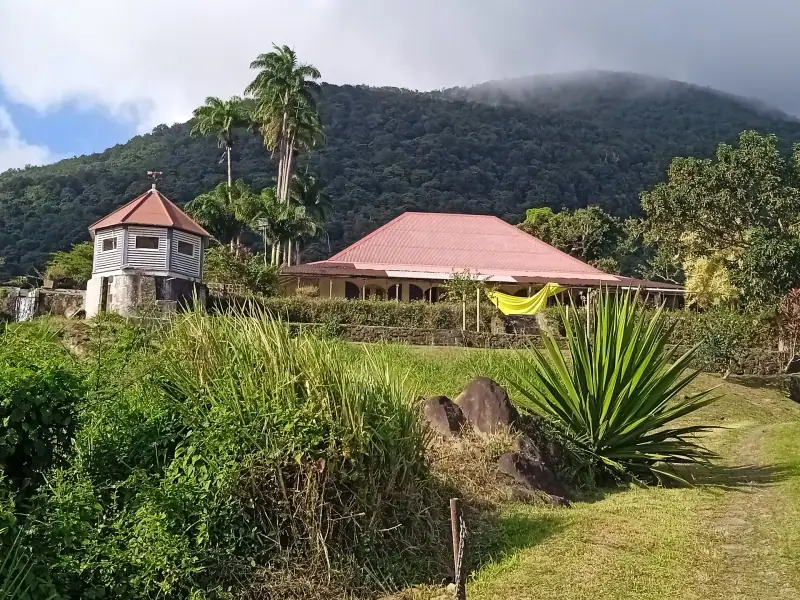
Where to stay in Trois-Rivières before the boat to Les Saintes
Where to stay near the Trois-Rivières dock before the crossing to Les Saintes? Areas, alternatives, parking, schedules and tips.
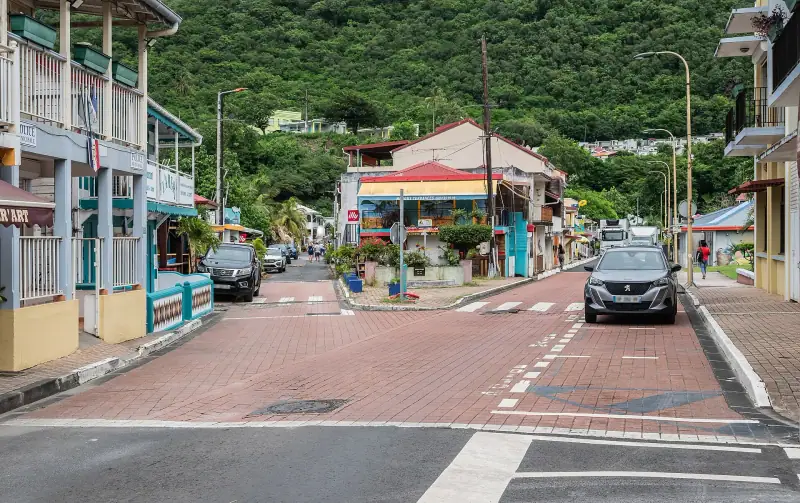
Where to stay in Deshaies and on Guadeloupe's leeward coast
Deshaies, Pointe-Noire, Bouillante or Malendure: which area to choose on the leeward coast, what types of lodging, and pitfalls to avoid.
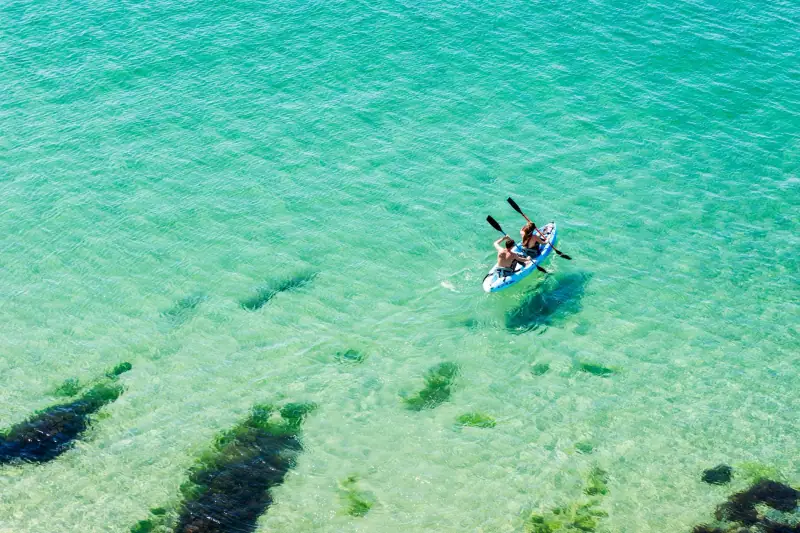
Water sports in Guadeloupe: kayak, kitesurfing, paddleboarding and boat trips
Mangrove kayaking, kitesurfing, paddleboarding, catamaran trips and whale watching: where to do water sports in Guadeloupe, when and with what precautions.
Ready-made
Guadeloupe itineraries
3 days
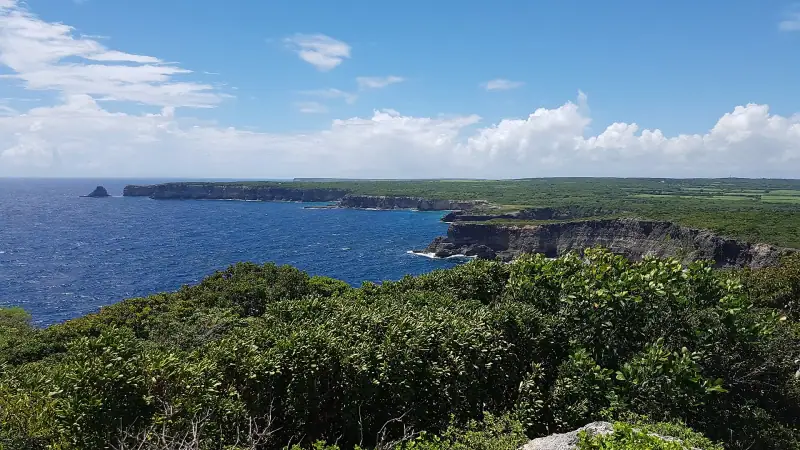
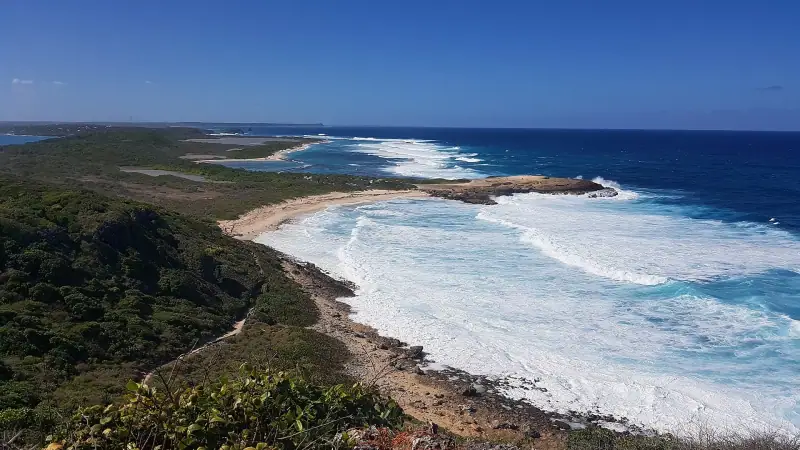
Grande-Terre in 3 days: beaches, cliffs and Pointe des Châteaux
A 3-day itinerary in Grande-Terre: Le Gosier, Sainte-Anne, Saint-François, Pointe des Châteaux, Le Moule and the northern cliffs. Stops, tips and bases.
5 days
Guadeloupe in 5 days without a car: a realistic itinerary
Visiting Guadeloupe without a car in 5 days is possible: a base in Le Gosier or Sainte-Anne, buses, taxis, excursions and the boat to Les Saintes.
3 days
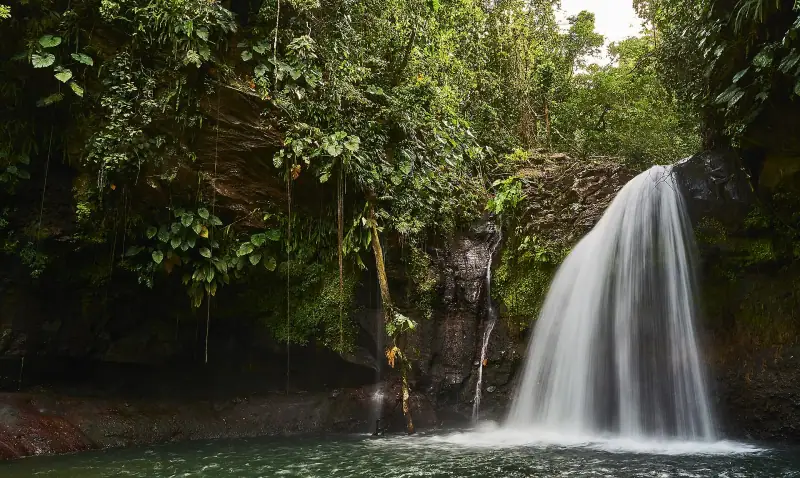
Basse-Terre road trip in 3 days: volcano, waterfalls and the leeward coast
Southern Basse-Terre (Capesterre-Belle-Eau or Saint-Claude)Leeward coast (Bouillante or Deshaies)