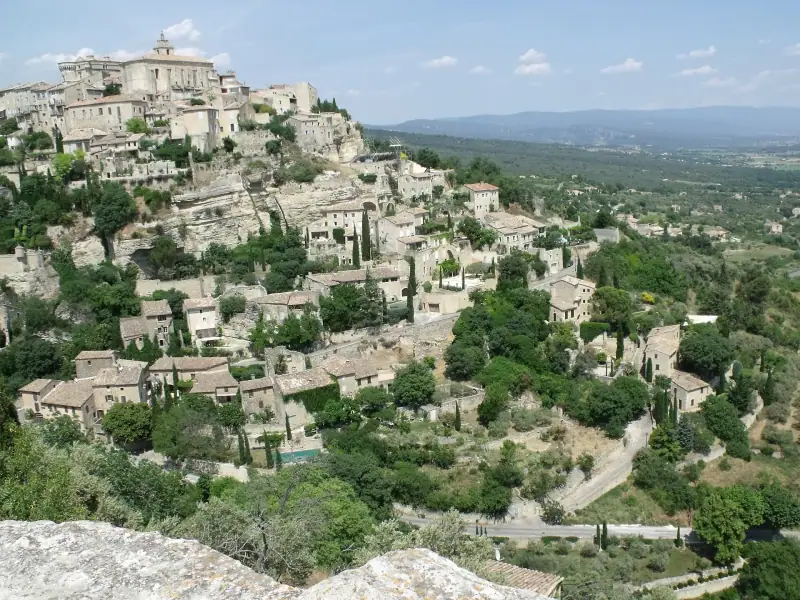
10 days
France in 10 days: Provence and the French Riviera by car
AvignonGordesMoustiers-Sainte-MarieNice
Can be adapted in the planner
11 regions, one road trip
France is big enough that a first trip works best as three to six regions, not eleven. This page shows which ones fit together, how long the drives are and what to book first.
We may earn a commission when you book through links on this page, at no extra cost to you. We don't visit or try the places we cover: we summarize published sources. How we work
Itineraries
Ready-made routes across several regions, with real drive times, the ferries and where to sleep.
10 days
AvignonGordesMoustiers-Sainte-MarieNice
Can be adapted in the planner
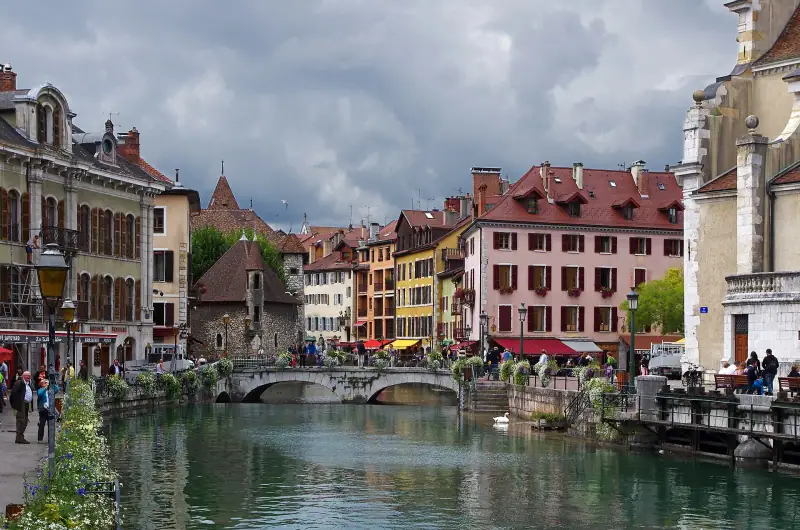
14 days
ChantillyArboisAnnecyAvignonGordesNice
Can be adapted in the planner
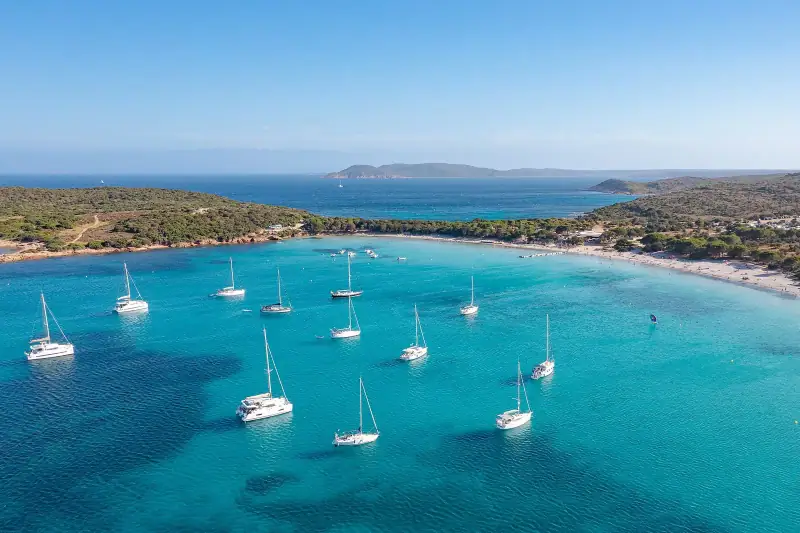
14 days
NiceBastiaCalviAjaccioBonifacioPorto-Vecchio
Can be adapted in the planner
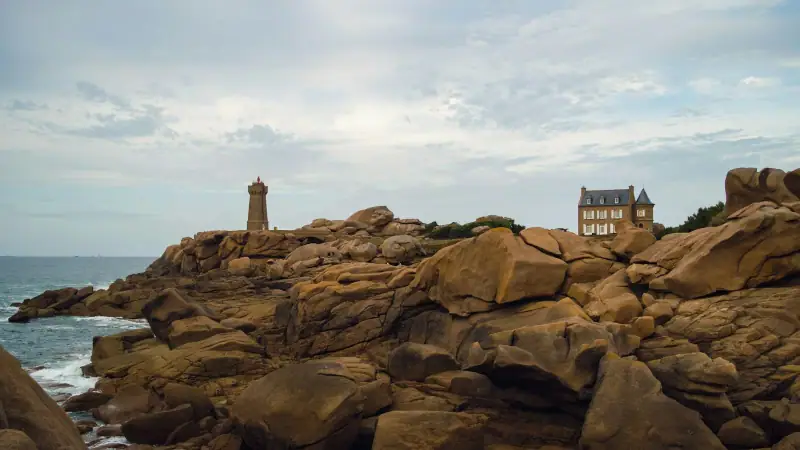
21 days
ChantillySaint-MaloCarnacSarlat-la-CanédaBiarritzCauteretsAvignonNice
Can be adapted in the planner
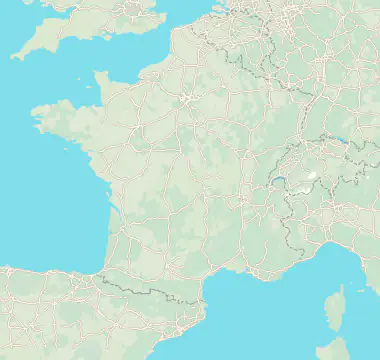
Each region of France can fill a week. Combining several gives contrast: standing stones in Brittany, honey-colored villages in the Dordogne, surf towns on the Atlantic, Pyrenean trails, then lavender and the Mediterranean. The cost is time in the car, so choose neighbors.
Drive times below are real road figures between the main towns. These pairings are practical:
These do not: Saint-Malo (Brittany) to Nice is 13 h 25 and 1,273 km (791 mi), and Lille to Nice is 11 h 55. If you start in the north, go through the middle of the country in stages, as the 21-day grand tour does.
Corsica is an island. There is no road from the mainland, so it needs a ferry or a flight, and it works best as its own trip or as an add-on to the Riviera. Paris is not covered by our guides.
10 days: two or three regions. Stay in the south. The 10-day Provence and Riviera route uses four bases (Avignon, Gordes, Moustiers-Sainte-Marie, Nice). Its longest drive is 2 h 20 and every other leg is under 2 hours.
14 days: about four regions. The 14-day route from Paris to the Riviera has six bases across the Hauts-de-France edge, the Jura, Savoie, Provence and the Riviera. It has two long days: about 5 h 05 from Chantilly to Arbois and about 3 h 35 from Annecy to Avignon. For the island, see the 14-day Riviera and Corsica route.
21 days: about six regions. The 21-day grand tour has nine bases from Paris Charles de Gaulle to Nice, across Brittany, the Basque Country, the Pyrenees, the Dordogne, Provence and the Riviera. Two days are long driving days, and the guide advises treating them as travel days.
May, June and September come up as the best compromise in the Provence, Riviera, Brittany, Basque Country, Savoie, Auvergne and Corsica guides (Corsica names June and September). The Dordogne favors May-June and September-October.
July and August are the busiest and most expensive months almost everywhere, so book cars and hotels early. See Provence, the Riviera and Corsica.
No guide gives a figure for the whole of France, and Brittany, the Dordogne, Provence and Hauts-de-France have no budget guide. The figures below come from the regions that do, each on its own basis, so they cannot be added up.
In nearly every guide, lodging is the biggest item and varies most with the season. The guides give no figure for the rental car, fuel or tolls in mainland France, so price those separately.
Car. A car is the practical choice for linking regions. The Basque Country guide mentions possible A63 tolls and Savoie mentions tolls on Alpine motorways, but neither gives amounts. Mountain roads in the Pyrenees are winding and average speeds are low, and some high roads close in winter. Corsica has no tolls, but the road guide advises about 2 hours of driving for what looks like 100 km (62 mi) on the map. In Nice and Annecy, summer parking is expensive and limited.
One-way rentals. Picking up in one city and dropping off in another usually costs a drop-off fee. It varies by company and is higher across a border, so check it when you compare offers.
Train and car. Where the guides cover a car-free stay, it works in a few areas. Avignon, Arles, Aix-en-Provence and Marseille are linked by train, and the Avignon or Arles guide suggests renting a car for a single day. The 3-day Riviera itinerary runs by train from Nice. Chambéry, Annecy and Chamonix work by train or coach in the car-free Savoie week, and Brittany has a week by rail. A hybrid, with the car for the rural days only, saves the most.
Ferries. Check schedules before booking.
Corsica also has airports at Ajaccio (AJA), Bastia-Poretta (BIA) and Figari (FSC), with scheduled flights that are more frequent in season. In the other regions the guides do not recommend a domestic flight.
Paris Charles de Gaulle (CDG) is the usual first gateway on the grand itineraries. Nice Côte d’Azur (NCE), Marseille Provence (MRS), Lyon-Saint-Exupéry (LYS) and Geneva (GVA) serve the southeast. Bordeaux-Mérignac (BOD), Toulouse-Blagnac (TLS) and Biarritz Pays Basque (BIQ) serve the southwest. Rennes Brittany (RNS) and Lille-Lesquin (LIL) serve the northwest and north. Compare flight options for your home airport when you book.
An open-jaw ticket, arriving in one city and leaving from another, saves a long drive back. The routes on this site use Marseille in and Nice out, or Paris in and Nice out. After a long flight, sleep the first night close to the airport and keep the first drive short: the 21-day route starts with a night in Chantilly, 30 min from CDG.
For entry rules, visas and whether you need an international driving permit with your own licence, check the official government source of your own country.
| Jan | Feb | Mar | Apr | May | Jun | Jul | Aug | Sep | Oct | Nov | Dec | |
|---|---|---|---|---|---|---|---|---|---|---|---|---|
| Avignon | ||||||||||||
| High °F (°C) | 489 | 5211 | 5714 | 6418 | 7323 | 8228 | 8831 | 8831 | 7725 | 6820 | 5513 | 5010 |
| Low °F (°C) | 341 | 341 | 373 | 436 | 5010 | 5915 | 6317 | 6317 | 5513 | 5010 | 415 | 362 |
| Saint-Malo | ||||||||||||
| High °F (°C) | 468 | 489 | 5412 | 5714 | 6317 | 6820 | 7222 | 7222 | 6820 | 6116 | 5412 | 489 |
| Low °F (°C) | 373 | 373 | 394 | 436 | 489 | 5412 | 5714 | 5714 | 5412 | 5010 | 457 | 394 |
Normals 1991–2020 at Avignon and Saint-Malo: averages over 30 years, not a forecast. Source: NASA POWER (MERRA-2), grid of about 50 km. Figures computed by us in November 2026. Rain is shown only where a weather station confirms the figures.
Or build your own
The France planner works with the main stops of every region: pick your airports, your days and your pace, and it orders the stops with real drive times and the ferries.
A 14-day example: 16 h 45 of travel in total (1386 km / 861 mi).
Open the planner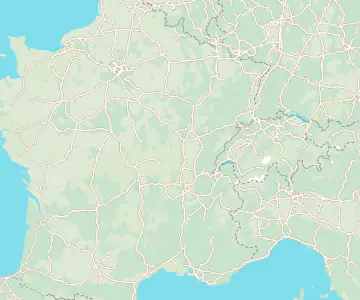
11 regions
Each region has its own guides, itineraries and, often, its own planner.
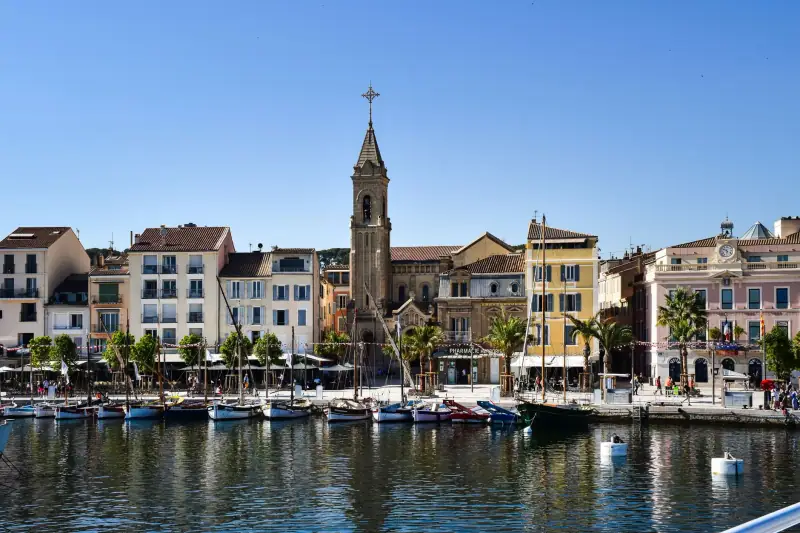
Lavender, villages & calanques · France
Avignon and Arles, the hilltop villages of the Luberon, the lavender of Valensole and the calanques near Marseille.
18 guides3 itinerariesTrip planner
Villages, markets and Roman cities around Avignon, plus the Verdon gateway. Lavender blooms mid-June to late July. A natural pair with the Riviera.
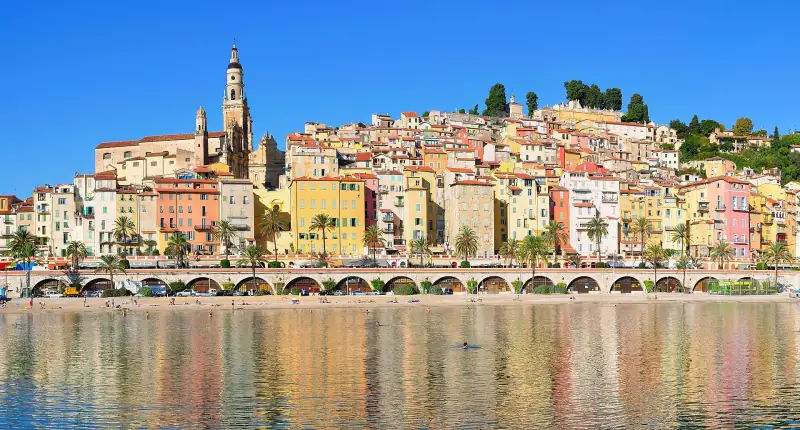
Côte d'Azur · France
Nice, the perched villages above the sea, Antibes, Cannes and Saint-Tropez, with Monaco a short drive away.
18 guides3 itinerariesTrip planner
Nice and the coast, easy by regional train. Parking is hard in summer, so drop the car for a few days.
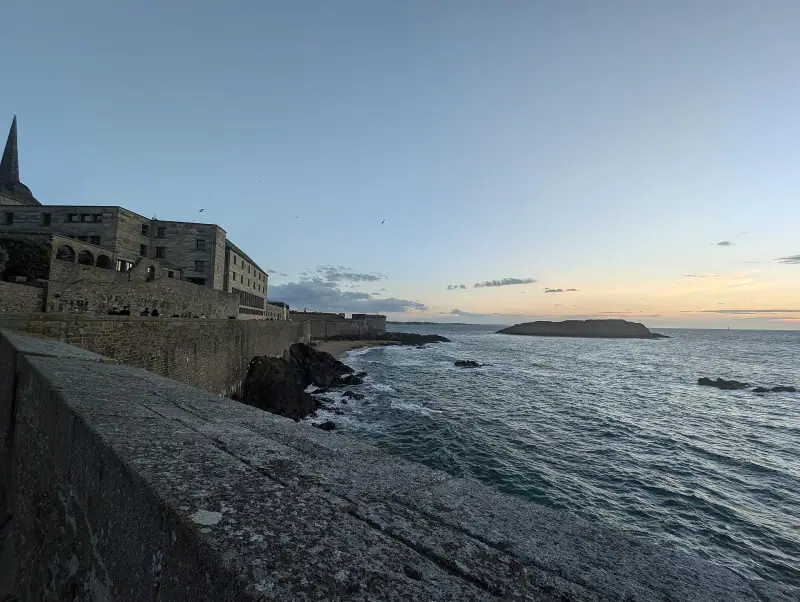
Wild coasts & islands · France
Saint-Malo's ramparts, the Pink Granite Coast, the Crozon peninsula and the standing stones of Carnac.
18 guides3 itinerariesTrip planner
Walled Saint-Malo, granite coast and standing stones at Carnac. Far from the south: 7 h 50 to the Dordogne by car.
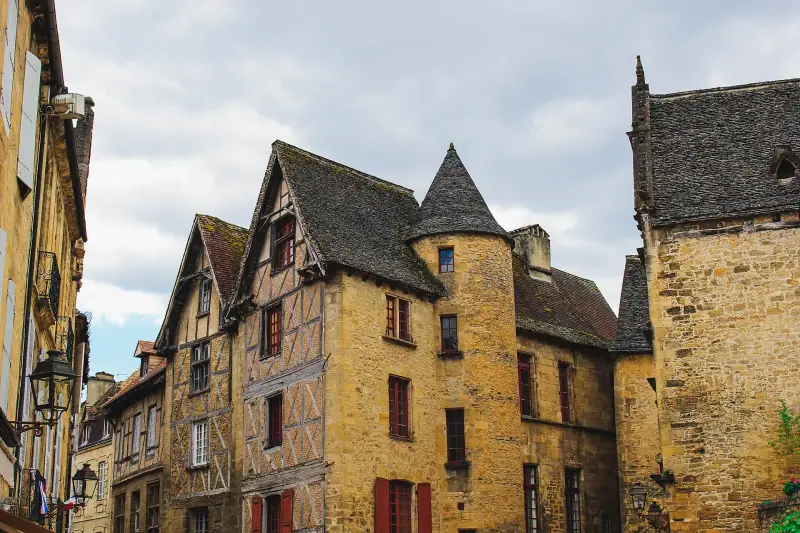
Castles & prehistoric caves · France
Sarlat, cliffside villages above the river, castles at every bend and the prehistoric caves of the Vézère valley.
18 guides3 itinerariesTrip planner
Sarlat, cliffside villages, river châteaux and Lascaux IV. A good hinge between the north and the Basque Country.
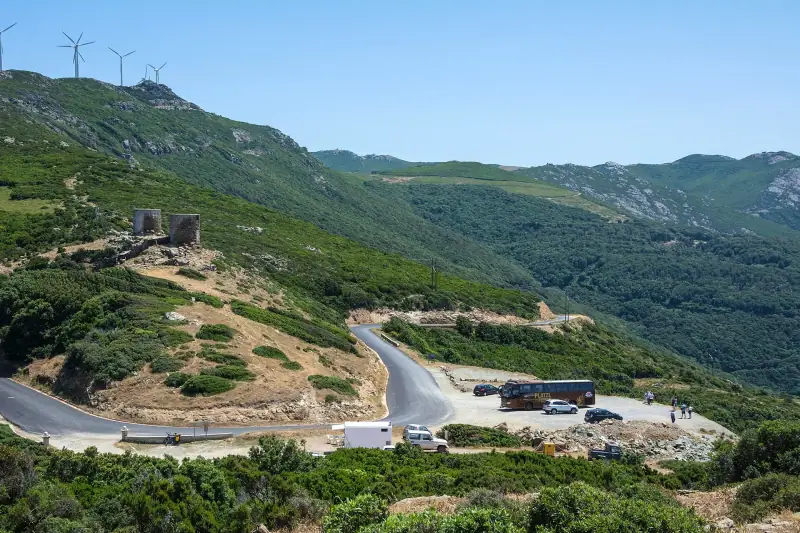
Mountain island · France
Bonifacio on its cliffs, the Calanques de Piana, mountain villages and beaches, on slow and beautiful roads.
18 guides3 itinerariesTrip planner
A separate island trip: ferry from Nice or Marseille, then a rental car on winding roads. Plan 10 days or more.

Atlantic coast & green hills · France & Spain
Biarritz and Bayonne, the villages of the French Basque hills, San Sebastián and Bilbao across the border.
18 guides3 itinerariesTrip planner
Biarritz, Bayonne and Saint-Jean-de-Luz on the Atlantic coast, then inland villages. The region continues into Spain.
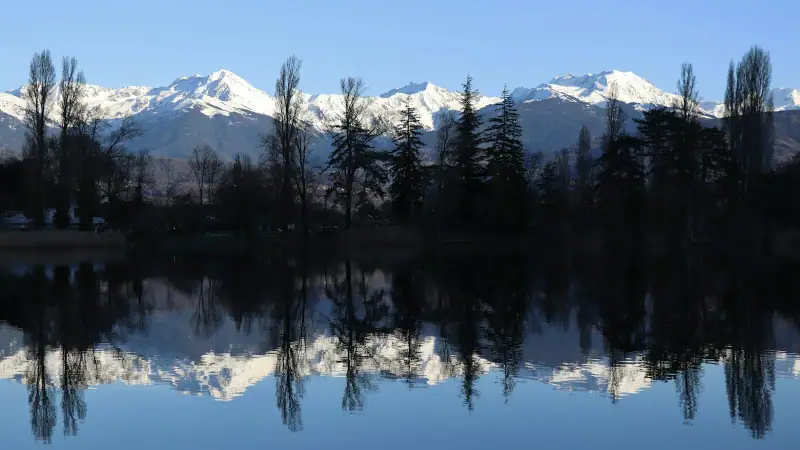
French Alps & lakes · France
Lake Annecy, Chambéry and Aix-les-Bains, Chamonix below Mont Blanc, and the high valleys of the Tarentaise and Maurienne.
18 guides3 itinerariesTrip planner
Annecy and its lake, Mont Blanc and the ski valleys. A good link between the Jura and Provence.

Mountain valleys & spa towns · France
Lourdes, Cauterets and the Cirque de Gavarnie, the Pic du Midi, Luchon, the Ariège castles and the Catalan Pyrenees.
18 guides3 itinerariesTrip planner
Cauterets and the Hautes-Pyrénées for hiking from mid-June to mid-September. Only 2 h 25 from Biarritz.
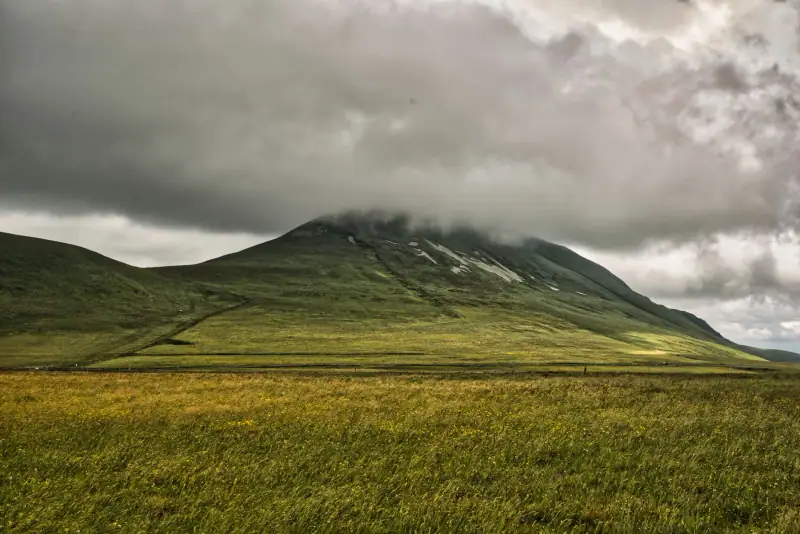
Volcanoes & green highlands · France
The volcanoes of the Chaîne des Puys, the Sancy and Cantal mountains, Salers, Le Puy-en-Velay and Clermont-Ferrand.
18 guides3 itinerariesTrip planner
Volcanoes, lakes and stone villages at the center of the country, 2 h 50 from Sarlat. Cooler and quieter than the south.
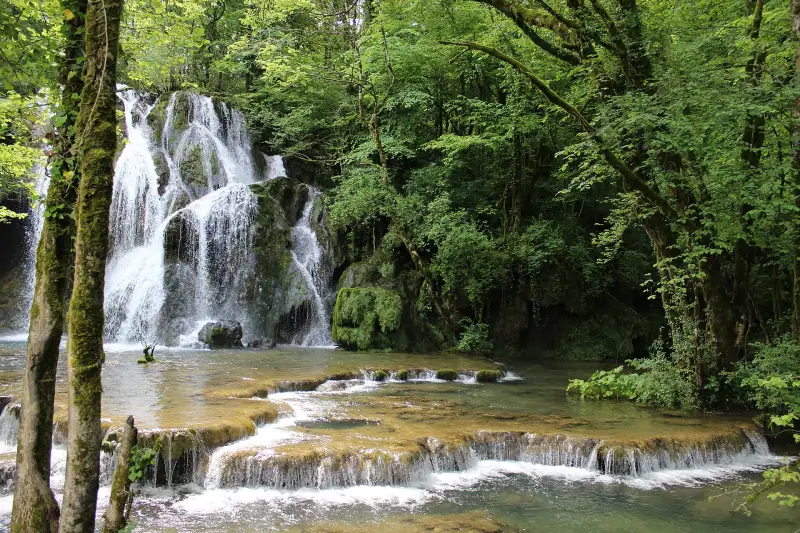
Lakes, waterfalls & wine · France
The Hérisson waterfalls and the lakes, the reculées of Baume-les-Messieurs, Arbois and its wines, and the Doubs next door.
18 guides3 itinerariesTrip planner
Arbois wine country, lakes and waterfalls. A car is strongly recommended. Annecy is 2 h 40 away.
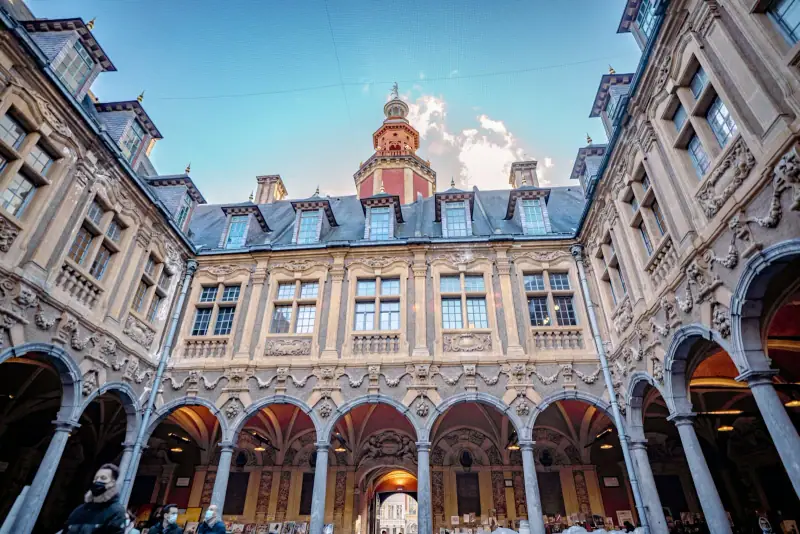
Lille, Opal Coast & Bay of Somme · France
Lille, the Opal Coast and its capes, the Bay of Somme, Amiens cathedral, Arras and the Great War memorials.
18 guides3 itinerariesTrip planner
Lille, Amiens and the Bay of Somme, closest to a northern arrival. Chantilly is a light first night near Paris.
Two or three. The 10-day Provence and Riviera route uses four bases, and its longest drive is 2 h 20. Add more regions and you spend the trip on the road.
Yes, but it is 13 h 25 and 1,273 km (791 mi) by car. The 21-day route breaks it into stops through the Basque Country, the Pyrenees, the Dordogne and Provence.
In most regions, yes: the guides call a car essential or strongly recommended for the Jura, Corsica and the Pyrenees. The Riviera, Avignon and Annecy work well without one.
Yes, by ferry from Nice or Marseille. A round trip for one person with a vehicle runs about €100 to €400 (~$115 to $465), depending on operator, port and season.
The guides' routes use Paris Charles de Gaulle (CDG), Marseille (MRS) or Nice (NCE). Arrive in one city and leave from another, then check the one-way car fee.