Plan your trip
Basque Country budget: what a trip costs (3 priced profiles)
We may earn a commission when you book through links on this page, at no extra cost to you. We don't visit or try the places we cover: we summarize published sources. How we work
In short
- For two people for a week, estimates are about €800 to €1,000 ($930 to $1,160) frugal, €2,000 to €2,500 ($2,320 to $2,900) comfort and over €4,000 ($4,640) premium, excluding transport.
- Accommodation is the biggest item, often 40 to 50% of the summer budget on the coast; meals come next at about 25 to 35%.
- In 2026 listings, a Biarritz hotel night in high season averages about €107 ($124) budget, €139 ($161) mid-range and over €400 ($465) luxury.
- The biggest levers are the date, the type of accommodation and how you get around; local coastal transport can stay under €10 (about $12) a day.
“The Basque Country is expensive.” You may have heard it, and it is only half true. A seafront night in Biarritz on August 15 has nothing to do with a campground pitch in Hendaye in September, and a gourmet dinner in Saint-Jean-de-Luz has little in common with a pintxos round in San Sebastián. Everything depends on when you go, where you sleep and how you eat.
This guide details the real costs item by item, offers three priced budgets (frugal, comfort, premium) and ends with the tips that really lower the bill. The rates quoted come from listings consulted in 2026 on comparison sites and official sites; when a value is our estimate and not a published rate, we say so. Prices change: always check them when you book.
Overview: where does the money go?
On a classic stay, the breakdown is fairly stable:
- Accommodation is the biggest item, often 40 to 50% of the budget in summer on the coast.
- Meals come next, around 25 to 35%.
- Local transport (car, fuel, parking or public transport) weighs 10 to 15%.
- Activities (surf, cog train, visits) make up the rest, very variable depending on your wishes.
Transport to the region (train, plane or fuel) comes on top of that and depends entirely on your starting point: it is not included in the budgets below.
Accommodation: the item that makes everything vary
Hotels
According to the 2026 listings of combien-coute.net, a night in Biarritz in high season costs on average:
- about €107 (about $124) for a small-budget hotel;
- about €139 (about $161) for mid-range (a 3-star hotel is around €134, or about $155);
- over €400 (about $465) for a luxury establishment, a palace hotel hovering around €300 (about $350) in the same source for the 5-star category.
These figures are averages for a double room, not guarantees: a festival weekend or a week of school vacations can push the bill up by 30 to 50%. Bayonne, more urban, and inland towns are generally cheaper than Biarritz and Saint-Jean-de-Luz.
Compare hotels in the Basque Country
Prices vary strongly from one date to another: compare several towns and several weeks before fixing your stay.
Campgrounds
Camping remains the most economical option, and the Basque Country is well equipped. The 2026 listings of campings.com and campingfrance.com give ranges of about €15 to €40 a night (about $17 to $46) for a pitch depending on the establishment and the season (for example €17 to €39 / about $20 to $45 for one, €16 to €34.50 / about $19 to $40 for another). Mobile homes in high season are rented by the week, for an order of magnitude of €710 to €1,250 (about $820 to $1,450) depending on comfort.
Camping does require logistics, though: seaside pitches are booked several months ahead for July and August.
Hostels and guesthouses
Hostels and small shared accommodation are an option for solo travelers or groups, with per-bed rates markedly lower than a hotel room. Guesthouses and gîtes inland often offer excellent value, breakfast included. To choose your base, our guide to where to stay in the Basque Country compares the areas, and the one on Biarritz or Saint-Jean-de-Luz without a car helps you decide between the two most popular resorts.
Meals: from the pintxos round to the fine restaurant
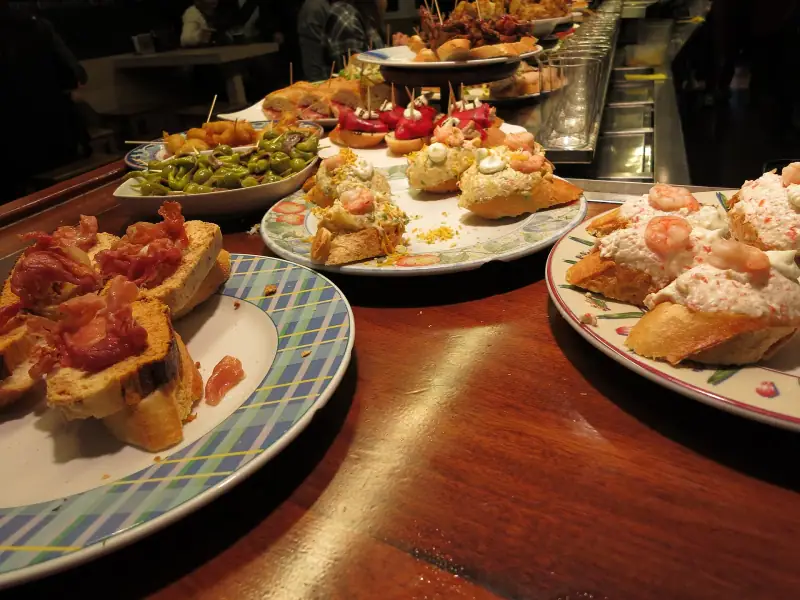
Eating on the French side
Coastal prices reflect summer tourism. Here are the orders of magnitude generally found (estimate, excluding gourmet establishments):
- Breakfast or coffee and pastry: €4 to €8 (about $5 to $9).
- Set menu (weekday lunch): €15 to €25 (about $17 to $29) in many inns, brasseries and town-center restaurants.
- À la carte dinner: €30 to €50 (about $35 to $58) per person on the coast in summer, drinks included or not depending on your choices.
- Sandwich, crêperie or bakery: €6 to €12 (about $7 to $14), the most economical solution for lunch.
Markets and delicatessens offer charcuterie, sheep’s cheese, Basque cake and Espelette pepper: enough to put together a picnic at a very reasonable price. The specialties not to miss are detailed in our guide to what to eat in the Basque Country.
Pintxos and tapas on the Spanish side
In San Sebastián, the tradition is to go from bar to bar. According to the listings consulted, pintxos generally cost €2 to €4 (about $2 to $5) each for the classics, up to €6 to €8 (about $7 to $9) for the more elaborate ones, and some bars offer combos of several pintxos for about €10 to €15 (about $12 to $17). So expect €15 to €25 (about $17 to $29) per person for a full meal made of a few pintxos and a drink. It is one of the best-value meals in the region, especially as a day trip remains easy: see our itinerary San Sebastián in one day from the Basque coast. To learn what to leave at the end of the meal, see tipping in restaurants in the Basque Country.
Local transport: car or public transport
Without a car on the coast
This is the cheapest option. The Txik Txak network links Bayonne, Biarritz, Saint-Jean-de-Luz and Hendaye. On a line such as line 11 from Biarritz airport, the ticket costs €1.20 (about $1.40), plus €0.20 (about $0.23) for the rechargeable card, or €1.40 (about $1.62) in all. From the fourth trip in the day, the fare is capped at €3.80 (about $4.40) per person. The TER regional train also serves the coast, with a possible fare link with the network’s buses. There are also free electric shuttles in the centers of Bayonne and Biarritz.
In other words, a person moving only along the coast can expect to spend under €10 (about $12) a day for local transport, to be confirmed on the network’s website.
With a car
A car offers total freedom for Espelette, Ainhoa, Sare or Saint-Jean-Pied-de-Port, but costs more: rental (variable by season, very high in July-August), fuel, possible tolls on the A63 and above all parking in town centers in summer. To compare the options, our guide to getting around the Basque Country details the pros and cons of each mode. As a budget pointer (estimate), plan on roughly €40 to €70 (about $46 to $81) a day all-in for a compact car in high season (rental, fuel and parking), more during peak crowds.
Activities: how much to plan?
Many of the best moments in the Basque Country cost nothing: beaches, coastal paths, villages, markets, coastal panoramas. Paid activities concentrate on a few essentials.
- The La Rhune cog train: according to the 2026 fares found, about €26 (about $30) round trip for an adult, €18 (about $21) for a child aged 4 to 12, free under 4, and a family option around €82 (about $95) for 2 adults and 2 children. If you hike, walking up is free: see our guide to hiking in the Basque Country.
- A surf lesson: group lessons generally start around €42 to €55 (about $49 to $64) for a session of about 1 h 30, while private lessons start at about €150 (about $175) for a small group over three hours, according to the schools listed. Schools and spots are presented in our article on surfing in Biarritz.
- Cultural visits: most museums on the coast cost from a few euros to about ten euros (about $12) to enter. Check fares and free-entry rules on the official websites.
Activities and excursions in the Basque Country
Tastings, guided tours, excursions to San Sebastián: compare prices and book ahead to keep the budget under control.
Three priced budget profiles
The amounts below are per person per day, for a couple sharing a room, excluding transport to the region. They are estimates built from the rates quoted above, for a spring or fall period, with a margin of plus or minus 15% depending on the date.
Profile 1: the frugal traveler (about €55 to €75 a day, about $64 to $87)
- Accommodation: campground, pitch shared by two (about €10 to €20 / about $12 to $23 per person), or a hostel off season.
- Meals: homemade breakfast and picnic, a set menu or pintxos in the evening (about €20 to €30 / about $23 to $35).
- Transport: local train and bus, bike, walking (about €5 to €8 / about $6 to $9).
- Activities: beaches, hikes, villages, one paid activity during the stay (about €5 to €10 / about $6 to $12 a day on average).
For a week for two: about €800 to €1,000 (about $930 to $1,160), away from the summer peaks.
Profile 2: the comfort traveler (about €150 to €190 a day, about $175 to $220)
- Accommodation: mid-range hotel, about €70 (about $81) per person for a €139 (about $161) room (outside peak season).
- Meals: breakfast at the hotel or on a terrace, lunch from the set menu, dinner at a restaurant (about €45 to €60 / about $52 to $70).
- Transport: rental car shared by two (about €20 to €35 / about $23 to $41 per person).
- Activities: a surf lesson, the La Rhune cog train, a tasting (about €20 to €30 / about $23 to $35).
For a week for two: about €2,000 to €2,500 (about $2,320 to $2,900).
Profile 3: the premium traveler (about €330 and up a day, about $385)
- Accommodation: upscale hotel, from €150 to €200 (about $175 to $230) per person, far beyond that for a palace hotel in summer.
- Meals: well-known restaurants, wine, from €100 (about $116) per person.
- Transport: car with driver or comfortable rental, hotel parking.
- Activities: private lessons, private excursions, spa treatments or golf (about €50 to €80 / about $58 to $93).
For a week for two: over €4,500 (about $5,220), with plenty of elasticity upward.
A three-night weekend: example
For a couple, a long off-season weekend comes to about €350 to €450 (about $405 to $520) in the frugal option, €900 to €1,100 (about $1,045 to $1,275) in the comfort option. Do not forget to add the round trip, which can alone represent a significant share of the budget: tickets booked early and midweek cost far less than weekend departures.
Flights to Biarritz
Compare dates and airlines: shifting a departure by a day can noticeably reduce the ticket price.
Ten tips to spend less
- Travel off season. The accommodation price gap between August and late September is the biggest saving. Our guide when to go to the Basque Country specifies the most pleasant seasons.
- Avoid French school vacations and long weekends, as well as big local events, which push rates up.
- Sleep in Bayonne, Hendaye or inland, then reach the coast by train or bus. Prices there are often lower than in the beach resorts.
- Choose accommodation with a kitchen or breakfast included, to save on two meals a day.
- Have lunch from the set menu and dine light: it is the golden rule of the food budget, in France as in Spain.
- Shop at markets and prepare picnics for beach or hiking days.
- Favor local transport on the coast: a few euros a day instead of the car and its parking.
- Share the car if you travel in a group, and rent it only for the days devoted to the inland area.
- Bet on free activities: beaches, coastal paths, panoramas, villages. La Rhune can be climbed on foot at no cost.
- Book early and compare: accommodation, flights and car are best booked several weeks ahead, with free cancellation when possible.
The expenses people forget
A few items often go under the radar: parking in town centers in summer, tolls on the motorway, the tourist tax charged per night and per person in most accommodation, drinks at restaurants, souvenirs (Espelette pepper, Basque cake, Basque linen) and possibly cancellation insurance. Plan a margin of about 10% for these unforeseen costs. So you forget nothing in your suitcase, also take a look at our selection of accessories for the Basque Country.
In summary
The Basque Country can be visited for under €75 (about $87) a day per person in the frugal option, around €150 to €190 (about $175 to $220) in the comfort option and well beyond for a high-end experience. The three most powerful levers are the departure date, the type of accommodation and how you get around. If you still hesitate about the destination or the organization, our complete guide to the Basque Country will help you build your stay.
Sources
- Train de la Rhune: figures checked November 2026
Frequently asked questions
What budget should you plan for a week in the Basque Country?
For two people, expect roughly €800 to €1,000 (about $930 to $1,160) frugal (campground, groceries and simple meals), €2,000 to €2,500 (about $2,320 to $2,900) comfort (mid-range hotel, restaurants, car) and well over €4,000 (about $4,640) premium. These are estimates based on rates found in 2026, excluding transport to the region.
Is the Basque Country an expensive destination?
The coast (Biarritz, Saint-Jean-de-Luz) is one of the most expensive on the Atlantic seaboard in July and August, especially for accommodation. The inland area, low season and campground or gîte options lower the bill very noticeably.
How much does a hotel night in Biarritz cost?
According to the 2026 listings consulted, high season is around €107 (about $124) a night for a small budget, about €139 (about $161) for mid-range and over €400 (about $465) for luxury. These averages vary a lot with dates, view and district.
How much does a meal cost in the Basque Country?
A set lunch menu in an inn or a town-center brasserie is generally between €15 and €25 (about $17 to $29), and an à la carte dinner often exceeds €35 (about $41) per person on the coast in summer. On the Spanish side, pintxos most often cost €2 to €4 (about $2 to $5) each for the classics, more for the more elaborate ones.
Can you travel in the Basque Country without a car to save money?
Yes, on the coast. The regional train and the Txik Txak bus network link Bayonne, Biarritz, Saint-Jean-de-Luz and Hendaye for a few euros, with a ticket at €1.20 (about $1.40) plus €0.20 (about $0.23) for the rechargeable card on some lines. For the inland area, a car or an organized excursion remains more practical.
What is the cheapest time to go?
Spring (outside French school vacations and the May long weekends) and fall, from mid-September to October, offer accommodation rates markedly lower than in summer, with still pleasant weather. See our guide to the best time to go for the details of the seasons.
Do you need cash?
No, bank cards are accepted almost everywhere, including on the Spanish side where the euro also applies. A few markets, car parks or small farms prefer cash: keep a little change for those cases.
More Basque Country guides
Keep reading
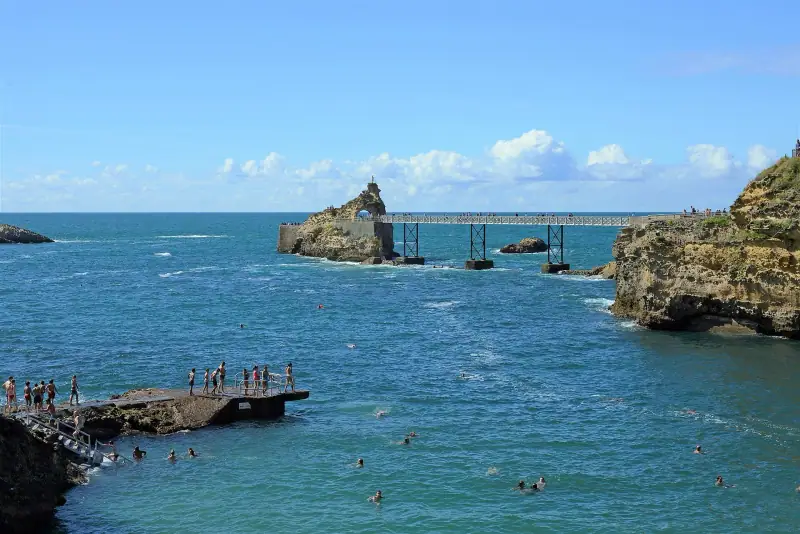
When to go to the Basque Country: weather, seasons and events
The best time to visit the Basque Country: weather, crowds, swimming, surf, festivals and budget, season by season.
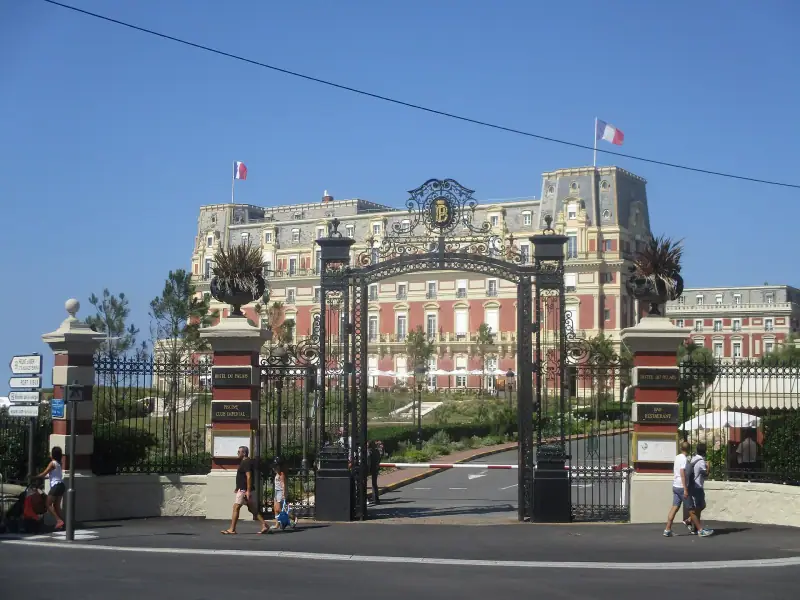
Where to stay in Biarritz: districts and types of accommodation for your trip
Palace, boutique hotel, apartment, guesthouse, campground or hostel: compare lodging types and districts to choose where to stay in Biarritz.
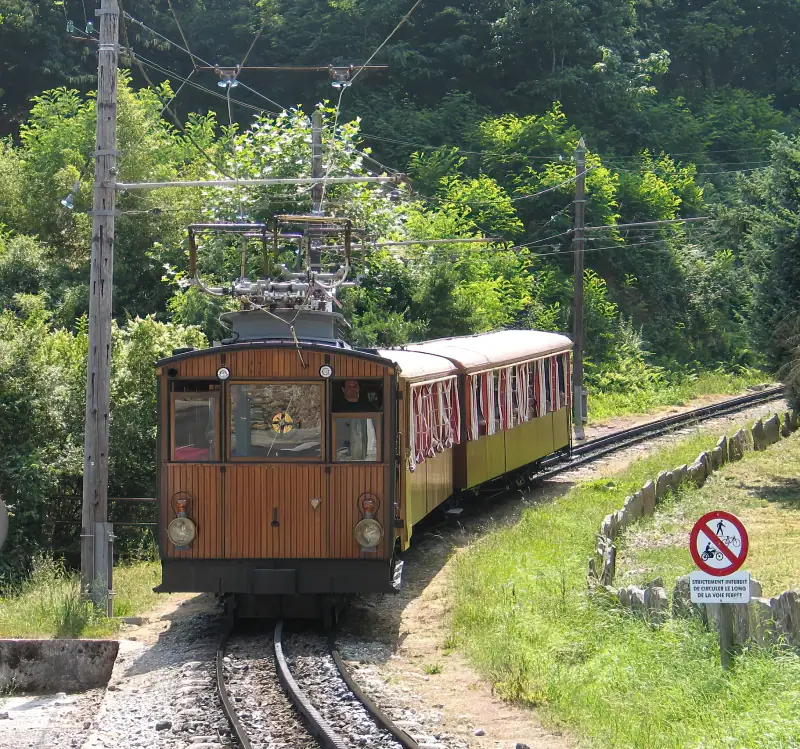
La Rhune cog train: book ahead or on the day? Prices, hours, weather
La Rhune cog train: do you need to book? 2026 fares, hours by season, parking, strollers, dogs and weather for the ride up from Sare.
Ready-made
Basque Country itineraries
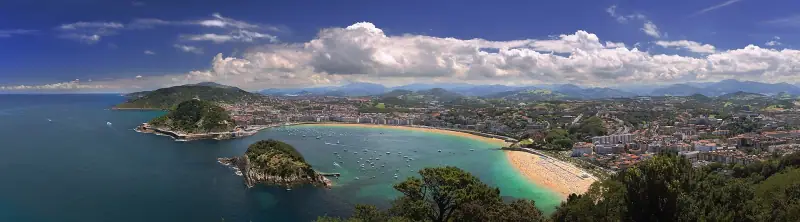
1 day
San Sebastián in 1 day from the Basque coast: itinerary and tips
One day in San Sebastián from Biarritz, Saint-Jean-de-Luz or Hendaye: how to get there, what to see and where to taste pintxos.
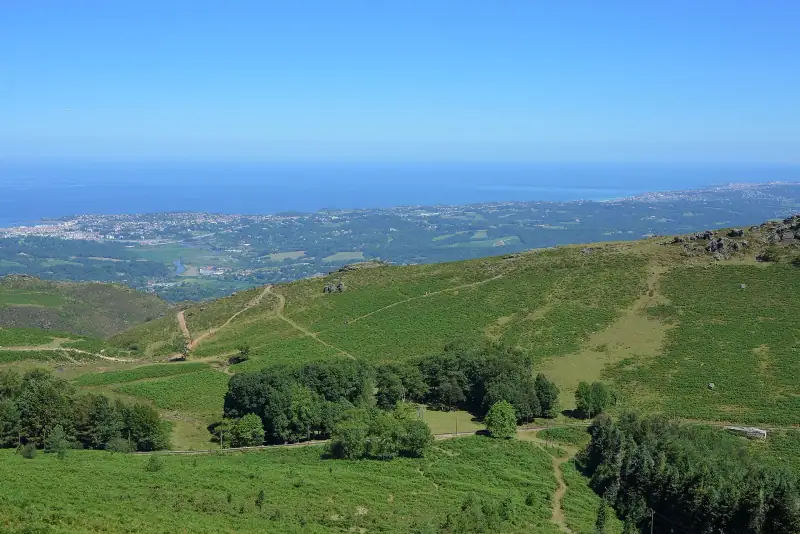
5 days
The Basque Country in 5 days with kids: stops and pace
The Basque Country with kids in 5 days: drive times, beaches, La Rhune cog train, Sare caves and a rainy-day plan B, at a child's pace.
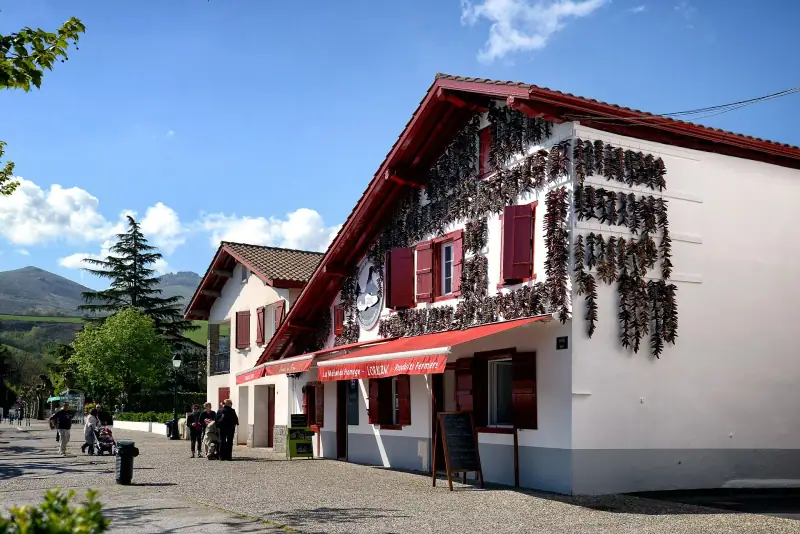
3 days
3 days in the Basque Country: coast and inland itinerary
A 3-day Basque Country itinerary: Biarritz, Bayonne, Saint-Jean-de-Luz, Espelette and La Rhune, with distances, tips and good addresses.