Plan your trip
Best time to visit Corsica: a month-by-month guide
We may earn a commission when you book through links on this page, at no extra cost to you. We don't visit or try the places we cover: we summarize published sources. How we work
In short
- June and September offer the best compromise between warm sea, reasonable crowds and moderate prices.
- July-August have the warmest sea (26-27 °C / 79-81 °F) but also the biggest crowds and top rates, to be booked months ahead.
- For hiking, aim for May-June and September-October; in 2026 the GR20 huts were staffed from May 16 to October 4.
- Many coastal lodgings close between October 15 and 31; sea temperature is still 21-22 °C (70-72 °F) in October.
Corsica welcomes millions of visitors every year, but not all of them have the same experience depending on when they go. The difference between a crowded July weekend and a quiet September stay can be total, even on the same beach. This guide helps you choose the period that best matches your expectations and your budget.
In short: June and September offer the best compromise between warm sea, reasonable crowds and moderate prices. July-August guarantee the warmest sea but also the crowds and maximum rates, to be booked months ahead. For hiking, aim for May-June and September-October; in 2026, the GR20 huts were staffed from May 16 to October 4.
General climate of Corsica
Corsica has a Mediterranean climate with more than 2,700 hours of sunshine a year. Summers are hot and dry, winters mild on the coast and snowy at altitude. The Corsican particularity is the diversity of microclimates: the mountainous interior gets much more rain than the coast, and the wind can be very strong on some coasts (libecciu in the southwest, tramontane in the north).
Summer temperatures range between 25 and 35 °C (77 to 95 °F) on the coast. In the mountains, above 1,500 meters (4,920 ft), temperatures stay cool even in summer (15-20 °C / 59-68 °F by day). The sea peaks in August (26-27 °C / 79-81 °F) and stays pleasant until October (21-22 °C / 70-72 °F).
Month by month: what to do and what to expect
January - February: the island in winter
The first two months of the year are the depths of the Corsican winter. The coast is mild (10-14 °C / 50-57 °F), but it can be cold and rainy at times. The interior is often snowy above 800 meters (2,625 ft).
What works:
- Low-altitude hiking in the maquis
- Skiing at Val d’Ese (Bastelica, Corse-du-Sud), Ghisoni or Haut Asco (Haute-Corse): small areas whose opening depends on snow cover, so check with the resorts before leaving
- Discovering the towns (Bastia, Ajaccio) without tourists
- Food: the season of cheeses and charcuterie
What doesn’t work:
- Swimming (sea at 14-15 °C / 57-59 °F)
- Most coastal lodging (closed)
- Boat excursions
Budget: Very low. This is the cheapest period of the year.
March - April: the island wakes up
Corsica wakes up in spring with the first maquis flowers. The weather is variable but increasingly pleasant. Markets resume, terraces open.
The advantages of spring:
- Green, flowering landscapes
- Excellent hiking (the GR20 is still icy at altitude, but accessible at low altitude)
- No tourist crowds
- Very competitive prices
- Waterfalls and gorges at their best (maximum flow after the winter rains)
The drawbacks:
- Sea still cool (16-18 °C / 61-64 °F)
- Some businesses not yet open before late April
- Sometimes capricious weather
To do in March-April: Visit the archaeological sites (Filitosa, Cuciurpula), explore the villages of the interior, hike in the Restonica gorges.
May: mildness before the crowds
May is the favorite of many seasoned travelers. Nature is at the peak of its beauty, the island begins to awaken touristically without yet being overrun, and prices remain reasonable.
Temperatures: 20-25 °C (68-77 °F) on the coast, 15-20 °C (59-68 °F) inland Sea: 18-19 °C (64-66 °F), cool but swimmable for the brave Crowds: Low to moderate Prices: Intermediate, up from winter
It is the ideal period for a road trip, as roads are not yet saturated and the panoramas are extraordinary. For the GR20, the staffed-hut season starts in mid-May (May 16 to October 4 in 2026 according to the Corsica Regional Natural Park, relayed by FFRandonnée), with mandatory online reservation, including for bivouac. Note: early in the season, some passages often remain snowy above 2,000 m (6,560 ft).
June: the perfect month for beaches and hiking
June combines all the advantages: the island is beautiful, the sea warms quickly (reaching 21-22 °C / 70-72 °F at the end of June), crowds are not there yet and prices are still reasonable. It is the best month to combine beach and hiking.
Temperatures: 25-30 °C (77-86 °F) Sea: 20-23 °C (68-73 °F), very comfortable from mid-June Crowds: Moderate (start of the season but not yet the school holidays) Prices: Rising, but still 20-40% cheaper than in August
The second half of June sees the first big tourist flows arrive (start of school holidays in some European countries). Book lodging and ferry at least 2 months ahead for June.
July: high season, perfect beach weather, big crowds
July is the second busiest month after August. Beaches are packed (particularly Palombaggia and Santa Giulia), roads jammed on some weekends, and prices at their maximum.
What July has going for it:
- Ideal sea (24-26 °C / 75-79 °F)
- Maximum sunshine
- Festive atmosphere in the seaside resorts
- Festivals and cultural events (dates and whether editions are held should be checked each year with the tourist offices)
What to accept:
- Out-of-reach lodging if booked late
- Queues at the ferry ports (up to 3 hours of waiting on the July 14 weekend)
- Very busy beaches on the south coast
- High fire risk (be vigilant in the maquis)
Tip: If you go in July, book well ahead and choose lesser-known beaches (Agriates Desert, Cap Corse) rather than the very popular spots.
August: the most popular month, the least suited to quiet
August is the peak of the tourist season in Corsica. Around August 15, the number of visitors on the island runs to hundreds of thousands and rivals that of residents (365,600 on January 1, 2026 according to Insee): roads, beach car parks and ports run at full capacity.
Temperatures: 28-35 °C (82-95 °F), sometimes 38 °C (100 °F) inland Sea: 26-27 °C (79-81 °F), ideal for swimming Crowds: Maximum Prices: Maximum (lodging sometimes 2 to 3 times more expensive than in September)
Tips to survive Corsican August:
- Get up at dawn to reach popular beaches before 9 am
- Avoid the Bastia-Ajaccio axis (former N193) on an August weekend (terrible traffic jams)
- Favor the interior of the island and Cap Corse, which are less visited
- Book at least 6 months ahead
September: the ideal month
September is unanimously recognized as the best month to visit Corsica, and the reputation is deserved. From August 20, families head home en masse, freeing the beaches and roads. The sea is still at 24-25 °C (75-77 °F), the days are long and bright, and prices have dropped by 30 to 50%.
Temperatures: 25-29 °C (77-84 °F) Sea: 23-25 °C (73-77 °F) Crowds: Clearly reduced after August 20 Prices: Significantly lower
It is the ideal period to combine beach and hiking, to taste local cuisine in seaside restaurants that have regained their serenity, and to go diving in crystal-clear water with maximum visibility.
October: the last breath of the season
October is a transition month. The sea remains pleasant (21-22 °C / 70-72 °F) until mid-October. Autumn landscapes begin to color the chestnut forests and the vines. The calm is total.
October’s problem: most coastal lodging closes between October 15 and 31. Seaside resort restaurants close gradually. You therefore have to accept a more limited choice and aim for the towns (Ajaccio, Bastia, Porto-Vecchio) or year-round lodging.
What October allows:
- Hiking in optimal conditions (no more excessive heat)
- End of the grape harvest and tastings at the estates (call before dropping by)
- Chestnut gathering in the forests of the interior
- The Corsica of the locals
November - December: back to absolute calm
Late autumn and early winter in Corsica are for lovers of authenticity and seasoned hikers. The island is calm, prices at their lowest, and you will meet more wild boar than tourists on the mountain roads.
The winter light of the Mediterranean has a particular beauty, and the towns of Bastia and Ajaccio return to their daily rhythm, far from the summer tourist ballet.
The December date: the Fiera di a Castagna, the rural chestnut fair of Bocognano, takes place from December 4 to 6, 2026 according to Visit Corsica. You can find chestnut flour, cheeses, charcuterie, jams and knives, and can taste pulenta with brocciu and figatellu. It is also the season of fresh charcuterie: figatellu is found mostly from November to March.
Summary table by period
| Period | Sea | Weather | Crowds | Budget |
|---|---|---|---|---|
| January-February | ❄️ Cold | 🌧️ Variable | 🟢 Empty | 💚 Very low |
| March-April | 🥶 Cool | 🌤️ Variable | 🟢 Calm | 💚 Low |
| May | 🌊 Cool | ☀️ Pleasant | 🟡 Moderate | 💛 Medium |
| June | 🏊 Comfortable | ☀️ Fine | 🟡 Medium | 🟠 High |
| July | 🏖️ Warm | ☀️ Very fine | 🔴 High | 🔴 Very high |
| August | 🏖️ Very warm | ☀️ Perfect | 🔴 Maximum | 🔴 Maximum |
| September | 🏊 Ideal | ☀️ Perfect | 🟡 Moderate | 💛 Medium |
| October | 🏊 Pleasant | 🌤️ Good | 🟢 Low | 💚 Low |
| Nov-Dec | ❄️ Cold | 🌧️ Variable | 🟢 Empty | 💚 Very low |
Recommendation by traveler profile
You love the beach but hate crowds: June or September, the two best months without hesitation.
You are a family with school-age children: July, ideally the first half, otherwise late August (beaches empty after the 20th).
You are a hiker: May-June for the GR20 and the gorges, September-October for mid-mountain hiking.
You have a small budget: October or May, with the best value for money.
You want the best conditions for diving: Late September to early October, with maximum visibility and still-warm water.
Whichever period you choose, Corsica will charm you. The island works in every season; you just need to adapt your expectations and prepare your stay accordingly. Happy planning!
Sources
Frequently asked questions
What is the ideal month to go to Corsica?
September is often cited as the ideal month: the sea is still very warm (24-25 °C / 75-77 °F), crowds drop sharply after August 20, rates fall and the light is magnificent. June is an excellent alternative for those who want to enjoy the beaches before the holidays.
Can you go to Corsica in May?
Yes, May is very pleasant for hiking and cultural discovery. The vegetation is lush, the island is calm and prices are low. However, the sea is still cool (18-19 °C / 64-66 °F) and some lodging or restaurants are only starting to open.
Are there mosquitoes in Corsica?
Yes, especially in summer in wet areas (rivers, ponds). Bring an effective repellent, particularly if you camp or stay near a coastal river such as the Tavignano or the Golo.
Is Corsica crowded in August?
August is the busiest month of the year. Beaches and roads can be very congested, especially around August 15. Prices are at their maximum and booking months ahead is essential.
Can you swim in Corsica in October?
Yes, the sea is still pleasant in October (21-22 °C / 70-72 °F). It is an ideal period for travelers who enjoy quiet and reduced prices, even though some businesses close from mid-October.
More Corsica guides
Keep reading
Corsica budget: how much does a trip to Corsica cost?
How much to plan for a trip to Corsica? Ferry, lodging, restaurants and activities: a complete budget guide by type of traveler.
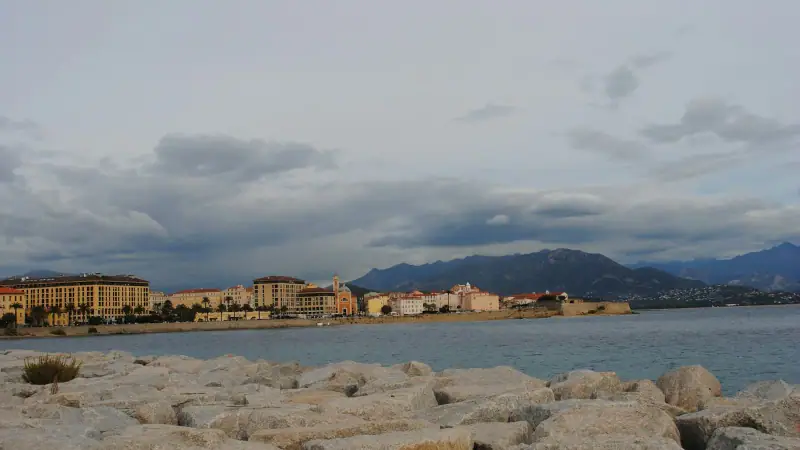
Bastia or Ajaccio: where to stay in Corsica without a car
Bastia or Ajaccio as a car-free base in Corsica? Train access, walkable areas and possible excursions: a full comparison to help you choose.
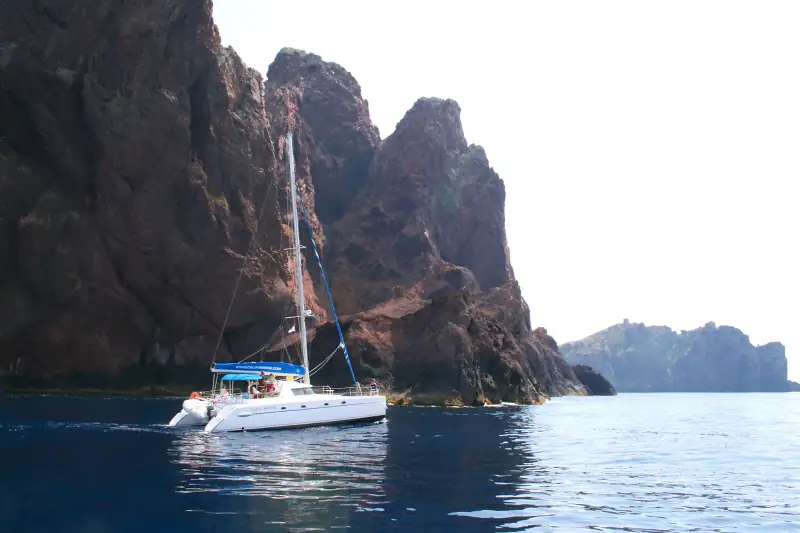
Boat trip to Scandola and Girolata: book ahead or on the spot?
Scandola and Girolata by boat: book ahead or on the spot? Departure ports, prices, duration, seasickness and best season.
Ready-made
Corsica itineraries
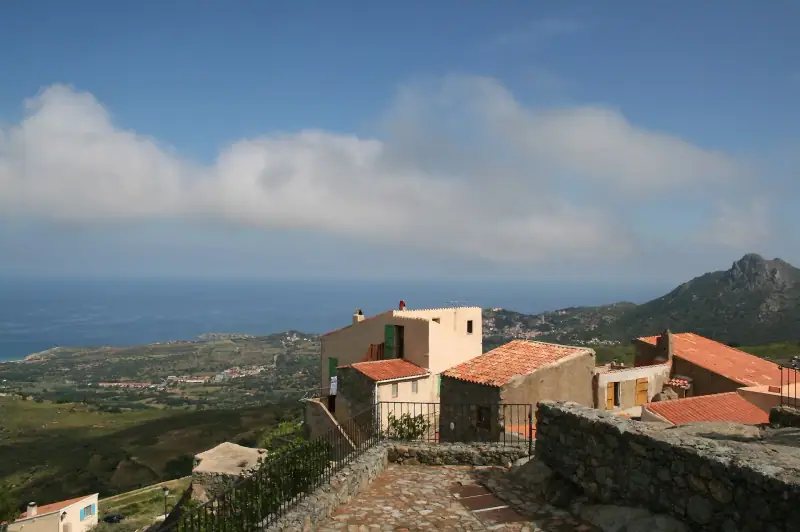
5 days
5 days in Balagne: Calvi, L'Île-Rousse and the perched villages
5-day Balagne itinerary: Calvi, L'Île-Rousse, Sant'Antonino, Pigna. Perched villages, beaches, olive oil and the beach train. A complete guide.
10 days
Corsica in 10 days: a complete itinerary around the Island of Beauty
A 10-day Corsica itinerary around the whole island: Bastia, Cap Corse, Balagne, Ajaccio, Bonifacio, Porto-Vecchio and the mountains.
14 days
Corsica road trip: a 10 to 14 day itinerary to see it all
The ultimate Corsica road trip in 10 to 14 days: the best route through the island's beaches, villages, mountains and food.