Plan your trip
When to go to Provence: seasons, lavender, weather and crowds
We may earn a commission when you book through links on this page, at no extra cost to you. We don't visit or try the places we cover: we summarize published sources. How we work
In short
- May, June and September are generally the best months for pleasant weather, landscapes and reasonable crowds. For lavender, aim for late June and early July.
- Lavender usually blooms from mid-June to late July (early August on higher ground); harvests often start around mid-July.
- July and August are hot, dry and busy, with the highest prices. In summer, fire risk can restrict access to some massifs.
- Winter is quiet and mild compared to the rest of France: good for cities, markets, museums and food, though some village businesses close.
“When should you go to Provence?” This question comes up in almost every travel plan, and the answer depends on what you come for: the purple lavender fields of summer, the colorful markets of spring, the golden grape harvest of September, or the luminous calm of the cities in winter. The region enjoys a Mediterranean climate, with plenty of sunshine, hot and dry summers and mild winters, but each season has its own character, advantages and constraints.
This guide reviews the seasons, key months, the mistral, crowds and budgets, to help you choose the period that suits your wishes, your pace and your wallet.
Provence’s climate in brief
Provence lies in the southeast of France, between the Rhône valley, the Southern Alps and the Mediterranean. The climate is Mediterranean: lots of sun all year, dry summers, rain concentrated mostly in spring and fall, sometimes in the form of intense storms, and mild winters on the coast.
Relief nuances this picture, though. On the coast, in Marseille or Cassis, the sea tempers temperatures. Inland, around Avignon, Arles or the Luberon, the swings are larger: hotter summers and cooler winter nights. In higher areas, such as Mont Ventoux or the backcountry of the Verdon Gorge, it is cooler and snow can appear in winter.
The mistral: a player to know
The mistral is a strong, dry north wind that funnels into the Rhône valley before spreading across Provence. It can blow for several days in a row, especially in winter and spring, with marked gusts. Its effects are ambivalent: it cleans the sky and gives exceptional light, the light that inspired so many painters, but it can make seaside walks, terraces and the mountains uncomfortable, even inadvisable during strong episodes. Always keep an indoor activity in reserve: a museum, a winery visit or a covered market.
Spring (March to May): light, flowers and calm
Spring is one of the most pleasant seasons to discover the region. Temperatures rise gradually, the countryside turns green again, almond and cherry trees blossom from the end of winter, and village terraces slowly fill up.
Advantages:
- Mild temperatures, ideal for walking, visiting ancient sites and strolling through hilltop villages.
- Moderate crowds, except during the Easter holidays and the May long weekends.
- Lodging more affordable than in summer, with more choice.
- Farmers’ markets in full swing, with the first vegetables and fruit of the season.
Drawbacks:
- Mistral still possible.
- Changeable weather, with showers or storms.
- Sea water still cool: swimming waits for summer.
- Early in the season, some seasonal businesses have not yet reopened.
May is often considered one of the best months for a first stay: days are long, nature is at its brightest, and the summer crowd is not yet here. It is also a very good time to walk the villages of the Luberon and the Alpilles.
Summer (June to August): lavender, sea and great heat
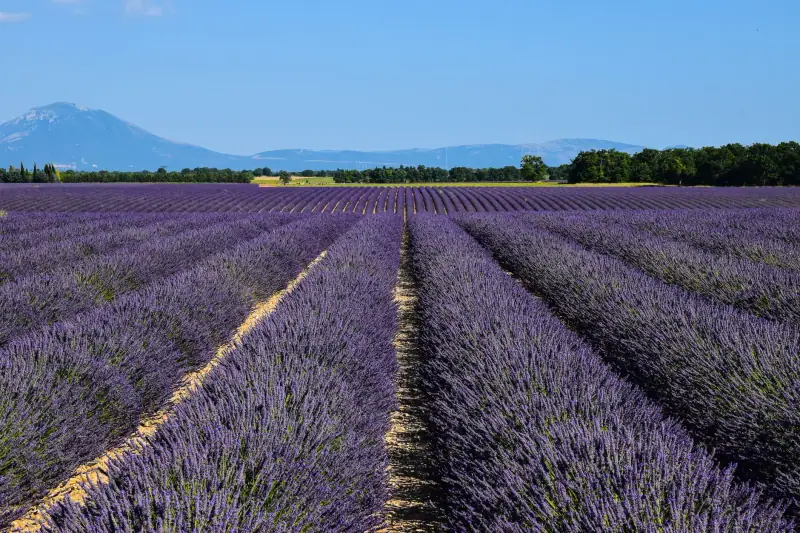
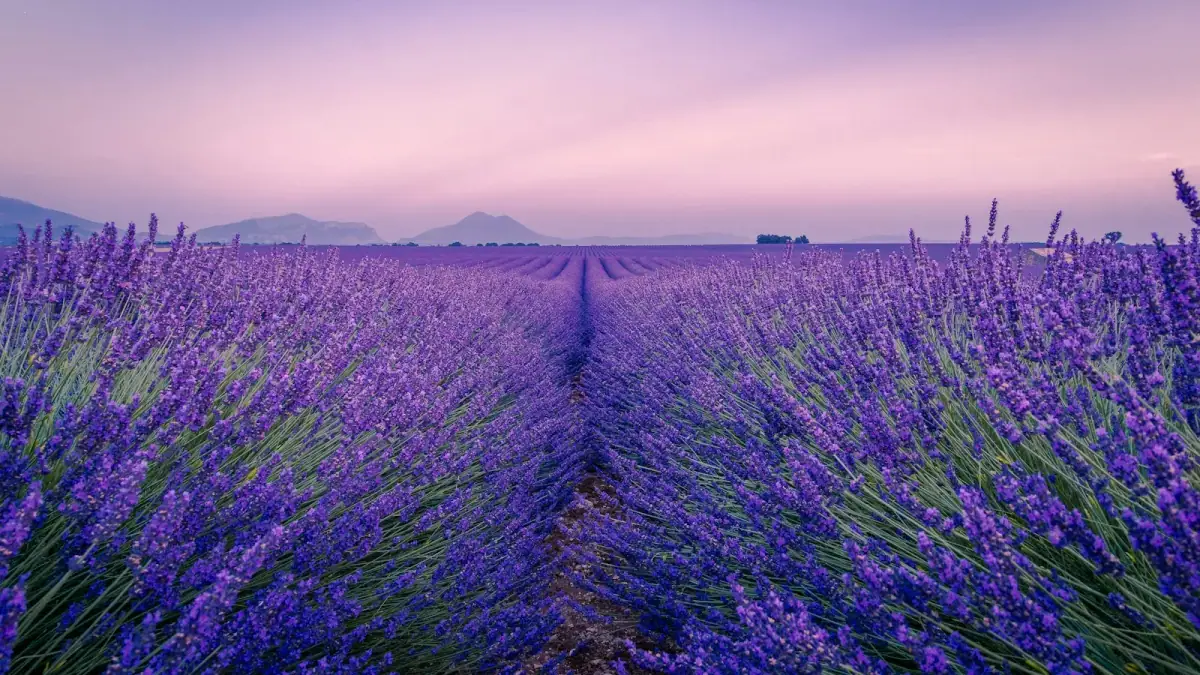
Summer is high season, with a holiday atmosphere: lively markets, open-air festivals, endless evenings on shaded squares. It is the lavender period, the symbol of Provence.
The lavender bloom
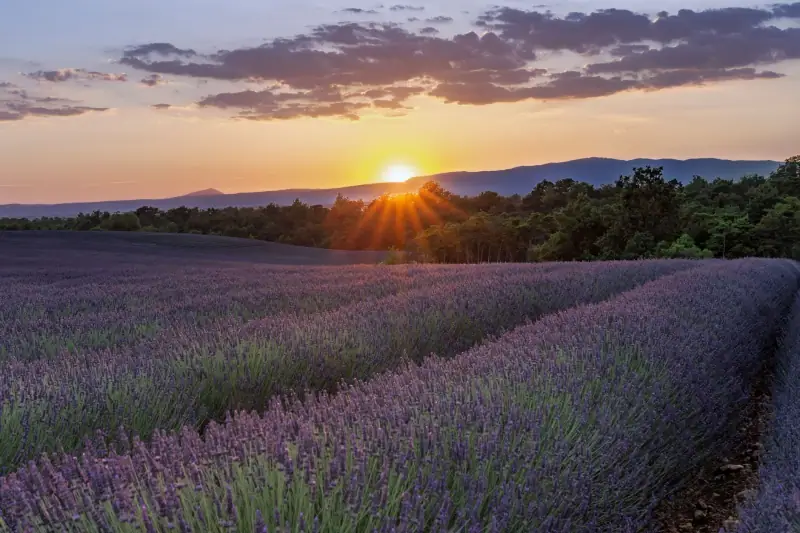
Lavender generally blooms from mid-June to late July, with a peak that depends on altitude and the year’s weather: hotter and drier, earlier; cooler, later. The big plateaus, like Valensole, bloom first; higher areas, around Mont Ventoux or the Sault area, a little later. Harvests often begin around mid-July, which explains why some fields are already cut at the end of the season.
For good photos, aim for sunrise or sunset, when the light is soft and tourists are fewer. Respect the fields: they are crops, not sets. Stay on the paths, don’t pick without permission and don’t walk between the rows.
Lavender excursions in Provence
Tours from the big cities to see the fields without worrying about the driving.
Heat, crowds and prices
In July and August it is hot and dry, and heat waves are possible. Adapt your pace: outdoor sites in the morning, a break in the shade or a swim in early afternoon, a stroll late in the day. The best-known villages, such as Gordes, Moustiers-Sainte-Marie or Cassis, can be very busy. Lodging prices are at their peak and you need to book early, often several months ahead for the best addresses.
Fire risks are higher in summer: some massifs, including in the Luberon, the Alpilles or around Sainte-Victoire, can have access restricted, even banned on some days depending on the weather. Check prefecture information before going hiking, and follow the instructions.
Sea, lakes and rivers
Swimming is pleasant from June to September. On the coast, Cassis and the calanques offer clear waters, but access to some coves is regulated in summer. In the backcountry, Lake Sainte-Croix, at the end of the Verdon Gorge, allows swimming, pedal boats and kayaking in summer.
Fall (September to November): grape harvest and mildness
September is a remarkable month: summer lingers, crowds thin after mid-August, the sea is still warm and the grape harvest enlivens the estates. It is often the best compromise between weather, prices and atmosphere.
October and November are more contrasting. The colors of the vines, turning red and gold in the Luberon and the Alpilles, are superb, and days often remain mild. Rain is more frequent, though, sometimes as intense Mediterranean episodes, and days get shorter.
Fall’s assets:
- Harvests, grape picking and olives: the perfect time to visit estates. Our guide to Provence wines helps you choose appellations.
- Prices dropping compared with summer, notably from late September outside school holidays.
- Comfortable hikes, once the heat has subsided.
- Markets rich in mushrooms, chestnuts, squash and figs.
Note: in November, some village lodgings and restaurants close for the season. Check openings before booking.
Winter (December to February): authentic Provence
Winter is the quietest season. It is mild on the coast compared with the rest of France, but mornings and evenings are cool, especially inland and in a mistral. Frosts are not rare, and snow appears at altitude, notably on Mont Ventoux.
It is the time for cities: Avignon, Aix-en-Provence, Arles and Marseille can be visited without crowds, with their museums, monuments and cafés. Christmas markets and the tradition of santons, those small nativity figurines, give the region a special charm before the holidays. It is also the season of truffles and comfort dishes, such as daube.
Who is it for? For those looking for low prices, calm, a local atmosphere and few lines. Avoid if you dream of swimming, terraces all day or high-altitude hikes without equipment.
Accommodation in Provence
Compare hotels and B&Bs for your dates: rates vary a lot from one season to the next.
Month by month: the summary table
| Month | Mood | Highlights | Watch points |
|---|---|---|---|
| January-February | Quiet, cool | Cities, museums, truffles | Mistral, some places closed |
| March-April | Nature wakes up | Blossoms, markets, gentle prices | Variable weather, busier at Easter |
| May | Very pleasant | Villages, hikes, light | May long weekends |
| June | Start of summer | Early lavender, swimming | Rising prices, first storms |
| July | High season | Lavender, festivals, sea | Heat, crowds, high rates |
| August | Peak crowds | Evenings, swimming | Crowds, heat, fire risk |
| September | Ideal | Grape harvest, warm sea | Storms possible |
| October | Mild, colorful | Vines, olives, calm | More frequent rain |
| November | Peaceful | Low prices, food | Short days, closures |
| December | Festive | Christmas markets, santons | Cold, very busy holidays |
Which period for your plan?
To see lavender
Aim for late June and early July, with a margin of a few days depending on the year. Ask local tourist offices before booking: they often report the state of the bloom. Book your lodging early, as this period is in great demand.
To visit hilltop villages and hike
May, June, September and early October. You will enjoy milder temperatures than in summer, less crowded trails and better walking conditions, notably in the Luberon, the Alpilles and around the Verdon Gorge.
For the beach and swimming
From late June to September. September combines warm sea and thinner crowds. Remember to book early for the calanques in high season, where access can be regulated.
For food and markets
All year, with different products: asparagus and strawberries in spring, tomatoes, melons and summer fruit, grapes and mushrooms in fall, truffles and citrus in winter. Provence’s markets are an institution: wandering through them is a simple way to soak up the region.
To travel on a small budget
From November to March, and in April outside the Easter holidays. Also watch the weeks outside school holidays in September and October: they are often good periods to balance price and weather.
As a family
Summer school holidays are convenient but expensive and hot. Early June and early September are good compromises for enjoying outdoor activities without the crowd or the heat wave.
Practical tips by season
What to pack?
- Summer: light clothes, hat, sunglasses, sunscreen, comfortable walking shoes, water bottle.
- Spring and fall: layers, a windbreaker against the mistral, a rain jacket.
- Winter: warm coat, scarf and closed shoes; the mildness of the day can give way to a cool evening.
Getting around: Provence is very easy to visit by train and bus between the big cities like Marseille, Aix-en-Provence, Avignon or Arles, but the villages of the Luberon, the Alpilles and the Verdon are much easier to reach by car. In summer, book early, because demand is high.
Booking ahead: for July and August, allow several months’ notice for lodging; for lavender, book from winter if you want a wide choice.
Getting informed before hiking: in summer, access to massifs can be limited because of fire risk, and the mistral can complicate outings on ridges or by the sea.
Tours and activities in Avignon
For mistral or rainy days, compare guided visits and indoor activities.
Best periods at a glance
If you had to keep only one period, choose September or the second half of May and June: pleasant weather, expressive nature, moderate crowds and more reasonable prices than in midsummer. If lavender is the goal, accept high season and book early for late June and early July. If you are looking for tranquility, winter reveals a more intimate Provence, best savored in town and at the table.
Whatever the season, keep some flexibility in your plans: a gust of mistral, a storm or a heat wave can upset the day. Plan a fallback activity and enjoy the Provençal light, which is never quite the same from one day to the next.
Frequently asked questions
What is the best month to visit Provence?
For pleasant weather, landscapes and reasonable crowds, May, June and September are generally the best months. If lavender is your priority, aim for late June and early July.
When is lavender in bloom in Provence?
Bloom generally starts in mid-June and continues until late July or early August, with a peak that varies by altitude and year. The Valensole plateaus bloom first, higher areas a little later. Harvests often take place from mid-July.
Is it too hot in Provence in summer?
July and August are hot and dry, with often very sunny days and heat spikes. It is best to visit early in the morning or late in the day, and to keep a swim break or an indoor visit for midday.
What is the mistral and can it spoil a trip?
The mistral is a strong, dry, cold wind that comes down the Rhône valley, especially in winter and spring. It chases away the clouds and makes the sky very clear, but it can make terraces uncomfortable. It generally drops within a few days; keep an indoor plan B.
Can you visit Provence in winter?
Yes, it is a quiet, mild period compared with the rest of France, ideal for cities (Avignon, Aix, Arles, Marseille), Christmas markets, museums and food. Some village lodgings and restaurants close or reduce their hours.
When is it cheapest?
Outside school-holiday periods, from November to March and in April, accommodation rates are generally much lower than in July-August. Long weekends and festivals can still push prices up in some towns.
Can you swim in the sea in Provence?
Swimming is pleasant from June to September, with warmer water at the end of summer. Lakes and rivers such as Lake Sainte-Croix also allow you to cool off in summer, depending on local conditions and regulations.
More Provence guides
Keep reading
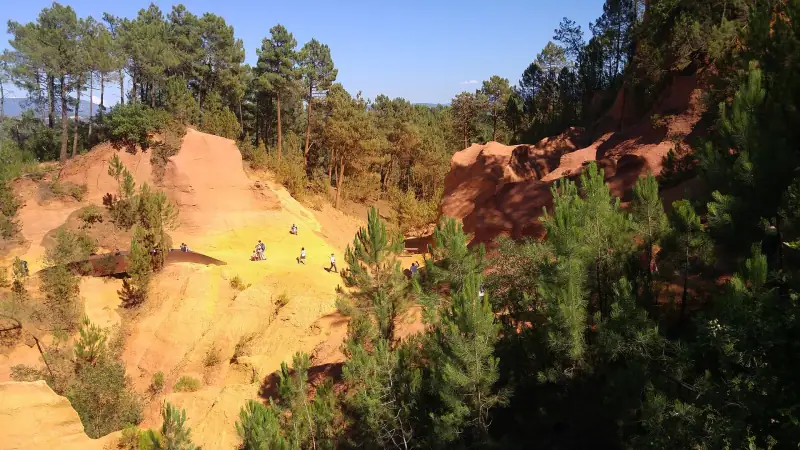
Roussillon Ocher Trail: price, hours, duration and practical tips
Roussillon Ocher Trail: €3.50 ticket, 30 or 50 minutes on foot, hours by season, parking, dogs, strollers and what to wear.
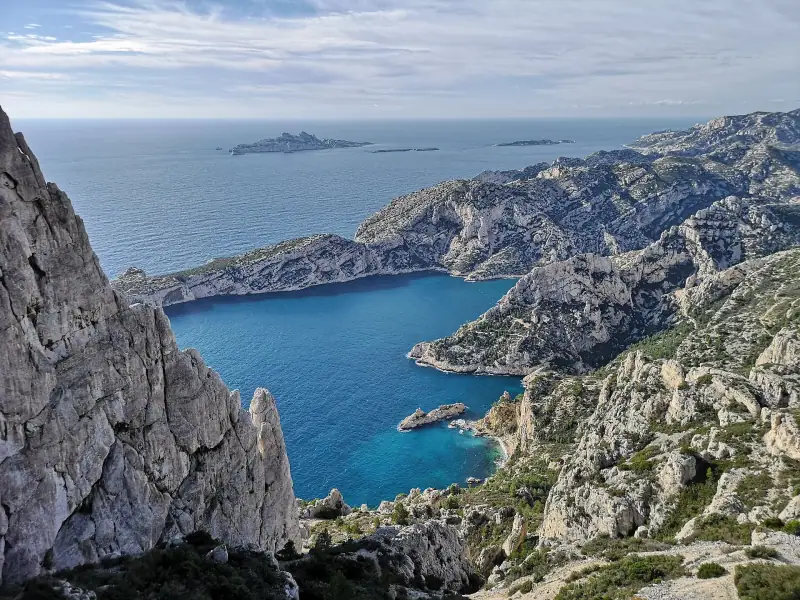
Calanque de Sugiton: mandatory reservation, dates, how to book and alternatives
Sugiton requires a free reservation in summer: 2026 dates, booking opens 3 days ahead, 400 spots a day, access from Luminy and calanques without booking.
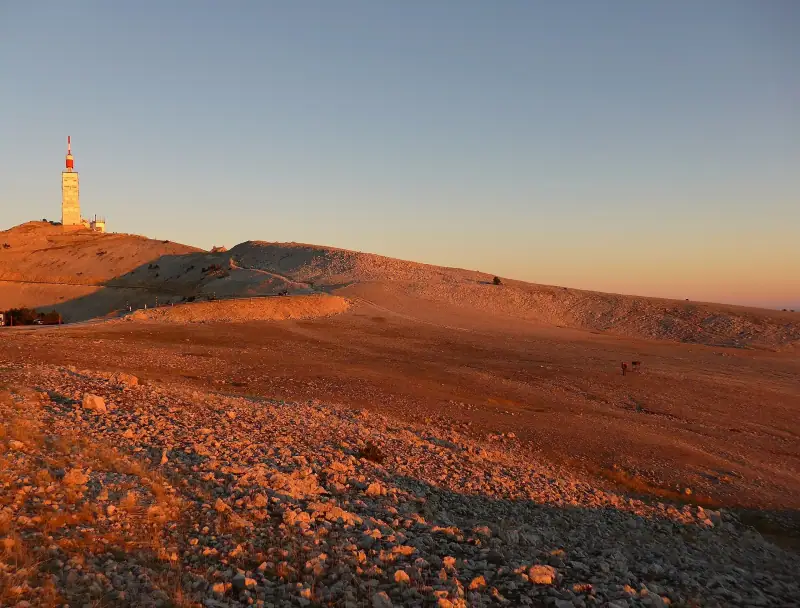
What to see around Mont Ventoux: the climb, Nesque gorges, Dentelles and villages
What to see around Mont Ventoux: the summit, Nesque gorges, Dentelles de Montmirail, Sault, Bédoin and Vaison-la-Romaine. A guide to plan your visit.
Ready-made
Provence itineraries
3 days
Lavender route in Provence in 3 days: Valensole, Sault and the Luberon, stops and distances
Moustiers-Sainte-MarieSault
3 days
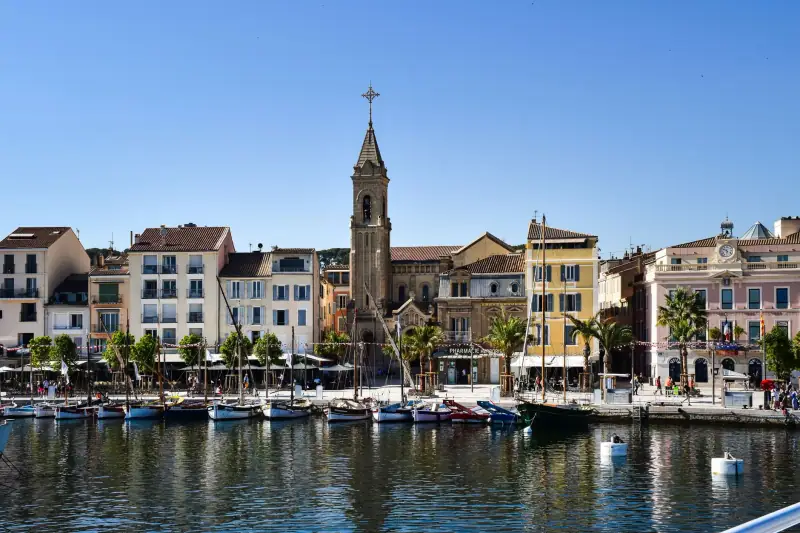
3 days between Marseille, Cassis and Aix-en-Provence: a detailed itinerary
3-day Provence itinerary: Marseille and the Vieux-Port, Cassis calanques, Aix-en-Provence and its fountains. Day by day, distances and tips.
5 days
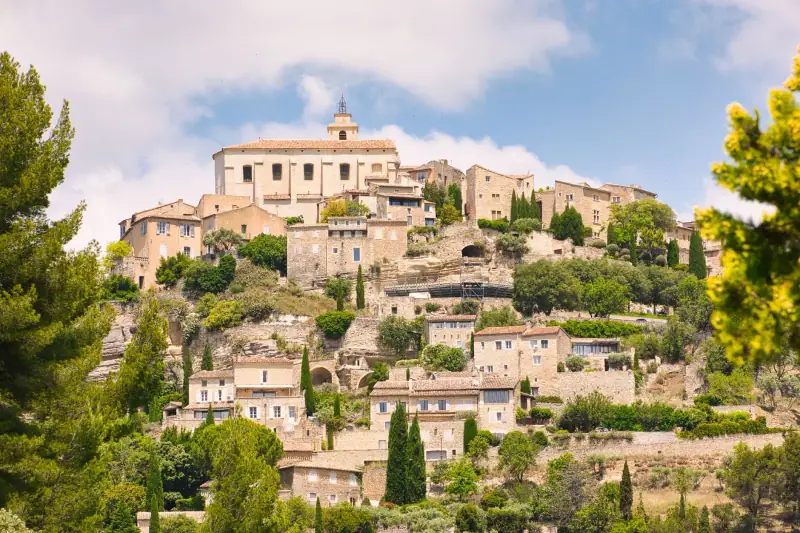
5-day Provence itinerary: Avignon, Luberon, Alpilles and Camargue
A day-by-day 5-day Provence itinerary: Avignon, Luberon, Alpilles, Arles, Camargue, Aix and Cassis, with realistic distances and practical tips.
Can be adapted in the planner