Itineraries
3 days on the French Riviera from Nice: a car-free itinerary by train
We may earn a commission when you book through links on this page, at no extra cost to you. We don't visit or try the places we cover: we summarize published sources. How we work
Day by day
- Day 1Nice: Old Nice, Castle Hill, Promenade des Anglais
- Day 2Villefranche-sur-Mer, Èze, Menton by train and bus
- Day 3Antibes market and ramparts, Cannes Croisette and Le Suquet
Weather through the year on this route
| Jan | Feb | Mar | Apr | May | Jun | Jul | Aug | Sep | Oct | Nov | Dec | |
|---|---|---|---|---|---|---|---|---|---|---|---|---|
| High °F (°C) | 5211 | 5211 | 5714 | 6116 | 6820 | 7725 | 8228 | 8429 | 7524 | 6820 | 5915 | 5412 |
| Low °F (°C) | 436 | 415 | 457 | 5010 | 5714 | 6418 | 6820 | 7021 | 6317 | 5714 | 489 | 457 |
| Rain in (mm) | 2.460 | 1.845 | 2.050 | 2.460 | 1.845 | 1.230 | 0.615 | 1.025 | 2.870 | 3.9100 | 4.5115 | 3.075 |
Normals 1991–2020 at Antibes: averages over 30 years, not a forecast. Source: NASA POWER (MERRA-2), grid of about 50 km. Figures computed by us in November 2026.
In short
- Three days with Nice as the only base: Nice on day 1, the coast east (Villefranche, Èze, Menton) on day 2, the coast west (Antibes, Cannes) on day 3.
- No trip takes more than about three-quarters of an hour by train, and no car rental is needed.
- Monaco, about 20 minutes from Nice, can be added on day 2, but it makes the day heavier; choose between Monaco and a fuller visit to Menton.
- Spring (April to June) and early fall (September to October) are the most pleasant; in midsummer, leave early and keep the hot hours for the beach or museums.
The French Riviera lends itself wonderfully to short stays: in under fifty kilometers (31 mi) of coast, you go from an Italian-style baroque city to a village perched on its spur, then to ramparts plunging into the sea. The trick is not to spread yourself too thin. This three-day program picks Nice as the single base and branches out each day in a different direction: central Nice on the first day, the coast to the east on the second, the coast to the west on the third. No trip exceeds about three-quarters of an hour by train, no car rental is needed, and you do not repack your bags or change hotels.
If you want to look deeper into transport, our guide to getting around the French Riviera without a car details the stations, buses and boat shuttles used here.
Before you leave: organizing your three days
Why Nice as a base? The city is in the middle of the coast, served by the international airport and the main station, from which frequent trains leave in both directions. You sleep in the same place, come back in the evening enjoying the sunset over the bay, and keep a real city for dinner. Accommodation is also more plentiful there, so easier to compare by budget.
The recommended pace. Each day follows the same logic: leave around nine o’clock, one big visit in the morning, an unhurried lunch break, a second stop in the afternoon, and a return at the end of the day for dinner in Nice. In summer, move the departure earlier to avoid the heat, and keep the midday hours for a break in the shade or a swim.
Tickets. For the train, buy your tickets for each trip through the app or the station machines. In Nice, a day transport pass is only useful if you take buses and the tram several times, as the center is largely walkable.
Choose a hotel in Nice, at the heart of the train network
A place near the station or the tram makes each early departure simpler. Compare availability for your dates.
Day 1: Nice, from Old Nice to the Promenade des Anglais
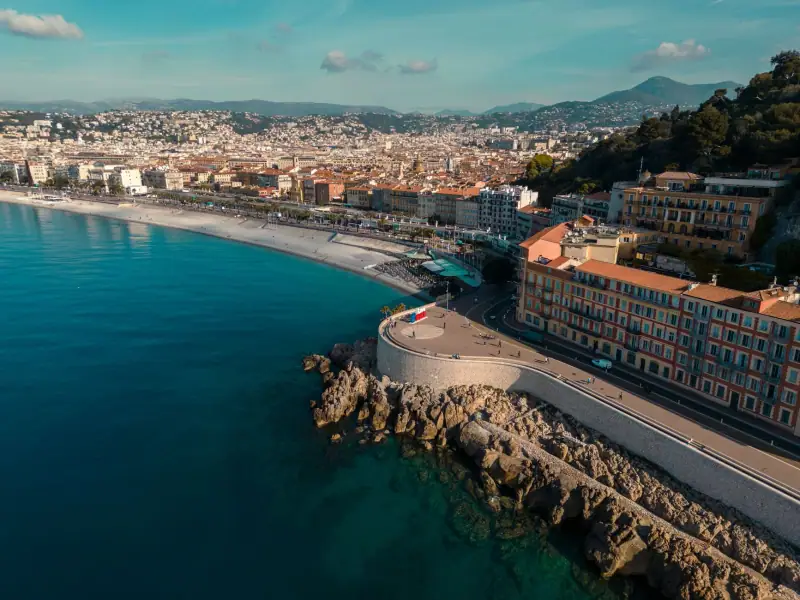
Devote your first day to the capital of the Riviera, which is discovered almost entirely on foot. Ideally, start the morning in Old Nice, a maze of colorful lanes with ocher, yellow and red facades, Italian in inspiration. The cours Saleya, the central square of the district, hosts a fruit, vegetable and flower market in the morning, most days of the week, with a particularly colorful flower market. It is the perfect place to feel the local atmosphere and taste a Niçoise specialty, such as socca, a sort of chickpea pancake baked in a wood oven. To go further on the plate, see our guide on what to eat in Nice and Niçoise specialties.
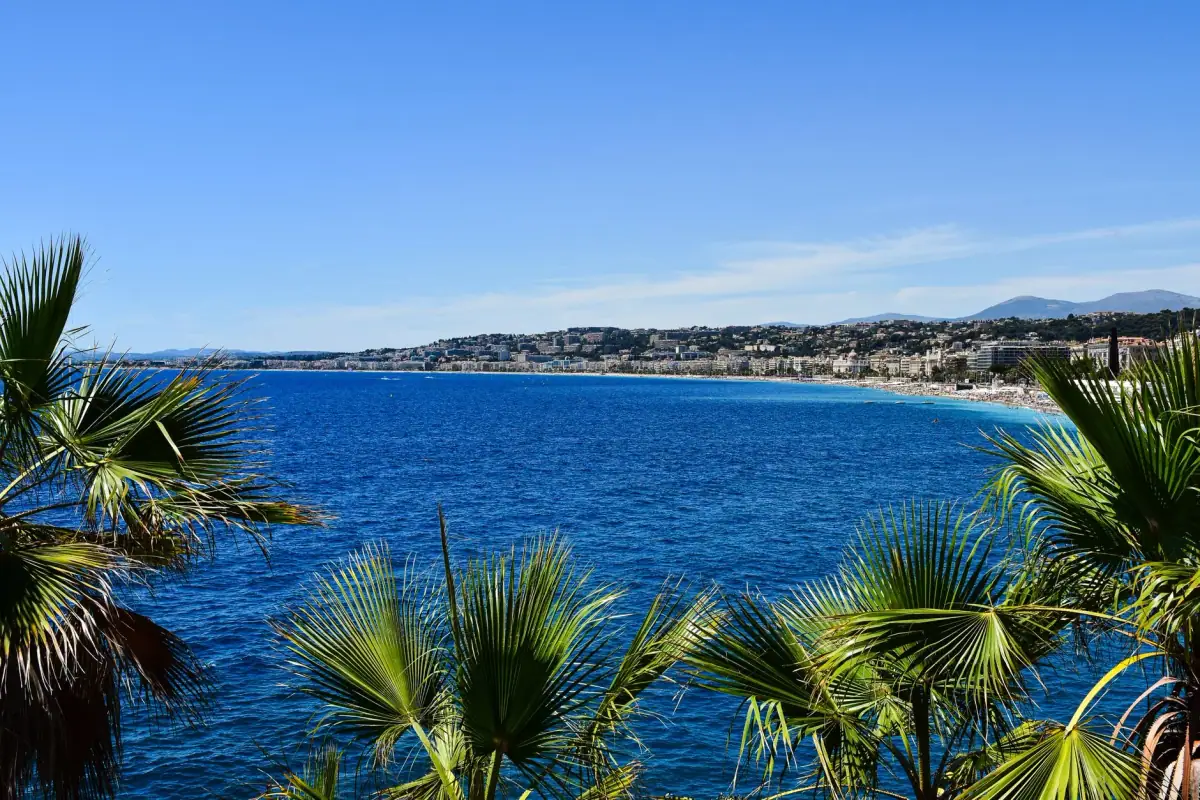
Late in the morning, climb Castle Hill. Only a few remains of the castle itself are left, but the park laid out on the hill offers a superb panorama over the Bay of Angels, the port and the roofs of Old Nice. You reach it on foot by stairs, or by a free elevator at certain times (check the hours there). Plan about an hour for the visit.
In the afternoon, choose between two moods:
- Culture: the Cimiez district, on the heights, has a museum devoted to Henri Matisse, Roman remains and a Franciscan monastery surrounded by gardens. You get there by bus from the center, with a ride of about twenty minutes.
- Relaxation: the Promenade des Anglais and its pebble beaches, a sea swim in season, then an ice cream at the end of the afternoon. Walk to the west end to see the bay from farther away, or rent a bike to ride along the sea.
In the evening, head back up into Old Nice for dinner. Terraces are plentiful, but the busiest streets are sometimes very touristy: move a few lanes away from cours Saleya to find quieter places, and favor restaurants that post a short menu of dishes of the day.
Day 2: the coast to the east, Villefranche, Èze and Menton
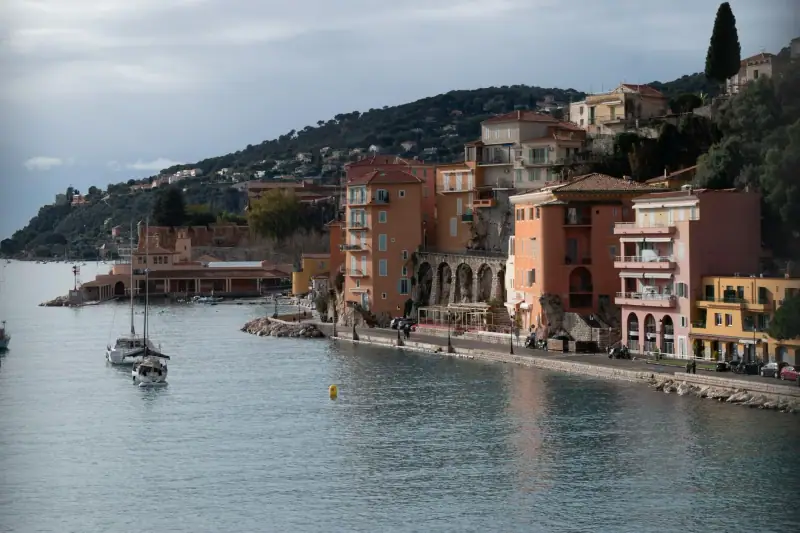
This is the most spectacular day: the railway runs along the sea and reveals coves, villas and headlands. Take an early train to Villefranche-sur-Mer, a few minutes from Nice. From the station, head down to the harbor, where colorful houses line a deep bay, one of the most beautiful in the Mediterranean. Stroll through the old town, notably the rue Obscure, a very old vaulted lane, and visit the small Saint-Pierre Chapel, decorated by Jean Cocteau, if it is open. Plan an hour and a half to two hours for the visit.
Then continue to Èze, a medieval village perched on a rocky spur several hundred meters above the sea. There are two ways to get there: the bus from Nice or Villefranche, more comfortable, or the train to Èze-sur-Mer station followed by the Nietzsche Path, a steep climb of about an hour. In the village, the stone lanes, vaulted passages and small galleries can be visited in an hour. The highlight is the Exotic Garden, at the top, with cacti and a very wide view over the coast. Hours and entry fees change: check them before going up.
In the afternoon, reach Menton, on the Italian border, by train. The town is known for its mild climate and its lemons, celebrated at a dedicated festival in winter. Stroll through the old town, with its sloping lanes and pastel facades, climb to the baroque church overlooking the square, then go to the Vieux-Château cemetery for its panorama. End with a walk on the seafront or a swim, before taking the train back to Nice.
And Monaco? The principality is on the line between Nice and Menton. You can get off for a few hours to see the Rock and the changing of the guard, but the day becomes heavy. Our advice: if you have little time, focus on Villefranche, Èze and Menton, and keep Monaco for a longer stay.
A guided excursion to Èze, Monaco or Menton
If you prefer not to manage train and bus timetables, compare the day excursions from Nice.
Day 3: the coast to the west, Antibes and Cannes
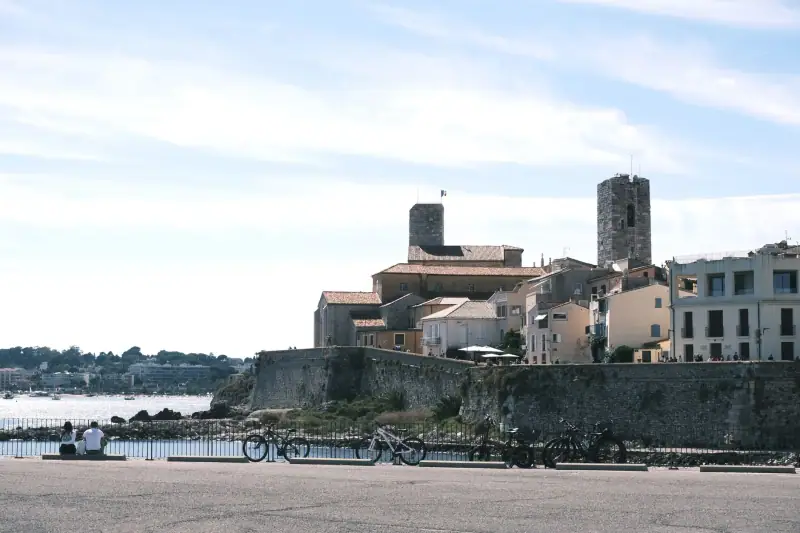
The third day changes the mood: fewer cliffs, more open bays, sand beaches and ramparts. Take a train toward Antibes, about half an hour from Nice. Start with the Provençal market, in the old town and open in the morning most days, then walk the ramparts that face the sea. The Château Grimaldi houses the Picasso Museum, which traces the artist’s stay in Antibes in 1946. Around it, the lanes of the old town are ideal for lunch, and the nearby La Gravette or La Salis beaches let you swim in season.
In the afternoon, continue by train to Cannes. The city is associated with the Film Festival, but it is very good to visit outside events. Walk along the Croisette, past the grand hotels and private beaches, then pass the Palais des Festivals and its famous staircase. For a more authentic atmosphere, climb into the Le Suquet district, the perched old town of Cannes, from where you have a fine view of the harbor and the bay.
If time and energy allow, half a day can be devoted to the Lérins Islands, reachable by boat from the port of Cannes. Sainte-Marguerite island is a nature stop with its fort, while Saint-Honorat shelters a community of monks that grows vines. You can then replace part of the Cannes visit with this crossing, but check the time of the last return boat before leaving.
Return to Nice by train at the end of the day. If you dine in Cannes, find out the last departure to avoid an expensive taxi ride back.
Adapting the itinerary to your profile
This itinerary can be adjusted to your wishes and the season.
- With the family: favor beaches, parks and short walks. Skip Èze if the kids are small, as the climb is steep, and replace it with half a day of swimming in Villefranche or Antibes.
- For culture and art lovers: add the Cimiez district in Nice and the Picasso Museum in Antibes. Saint-Paul-de-Vence, an artists’ village in the hinterland, can replace Cannes on day 3, but it takes a bit more organization by bus.
- On a small budget: train, bus and walking are enough. Museums sometimes offer reduced rates or free days (confirm before you go). Picnicking from local markets cuts meal costs sharply.
- In spring or fall: days are milder, crowds smaller, and hilltop villages are more pleasant to visit. On the other hand, some tourist services, such as boat shuttles, run less often.
Extend your stay in Antibes or Menton
A few more days? A night in Menton or Antibes avoids the late train back and lengthens your sightseeing time.
Practical tips for these three days
Leave early. In hilltop villages such as Èze, the best light and the lowest crowds are before ten o’clock. Groups arrive in late morning, especially in high season.
Watch the return times. Trains are frequent during the day, but the last evening departures are fewer. Check the timetable before ordering dessert, particularly if you dine far from Nice.
Bring good shoes. Hilltop villages, Castle Hill and the ramparts mean walking on cobbles or stairs. Comfortable shoes matter more than any other gear.
Carry water, a hat and sunscreen. In summer the sun is strong, and some sites offer little shade.
Book ahead in high season. Well-located accommodation goes fast from June to September, and some museums or excursions run on timed slots.
Keep a spare day. If your stay lasts four or five days, add a rest day at the beach or an excursion into the hinterland. The Vésubie valley or a village such as Saint-Paul-de-Vence works well, but needs more travel time.
In short
In three days, you can taste the essentials of the French Riviera: the Italian charm of Old Nice, the lanes of Villefranche and Èze, the lemon trees of Menton, the ramparts of Antibes and the Croisette of Cannes. This program rests on a simple idea: a single hotel, a frequent train network, compact days and well-placed breaks. Adapt it to the season, your interests and the group’s energy, without trying to see everything: the coast lends itself better to strolling than to a tourist marathon.
Frequently asked questions
Are three days enough to discover the French Riviera?
Three days let you see the essentials of the coast between Menton and Cannes if you pick a single base, preferably Nice, and branch out by train. You will not cover the hinterland or the Gulf of Saint-Tropez, but you get a very good overview: old town, coastal villages, gardens, beaches and an island.
Where should you stay for this 3-day itinerary?
Nice is the best base: its station is the center of the regional train network, it offers the widest choice of accommodation, and trips to Menton, Antibes or Cannes take from half an hour to about three-quarters of an hour. A place near the station or the tram makes early departures even simpler.
Do you need to rent a car for this itinerary?
No. The whole itinerary is done by train, bus and on foot. A car is rather a handicap on the coast in high season, because of traffic jams and paid parking. It only becomes worthwhile if you add the hinterland or the Gulf of Saint-Tropez.
What is the best season for this itinerary?
Spring (April to June) and early fall (September-October) are the most pleasant: mild temperatures, a sea still warm enough to swim in at the end of summer, fewer crowds than in July-August. In midsummer, leave early in the morning and keep the hot hours for the beach or museums.
Can you add Monaco to the itinerary?
Yes. The principality is on the train line between Nice and Menton, about twenty minutes from Nice. You can stop for a few hours on the second day, but it makes the day heavier: choose between Monaco and a fuller visit to Menton if you are short of time.
What if it rains?
Switch to museums: in Nice, several art museums, including the one devoted to Matisse; in Antibes, the Picasso Museum; or in Cannes, the Le Suquet district and its lanes covered in terraces. Check closing days before you leave, as they vary by museum.
More French Riviera guides
Keep reading
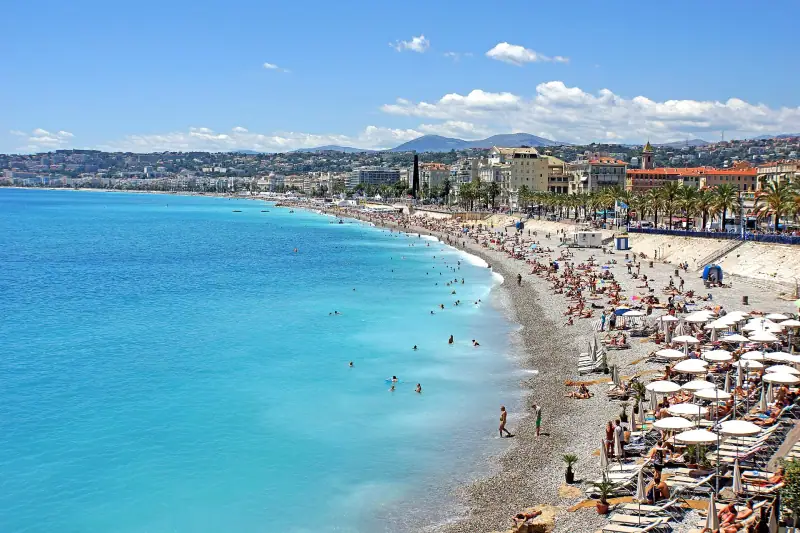
French Riviera budget: what a trip costs, item by item (3 profiles)
Accommodation, transport, meals, activities: the cost of a French Riviera trip, three budget profiles (tight, comfort, premium) and tips to spend less.
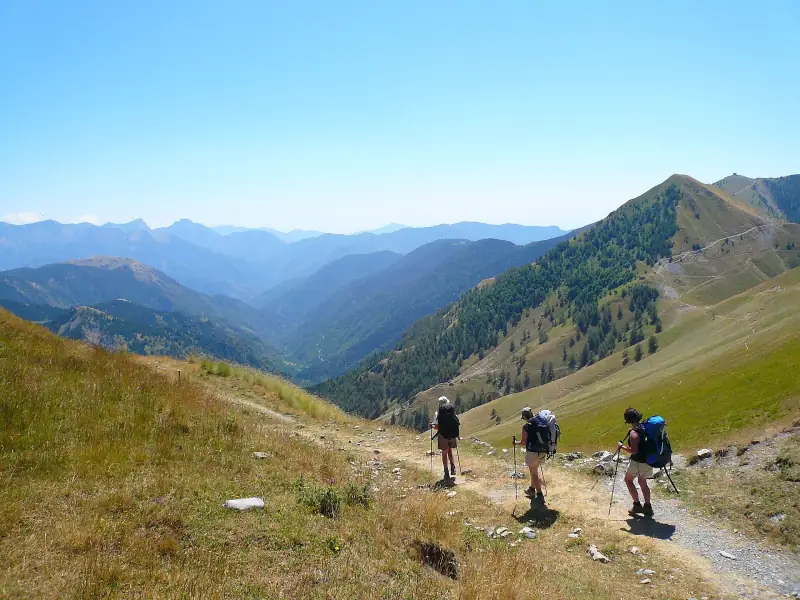
Hiking on the French Riviera: the most beautiful coastal trails
Nietzsche Path, Cap Ferrat, Cap d'Antibes, Esterel: a selection of coastal hikes on the French Riviera, with season tips, gear and car-free access.
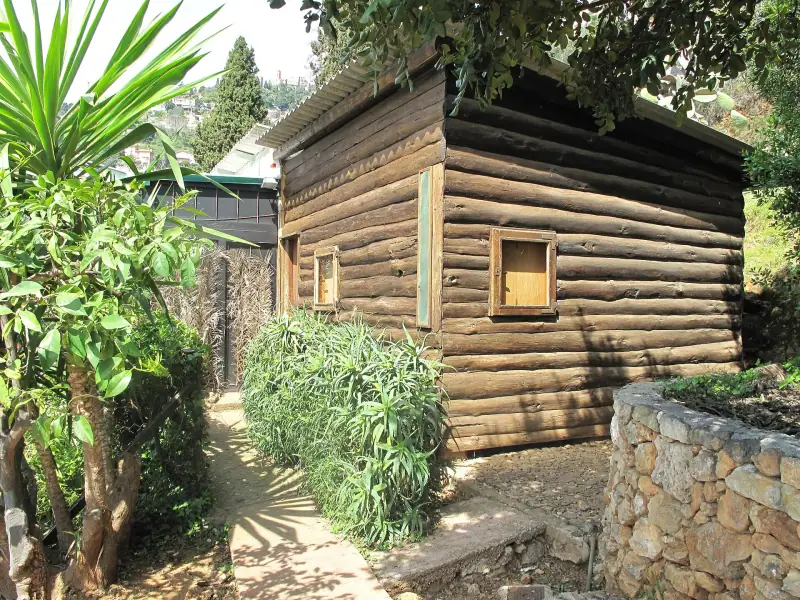
Visiting Villa E-1027 and Le Corbusier's Cabanon: book ahead, prices and access
Villa E-1027 and Le Corbusier's Cabanon in Roquebrune-Cap-Martin: booking required, fares, season, access by train and tips for the visit.
Ready-made
French Riviera itineraries
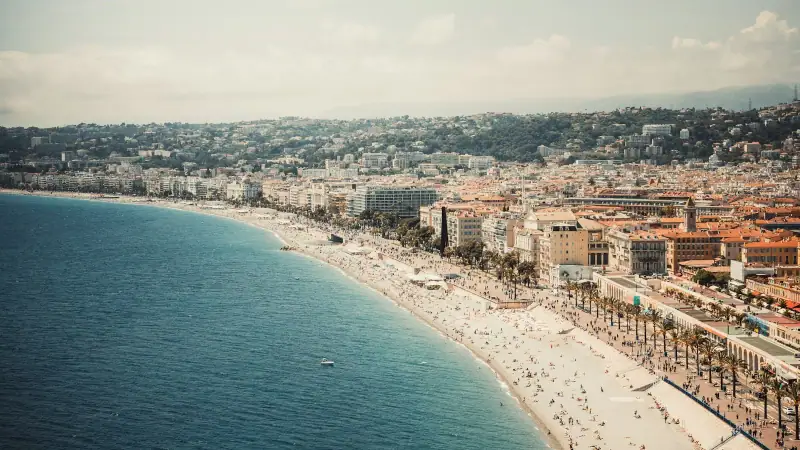
4 days
French Riviera in 4 days with kids: stops and pace
The French Riviera with kids in 4 days: a realistic plan from Nice, with travel times in minutes, short days, beaches and breaks, no car required.
Can be adapted in the planner
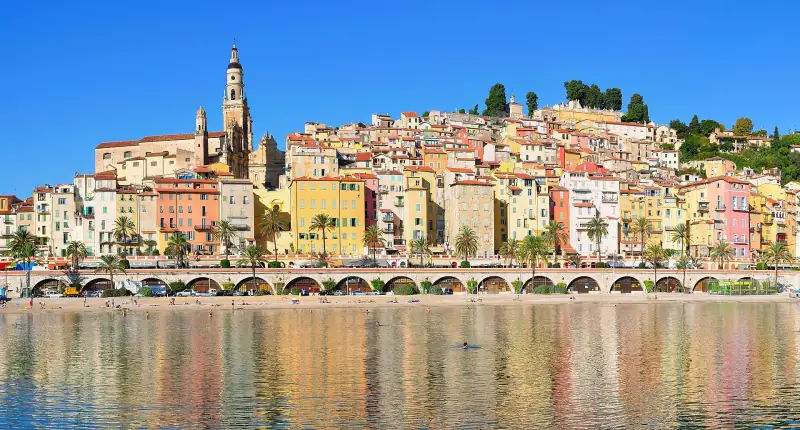
5 days
French Riviera road trip in 5 days: from Menton to Saint-Tropez by car
A 5-day road trip between Menton and Saint-Tropez: corniche roads, hilltop villages, the Esterel and parking tips to avoid traffic jams.