Plan your trip
When to go to the French Riviera: weather, crowds and events month by month
We may earn a commission when you book through links on this page, at no extra cost to you. We don't visit or try the places we cover: we summarize published sources. How we work
In short
- May, June and September are generally the best compromise: sunny weather, pleasant sea from late spring, long days and fewer crowds than in midsummer.
- July and August are ideal for swimming but the most expensive and crowded; sea temperature is often around 23 to 25 °C (73 to 77 °F).
- May brings big events (Cannes Film Festival, Monaco Grand Prix) that fill accommodation around Cannes and Monaco.
- Winter is mild, with the Nice Carnival in February and the Lemon Festival in Menton in February and March; swimming is for the hardy only.
Choosing the right date to go to the French Riviera changes everything: the price of accommodation, the temperature of the sea, the number of people on the Promenade des Anglais, but also the possible activities. The region enjoys a Mediterranean climate with hot, dry summers, mild winters and generous sunshine. Yet each season has its own character, and the “best time” depends above all on what you come for: sea swimming, hiking, hilltop villages, carnivals or off-season calm. This guide details the pros and cons of each period, with rough orders of magnitude rather than promises: the weather varies from year to year.
The short answer: May, June and September
If you want a balanced compromise, aim for late spring and early fall. In late May and June, days are long, vegetation is still green, terraces are set up and the heat remains bearable for walking the lanes of the old town. September is often the favorite of regulars: the sea has stored the summer’s warmth, children are back at school, the crowd thins out and the light softens.
These periods have their own constraints, though. In May, the region hosts big events that saturate accommodation and push rates up around Cannes and Monaco. In June, the first heat waves can already be felt. In September, intense storms sometimes break after the summer, and the rain can be heavy. So check the forecast a few days before leaving rather than relying on an average.
Spring: light, flowers and quiet villages
March to May is a transition season. Temperatures rise gradually, the sea stays cool and days lengthen quickly. It is the time to enjoy the region at its best for sightseeing and walking without sweating: gardens are in bloom, terraces are starting to open and tourist sites are more accessible than in summer.
Best for. Lovers of heritage, photography, gardens and coastal hikes. Spring suits walking the seaside trails presented in our guide to hikes on the French Riviera, then climbing to a hilltop village such as Saint-Paul-de-Vence before the tour buses arrive en masse.
Things to watch. The sea is still cool: swimming is reserved for the boldest until the end of spring. Hours of some seasonal businesses and boat links are sometimes shorter early in the season. Finally, May concentrates big international events, including the Cannes Film Festival and the Monaco Grand Prix, which block accommodation and make trains and roads busier.
Book early for May and June
Festival periods and spring long weekends fill coastal accommodation fast. Compare availability in Nice before prices rise.
Summer: the high season for swimming
July and August are the months of the beach, long evenings on terraces and constant activity. The sea then reaches its most pleasant temperature, often around 23 to 25 °C (73 to 77 °F) depending on the year, which makes it the ideal period for swimming, paddleboarding, kayaking and boat excursions. Warm nights, music festivals and fireworks add to the atmosphere.
The downsides are just as clear. Accommodation prices peak, public beaches are packed, coastal roads are saturated and parking becomes a headache. In the Gulf of Saint-Tropez, traffic jams have become legendary. Heat in town can be oppressive in the middle of the day: better to schedule visits early in the morning or at the end of the day, and keep midday for the beach or a nap.
How to handle summer well:
- Bet on public transport. Trains and boats avoid the jams; we detail these options in our guide to getting around the French Riviera without a car.
- Leave early for busy sites such as hilltop villages and the islands.
- Book ahead accommodation, popular restaurants and excursions.
- Hydrate and protect yourself: a hat, sunscreen and plenty of water are essential.
- Think of the islands. Half a day on the Lérins Islands lets you enjoy calmer coves than in town, even if you need to bring water and a picnic.
Sea outings and summer excursions
Boat ride, kayak, paddleboard or excursion to the Esterel coves: compare the activities offered on the French Riviera.
Fall: the season connoisseurs prefer
From September to November, the French Riviera gradually empties but keeps a remarkable mildness. September and the first half of October still allow swimming, with a warm sea and much quieter beaches. Accommodation prices come down, restaurants return to their normal rhythm and the light is ideal for photos.
Best for. Couples, hikers, food lovers and anyone who wants to combine sea and visits without the crowds. It is also an excellent time to tour Provençal markets and taste seasonal produce, or to discover Niçoise specialties without queuing.
Things to watch. This is the season of Mediterranean downpours, sometimes violent: storms can occur and disrupt transport or boat outings. Watch weather alerts, avoid cliff-edge trails and dry riverbeds during heavy rain, and keep an indoor plan B, such as a museum or covered market. The closer you get to November, the more some seasonal businesses, notably by the sea, close for the season.
Winter: mildness, carnivals and skiing in the hinterland
From December to February, the coast does not look like the image of summer beaches, but it appeals through its relative mildness, often bright sky and calm. People happily walk without sweating, visit museums, lunch on a terrace when the sun is out, and accommodation prices are generally much more accessible than in summer.
Notable events. Winter is a season of festivals: the Nice Carnival enlivens the city in February, the Lemon Festival in Menton brings floats and citrus sculptures in February and March, and the blooming of mimosa colors the hinterland behind Cannes early in the year. Exact dates change every year: check them on the tourist offices’ official websites before booking.
Sea and mountain. Inland, the Nice hinterland and Mercantour have ski resorts reachable from the coast in a little over one or two hours depending on the resort and the road. You can thus combine a day on the slopes with an evening by the Mediterranean, as long as you check snow conditions and road status.
Limits. Swimming is not on the agenda for most visitors, some seaside restaurants and shops close or reduce their hours, and rain can settle in for several days. A spell of cool wind, notably the mistral, can make the temperature seem much lower than expected.
Month-by-month overview
Here is a quick reference, to adapt to the year:
- January: calm, low rates, mimosa blooming at the end of the month depending on the year.
- February: Nice Carnival and the start of the Lemon Festival in Menton, strong cultural buzz.
- March: gradual return of mildness, gardens in bloom, crowds still moderate.
- April: spring established, school holidays and Easter weekends busier.
- May: superb weather but big events, including the Cannes Film Festival and the Monaco Grand Prix.
- June: start of comfortable swimming, long days, crowds rising.
- July: peak season, music festivals, strong heat and high prices.
- August: peak crowds around August 15, rates at their highest.
- September: sea still warm, crowds falling, excellent compromise.
- October: mildness, first rains possible, gentler rates.
- November: quietest month, some businesses close, changeable weather.
- December: festive atmosphere, Christmas markets and lights in several towns.
Prices, bookings and organization by season
Price gaps between low and high season are considerable, especially for accommodation. On a tight budget, weeks outside the school-holiday periods in spring and fall are the most advantageous. If your summer dates are fixed, plan ahead: good, well-located accommodation goes early. Our guide to where to stay in Nice, neighborhood by neighborhood helps you choose a practical base, whatever the season.
A few simple habits:
- Compare flexible dates: shifting by a week can change the price noticeably.
- Favor free cancellation when possible, as weather and transport disruptions are unpredictable.
- Book early for periods of big events, especially in Cannes and Monaco.
- Group your visits: in high season, a compact organization limits travel.
To plan your stay concretely once the season is chosen, our itinerary 3 days on the French Riviera by train from Nice adapts to every period of the year.
An off-season base: Menton or Antibes
In spring or fall, these towns offer a pleasant setting and gentler rates. Discover the accommodation available in Menton.
What to pack depending on the season
Whatever the period, comfortable walking shoes are essential: old towns and hilltop villages are cobbled, steep and slippery when it rains. In summer, pack light clothes, a hat, sunglasses, sunscreen and water shoes for the pebble beaches, very common in Nice. In spring and fall, add a light jacket and a windbreaker for cool evenings and windy days. In winter, a warmer jacket, a compact umbrella and easily layered clothing are generally enough on the coast, but bring real mountain clothing if you go up into the hinterland.
In short: which season to choose?
- For the beach and a festive atmosphere: July and August, accepting crowds and a higher budget.
- For the best balance: June and September.
- For hiking and relaxed sightseeing: April, May (outside big events) and October.
- For carnivals and gentle prices: February and March.
- For calm and a tight budget: November, January and early winter.
There is no bad season, only a season that suits your plan or not. Set your priorities first, beach, culture, nature or budget, then choose your dates accordingly and book ahead for the most in-demand periods.
Frequently asked questions
What is the best time to visit the French Riviera?
May, June and September generally offer the best compromise: sunny weather, a pleasant sea from late spring, long days and fewer crowds than in midsummer. September has the advantage of a sea still warm after summer. July and August remain ideal for swimming, but they are also the most expensive and busiest months.
Can you swim in Nice or Cannes outside summer?
Swimming is comfortable for most travelers from June to September, sometimes from late May if you can tolerate water that is still cool. In April or October, a few brave people go in, but the sea is much colder. In winter, swimming is reserved for regulars.
Is it cold on the French Riviera in winter?
Winter there is mild compared with much of France, with many sunny days and temperatures that let you walk in just a jacket. It can rain, however, and the mistral or a cool wind makes some days colder than expected. Pack layers that are easy to take off.
What is the most expensive month to stay on the French Riviera?
July and August are among the most expensive periods, as are weeks of big events such as the Cannes Film Festival or the Monaco Grand Prix, when accommodation in the region fills very early. Book well ahead if your dates coincide with one of these events.
When should you avoid the French Riviera?
If you hate crowds, heat and traffic jams, avoid the heart of summer, especially around August 15, as well as the weeks of big trade fairs or festivals. If you are after the beach, also avoid the winter months. Some seasonal businesses close then, notably by the sea.
What is the ideal period for hiking?
Spring and fall are the most pleasant: moderate temperatures, clear light and trails less baked by heat. In summer, set off early in the morning and carry plenty of water. In the hinterland and Mercantour, snow can stay on high-altitude trails until early summer.
Can you ski and swim in the same region?
In winter and early spring, the Nice hinterland has ski resorts reachable by car or bus from the coast, while the shoreline stays mild. Doing both in the same day is possible but tiring: better to devote a full day to it and check snow conditions before you go.
More French Riviera guides
Keep reading
French Riviera budget: what a trip costs, item by item (3 profiles)
Accommodation, transport, meals, activities: the cost of a French Riviera trip, three budget profiles (tight, comfort, premium) and tips to spend less.
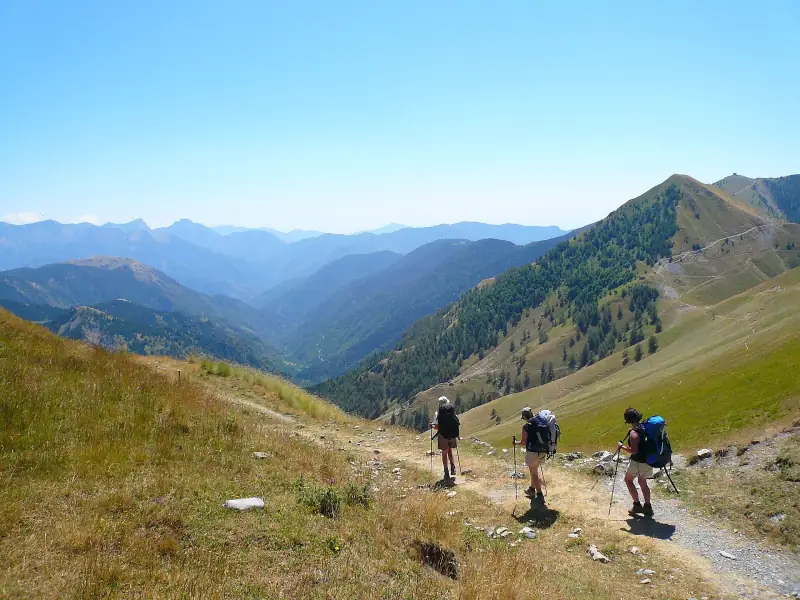
Hiking on the French Riviera: the most beautiful coastal trails
Nietzsche Path, Cap Ferrat, Cap d'Antibes, Esterel: a selection of coastal hikes on the French Riviera, with season tips, gear and car-free access.
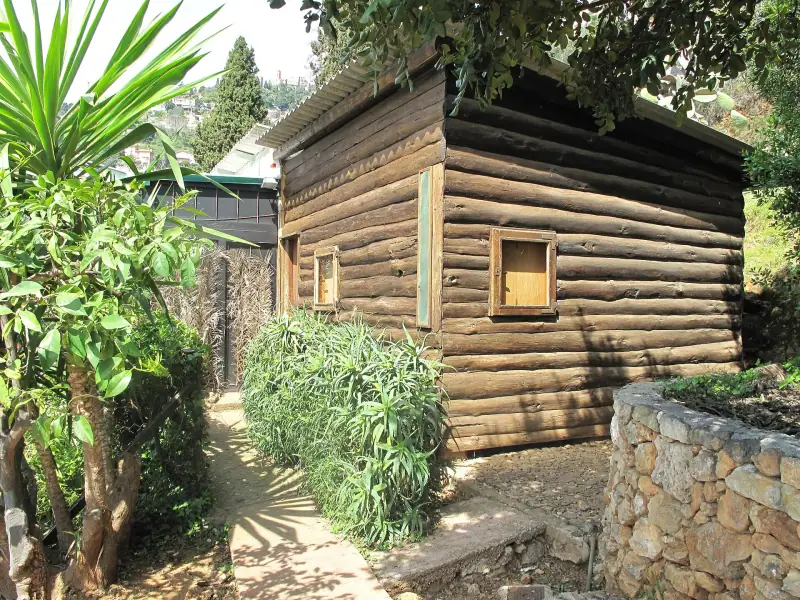
Visiting Villa E-1027 and Le Corbusier's Cabanon: book ahead, prices and access
Villa E-1027 and Le Corbusier's Cabanon in Roquebrune-Cap-Martin: booking required, fares, season, access by train and tips for the visit.
Ready-made
French Riviera itineraries
4 days
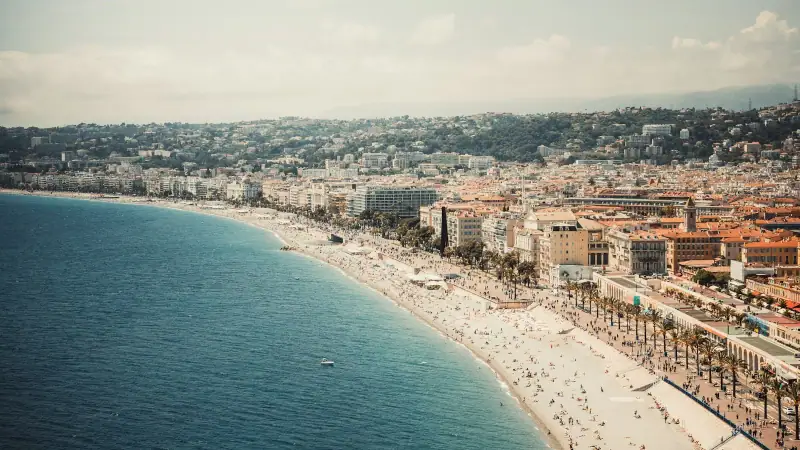
French Riviera in 4 days with kids: stops and pace
The French Riviera with kids in 4 days: a realistic plan from Nice, with travel times in minutes, short days, beaches and breaks, no car required.
Can be adapted in the planner
3 days
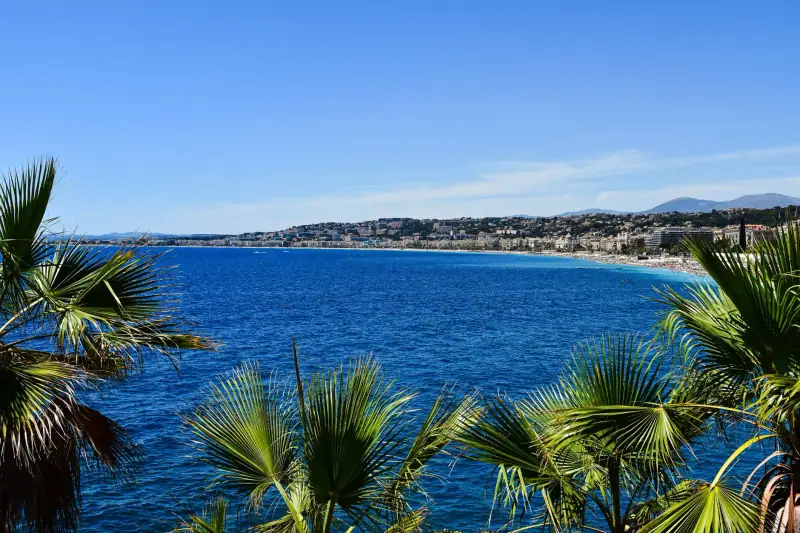
3 days on the French Riviera from Nice: a car-free itinerary by train
Nice, Villefranche, Èze, Menton, Antibes and Cannes in 3 days: a day-by-day itinerary by train and bus, with timing advice and tips to avoid crowds.
5 days
French Riviera road trip in 5 days: from Menton to Saint-Tropez by car
A 5-day road trip between Menton and Saint-Tropez: corniche roads, hilltop villages, the Esterel and parking tips to avoid traffic jams.